Haider Ackermann collaborates with Caltech physicist Dr. Kenneth Libbrecht to grow a unique snowflake as part of the brand’s Natural Intelligence platform
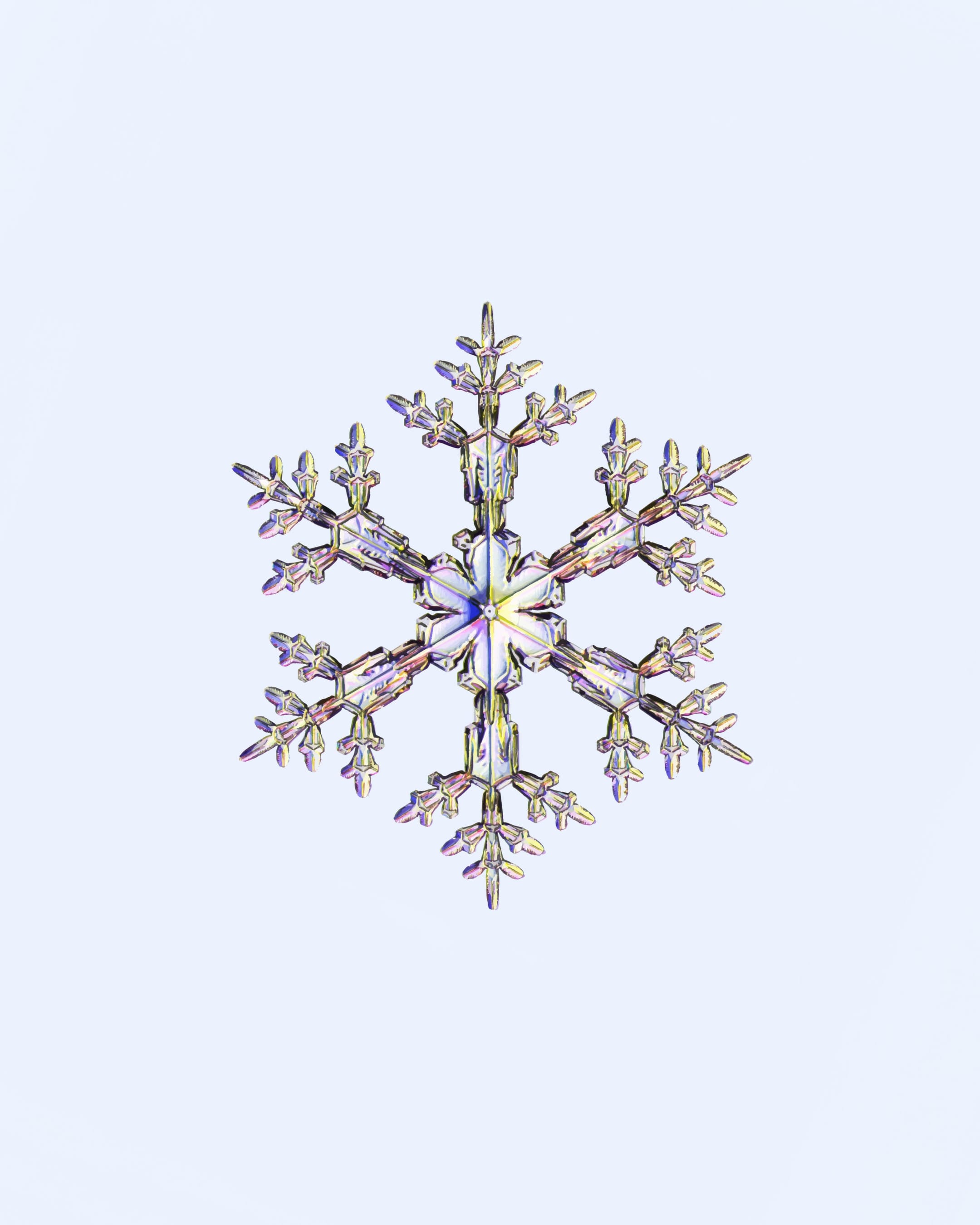
Canada Goose has unveiled an unconventional creation from creative director Haider Ackermann: a one-of-a-kind snowflake developed in collaboration with Caltech physicist and snowflake designer Dr. Kenneth Libbrecht. Part of “Fluent in Winter,” the latest chapter of the brand’s Natural Intelligence platform, the project brings together fashion, science, and nature to explore the relationship between creative intention and the intricate processes of the natural world.
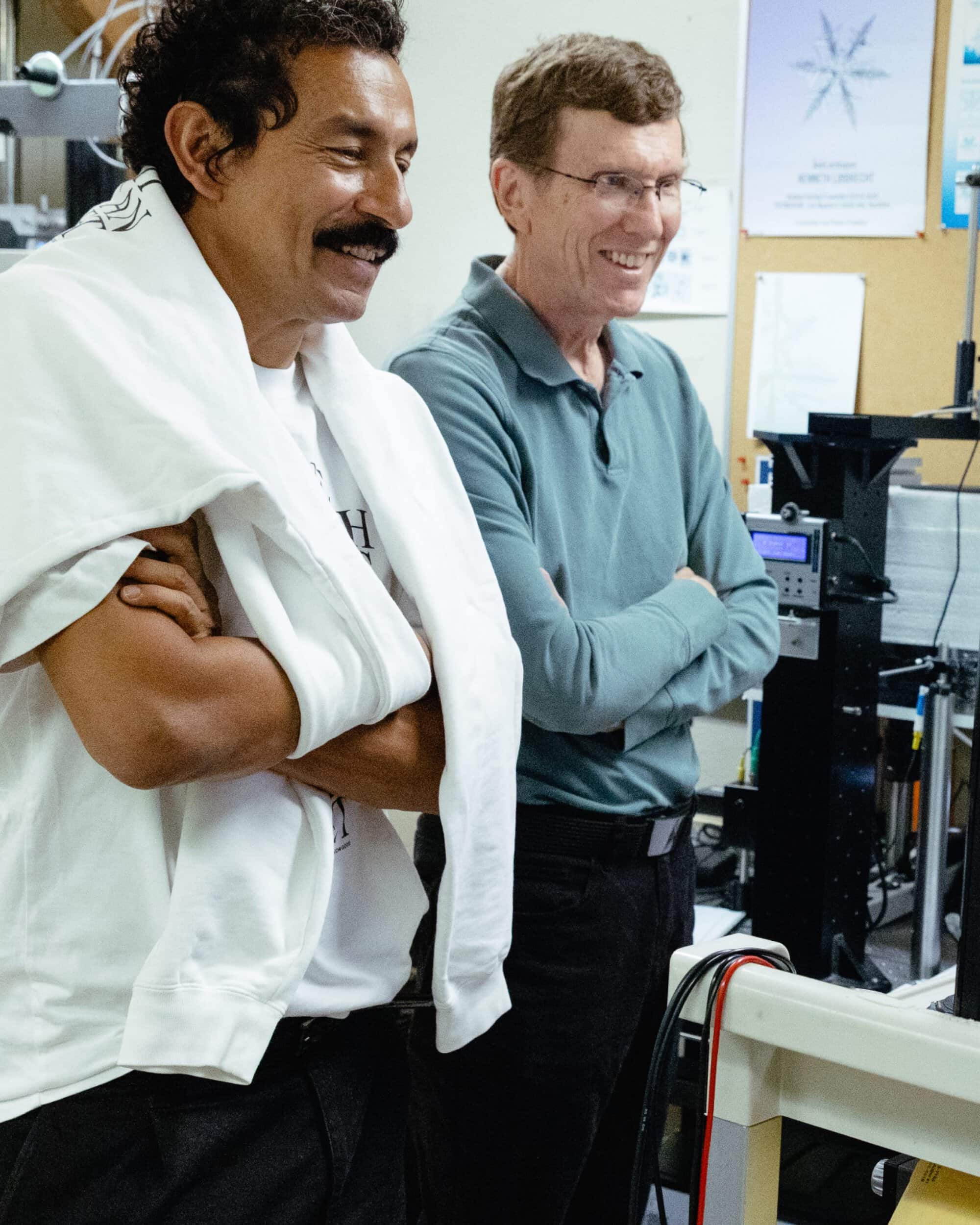
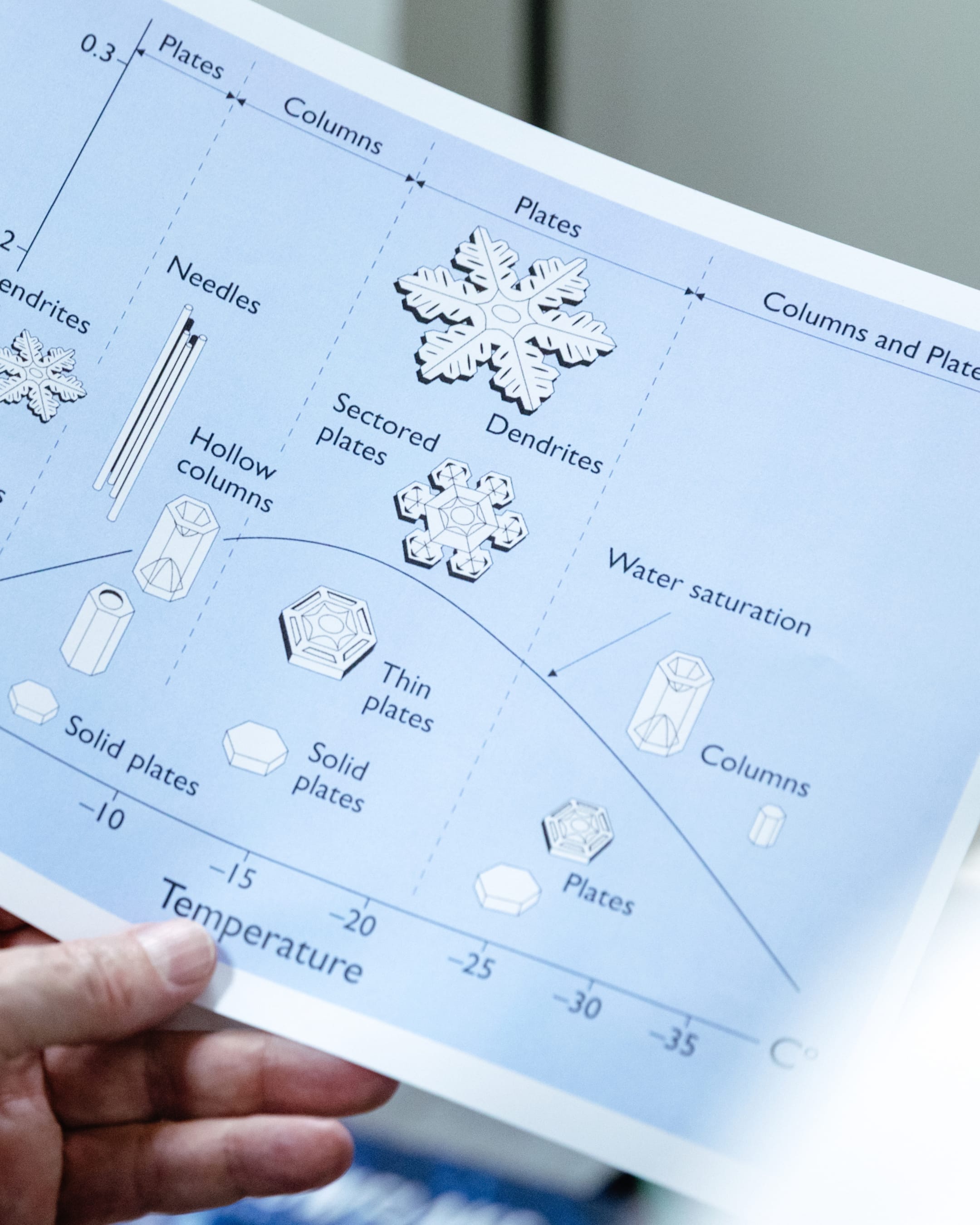
Libbrecht has spent nearly three decades studying snow crystal formation, developing techniques that allow him to grow individual snowflakes under controlled laboratory conditions. By carefully adjusting temperature and humidity throughout the formation of an ice crystal, the physicist can influence its structure branch by branch, while leaving its ultimate form to nature.
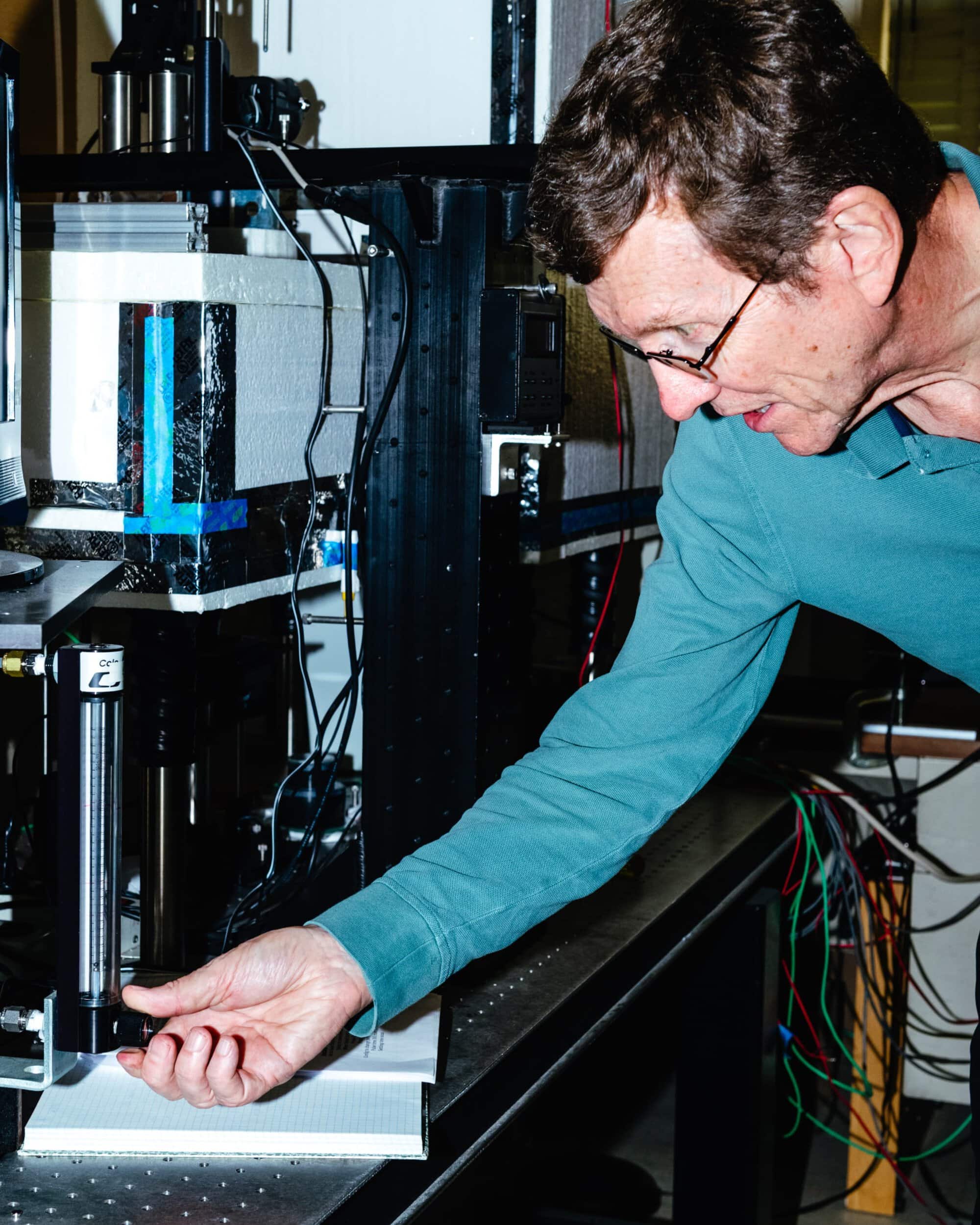
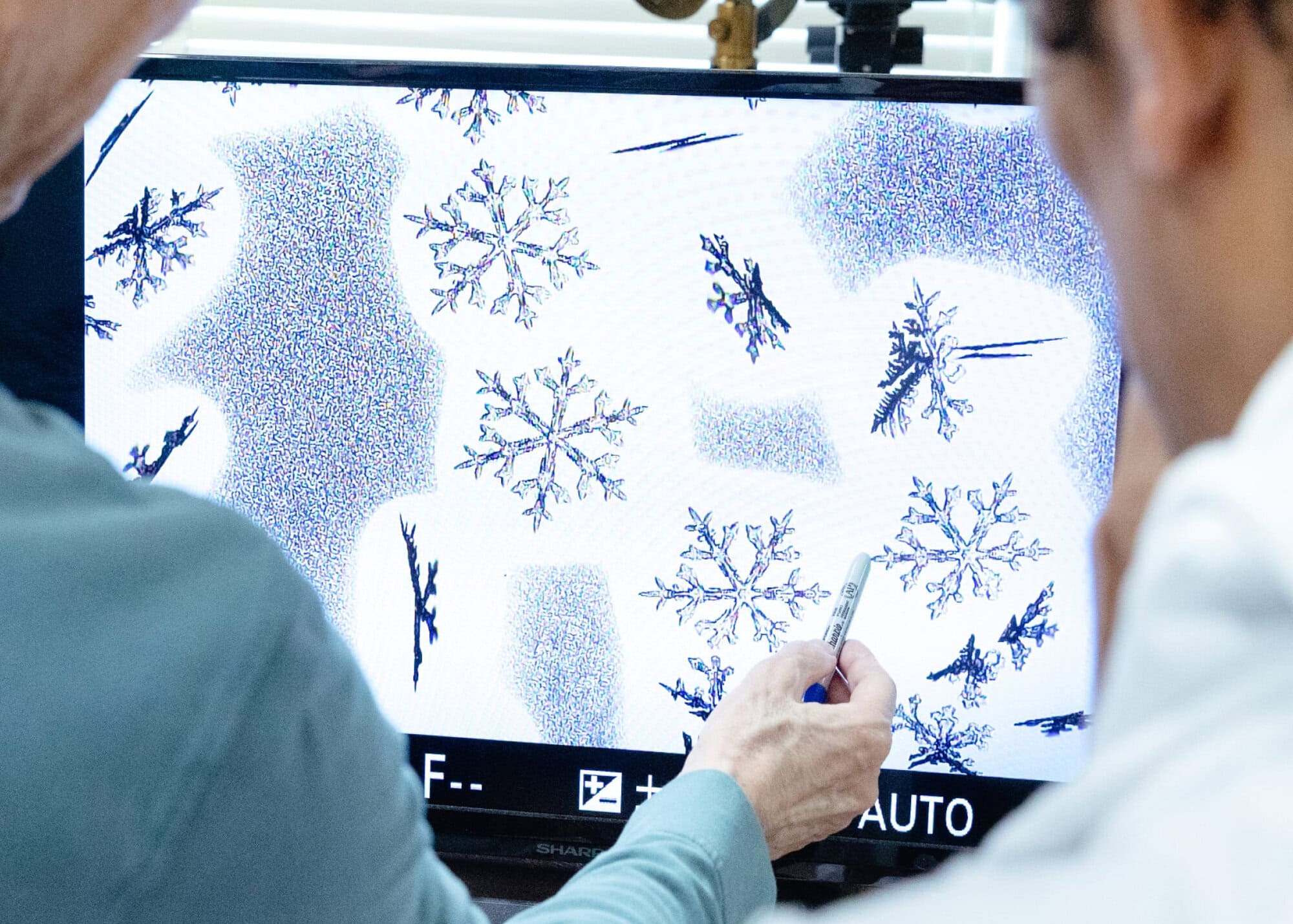
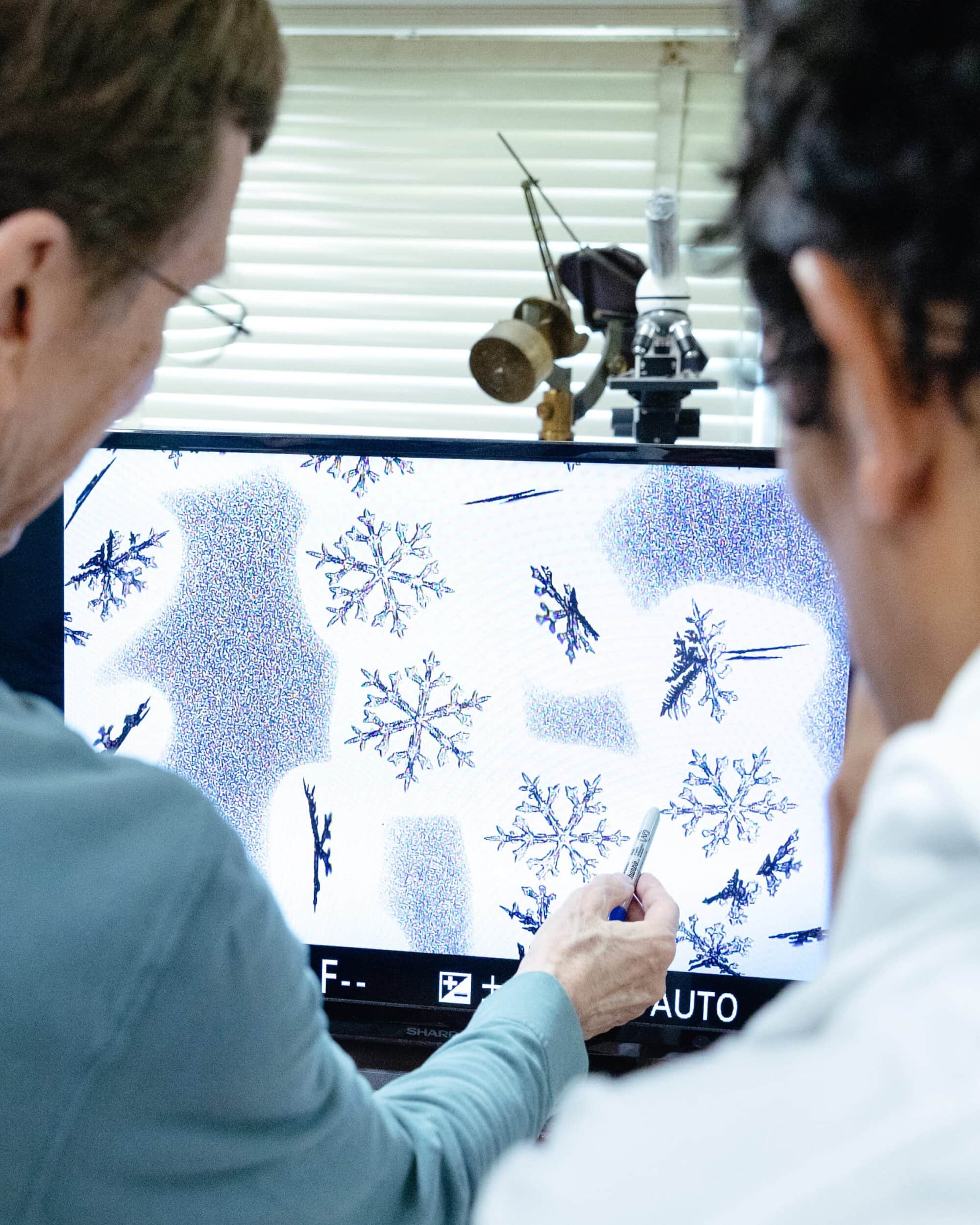
Working alongside Libbrecht at his Pasadena laboratory, Ackermann explored the possibilities of applying his design sensibility to the formation of a snow crystal. The pair observed its development through a microscope, adjusting environmental conditions in real time to guide its growth. For Ackermann, the precision and patience required by the process recalled the meticulous craftsmanship associated with haute couture.
“It’s all in the details,” said Ackermann. “When you work on the artisanal, it’s all about the handwork, the little millimeters.”
The resulting snowflake occupies a space between scientific experimentation and artistic expression, its intricate structure shaped by human intervention but formed through natural processes. Ackermann likens its delicate features to flowers, stars, and diamond dust, finding parallels between the individuality of snow crystals and the attention to detail that informs his approach to fashion design.
“People assume snowflakes are random, but each one is a record of the exact conditions it grew in. Shift the temperature by a single degree and the crystal changes dramatically. Working with Haider, we used that sensitivity as a design tool to make a snowflake no one has seen before,” said Libbrecht.
The collaboration extends Canada Goose’s Natural Intelligence platform, which explores the knowledge and inspiration found in the natural world. For a brand whose identity has historically been defined by its relationship with extreme weather, the project offers a different perspective on winter, shifting the focus from protection against the elements to an appreciation of the forces that shape them.
“When you observe science like this, you learn to respect nature, and that we don’t own nature,” said Ackermann. “It’s very beautiful to share this, because perhaps all of us will look at it differently and respect it a little bit more.”
The project will unfold through a series of social-first chapters running from November 23 through December 25, documenting the collaboration and introducing audiences to the science behind snow crystal formation. The snowflake also serves as a source of inspiration for Canada Goose’s Fall 2026 collection, connecting the experiment to Ackermann’s broader creative direction.
By applying the sensibility of a fashion designer to something as ephemeral as a snowflake, Canada Goose continues to broaden its creative vocabulary under Ackermann. The collaboration finds an unexpected connection between the precision of artisanal craftsmanship and the individuality of natural forms, offering a new way to consider the season that has long defined the brand.