Review of Bottega Veneta Winter 2026 Ad Campaign by Bottega Veneta Creative Director Louise Trotter with Photographer Juergen Teller and models Binx Walton, Leon Dame, Lina Zhang, and Sihana Shalaj
Review of Bottega Veneta Winter 2026 Ad Campaign by Bottega Veneta Creative Director Louise Trotter with Photographer Juergen Teller and models Binx Walton, Leon Dame, Lina Zhang, and Sihana Shalaj
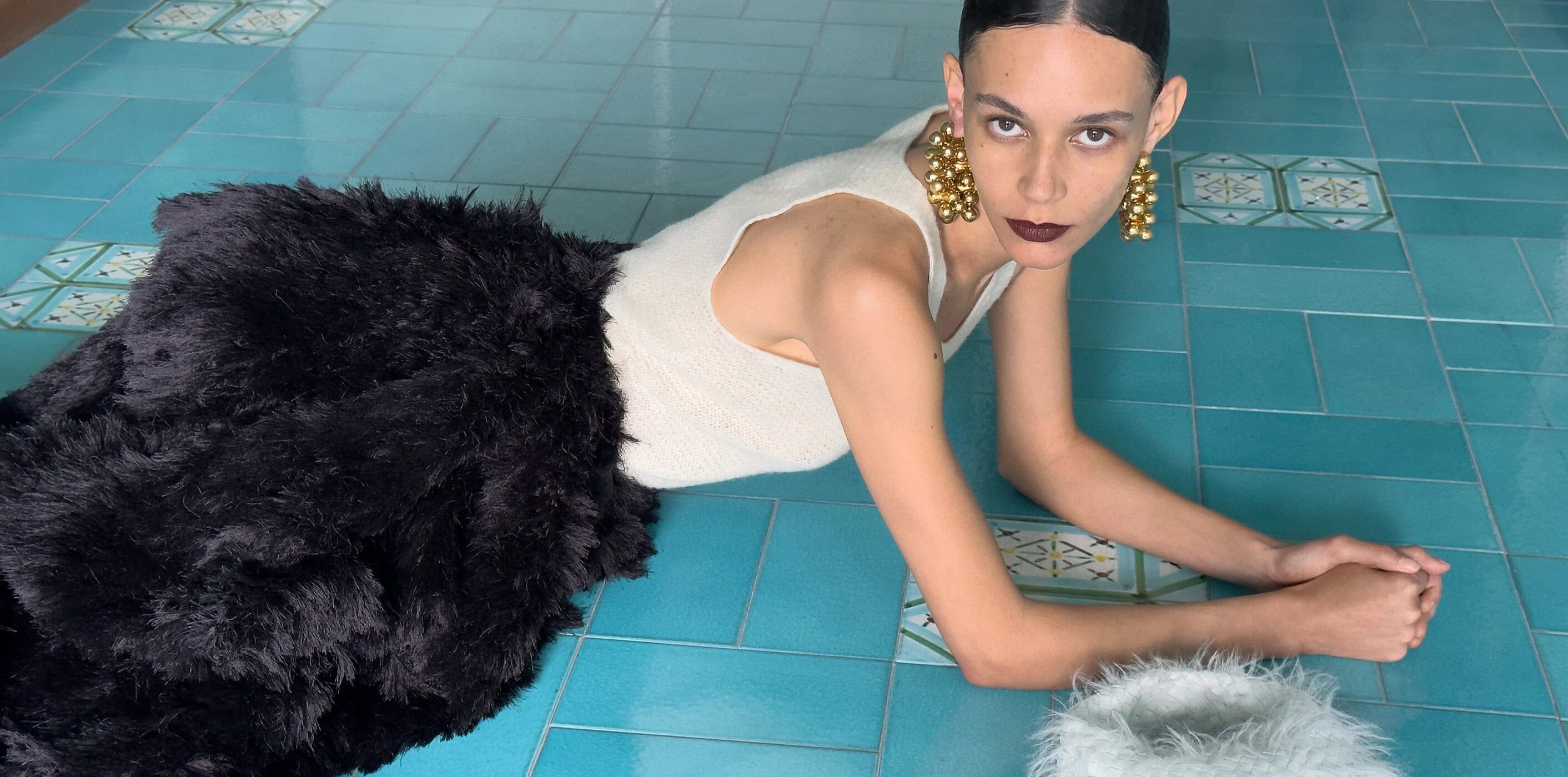
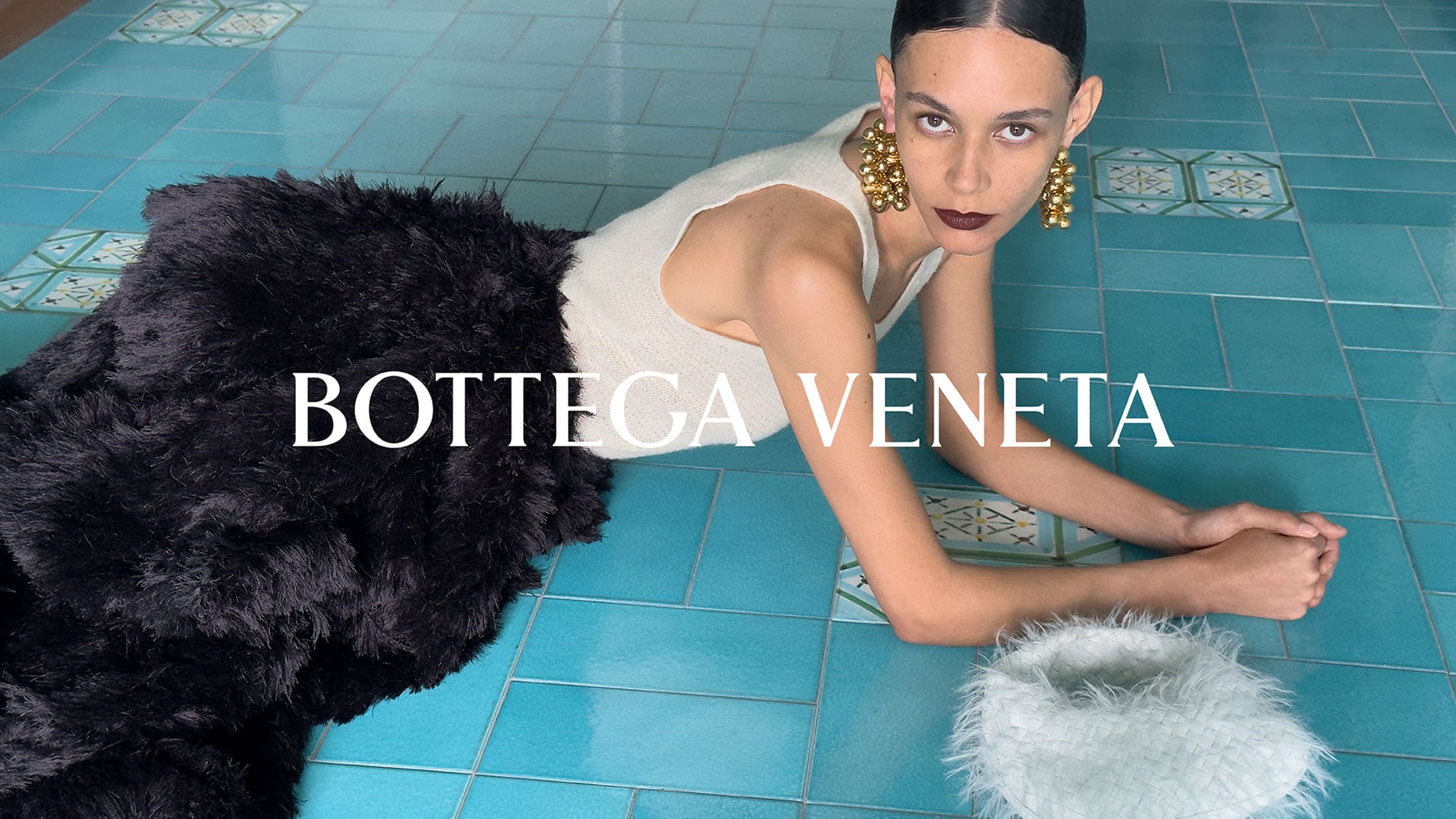
World-building has become one of luxury’s favorite promises, often delivered through an impressive address and a press release dense with atmosphere. Bottega Veneta’s Winter 2026 campaign gives the phrase architectural weight. Creative Director Louise Trotter and photographer Juergen Teller move through Milan as if opening a succession of locked rooms, finding turquoise tile, red cabinetry, worn stone, leather chairs, sculpture gardens, and curious pockets of modernism. Each setting contributes a different register. Together, they translate Trotter’s fascination with Milan’s guarded exterior and concealed sensuality into a visual world that can finally be entered.
This is the clearest connection yet between Trotter’s collection and her campaign language. Her earlier Bottega imagery established gesture, cultural memory, private attachment, and multiplicity. Winter 2026 gives those ideas a habitat. Venice supplied history and cultivated eccentricity in her first seasonal campaign with Teller. Milan brings friction, domestic specificity, and a stranger form of intimacy. Teller’s direct flash leaves age, wear, and awkwardness intact, giving the city the feeling of somewhere discovered from within.
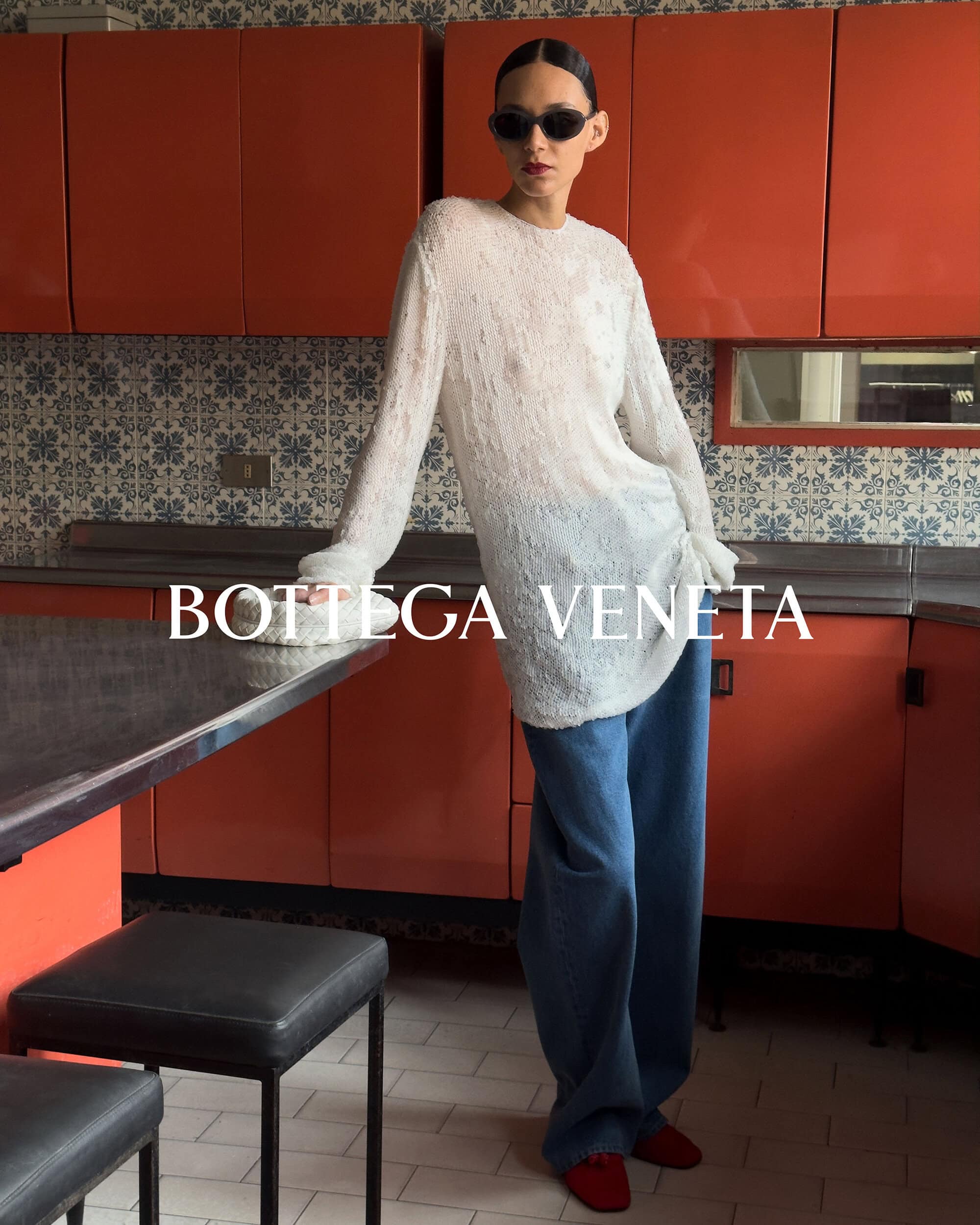
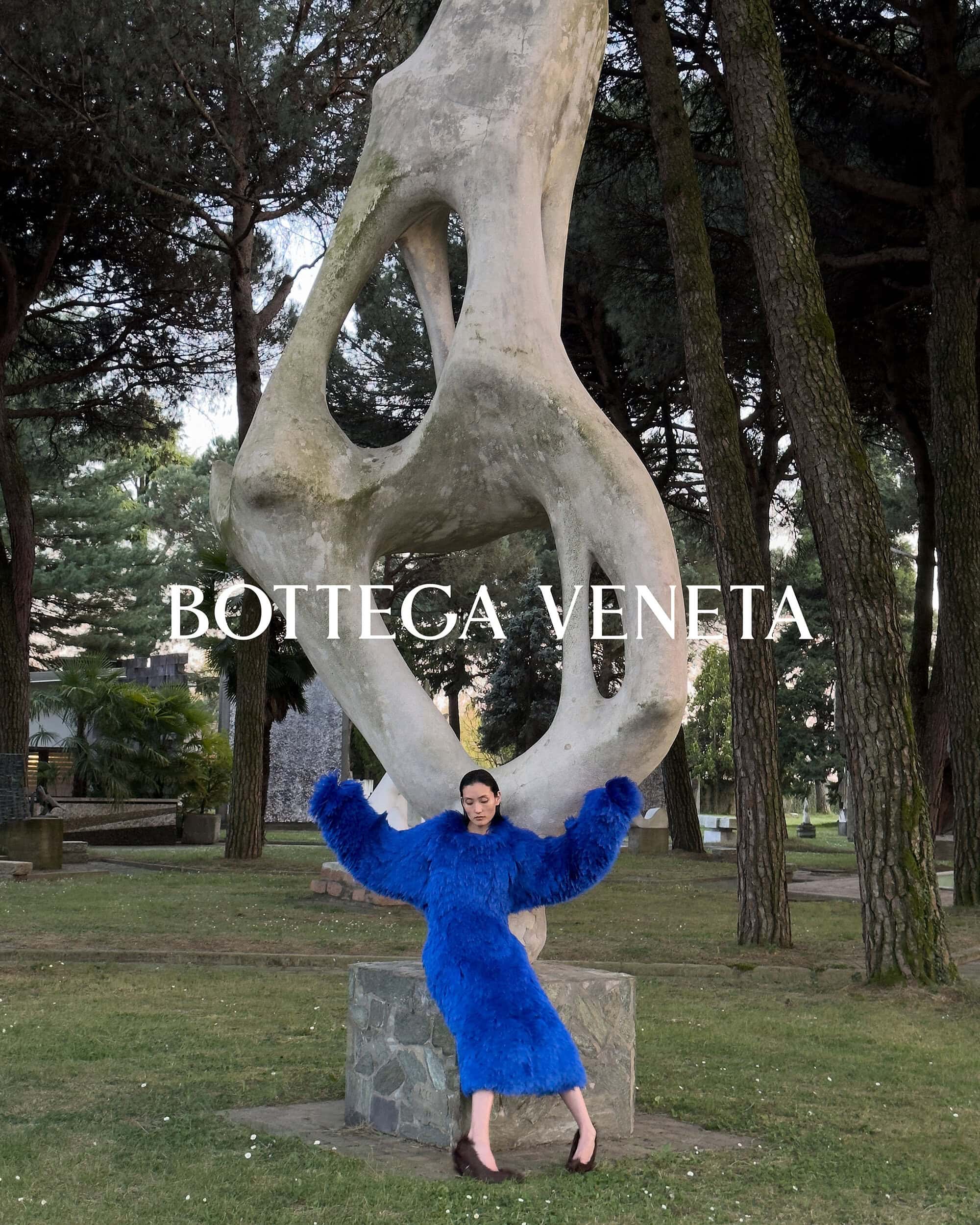
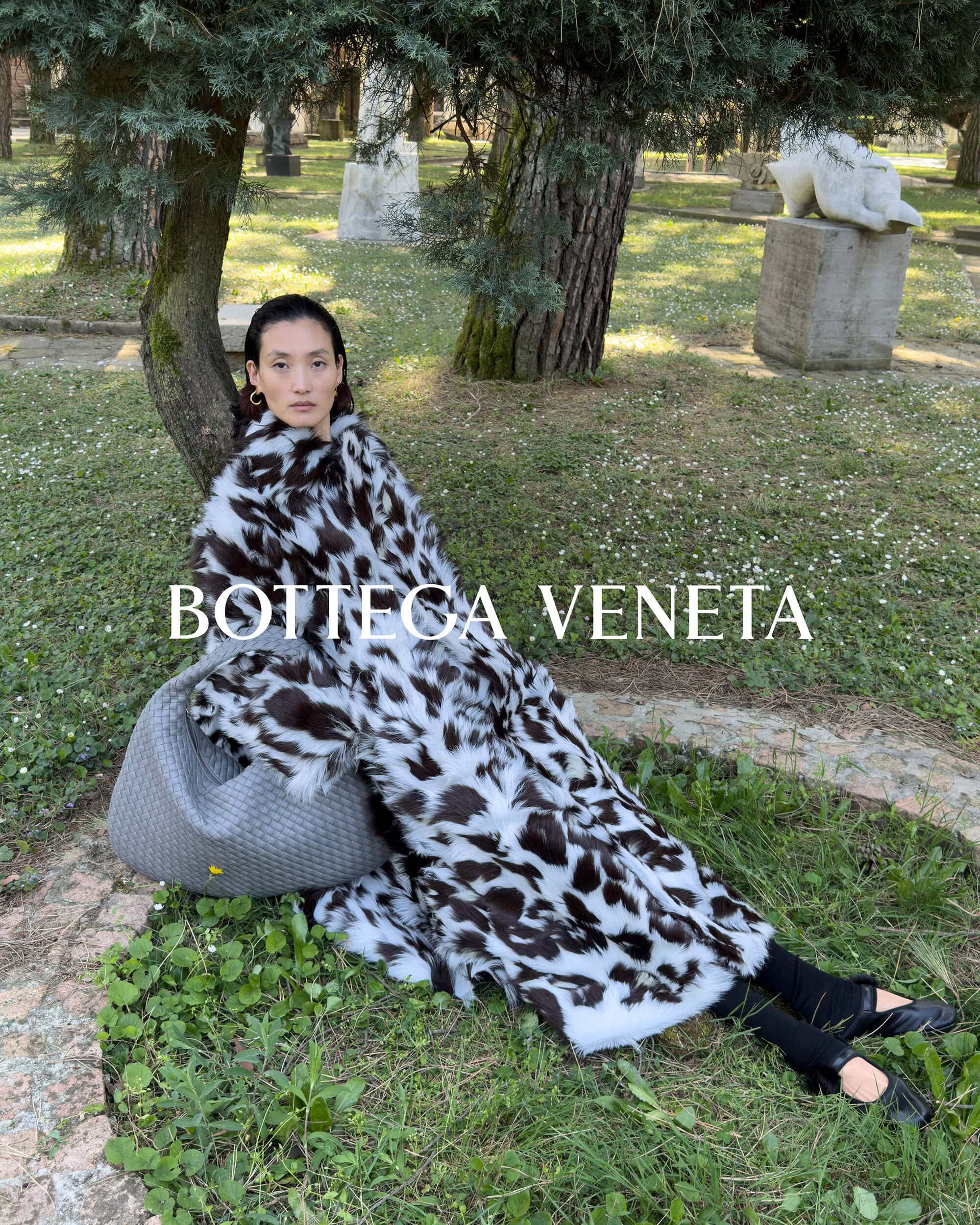
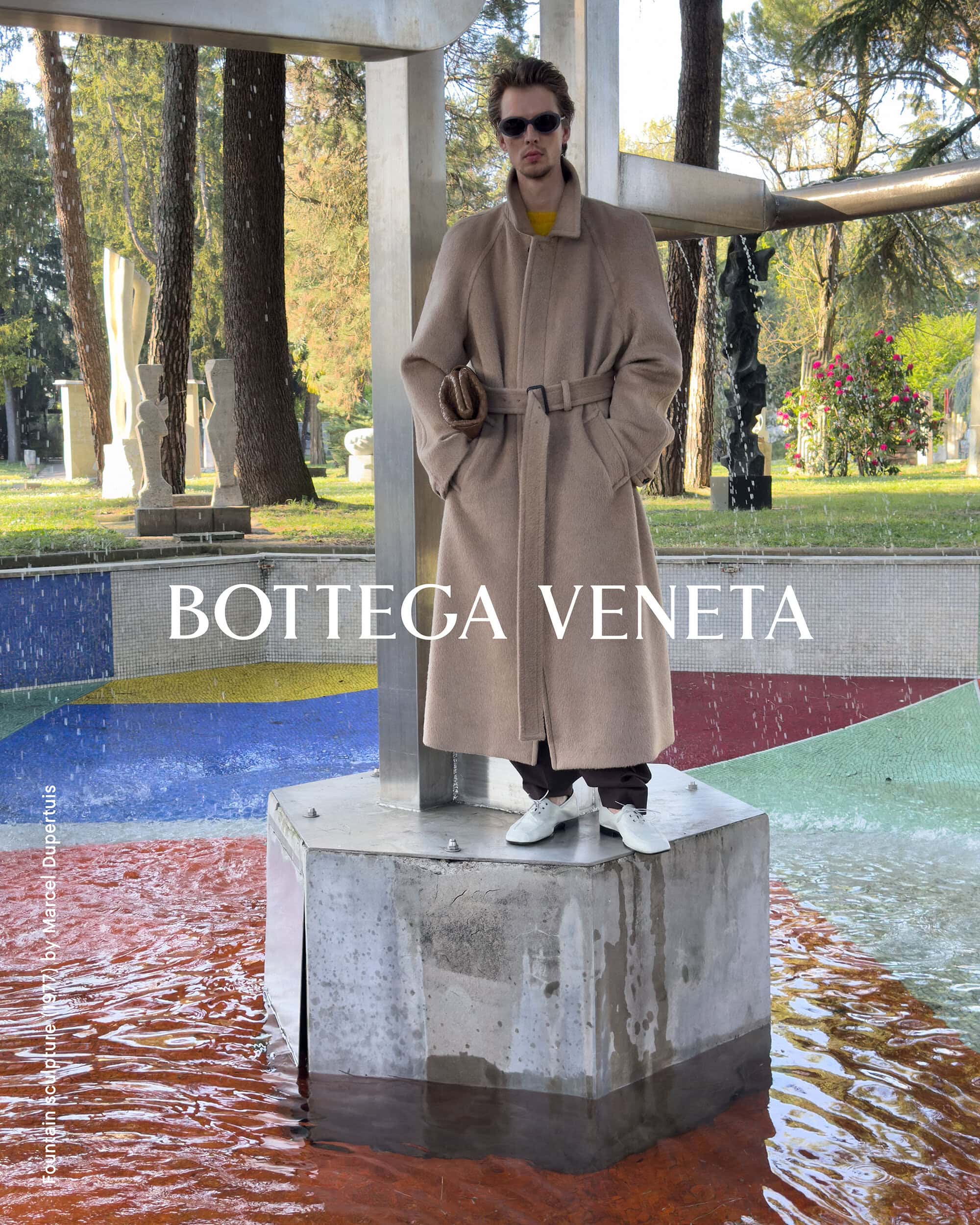
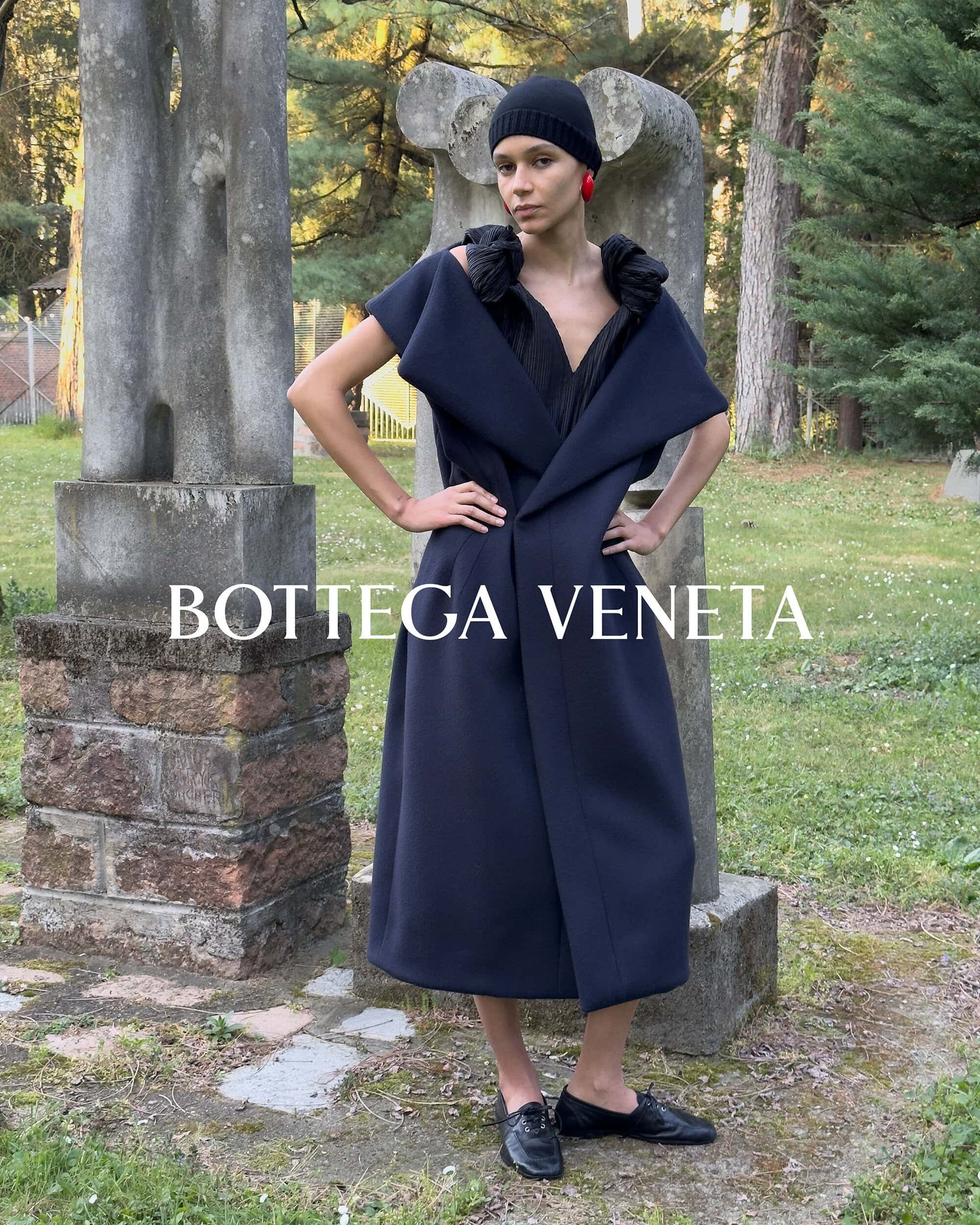
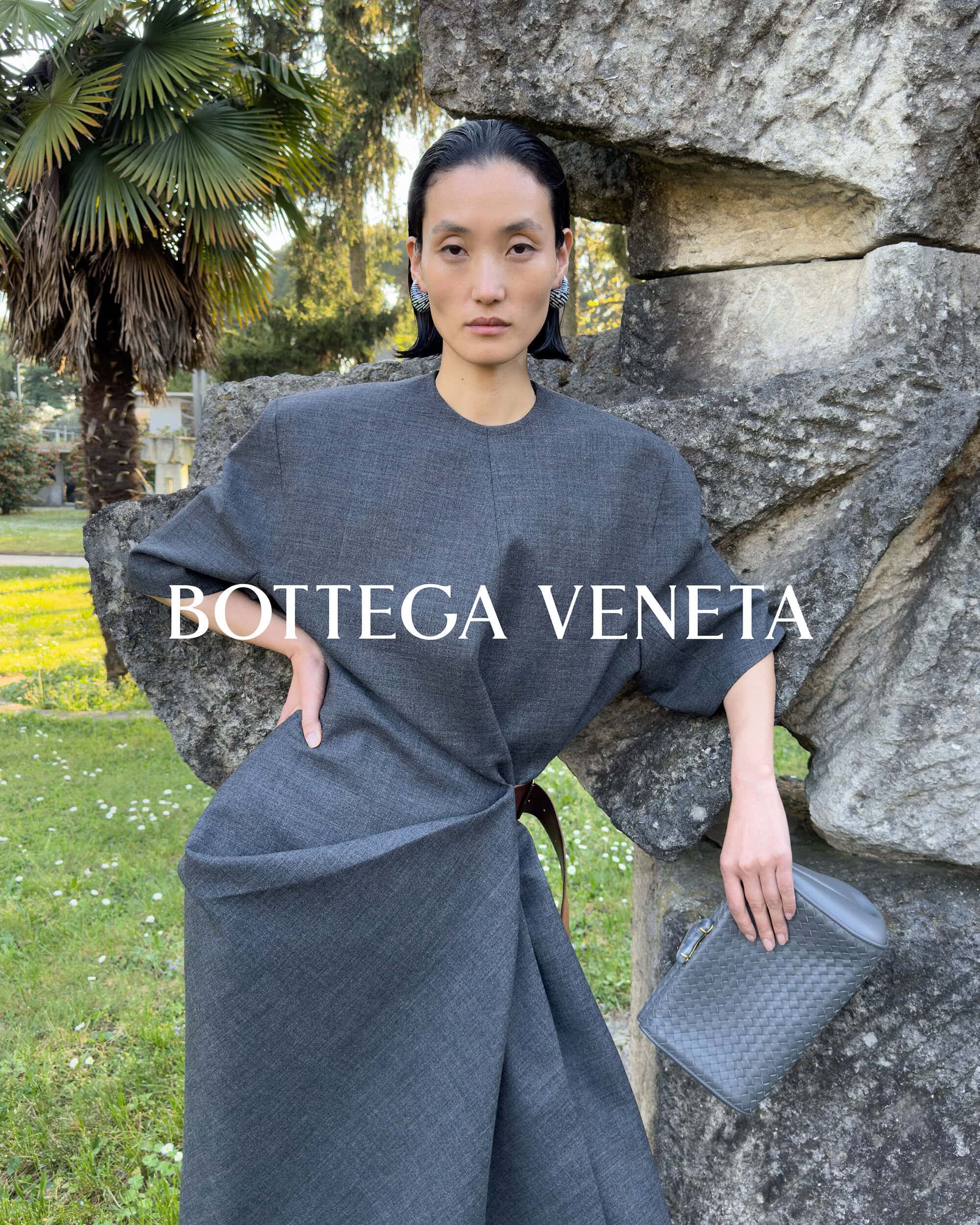
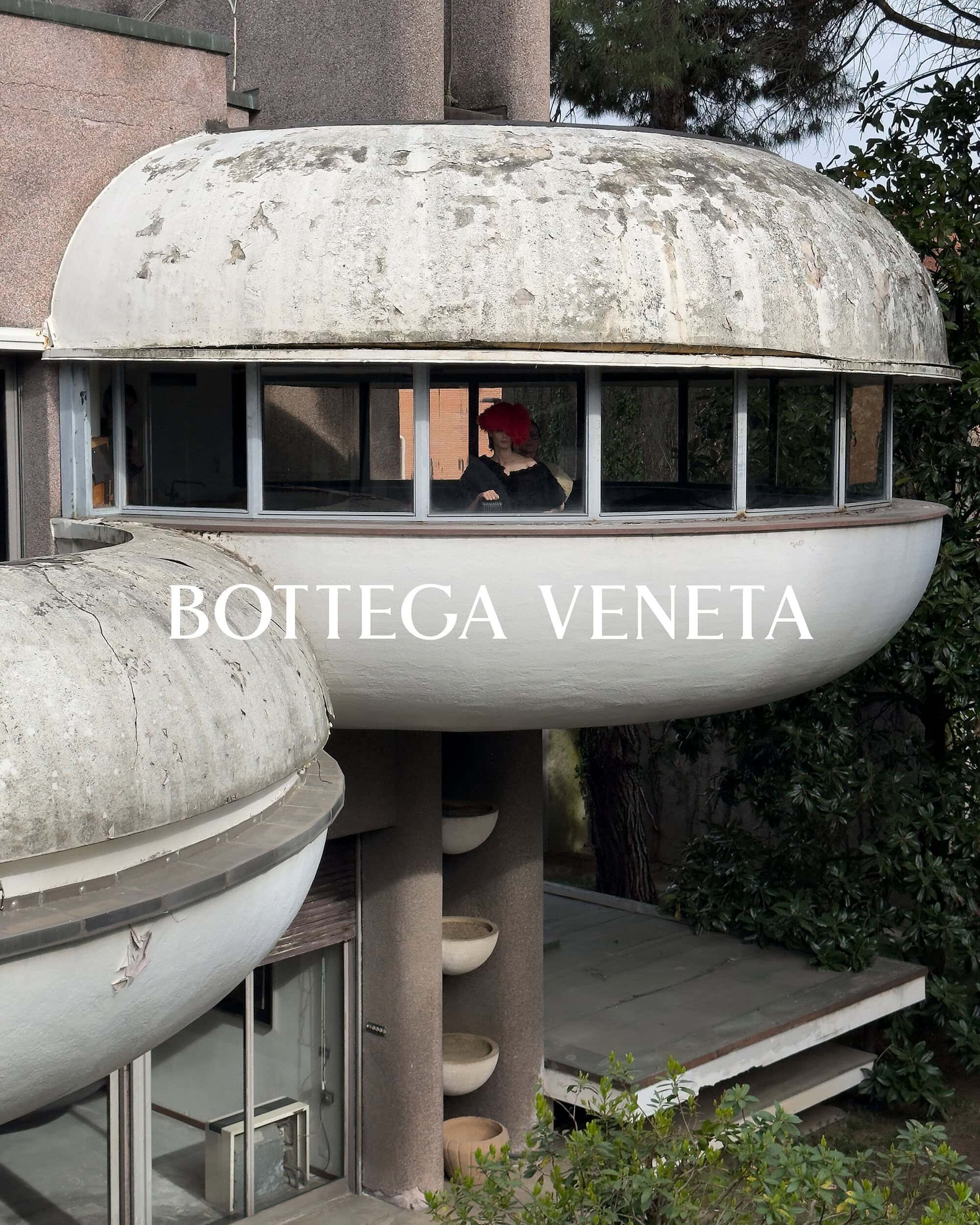
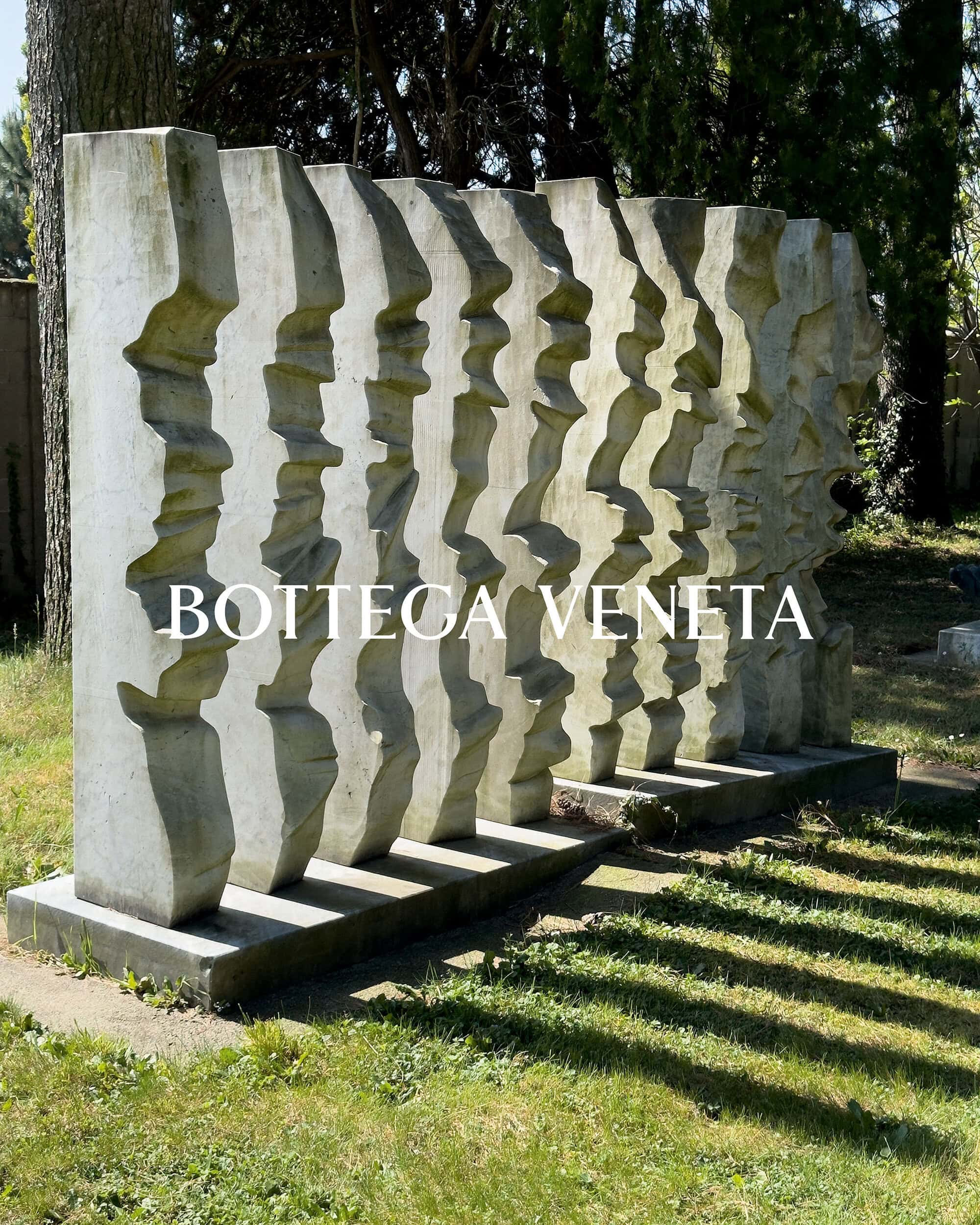
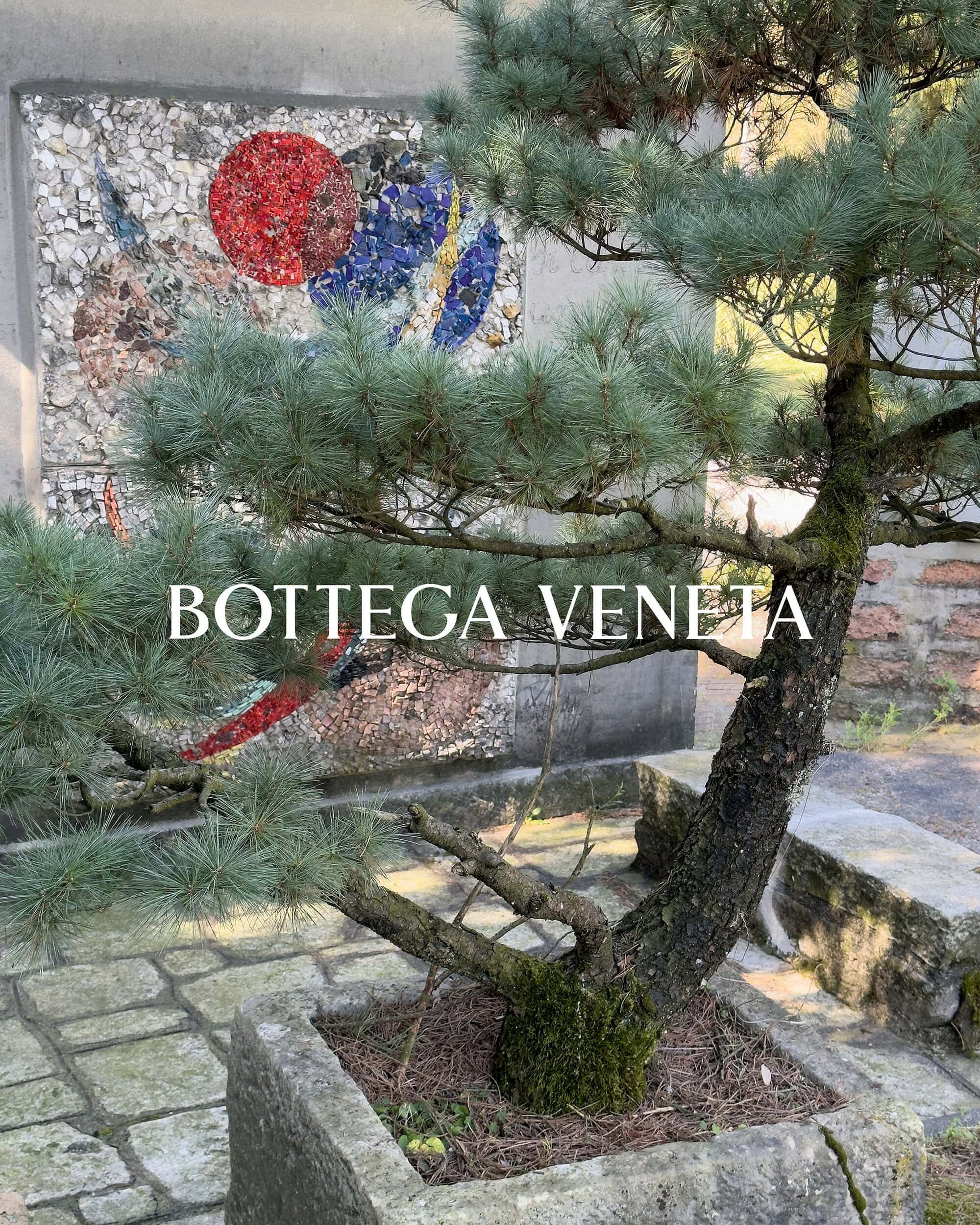
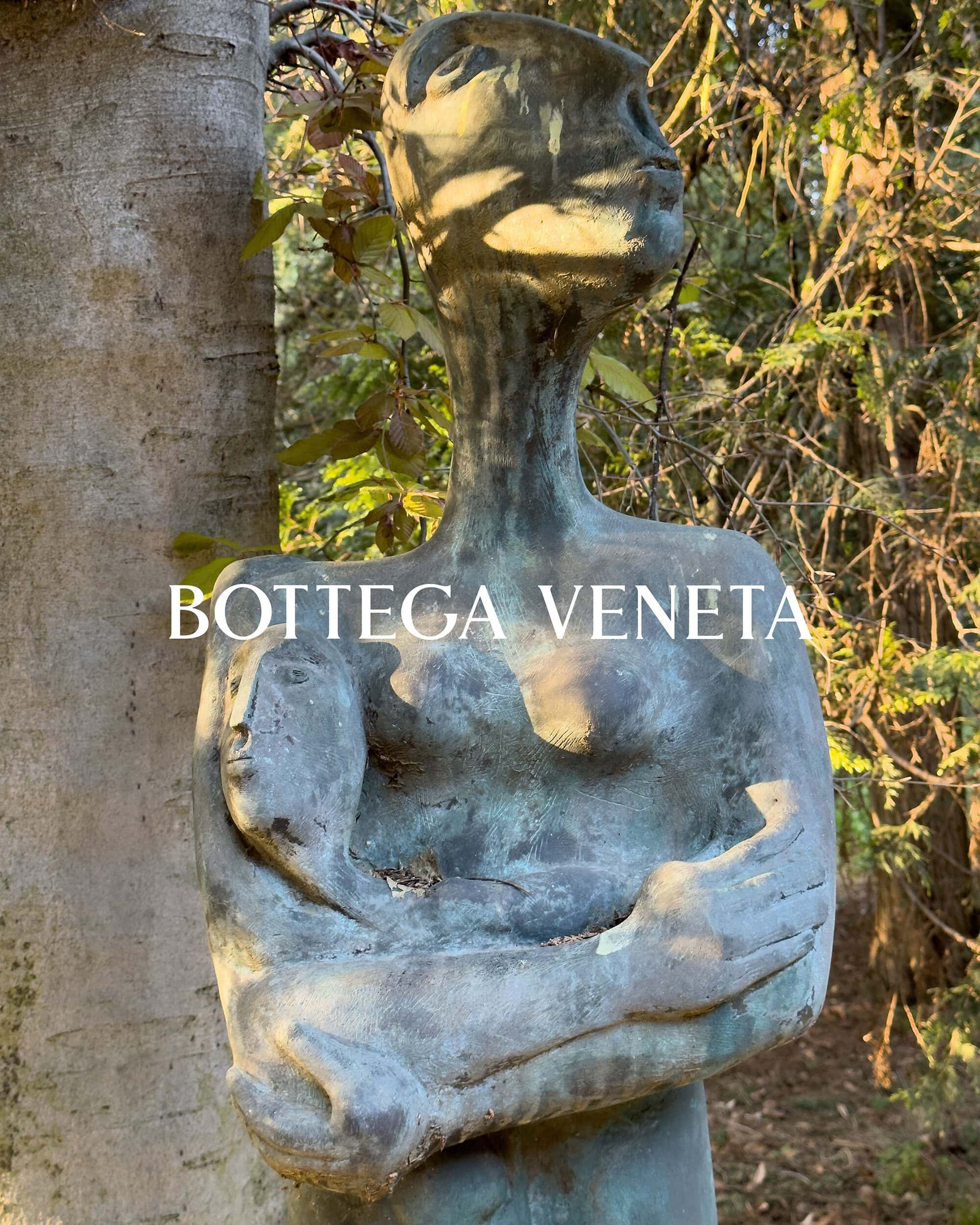
At Villa Terenzio, curved concrete volumes press into the surrounding trees while figures appear inside its windows like secrets briefly revealed. Aging kitchens, patterned tiles, wood paneling, old carpeting, and heavily worn walls give the interiors a palpable history. At Fondazione Pagani, monumental sculptures turn the landscape into an open-air conversation between human and constructed form. Milan emerges through private rooms and peripheral cultural spaces, a city understood through what it keeps behind its doors.
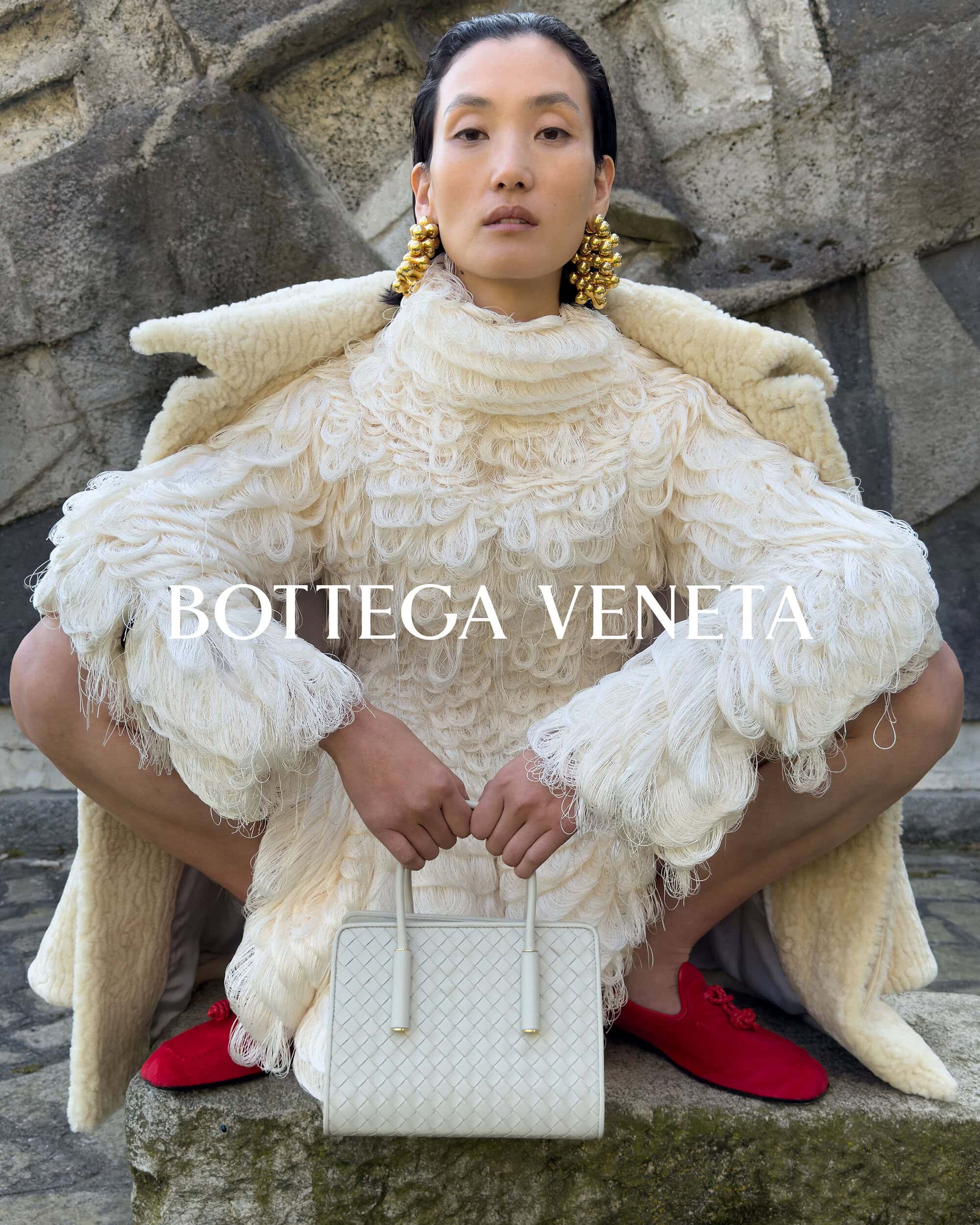
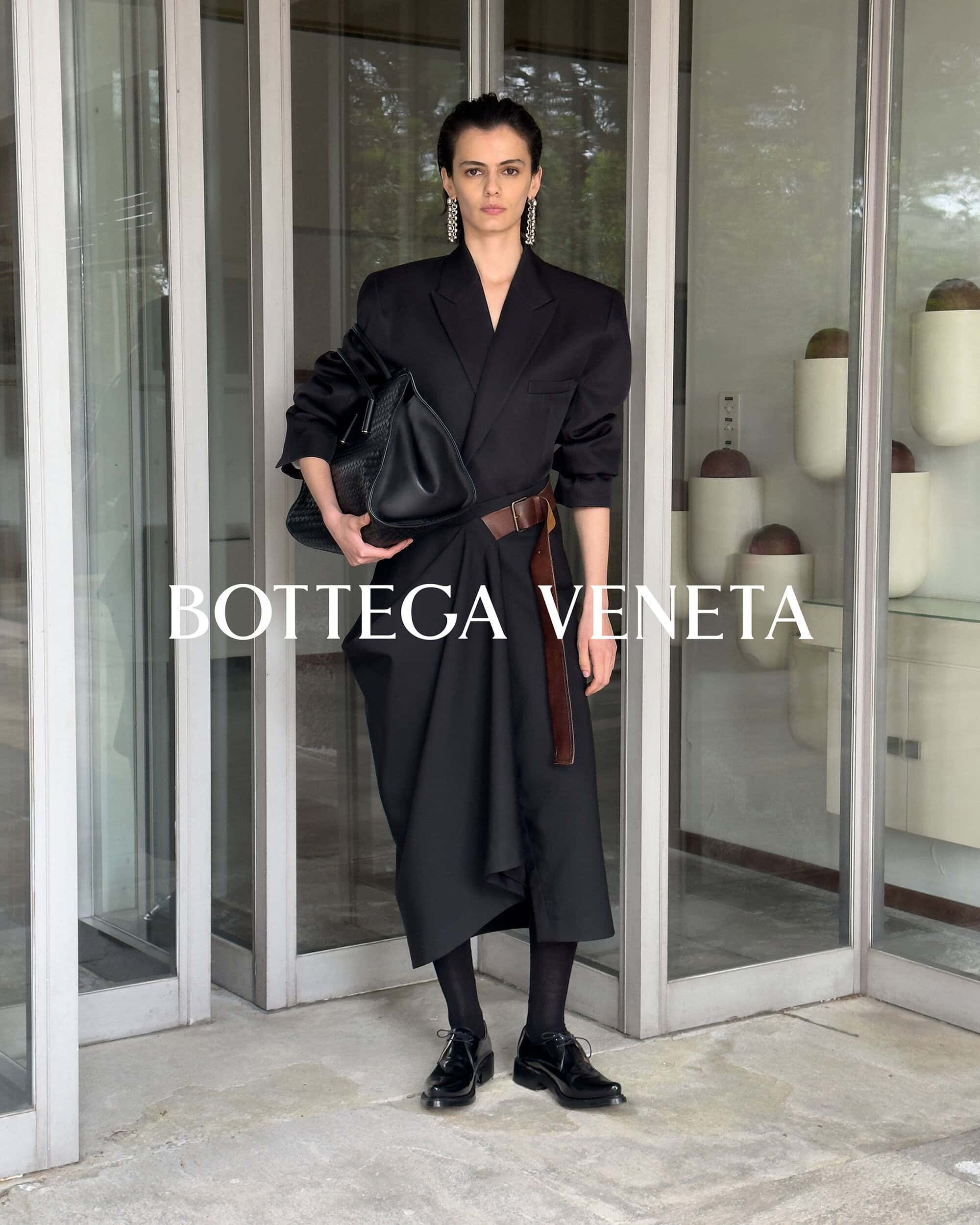
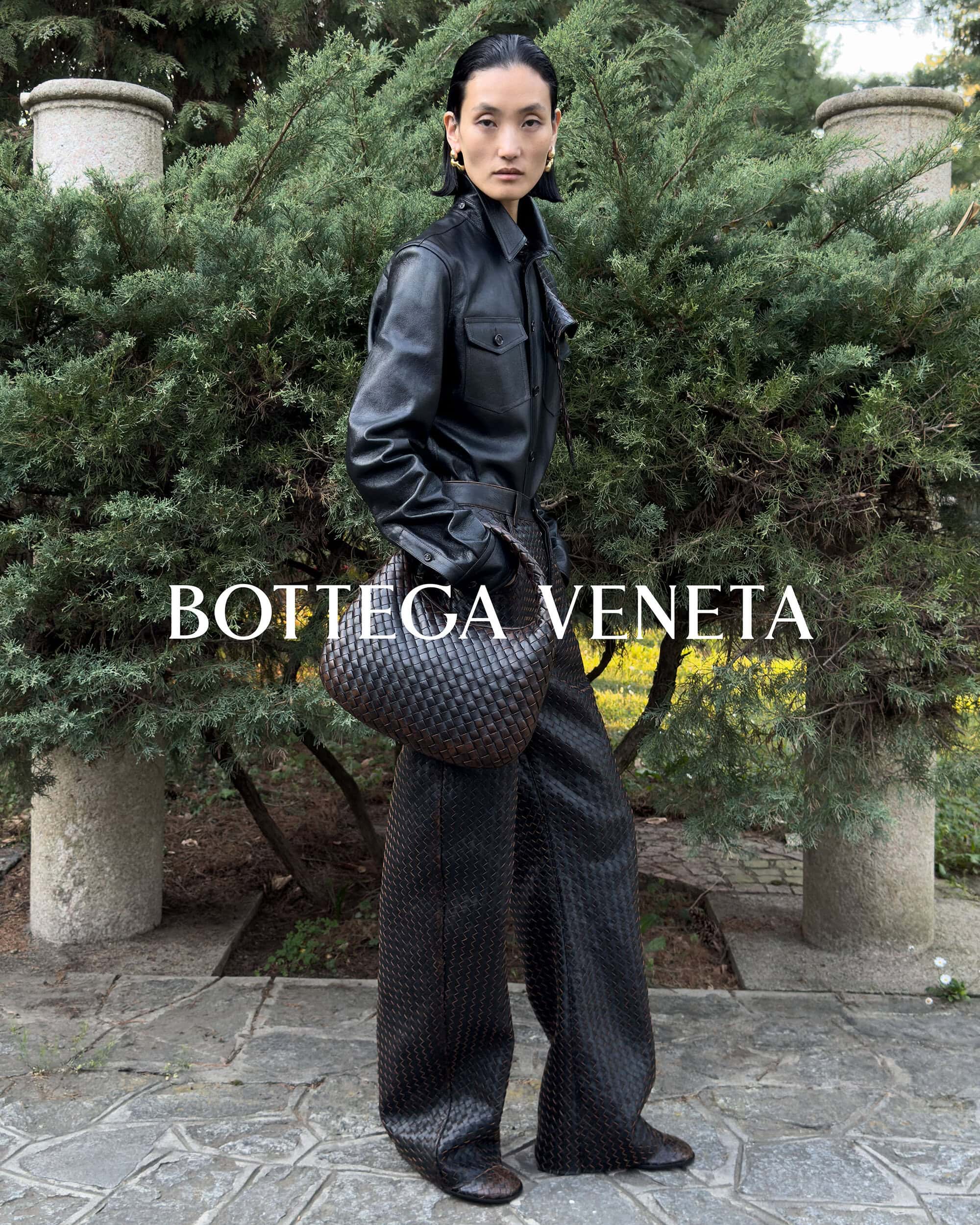
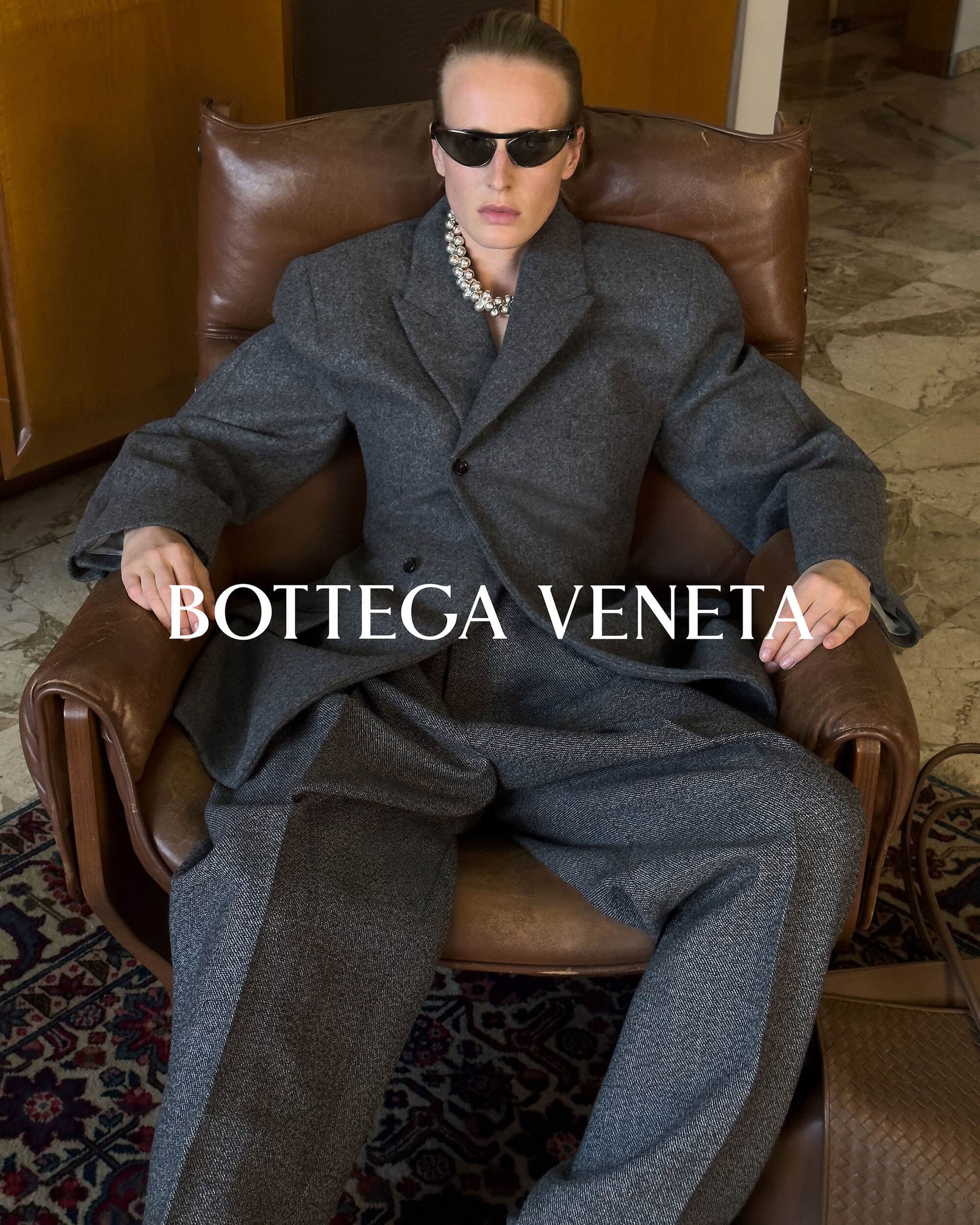
The strongest images create formal rhymes between the collection and its surroundings. A cobalt fringed dress opens its arms beneath an immense concrete sculpture, turning the silhouette into an echo of the structure above. An ivory garment covered in looping fibers sits against rough stone until clothing and landscape begin to share the same visual language. Woven leather trousers repeat the density of evergreen shrubs, while a charcoal suit sinks into a brown leather chair with the authority of someone who appears to own both the room and the afternoon. The collection begins to participate in Milan’s material logic.
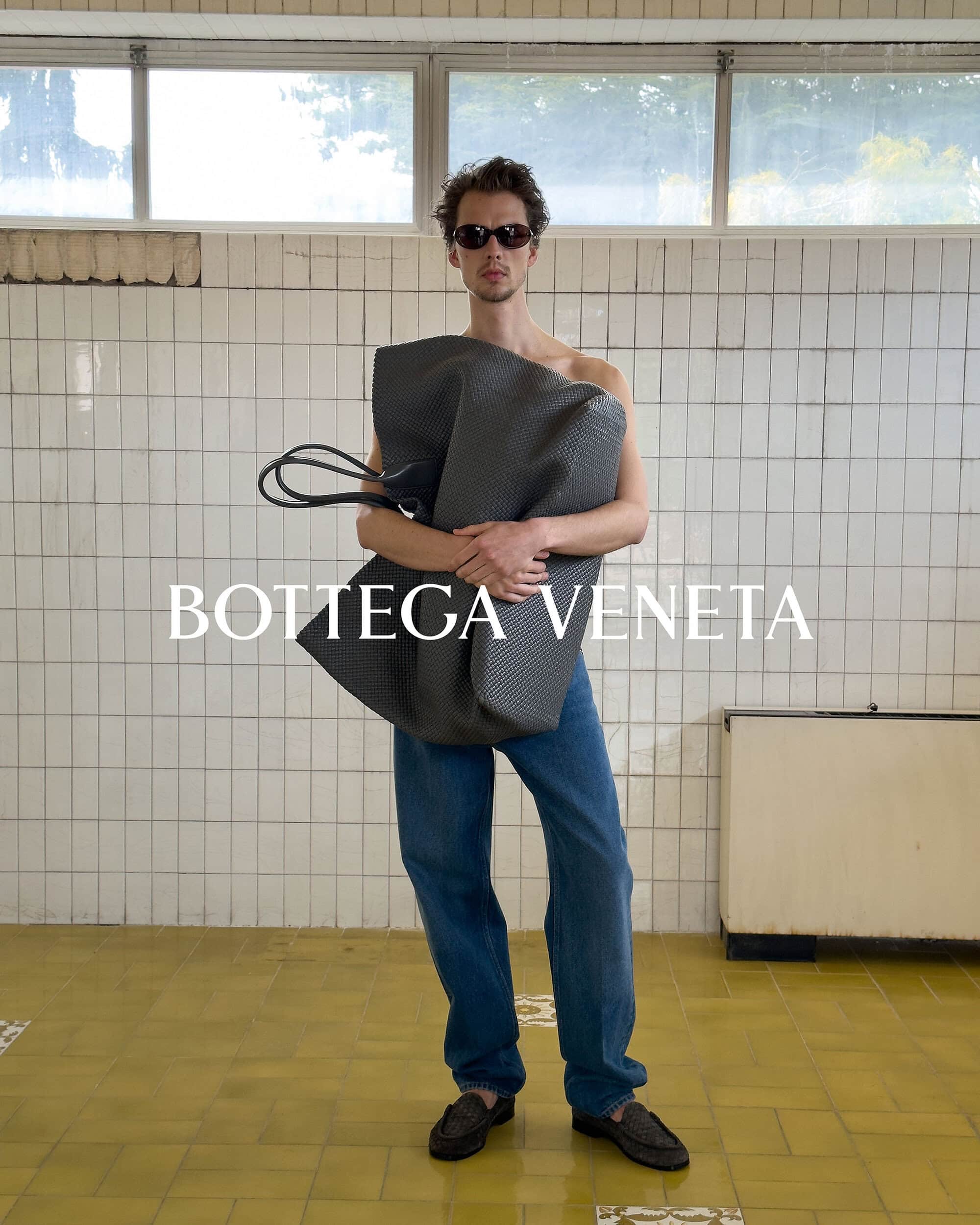
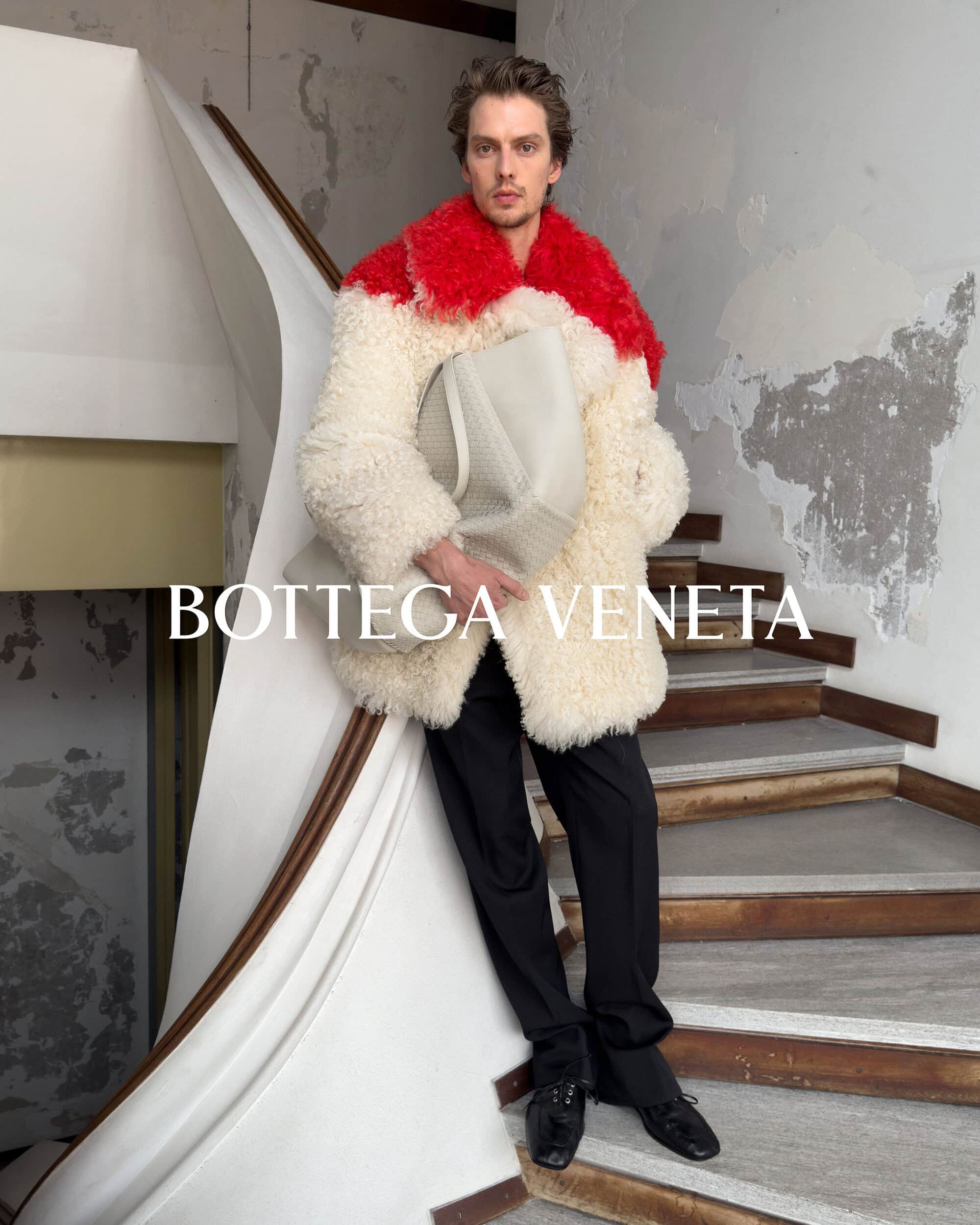
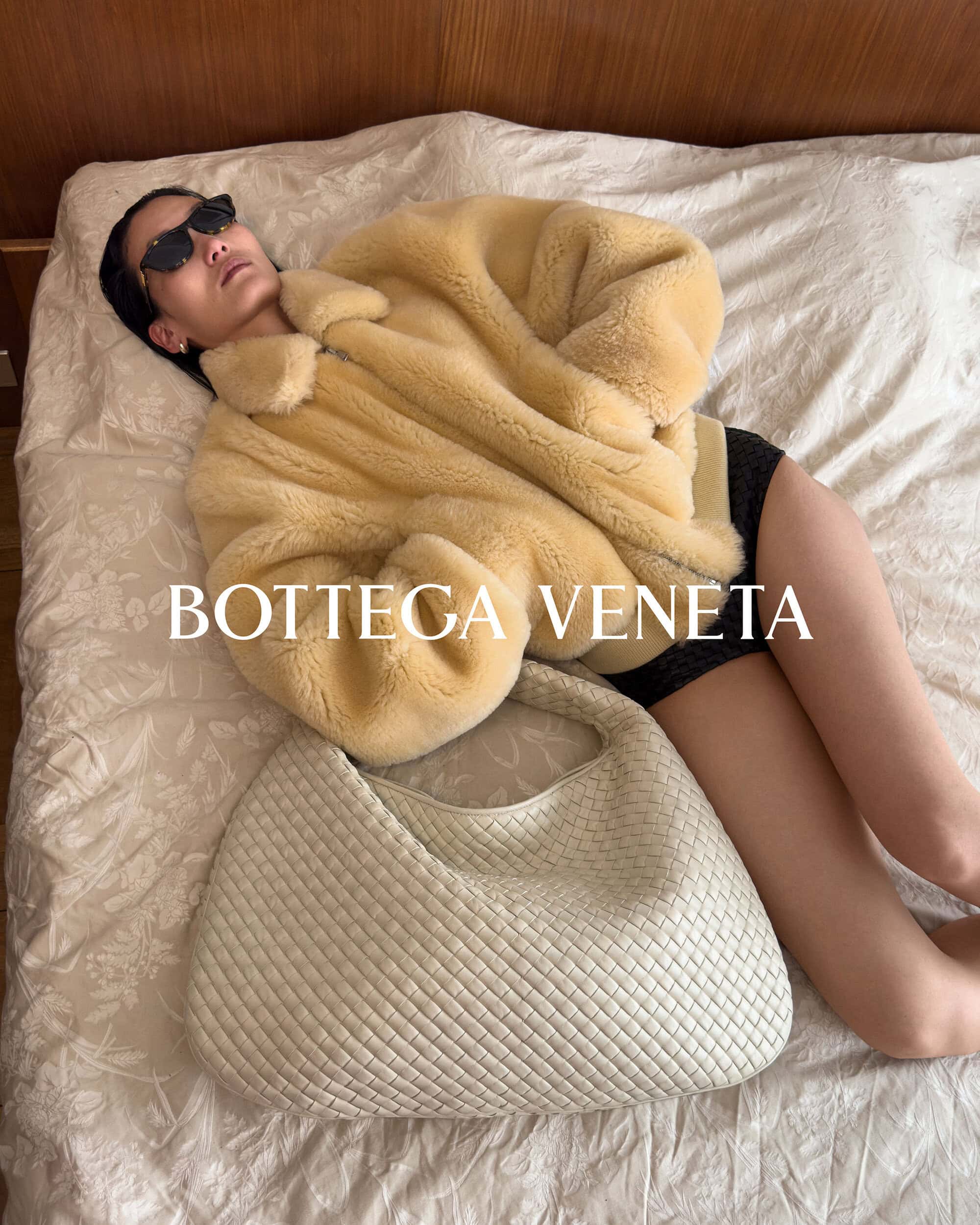
Binx Walton, Leon Dame, Lina Zhang, and Sihana Shalaj are given distinct ways of occupying this environment. They sprawl across tiled floors, recline on beds, disappear into windows, and hold their positions against the architecture with varying degrees of composure and defiance. Teller’s familiar directness gives them an appealing detachment, as though we have interrupted lives already in progress. At times, that shared coolness compresses the campaign’s emotional range. A bedroom, kitchen, and sculpture garden can acquire the same offhand temperature. The most persuasive photographs allow posture to answer place, creating a relationship that extends beyond location scouting.
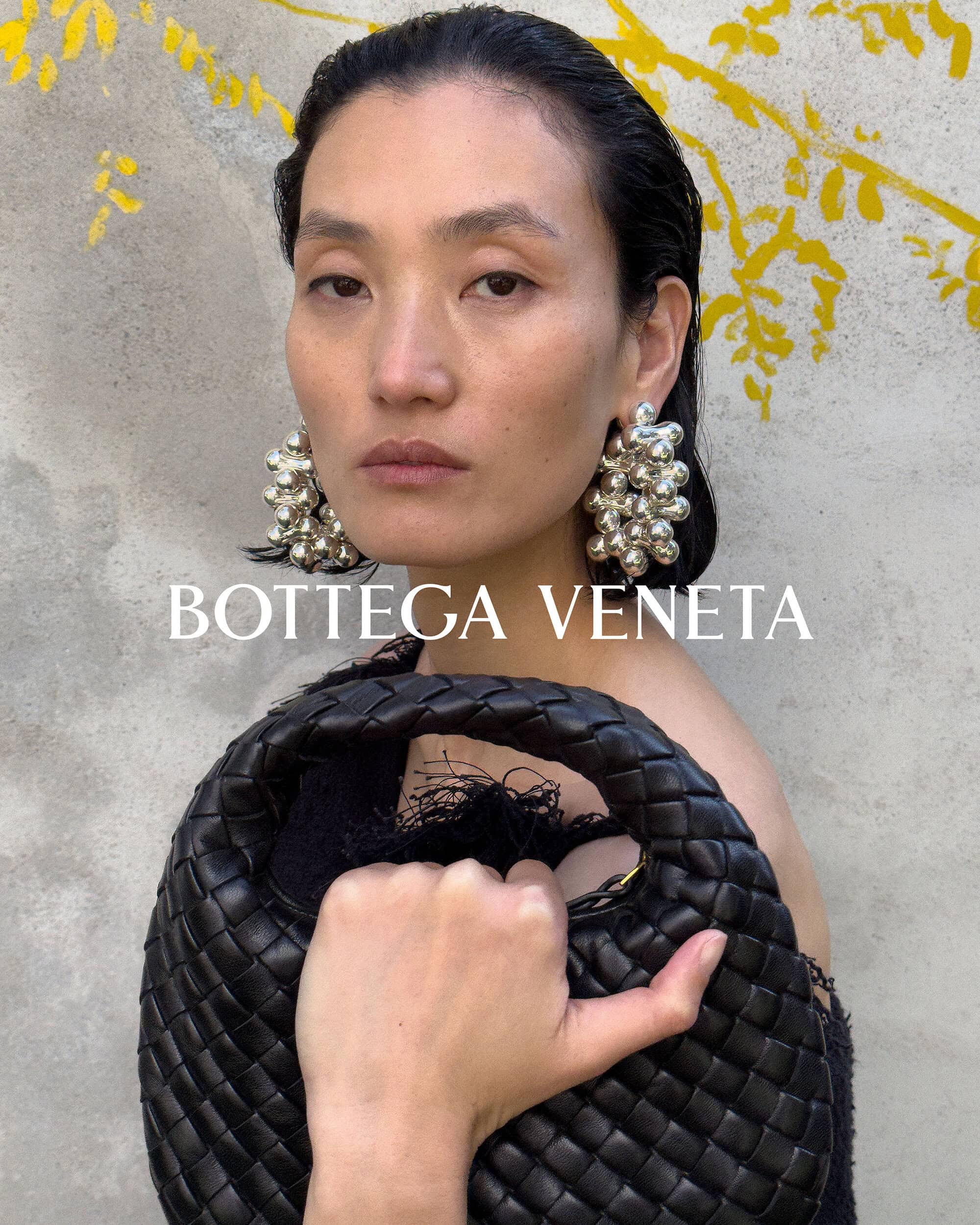
The accessories enjoy a particularly active life. Bags become shields, companions, counterweights, and occasional comic intrusions upon the body. Leon Dame cradles an enormous woven form across his torso until accessory, armor, and absurdly luxurious body pillow begin to converge. Elsewhere, a pale Intrecciato bag sprawls across a bed with almost as much physical presence as the woman beside it. This continues the intimacy explored in IL MIO, now joined by greater humor and strangeness. Objects have entered the room, and they are taking up space.
The oversized white Bottega Veneta wordmark holds these shifting locations together like an institutional horizon. Its scale occasionally interrupts the precise spatial relationships Teller’s pictures establish, though the collision has its own intelligence. The polished authority of the house name cuts across peeling plaster, weathered concrete, unassuming kitchens, and untamed vegetation. Branding and environment remain visibly at odds, giving the images another layer of productive tension.
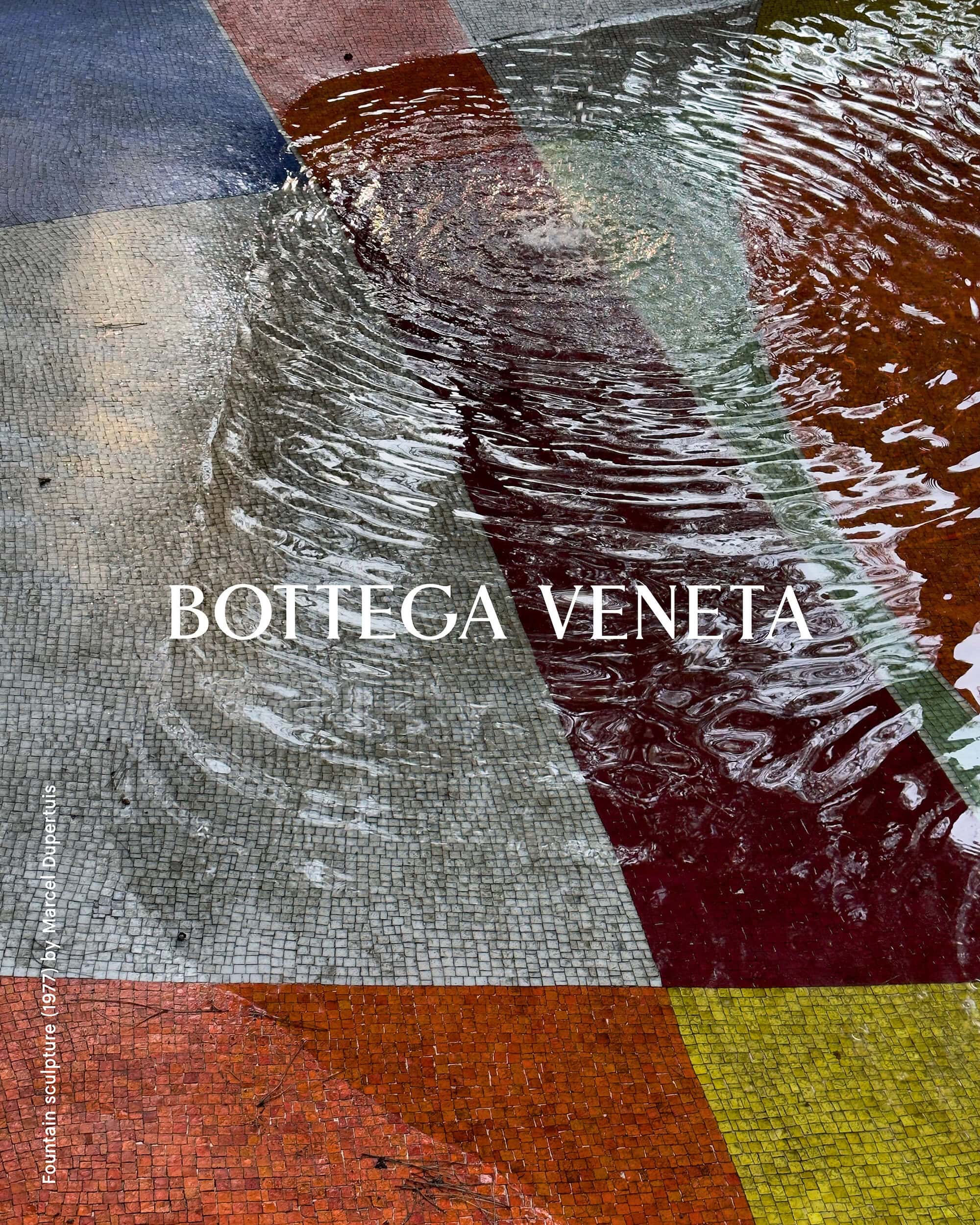
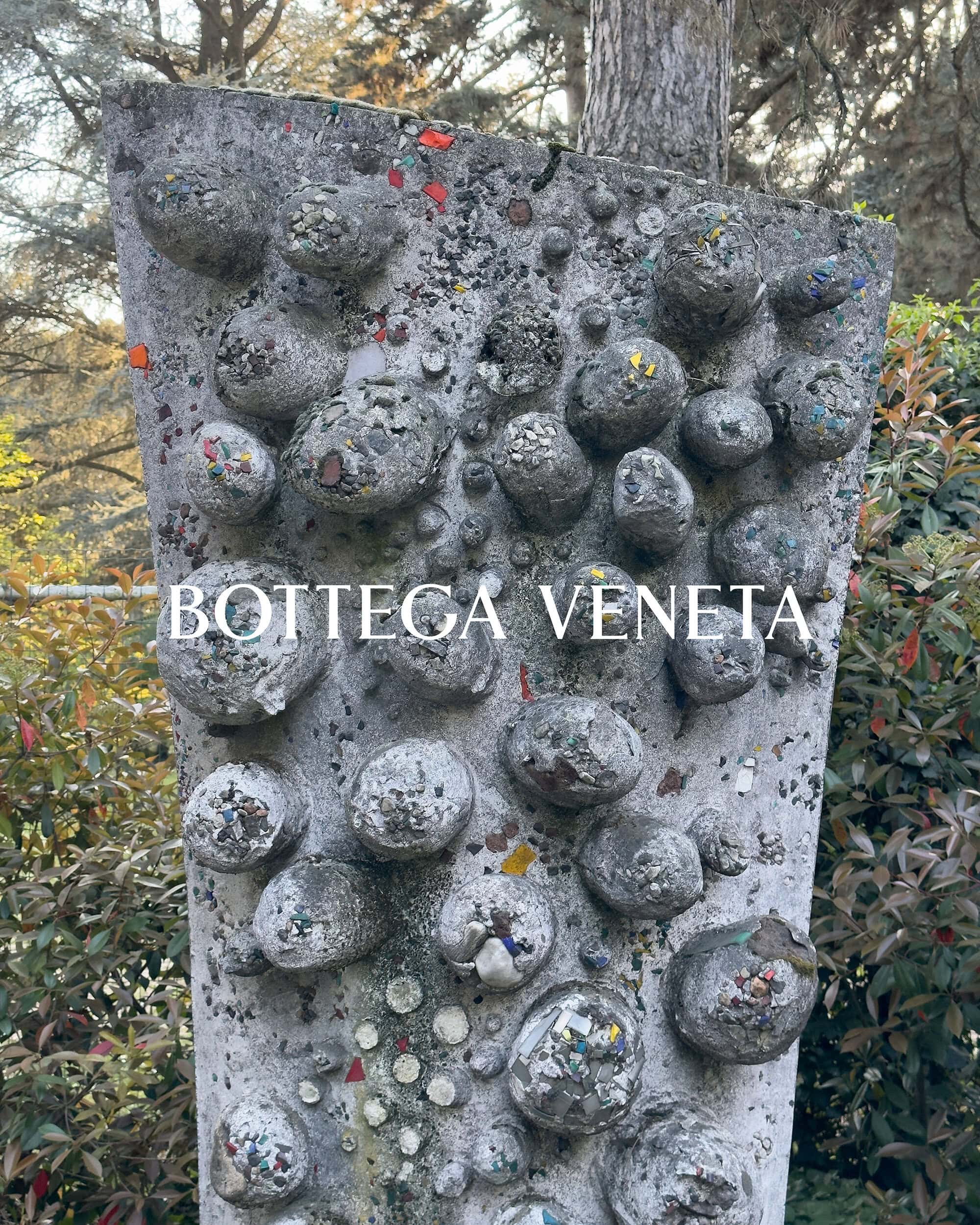
Perhaps the campaign’s most telling decision is its willingness to let fashion disappear entirely. Sculptures and architecture receive their own frames, momentarily becoming the campaign’s cast. These pauses lend credibility to the idea of an artistic project and establish culture as part of Bottega Veneta’s visual vocabulary. They also create an important expectation. When architecture and sculpture contribute this much to a campaign’s meaning, acknowledging their creators becomes part of the authorship the house is so eager to celebrate. A world built around creative intelligence grows richer when recognition reaches every hand involved in making it visible.
Winter 2026 brings Trotter’s Bottega into sharper spatial focus. She is creating a cultivated intimacy with rough edges, a Milan of imposing exteriors, private extravagance, domestic oddity, and beauty found slightly off-center. Previous chapters taught us how closely this house wants to be observed. This campaign tells us where that way of looking leads. Trotter has opened the door to her Milanese Bottega. What kind of life will unfold once we step fully inside?
Bottega Veneta Creative Director | Louise Trotter
Photographer | Juergen Teller
Models | Binx Walton, Leon Dame, Lina Zhang, Sihana Shalaj
Location | Villa Terenzio and Fondazione Pagani, Milan, Italy