The Performance Art of Identity
Review of Erdem Spring 2027 Fashion Show
By Angela Baidoo
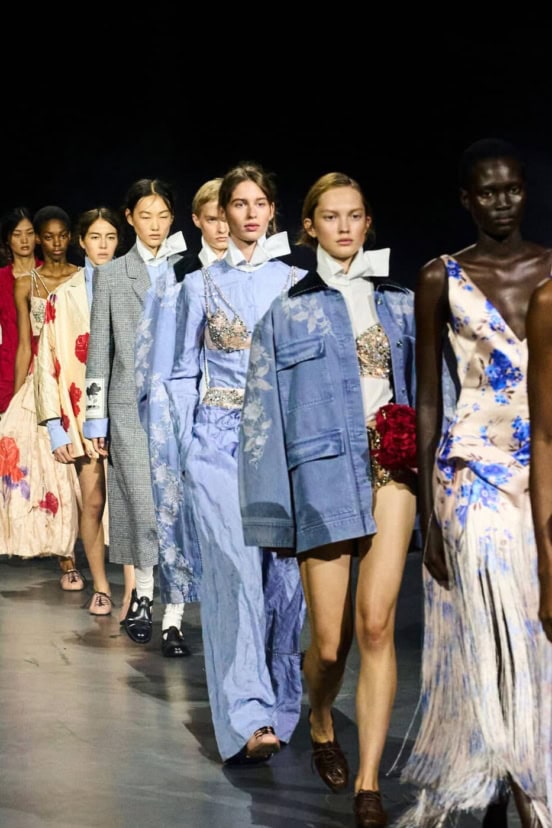
Decamping to the Roundhouse in North London for his Spring 2027 show, it was an intentional shift from the designers usual setting of the British Museum, as the runway-in-the-round lent itself to his subject of the season. 1920s aerial artist Barbette. A Texan who caught the attention of the designer for the way in which he transmuted his identity in order to perform without the barriers of gender conformity.
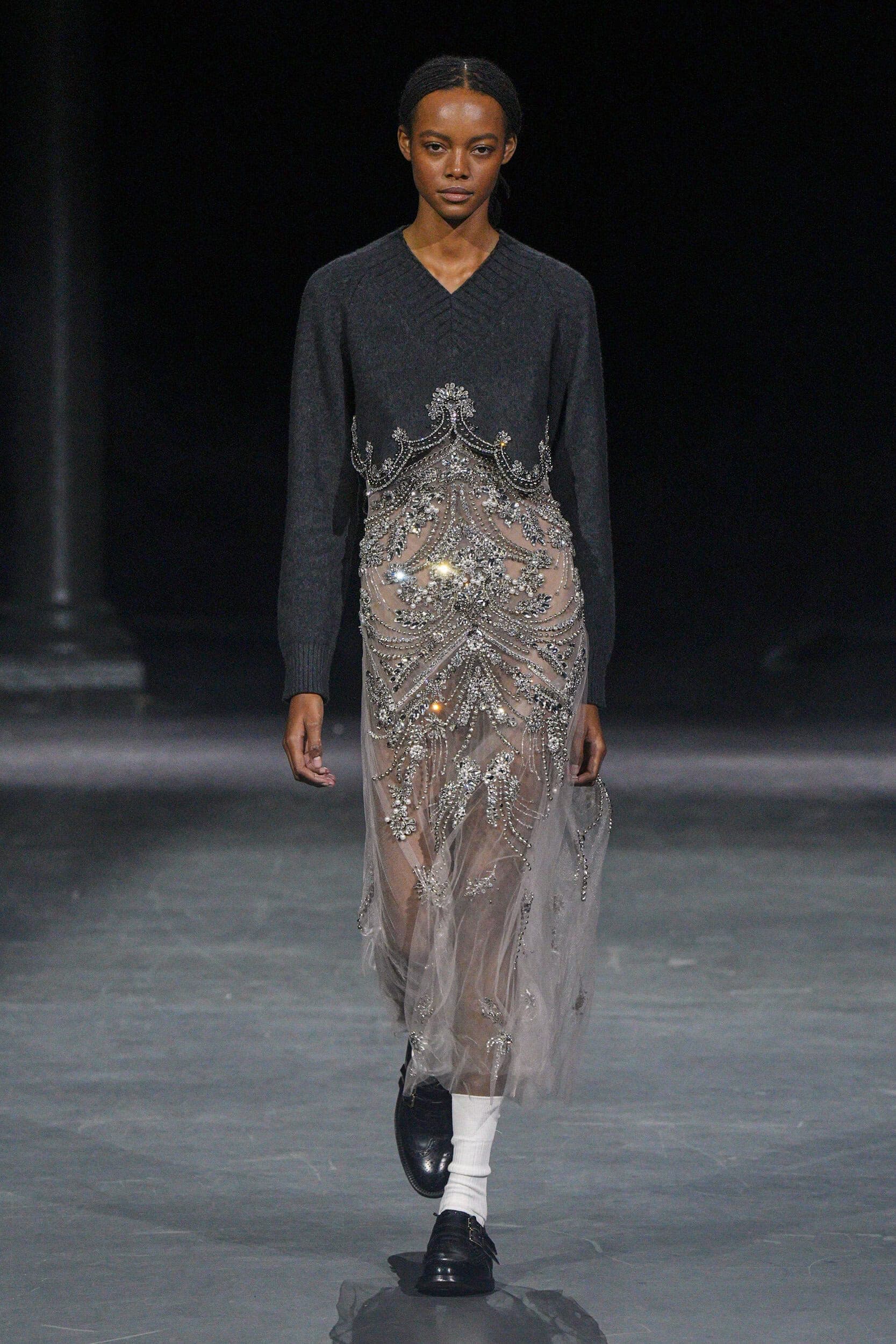
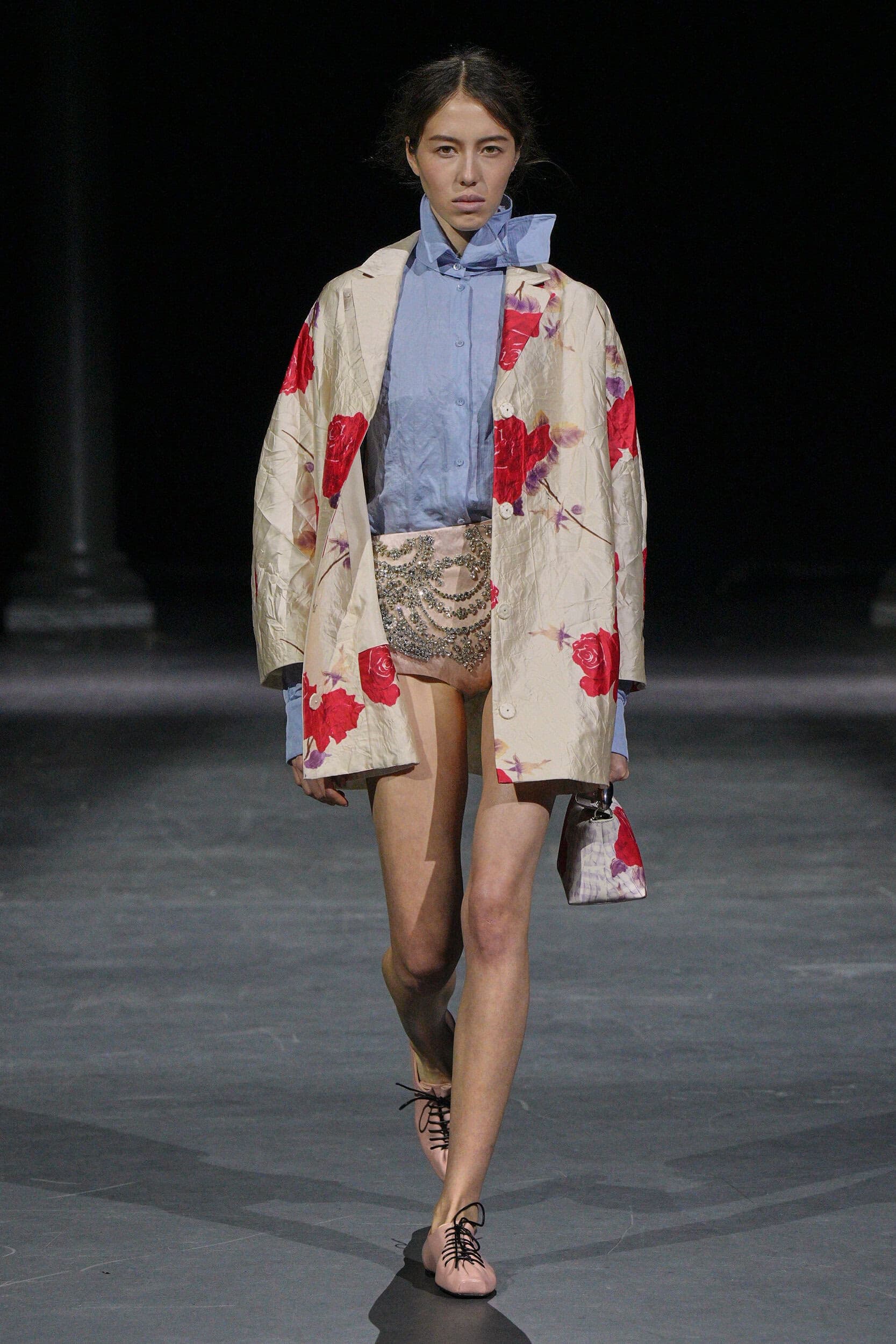
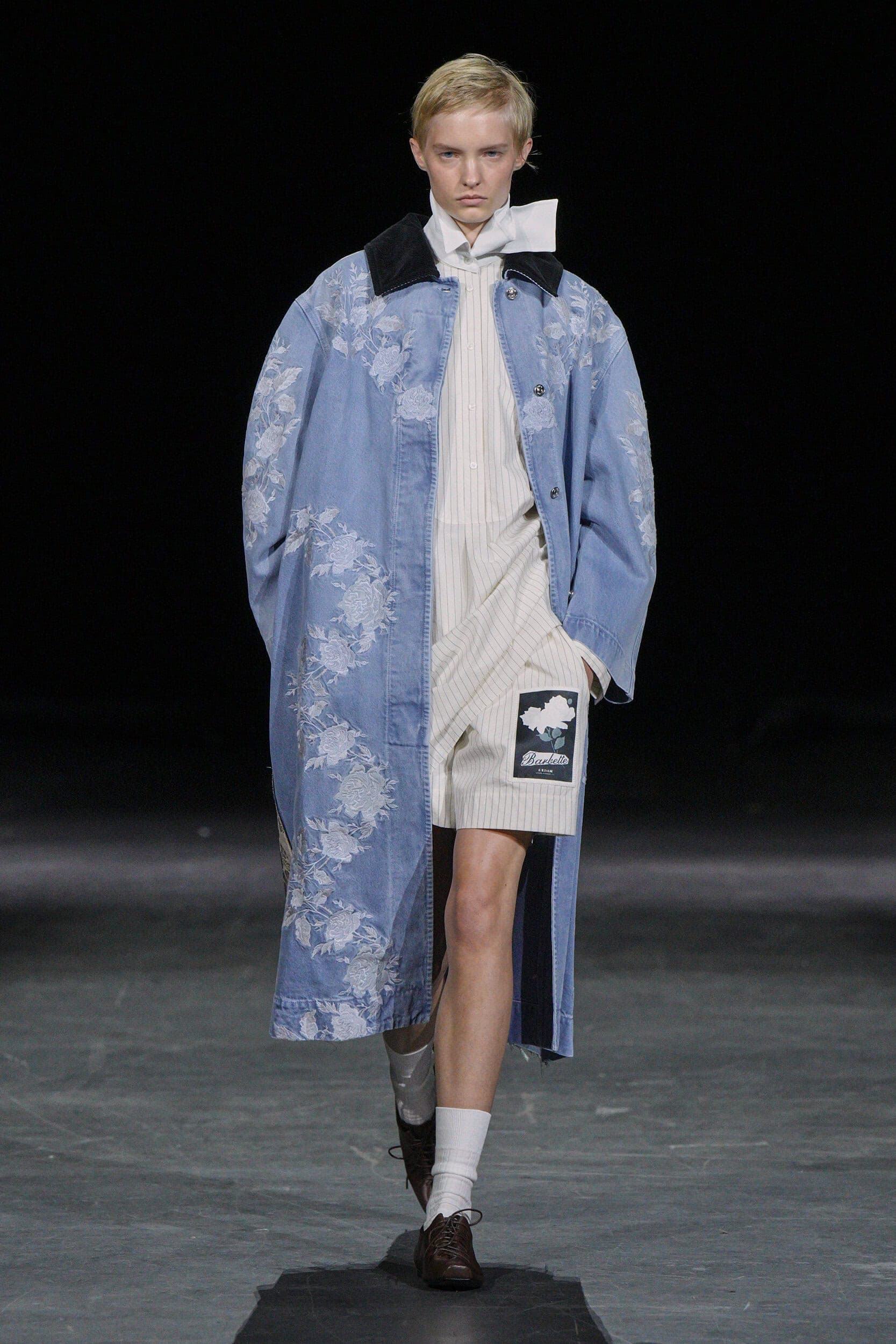
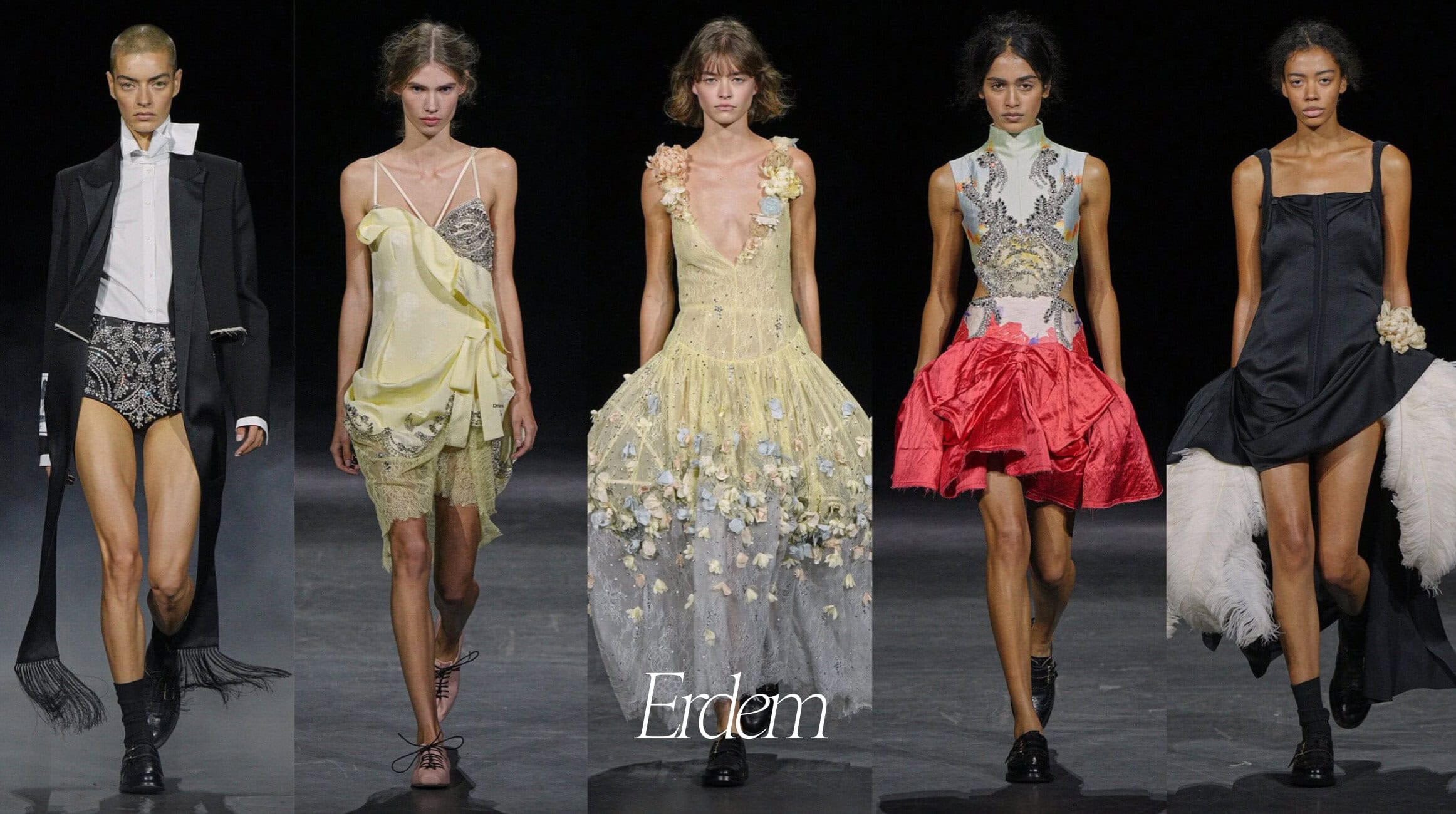
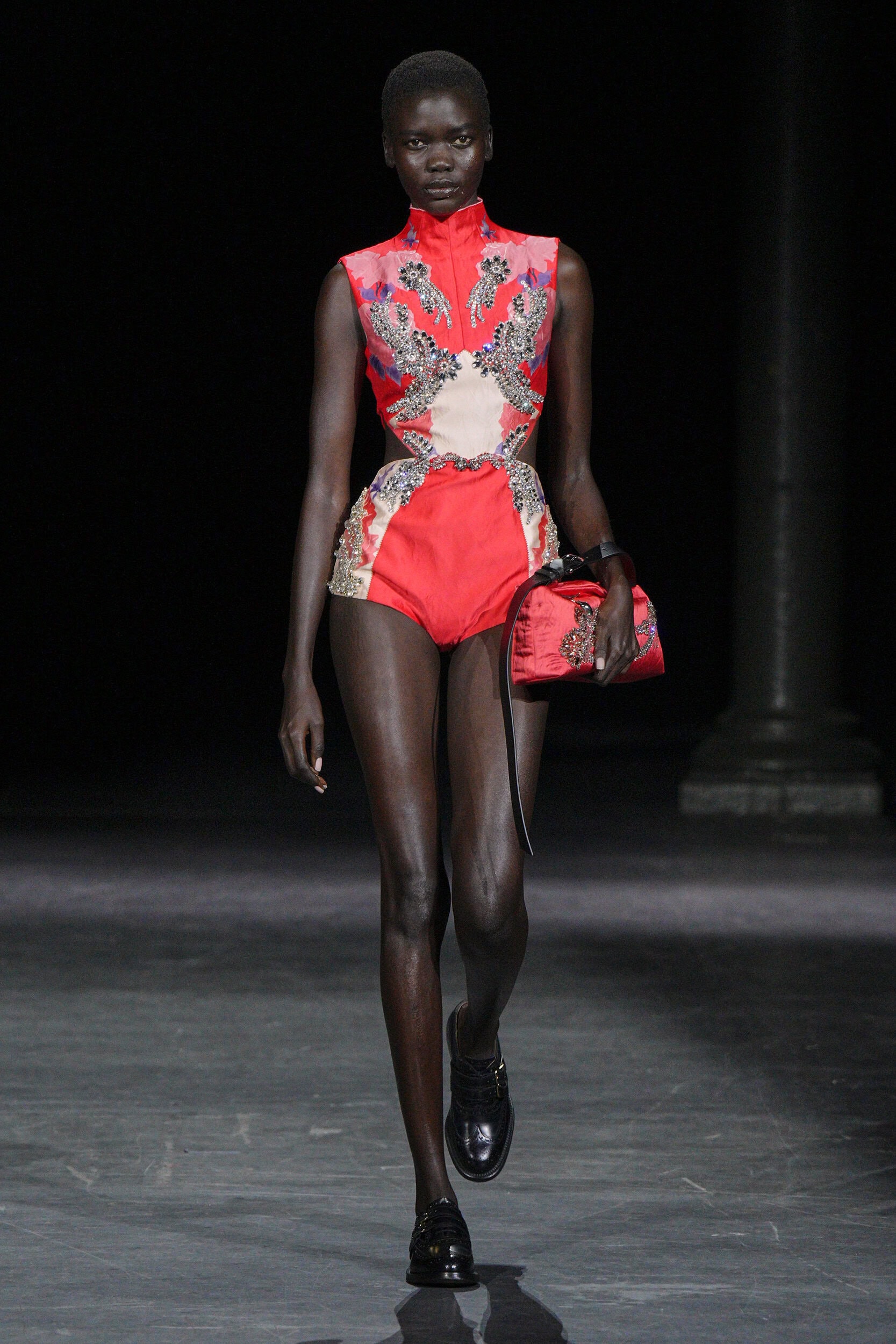
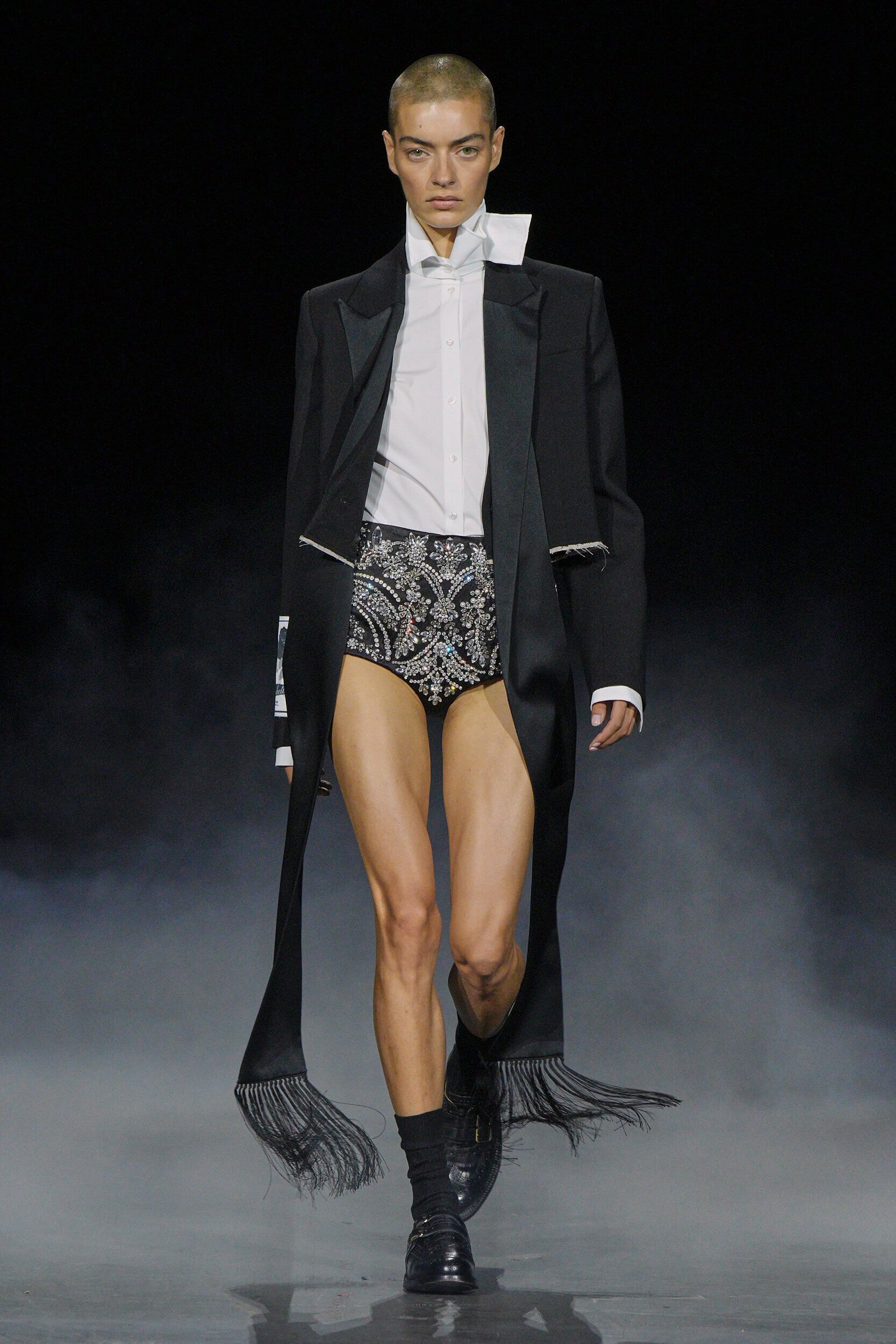
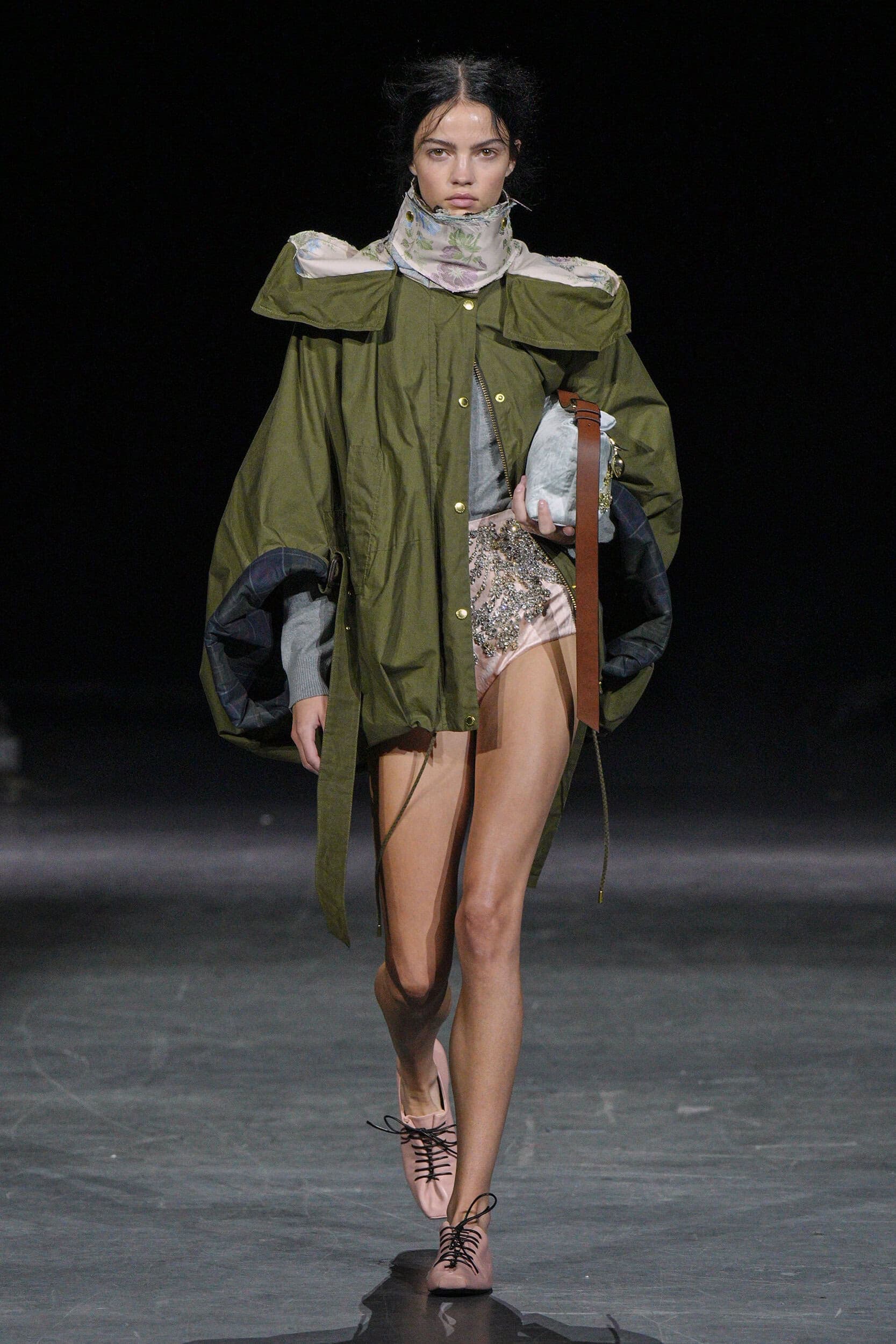
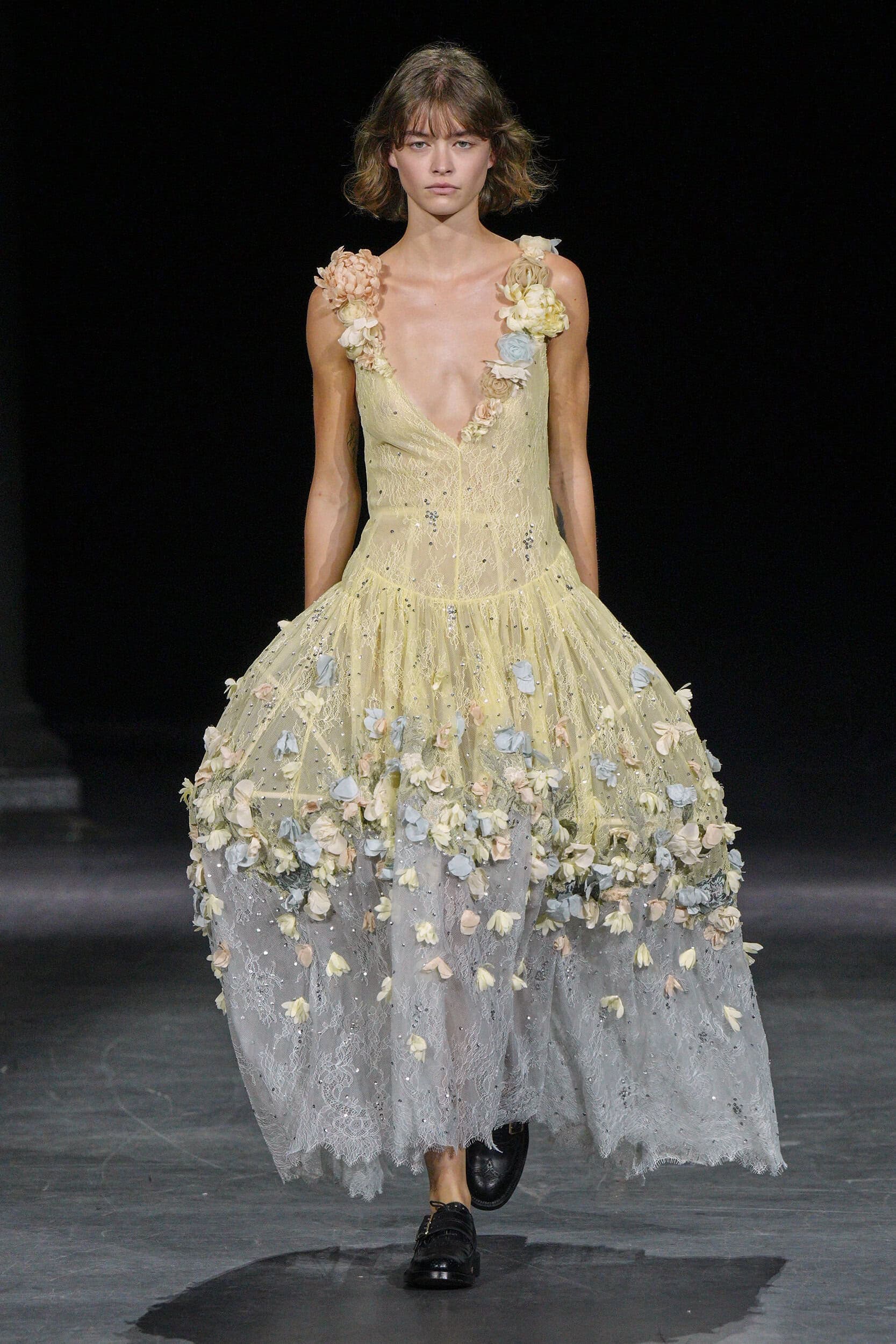
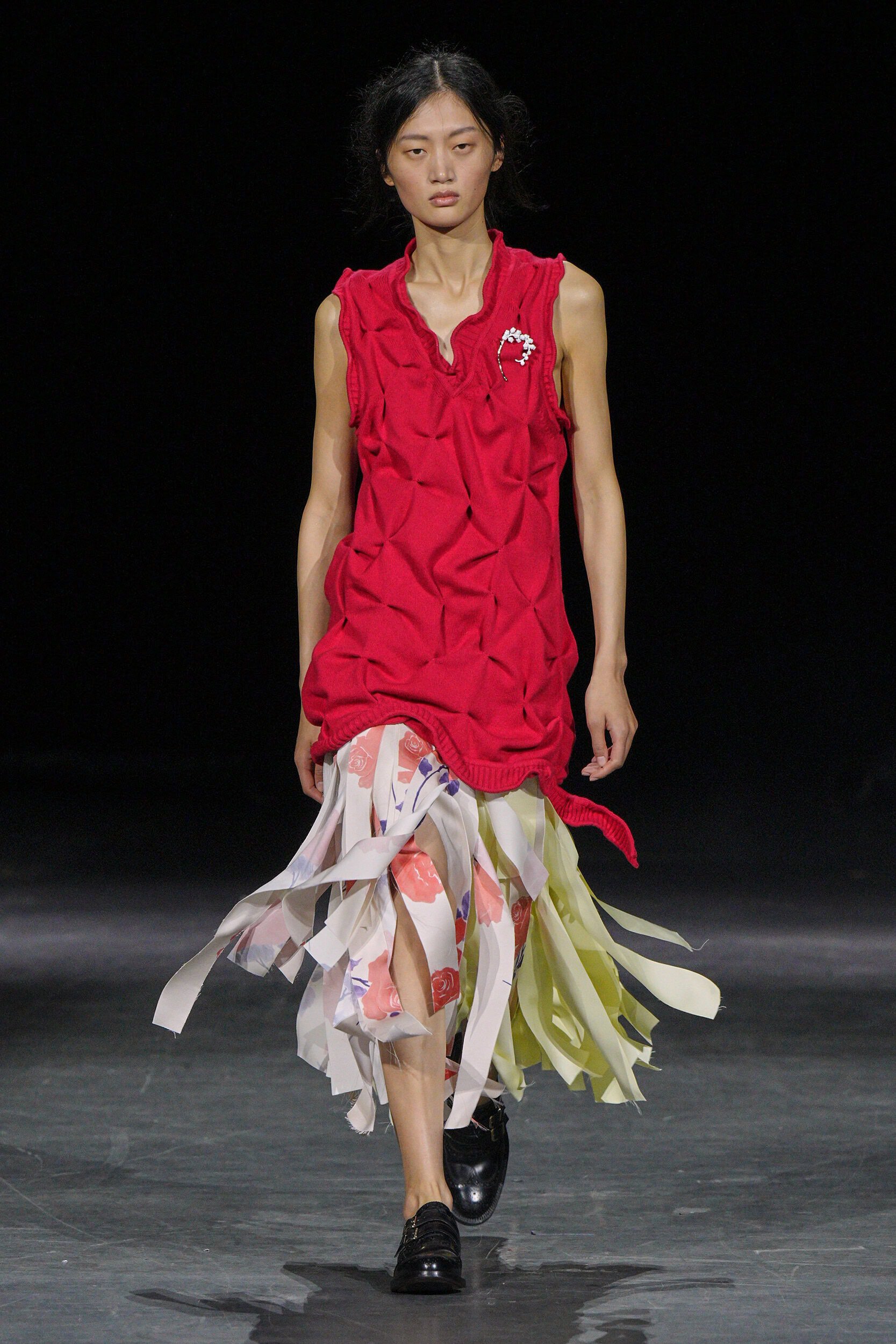
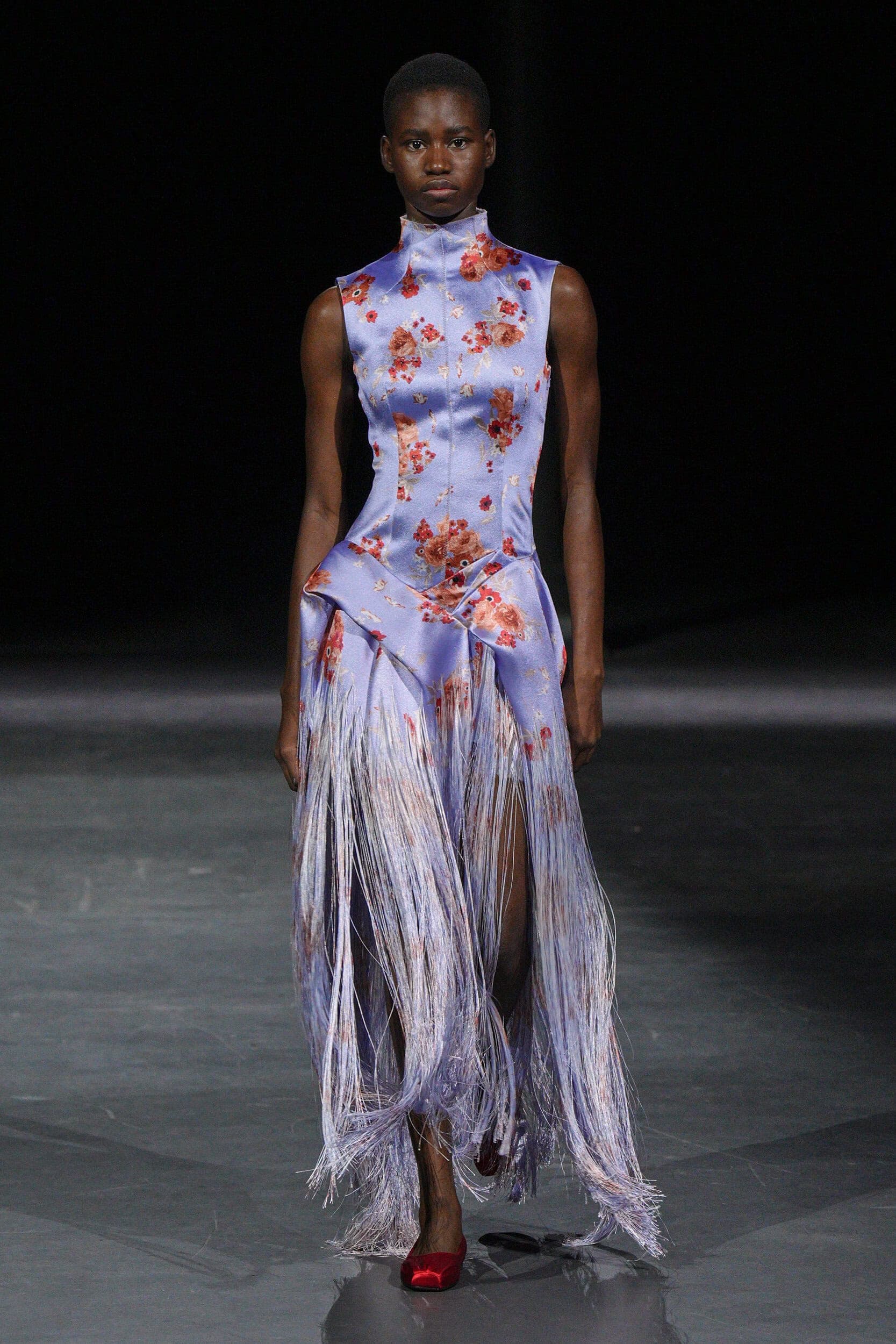
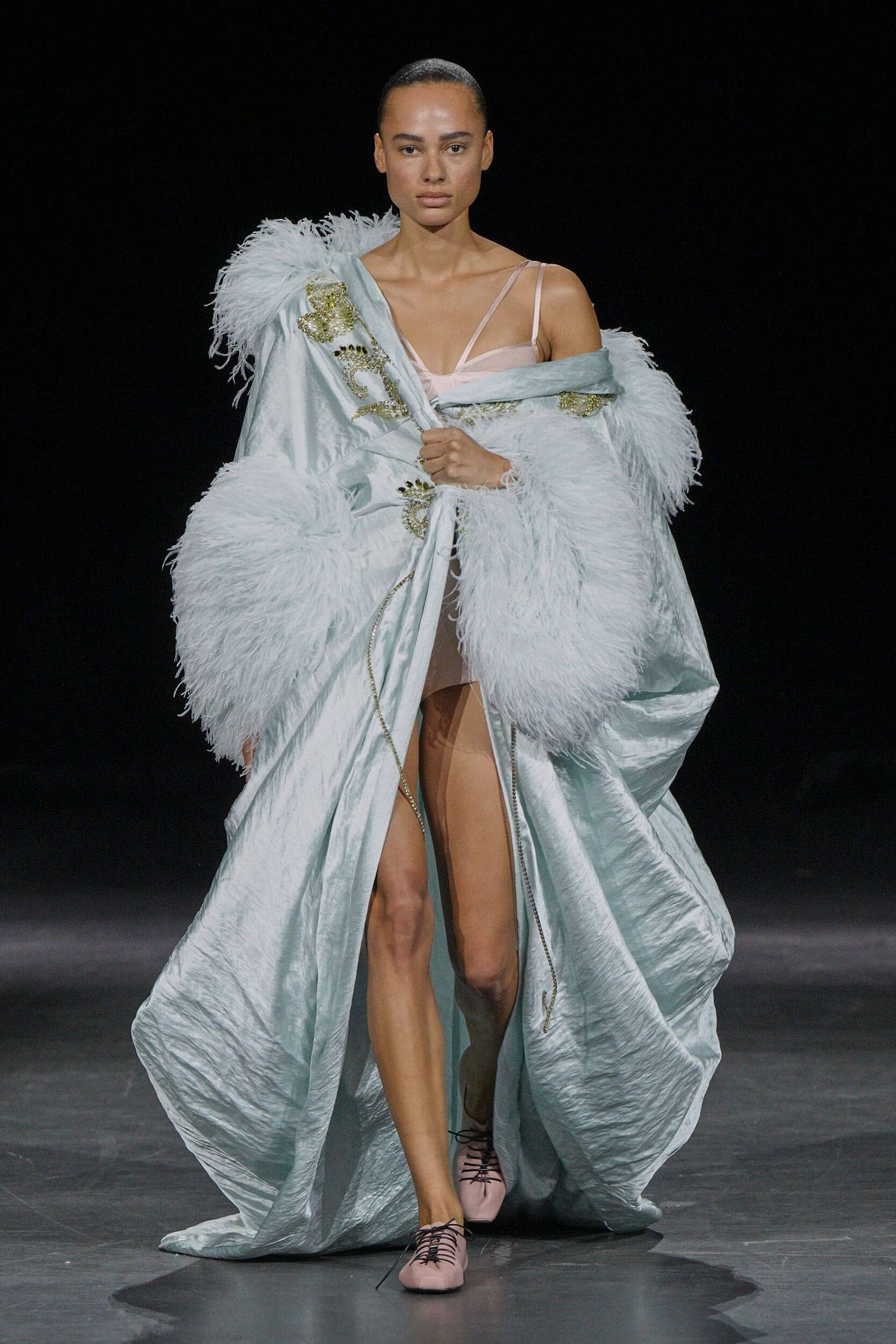
The latest addition to the family of historical icons of the arts and entertainment was realised in encrusted bodysuits and ringmaster tailoring, which took centre stage alongside utilitarian outerwear trimmed with jacquard and as always decadently dishevelled daywear.
THE COLLECTION
THE VIBE
It was always about a duality; Barbette wasn’t trying to be a woman or man. It was truly about this androgyny in its purest sense.”
Erdem Moralıoğlu, Creative Director, Erdem
Erdem Moralıoğlucan always be relied upon to provide editors with a rich post-show narrative detailing what, or more accurately who, has made it to the mood board for that particular season.
For spring 2027 the designer took on the role of showman – or ringmaster – and regaled us backstage with his tale of Barbette. Another queer icon from his rich cannon of research into key (sometimes forgotten or simply unsung) figures in LGBTQIA+ history. Today we learned that Barbette was a Texan who was part of a trapeze act with his sisters. When one sister met her untimely demise Barbette stepped into the fray. As the saying goes – the show must go on.
As the notes explained ‘Barbette ascended the trapeze as a woman and descended as a man.’ Born Vander Clyde Broadway the aerialist was not strictly setting out to live life as a trans-woman or to dabble in the art of cross-dressing. In this case it was a means to an end, to preserve his livelihood.
What intrigued Erdem Moralıoğlu was Barbette’s act of illusion. Something he has explored in seasons past – such as for Spring 2025 and his exploration of the life of Radclyffe Hall, and her masculine-leaning outward appearance. But also the idea that Broadway could channel enough feminine energy to disguise his natural strength as a man, strength which kept him aloft during his act.
As was the case with many avant-garde figures, he decamped to Paris (after a stint in the UK playing at the Palladium) and caught the attention of Jean Cocteau (and Man Ray) who saw beyond the disguise of his act and made him his muse. For spring’s self-proclaimed study of transformation the designer once again took to pushing and pulling at the levers of gender identifiers.
‘Masculine’ tailoring was cut close to the body or severed to waist-grazing proportions revealing the heavily-embellished leotard that called back to Barbette’s aerial act. The collection was a modern-day reworking of what the trapeze artists of the time may have worn as costumes. But, as with his anniversary show in February a younger edge is permeating throughout the Erdem brand. With young actresses and artists, including Taylor Swift and Zendaya, already fans of the brand, these outings feel like a concerted effort to court the next generation of consumer. The Erdem girl who will delight in shaking up the formalities of the red-carpet in a lipstick-coloured one-piece. Given the source material the bodysuits and full briefs were a necessary commitment to Barbettes legacy, but out in the real world they may require a few more modest layers to successfully pull off in public. Yet, the designer’s intentions to mimic Barbette’s duality were always very clear, as he said “It was about exploring the most feminine of feminine, So, underwear – bras and pants – things that inherently feminine, and layering them with something that felt truly masculine.”
In selecting Barbette as his muse the designer told of the relevance of the continued need to be given the freedom to author one’s own identity. A social and gender issue that still, to this day, draws the ire of politicians and divides families. Still requiring platforming to finally de-stigmatise once-and-for-all.
THE WRAP UP
As the war on gender politics rages on, Erdem Moralıoğlu brought forward an argument that it has always been omnipresent – in the performing arts at least. Where transforming to perform a role has become a synonymous part of the entertainment industry.
Less harsh punishment befalls those who choose to partake in same-sex relationships, but it was illegal in the 1920s and the consequences for Barbette meant he lost his right to work in England, but his legacy being resurrected here will ensure he becomes part of the designers archive of queer heroes, whose stories should never be forgotten. Closing his backstage interview with The Impression with “The subject felt very urgently relevant to explore, this idea of gender, especially in the time we live in today.”