Claire Denis’ “Avec Kim” Leads The 32nd Edition Of The Filmmaking Initiative As Women Directors Find An Increasingly Vital Platform Beyond Venice’s Main Competition
By Angela Baidoo
Now in its 15th year, Miu Miu Women’s Tales – a platform conceived in 2011 to both commission and empower female-led filmmakers exclusively – took place during the 83rd edition of the Venice Film Festival.
Premiering at the Giornate Degli Autori – the film festivals independent arm – an all-female jury was led by President Carla Simón. A former participant of the Women’s Tales programme in 2022 with her film Carta a mi madre para mi hijo (Letter to My Mother for My Son) during the 79th Venice Film Festival. Alongside fellow judges Italian filmmaker, editor, and producer Sara Fgaier, and Lebanese film programmer and distributor Hania Mroué. They will preside over a season where over half of the films premiering during the Giornate Degli Auto will represent the work of women directors, telling stories emanating from the female lens.
At a time when the festival itself is experiencing a decline in the participation of women directors across the male-dominated main competition. With only two films, Danish-Egyptian May el-Toukhy’s Woman Unknown and Rachel Szor’s NAZA (co-directed with Yuval Abraham), representing tangible female representation and competing with 20 other titles for the Golden Lion title, the work of Miu Miu and the Women’s Tales initiative is more urgent than ever, even after more than a decade.
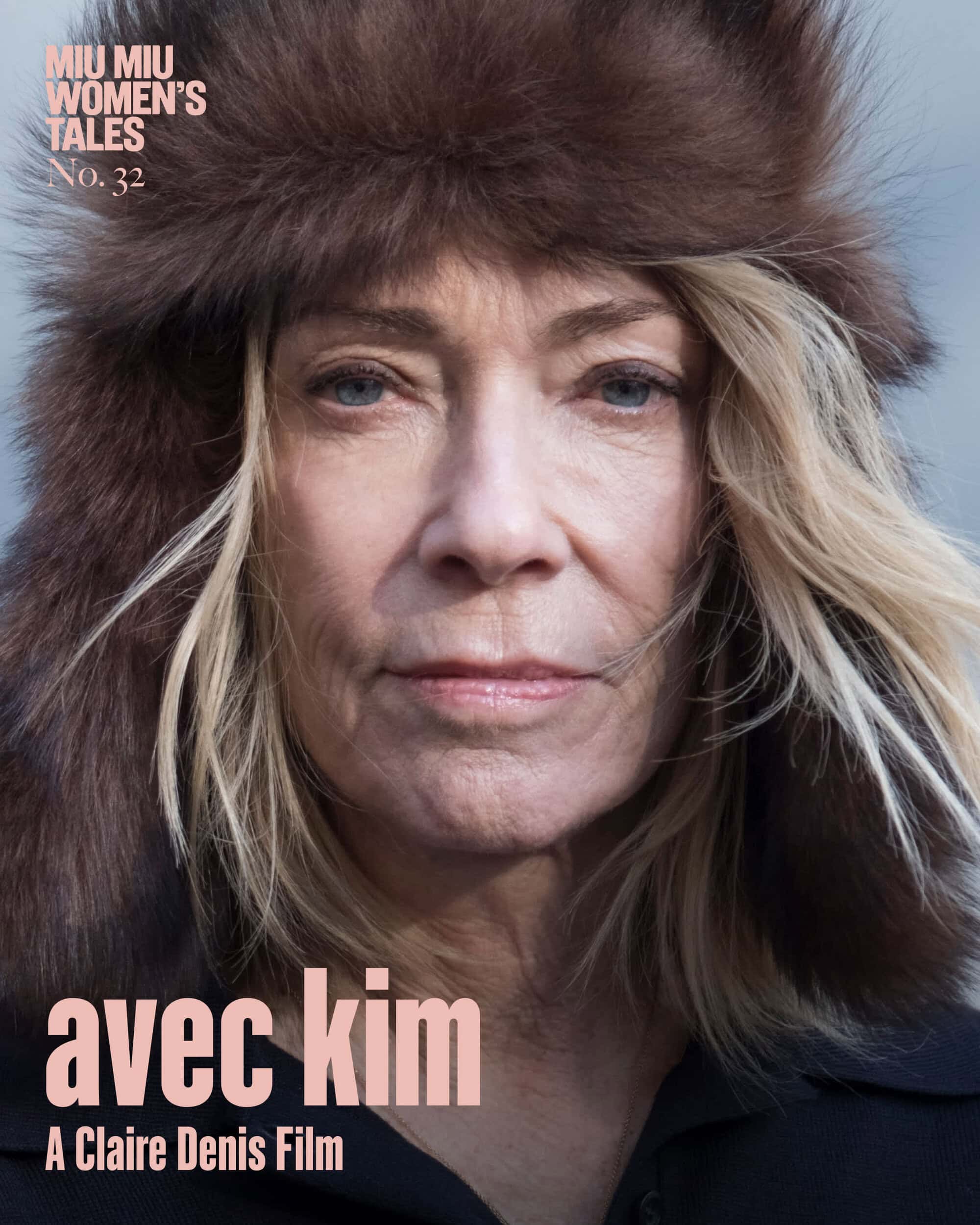
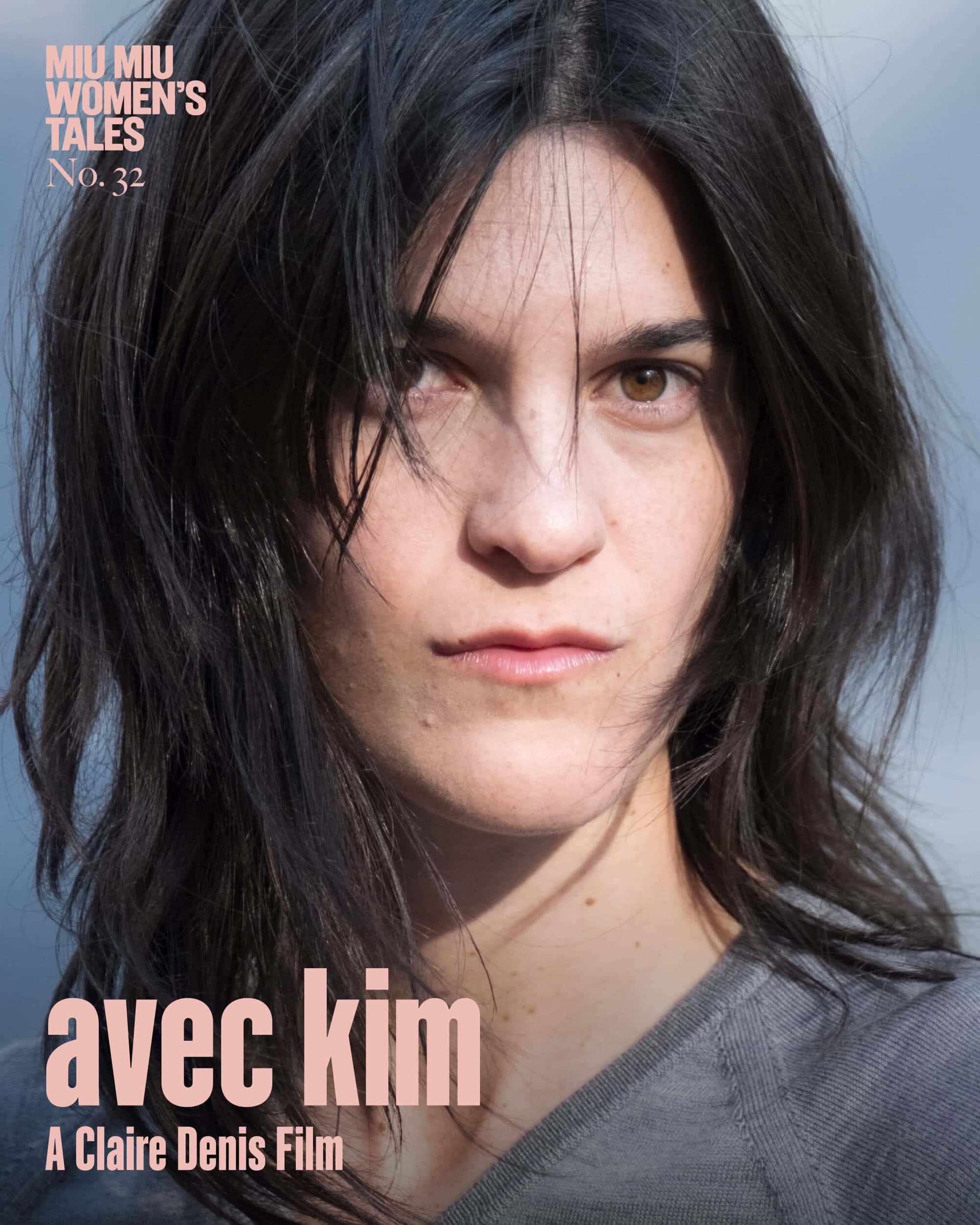
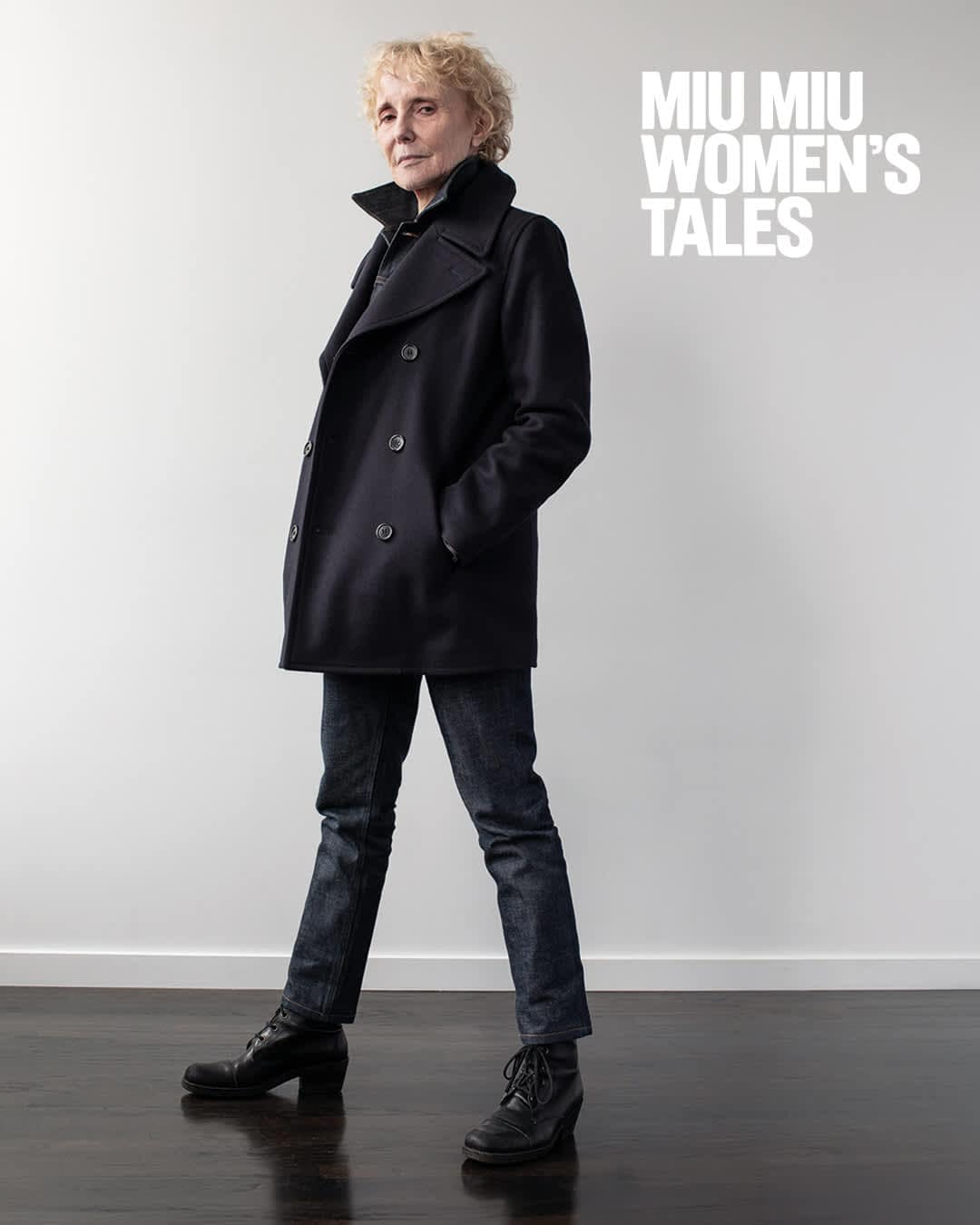
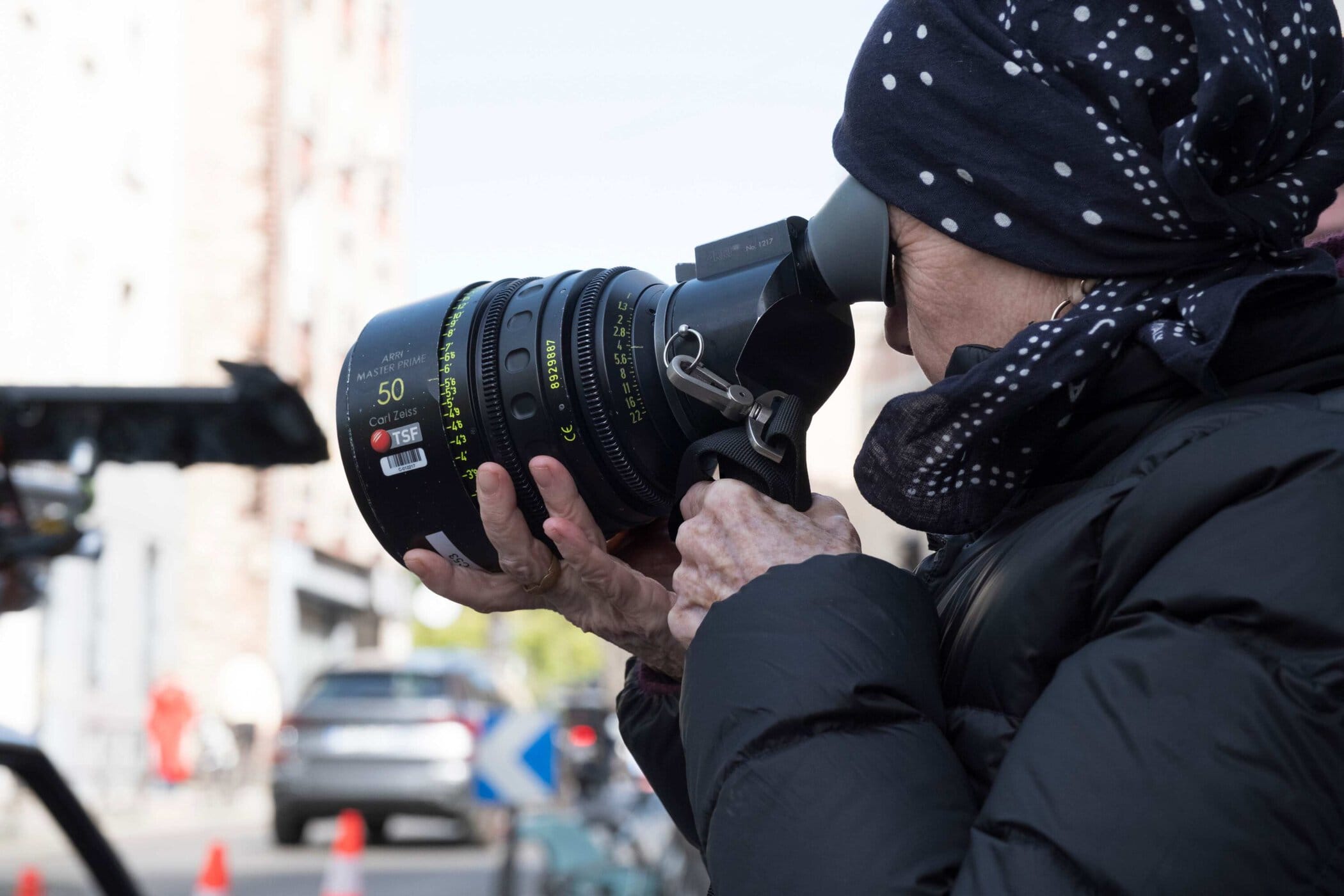
Premiering on September 5th, French filmmaker and screenwriter Clare Denis’ short-film “Avec Kim” headlined this year’s 32nd edition, as part of a multi-faceted programme of premieres and panel talks that brought together this latest chapter. Heavily influenced by her upbringing in Africa across Cameroon, Burkina Faso, and Djibouti – countries where her father worked as a French civil servant – Denis’ interest in cinema was sparked when introduced to the arthouse format at the age of 12.
The directors early years played a significant role in her later work that has dealt with provocative themes that confront the lived realities of colonialism, post-colonialism, race, and masculinity. The premiere was accompanied by an additional screening of director Mona Fastvold’s ‘Discipline,’ starring Amanda Seyfried. First shown in New York back in February, the short replicates the choregraphed movements that were central to the directors 2025 film ‘The Testament of Ann Lee,’ and was inspired by a Miu Miu dress Seyfried wore to the press conference during the Venice Film Festival. Previous directors have included Chloë Sevigny; Soyong Kim; Haifaa Al-Mansour; Dakota Fanning; and Ava Duvernay.
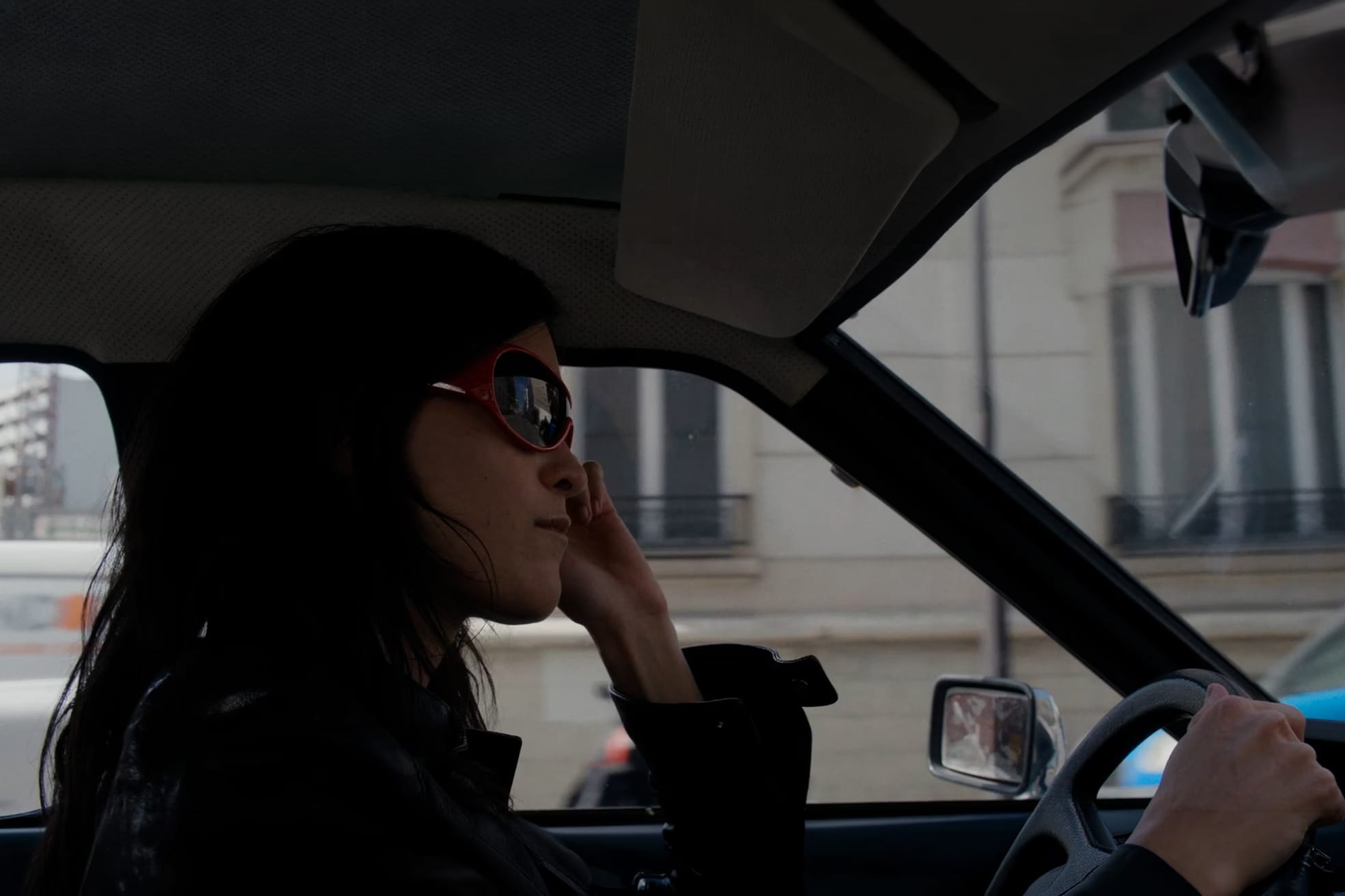
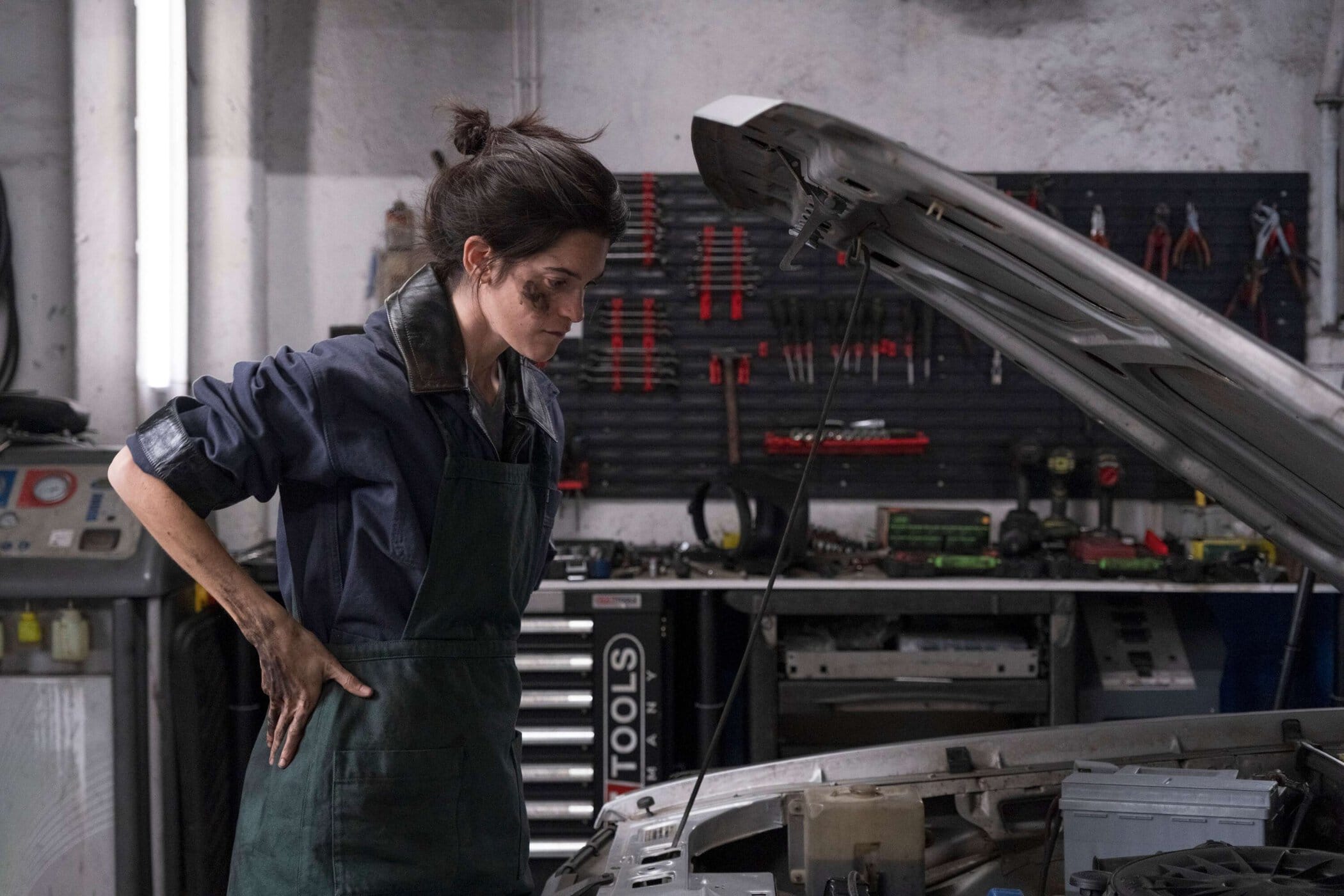
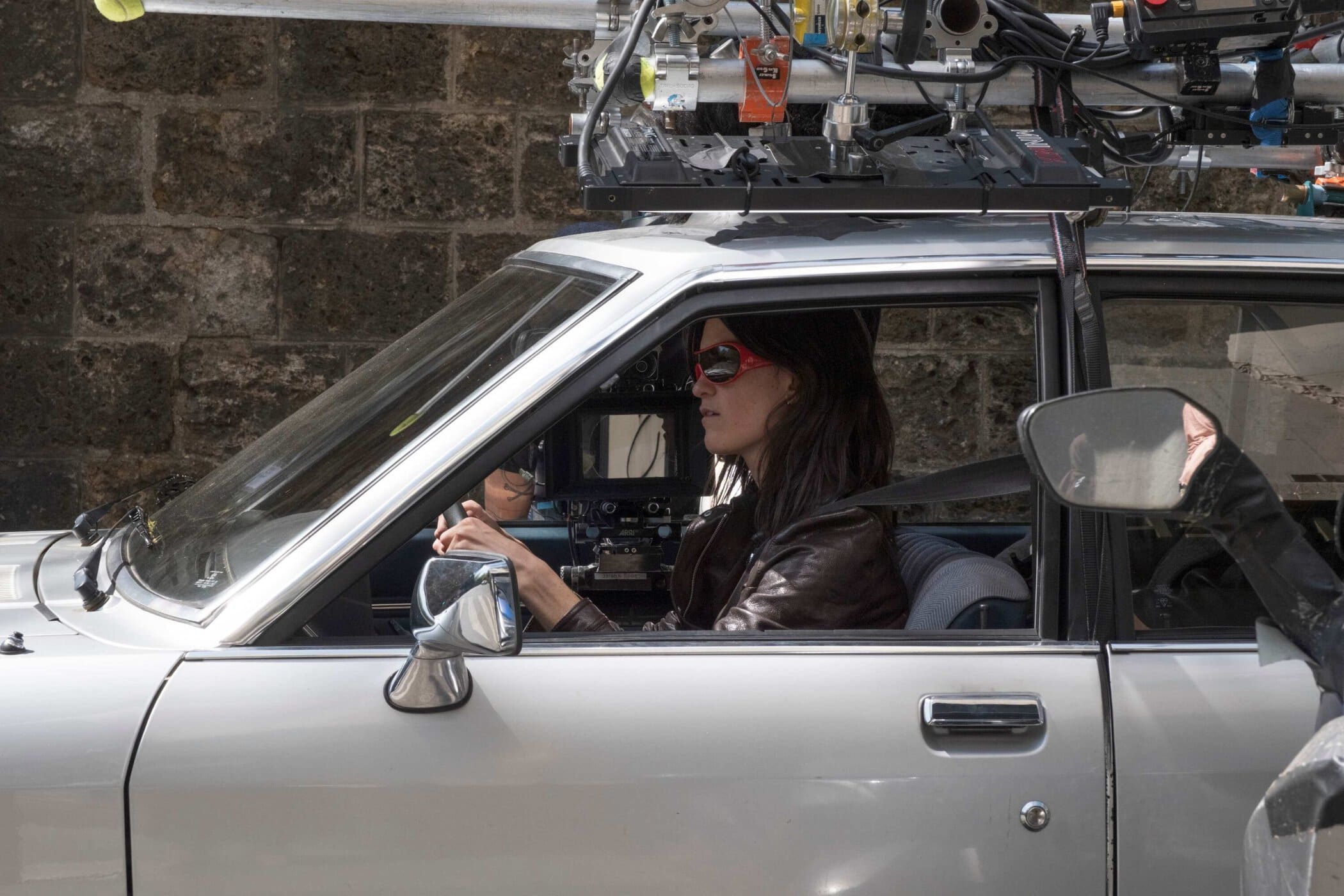
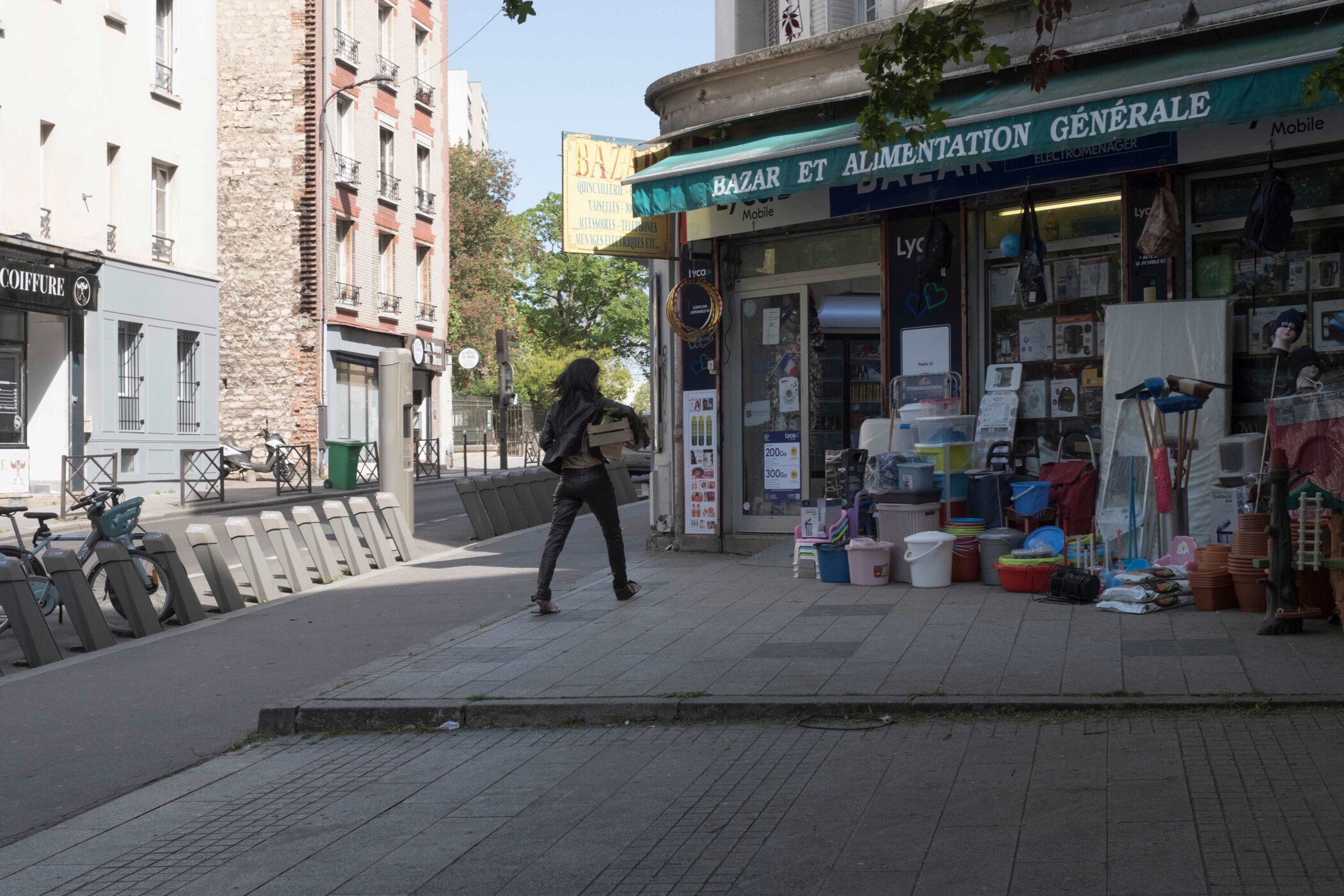
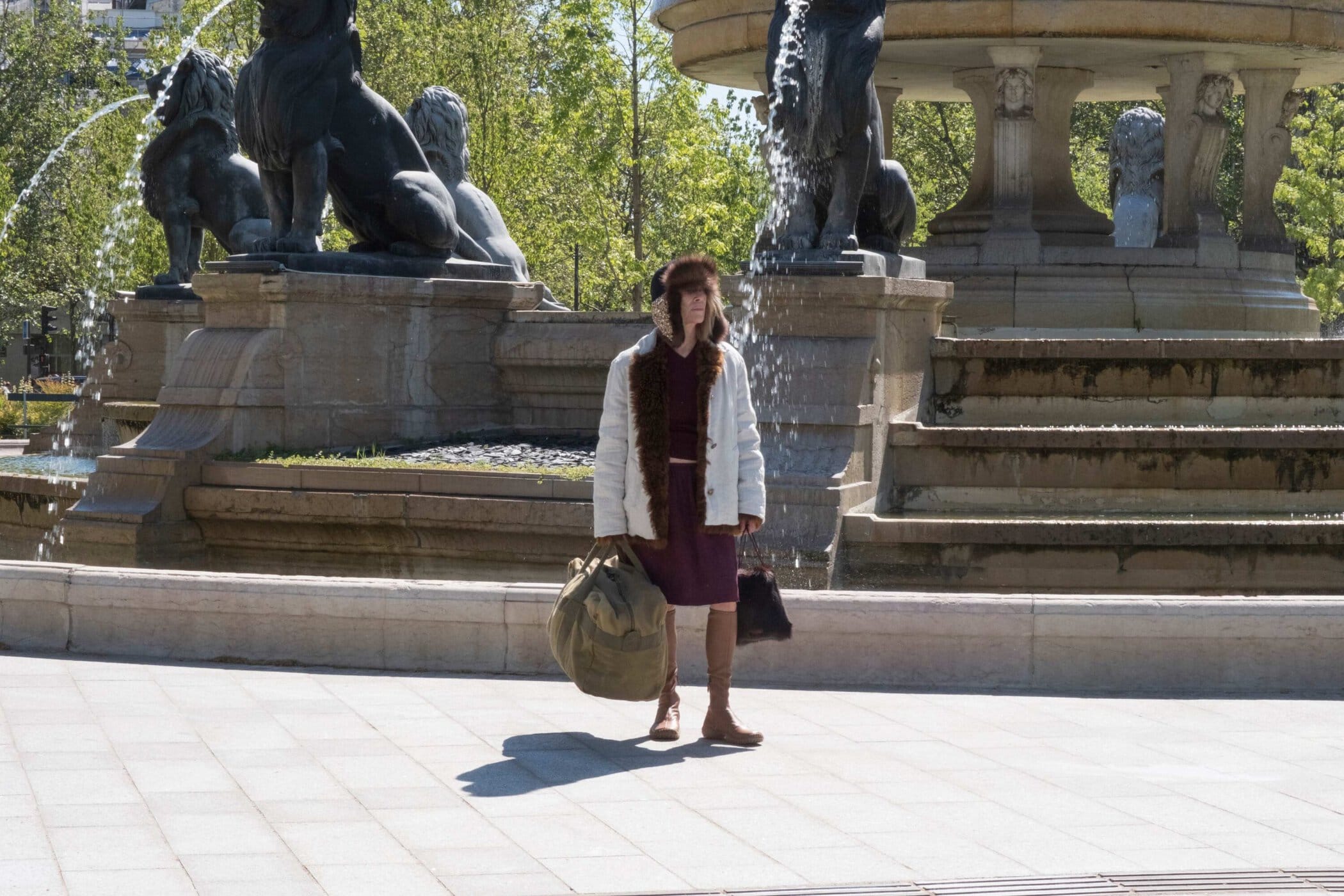
In “Avec Kim” Denis relies solely on the body to tell the story of femininity through a cross-generational friendship and the challenging of working women tropes. Starring Suzanne Lindon (actor and director, who wrote her first film, “Spring Blossom” at the age of 19) and Kim Gordon (Sonic Youth co-founder) the short follows Lindon on a sunny Parisian day – from breaking gender-coded stereotypes with her job as a grease-covered mechanic to mimicking the ubiquitous road trip. Performed, by both actors, without dialogue the short film relied heavily on the small gestures they were given the freedom to improvise by the director.
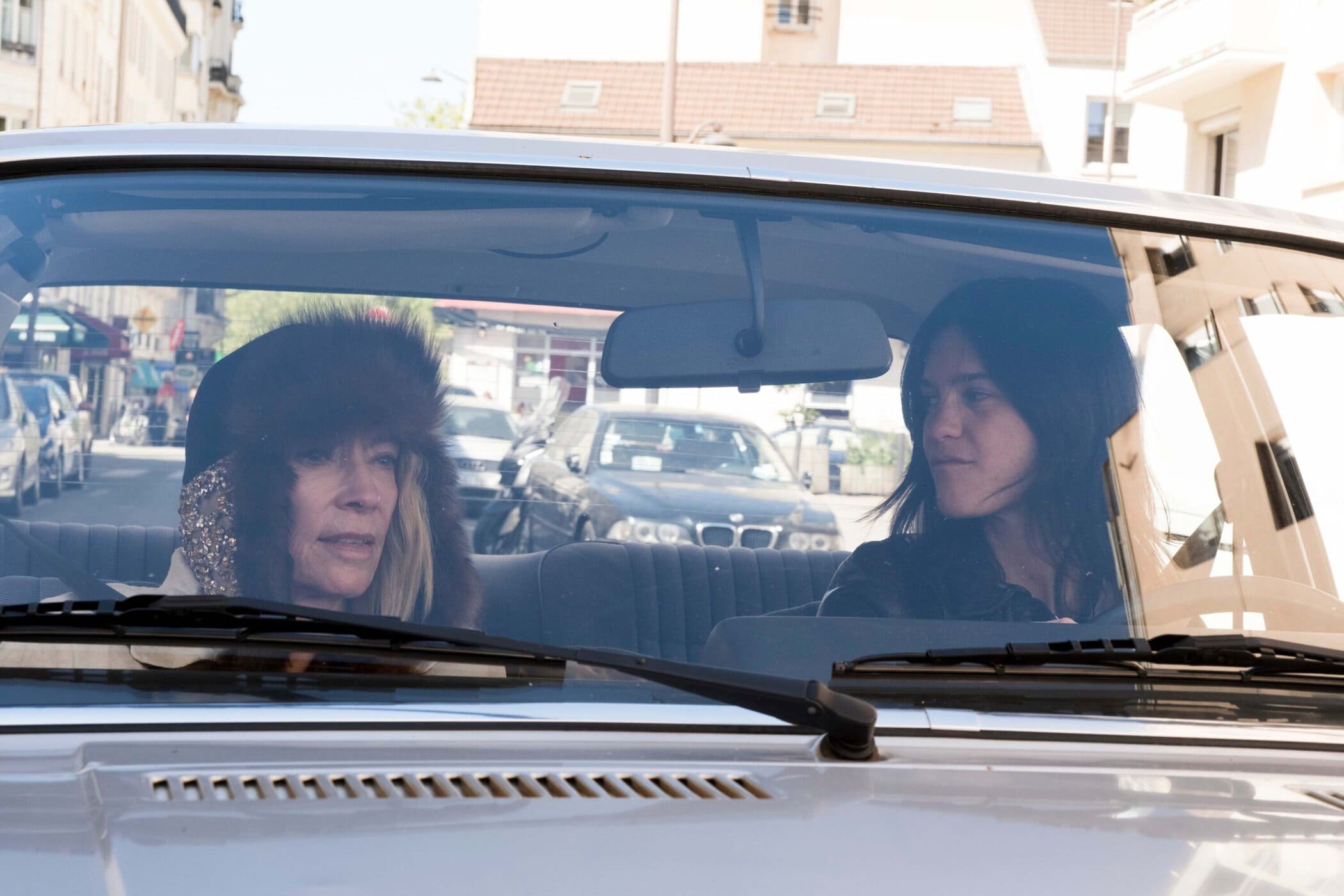
Continuing her visual language known as the “cinema of the body” the actors performed an easeful choreography of daily life, told from a female perspective. Where small acts of kindness, completing daily to-do lists, and the simple act of nurturing a friendship felt almost akin to achieving the elusive utopian state of slow living.
As with previous editions, the collections of Miu Miu play a significant co-starring role. In “Avec Kim,” the unexpected re-framing of the domestic/workwear apron from spring 2026 (amplifying the role of the women in both the factory and the home) felt perfectly suited to Lindon’s role as a car mechanic. Before transforming into a leather jacket and pants, that acted as if a second skin, shaping this new version of the actors identity – softer, but still tough.
In keeping with the format, a number of key conversations were moderated by British writer and curator Lou Stoppard. A regular collaborator (she recently led a discussion during Miu Miu’s Literary Club at Milan Design Week),Stoppard guided the panellists, made up of actors, directors and choreographers, into an exploration of this edition’s underlying theme – “Politics of Desire.”
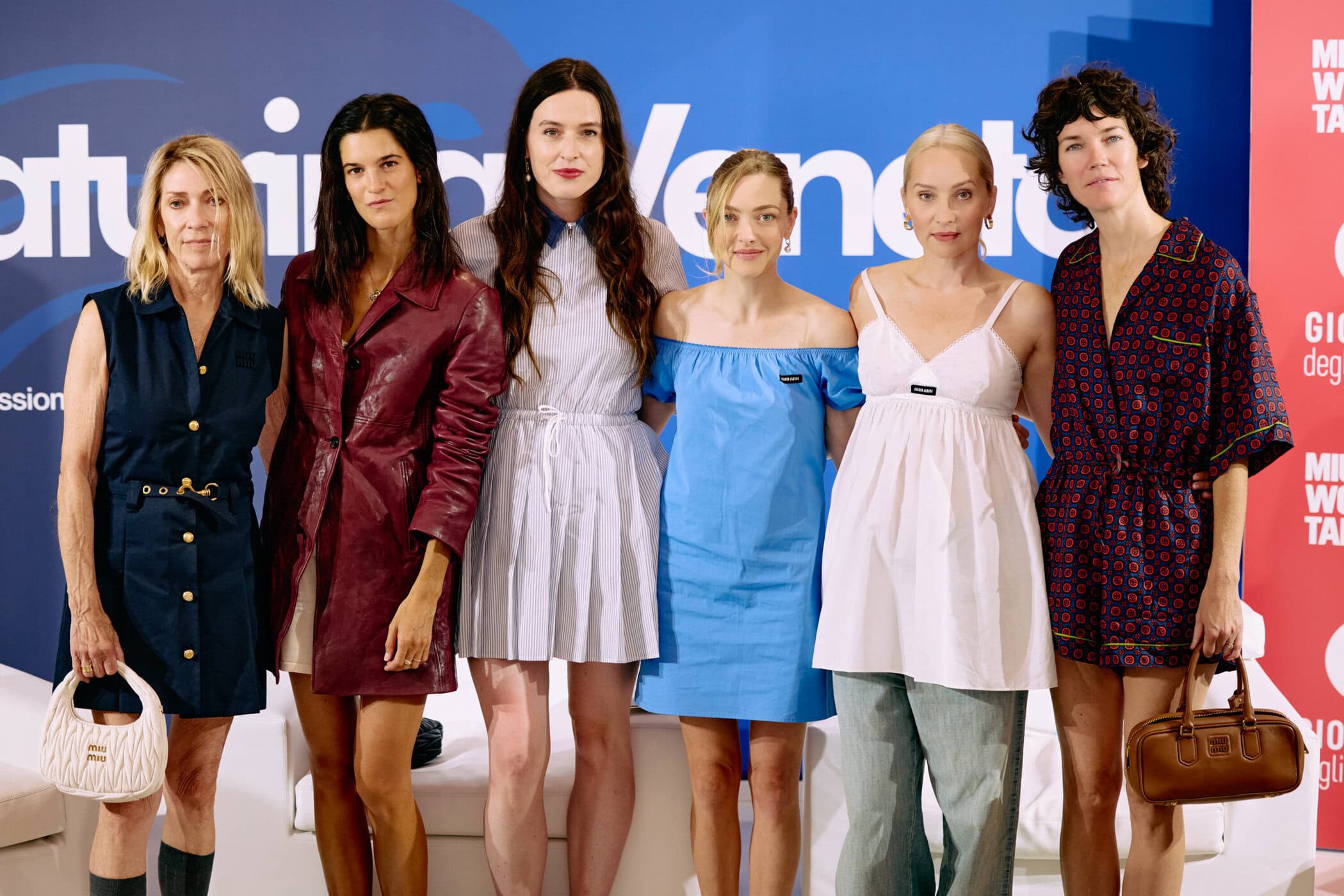
The first conversation ‘Bodies and Objects: Filmmaking Beyond Dialogue,’ was a deep dive into the way clothing shapes our identity, by communicating layers of meaning even before we’ve had the chance to speak. And in the case of the 31st and 32nd editions of the series – where the Miu Miu wardrobe is a recurring part of the visual dialogue – we were given a sense of how the directors (Mona Fastvold and Claire Denis) used fashion as one of the mediums to tell their stories. Where dialogue was absent, clothes became part of the supporting cast.
“The gift of doing this film at this particular time was that I could start a free association around this dress, and that’s how I started to approach it. From there it became a silent piece immediately because I started working with the idea of the dual-self – the self you present to the world, and your personal self. This is why when I started thinking of the film visually, I decided to work with puppets who obviously don’t speak.”
Director ‘Discipline,’ Mona Fastvold
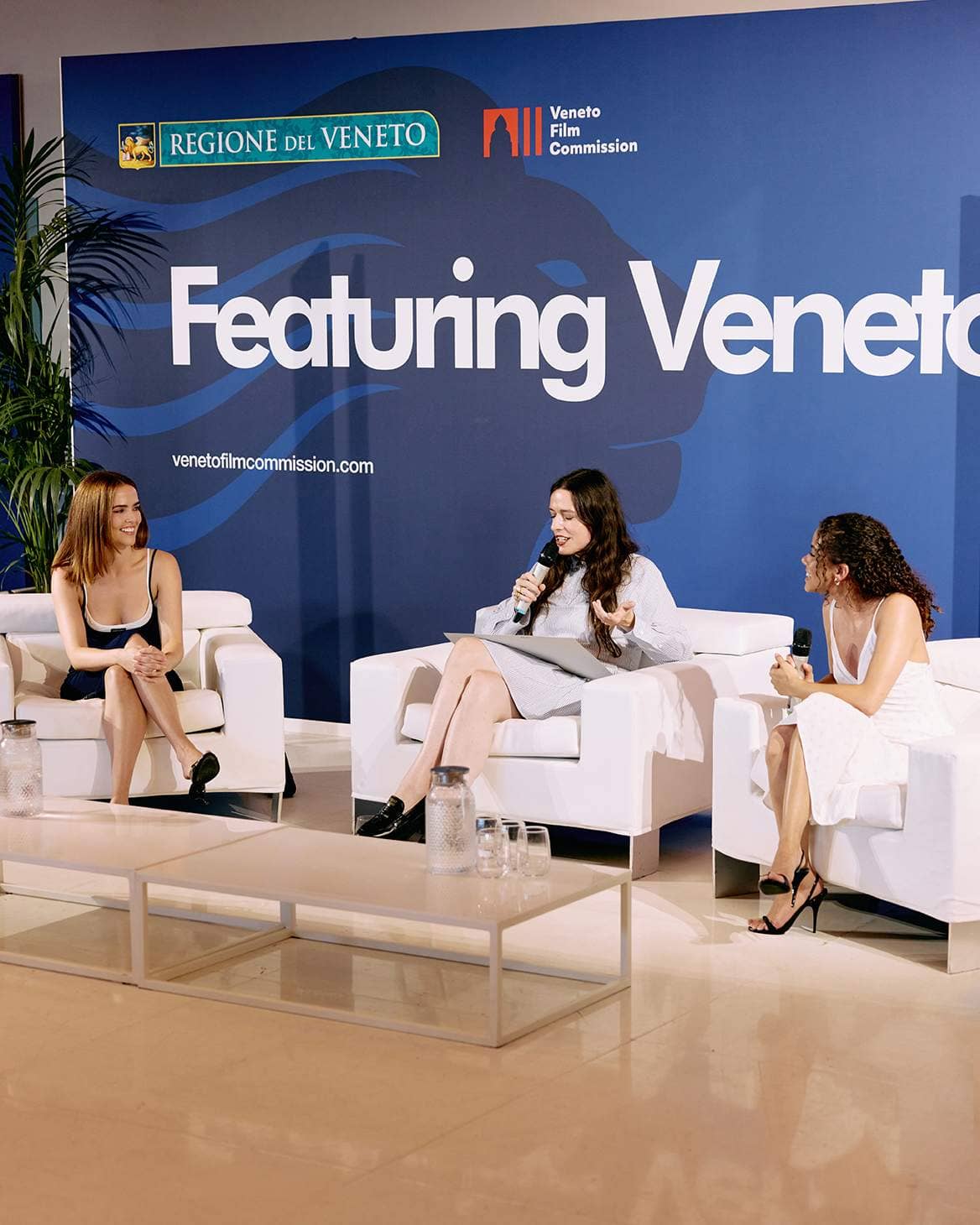
Pivoting to the perspectives of young female actors, who are an intrinsic part of Miu Miu’s cultural eco-system, the second talk titled ‘Reimaginations: Actors Offering Fresh Takes on Familiar Female Characters’ brought together Antonia Gentry (Ginny and Georgia) and Zoey Deutch (Voicemails for Isabelle). With the actors displaying their confidence in consciously choosing roles that rejected the perpetuation of a narrow depiction of female characters on screen. In many ways actively seeking out unlikeable roles that allow for more complexity.
“In the early stages of my career I have had to play ‘those’ characters, and it was not fun. Playing a one-dimensional female character in a male-driven comedy, you find that you are constantly trying to put a square peg into a round hole. You keep asking why this can’t work [another way] and it’s because they don’t want it to, so you have to change course.”
Actor ‘Voicemails for Isabelle,’ Zoey Deutch
“The unlikability of my character, and the fact that she’s such a divisive part of the discussion of my show has always fascinated me, as it’s interesting to see which characters are given grace and which characters aren’t. And one thing I find interesting is that many people forget that she is a 16-year-old girl trying to live a normal life with a very intense mother figure who can overstep and has no boundaries.”
Actor ‘Ginny and Georgia,’ Antonia Gentry
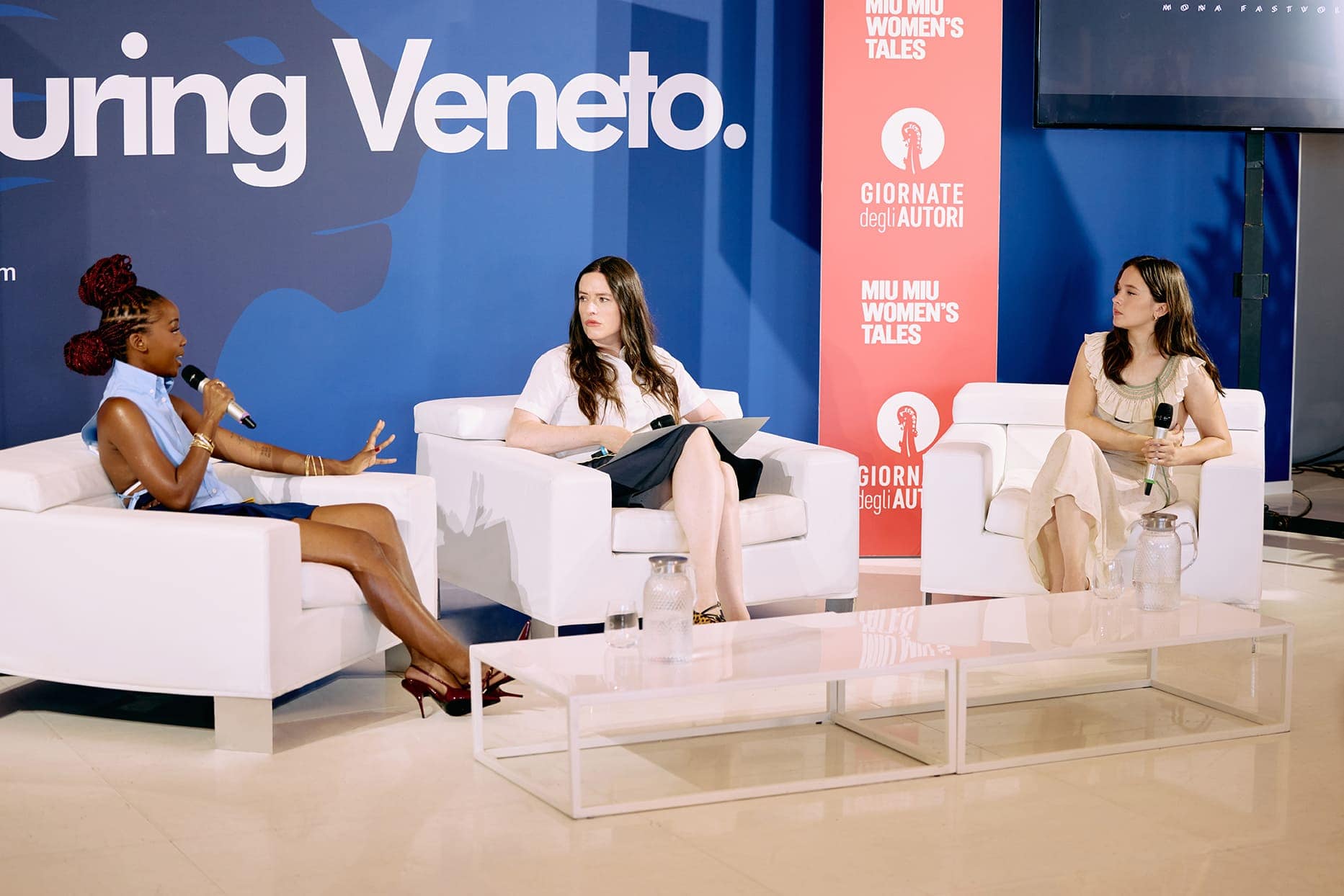
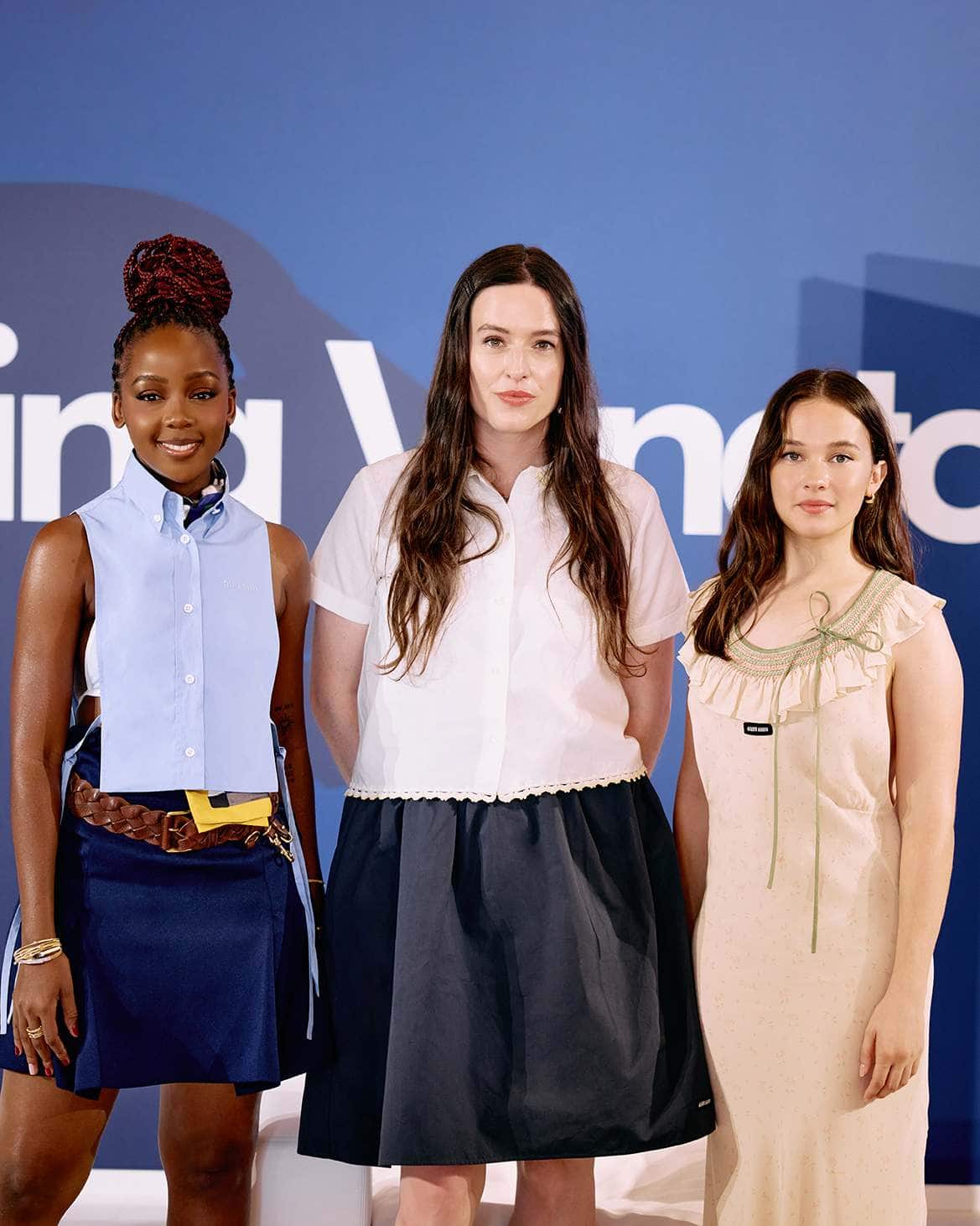
With the programme culminating in a conversation focussed on breaking through the invisible barriers that are sometimes imposed on film-makers and actors. Seeking to push the scope of character building into the otherworldly, Stoppard spoke to Thuso Mbedu (The Woman King, Children of Blood and Bone, The Underground Railroad) and Cailee Spaeny (Priscilla, Alien: Romulus, Civil War, The Craft: Legacy) about ‘Other Realms: Acting Across Space, Time and Fantasy.’
Through traversing the past, present, and future both Mbedu and Spaeny are breaking out of conventional female roles by moving beyond space and time to inhabit characters that feel as expansive as they are emotionally authentic. Playing historical characters from the past (Spaeny as Priscilla Presley) or a physical manifestation of an author’s fantasy (Mbedu as Zélie in Children of Blood and Bone) both actors have broken out of the present to evolve how women are represented in modern cinema.
“My mind has no limits, and I am fortunate enough to have allowed myself to grow up dreaming bigger than my circumstances. But, as women when we come into the world we soon realise there are limits put on us because of what we are. My mind never allowed me to stay in that realm though, and that is what has helped propel me forward, despite any barriers I may come across, and as I’ve said before dreaming is completely free – if you can dream it, it’s only a matter of time before you can do it”
Actor, Thuso Mbedu