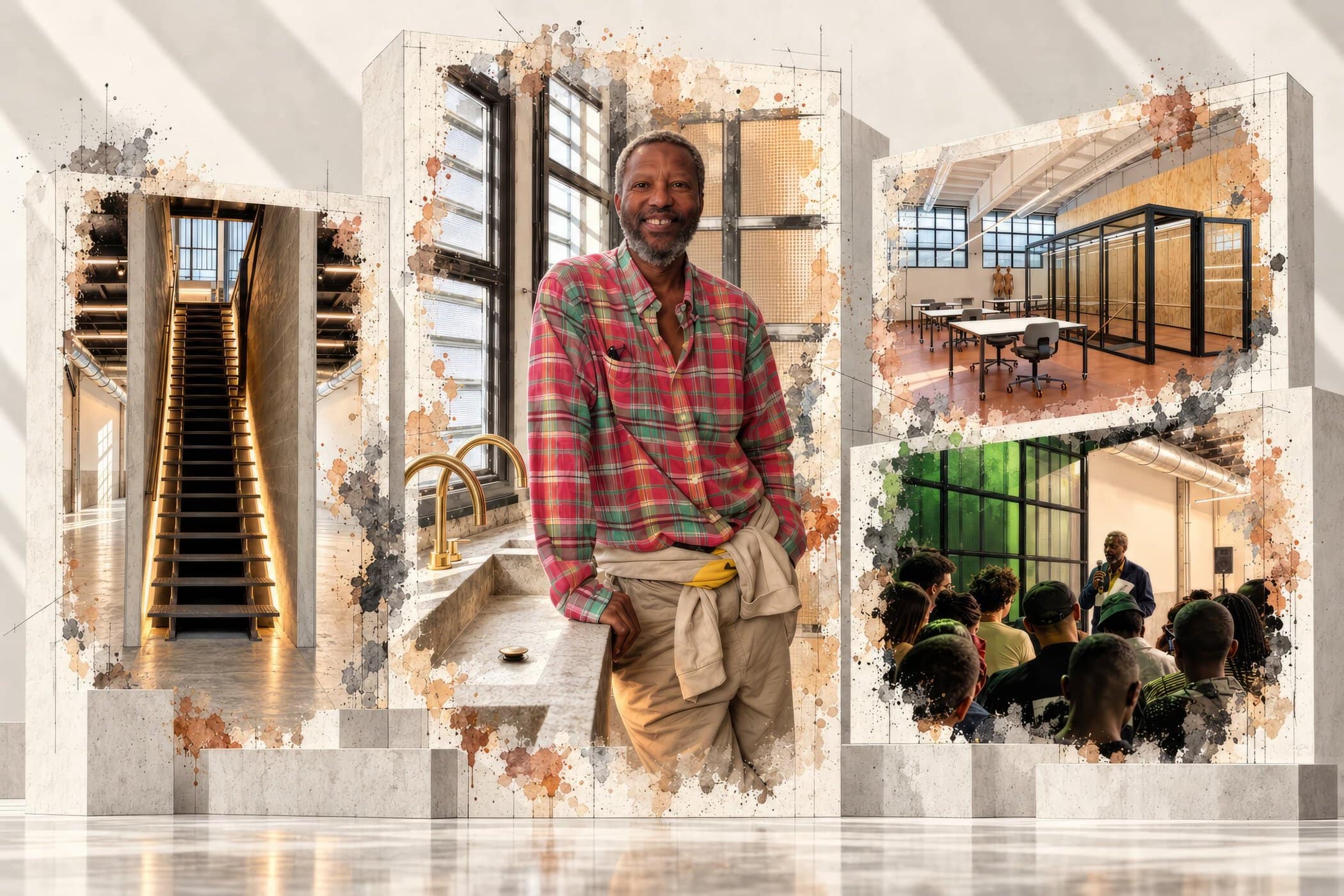
The Designer Opens The Situation, Turning Ownership, Community and Creative Independence Into Something Permanent
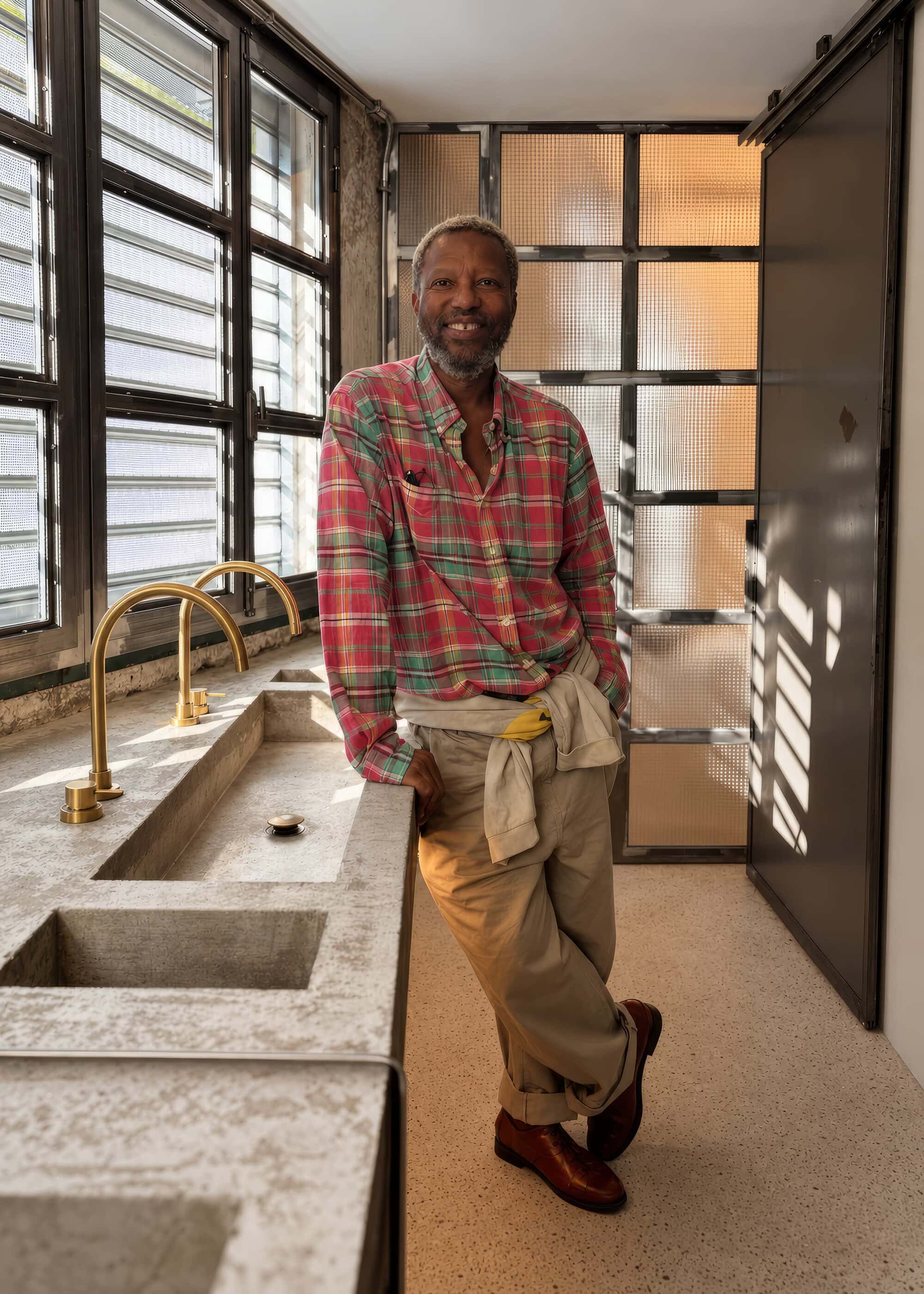
Edward Buchanan has spent decades making space for ideas in Milan. Now he owns the space.
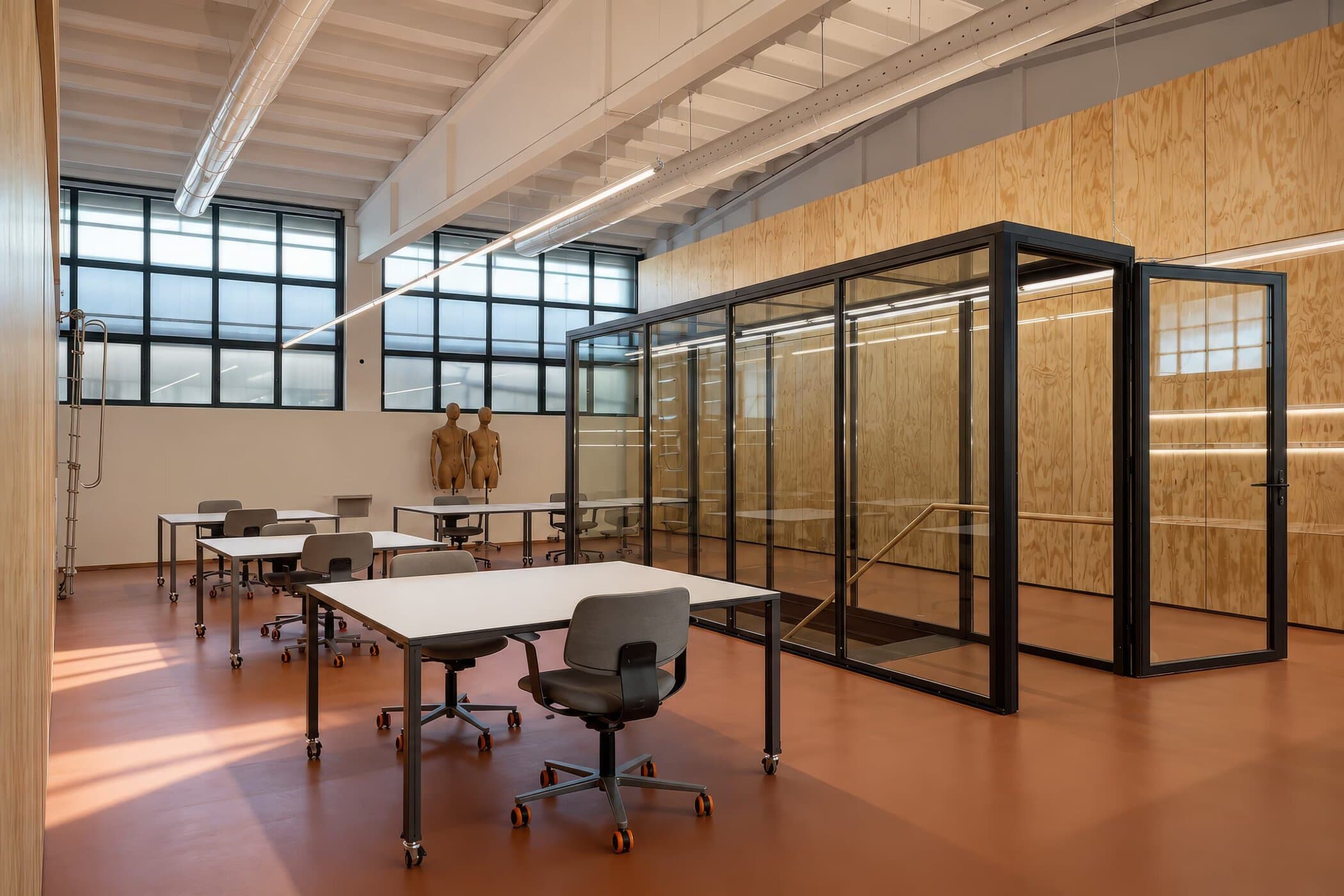
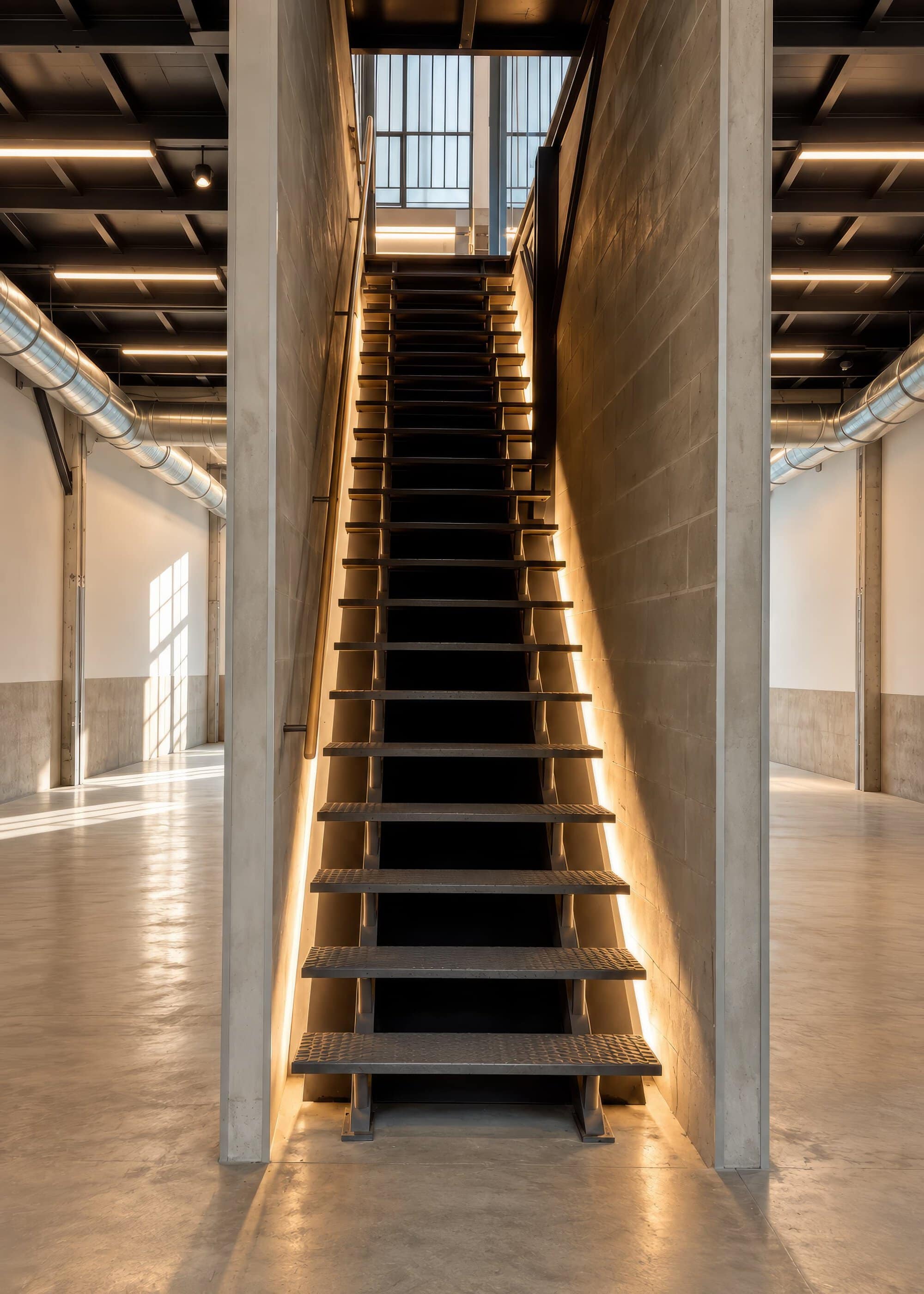
The American-born, Milan-based creative director has opened The Situation, a permanent 400-square-meter cultural center conceived as an artist residency, design studio, gallery, venue and archive. Located at Via Merano 18 in the city’s NoLo district, north of Loreto, the project gives Buchanan something considerably more powerful than another creative platform: a place he controls outright.
“Black Owned. Black Operated. Forever.” reads the declaration across The Situation’s materials.
The Situation opened on September 25 after nearly five years of development, with a mission to direct resources toward Black, queer, women and other underrepresented creatives through residencies, workshops, exhibitions, access to resources and an open archive of Buchanan’s own historical material.
Buchanan arrived in Italy in the 1990s and became an important figure in the evolution of Bottega Veneta, where he developed the house’s first ready-to-wear collection. He later founded Sansovino 6 and has built a career that moves easily among design, consulting and editorial. With The Situation, those decades of experience, relationships and access are being put to work for other creatives.
The idea is to funnel talent, resources, connections to creatives coming from all kinds of disadvantaged communities. Of all the things I’ve worked on this will be what I’m most proud of.
He has carried that thinking all the way down to the floor.
The building was conceived around longevity rather than temporary spectacle. Iron, glass, steel and wood were chosen because they can be repaired rather than replaced, while solar panels power the building. Before a product arrived, every prospective partner was put through the same questions: who owns the company, who makes what it sells, what it is made from, where those materials originate, how much energy production requires and what happens to the object when its useful life is over.
“Design excellence earned a seat at the table — it was never the only one,” the project’s materials explain.
That process produced a wide-ranging group of Italian and international collaborators including Alessi, Anonima Castelli, Acqua di Parma, Cristina Rubinetterie, Ferm Living, Forbo Flooring, Genuit, Listone Giordano, Lualdi, Olympia Ceramica, Serax, USM and Wilkhahn, alongside Tamu Rose by Tamu McPherson, ConnectingDots di Morenaru and Macsiotti.
Look more closely at the list and Buchanan’s selection process becomes visible.
USM remains family-owned and manufactures its modular furniture in Münsingen, Switzerland. Alessi is still run by the third generation of its founding family. Listone Giordano represents three centuries of the Margaritelli family’s relationship with forestry. Wilkhahn introduced employee profit-sharing in the 1970s. Mantua-based Genuit operates on an altogether smaller scale: an artisanal workshop producing entirely in Italy, where the people making the work can still be named.
Even the water has a provenance. Acqua Chiarella comes from a single alpine spring near Lake Como and is served in returnable glass bottles. Tamu Rose was created by Tamu McPherson with Fattoria Lornano, a family winery in Chianti. The project describes McPherson as “a Black woman in Italy putting her own name on something she owns, made by a family that has worked the same land for a century.”
It is an unusually thorough way to furnish a building, but The Situation is as interested in what objects represent as how they look.
Milan, particularly during its fashion and design weeks, is exceptionally good at building temporary worlds. Sets appear overnight, rooms are transformed, crowds arrive, images circulate and much of it disappears almost as quickly as it came.
Buchanan has built for the morning after.
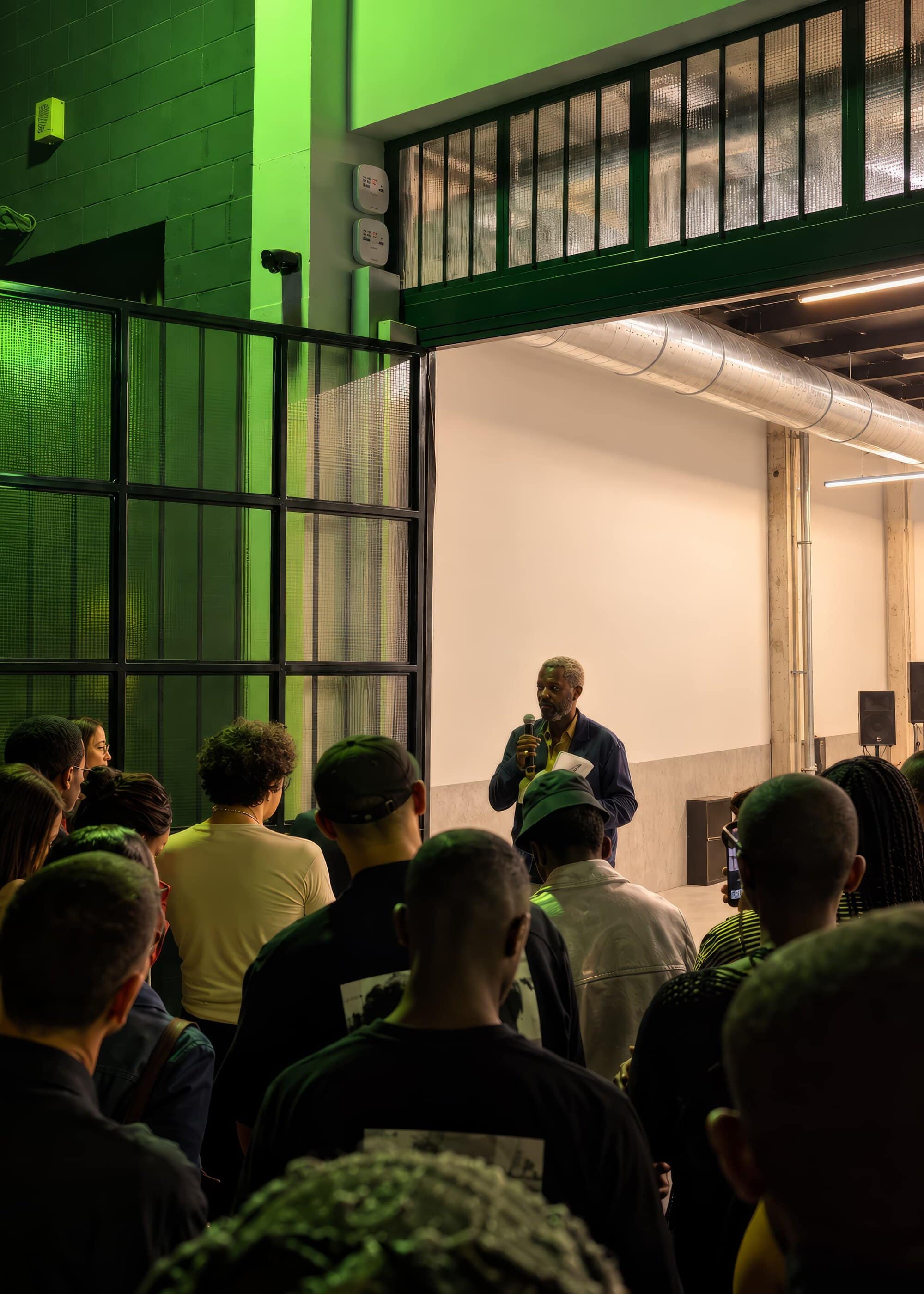
“Nothing here was built to be torn down, and nothing brought in gets collected again after a week — it stays, it gets used, it ages somewhere real,” reads The Situation’s statement.
The permanence extends to the programming. The Situation will host cultural events during Milan’s major creative weeks, but its ambitions are not tied to the fashion calendar. Plans include a foundation connecting partner resources with underrepresented artists, an open archive, sliding-scale workshops, artist residencies outside the usual circuits and at least one free event every month.
There is also an expectation of reciprocity from the companies Buchanan has brought into the project. Relationships with partners are intended to be documented and considered over years rather than measured by what happens on opening night. As the project explains, a product earns its place because “it shares something real with what we believe, not because someone bought a spot.”
Opening The Situation during Milan Fashion Week gave Buchanan a very different kind of debut. While much of the city was occupied with what would be shown, worn and talked about for Spring 2027, he opened something intended to outlast the season.
Fashion has no shortage of conversations about community, representation and creating platforms for new talent. Buchanan has made his physical.
After a career spent moving through fashion’s rooms, Edward Buchanan has made one of his own.
And this time, he has the keys.