The festival’s 41st edition recognized emerging talent across fashion and accessories while introducing a renewed focus under its new leadership
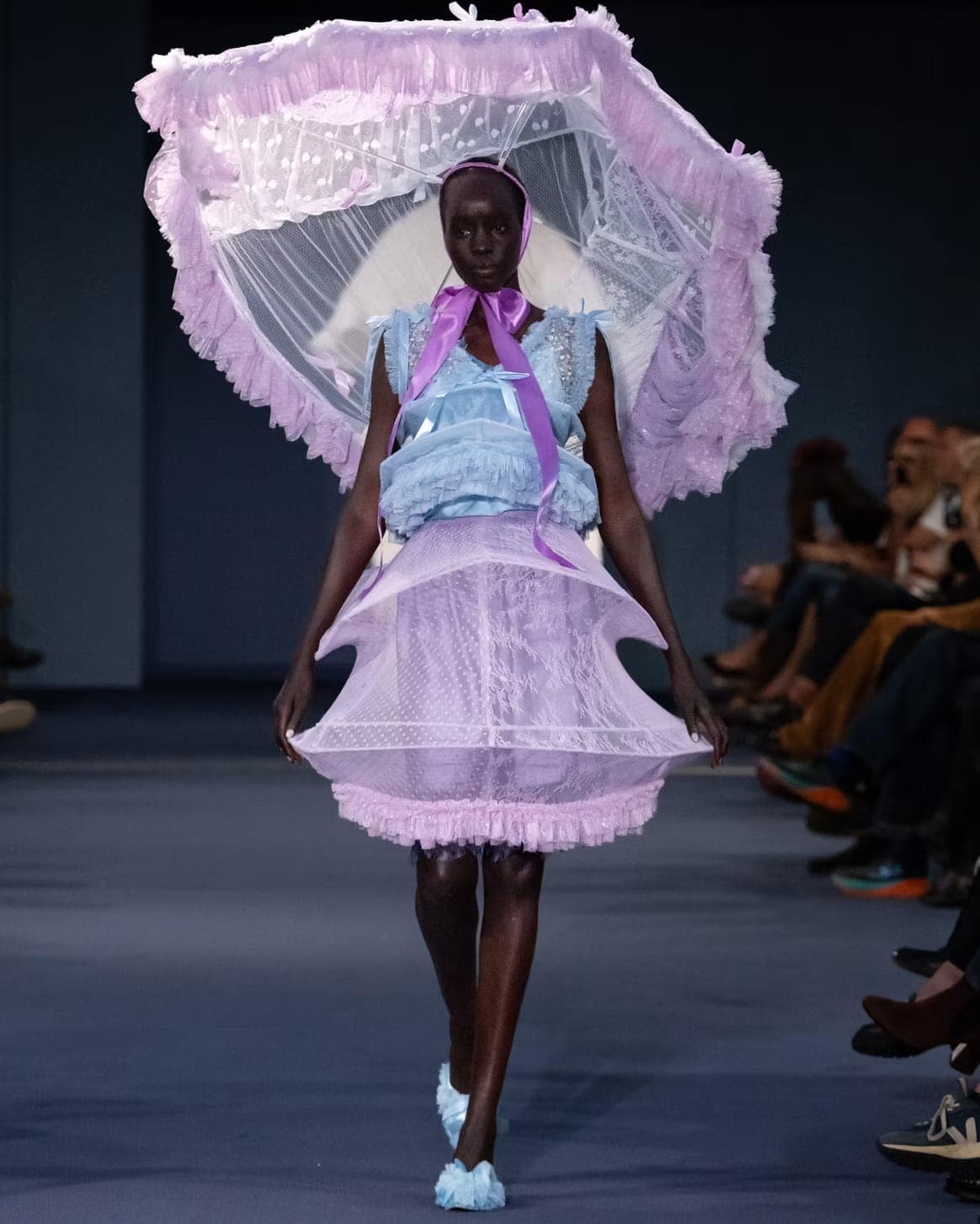
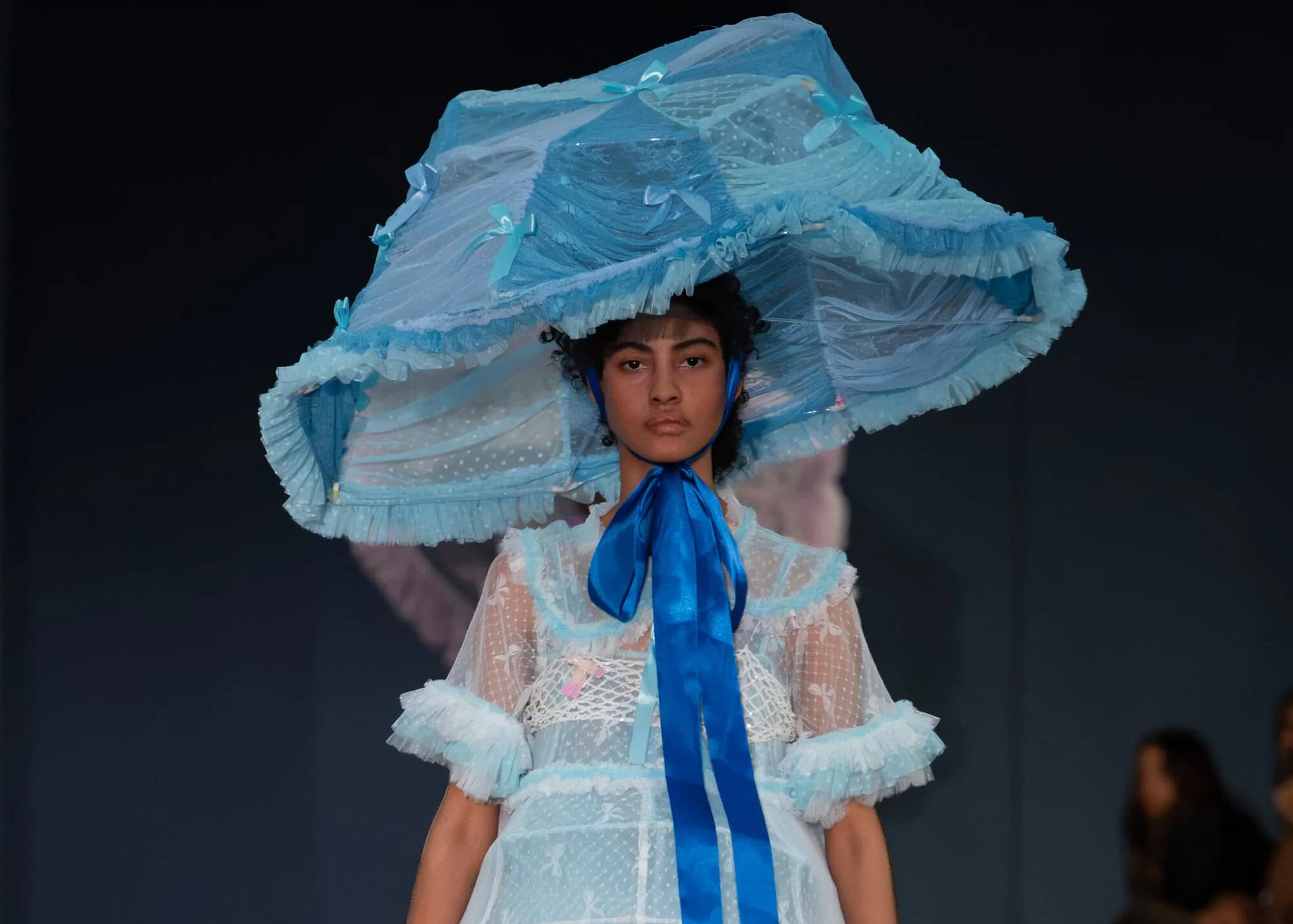
Chinese designer Yui Chen has won the Fashion Grand Jury Prize at the 41st Hyères International Festival of Fashion, Photography and Accessories, marking a new chapter for the French creative institution under its recently appointed leadership. The fashion jury, chaired by Chloé creative director Chemena Kamali, recognized Chen for her collection Food Cover, which transforms familiar domestic objects into sculptural garments through inventive construction and material experimentation.
Drawing inspiration from the everyday food cover, Chen deconstructed its structural principles to create three-dimensional silhouettes that challenge conventional relationships between clothing and the body. Sleeping dresses and shirts were reimagined through exaggerated volumes, sheer layering and foldable constructions, while recycled leather appeared in a statement coat embellished with bows. Protective headpieces further emphasized the collection’s architectural qualities, positioning each look somewhere between functional clothing and wearable sculpture. Kamali praised Chen’s distinctive creative voice, highlighting the combination of conceptual clarity, technical innovation and emotional expression.
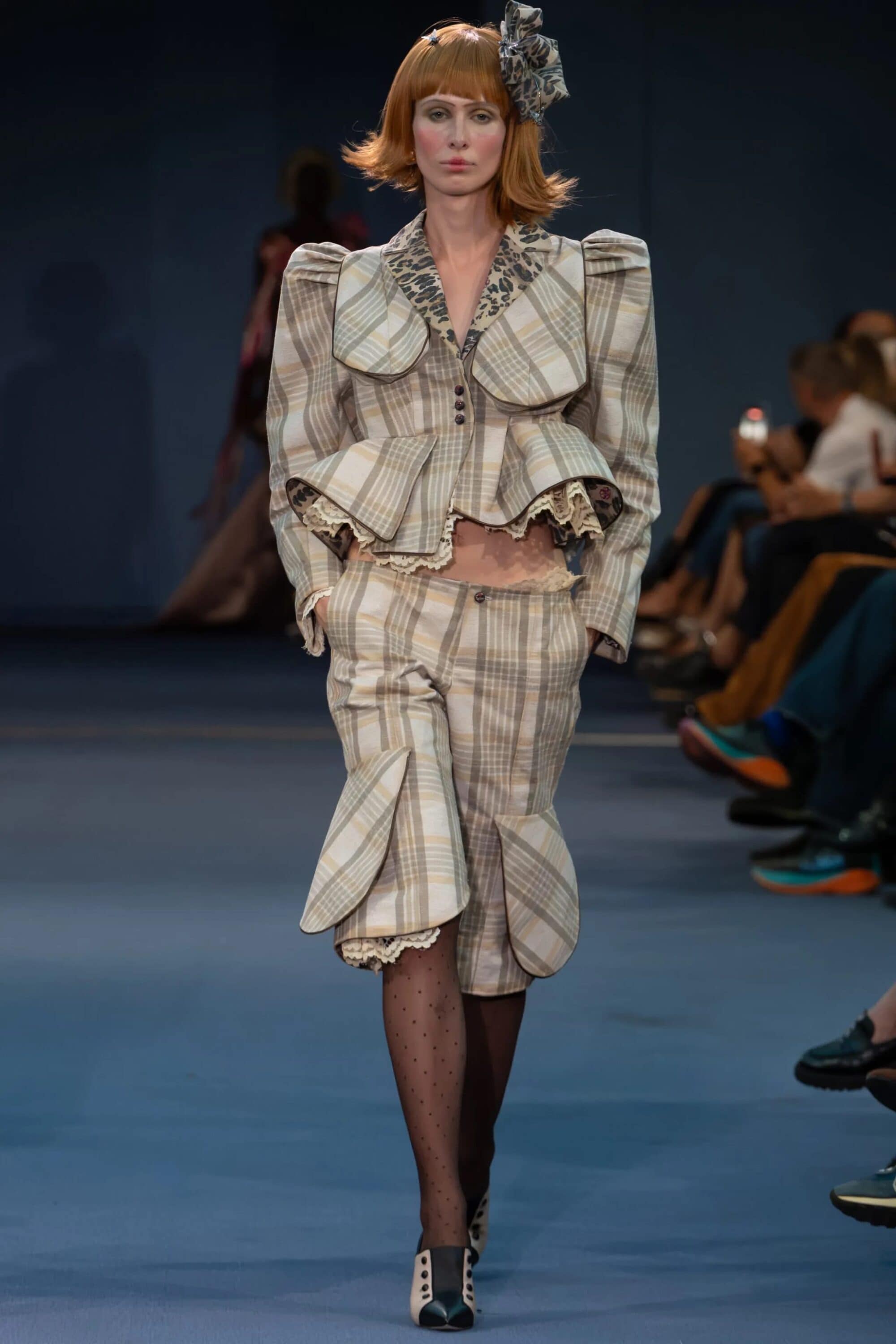
The festival’s second annual Supima Prize went to fellow Chinese designer Xiao Xu for Uncanny, a collection exploring the relationship between domestic familiarity and sensuality. Inspired by the archival book Dressing for Pleasure, Xu reinterpreted everyday knitwear through latex constructions that revealed unexpected textures and forms. Mexican-German designer Dieter Vlasich Obermann received the Le19M Métiers d’Arts Prize, presented in partnership with Chanel, for Tiliches. Drawing on childhood memories and Mexican craft traditions, Obermann collaborated with embroiderers from Yucatán to incorporate beadwork, recycled leather, naturally dyed raffia and intricate embroidery into his collection. His work with Maison Michel also reimagined traditional millinery techniques as footwear.
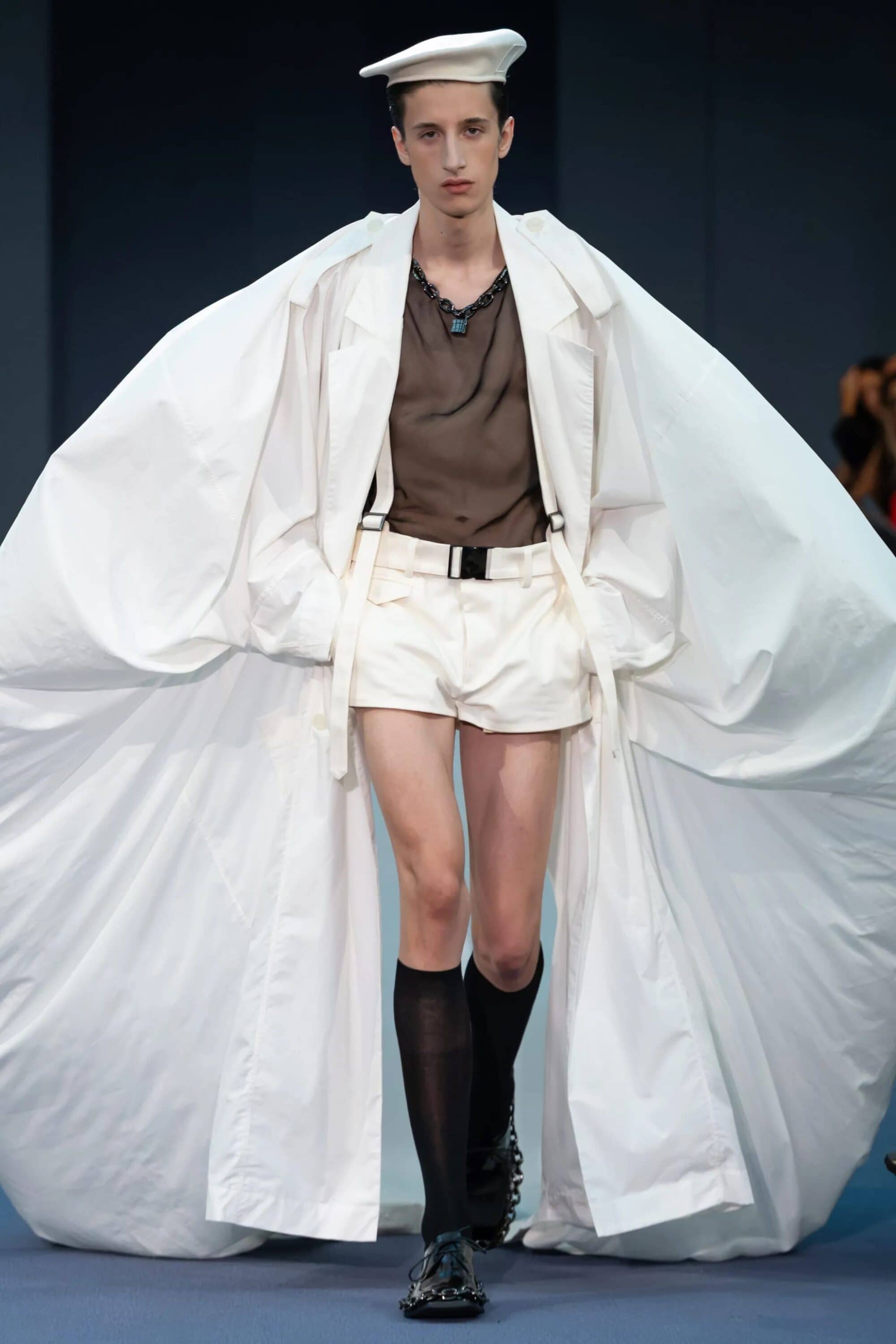
Dutch designer Rachel Luurssen received the Atelier des Matières Prize for Pandora’s Box: The Pursuit of Perfection, which examined ideals of beauty, femininity and body image through distorted silhouettes inspired by 1950s Hollywood glamour. Spanish designer Brais Albor Rodríguez earned both a special jury mention and the public prize for Por Mis Santos Cojones, a squirrel-inspired collection addressing the limited representation of larger male bodies in fashion. Incorporating vintage shearling, embroidered motifs and references to historical workwear, the collection combined humor with a considered exploration of proportion and identity.
In the accessories competition, chaired by designer Cecilie Bahnsen, the Grand Prize went to Sassa Ann van Wyk, while Daniel Cheruzel received the inaugural AZ Academy Award, established in honor of the late Alber Elbaz. The award includes participation in the foundation’s accelerator program. Matteo Artuso received the accessories public prize. French artist Camille Vivier chaired the photography jury, completing a trio of female jury presidents selected to reflect the festival’s emphasis on creative representation and emerging talent.
Beyond the awards, this year’s edition introduced a revised organizational approach under Valérie Duport, elected president of the Villa Noailles board in July, and managing director Hugo Lucchino. Following a period of financial difficulties and allegations of mismanagement that led to the departure of longtime festival founder Jean-Pierre Blanc, the new leadership has sought to concentrate resources on the designers, photographers and accessories creators at the center of the event. The streamlined program placed greater emphasis on exhibitions and runway presentations, with additional artistic directors appointed to provide finalists with more individualized support.
The festival also addressed the commercial challenges facing emerging designers through discussions about wholesale, direct-to-consumer strategies and the changing luxury retail landscape. Designers Esther Manas and Alain Paul joined industry representatives in examining the increasingly complex economics of independent fashion businesses, underscoring the importance of developing sustainable commercial models alongside creative identities.
For Hyères, the 2026 edition represented both a celebration of experimental design and an effort to reaffirm the institution’s purpose as a platform for young talent. With its new leadership emphasizing mentorship, technical support and public accessibility, the festival is positioning itself to remain an important point of entry for emerging creatives navigating an increasingly demanding fashion industry.