Who’s Who
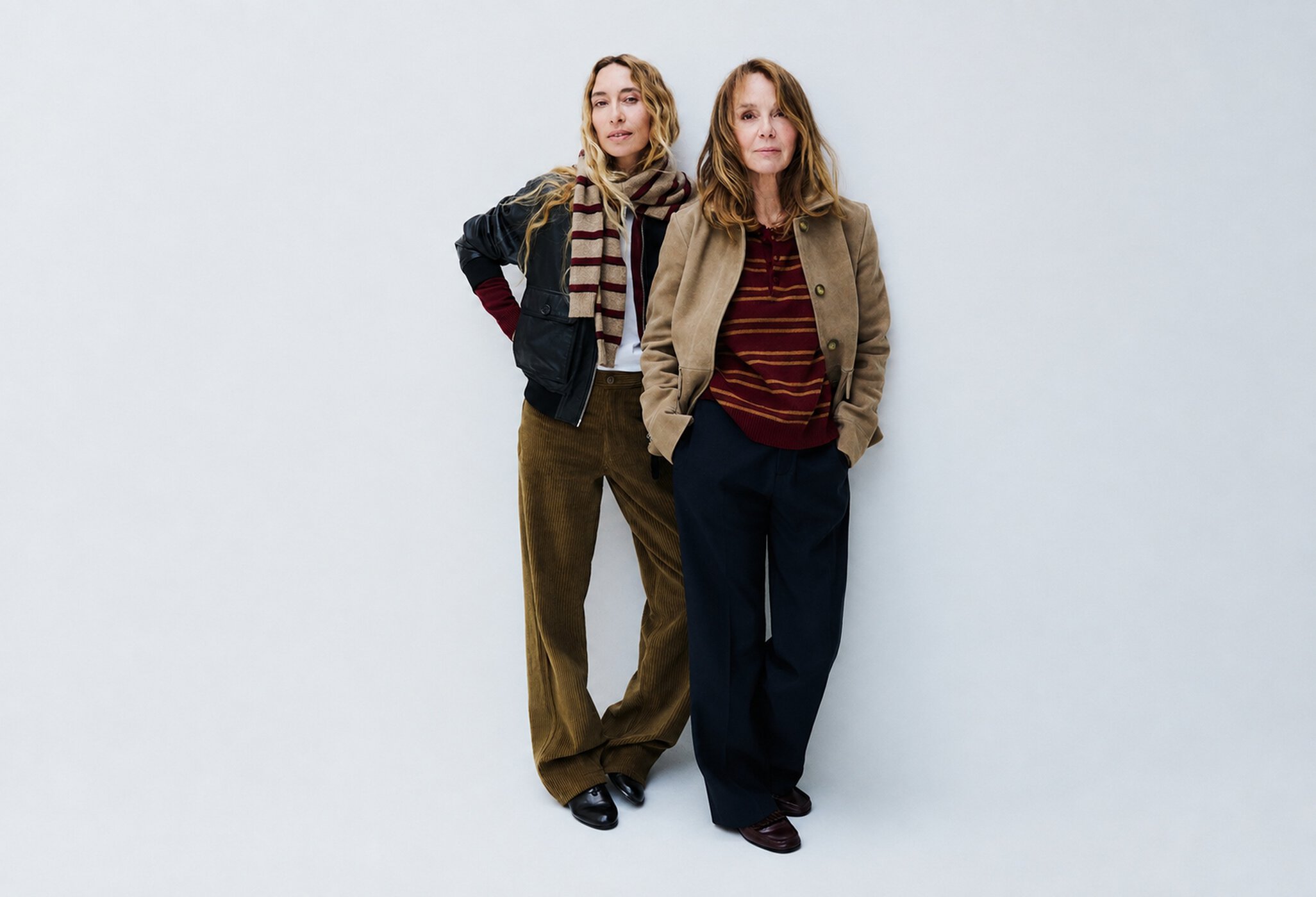
Review of Alexandra Golovanoff Fall 2026 Ad Campaign by Art Director Marie-Amélie Sauvé with Photographer Jody Rogac with models Philippine Leroy-Beaulieu, Sahteene Sednaoui & Alexandra Golovanoff
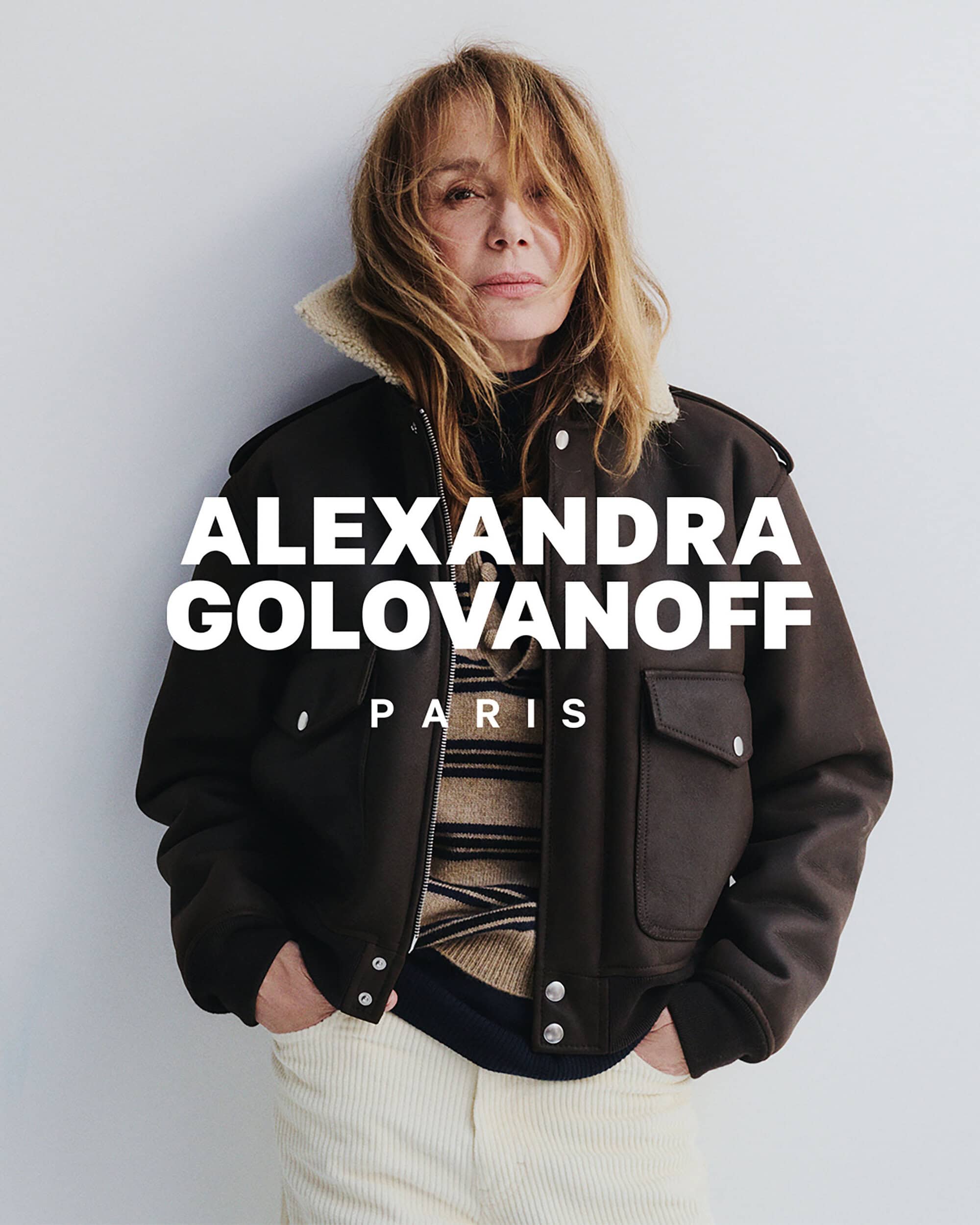
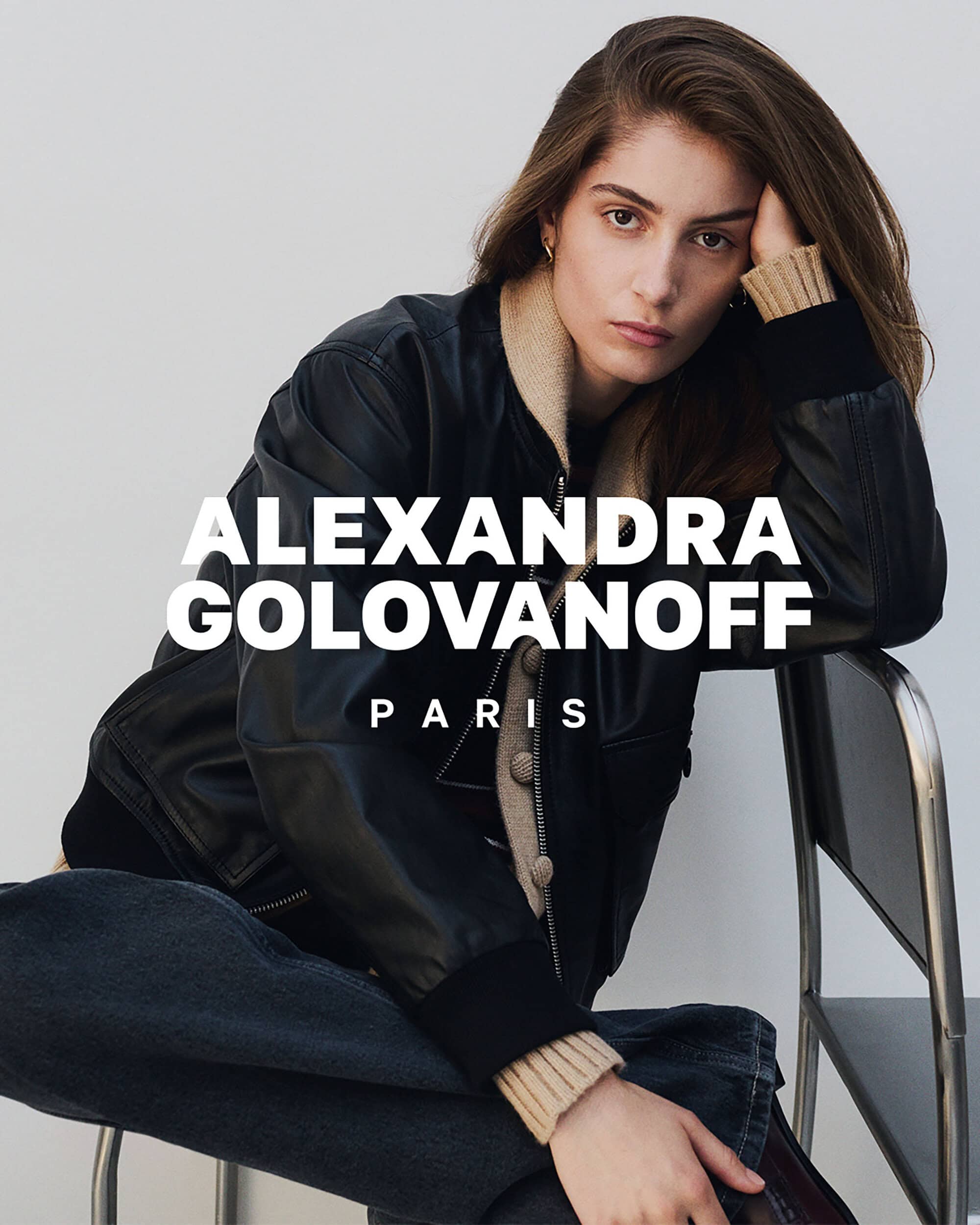
There are campaigns built around a place, campaigns built around a product, and campaigns built around an idea. For her label’s first advertising campaign, Alexandra Golovanoff chooses something considerably more personal: people. Marking ten years of the Parisian brand, photographer Jody Rogac and art director Marie-Amélie Sauvé photograph Philippine Leroy-Beaulieu alongside Sahteene Sednaoui in a deliberately spare studio setting. It is a decidedly “who” rather than “what” proposition, which makes perfect sense for a brand whose identity has always circulated through the women who wear it.
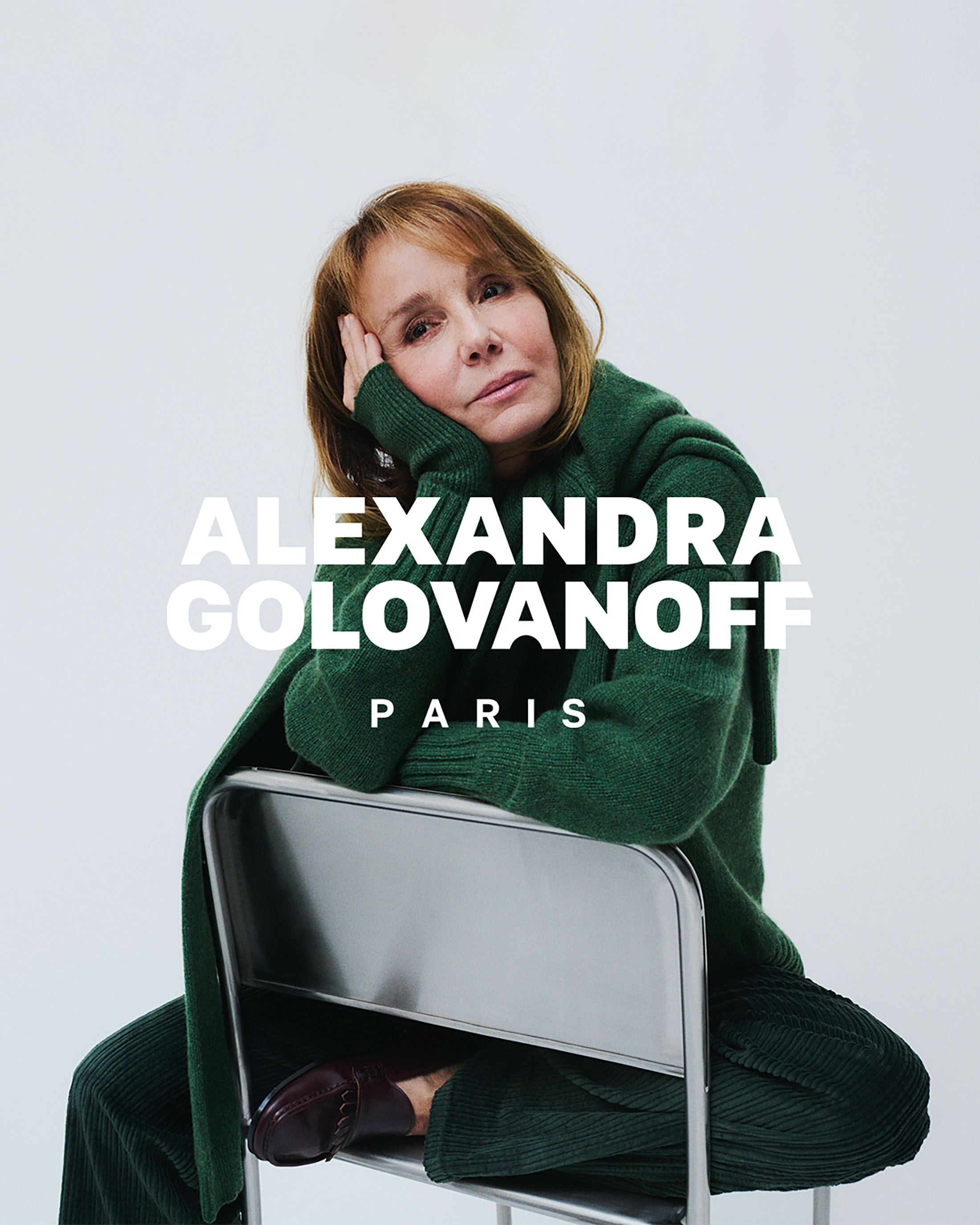
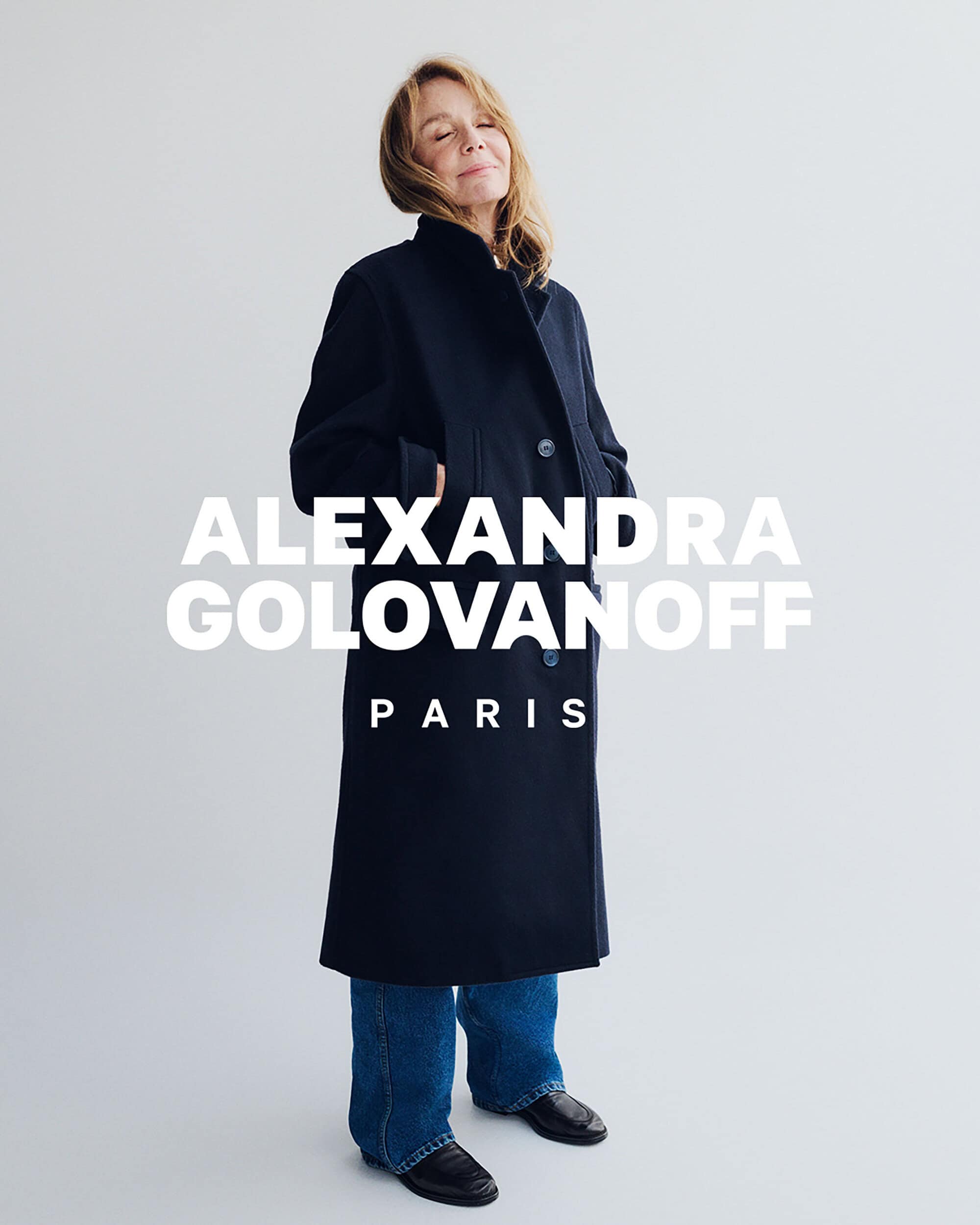
Leroy-Beaulieu is an especially astute choice. Her cultural visibility may have expanded exponentially through “Emily in Paris,” but the campaign wisely avoids leaning into the polished severity associated with her character on the series. Instead, Rogac finds something softer and considerably more appealing: hair falling imperfectly across the face, hands tucked into pockets, a body curled casually around a metal chair. There is confidence here without performance. If the television version of Parisian chic tends to arrive with an exclamation point, Golovanoff prefers a shrug.
That distinction matters. Golovanoff has described wanting to capture Leroy-Beaulieu as she actually is, rather than reproduce an outsider’s cliché of the Parisienne, and the photographs largely succeed because they refuse to overstate the point. A forest-green knit and corduroy trousers become compelling not through elaborate styling or location but through the ease with which she inhabits them. Elsewhere, a shearling-collared jacket, striped sweater and ivory corduroy feel less like a prescribed “look” than clothes accumulated naturally over time. The campaign sells taste as instinct rather than instruction.
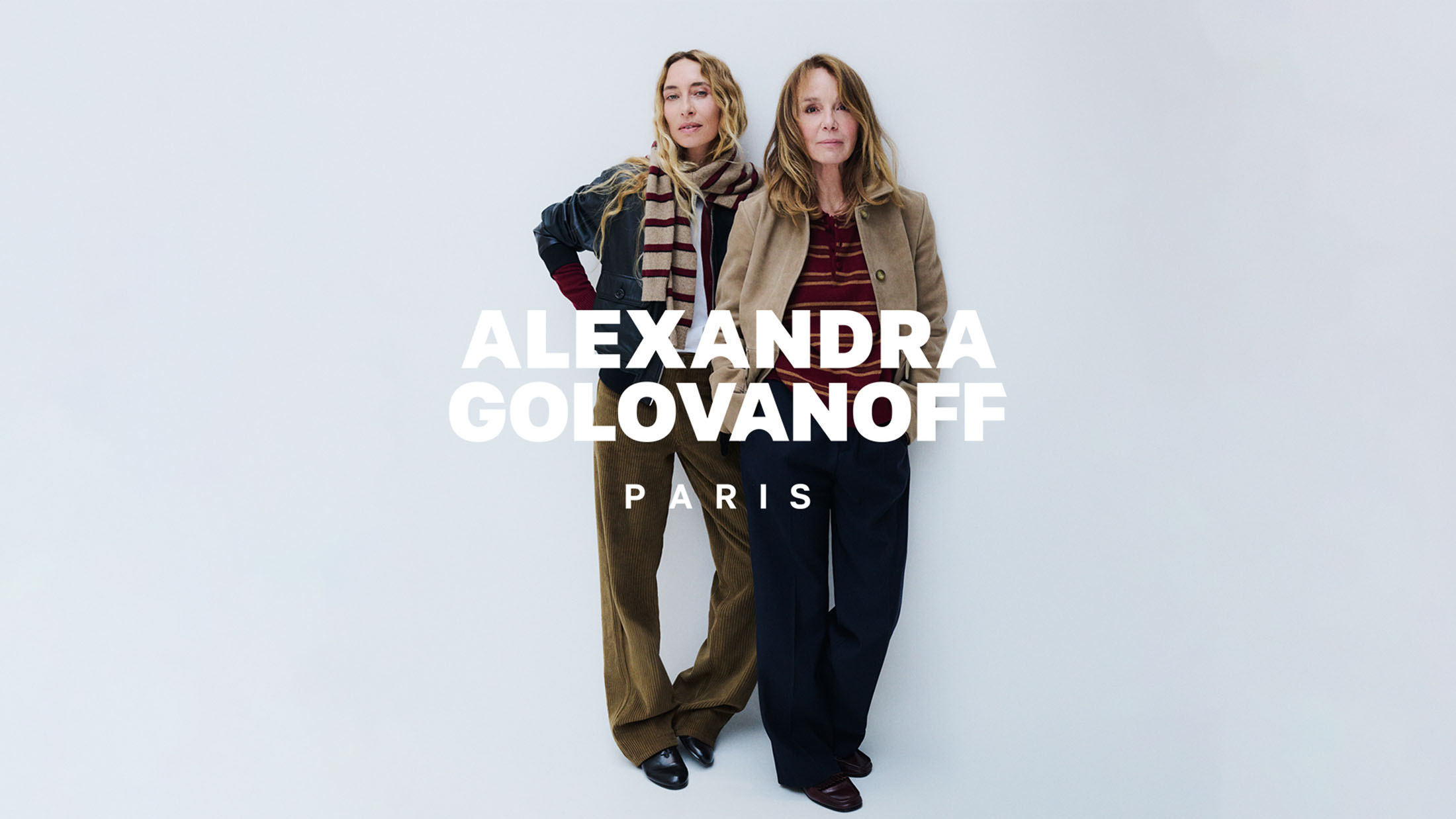
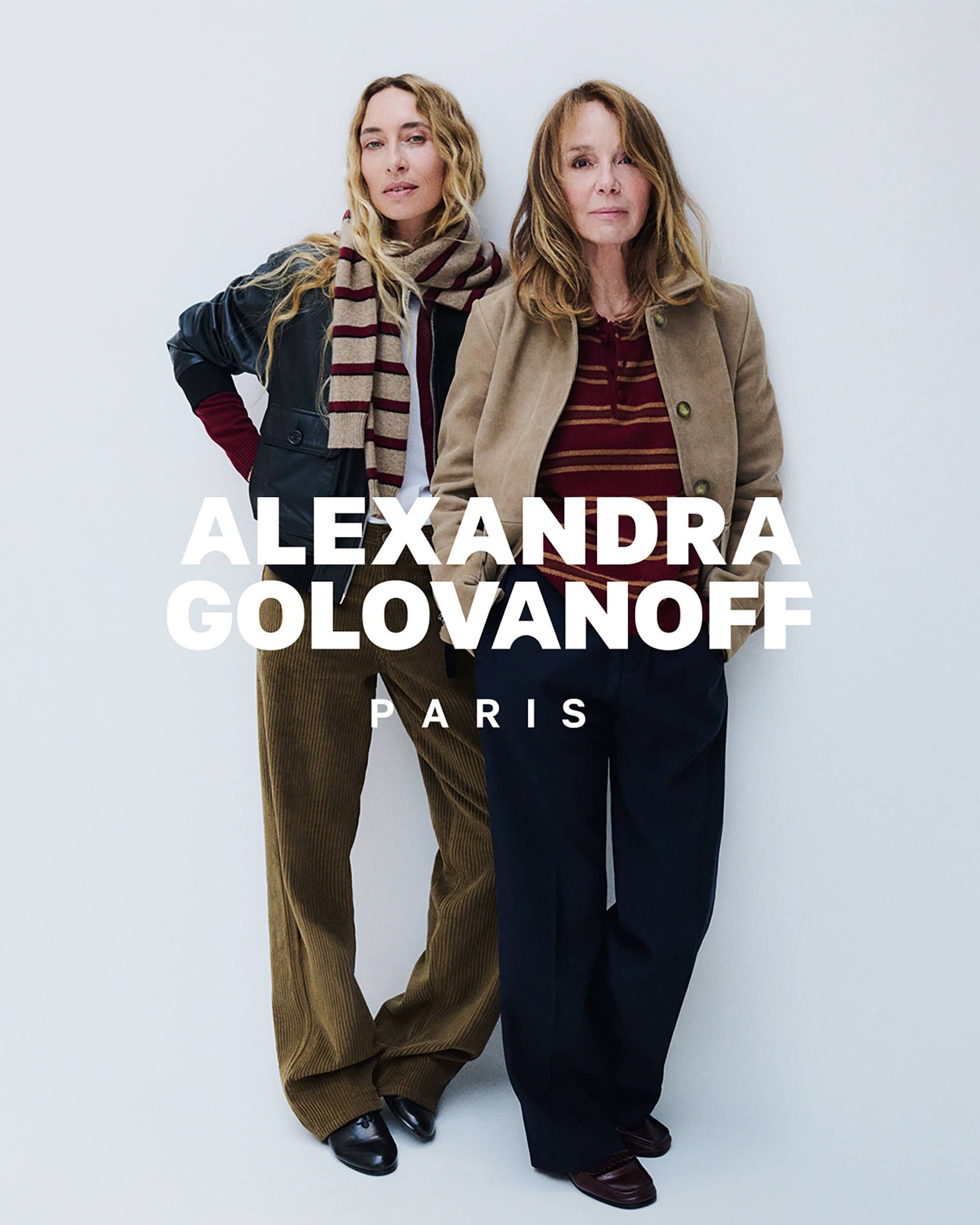
Sednaoui extends the idea across generations. Her presence alongside Leroy-Beaulieu makes the campaign’s transgenerational message immediately legible without requiring the sort of heavy-handed mother-daughter narrative that fashion advertising can sometimes impose on such casting. When the women appear together, there is no attempt to make them mirror one another. Their styling instead suggests that the same vocabulary of leather, corduroy, knitwear, stripes and relaxed trousers can belong convincingly to women at very different points in their lives.
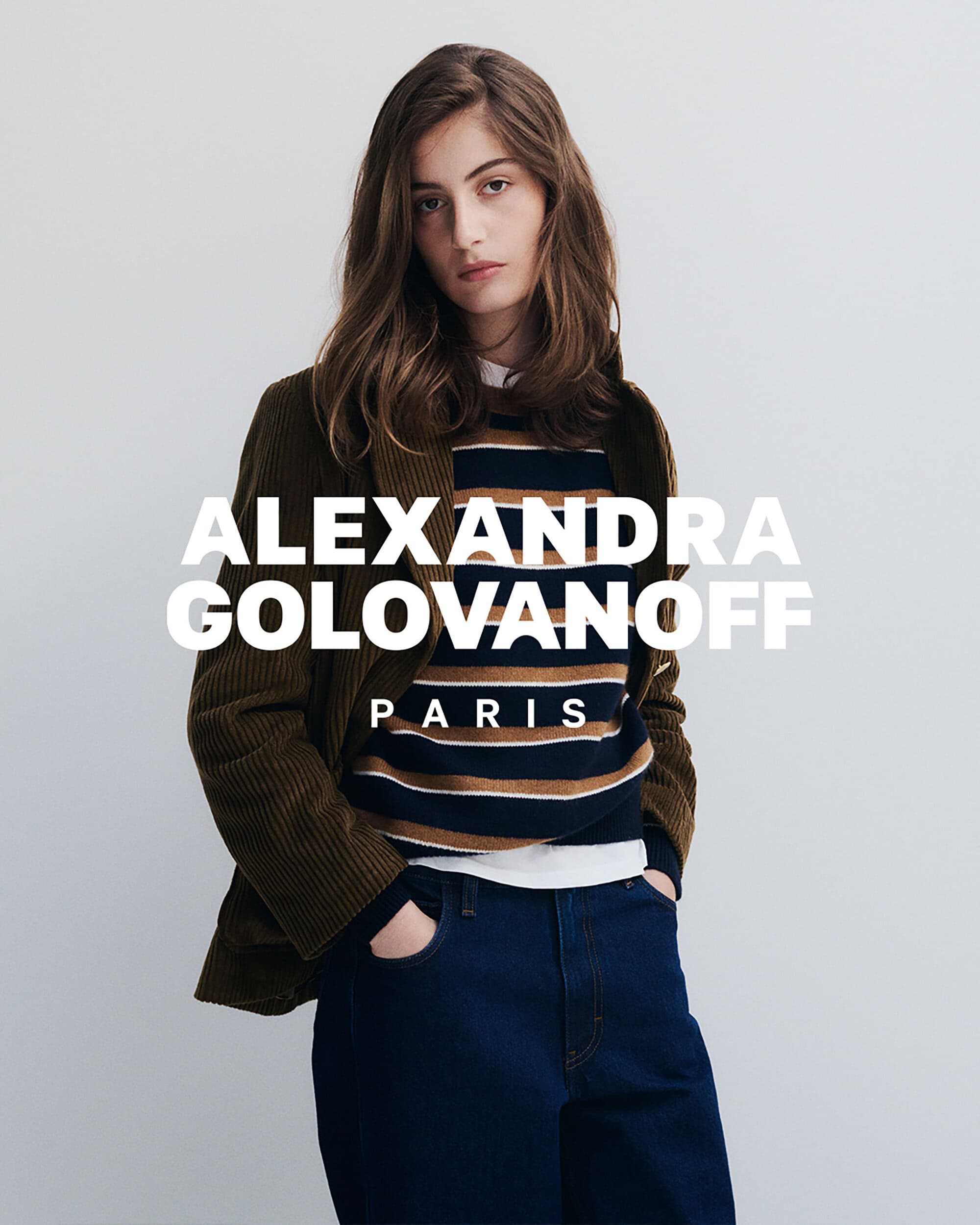
That is both the campaign’s intelligence and its limitation. Rogac’s stripped-back portraits leave almost everything dependent upon personality. The white studio, metal chair and straightforward compositions offer little narrative architecture of their own. Even the oversized Alexandra Golovanoff logo seems unusually conscious of the need to announce the brand around images that might otherwise read as intimate editorial portraits. Yet perhaps that directness is appropriate. For a label celebrating its tenth anniversary while preparing to broaden its international audience, recognition has to begin somewhere.
More importantly, this minimalism works better here than it does when a campaign strips away context merely to worship the product. Golovanoff isn’t presenting the clothes as precious objects. In fact, their understatement is part of the proposition. Cashmere, corduroy, denim, leather and familiar outerwear become vehicles for personality rather than spectacles competing with it. These are clothes whose appeal depends upon imagining them migrating into an existing wardrobe, acquiring wear and eventually becoming old friends. That philosophy is particularly convincing for a designer whose loyal customers reportedly own dozens of her sweaters and return season after season.
Still, the campaign might have pushed its central idea further. If personality is the real creative currency, more interaction between Leroy-Beaulieu and Sednaoui could have transformed an intelligent casting decision into richer storytelling. The few shared frames immediately suggest relationships, generational dialogue and a broader community around Golovanoff. Expanding that cast of characters could eventually become a distinctive campaign language for the House: not merely famous women wearing Alexandra Golovanoff, but an evolving portrait of the women who constitute its world.
For a first campaign, however, there is something rather confident about beginning without fireworks. Golovanoff is entering a larger arena not by inventing an elaborate fantasy, but by putting recognizable women in recognizable clothes and trusting character to provide the intrigue. After ten years spent building an inner circle, the brand appears ready to widen it. And in this case, knowing who is in the room may be considerably more important than knowing what furniture they put in it.
Alexandra Golovanoff Creative Director | Alexandra Golovanoff
Art Director | Marie-Amélie Sauvé
Photographer | Jody Rogac
Talent | Philippine Leroy-Beaulieu, SSahteene Sednaoui & Alexandra Golovanoff