Review of Balmain Fall 2026 Ad Campaign by Creative Director Stefano Cerenzi, Leonardo Ciacca with Photographer Suffo Moncloa, Justin Leveritt with models Abuk Yor, Stephanie Cook, Mariane Godoy, Katherine Wilkey
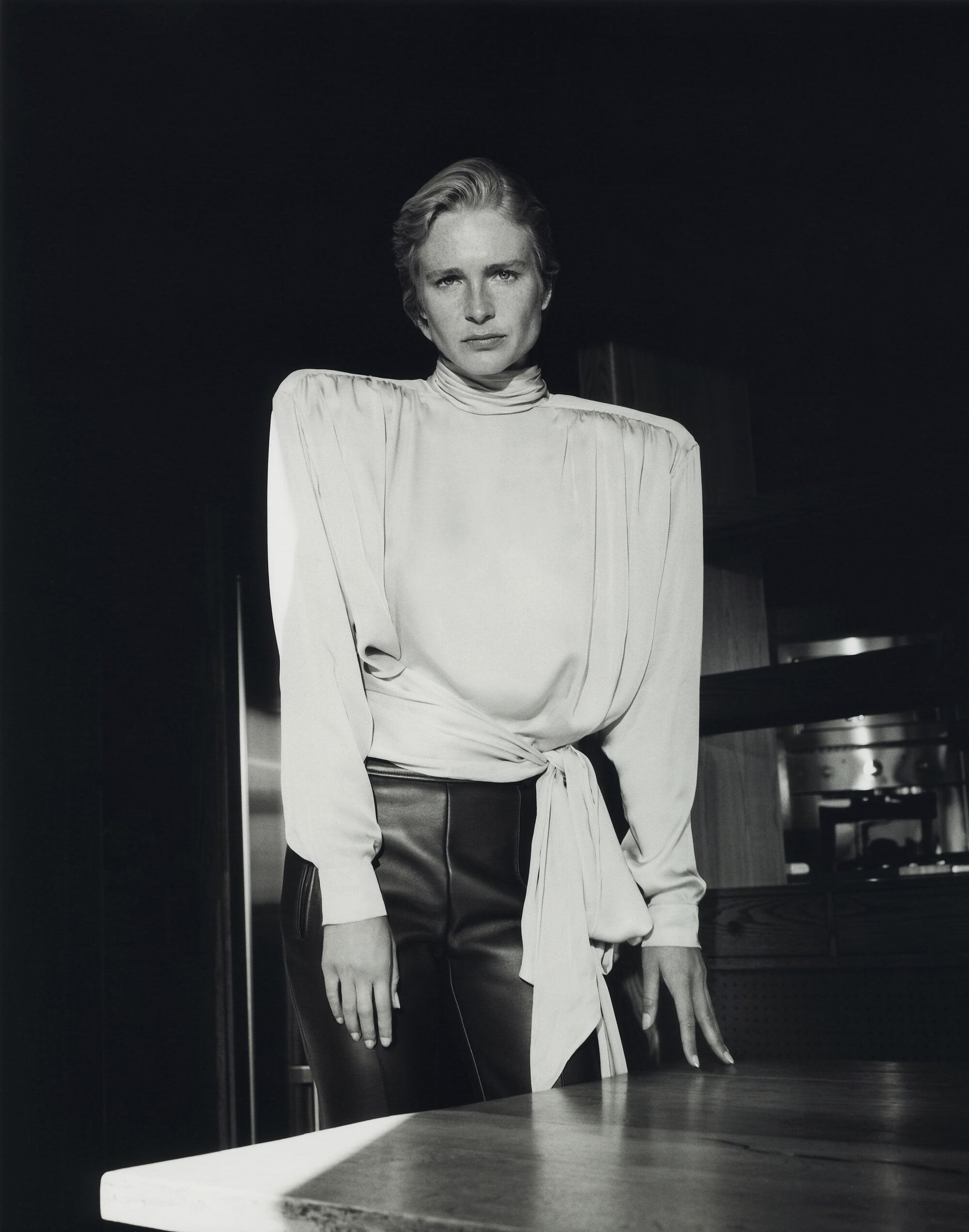
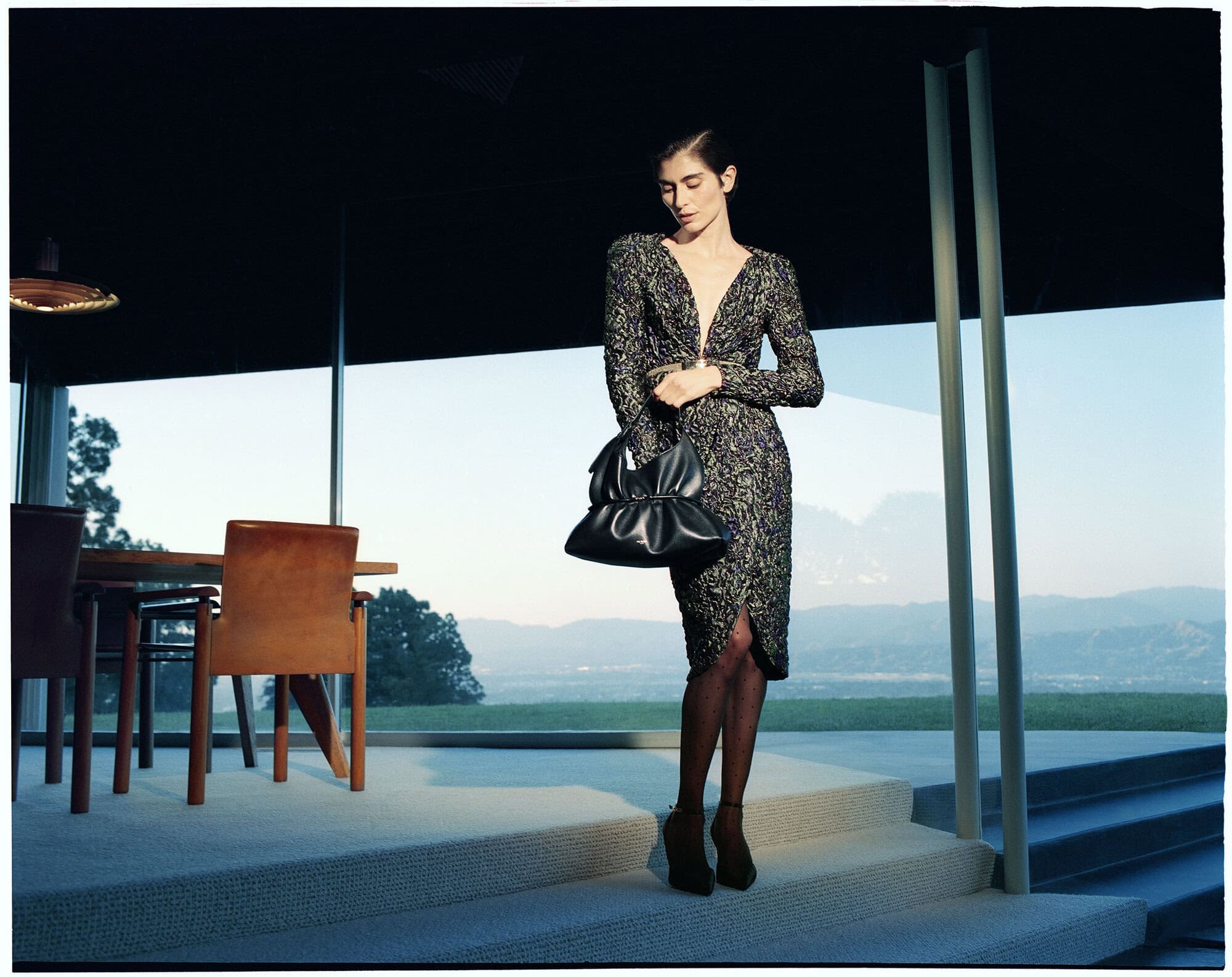
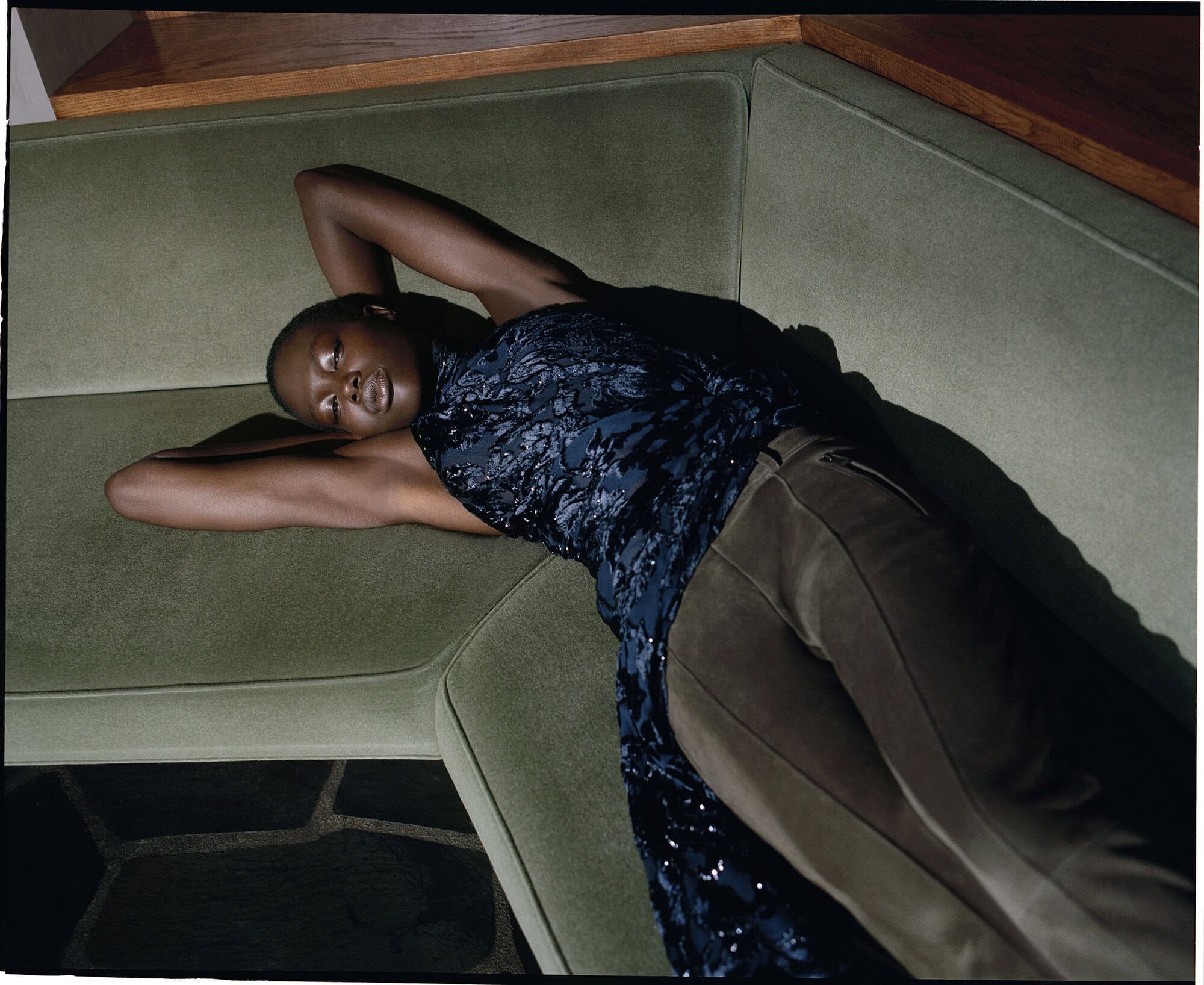
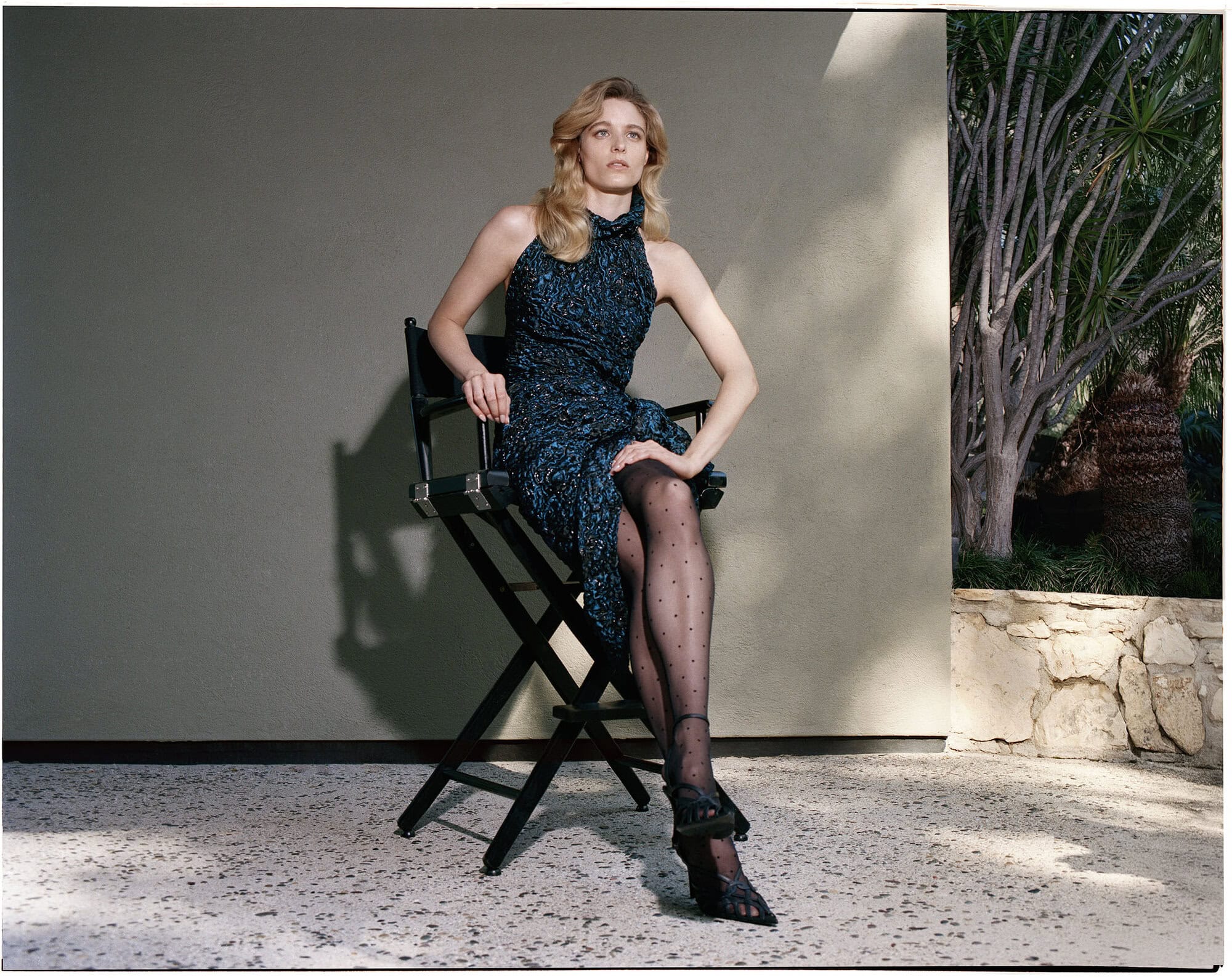
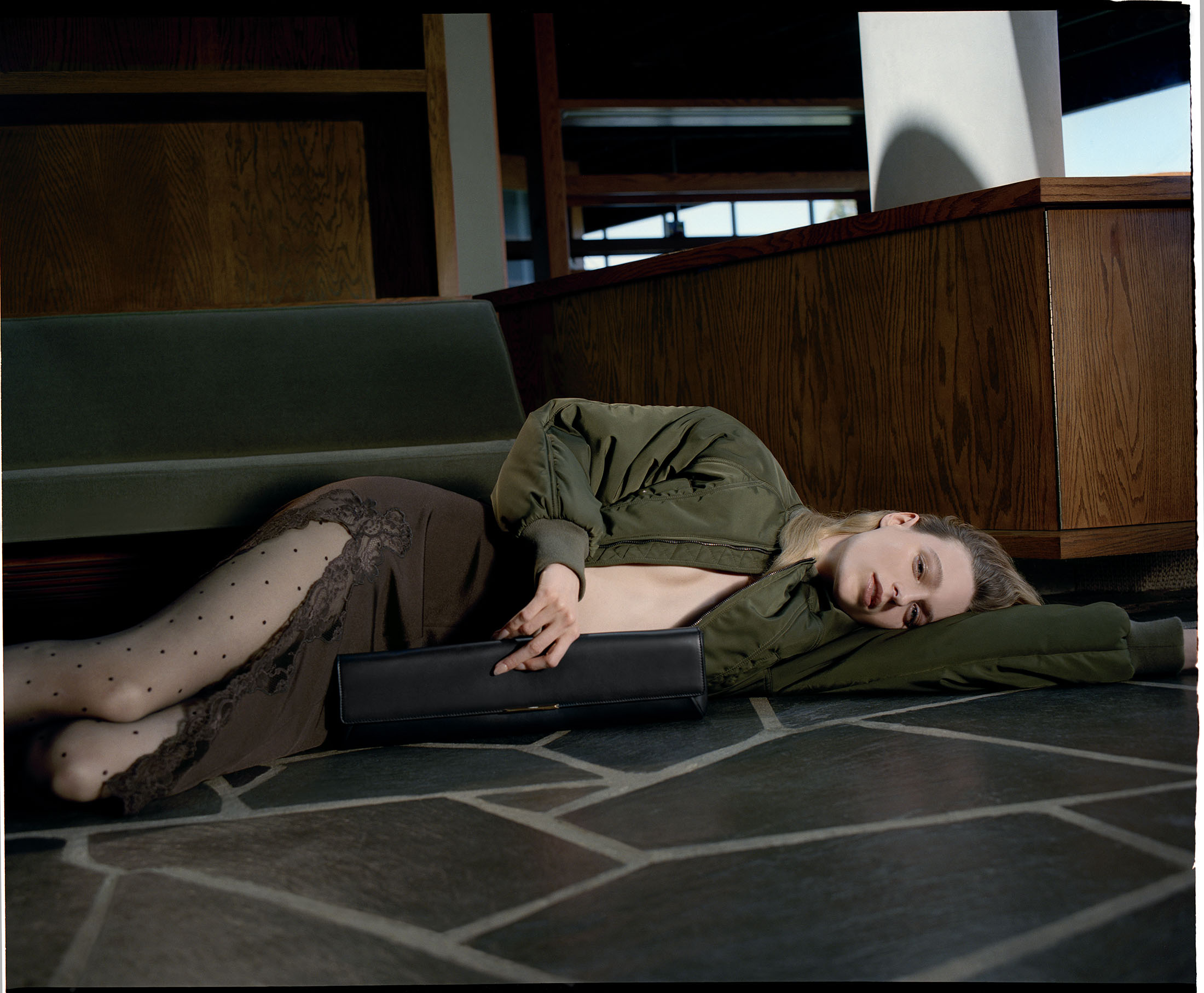
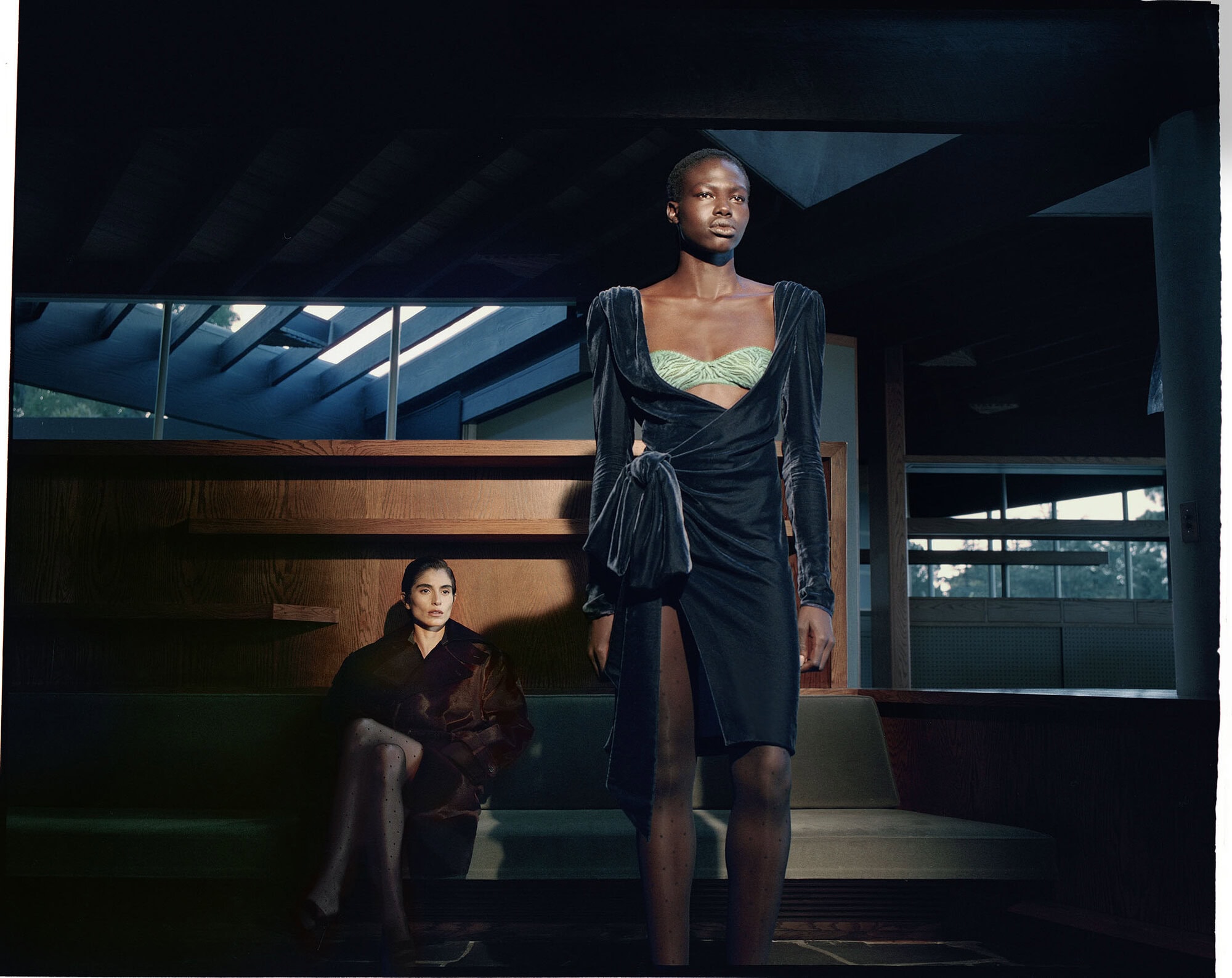
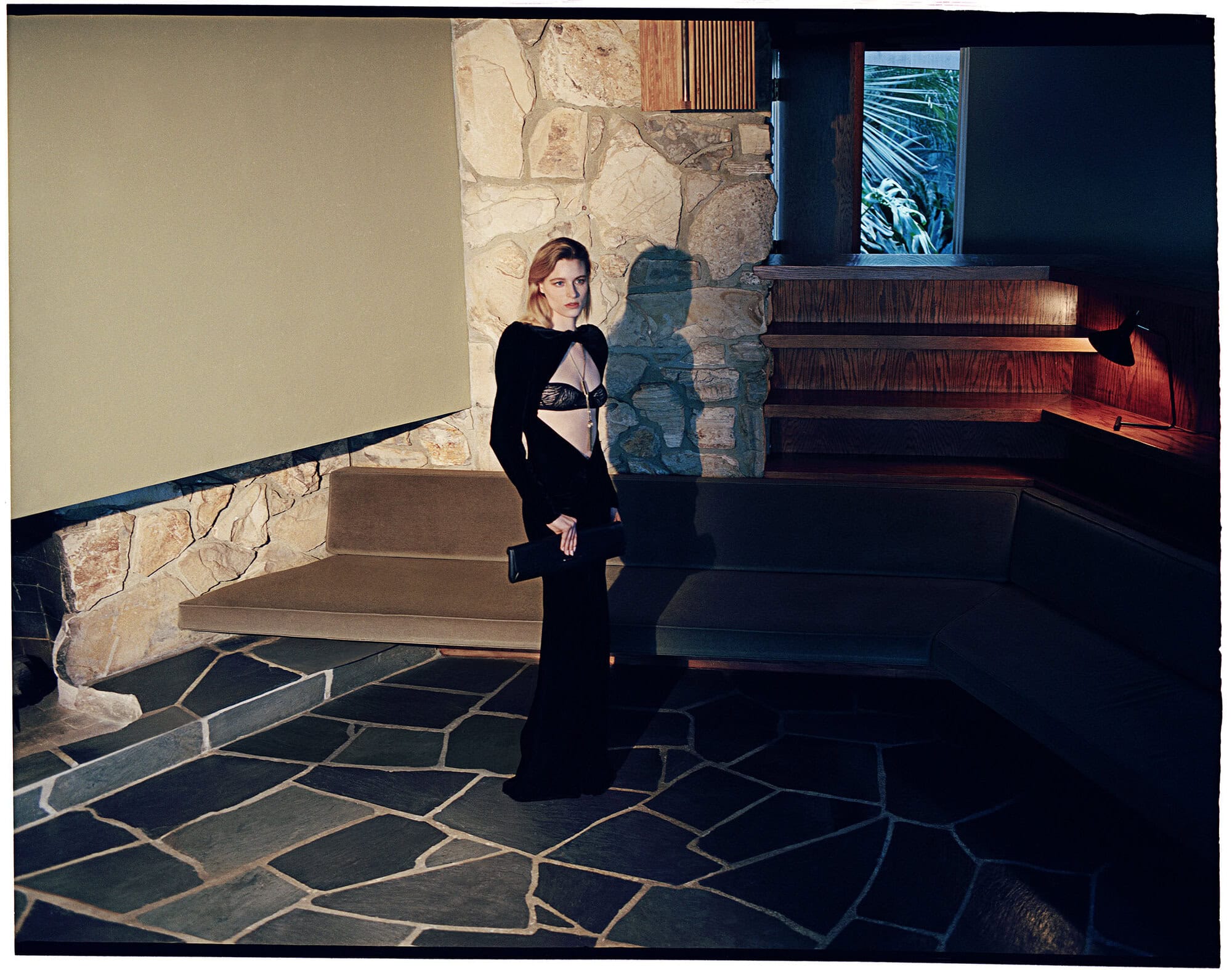
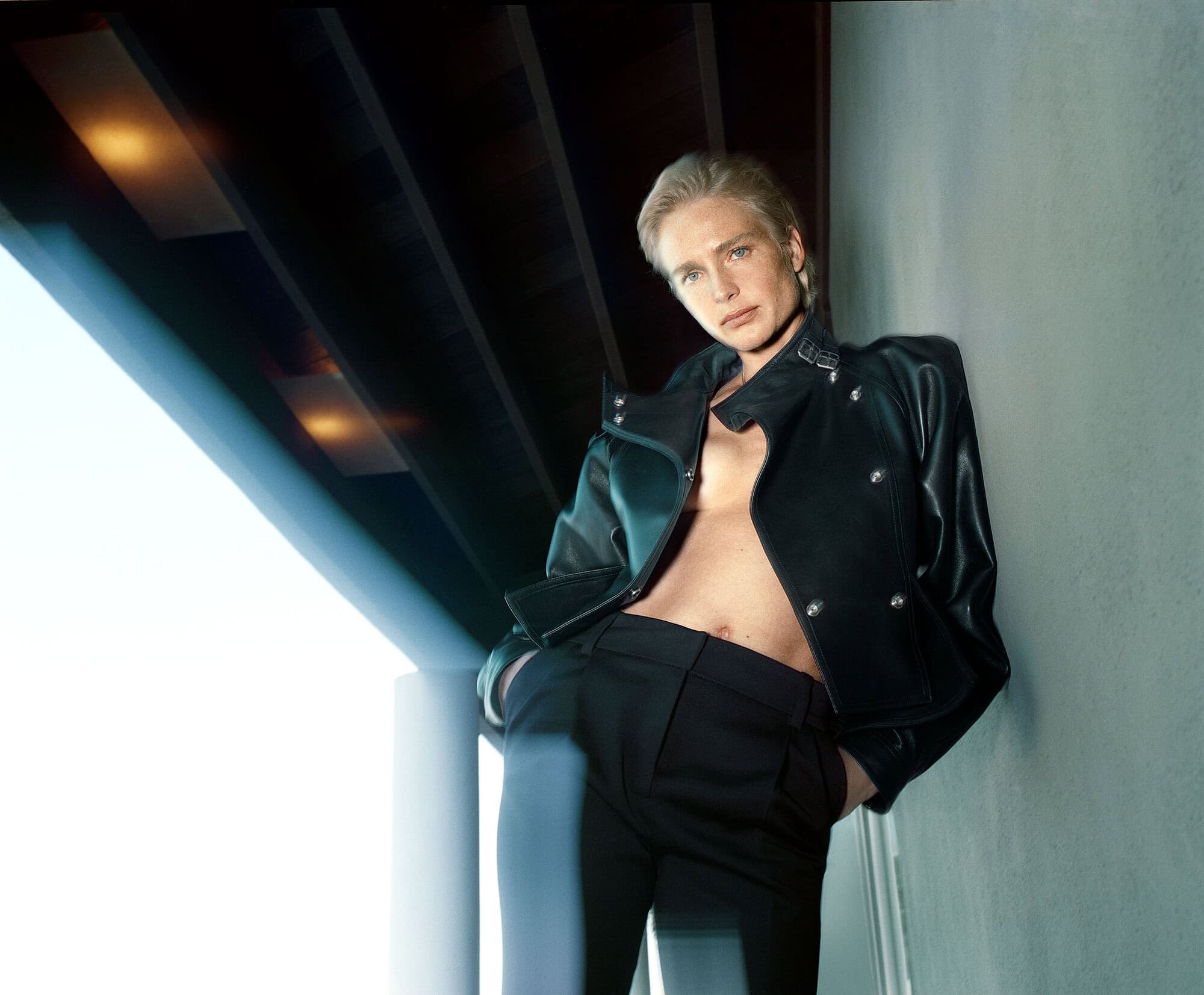
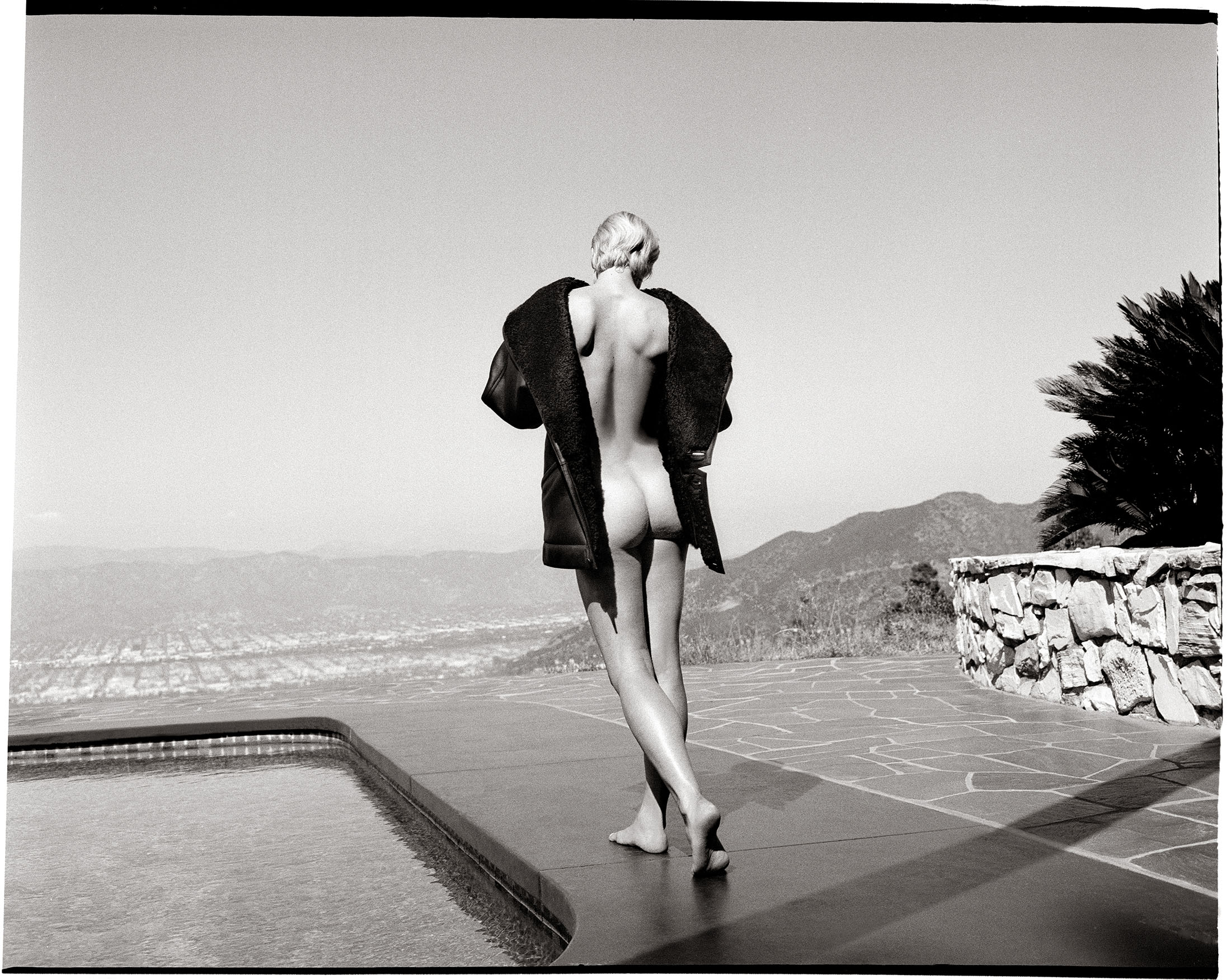
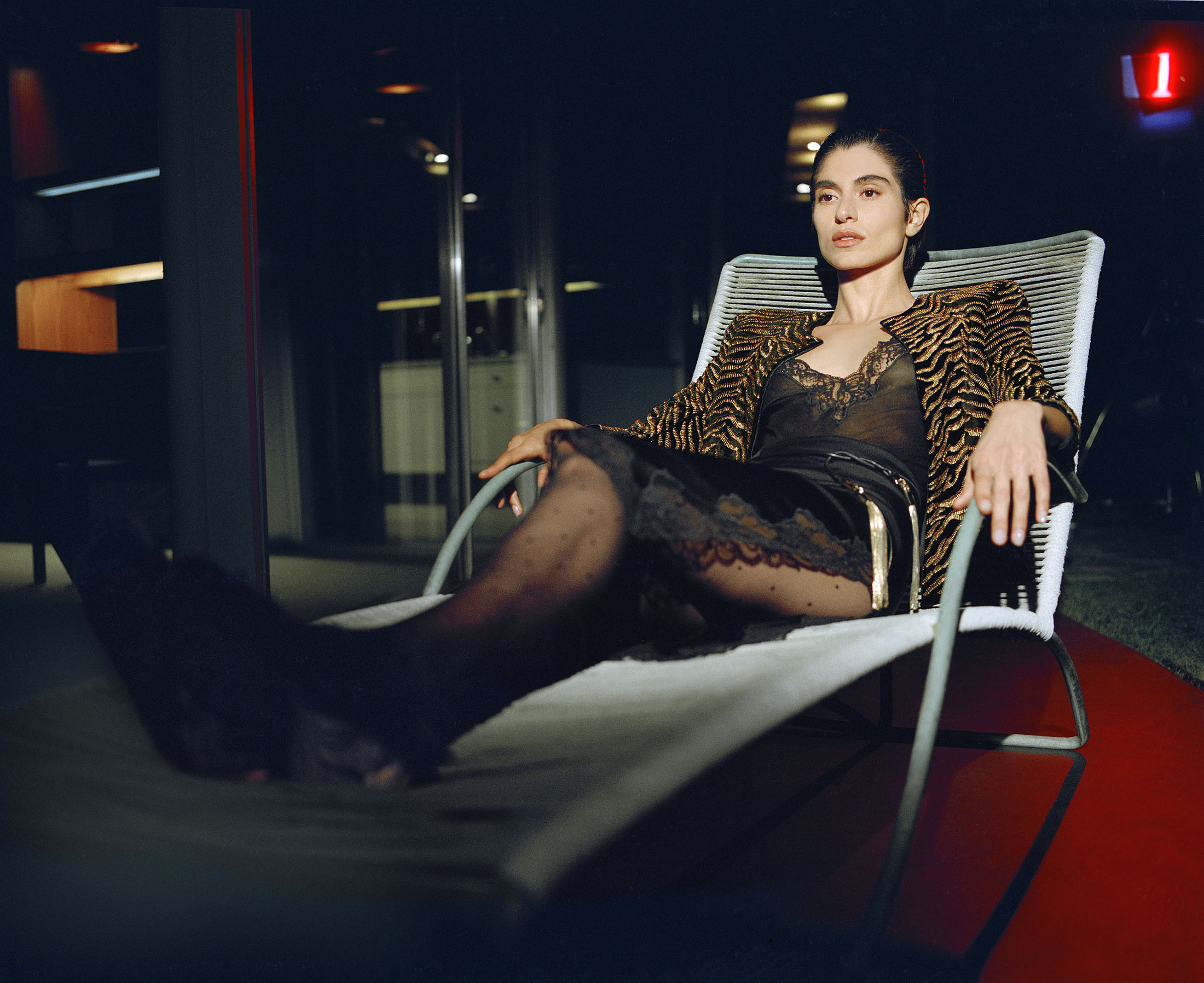
For his first campaign at Balmain, Antonin Tron carries the film-noir mood of his March runway debut out of the darkened show space and into the sun-worn geometry of mid-century modernist homes. Shot by Suffo Moncloa across hillside properties defined by cantilevered roofs, glass walls, and stone hearths, the campaign relocates the psychological tension of the collection into daylight. It is a useful test of whether the world Tron introduced on the runway can survive beyond the control of a show set. The answer is largely yes. Its tension remains intact, but here it feels less staged and more lived in.
That continuity matters because Balmain is undergoing a significant reorientation. The house is moving away from the high-gloss spectacle, celebrity-driven visibility, and emphatic glamour that shaped much of its recent identity, toward something quieter, more cinematic, and psychologically composed.
Tron has not abandoned the idea of power that has long been central to Balmain, but he is changing its expression. Authority now comes through restraint, silhouette, atmosphere, and the confidence to leave certain things unresolved.
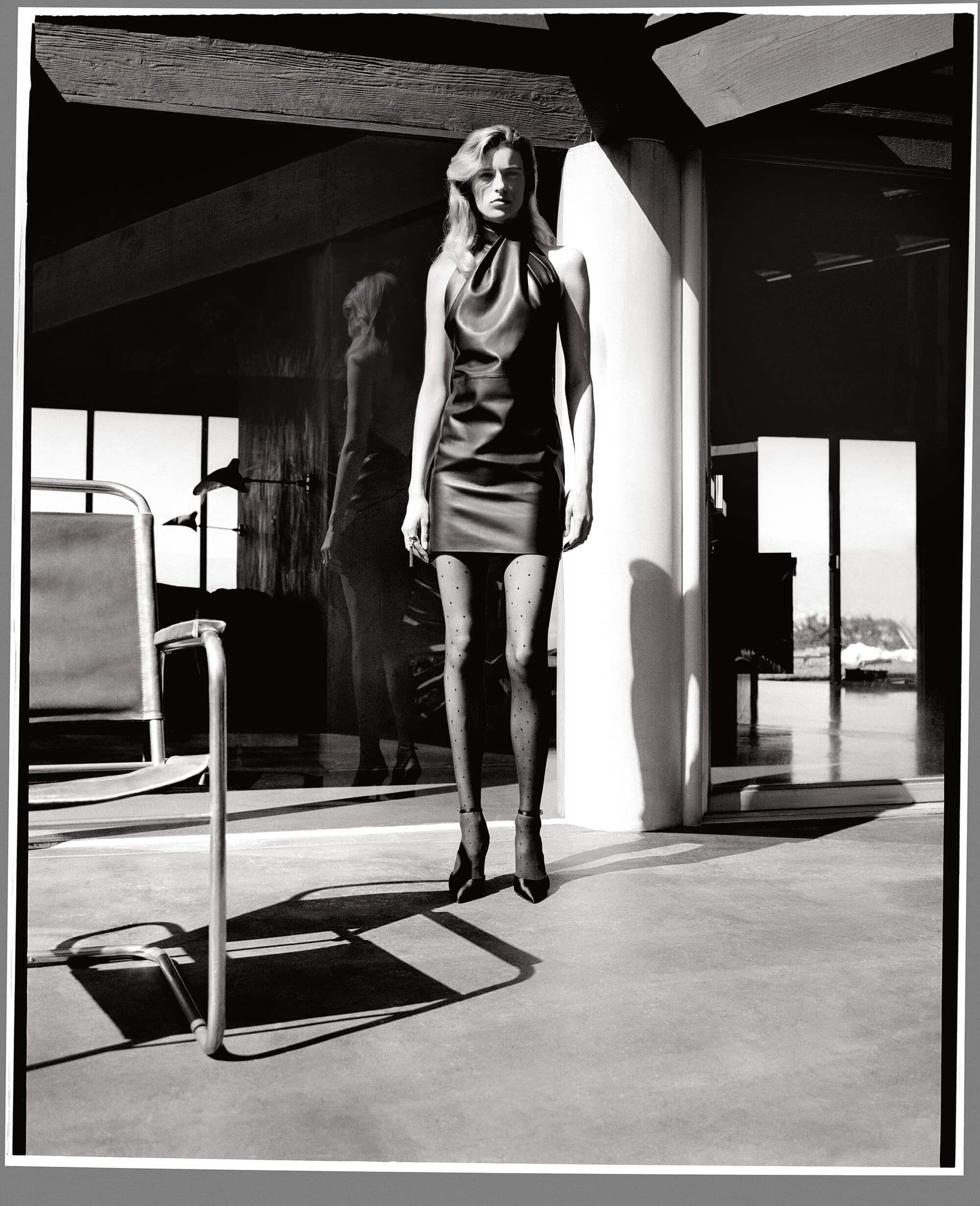
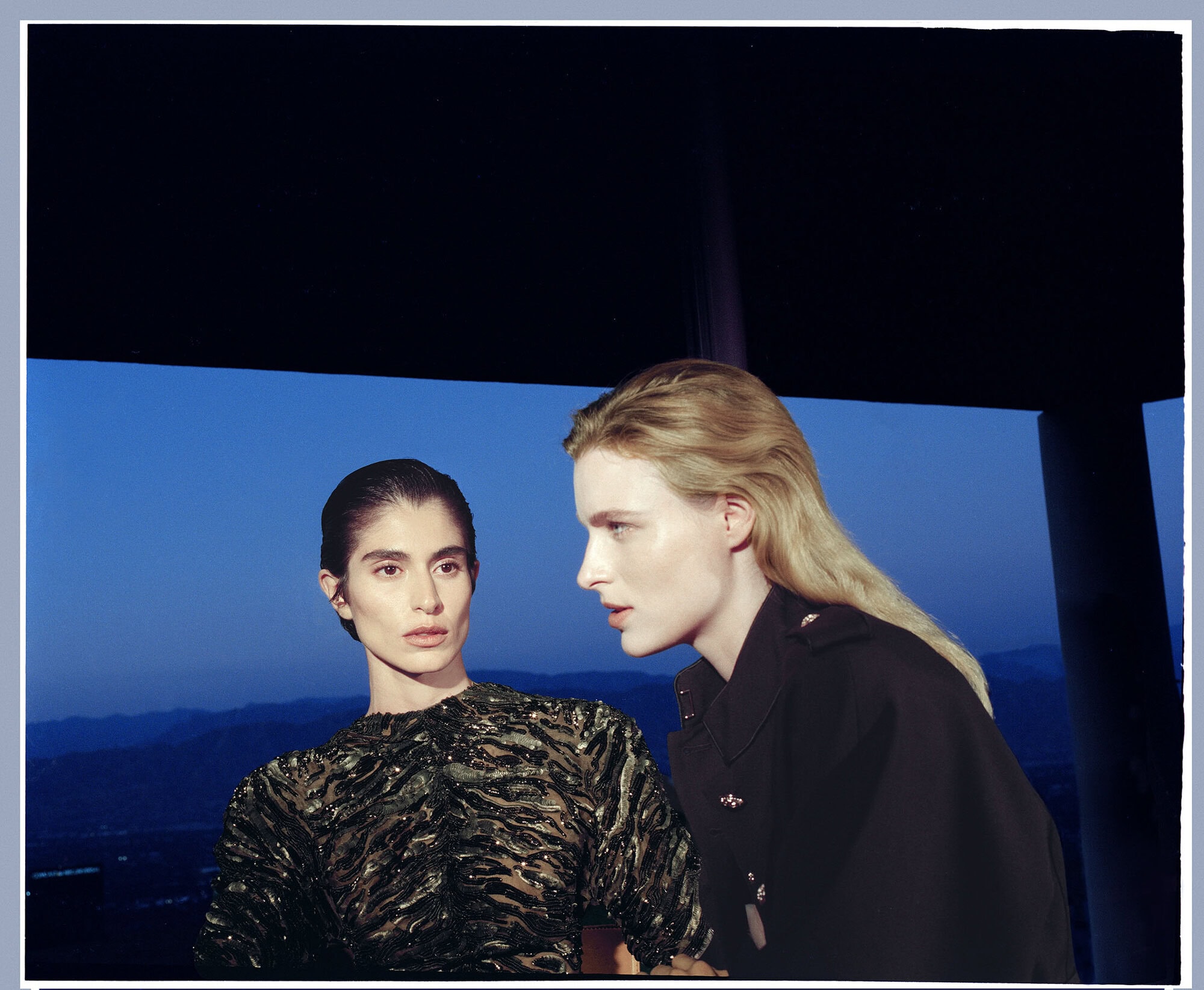
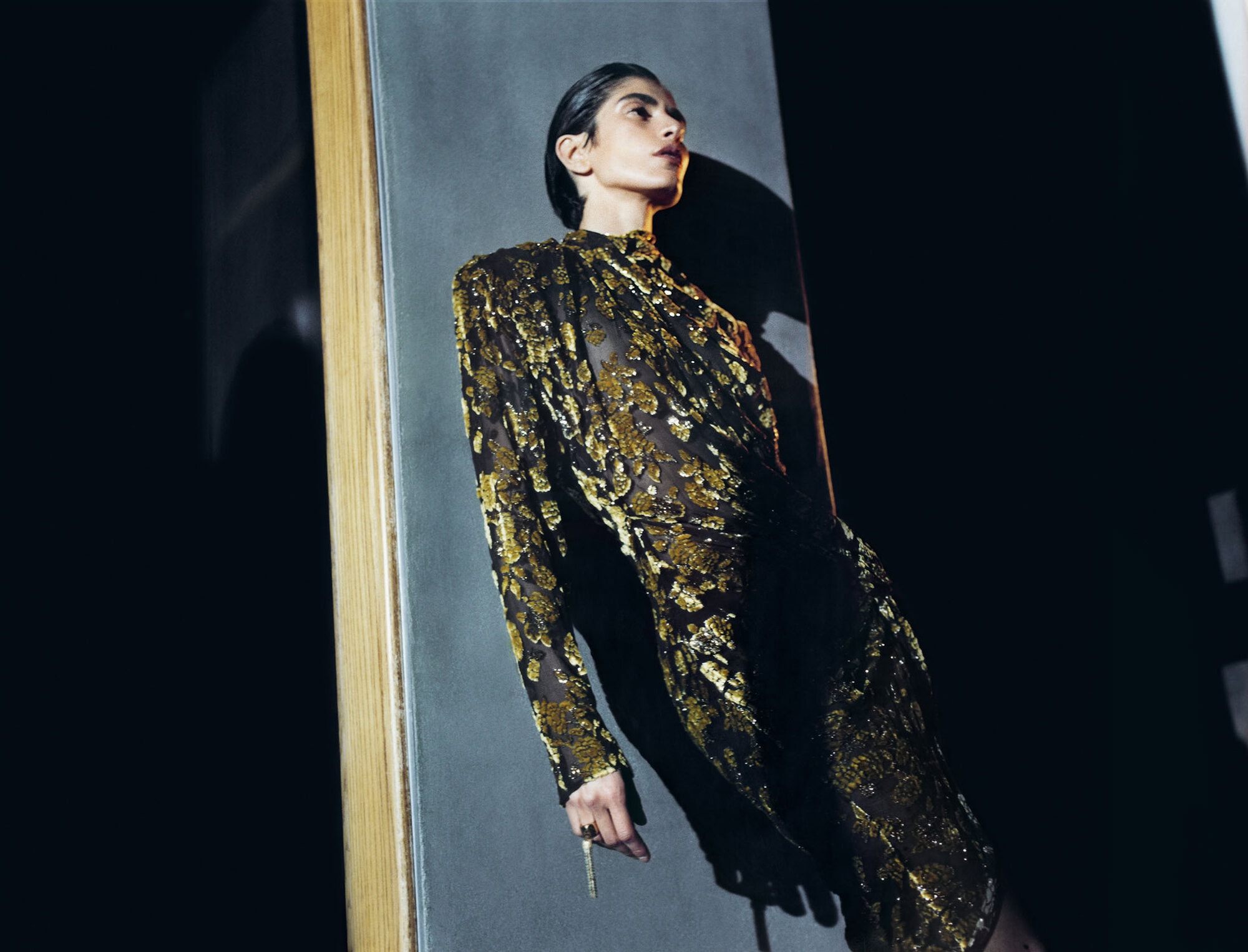
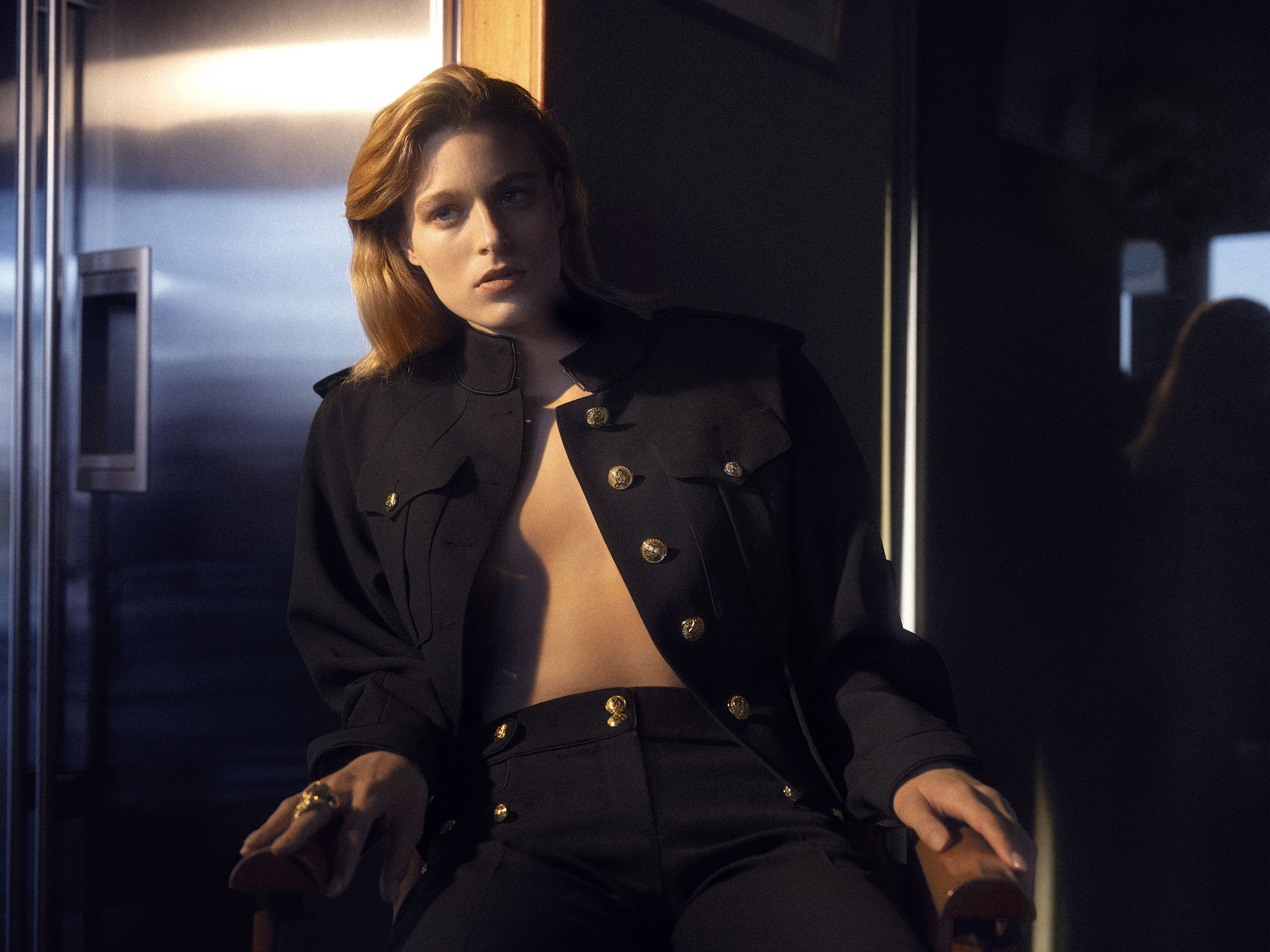
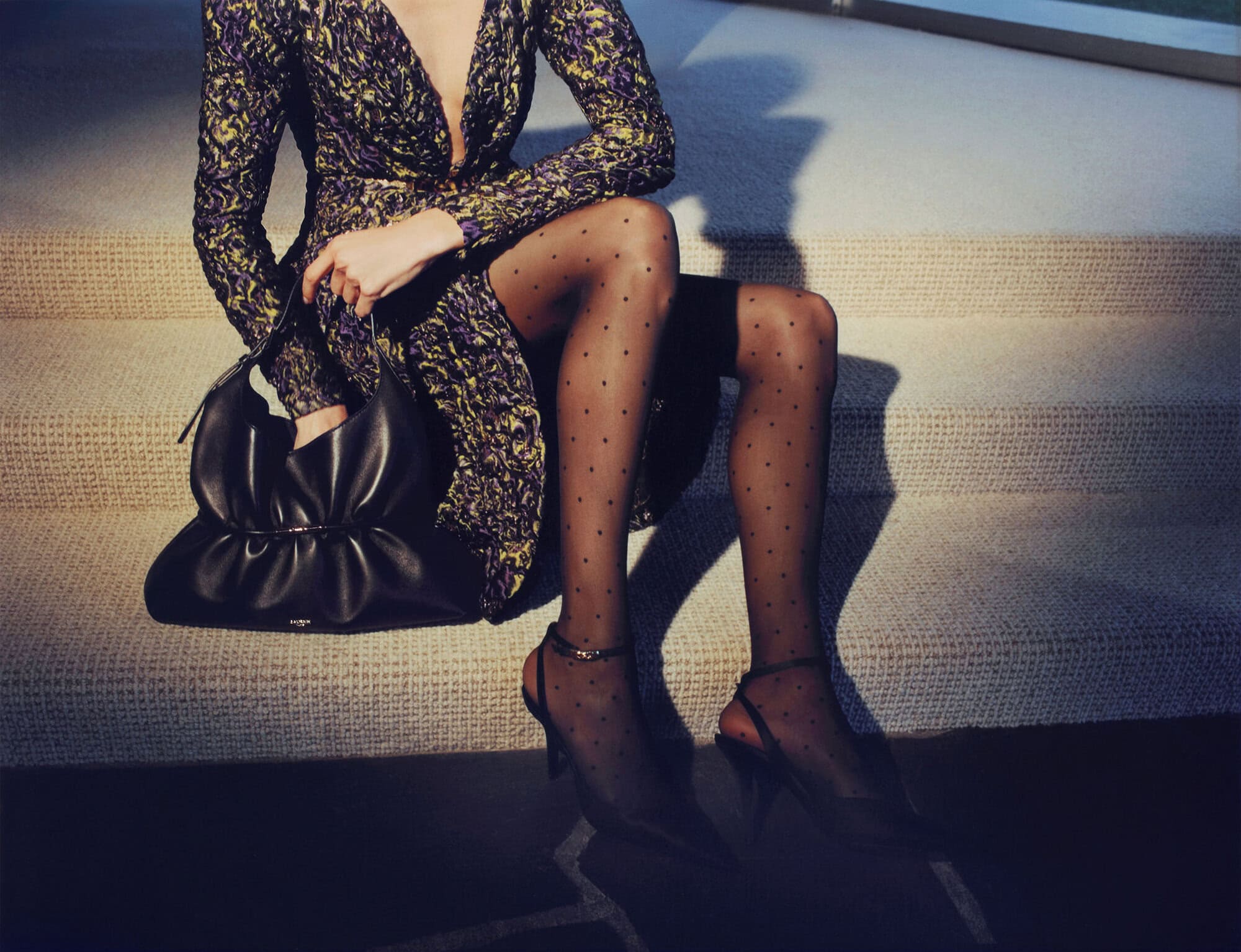
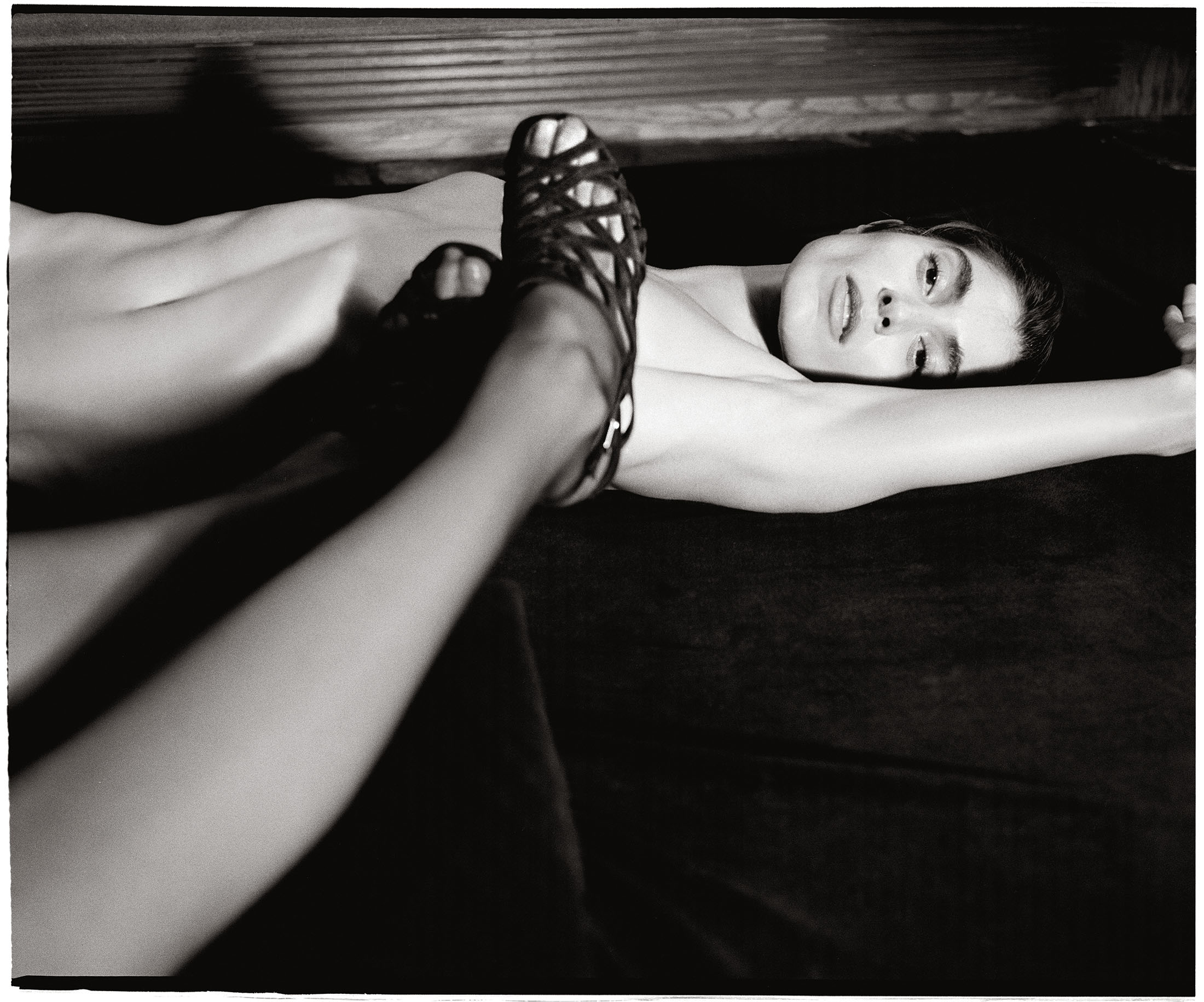
The architecture is essential to that shift, though it never overwhelms the clothing. Exposed beams, poolside terraces, and sweeping walls of glass frame the collection with the precision of a stage set that understands its supporting role. In one black-and-white image, a model stands between a house’s parallel structural columns, creating a study in line that flatters both the severity of the tailoring and the rigor of the architecture. Elsewhere, two models appear in close conversation beneath a darkening sky. The garments become less immediately legible, but the image gains emotional charge. It trades the clarity of a conventional product shot for intimacy, suggestion, and the sense that the viewer has entered a story already in progress.
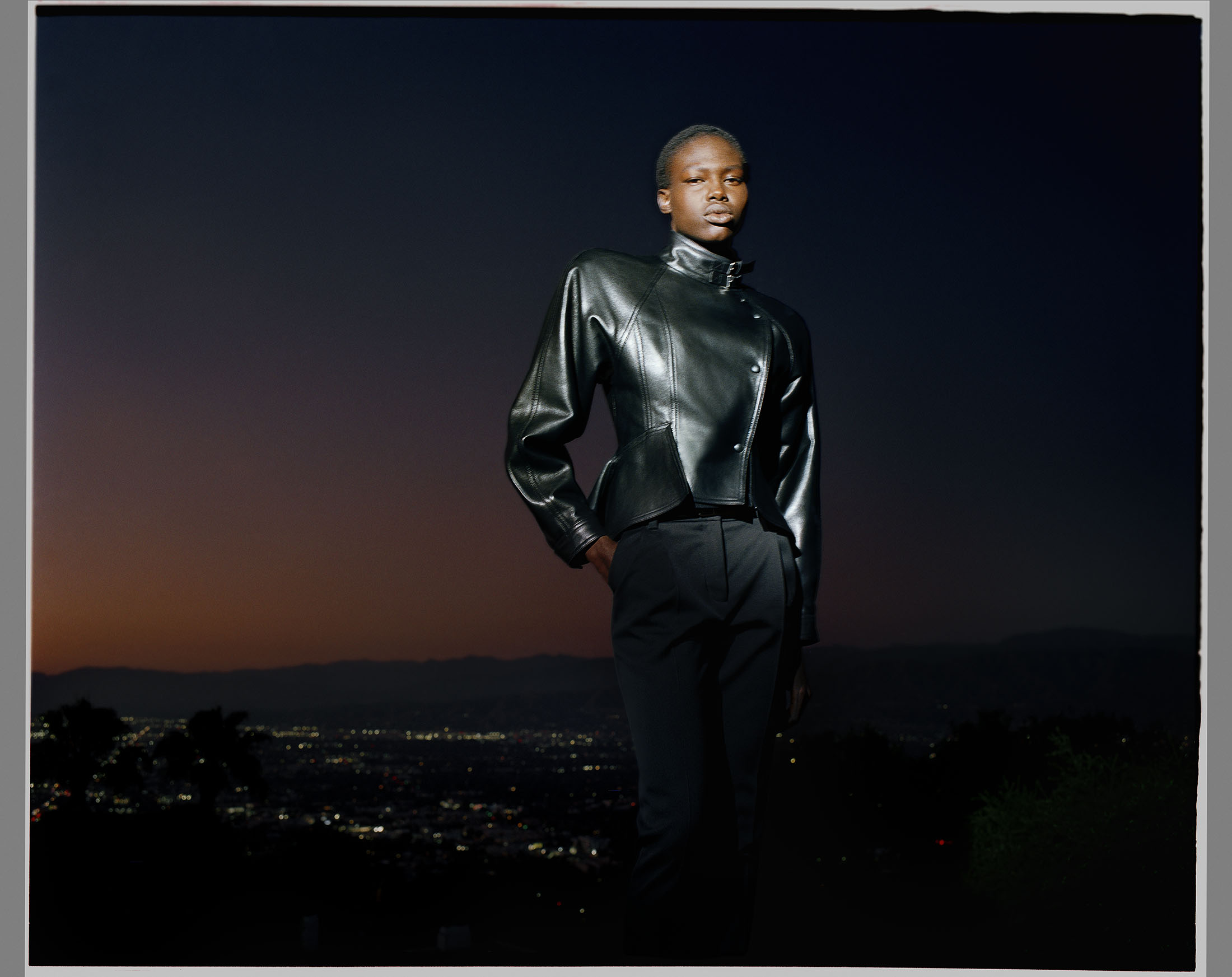
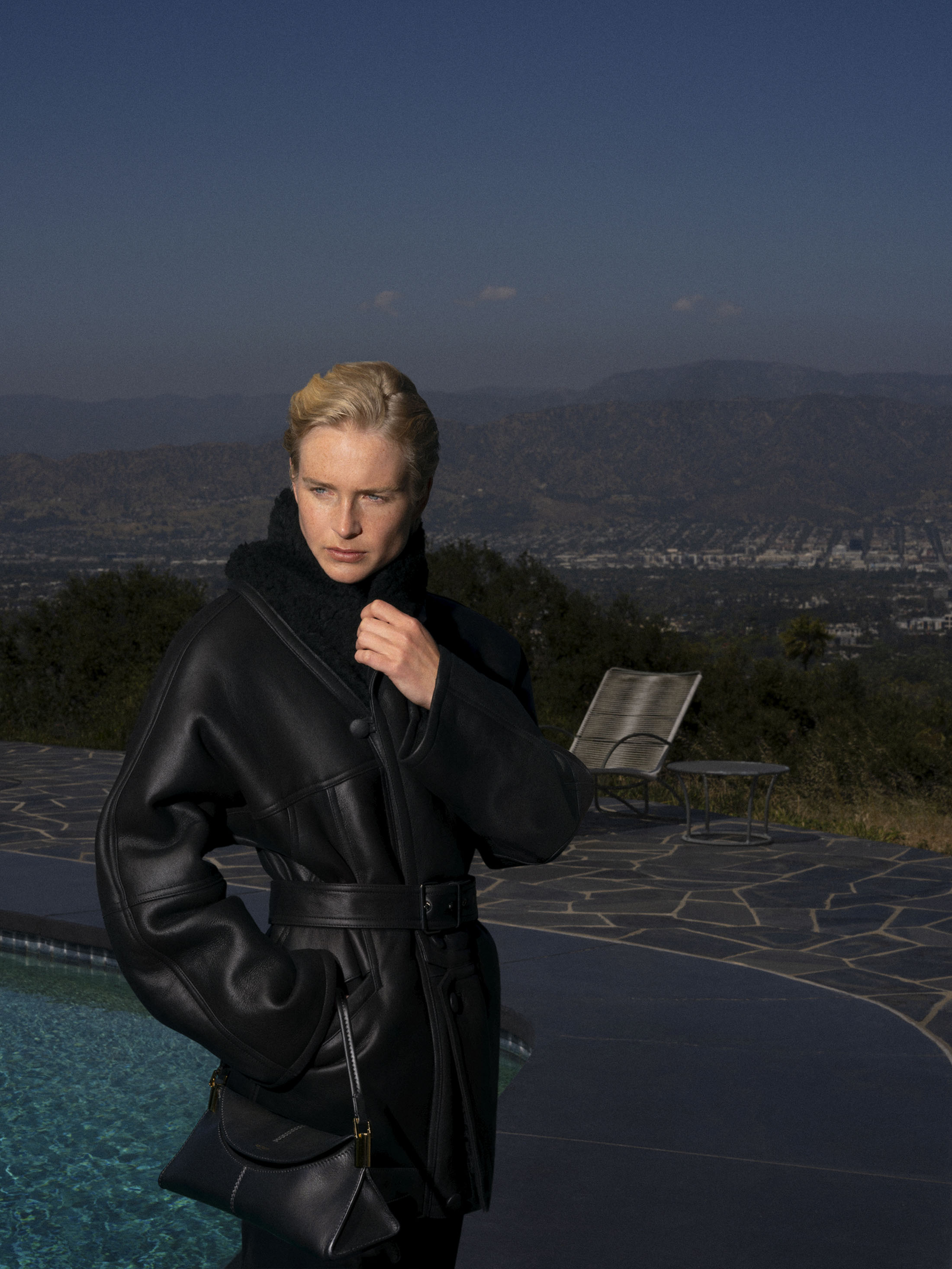
Moncloa’s alternation between black-and-white and color gives the campaign much of its rhythm. The desaturated frames establish its noir vocabulary without allowing the series to collapse into pastiche, while the color images, washed in dusk blue, rust, ochre, and warm brown, root the collection in the sensuality of its modernist setting. Because black-and-white is used selectively, it becomes punctuation rather than a totalizing device. Warmth and severity move in and out of focus, preventing the campaign from settling into a single, overly familiar register.
The photography is strong enough to alter the function of the campaign itself. These images feel collected rather than deployed, closer to the pages of a carefully edited coffee-table book than to a conventional seasonal advertisement. They reward lingering. Clothing, architecture, bodies, and landscape gather meaning across the sequence, giving Balmain’s new direction a sense of depth and duration that a louder campaign might have sacrificed. At times, the garments recede almost too far into the atmosphere, but that tension feels productive. Tron is not simply selling a collection; he is rebuilding desire around an entire image of the house.
There is, however, an unavoidable proximity to Saint Laurent. The modernist homes, nocturnal psychology, severe elegance, and cinematic cool all occupy territory that Saint Laurent has cultivated with extraordinary consistency. The comparison does not diminish the strength of Balmain’s campaign, but it does clarify the challenge ahead. Tron has established a persuasive visual language. The next step is to complicate it until it feels unmistakably his own, perhaps through greater tactility, strangeness, sensuality, or emotional vulnerability.
What distinguishes this campaign most is not any single frame, but the assurance with which it continues the argument of the runway. Two outings in, Tron has shown that he can sustain a mood across formats and begin converting it into a credible world for Balmain. That represents a meaningful step for a house that had become increasingly dependent on immediacy and spectacle.
This new Balmain is willing to slow down, invite scrutiny, and trust atmosphere to generate desire.
Whether that world develops into something fully proprietary remains an open question, but the campaign makes the transition feel not only convincing, but necessary.
Balmain Creative Director | Antonin Tron
Agency | White Dot Productions
Creative Director | Stefano Cerenzi, Leonardo Ciacca
Photographer | Suffo Moncloa, Justin Leveritt
Videographer | Kerstijan Werdal
Models | Abuk Yor, Stephanie Cook, Mariane Godoy, Katherine Wilkey
Stylist | Agata Belcen
Hair | Karim Belghiran
Makeup | Karin Westerlund
Set Designer | Spencer Vrooman