Risk, Worn Lightly
Review of Celine Spring 2027 Fashion Show
By Mackenzie Richard Zuckerman
THE IMPRESSION TAKE
Michael Rider’s Celine Spring 2027 collection continued to build a wardrobe defined by rigor, freedom, lightness, and personal instinct. The review considers how Rider is opening the house’s disciplined codes to more color, spontaneity, and multiplicity while preserving the polish that makes Celine feel distinct.
Creative Director: Michael Rider
House: Celine
Collection: Spring/Summer 2027
Presented: Paris Fashion Week
Reviewed by: Mackenzie Richard Zuckerman
The Impression Review Score by Kenneth Richard: 9.3
View the Full Collection
Michael Rider’s Celine is becoming clearer not because it has narrowed, but because it has learned to hold more. Spring 2027 extended an idea that has been gathering strength over his past several seasons: Celine as a wardrobe capable of carrying different lives, moods, proportions, and personalities at once. Speaking after the show, Rider described the men and women as “different pieces of the same puzzle,” imagining the women wandering through June’s menswear collection, taking what they needed, and continuing on their way. That sense of freedom increasingly feels central to his vision of the house.
It also marks an important progression. Rider began at Celine with the considerable task of negotiating a house shaped by several highly recognizable eras. His answer has gradually become more personal and more relaxed. The rigor remains, as do the bourgeois codes, sharp tailoring, narrow coats, scarves, polished shoes, and traces of the house’s past. Yet those elements now feel increasingly available for interpretation. A woman can be bookish, severe, romantic, sporty, polished, slightly disheveled, or several of those things over the course of a day. Rider is building a Celine way of dressing rather than prescribing a Celine character.
This season pushed that philosophy further through lightness, intuition, and a willingness to let the wearer complete the picture. Rider spoke backstage about designing for a hotter and more confusing world, asking how someone could still dress up and feel fabulous without being weighed down by the clothes. His answer was physical as much as emotional: lighter fabrics, freer combinations, spontaneous styling, and garments that retained Celine’s discipline while allowing more air around it.
The larger question is becoming especially interesting for the house: how expansive can Celine become while maintaining the rigor that makes the name mean something in the first place?
THE COLLECTION
THE VIBE
Classics With Bite, & Intuitive Rigor
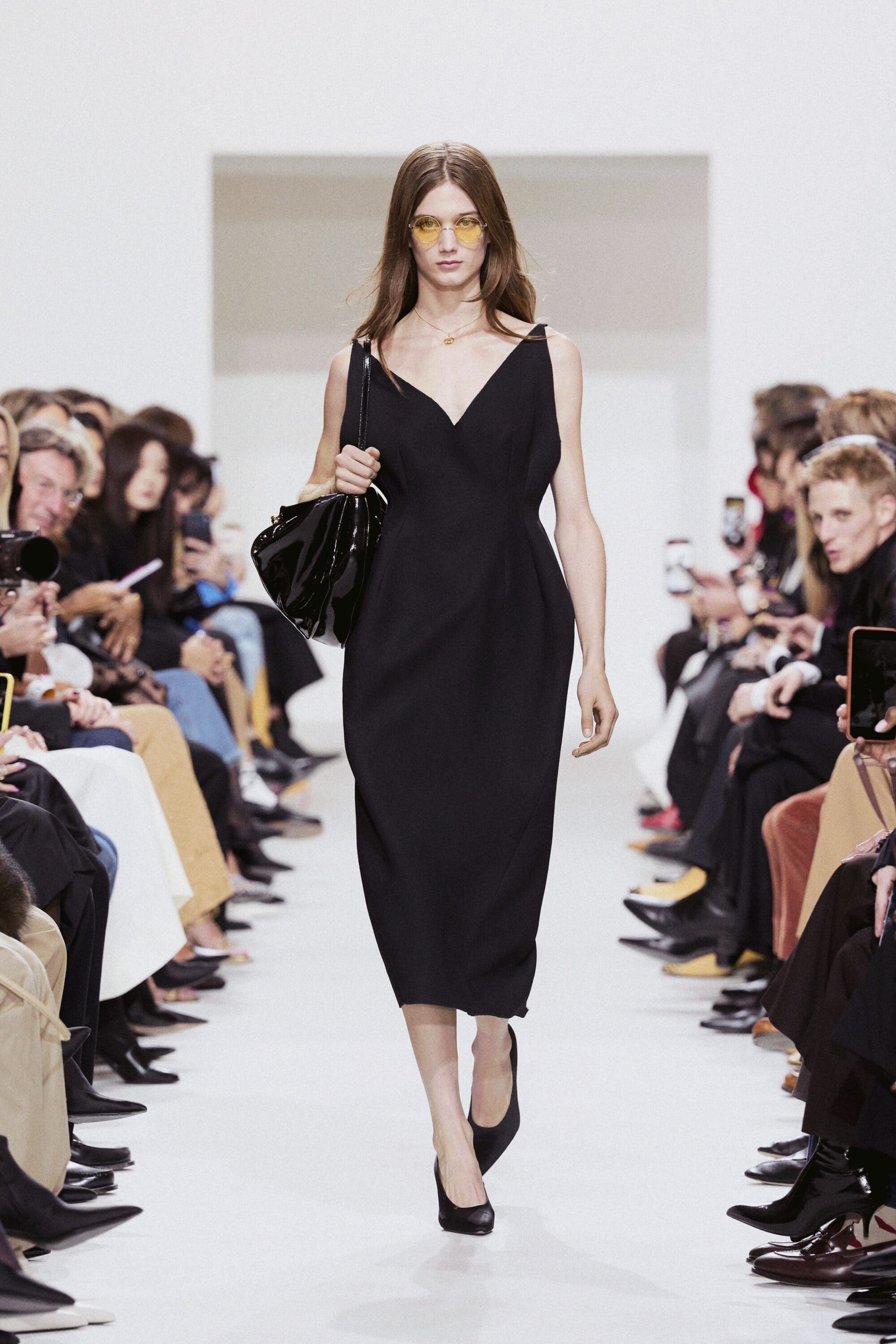
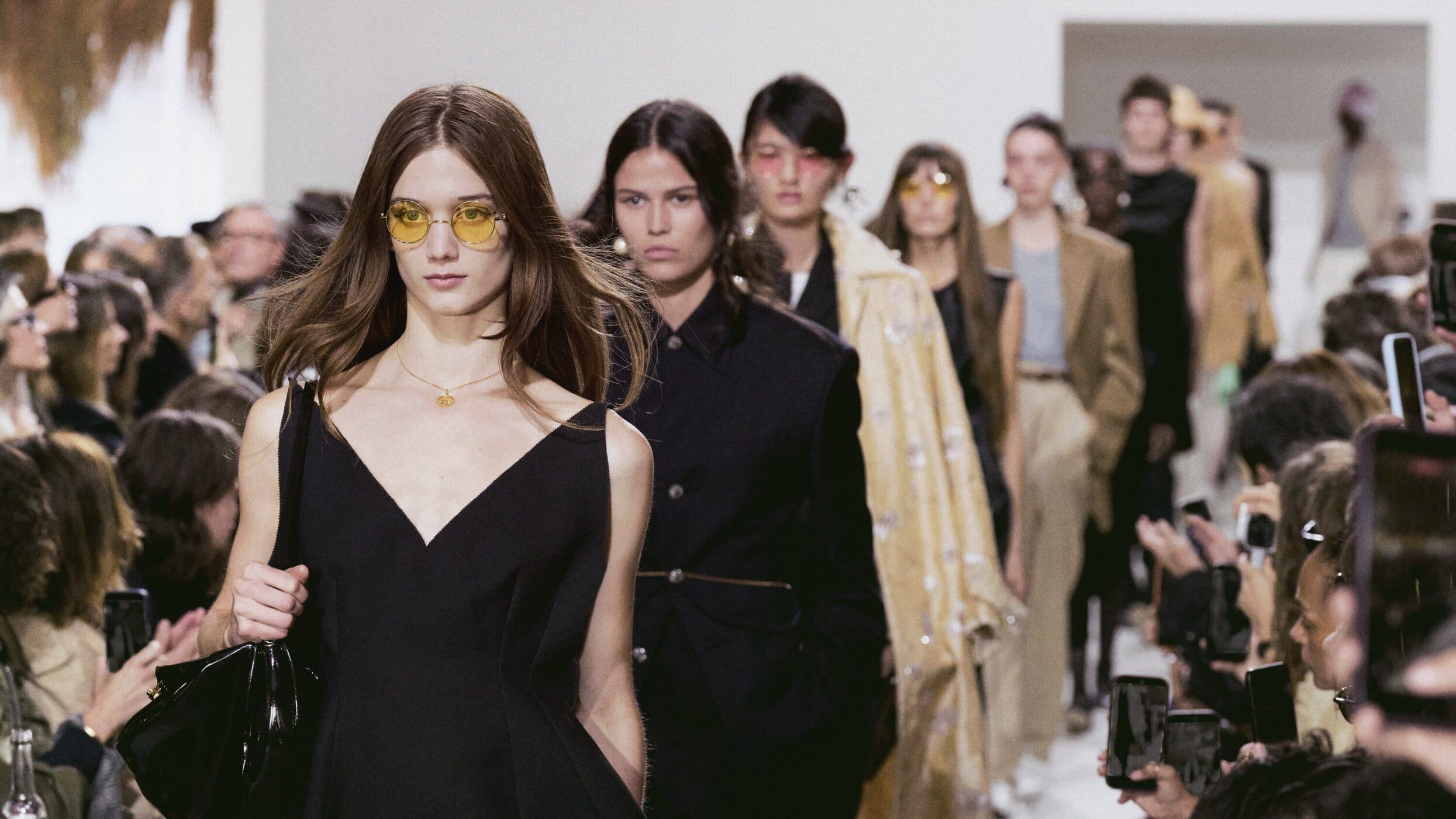
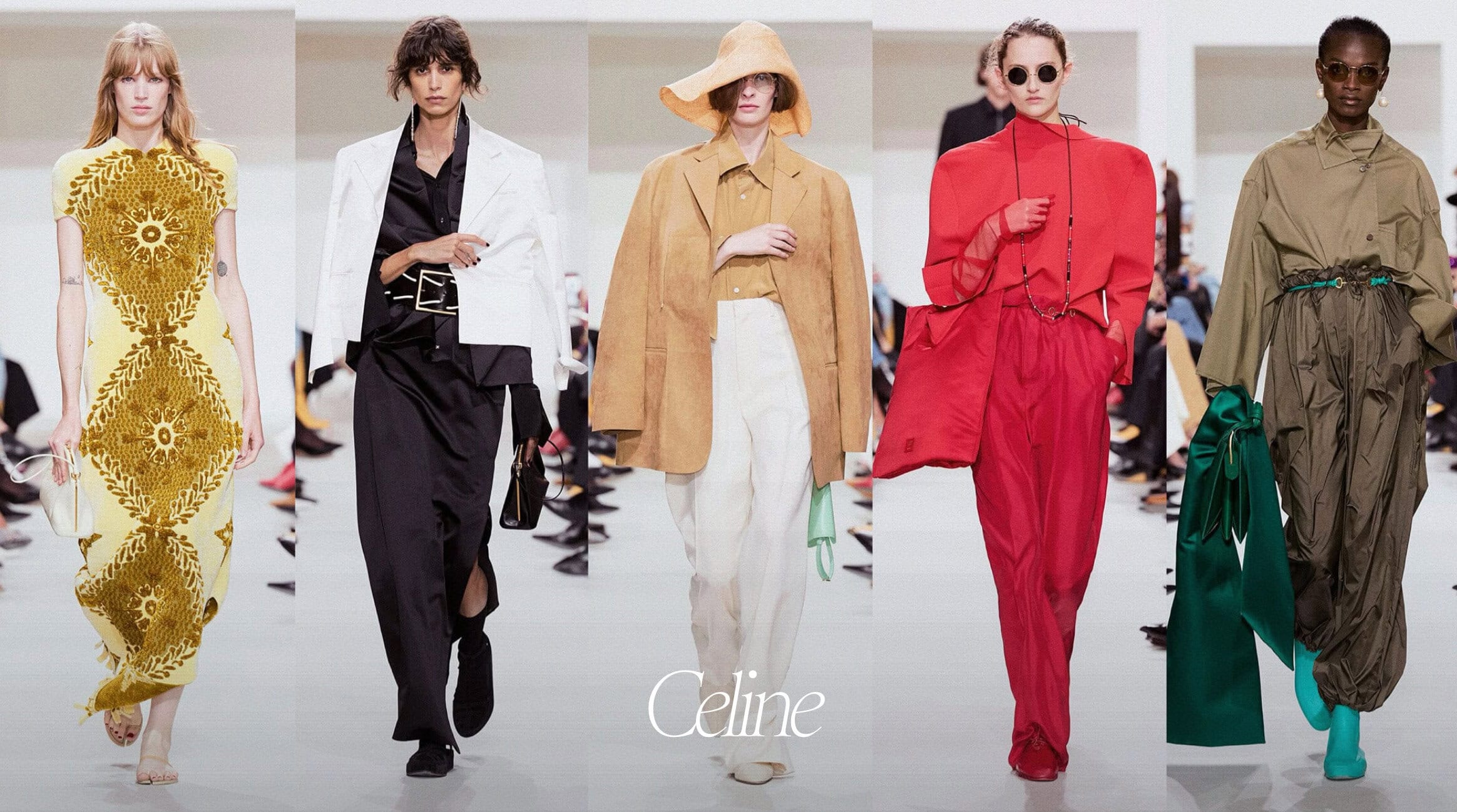
Rider’s strongest instinct remains his understanding of how familiar clothes change through combination. A blazer, shirt, trouser, narrow coat, scarf, knit, or evening piece can appear almost ordinary in isolation. Once assembled, something shifts. A proportion runs slightly large. A belt becomes unexpectedly thin or emphatic. Jewelry accumulates. Colors that initially appear monochromatic reveal several neighboring shades. A polished outfit acquires one interruption that keeps it from feeling overly resolved.
That quality gave Spring 2027 much of its vitality. Rider described his own process as intuitive, and the runway carried the sense that the looks had been discovered through dressing rather than diagrammed in advance. He spoke about being frustrated by clothes that feel too rigid or figé. What excites him is the moment real clothes begin to feel spontaneous.
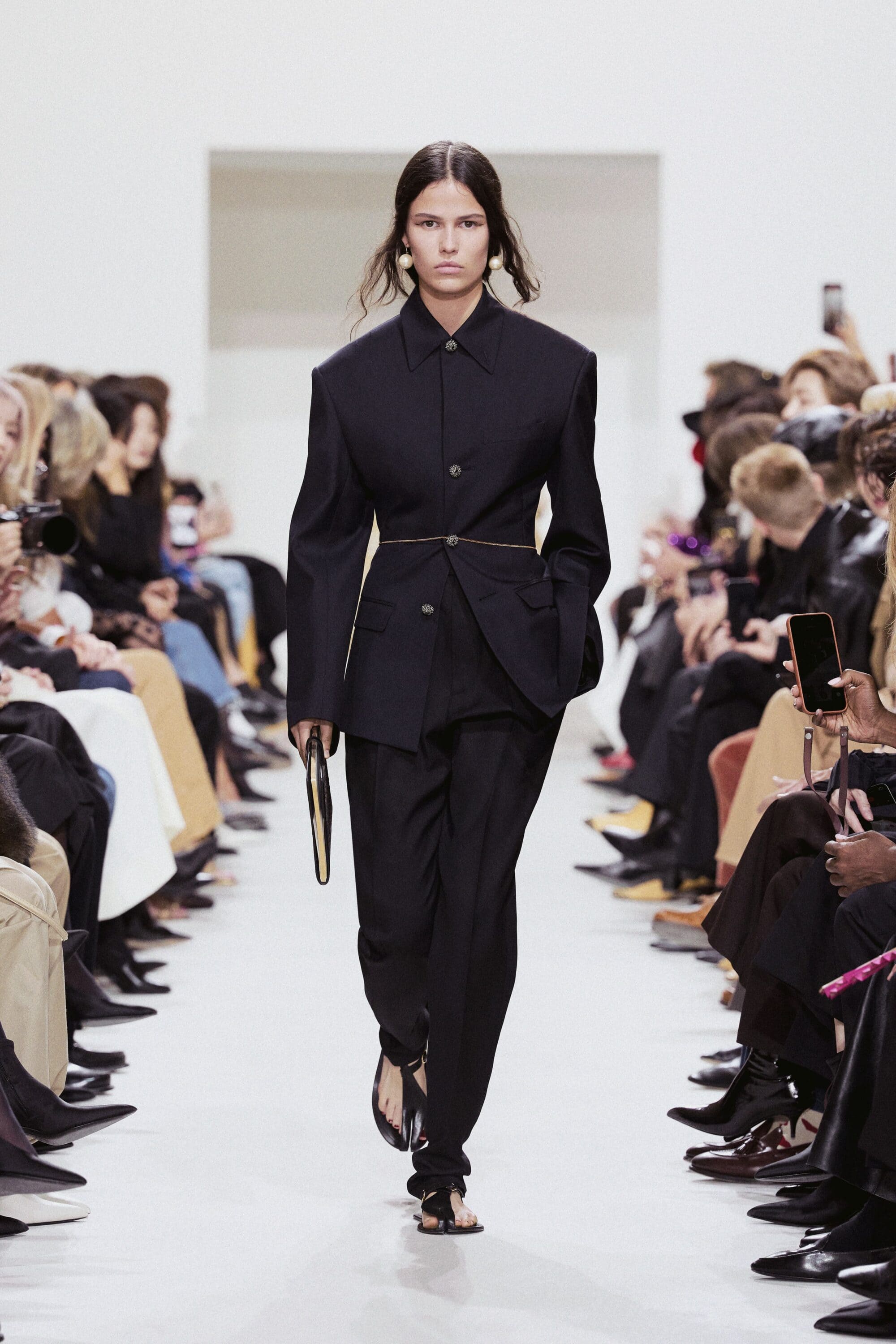
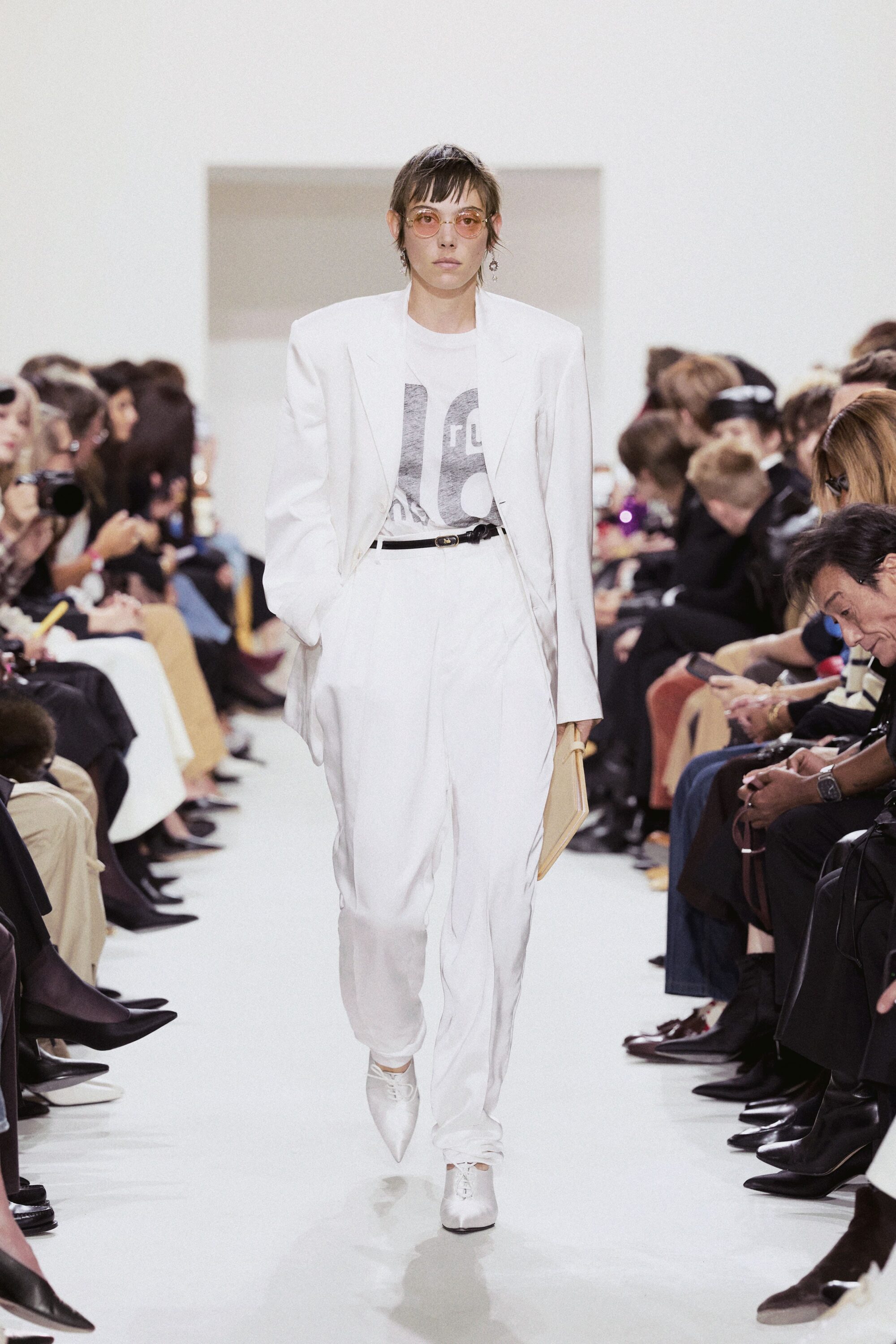
That may be one of his most significant contributions to Celine. The house retains its rigor, yet the rigor no longer dictates a single silhouette or attitude. Rider can place narrow trousers beside wider shapes, strict tailoring alongside romantic pieces, and polished bourgeois codes against something looser or more youthful. The continuity comes through discernment and attitude.
Scale created some of the collection’s most effective tension. Rider joked backstage about his attraction to a large bag with a small logo or a small coat with an enormous collar, admitting that he becomes uneasy when everything exists at the same visual volume. That instinct gives otherwise straightforward pieces an eccentric edge. It is a small disruption, though often enough to shift the entire look.
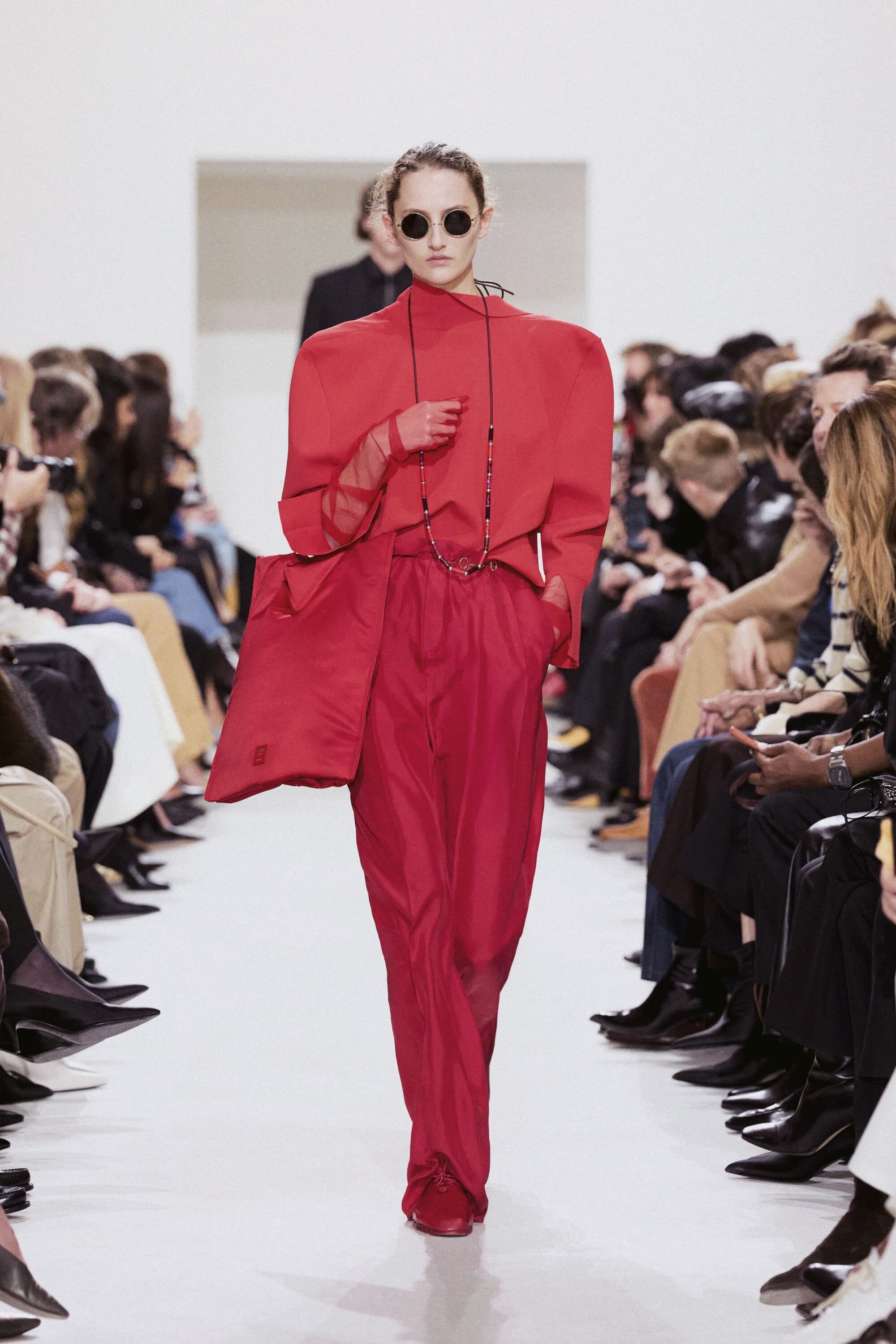
Color worked similarly. Rider has steadily expanded Celine’s palette, and here closely related reds, purples, greens, and stronger primary tones created depth inside otherwise disciplined dressing. He spoke about color almost as a painter might, describing the pleasure of watching shades blend and separate. The result brought warmth and energy into a house long associated with restraint.
Accessories continued to function as punctuation. Belts, bags, scarves, jewelry, and shoes altered the mood of familiar wardrobe pieces without overwhelming them. That approach carries obvious commercial intelligence, though it also supports Rider’s larger belief in personal style. The clothes provide a foundation; the wearer determines the final character.
The collection’s lightness extended beyond fabrication. There was a refusal of preciousness running through the show. Rider wants clothes to live, accumulate, cross seasons, and become mixed with other pieces over time. That makes the idea of a “collection” feel almost secondary to the larger project of building a life in clothes.
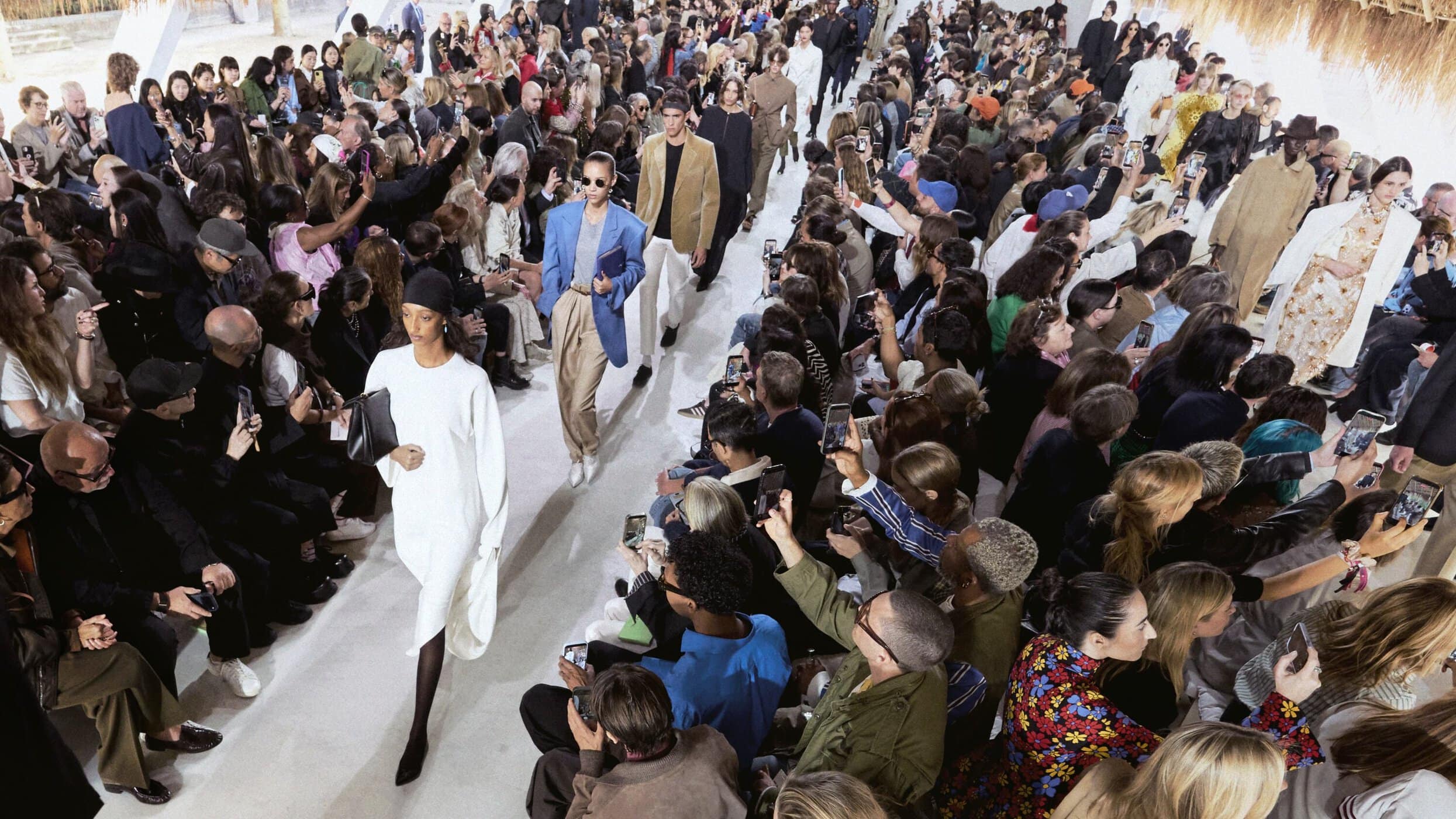
Even the set reinforced that thinking. Summer memories, recognizable images of escape, and the middle of Paris coexisted without becoming a postcard fantasy. The reference to Dorian Corey in Paris Is Burning, particularly during Pride, brought another kind of perspective. Rider was drawn to Corey’s generosity and humor, especially the line, “If you shoot an arrow and it goes real high, hooray for you.” In a fashion context often inclined toward grand declarations, that sentiment gave the collection a welcome sense of humility.
Risk entered with similar ease. Rider described it as something creative work should demand, and Spring 2027 showed that risk need not arrive through spectacle. It can appear through allowing different people into the same world, loosening a house’s established silhouette, trusting an odd proportion, or letting styling remain unresolved enough for personality to enter.
THE WRAP UP
Spring 2027 feels like another important step in Michael Rider’s increasingly persuasive Celine. The early conversation around his tenure understandably focused on synthesis: how he would reconcile the house’s histories, his own American sportswear instincts, and the expectations surrounding one of fashion’s most closely watched appointments. That question is beginning to recede. The more interesting story now is how widely he can open the Celine wardrobe.
His progress lies in multiplicity. Rider has preserved the qualities that make Celine compelling: discretion, rigor, bourgeois polish, excellent coats, tailoring, and a strong sense of product. Around those foundations, he is introducing more personality, color, humor, looseness, and possibility. The result feels increasingly human.
There is commercial intelligence in that openness too. A wardrobe built around coats, trousers, shirts, sweaters, dresses, scarves, bags, and shoes gives customers multiple points of entry. Yet Rider’s strongest achievement is making usefulness feel aspirational. His Celine proposes that distinction can come from how someone puts clothes together, how long she keeps them, and how confidently she makes them her own.
That may also explain why the relationship between men’s and women’s now feels so natural. They share emotional and sartorial possibilities without collapsing into sameness. Toughness can encounter tenderness. Precision can accommodate spontaneity. One person can move between several versions of herself without leaving the world of Celine.
Rider said backstage that he has no answers. Increasingly, that feels like part of the appeal. His Celine is built around possibility: real clothes, strong codes, and enough freedom for the wearer to decide who she wants to be in them.