Nicolas Ghesquière brings the artist’s irreverent visual language into the House’s accessories, ready-to-wear, and collectible designs through an extensive collaboration with the Keith Haring Foundation
Review of Louis Vuitton ‘Keith Haring’ 2026 Ad Campaign
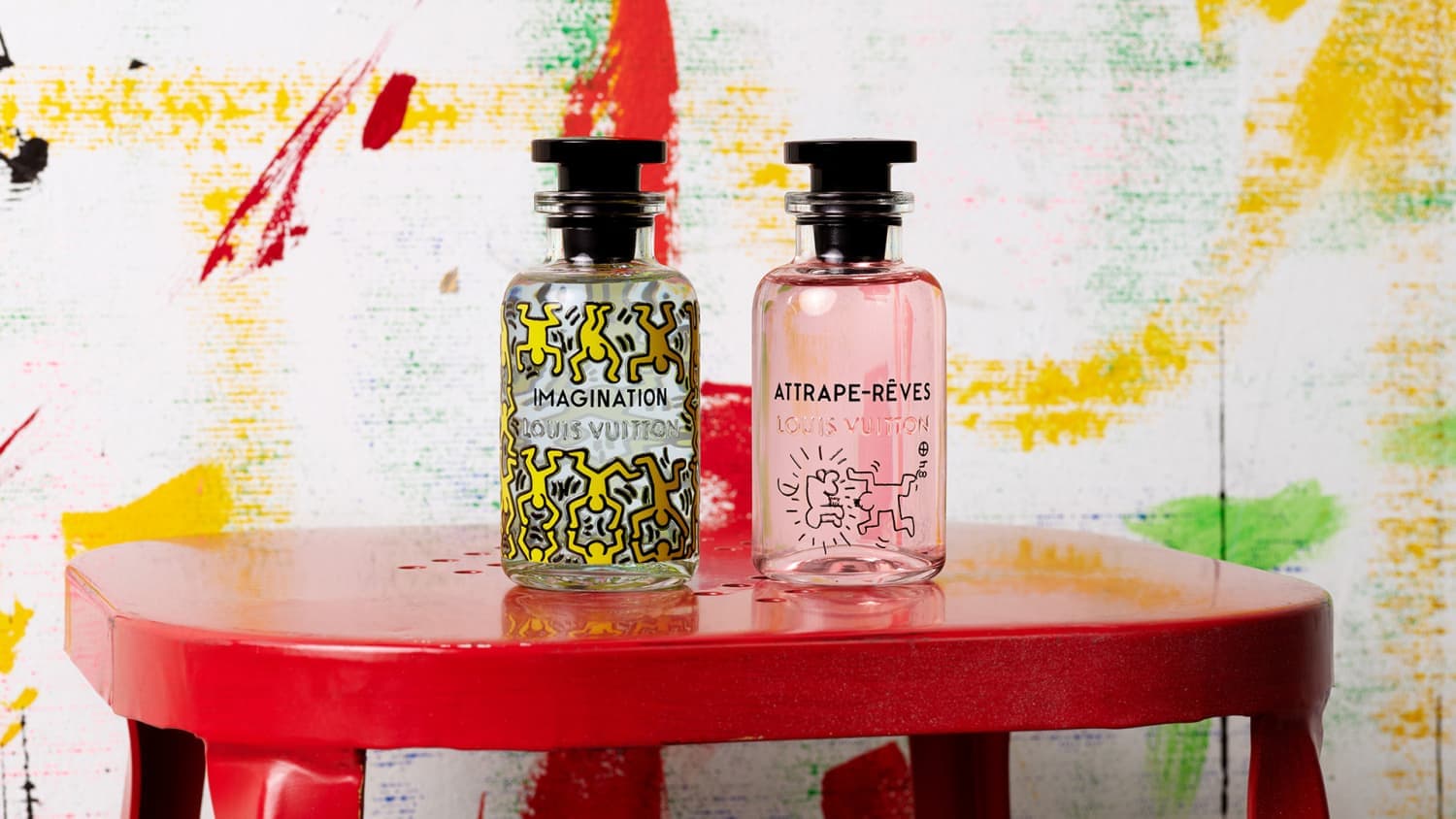
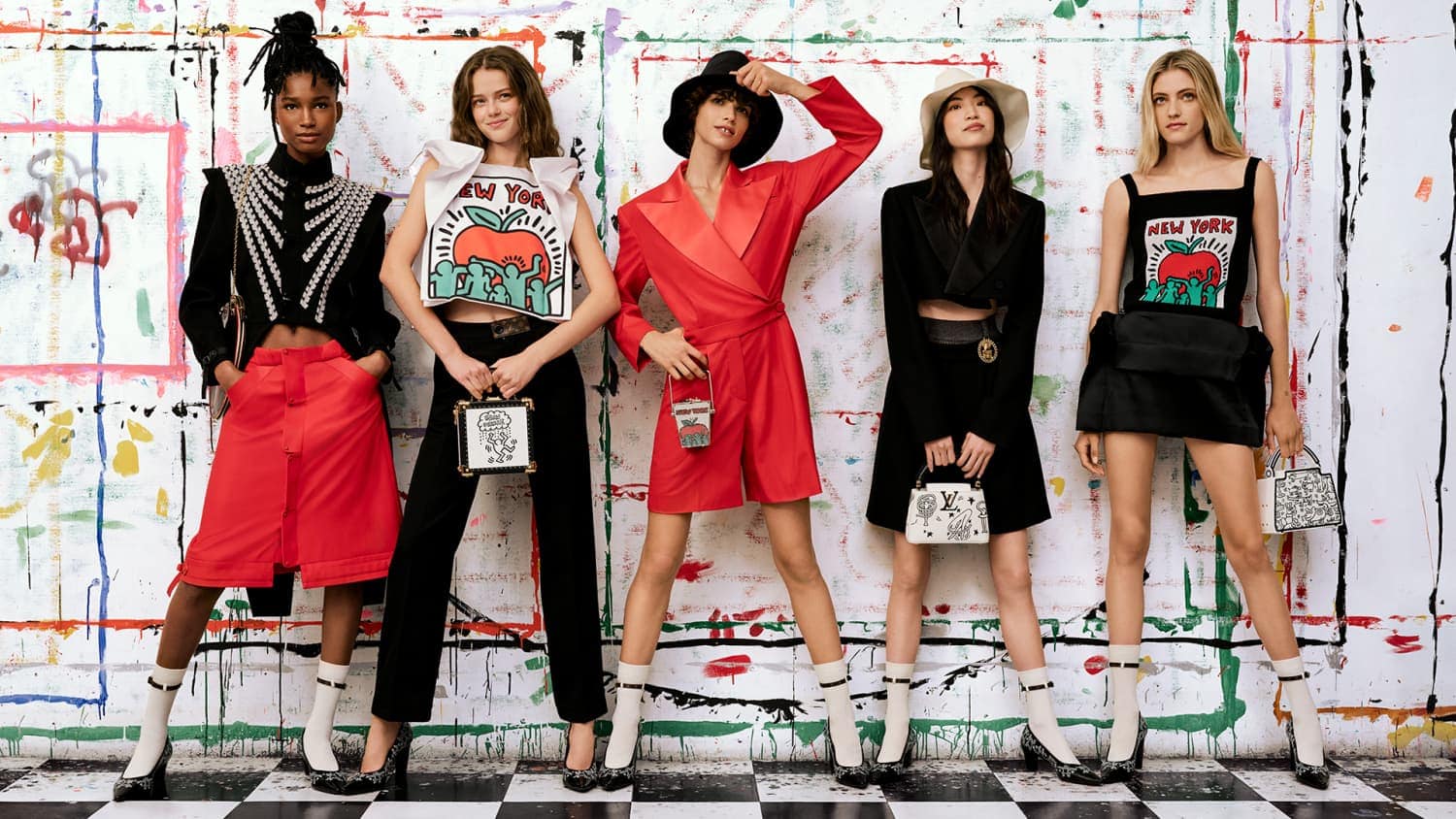
Louis Vuitton’s latest artistic collaboration finds a particularly natural partner in Keith Haring, whose exuberant visual language has always resisted the boundaries between fine art, popular culture, and everyday life. Building on Nicolas Ghesquière’s Cruise 2027 collection, presented at New York’s Frick Collection, the House is extending its dialogue with the late American artist into a comprehensive women’s collection spanning leather goods, travel pieces, ready-to-wear, footwear, accessories, and fragrance. Developed in collaboration with the Keith Haring Foundation, the collection will launch worldwide on January 1, 2027. If Haring believed art should liberate the soul, Louis Vuitton is giving that sentiment rather generous luggage allowance.
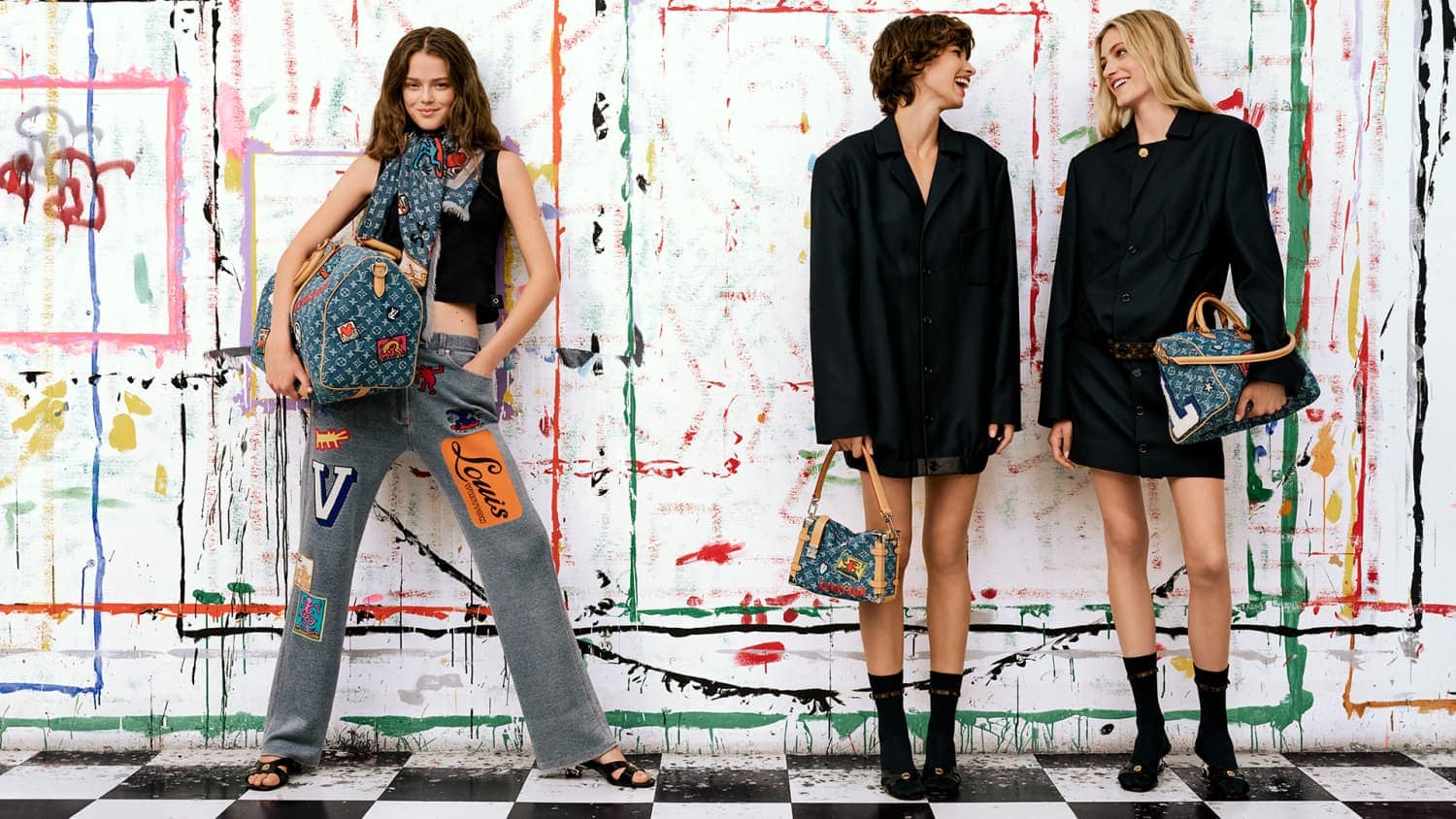
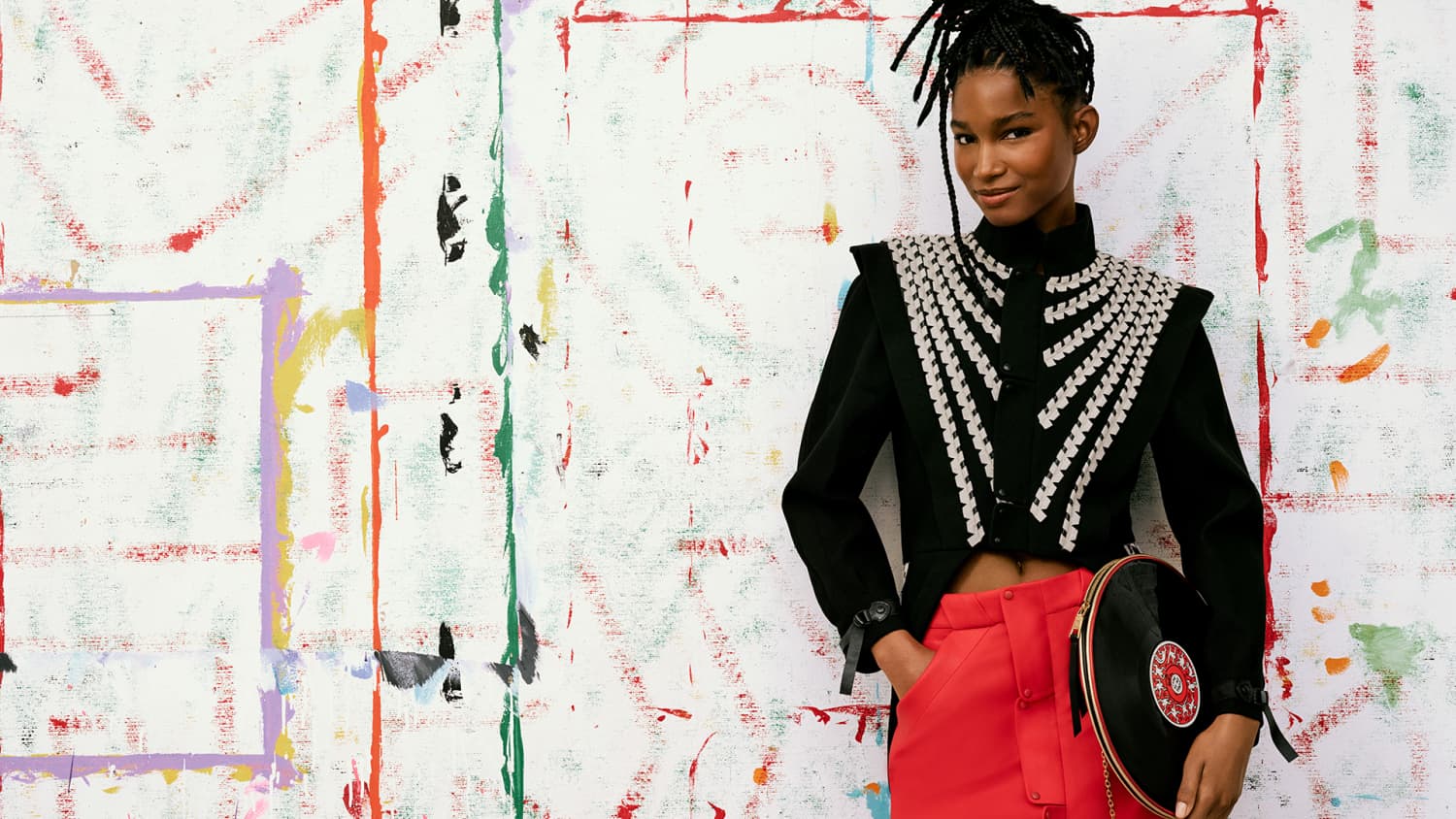
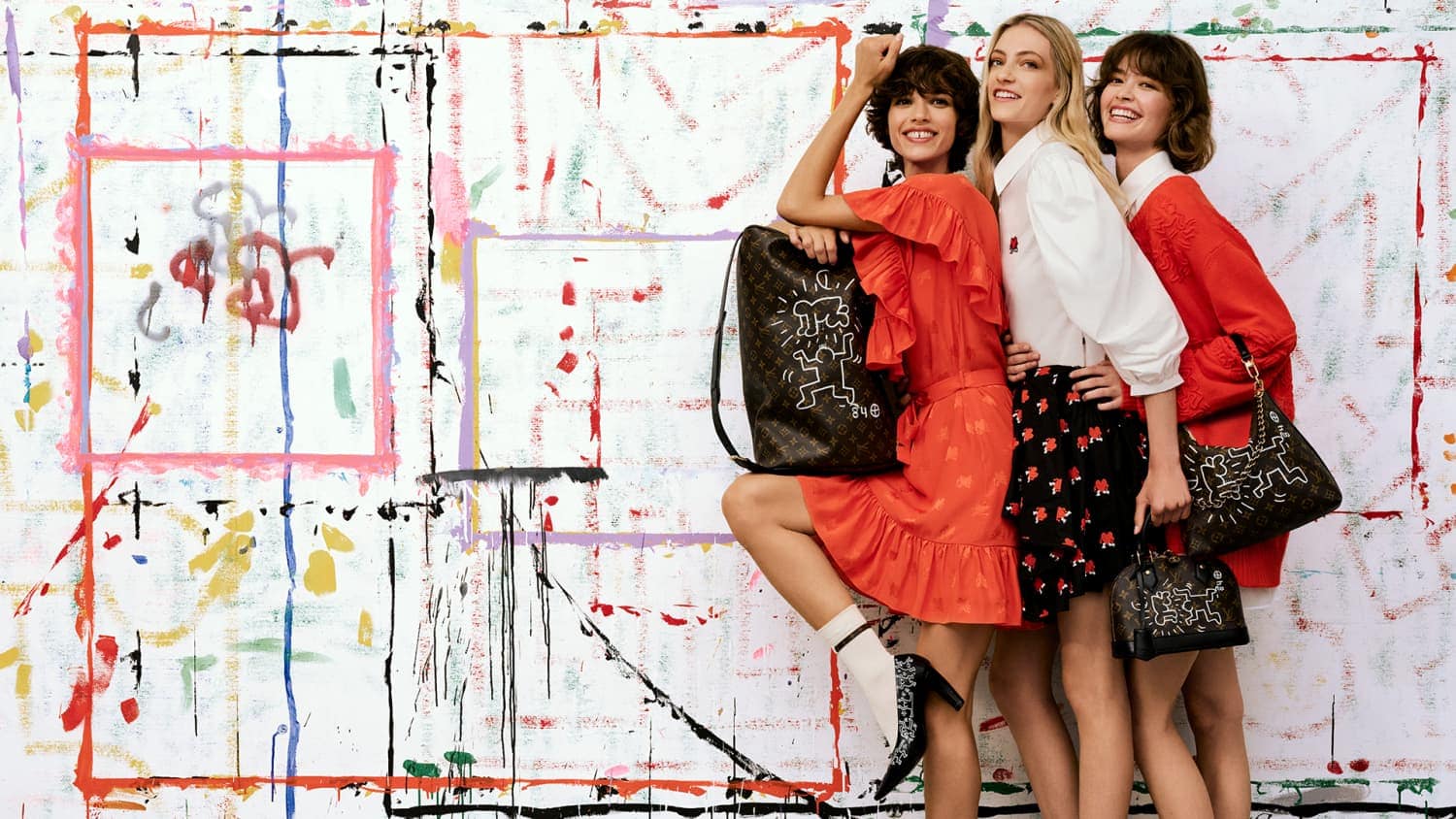
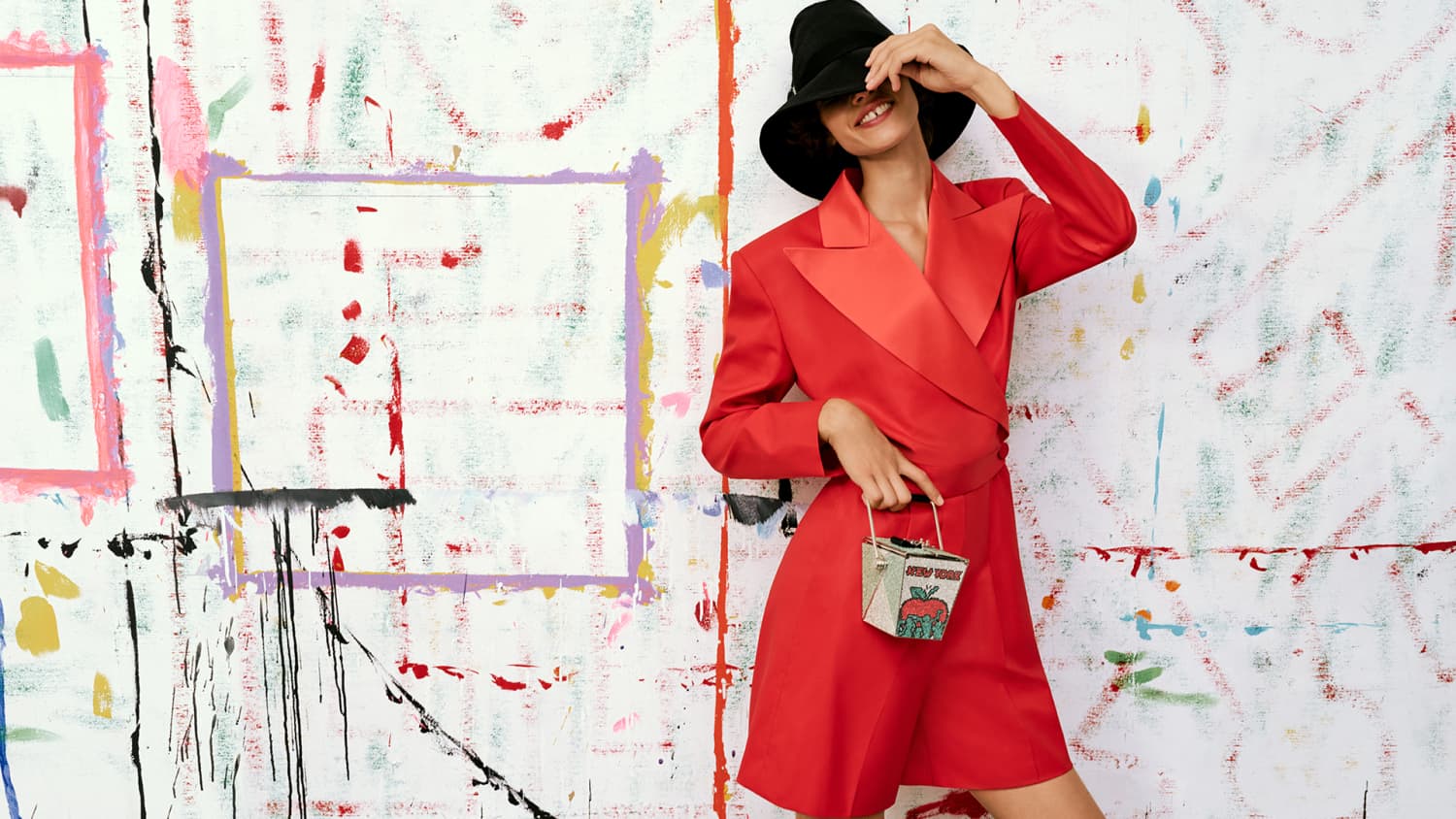
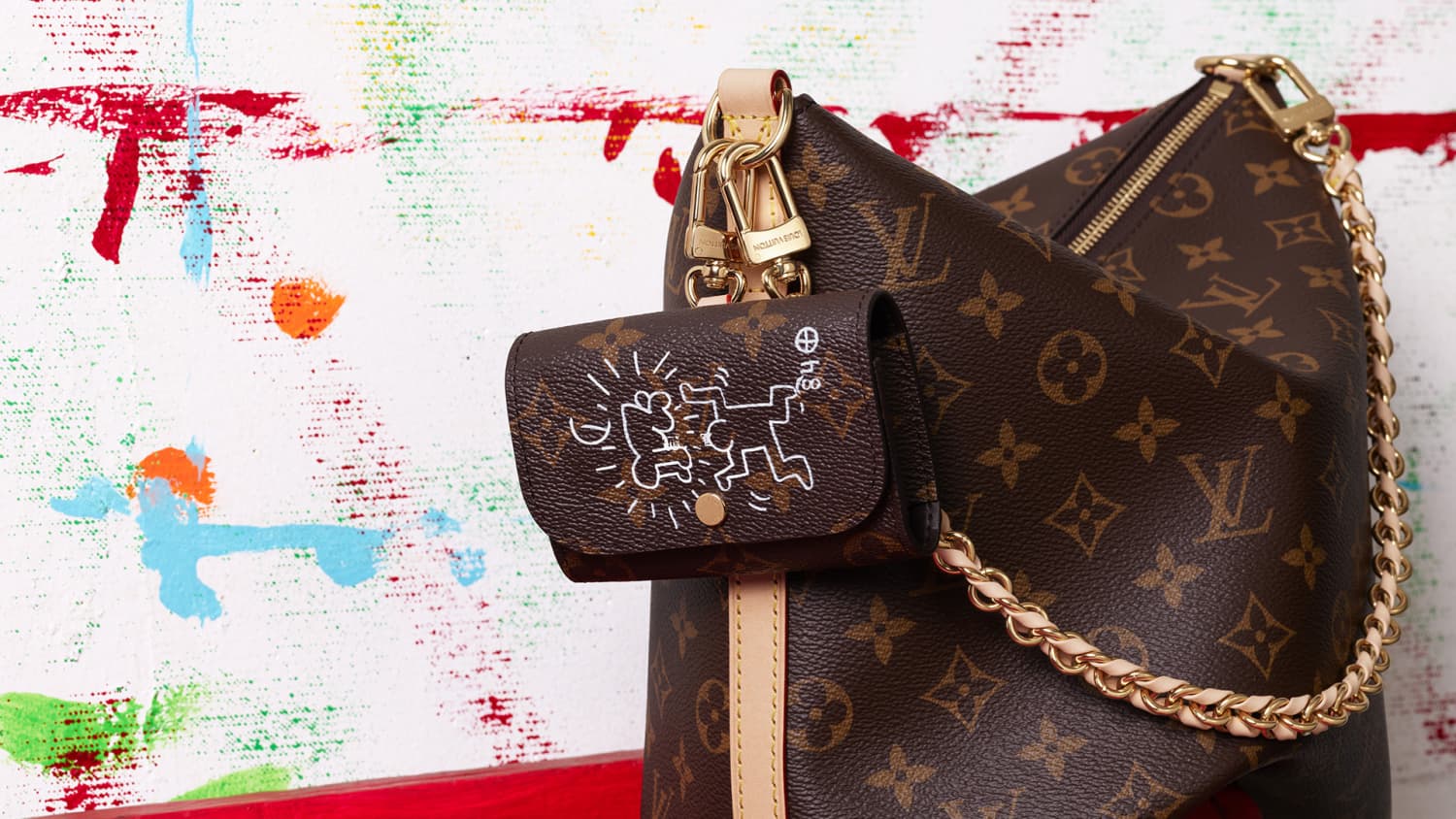
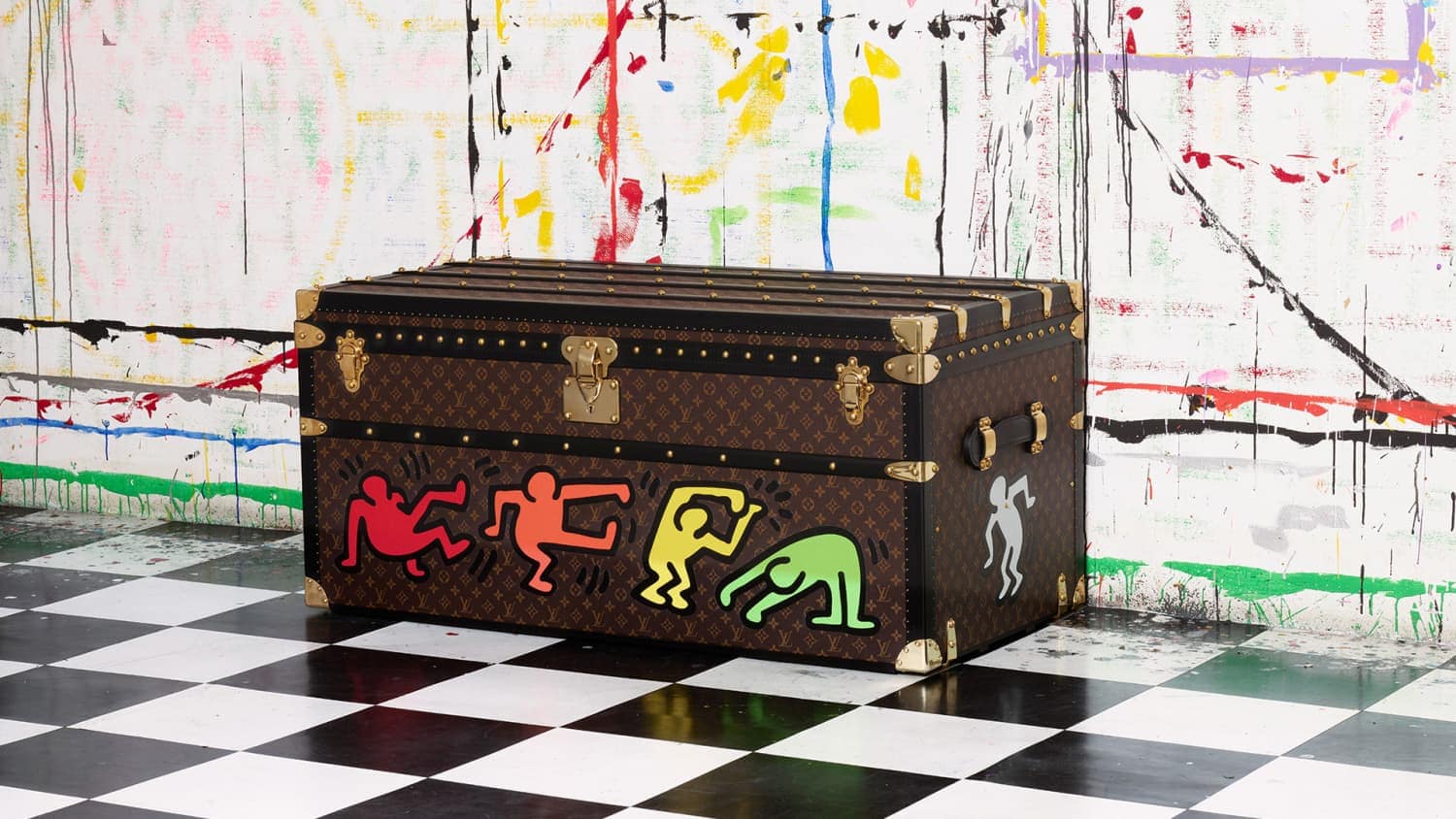
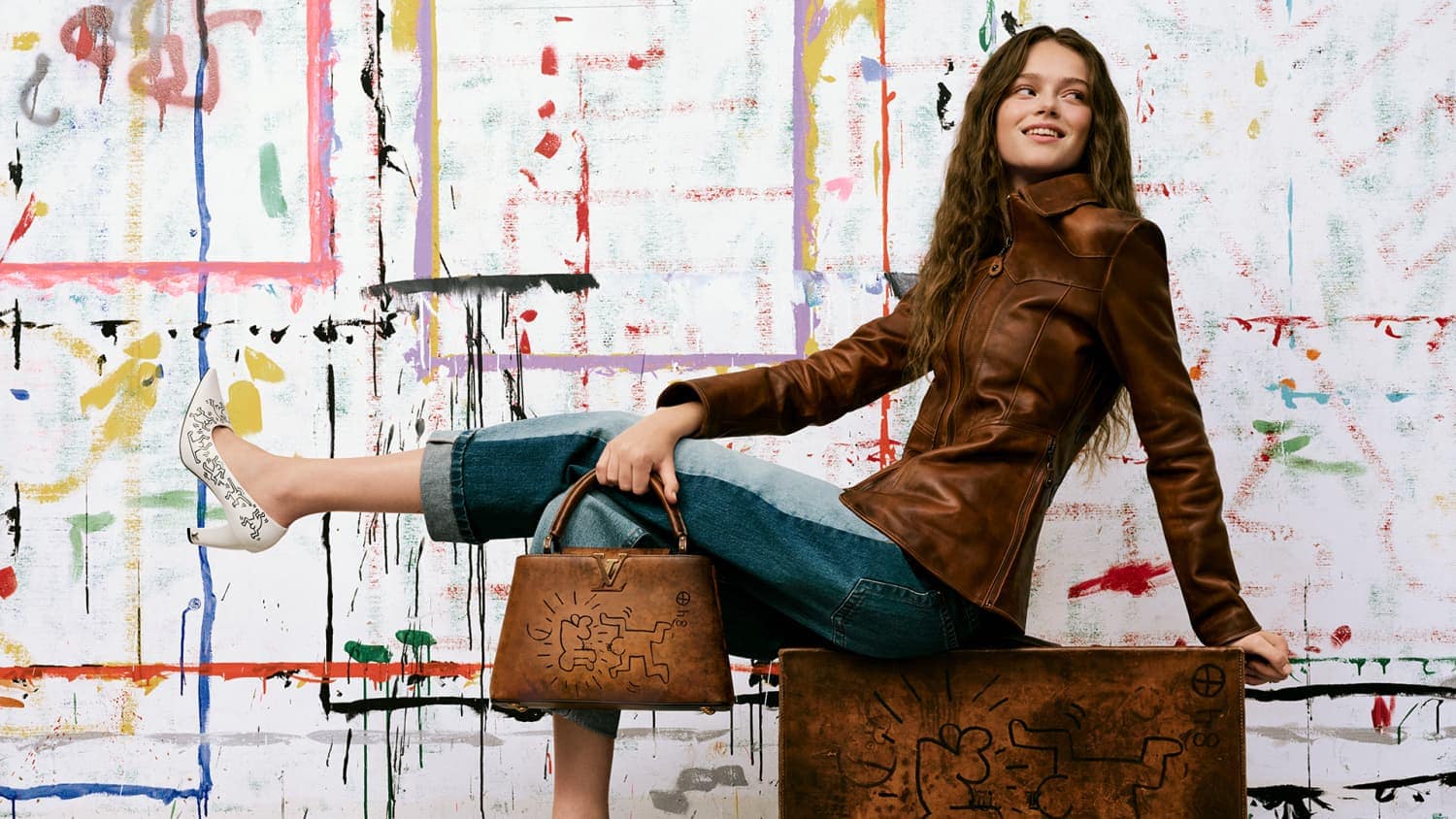
The collaboration draws on the artist’s unmistakable vocabulary of dancing figures, radiant babies, running hearts, and animated line drawings, translating his compositions across some of the House’s most recognizable silhouettes. Five thematic capsules, Genesis, Brazil, Figures, Patches, and Maze, provide the collection with a narrative structure, each approaching Haring’s work through a different relationship between art, personal expression, and craftsmanship. Rather than simply reproducing familiar images, the designs explore how his graphic language can interact with the House’s Monogram, archival references, and material techniques.
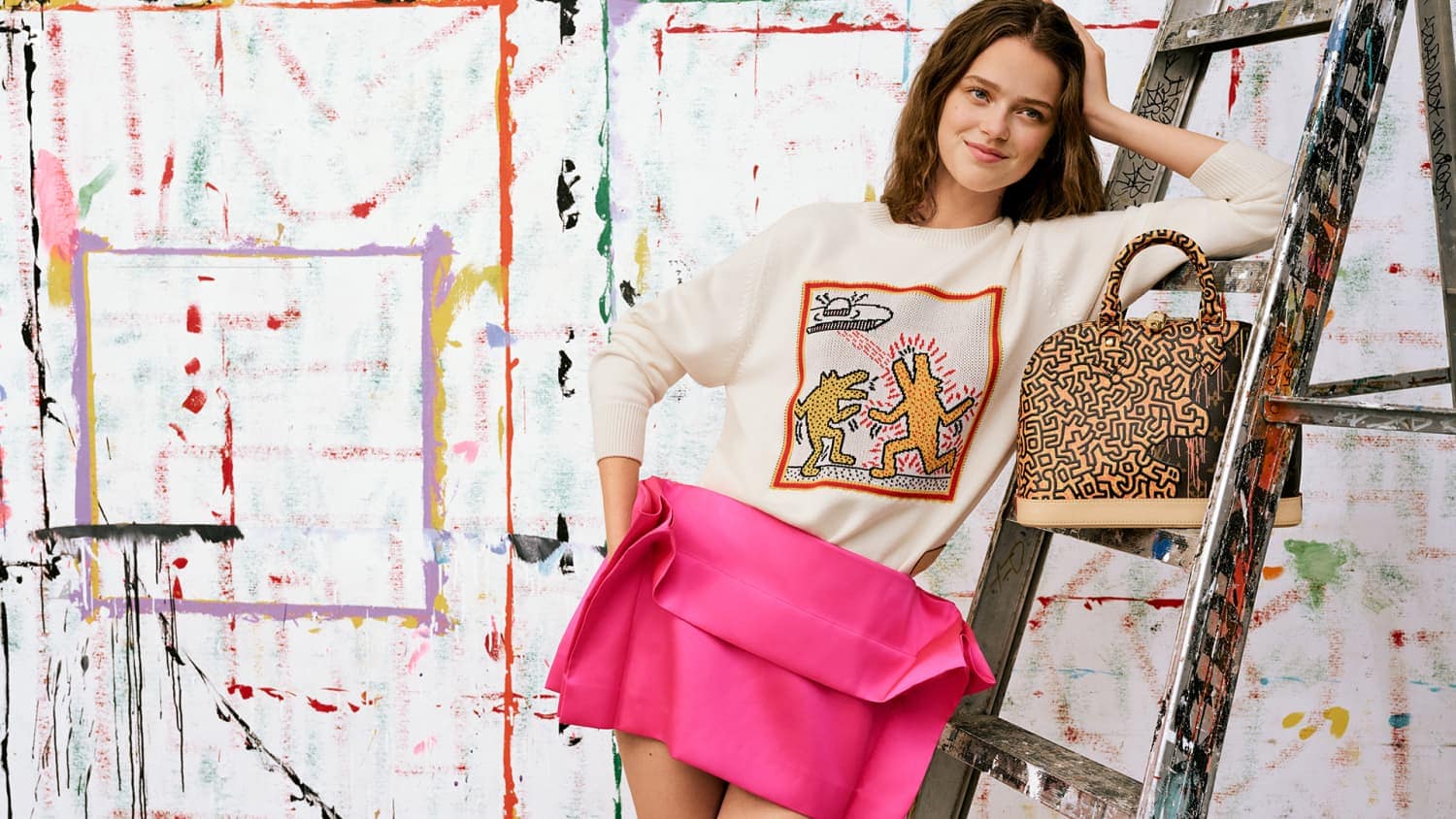
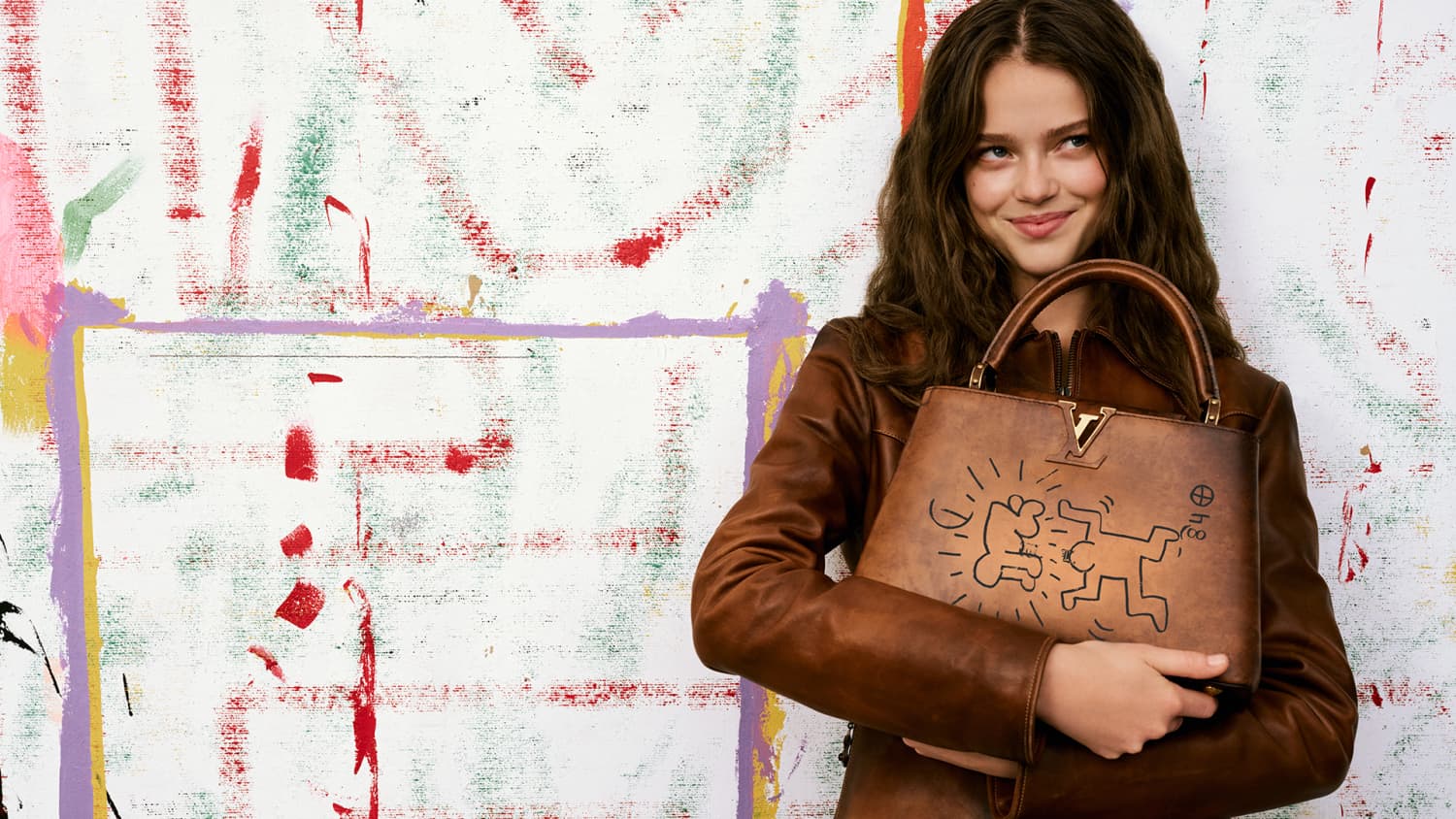
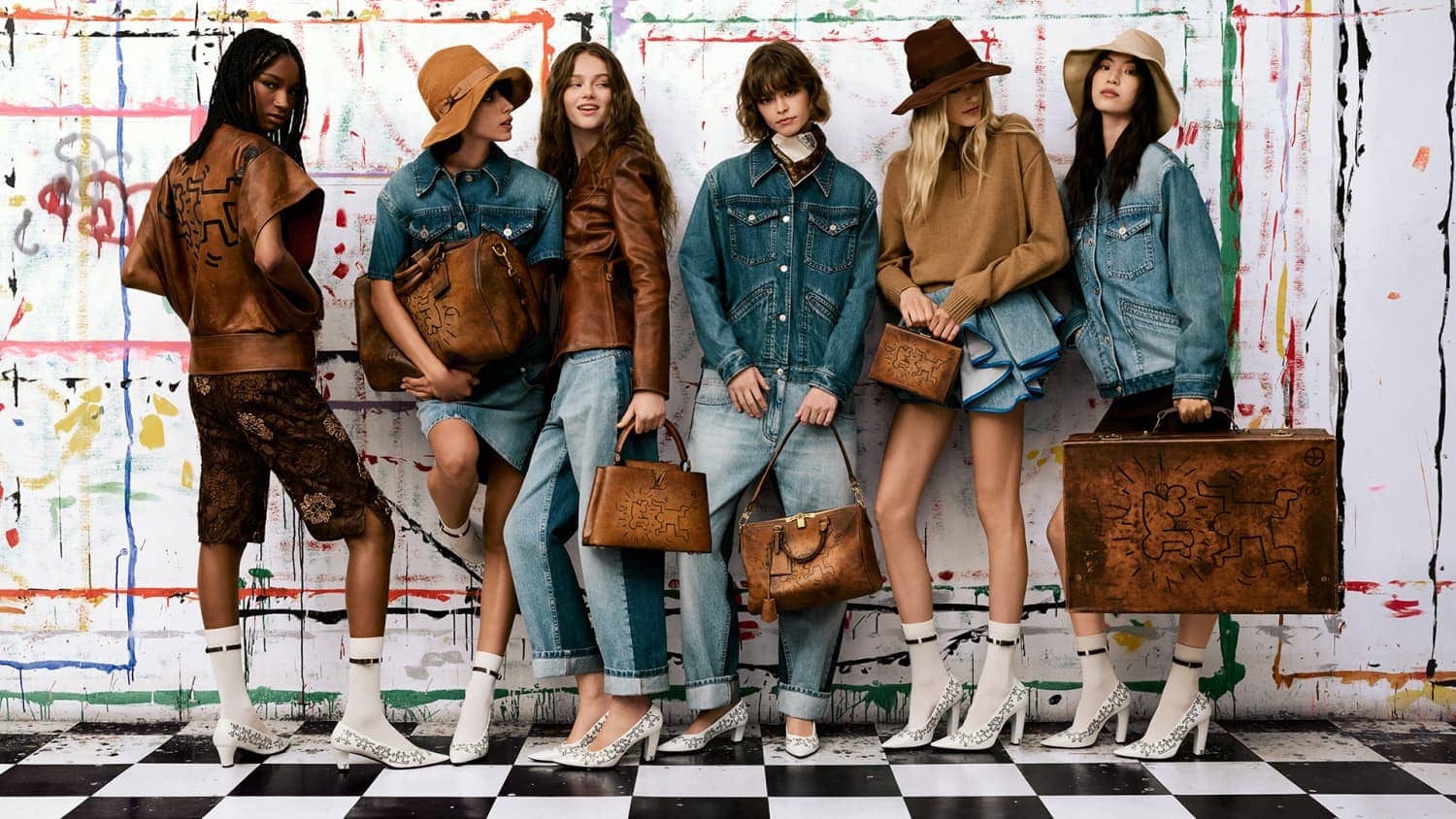
The historical connection gives the project an especially compelling foundation. During preparations for the Cruise 2027 presentation, an extraordinary 1930s Louis Vuitton suitcase hand-painted by Haring in 1984 came to light, revealing an unexpected meeting between the artist and the Maison decades before the current collaboration. That discovery adds a layer of authenticity to the partnership, moving it beyond the familiar luxury formula of placing an artist’s signature imagery onto established products. Genesis develops this connection through patina-effect calfskin, archival-inspired gallery labels, and the radiant baby motif, extending across historic bag shapes, Monogram travel pieces, sculptural leather jackets, knitwear, silk accessories, and even a skateboard.
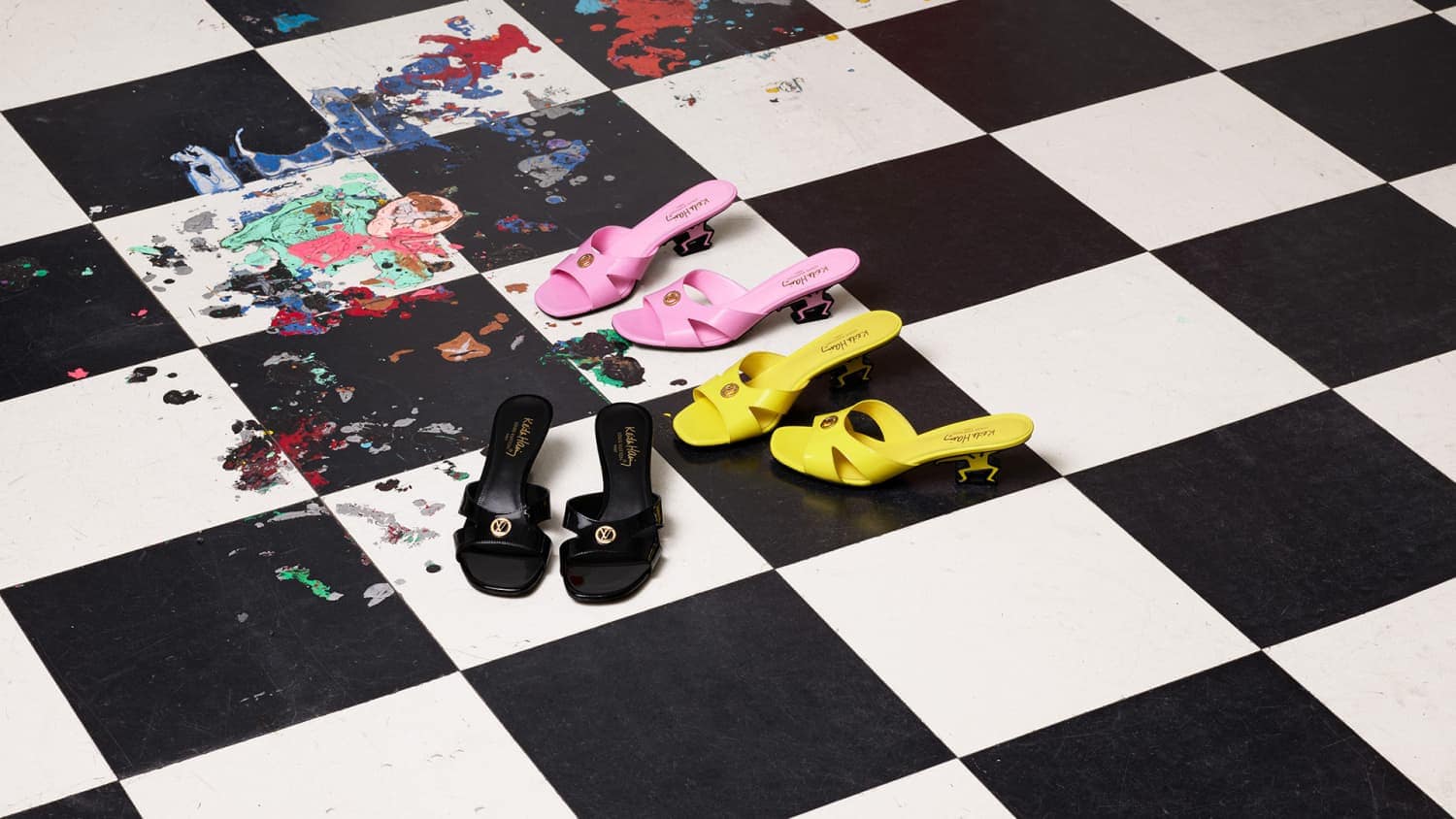
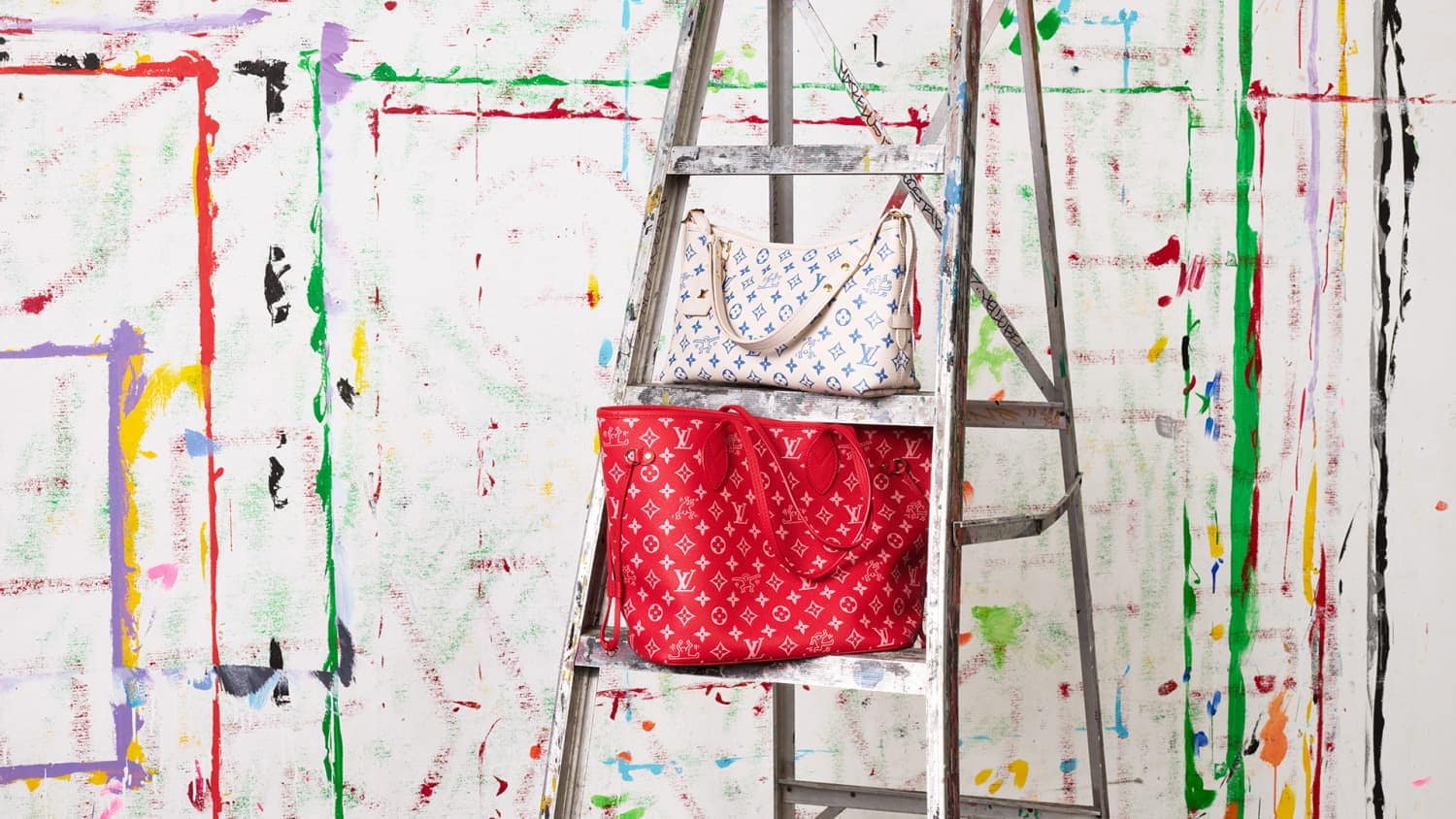
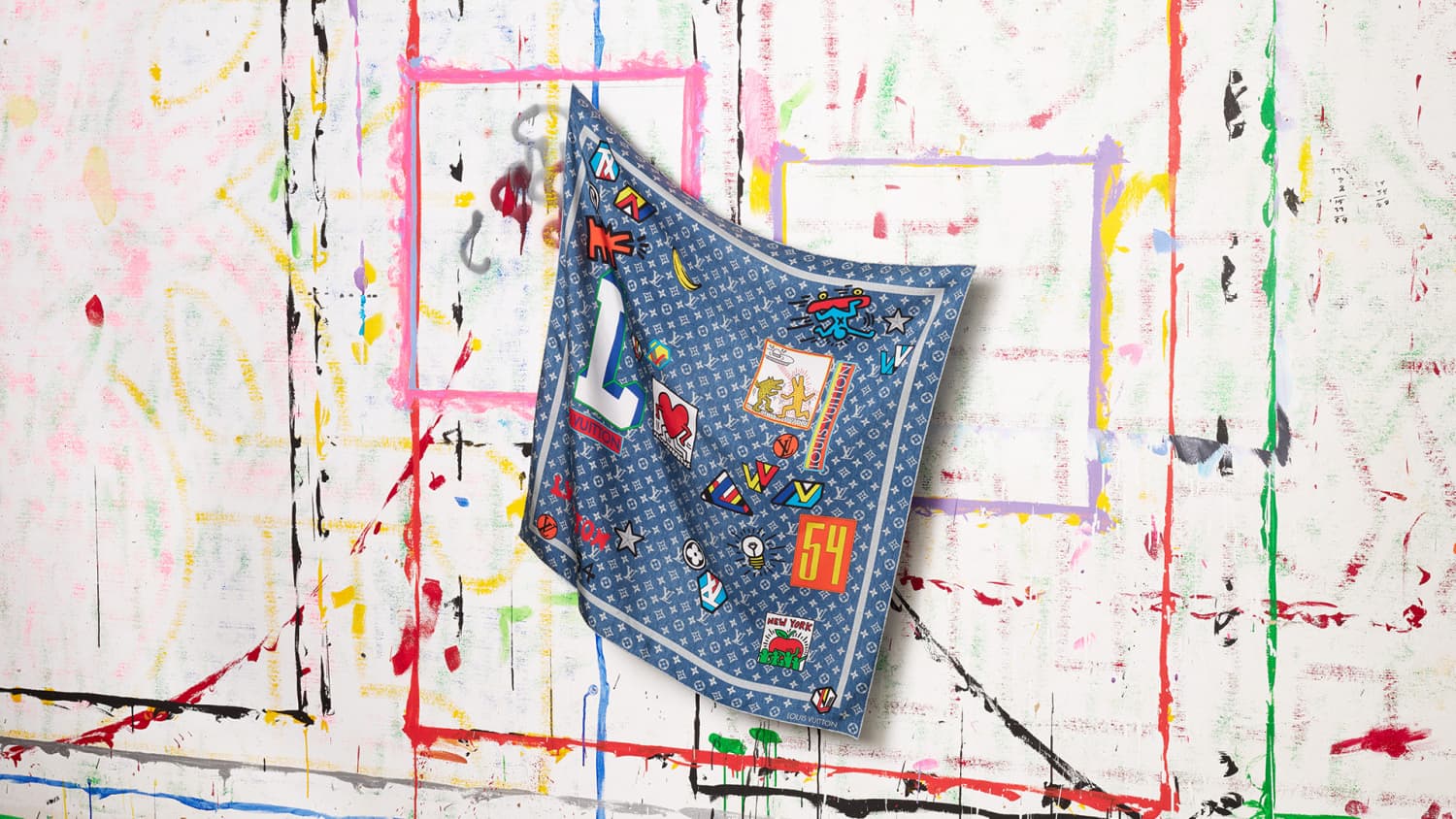
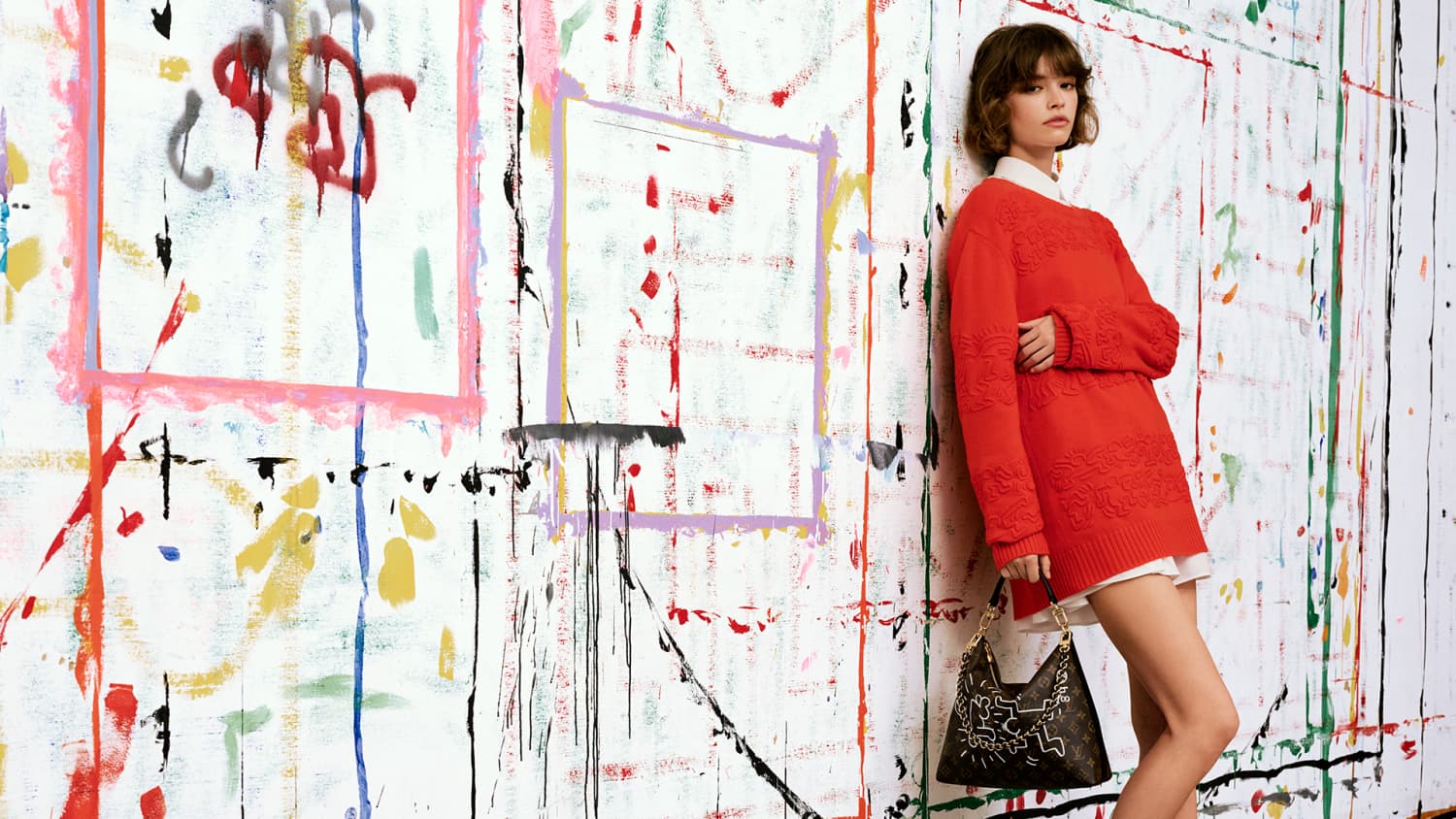
The remaining capsules explore different dimensions of Haring’s practice. Brazil draws from a composition associated with the final chapter of his life and travels, using interlocking shapes and vibrant colors across City Bags, hard-sided luggage, and silk accessories. Particularly effective are the moments when the graphics recede to reveal the Monogram beneath, allowing the two visual identities to coexist rather than compete for attention. Figures takes a more direct approach, bringing the artist’s dancing characters, running heart, and electric yellow figures to bags, trunks, silk carrés, footwear, and knitwear. Patches references Haring’s own customized denim, translating his habit of personalizing everyday clothing into Monogram jacquard denim accessories and trompe-l’œil knitwear. Maze completes the collection with intricate embroidered compositions across bags and dresses, where dense networks of lines and saturated colors create a more immersive interpretation of his work.
The collection’s greatest strength lies in the compatibility of Haring’s visual identity with Louis Vuitton’s long-standing relationship with artistic collaboration. His work was created to be accessible, immediate, and encountered beyond the traditional confines of galleries, making its translation into functional objects particularly appropriate. There is also an interesting tension at play: Haring’s democratic approach to art meets a luxury house whose products are defined by exclusivity and exceptional craftsmanship. That contrast gives the collaboration something more substantial to consider than visual novelty alone. The challenge, naturally, is ensuring that the artist’s social and cultural spirit remains present when his imagery enters an environment built around desirability and collectibility.
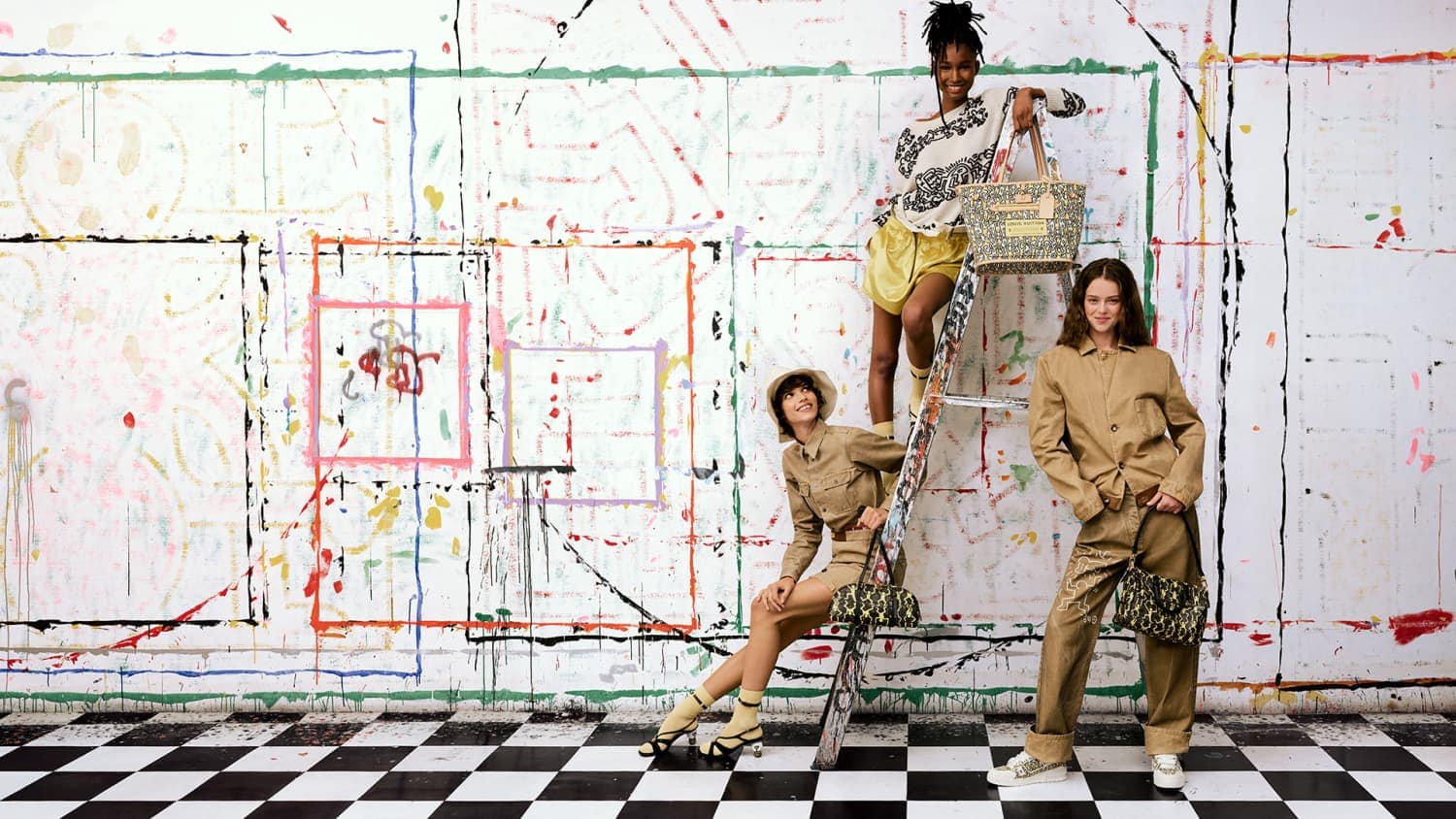
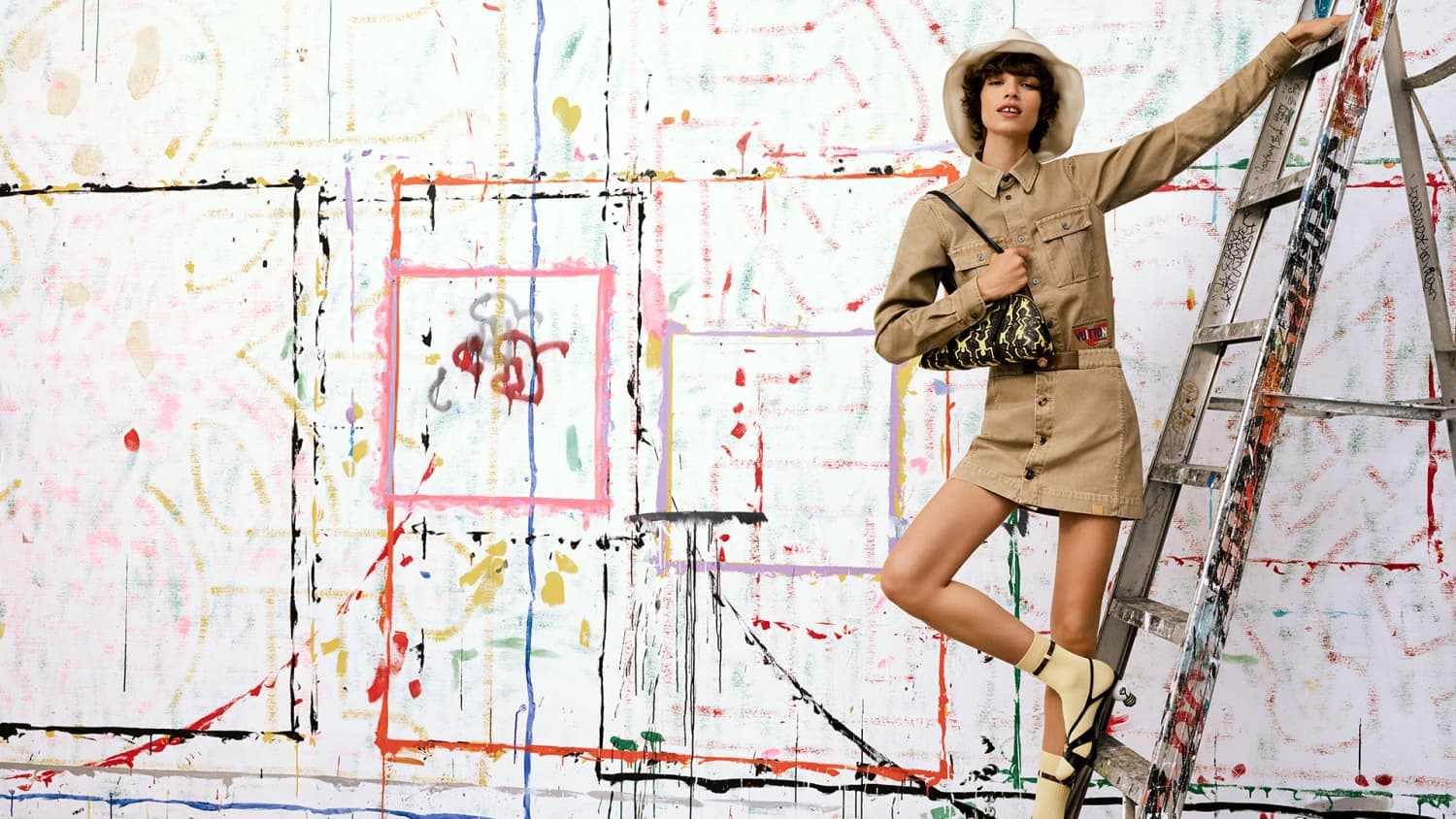
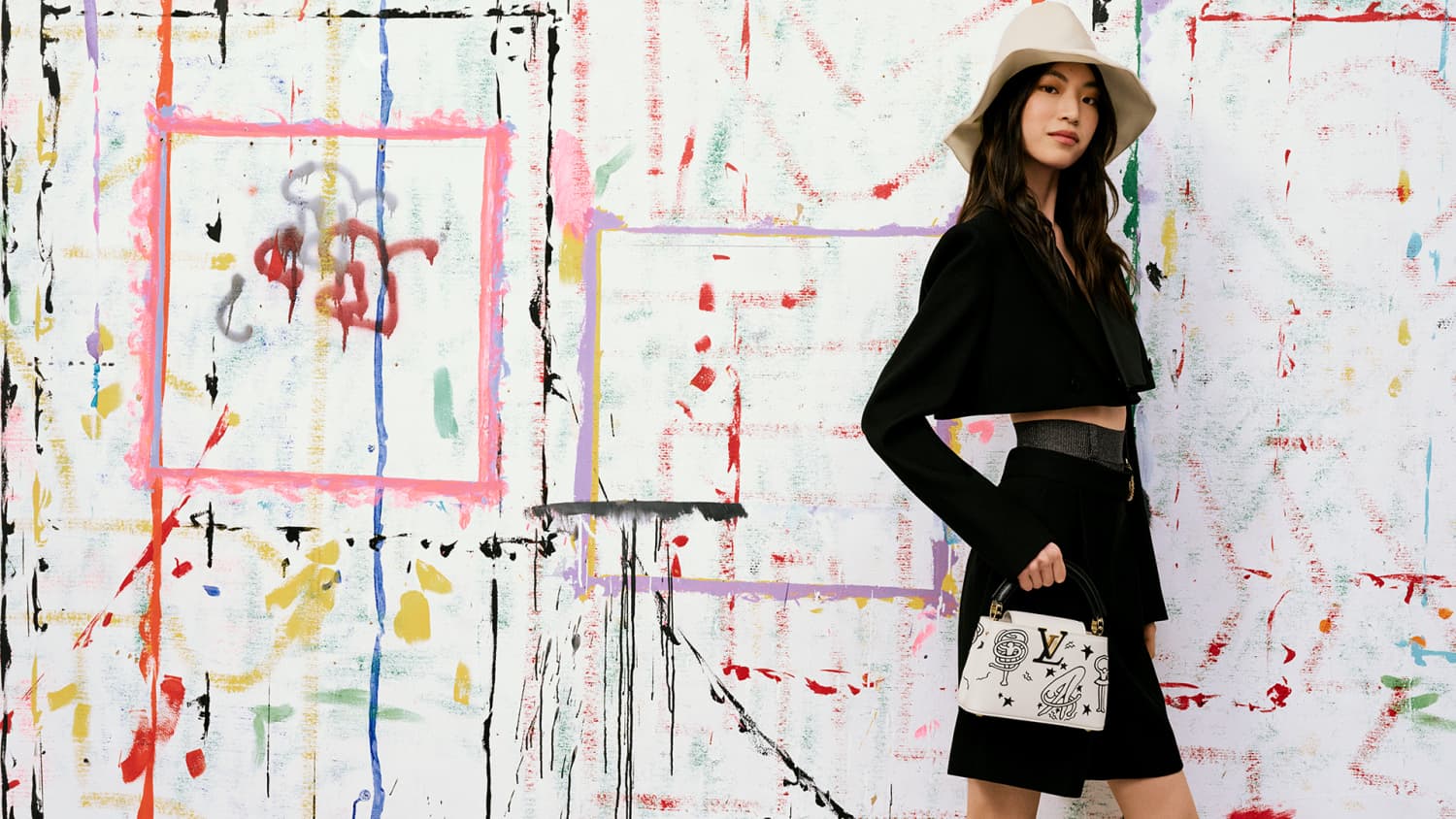
The thirteen limited-edition creations in The Keith Haring Artycapucines Collection provide a further opportunity for Louis Vuitton to demonstrate its technical capabilities. The Capucines, already positioned as one of the House’s more elevated expressions of leather craftsmanship, becomes a canvas for more elaborate interpretations of Haring’s work. While the limited-edition format reinforces the collectible appeal, it also raises an interesting question about the relationship between accessibility and exclusivity that runs throughout the collaboration. Haring’s imagery belongs to a visual culture intended to be shared, and its most successful translations are likely to be those that preserve that sense of spontaneity rather than allowing technique to overshadow expression.
Ultimately, Louis Vuitton finds more than a recognizable artistic signature in Keith Haring. It finds an artist whose belief in the everyday power of creativity aligns naturally with the House’s ability to transform functional objects into lasting cultural artifacts. The strongest pieces are those that allow both identities to speak without either losing its character. Haring once encouraged people to take art beyond conventional boundaries; Louis Vuitton, fittingly, is making sure it travels well.