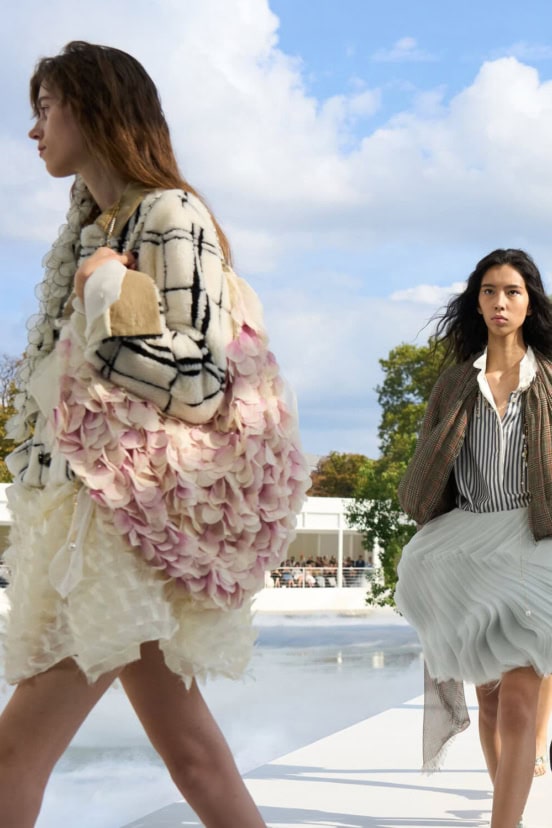
A New Dior Takes Root
Review of Christian Dior Spring 2027 Fashion Show
By Mackenzie Richard Zuckerman
THE IMPRESSION TAKE
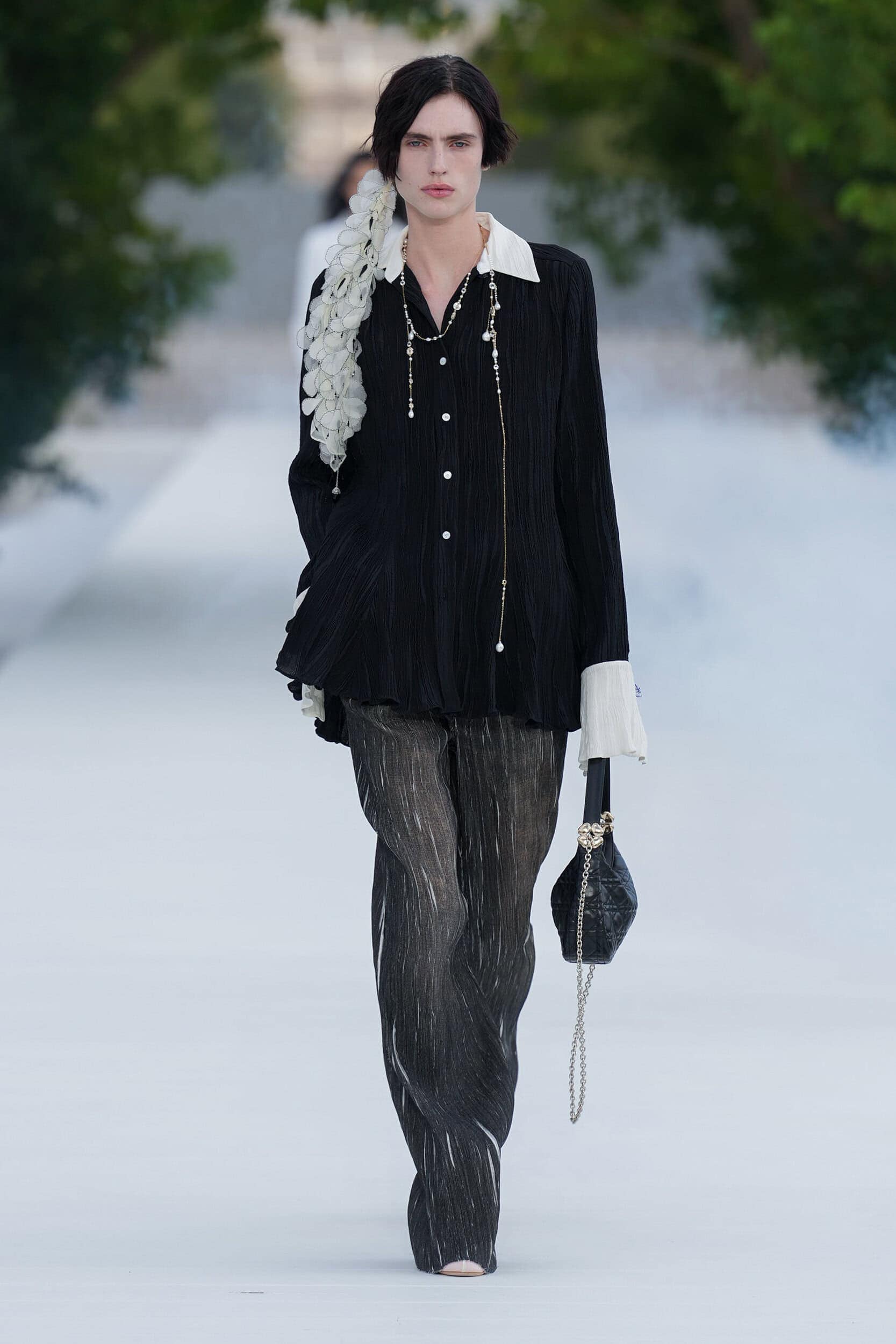
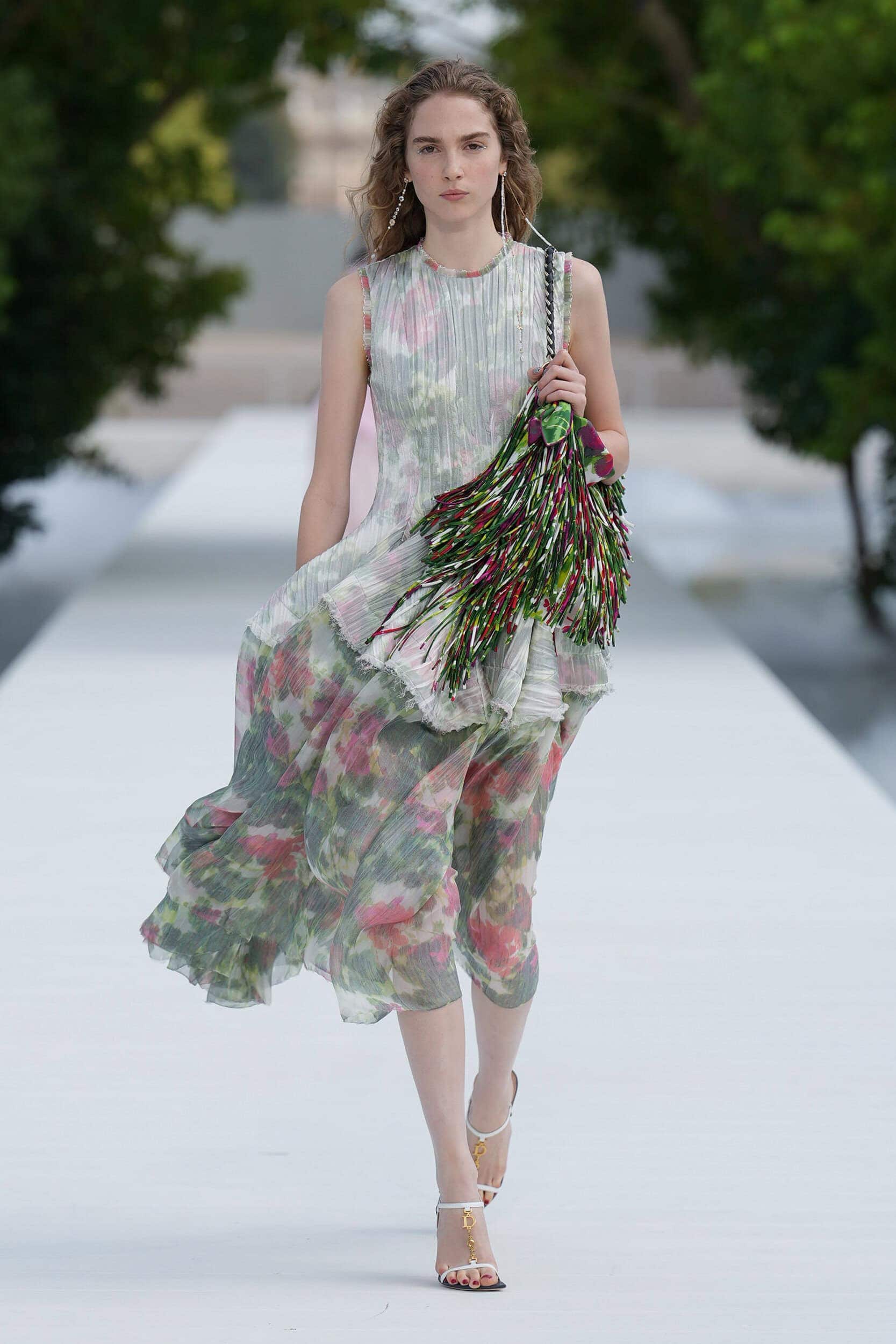
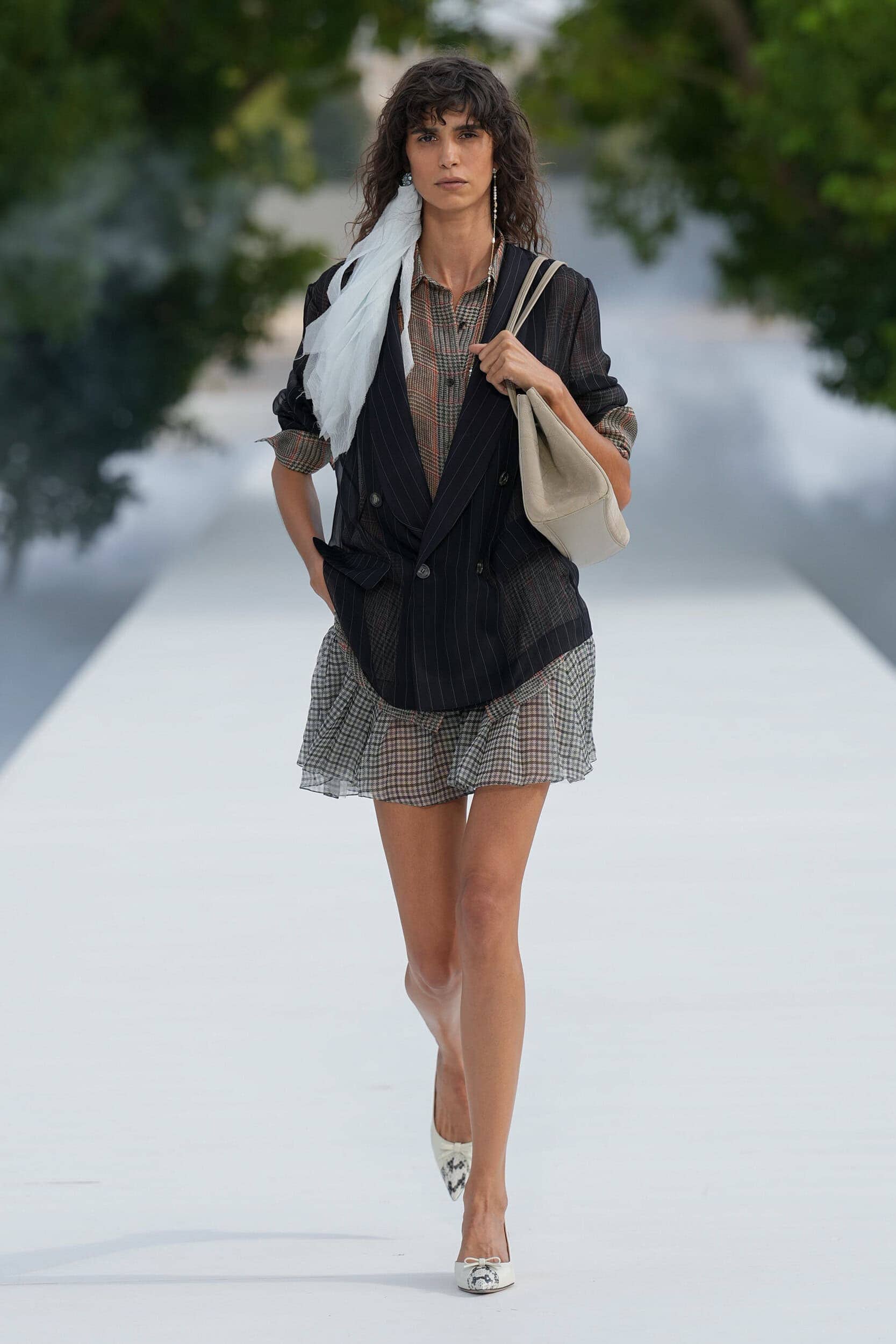
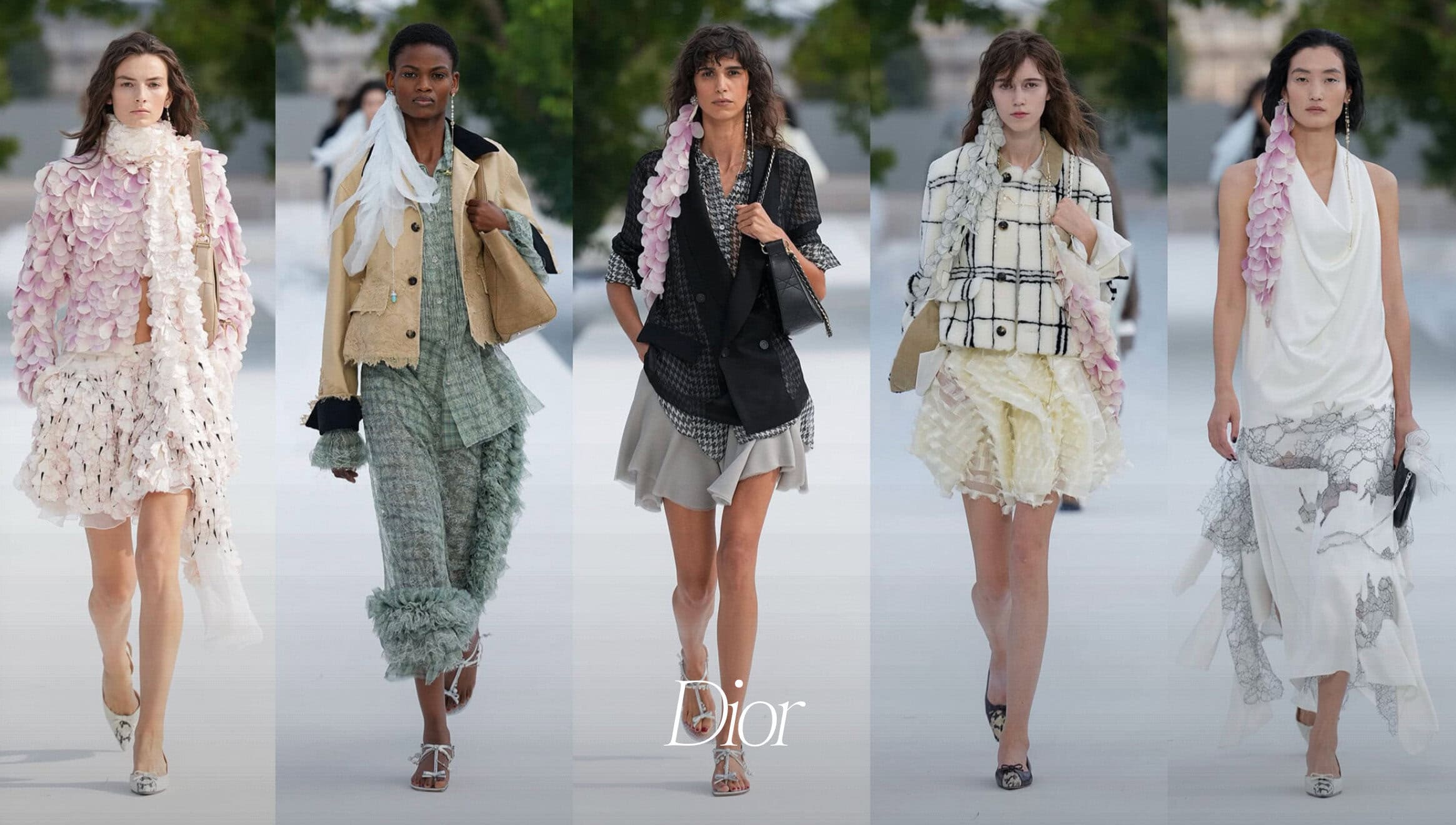
Jonathan Anderson’s Spring 2027 collection for Dior continued to clarify his emerging language at the house through delicate layering, artisanal surfaces, youthful proportions, and a deliberate embrace of imperfection. Rather than resetting Dior through a single defining silhouette, Anderson treated the house as something to be cultivated slowly — allowing craft, touch, and irregularity to give its history new life.
Creative Director: Jonathan Anderson
House: Christian Dior
Collection: Spring/Summer 2027
Presented: Paris Fashion Week
Reviewed by: Mackenzie Richard Zuckerman
The Impression Review Score: 9.5
View the Full Collection
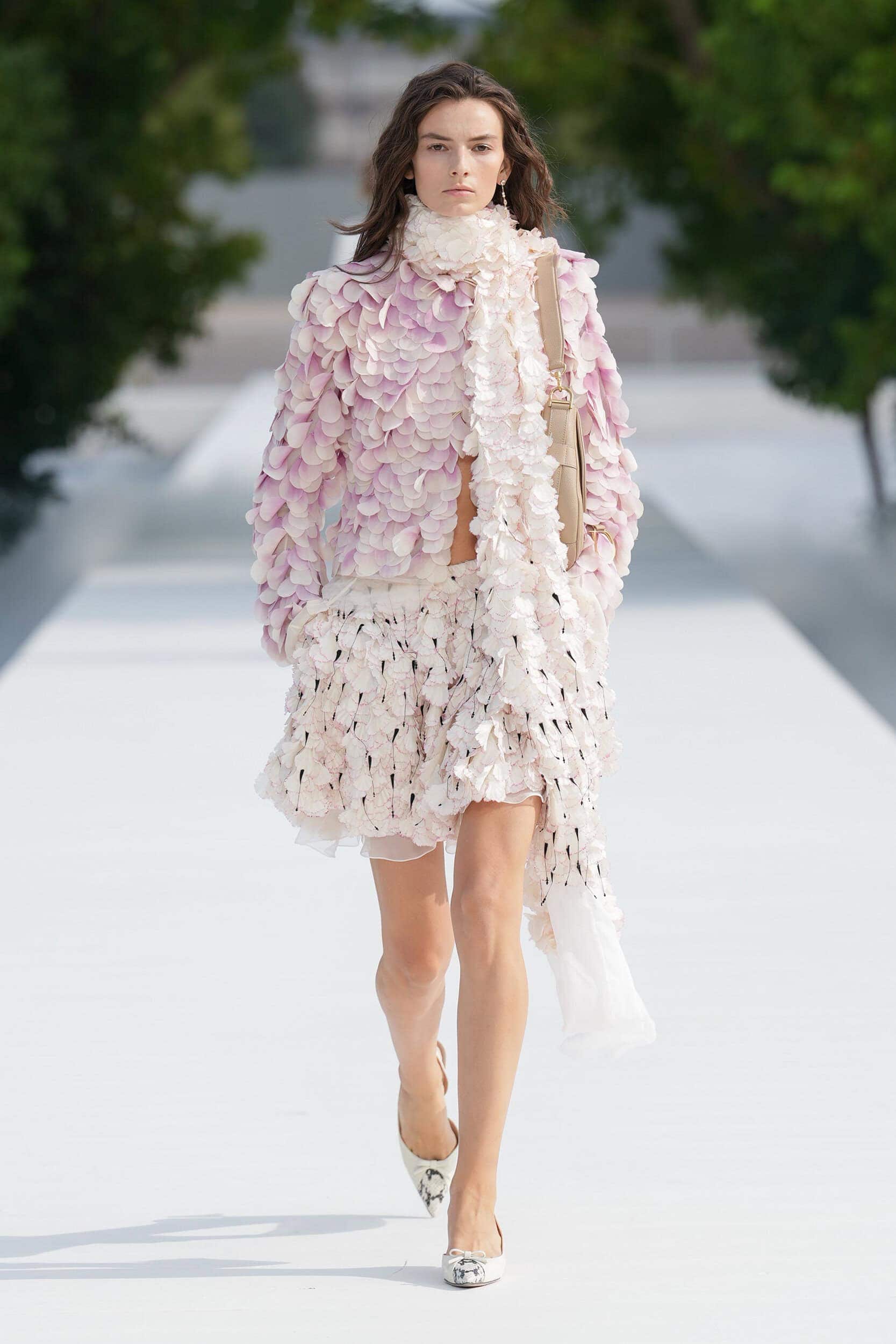
By now, Jonathan Anderson’s Dior is no longer simply a debut proposition. A language has begun to take shape: layered, delicate, youthful, charming, artisanal, and touched with enough oddness to keep prettiness awake. For Spring 2027, Anderson continued refining that language, building on the ideas he has spent the past few seasons gradually honing at the house.
The wénwán walnuts sent as the show invitation offered a useful way into that thinking. Across the house’s materials, Dior connected them to the image of a nut holding the knowledge of the tree it will become, and to the Chinese tradition of hand-rolling wénwán walnuts until their surfaces acquire a smooth patina over time. Perfect symmetry, the house suggested, is elusive. That thought felt central to the collection. Anderson’s Dior is not interested in perfection as something fixed or untouched. It is interested in what becomes precious through touch, time, irregularity, and care.
The setting made the idea feel literal without becoming heavy-handed. At Le Bassin Octogonal in the Jardin des Tuileries, a cluster of camphor trees stood enveloped in mist, installed for the show before being replanted in the gardens afterward. The gesture gave the presentation a sense of continuity beyond the runway: nature as image, but also as process. Growth, patience, and cultivation became more than mood. They became a way of thinking about how Anderson is approaching Dior itself.
That is where the collection felt especially persuasive. Rather than trying to define the house through one commanding silhouette or a dramatic reset, Anderson continued to build a Dior world through accumulation: soft color, delicate layers, crafted surfaces, youthful proportions, historical echoes, and small moments of strangeness. The result was charming, but not slight. Its sweetness was grounded by material intelligence. Its playfulness was supported by craft. And its prettiness felt most compelling when it allowed imperfection, asymmetry, and the evidence of the hand to remain visible.
THE COLLECTION
THE VIBE
Cultivated Asymmetry, Artisanal Lightness, & A Living Dior
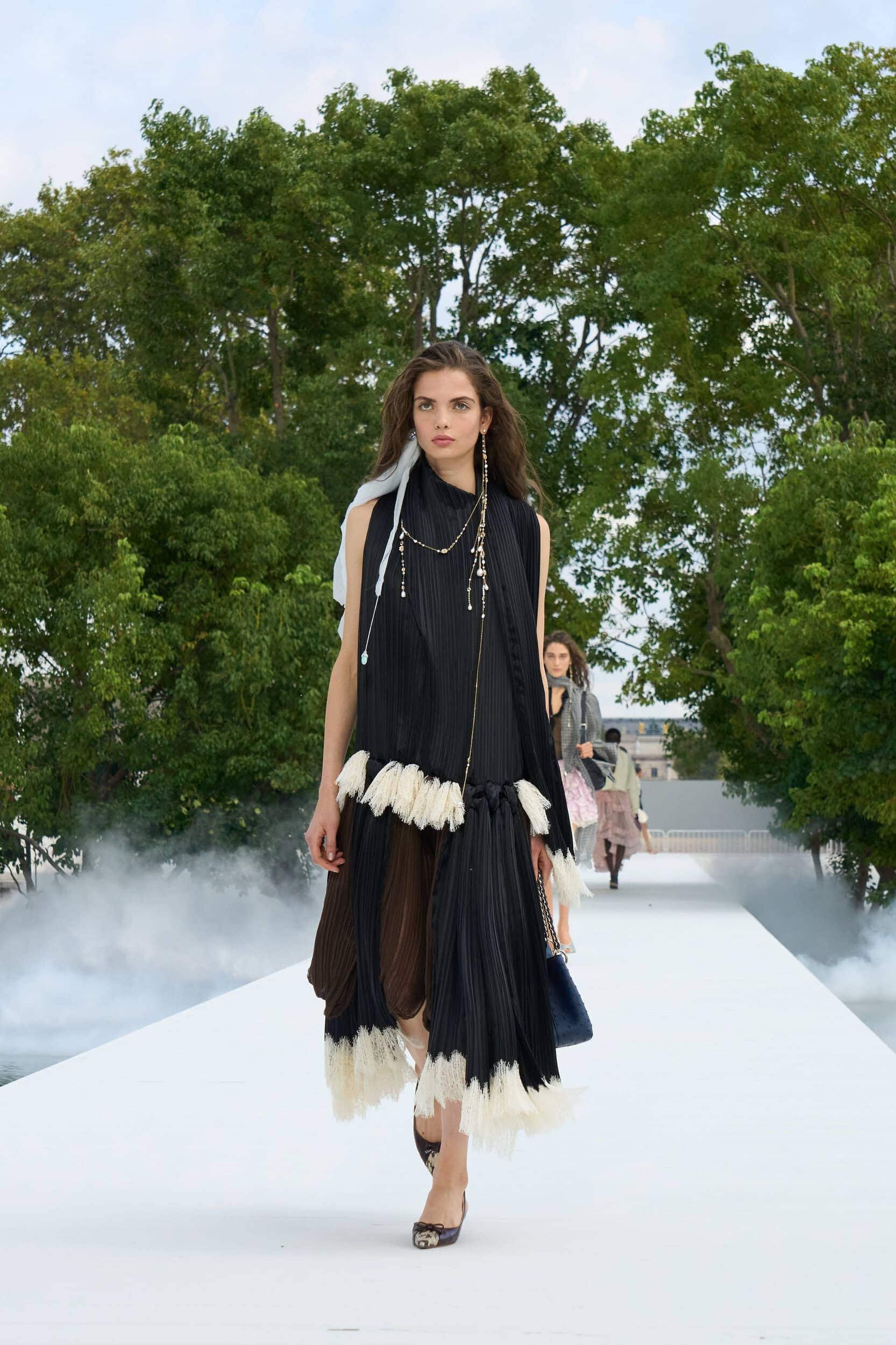
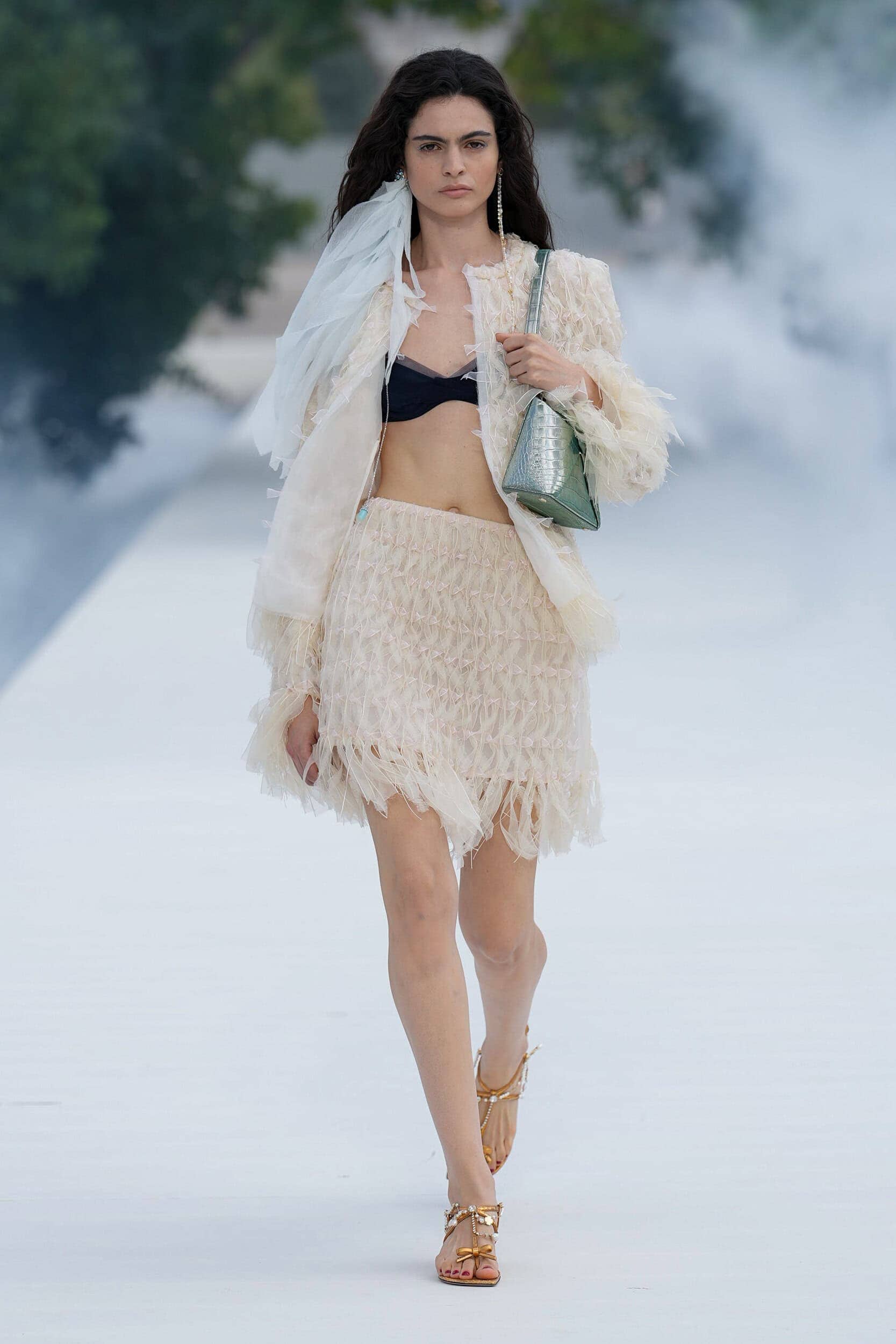
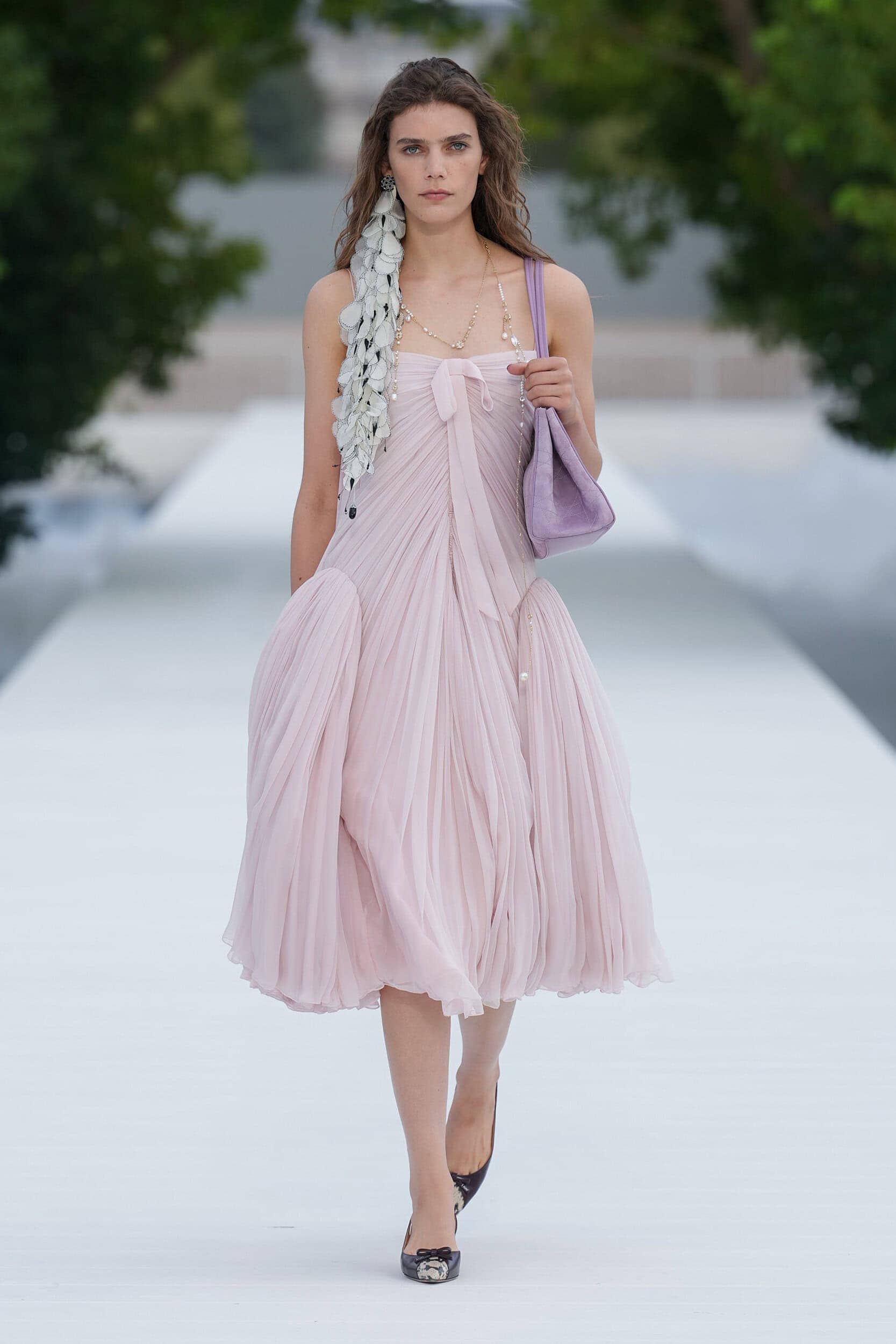
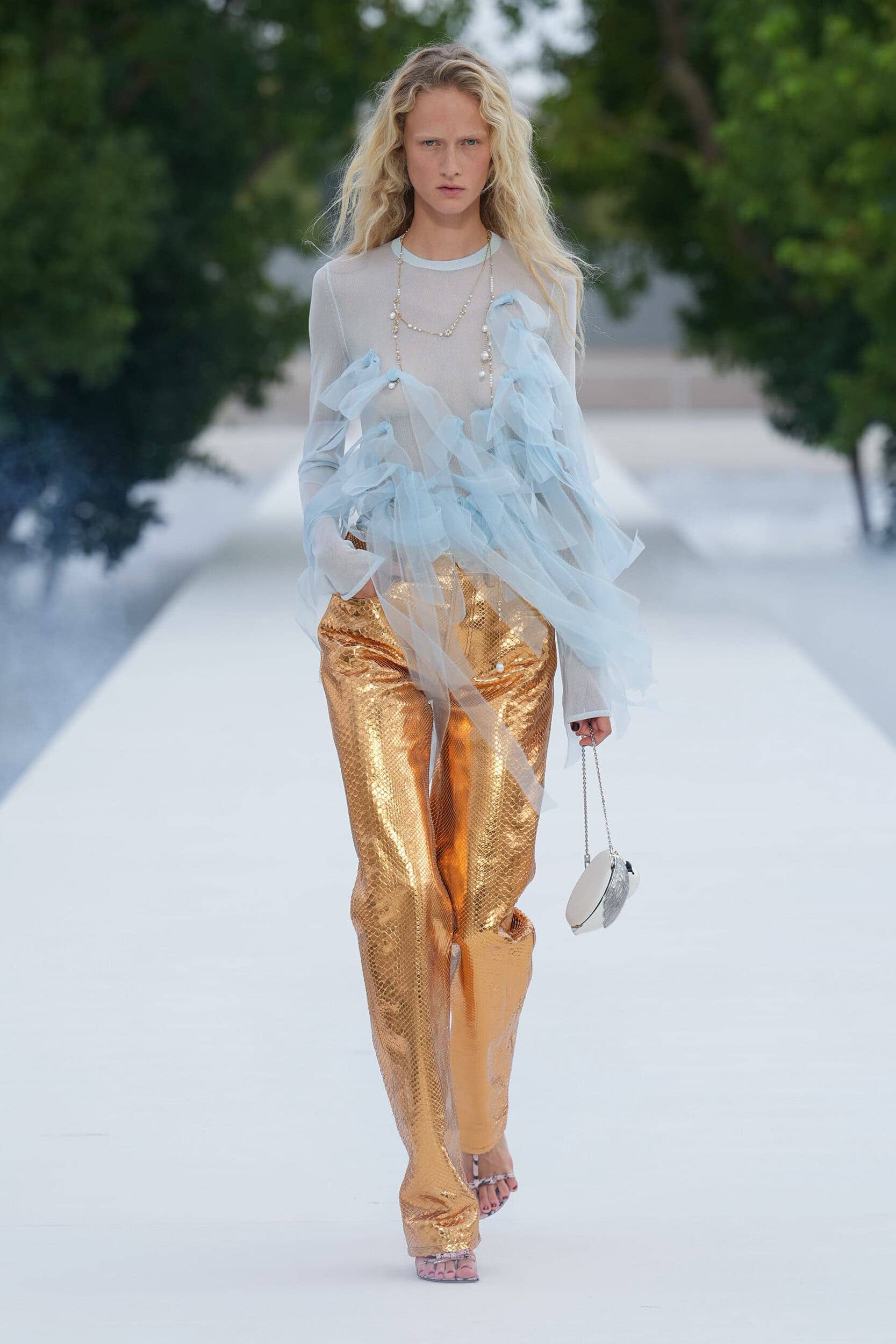
What stood out most was the collection’s material intelligence. Anderson has always understood the emotional charge of things that appear slightly handled, altered, or found, and here that instinct met Dior’s atelier tradition in a particularly graceful way. Craft did not feel like an ornamental afterthought. It was the substance of the collection: the reason the softness held, the reason the charm did not collapse into sweetness, and the reason the younger energy still felt worthy of the house.
The soft color palette was a major strength. Rather than announcing itself through force, the collection worked through atmosphere: pale shades, gentle contrasts, and tones that gave the clothes an almost weathered tenderness. That restraint allowed the surfaces to come forward. Layers could be read more clearly. Delicate construction had room to breathe. The prettiness felt touched by time rather than sealed in perfection.
This is where the wénwán walnut reference became more than a show-note idea. The collection seemed interested in the beauty that comes through repetition, pressure, and handling. Surfaces mattered. So did irregularity. Anderson’s Dior is not chasing pristine symmetry; it is beginning to find value in the slightly uneven, the lovingly worked, the object or garment made precious because someone has spent time with it.
That approach also clarified what he is adding to the Dior lexicon. His Dior is layered, but not heavy; delicate, but not fragile; charming, but not naive. There is youth here, but also a serious relationship to craft. There is playfulness, but also an edge that keeps the clothes from becoming too polite. He is not simply making Dior younger. He is making it feel more curious.
The best moments were those where the collection’s prettiness carried evidence of intelligence: a proportion slightly unsettled, a layer placed with apparent ease but real precision, a crafted surface that suggested both handwork and feeling. Anderson’s gift is making these gestures appear spontaneous when they are, in fact, highly considered. That balance between ease and rigor is becoming central to his Dior.
There remains room for the language to sharpen further. Anderson has given Dior atmosphere, character, and charm; the next step may be defining which silhouettes, objects, or gestures become unmistakably his within the house. But this collection made the direction feel persuasive. It suggested that Dior can be cultivated rather than reset, grown through touch rather than forced into a single declaration.
THE WRAP UP
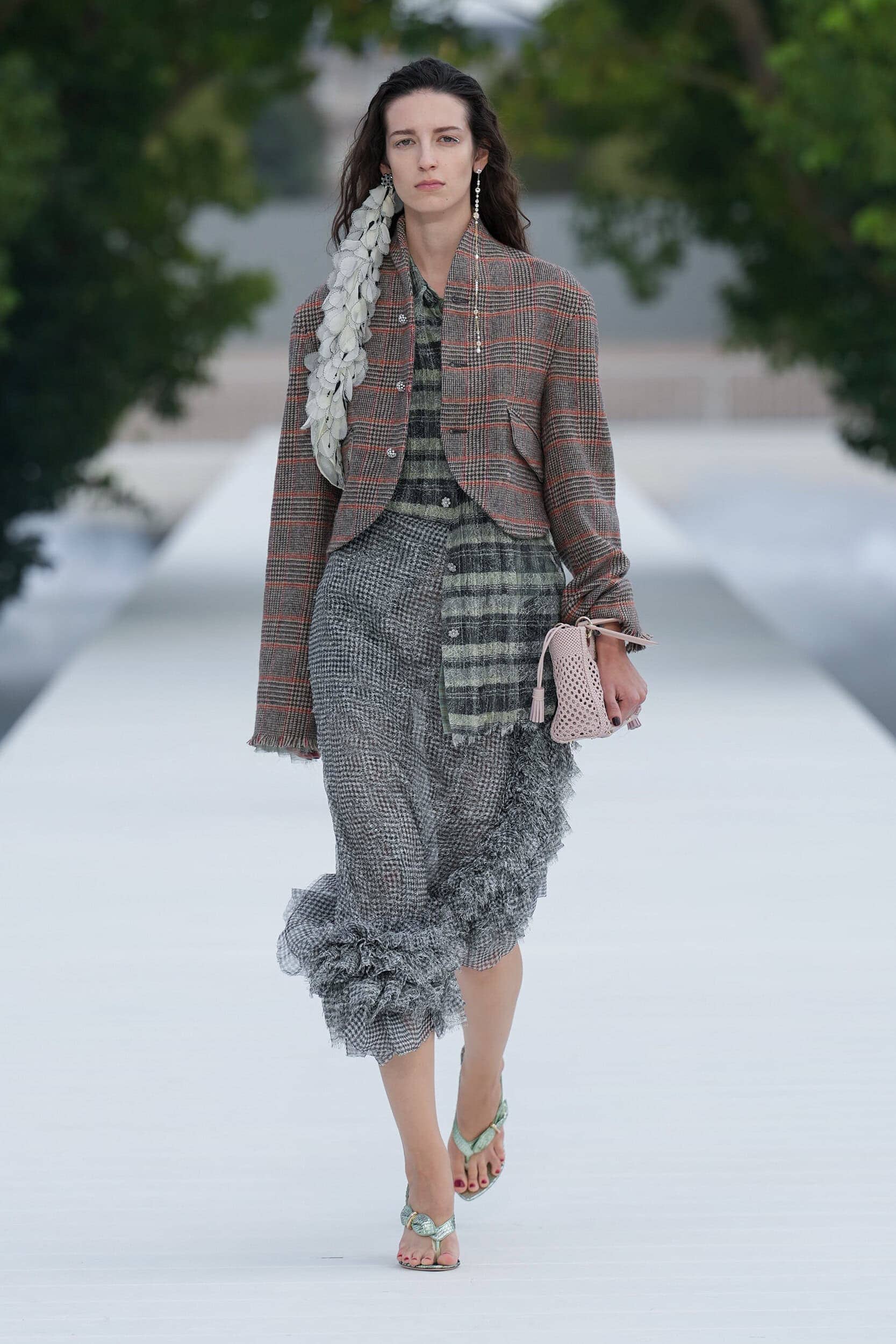
Dior Spring 2027 felt like an important clarification of Jonathan Anderson’s project at the house. The collection did not need to announce a revolution. Its confidence came from something more patient: the sense of a language being worked, refined, and gradually given patina.
The show’s strongest idea was not simply nature, but cultivation. Trees that would be replanted. Walnuts made precious through handling. A collection built from layers, surfaces, softness, and craft. Anderson seemed to be proposing Dior as something living rather than fixed, a house whose history can continue to grow in irregular and beautiful ways.
That is why the collection’s charm felt substantial. It was not charm as decoration, but charm as method: a way to make history feel young, craft feel intimate, and prettiness feel intelligent. Anderson is beginning to give Dior a world that feels unmistakably his without making the house feel severed from itself.
Perfect symmetry may be elusive, but that was precisely the point. This season found beauty in the uneven, the cultivated, the touched, and the slowly becoming. For Anderson’s Dior, that feels like fertile ground.