
The Lower East Side retailer follows demand from Asian wholesale partners into a new category, a Tokyo shop-in-shop and a third Sperry collaboration

Key Takeaways
- Colbo presented its first womenswear capsule during Paris men’s week, expanding beyond its original menswear line.
- The brand opened its first international shop-in-shop in June at Estnation in Tokyo’s Roppongi Hills, alongside Comme des Garçons and Maison Margiela.
- Colbo released its third Sperry collaboration on July 10, a summer boat shoe built from Italian jute and linen, following two prior drops in 2025.
- Co-founder Tal Silberstein said the retail flagship will stay deliberately multibrand even as the in-house collection grows into womenswear, accessories and collaborations.
- The womenswear push was driven in part by demand from Asian customers, connecting the category expansion to the brand’s growing wholesale presence in Japan.
Colbo, the New York brand born out of a Lower East Side multibrand retail and hospitality space, used Paris men’s week to introduce its first womenswear capsule, a move that extends the label beyond the menswear line it built its name on. The expansion lands alongside two other developments that, together, describe a brand scaling its footprint on several fronts at once.
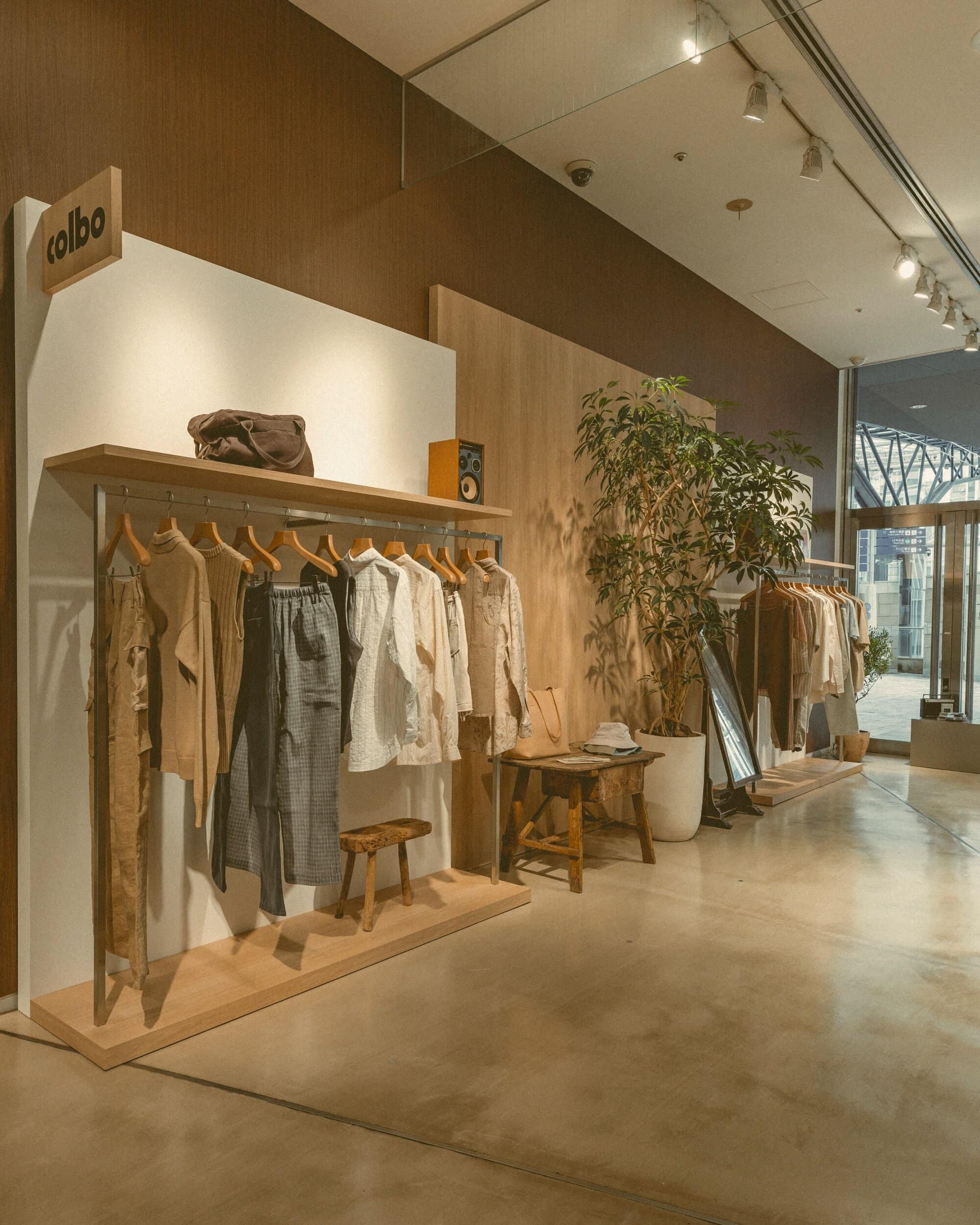
In June, Colbo opened its first international shop-in-shop at Estnation in Tokyo’s Roppongi Hills, placing the brand alongside Comme des Garçons and Maison Margiela in a market the company describes as the start of a long-term residency. The brand also released its third collaboration with Sperry on July 10, a summer boat shoe built from Italian jute and linen that follows two prior drops in 2025. Co-founder Tal Silberstein said the Lower East Side flagship will remain deliberately multibrand rather than convert into a single-label store, even as the in-house collection grows into womenswear, accessories and collaborations.
What links these moves is sequencing rather than category strategy. Colbo has said the push into womenswear was driven in part by demand from Asian customers, and that demand traces directly to the brand’s wholesale relationships in Japan, relationships that produced the Estnation placement almost immediately after. Retail demand appears to be shaping design decisions here, rather than a category plan being built first and distribution found afterward, which reframes the Sperry collaboration and the shop-in-shop as feeder channels into the brand’s growth rather than three unrelated announcements. How that sequencing holds as Colbo’s womenswear line matures will say more about the brand’s long-term structure than any single launch.