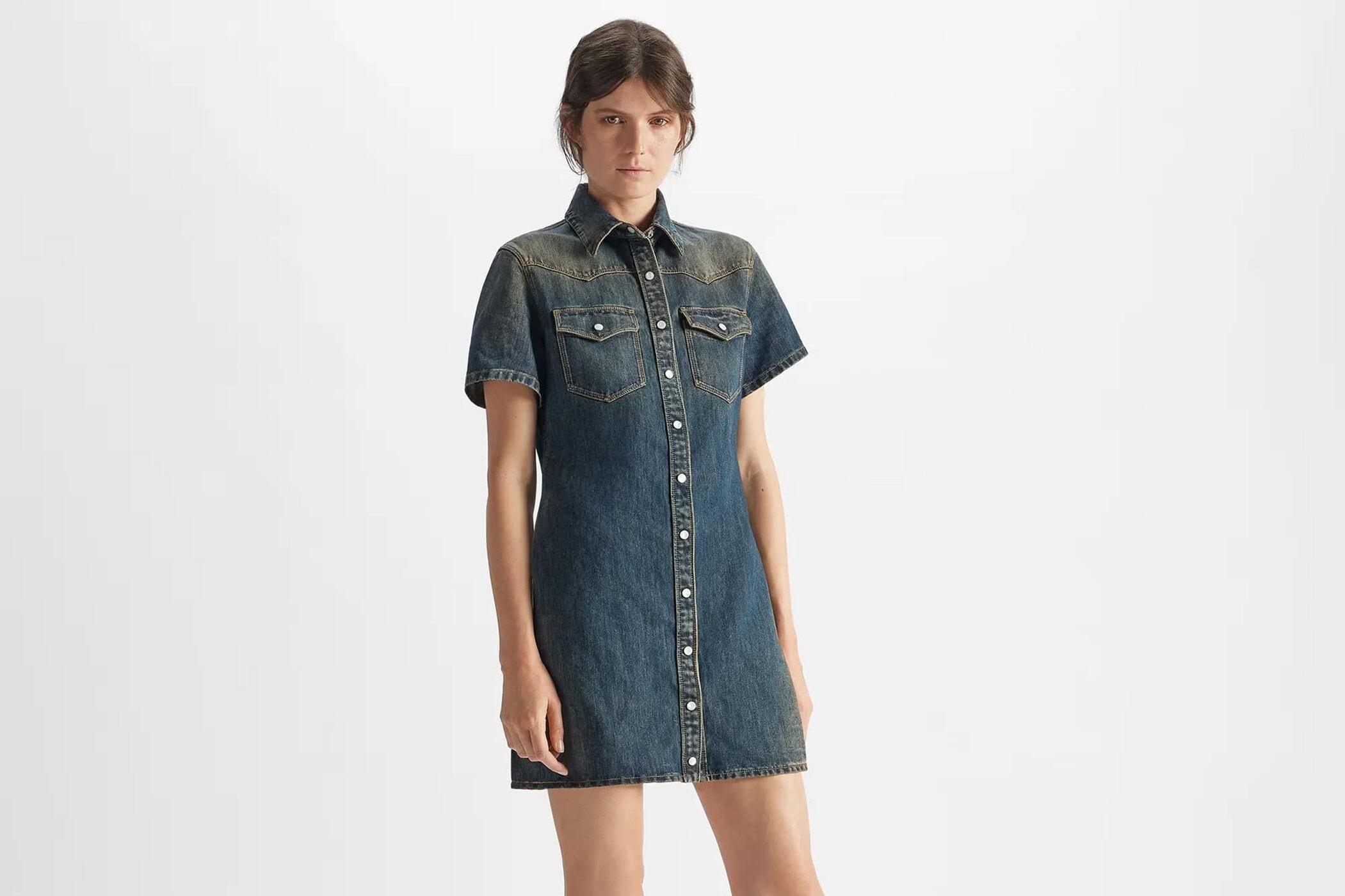
The Italian luxury house debuts a three-piece capsule crafted with Bananatex, bringing the regenerative material into its denim offering for the first time.
Fendi has introduced its first denim collection made with Bananatex, incorporating the regenerative banana fiber material into a three-piece capsule that marks the luxury house’s latest exploration of alternative textiles.
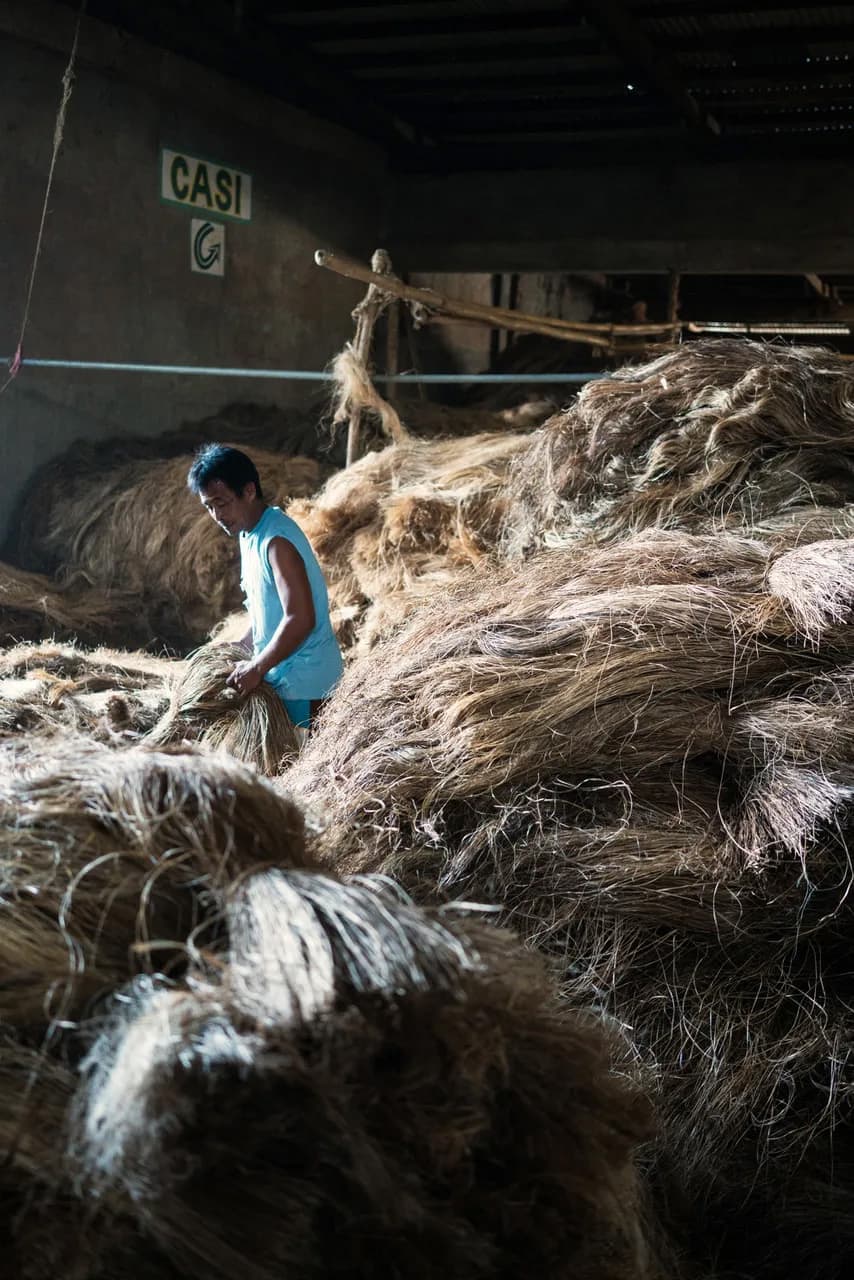
Developed with Italian mill Berto Industria Tessile, the collection uses fabric from the company’s Musa Collection, blending 55 percent organic cotton with 45 percent abacá banana fiber. The material combines traditional indigo denim construction with fibers derived from regeneratively grown abacá plants, a species cultivated primarily in the Philippines, Costa Rica, and Ecuador.
The capsule includes a unisex regular-fit jean, a Western shirt finished with mother-of-pearl buttons, and a women’s shirt dress featuring a slim silhouette and lightly flared skirt. Each piece features a vintage wash, Fendi’s signature yellow stitching, and interior labels identifying the fabric composition.
The launch also marks Fendi’s first denim collection since Maria Grazia Chiuri became chief creative officer last fall, introducing a new material direction alongside the brand’s established craftsmanship. On its website, Fendi describes the project as an exploration of regenerative cultivation, responsible dyeing, and advanced weaving techniques brought together through traditional denim construction.
For Bananatex, the collaboration represents another step in expanding the material’s presence within luxury fashion. Originally developed by Zurich-based company QWSTION, the textile has previously appeared in collaborations with brands including Balenciaga, Stella McCartney, and COS. According to co-founder and chief executive officer Hannes Schoenegger, its adoption by Fendi further broadens the material’s integration into premium fashion.
Bananatex is produced from abacá, a banana plant whose fibers are harvested by hand and grown within regenerative agroforestry systems. Beyond its durability, the fiber has attracted attention for requiring no irrigation beyond rainfall while supporting biodiversity and smallholder farming communities.
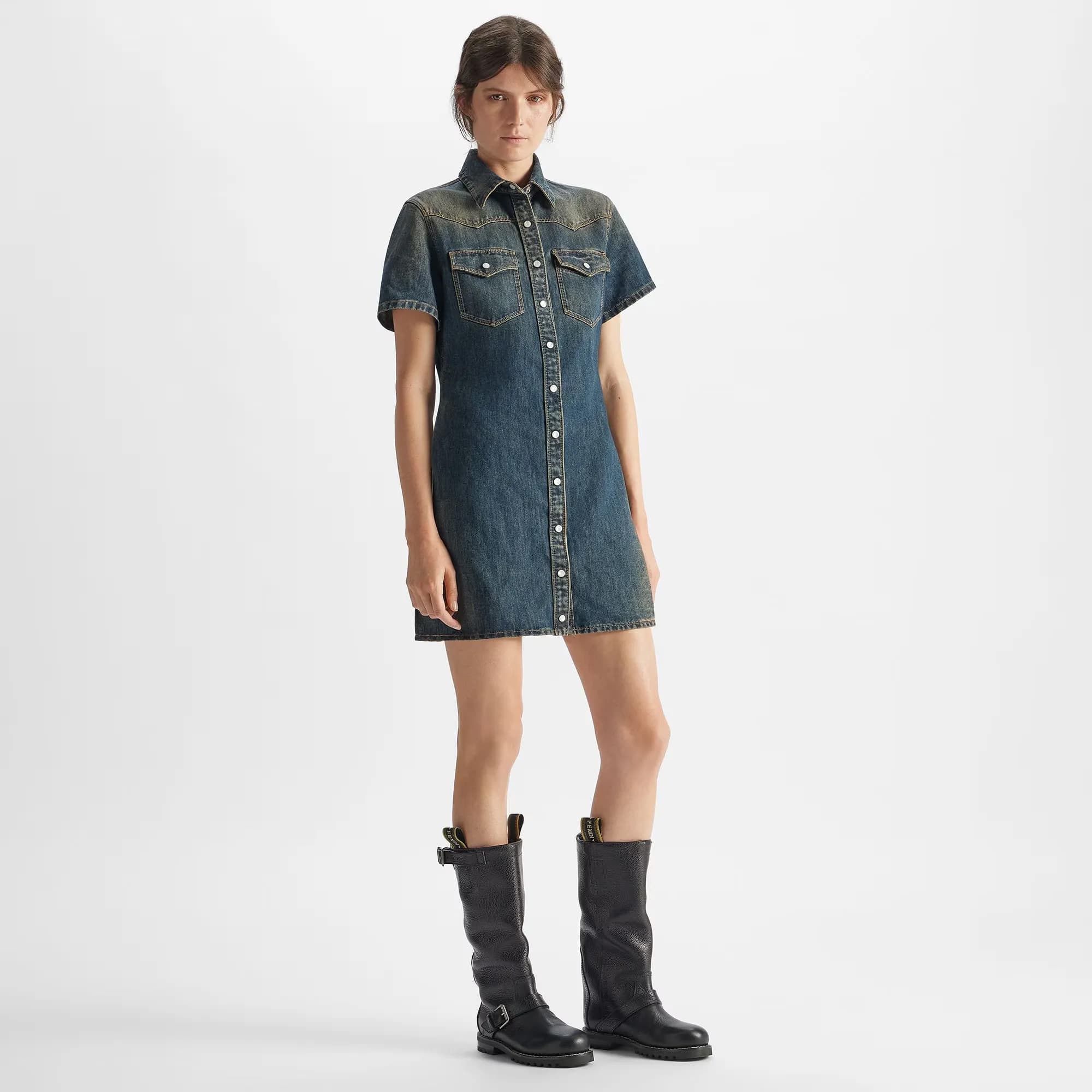
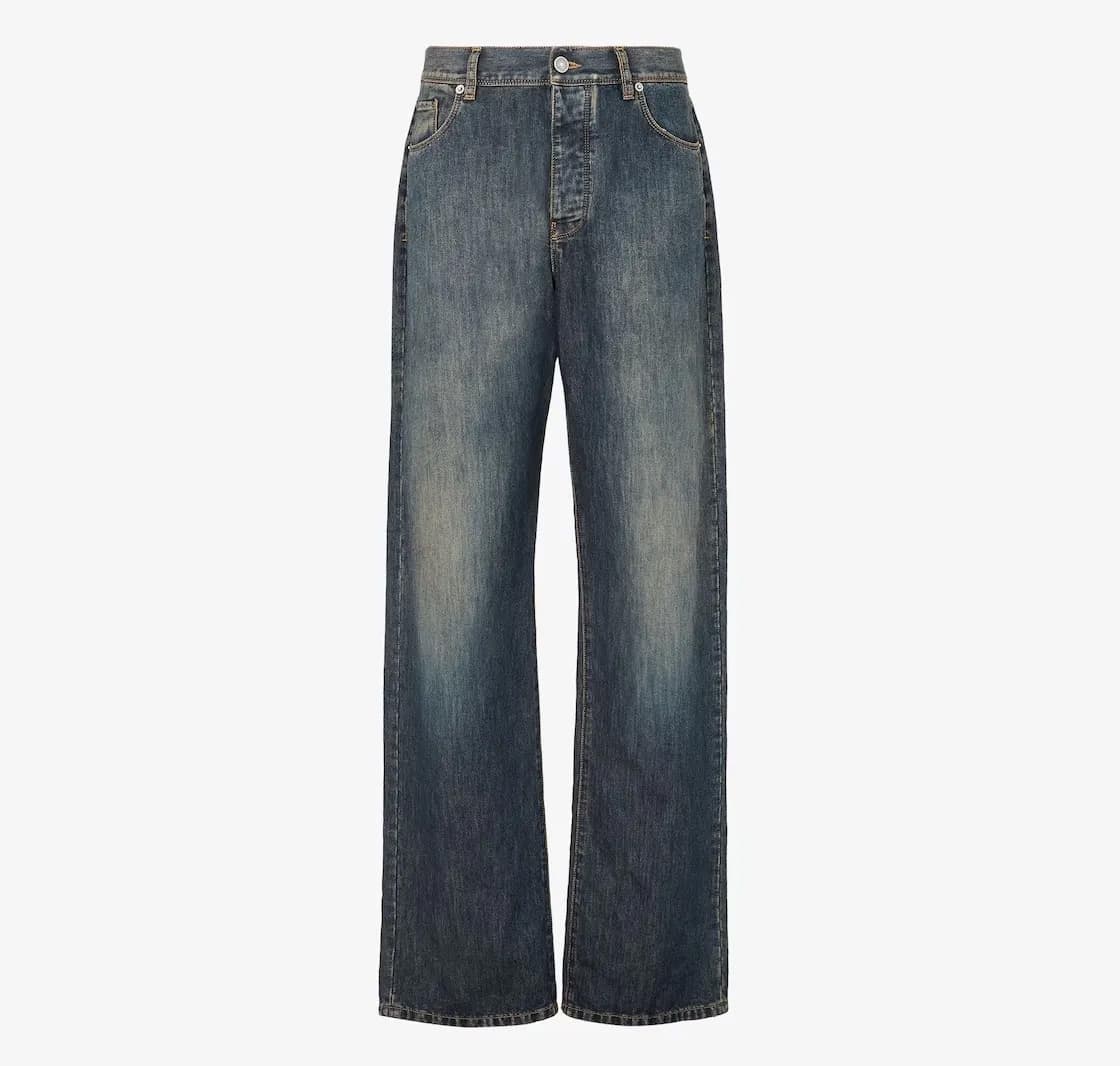
For Berto Industria Tessile, the project also demonstrates how next-generation fibers can be adapted to premium denim without sacrificing performance or craftsmanship. Working with Bananatex since 2024, the Italian mill developed constructions that preserve the depth of indigo, durability, and structure expected from luxury denim while highlighting the material’s distinct characteristics.
Rather than introducing a new silhouette or design language, the collection centers on material innovation. By integrating banana fiber into one of fashion’s most established fabrics, Fendi expands its textile library while exploring how emerging natural materials can be incorporated into luxury ready-to-wear.