The investment comes as the British retailer continues expanding its portfolio across the fashion sector.
Frasers Group has acquired a 4.2 percent stake in Burberry, according to a regulatory filing that disclosed the retailer had accumulated put options over 15 million shares in the British luxury house.
The investment marks Frasers’ latest move in the fashion sector. Last month, the group made a takeover proposal for Hugo Boss, where it already owns a 26 percent stake, continuing a strategy that has seen it build positions across a range of retail and luxury businesses.
While Frasers did not disclose the purpose of its investment in Burberry, the filing comes shortly after the luxury brand reported improved first-quarter results. Revenue increased 5 percent to £455 million, driven by demand across categories including trench coats, scarves, handbags, womenswear, menswear, accessories, and childrenswear. Comparable retail sales also rose 5 percent, marking Burberry’s fourth consecutive quarter of comparable sales growth.
Chief executive officer Josh Schulman said the results reflected continued progress under the company’s Burberry Forward strategy.
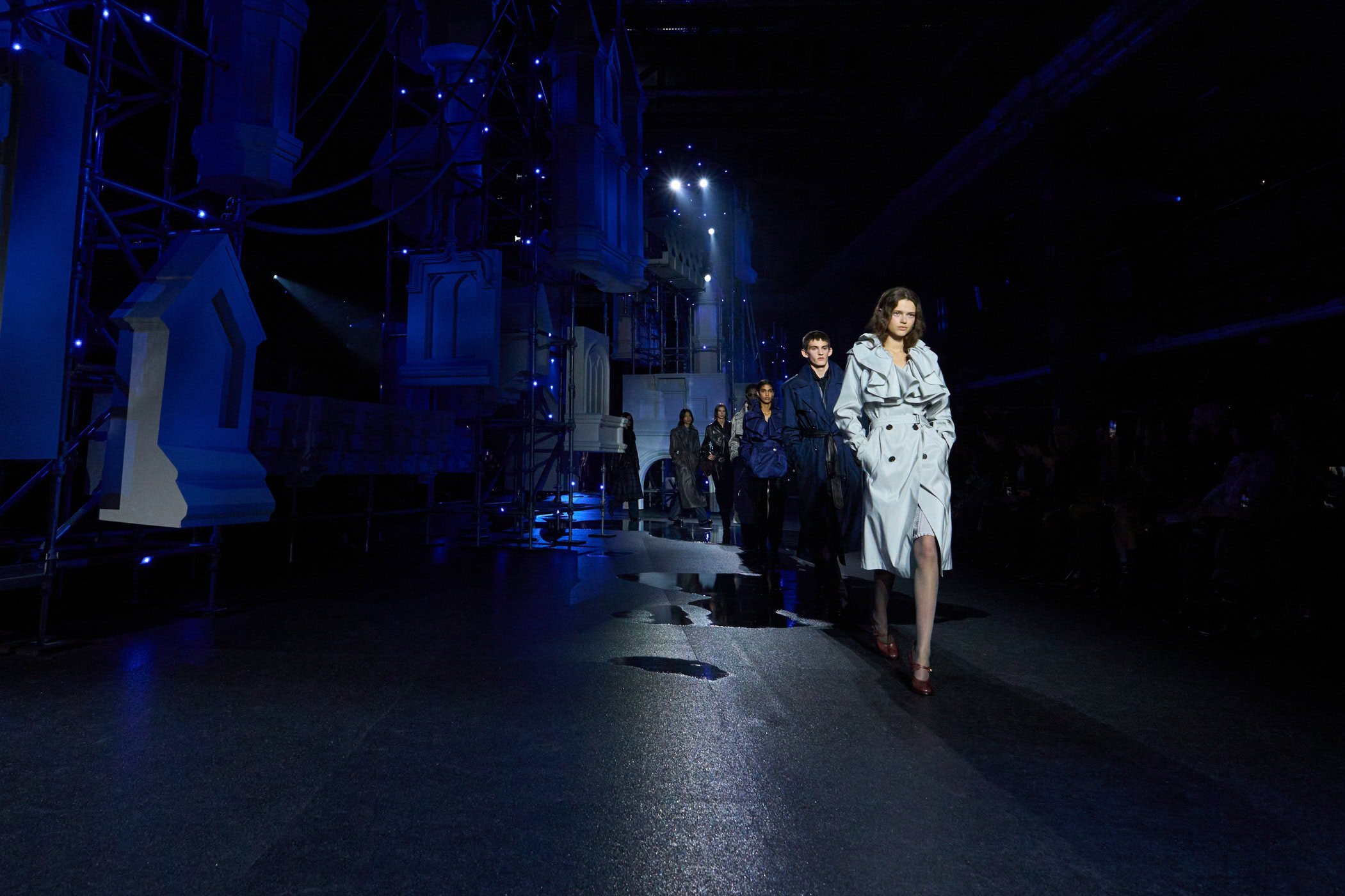
“Our strategy is working. We are attracting a broad range of luxury customers across product categories, channels and geographies,” Schulman said when announcing the quarterly results.
Led by chief executive officer Michael Murray, Frasers has expanded well beyond its origins as a sporting goods retailer. The group owns businesses including Sports Direct, Flannels, and Gieves & Hawkes, while also maintaining investments across the fashion industry.
The Burberry stake adds another major British fashion company to that portfolio, although Frasers has not announced any plans beyond the disclosed holding.
The investment comes as Burberry continues executing its turnaround strategy under Schulman, who has focused on strengthening the brand’s core product categories while improving performance across both retail and wholesale. With four consecutive quarters of comparable sales growth and renewed momentum across its product assortment, the company has shown early signs of stabilization after several challenging years.