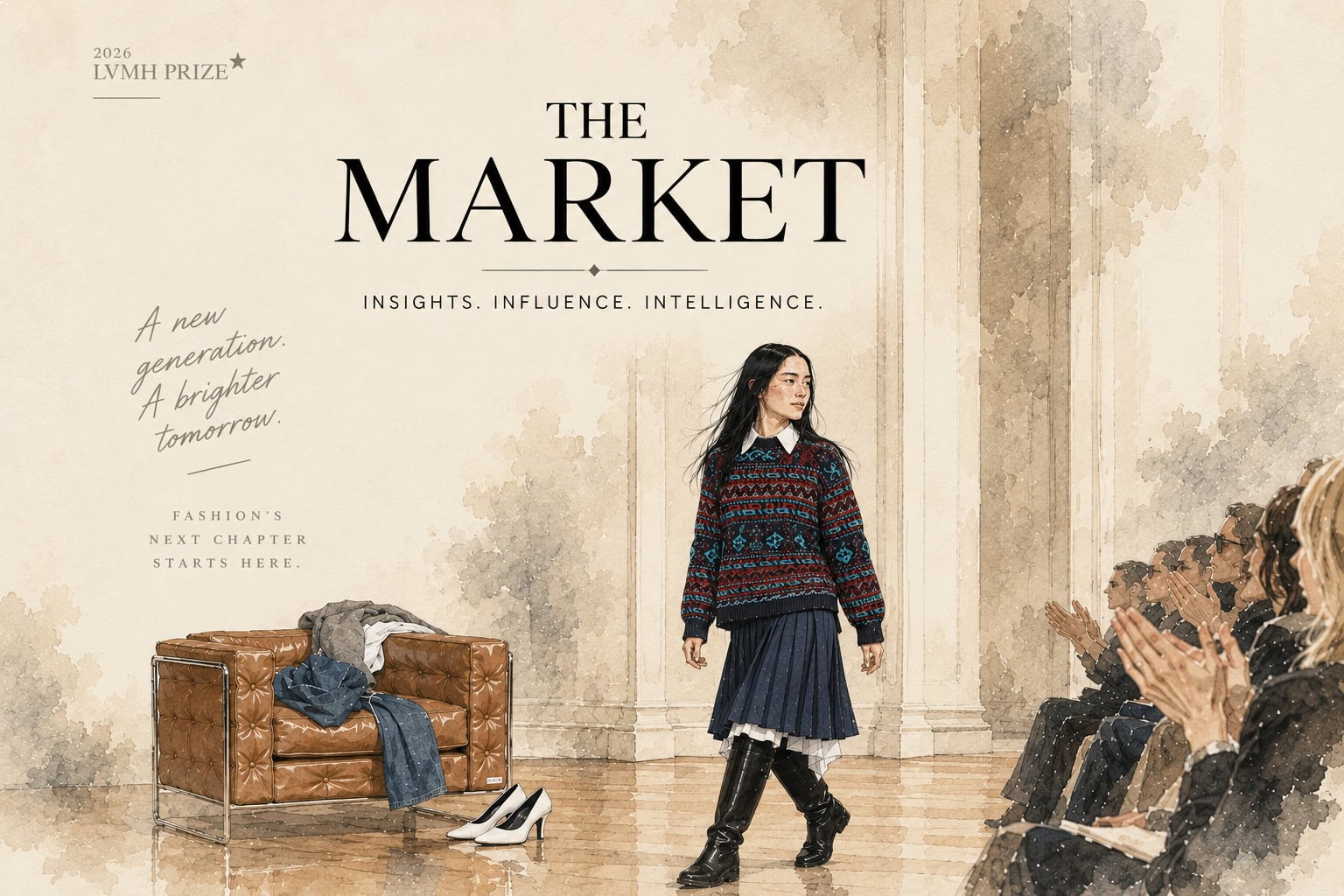
Julie Kegels’ LVMH Prize win is a reminder that fashion’s greatest act of optimism may simply be believing the future is worth creating
This week, fashion begins again.
New York opens the Spring 2027 season, and over the coming weeks thousands of people will gather in New York, London, Milan, and Paris to see what designers believe we might want to wear six months from now.
There is something wonderfully optimistic about that proposition when you stop to think about it.
The world does not feel particularly easy at the moment. There is war, political division, economic uncertainty, technological disruption, and enough anxiety arriving on our phones before breakfast to make optimism occasionally feel like an act of defiance. Fashion has its own challenges layered on top of those: difficult economics, changing consumer behavior, rising costs, pressured retailers, and an increasingly complicated path for young designers trying to turn creativity into sustainable businesses.
And yet, every season, someone begins again.
I was reminded of that Friday when Julie Kegels won the 2026 LVMH Prize for Young Fashion Designers.
I met Julie in Antwerp in June, when she was still one of the finalists. We spoke quite candidly about what it means to build an independent fashion business today. She talked about production, cash flow, retailers, growing quantities, sleepless nights, and the strange psychological exercise of spending part of your day being completely creative and another part worrying about whether everything will arrive at the factory on time.
There was very little romanticism about the difficulty of it.
What stayed with me, however, was how optimistic she remained.
Even when we spoke about artificial intelligence and the increasing automation surrounding creative industries, Julie saw possibility. As more of the world becomes polished, automated, and perfect, she wondered whether human imperfection, craft, and the evidence of someone’s hand might actually become more precious. And after describing the worries that come with building her company, she smiled at the absurd privilege underneath all of it: she gets to make her hobby her job.
Six months later, the industry has given her a rather extraordinary vote of confidence.
The €400,000 matters. The year of mentorship matters. The visibility matters enormously. But perhaps the most powerful thing an award like the LVMH Prize gives a young designer is something impossible to put neatly on a balance sheet.
It tells them: we believe you should continue.
There is enormous power in that.
Fashion is sometimes portrayed as frivolous precisely because it is concerned with what comes next. I increasingly think the opposite is true. Imagining what comes next requires believing there will be a next. Designing a collection means believing somebody will want to wear it. Opening a store means believing somebody will walk through the door. Placing an order means believing somebody will discover something they didn’t know they wanted. Starting a company may be the most optimistic gesture of all: you are essentially betting years of your life on an idea that, at the beginning, exists mostly inside your own head.
Our entire industry runs on these small acts of faith.
That is especially worth remembering as another fashion season begins.
Over the next month, we will inevitably talk about debuts, collections, sales, creative directors, front rows, reviews, scores, and who had the show of the season. We should. That’s part of what makes this industry exciting.
But somewhere in New York this week, and later in London, Milan, and Paris, there will also be a designer showing something for the first time and wondering whether anybody cares. There will be a young stylist getting an opportunity. An assistant taking on more responsibility. A buyer discovering a collection nobody else has ordered yet. An editor deciding that an unknown name deserves a story.
Those moments may ultimately matter more than we realize.
Because hope in fashion rarely arrives with a trumpet. More often, it looks like somebody opening a door for somebody else.
Julie spoke to me in Antwerp about the importance of partnership—manufacturers giving young brands a fair opportunity, retailers understanding their financial realities, media giving them visibility, and an industry recognizing that young designers cannot be expected to operate like enormous houses before they’ve had the opportunity to become sustainable businesses.
Her LVMH Prize win doesn’t make those challenges disappear. If anything, the next chapter of building her business will bring new ones.
But it gives her something every young creative person deserves at some point in their journey: the knowledge that somebody else sees what they see.
Perhaps that is something all of us can carry into this season.
We cannot solve every problem facing the world. Fashion certainly cannot. But we can decide what we encourage, whom we support, where we place our attention, and which ideas we help move forward.
We can make room for somebody.
We can place the order.
We can make the introduction.
We can tell someone their idea is worth pursuing.
And occasionally, if we’re very fortunate, we get to watch that belief turn into something much larger than any of us imagined.
Congratulations, Julie.
And to everyone beginning another season this week: keep going.
The future still needs people willing to imagine it.
Warm regards,
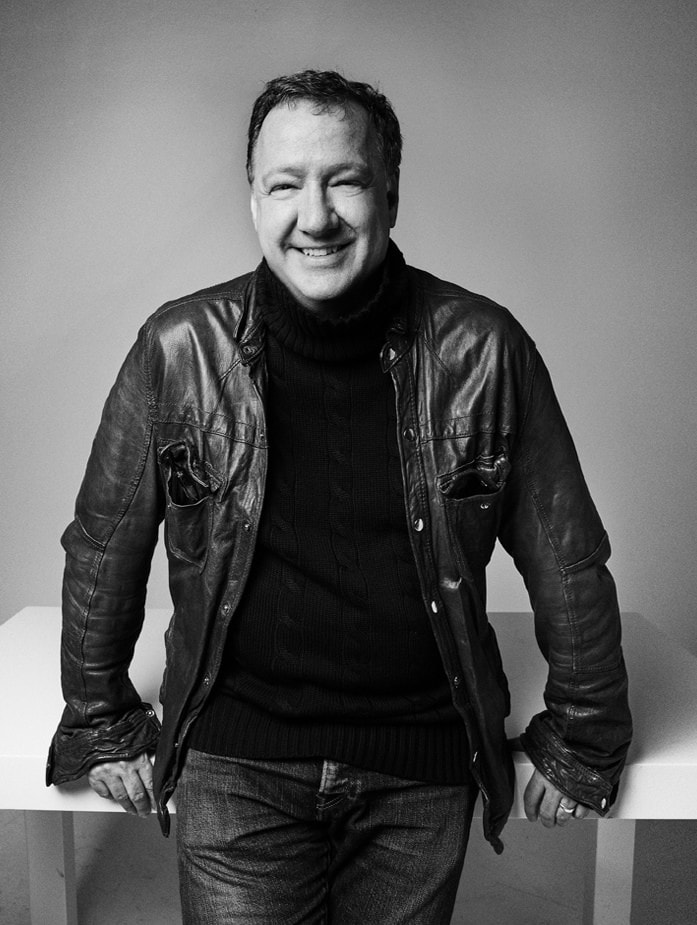
Kenneth Richard