Personal expression takes center stage as Neiman Marcus brings curated luxury into the lived-in worlds of Los Angeles tastemakers
Review of Neiman Marcus Fall 2026 Ad Campaign with Photographer Judy Pak with models Cleo Wade, Jessica de Ruiter, Stephen Galloway
Neiman Marcus’ Fall 2026 campaign, “Signature Style,” makes a persuasive case for the idea that luxury is most interesting when it becomes personal. Photographed by Judy Pak in Los Angeles, the campaign places poet Cleo Wade, interior designer Jessica de Ruiter, and movement director Stephen Galloway inside their private residences, pairing their individual aesthetics with a tightly edited selection from the retailer’s extensive brand portfolio. It is a fitting premise for a retailer whose greatest asset is not any single label, but the ability to make an abundance of choice feel considered. After all, the most personal wardrobe is rarely the one that arrived as a complete set.
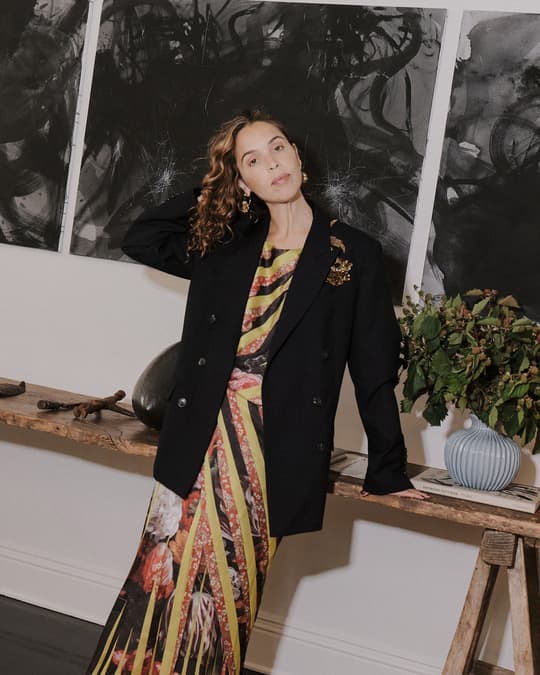
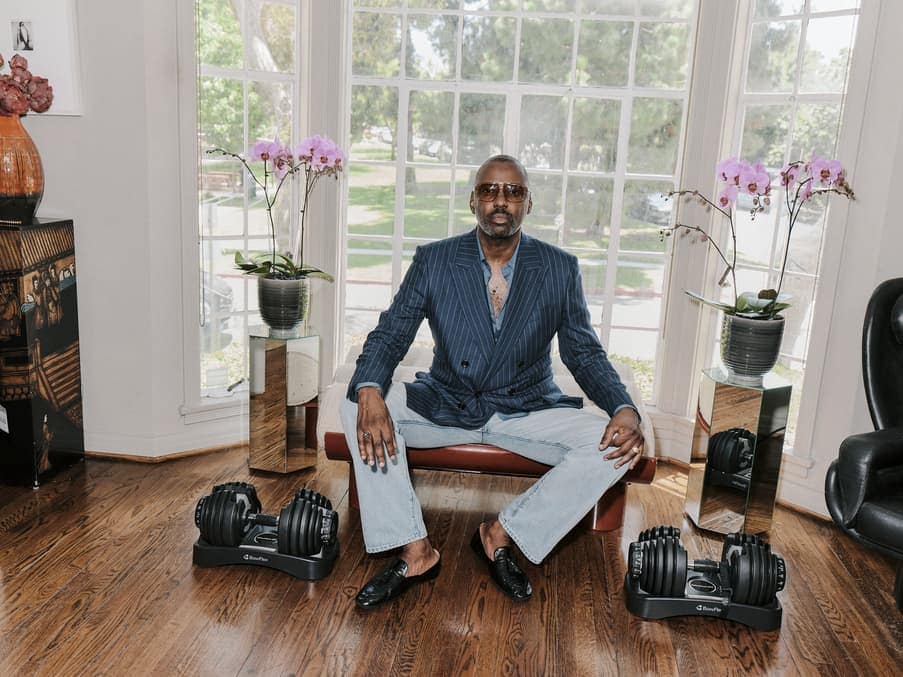
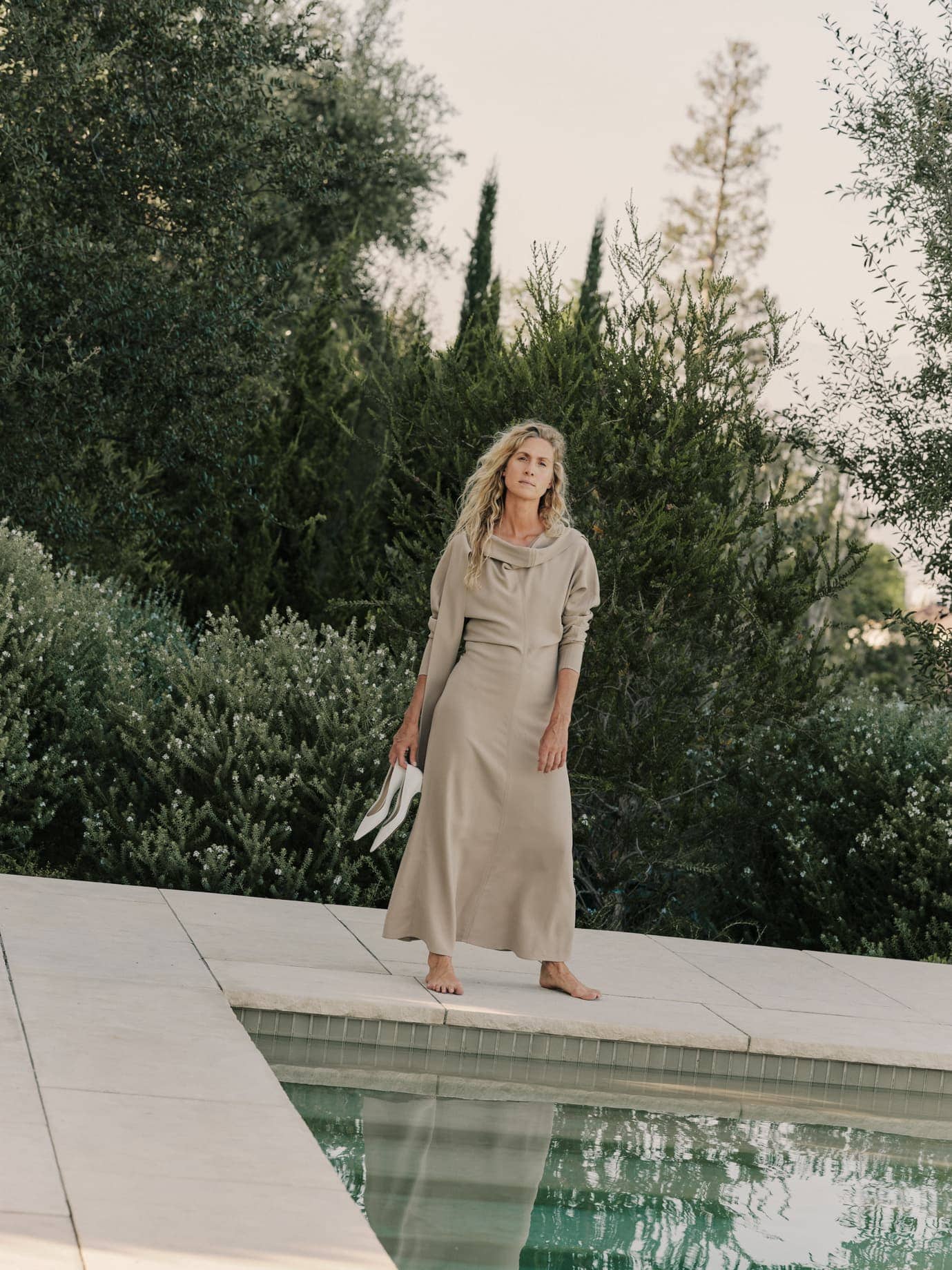
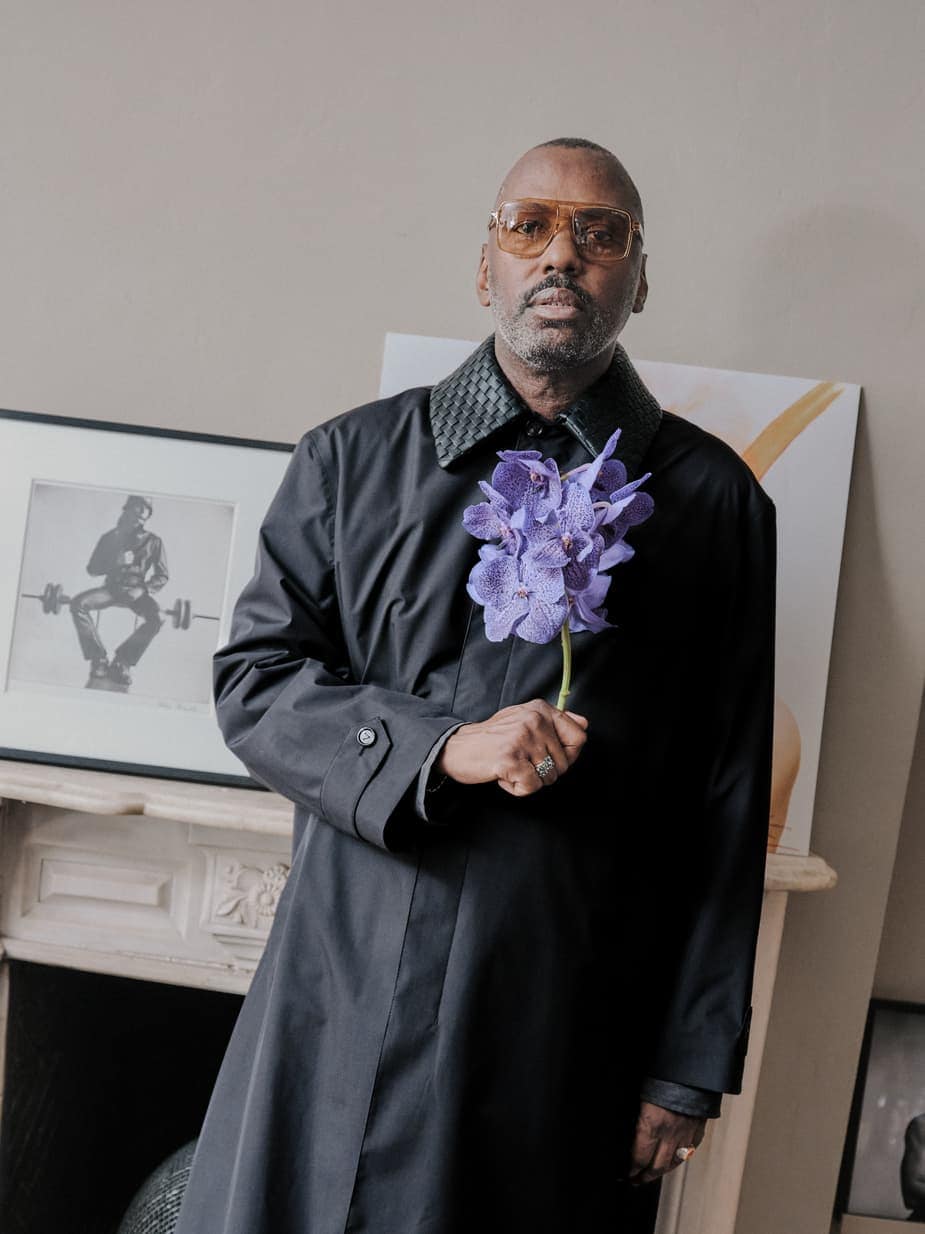
The campaign’s decision to work within the tastemakers’ homes gives the imagery an immediate sense of intimacy. Rather than constructing an aspirational fantasy from scratch, Pak photographs environments that already carry the fingerprints of their inhabitants. Wardrobe and interiors become extensions of the same visual language, allowing pieces from Altuzarra, Givenchy, Ferragamo, Proenza Schouler, Christopher John Rogers, Dries Van Noten, Tom Ford, Toteme, Stella McCartney, Jil Sander, Saint Laurent, and others to exist within a more lived-in context. The effect is warm without abandoning the polish expected from Neiman Marcus.
That relationship between clothing and environment is where “Signature Style” finds its most convincing idea. Personal style is often discussed as something worn, but the campaign smartly suggests that it is also something inhabited. A home can reveal the same instincts as a wardrobe: restraint, eccentricity, softness, severity, a particular affection for color or a conspicuous lack of it. By letting those worlds overlap, Neiman Marcus shifts the conversation from simply shopping for luxury to discovering how luxury might actually fit into a person’s life.
There is also a strategic intelligence in the breadth of the casting. Wade, de Ruiter, and Galloway do not represent a single Neiman Marcus customer archetype, and that is precisely the point. Their different creative disciplines and personal environments create multiple entry points into the assortment, allowing the retailer to communicate curation without making the campaign feel like a conventional product catalogue. The clothes are important, but the personalities give them somewhere to go.

Where the campaign could push further is in making that personalization feel even more active. The still imagery beautifully establishes the relationship between person, place, and wardrobe, but there is an opportunity for the individual points of view to shape the storytelling more distinctly. The accompanying film starring artist Lily Kwong, centered on a personal styling appointment at the Beverly Hills store, begins to address that by showing discovery as a collaborative process rather than a finished image. Extending more of that dialogue into the campaign could make the central proposition feel less like a statement about personal style and more like an experience of finding it.
That distinction matters for Neiman Marcus. In an increasingly crowded luxury landscape, a department store’s advantage is its ability to connect seemingly disparate worlds under one roof. “Signature Style” understands that the modern luxury customer does not necessarily want to be told what their style is; they want the freedom, expertise, and inspiration to figure it out for themselves. With Judy Pak’s intimate photography and a cast whose creative identities extend naturally beyond fashion, the campaign makes a familiar retail proposition feel notably human.
Perhaps the best signature, after all, is the one you leave room to write yourself.
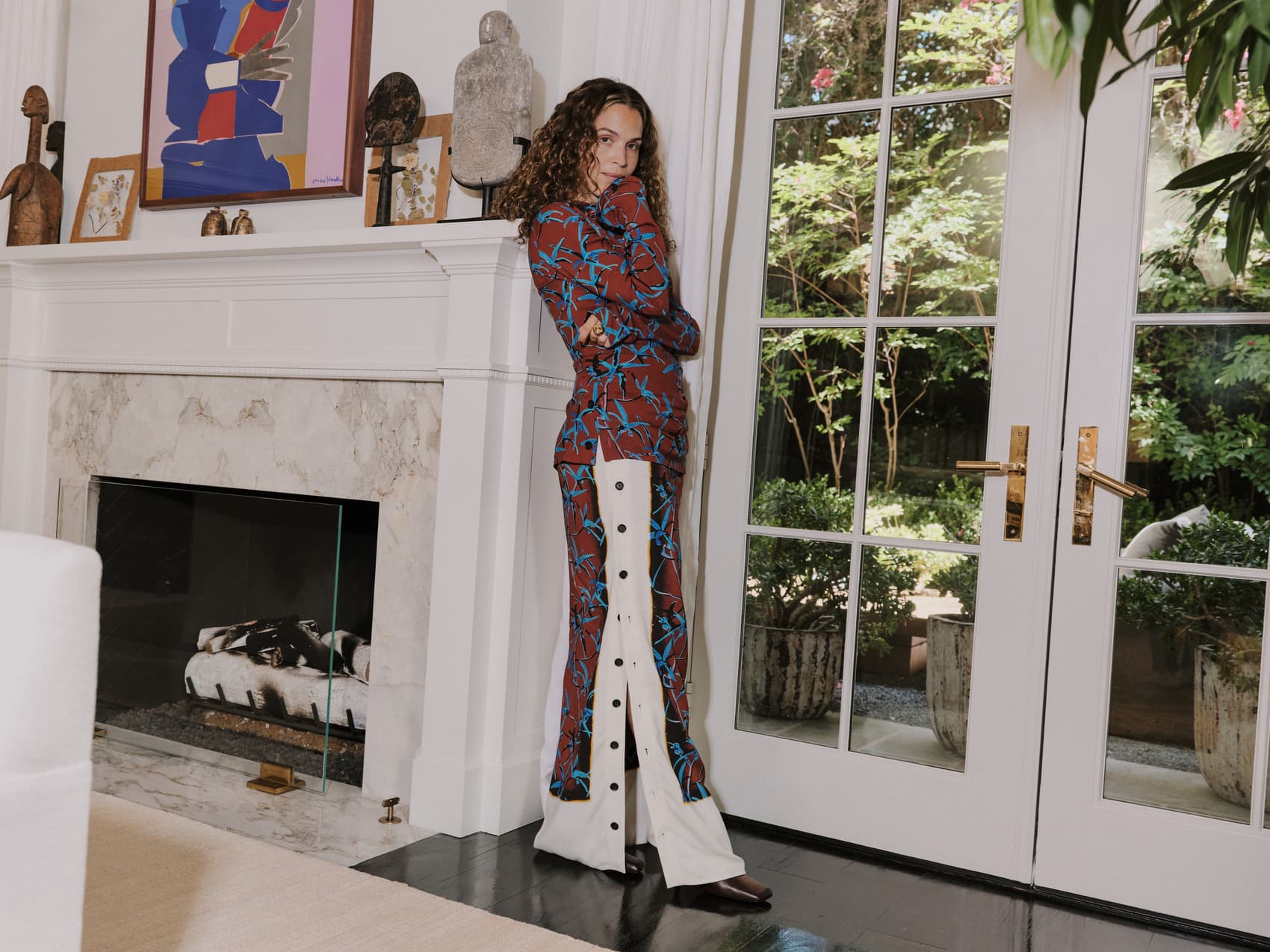
Photographer | Judy Pak
Models | Cleo Wade, Jessica de Ruiter, Stephen Galloway