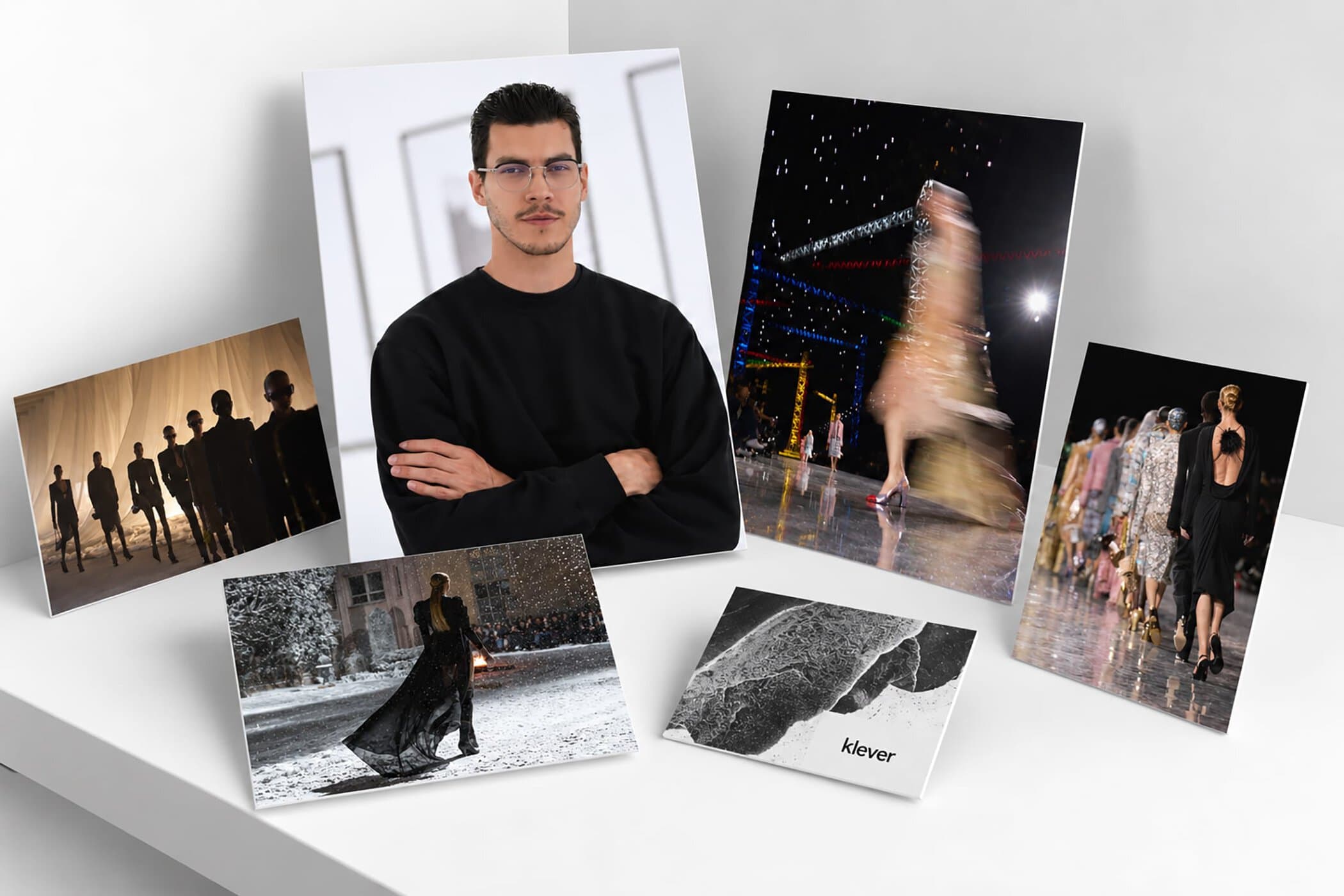
The Klever Management Founder Reflects On Discovering Talent, Building Lasting Careers, And What It Takes To Stand Out In A Changing Modeling Industry
For Rubiel Taborda, the path to becoming a talent scout began on the other side of the casting room.
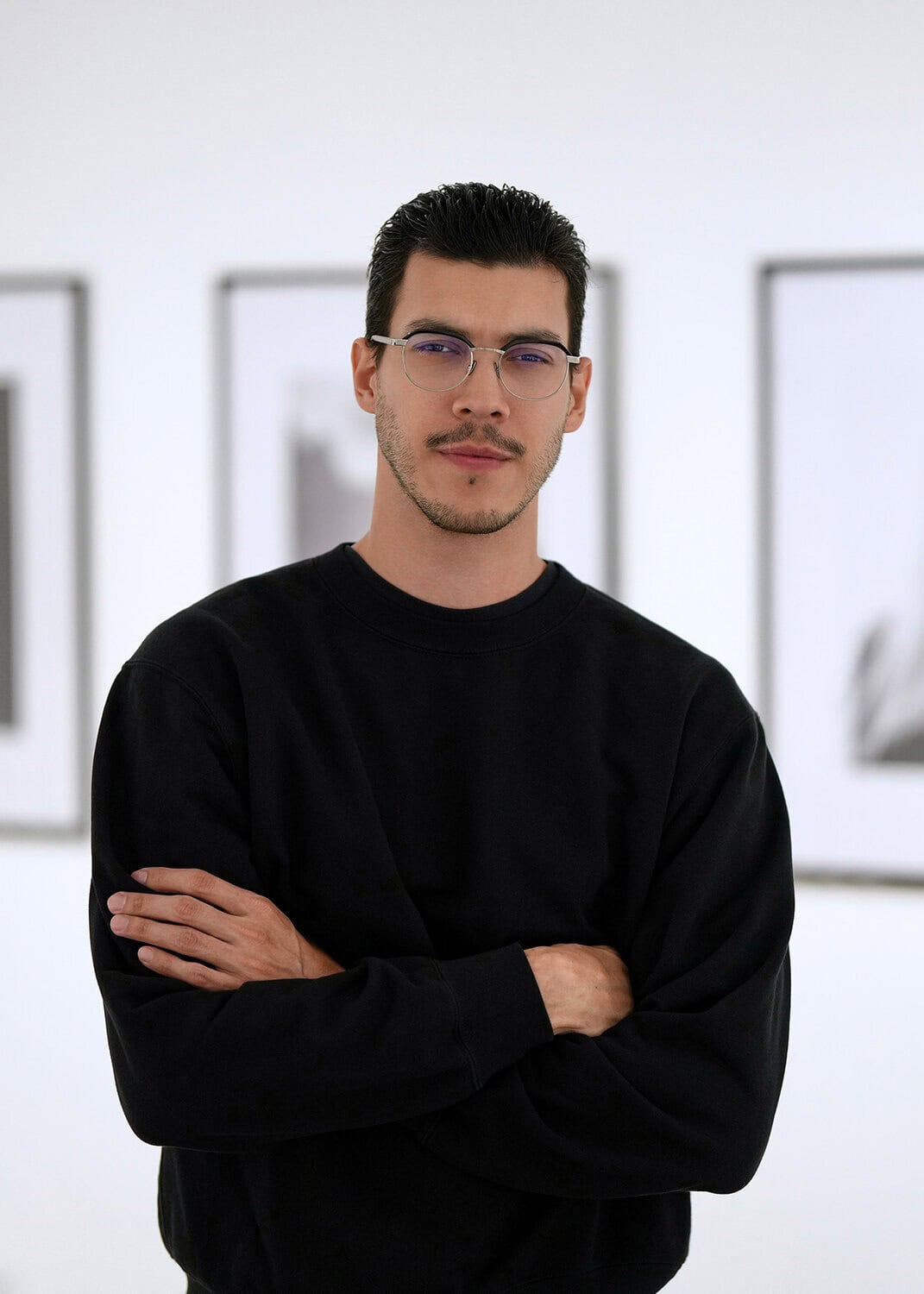
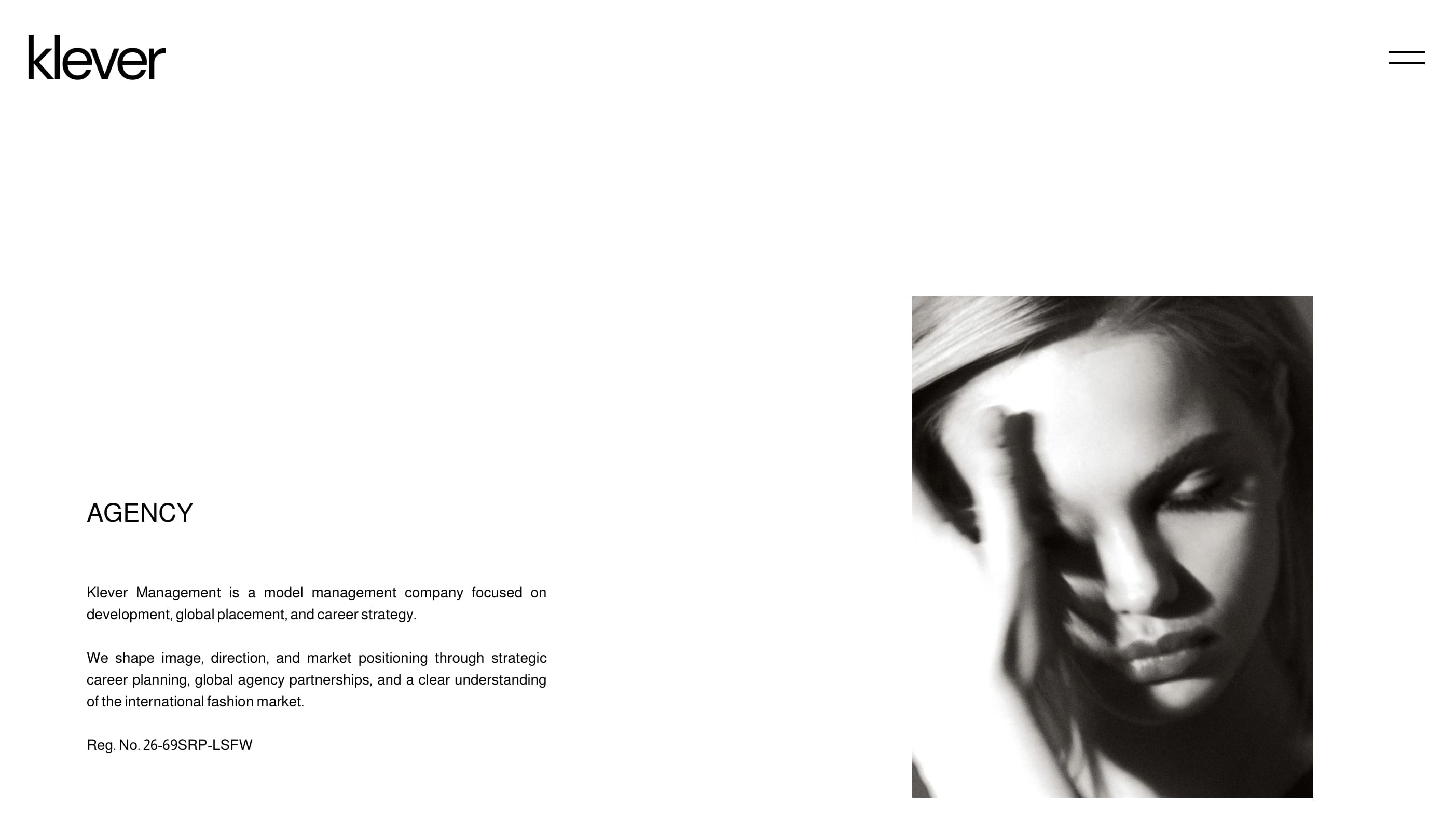
Before founding Klever Management, Taborda spent his late teens and early twenties working as a model, navigating castings, editorials, and runway opportunities while observing the machinery that drives the fashion industry. It was an experience that ultimately led him away from the camera and toward the business of discovering and developing talent.
“I became interested in the business side of it,” he said. “I was curious about what my agents used to do back when they were representing me.”
That curiosity became a career. After working as an intern at a New York agency, he was quickly promoted to New Faces Director, helping identify emerging talent and learning the fundamentals of model development. Later, he worked within the scouting division of Elite Model Management, focusing on image models and the next generation of runway and editorial talent before dedicating himself full-time to Klever Management, the company he originally established in 2018.
Today, Taborda’s focus remains simple: finding talent with the potential to build meaningful careers.
The challenge, however, looks very different than it did when he first entered the industry.
When Taborda began modeling, fashion still produced a steady stream of highly recognizable names. Models such as Chico Lachowski, Marlon Teixeira, and Alexander Cunha enjoyed consecutive seasons of visibility that allowed them to develop strong identities within the industry. Their careers unfolded across editorials, campaigns, and runways in ways that made them familiar figures to both industry insiders and aspiring talent.
“There were names that became recognizable because they had amazing consecutive seasons where everything was happening for them,” he recalled.
The landscape today is considerably more fragmented. Social media has transformed the way models are discovered, promoted, and followed, creating unprecedented visibility while also accelerating the speed at which trends move and audiences shift their attention.
For scouts and managers, developing talent now requires navigating a much broader creative ecosystem than ever before. Designers, casting directors, photographers, stylists, editors, and management teams all contribute to shaping the trajectory of a model’s career.
“It’s a collaborative process,” Taborda said. “There are many people involved in helping create opportunities and visibility for new talent.”
While the industry continues to evolve, he believes the fundamental qualities that make a successful model have remained remarkably consistent. Talent must be prepared emotionally, mentally, and professionally while developing the resilience necessary to navigate a highly competitive business.
What concerns him more is the industry’s increasing tendency to move quickly from one face to the next.
“We have to provide more opportunities for the new faces,” he said.
Taborda believes that longer-term relationships between brands and talent would benefit both sides. Rather than embracing constant turnover, he sees value in allowing promising models the time to grow alongside the brands that support them.
“If a model starts working with a client at eighteen or nineteen years old, it would be ideal to see that relationship continue for three to five years,” he said.
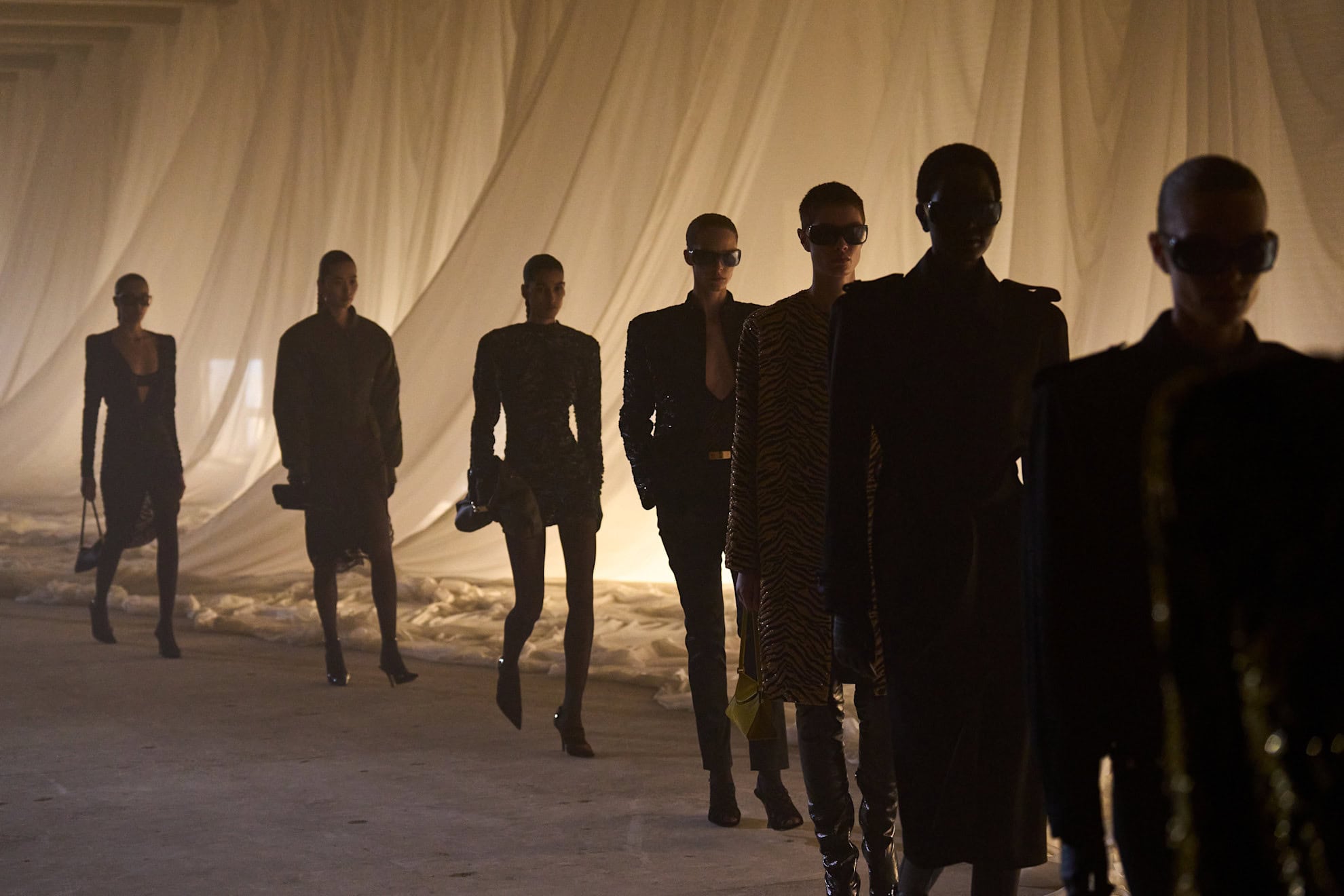
Such continuity, he argues, would create stronger recognition for brands while allowing talent to establish more sustainable careers. In an era defined by endless scrolling and fleeting attention spans, consistency may be more valuable than ever.
The idea is not rooted in nostalgia but in the examples fashion continues to celebrate. Taborda points to enduring figures such as Gisele Bündchen and Carolyn Murphy as reminders of what can happen when talent is given the opportunity to evolve over decades rather than seasons.
“I want to see careers that last for forty years if they have to,” he said. “I want to see the next Carolyn Murphy.”
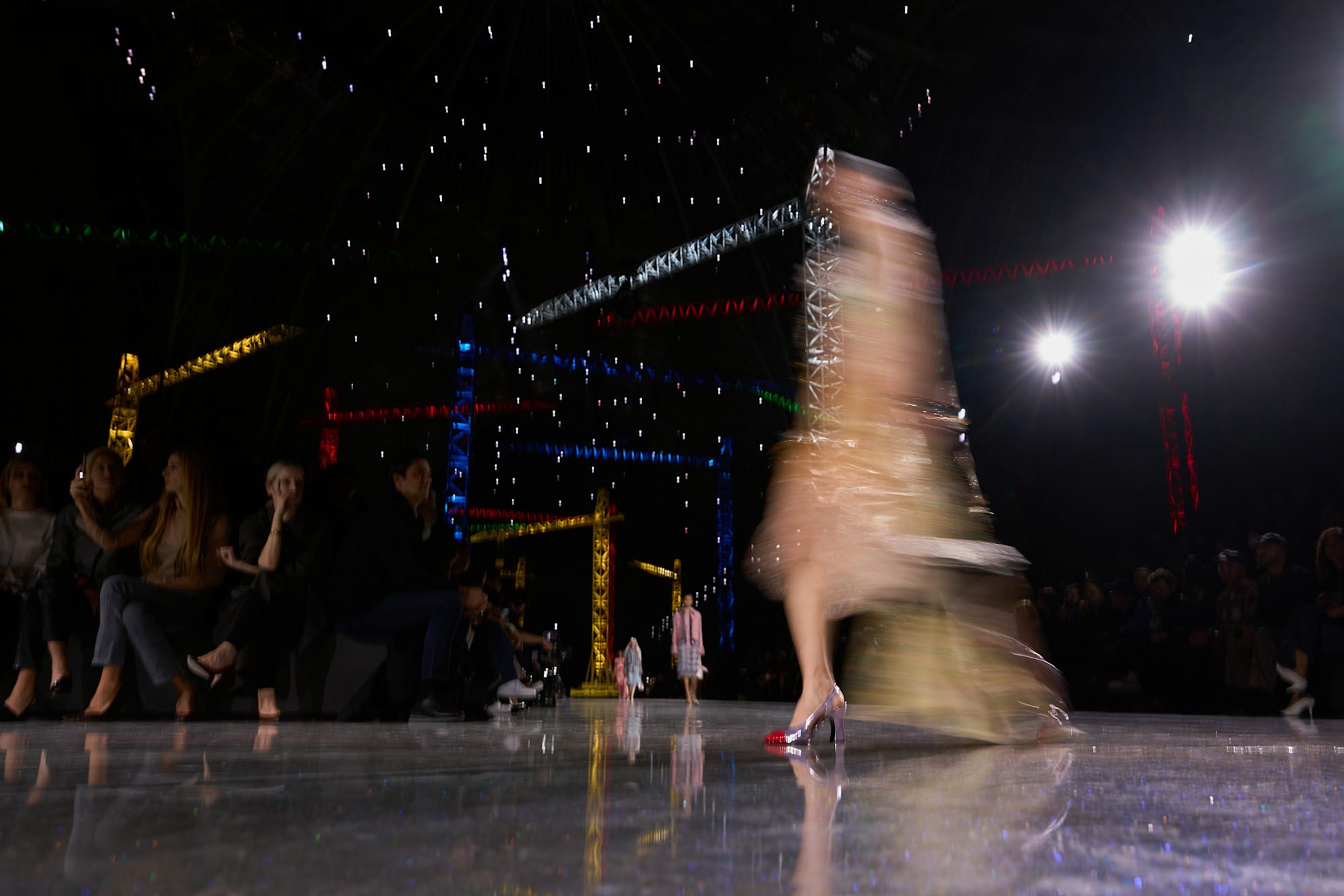
At the same time, he remains optimistic about the future. New generations are entering the industry with different perspectives, new ideas, and new ways of engaging with audiences. For Taborda, the challenge is not resisting change but building upon the foundation established by those who came before.
As fashion continues to redefine itself, his mission remains focused on the same question that first drew him into management years ago: identifying talent with the potential not simply to succeed in the moment, but to endure.
For a scout, that search never ends.