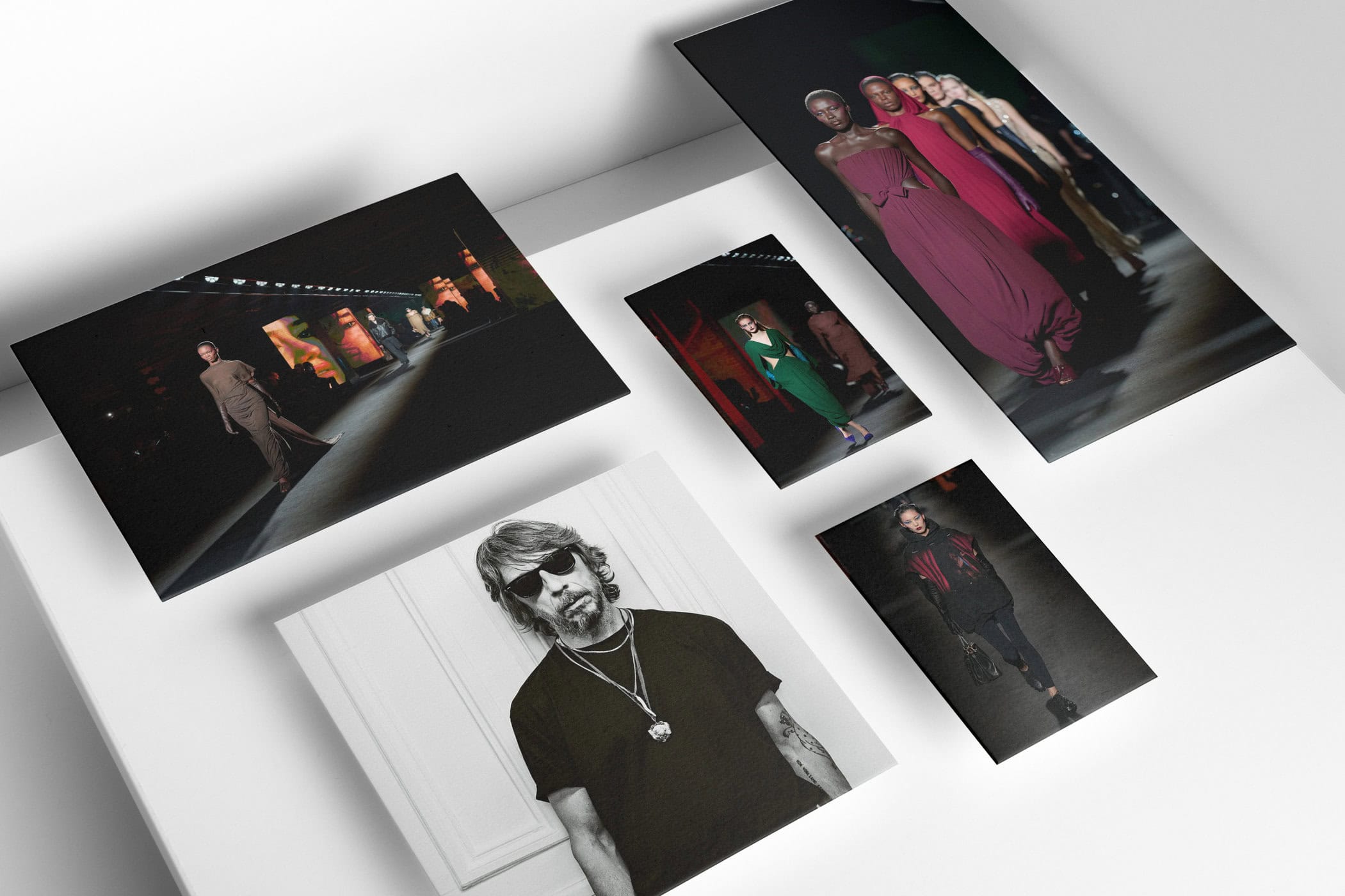
Fall 2026 Channels Renaissance Technique And Couture Craft To Capture A Living Portrait Of The Moment
By Kenneth Richard
Pierpaolo Piccioli’s Balenciaga arrives with a quiet kind of conviction. The designer—long celebrated for his emotional intelligence and poetic sensibility—has entered the house not by dismantling its foundations but by illuminating them. For Winter 2026, Piccioli frames his vision through the Renaissance technique of clair-obscur, the interplay of light and shadow used by painters from Caravaggio to Leonardo to carve depth from darkness.
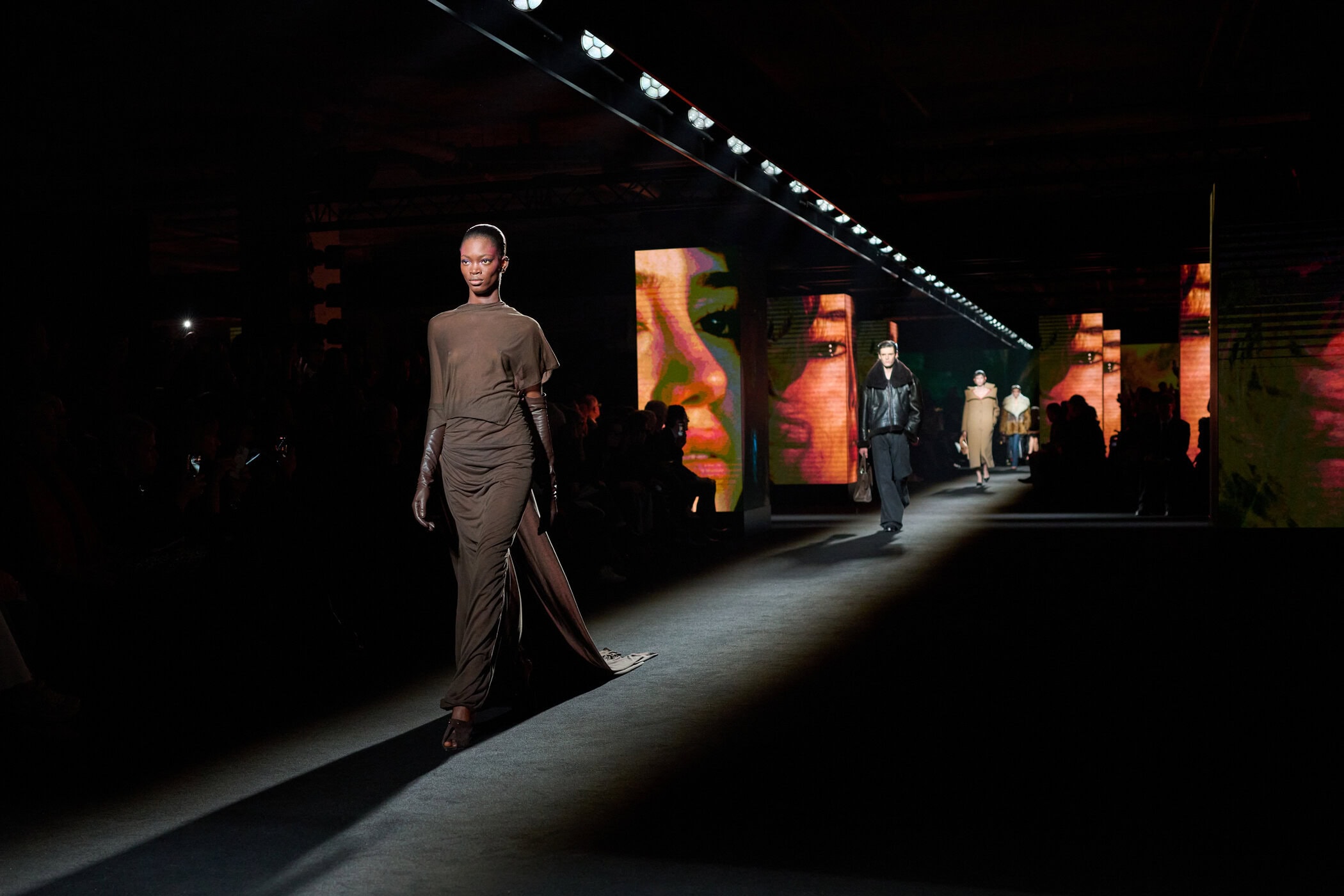
For Piccioli, the metaphor extends well beyond aesthetics. The collection becomes a portrait of the moment we inhabit: uncertain, complicated, but still seeking illumination.
I wanted to do a fresco of humanity. That was my intention since the very beginning—to take a picture of this moment, of this generation of people.
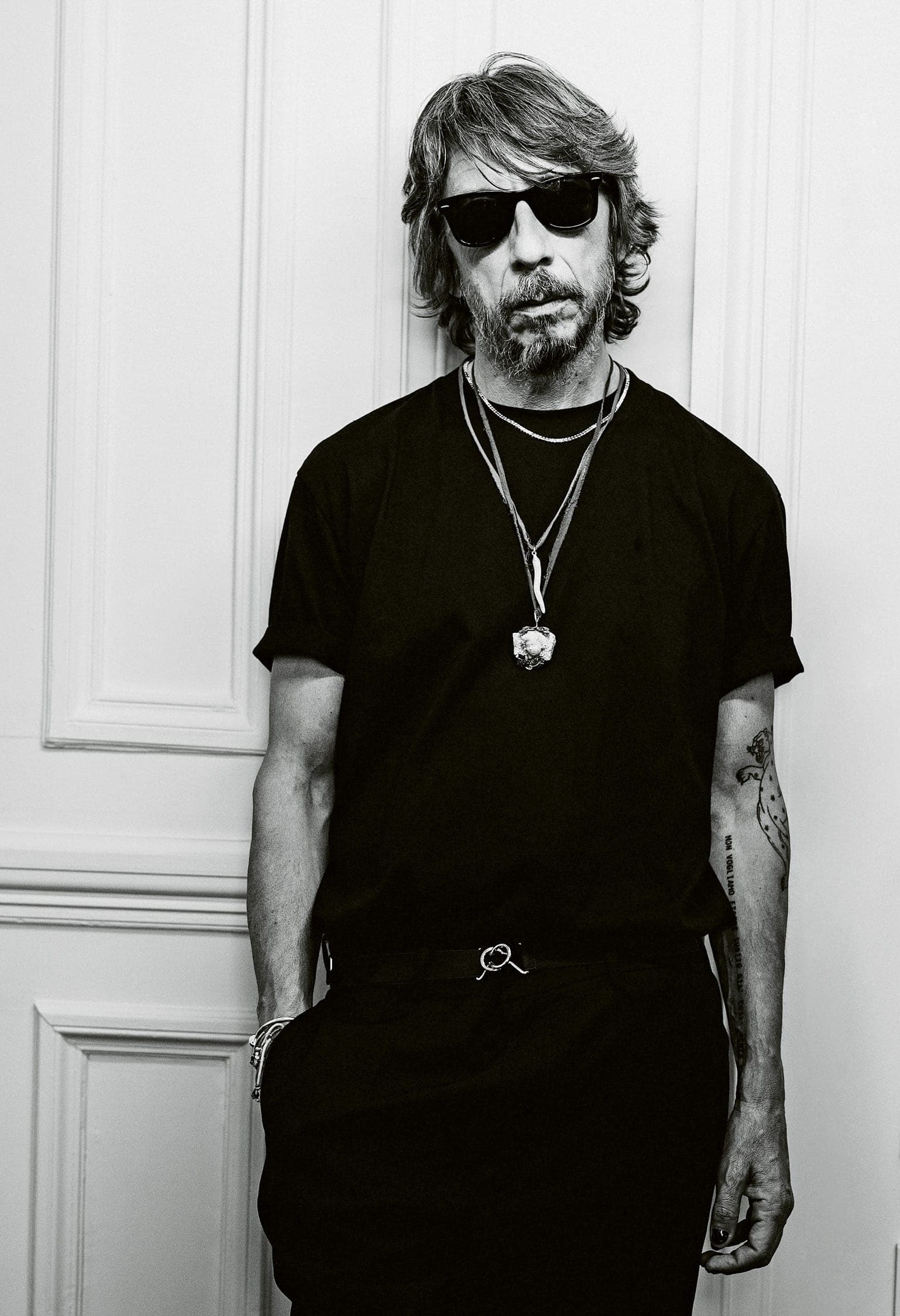
The designer approached that portrait literally. To capture the sensibility of the moment, he collaborated with filmmaker Sam Levinson, creator of the series Euphoria, whose emotional visual language Piccioli felt mirrored his own instincts.
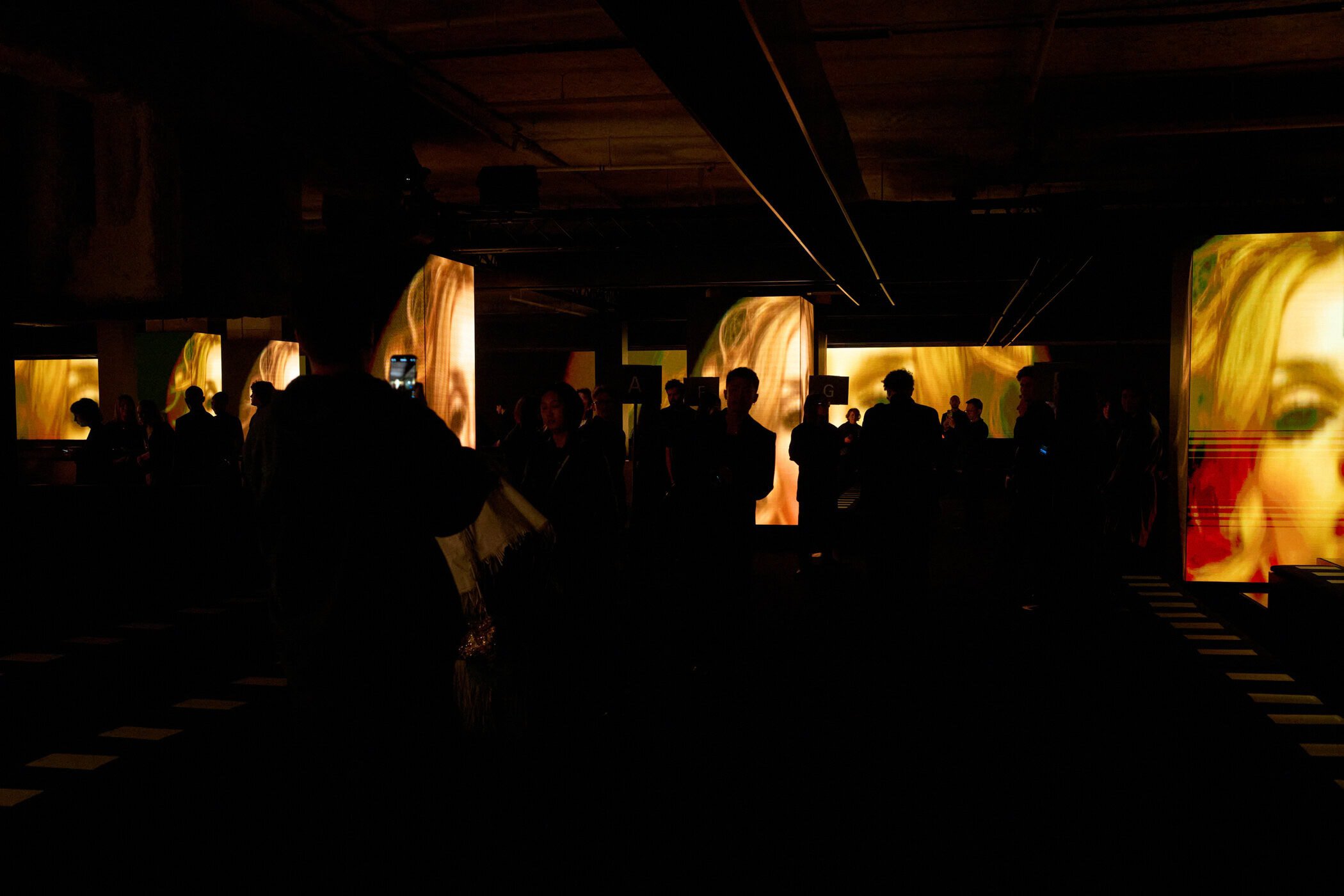
“I asked Sam Levinson to collaborate with me to take the best picture,” Piccioli said. “He has a very special sensitivity. He doesn’t criticize nor judge or celebrate—he just sees through and goes deeper into the emotion in order to find the light in every darkness.”
That search for light becomes the philosophical spine of the collection. In Piccioli’s telling, the chiaroscuro technique is not simply a painterly reference but a reflection of contemporary life.
People trying to find the light in the darkness—it’s a metaphor of the moment we all live in.
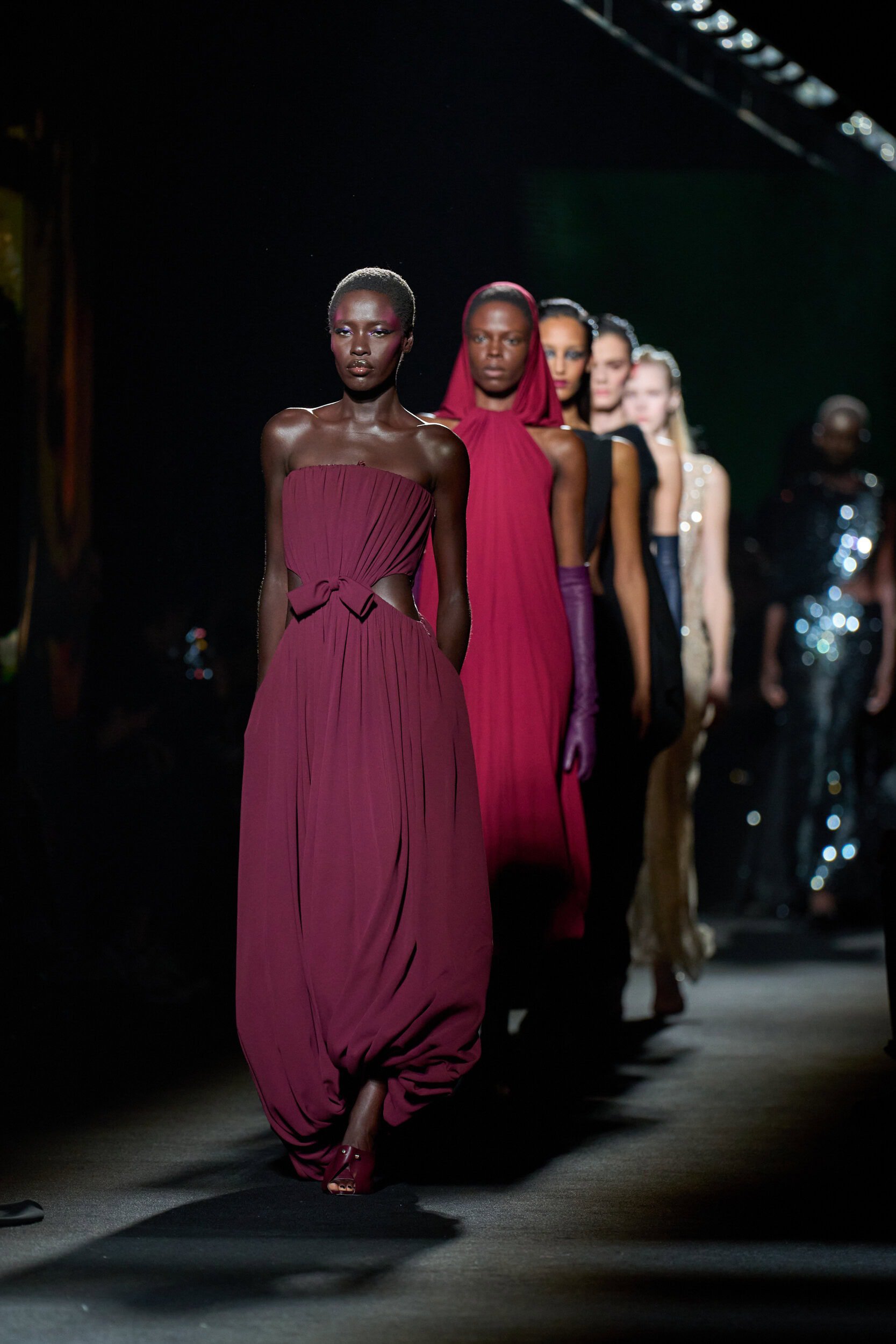
The garments themselves translate that metaphor through shape and movement. Piccioli looked to the sculptural architecture of Cristóbal Balenciaga, preserving its rigor while introducing a new softness. The result is clothing that holds structure yet appears almost spontaneous in motion.
“I wanted to keep the architectural, sculptural approach of Cristóbal by giving a sort of new fluidity,” Piccioli explained. “The jersey pieces used on the runway were constructed in a very architectural, very geometrical way, but then they were falling down in a way that looked almost spontaneous.”
It is an idea that feels distinctly Piccioli: precision giving way to emotion. The silhouettes remain rooted in the house’s historic volumes, but they move with a looseness that brings them closer to the body—and to the person wearing them.
This approach extends to the materials themselves. Leather, cashmere, silk, and sequin embroidery absorb and reflect light in varying intensities, creating garments that shift visually as the wearer moves. Ombré effects illuminate sneakers, while embroideries freeze moments of light and shadow like brushstrokes captured in fabric.
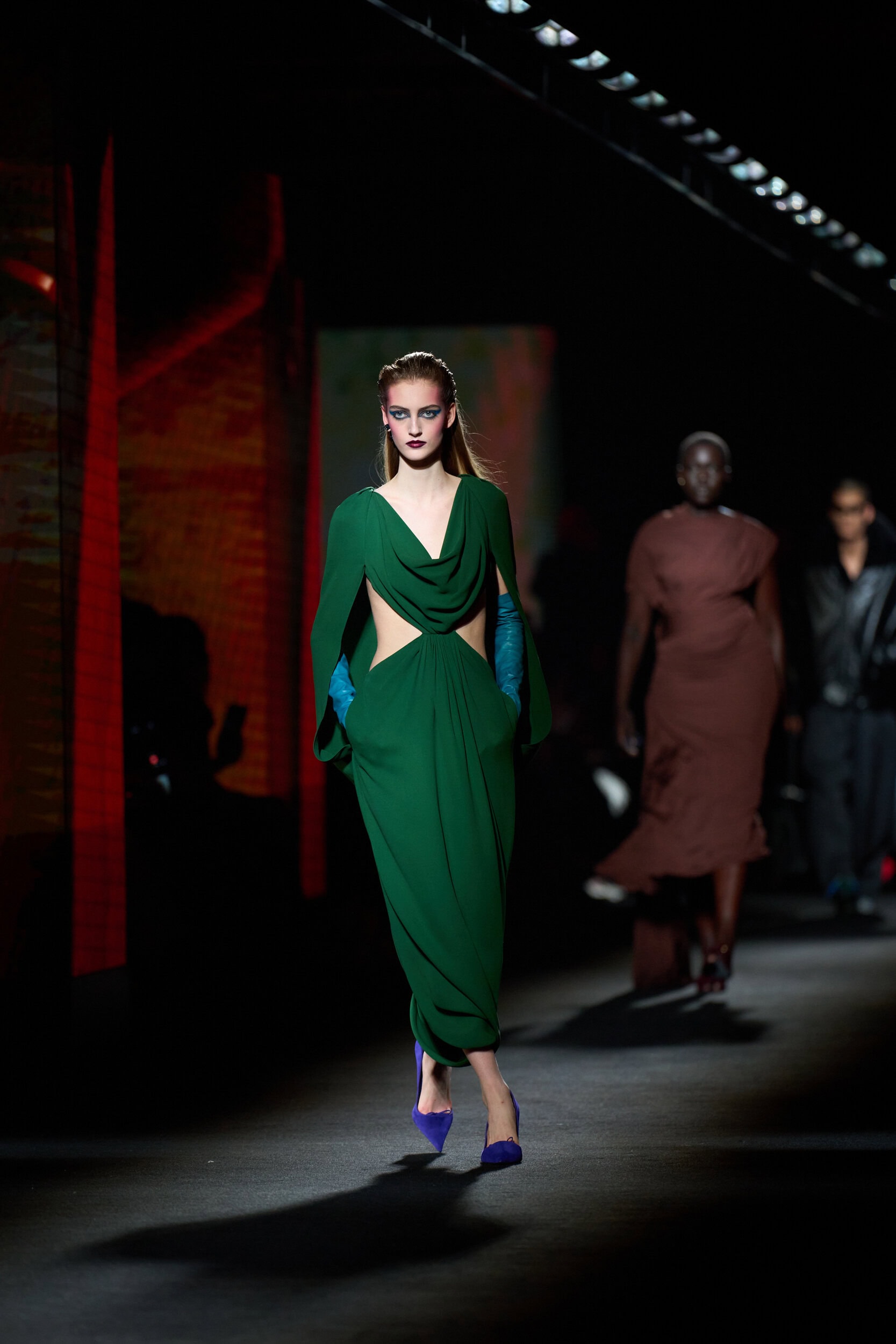
At the heart of the collection, however, is the body. Piccioli emphasizes that Balenciaga’s architectural heritage is not about rigid structure but about a dialogue between form and the human figure.
“Couture is a state of mind for me,” he said. “When you do couture, you never go back to the patterns. Couture means that you have a relationship with the body.”
That philosophy shapes even the most dramatic silhouettes in the collection. Many appear sculptural, yet they are achieved without internal structure—relying instead on cut, fabric, and the space between garment and body.
“All the silhouettes on the runway were not achieved with structure inside,” Piccioli explained. “Everything was super light—just with the cut. You have the body and the fabric and air inside, not structures.”
In this way, Piccioli approaches Balenciaga’s heritage less as a museum and more as a living language. Cristóbal’s influence remains unmistakable, but it is translated into a wardrobe meant for the present moment rather than reverence alone.
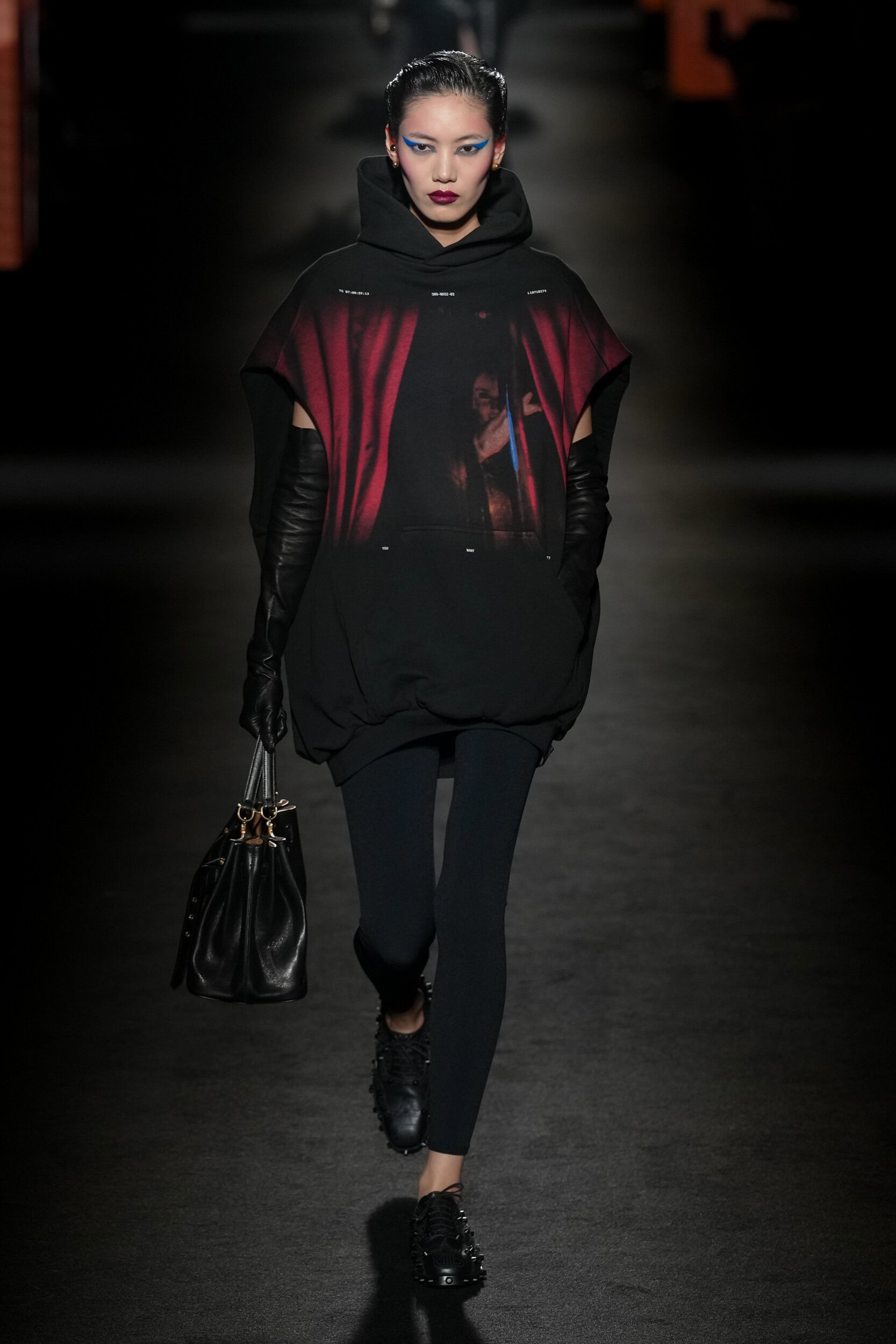
Even the graphic elements nod to contemporary culture without collapsing into costume. Imagery derived from frames of Levinson’s upcoming Euphoria season appears abstracted across garments—not to replicate the characters of the show, but to borrow its emotional intensity.
“I didn’t want to imitate the characters,” Piccioli noted. “I just wanted to take the approach—the way of looking at certain emotions.”
That emotional register ultimately becomes the defining gesture of the collection. Across generations of models walking together, Piccioli constructs what he describes as a collective portrait: individuals united by shared humanity yet defined by their own presence.
In Renaissance frescoes, figures often appear frozen in moments of revelation, their expressions suspended between shadow and light. Piccioli’s Balenciaga operates in a similar register—clothes that capture a fleeting moment of cultural mood while remaining grounded in the craft and intelligence of the house.
In an industry often obsessed with spectacle, Piccioli’s approach feels almost radical in its sincerity. The clothes do not shout. They illuminate.
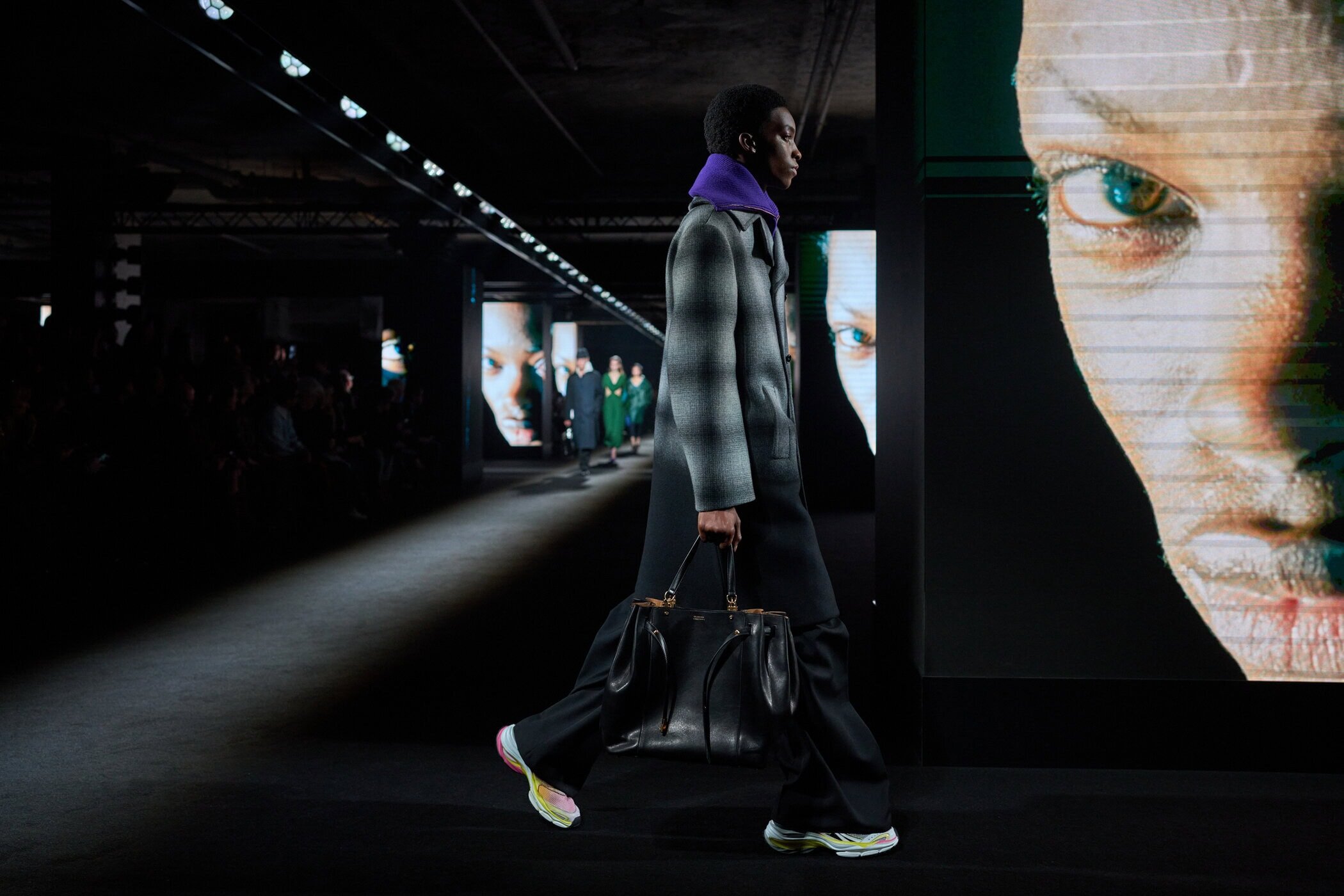
And in that illumination—between darkness and light—Balenciaga finds its newest dimension.