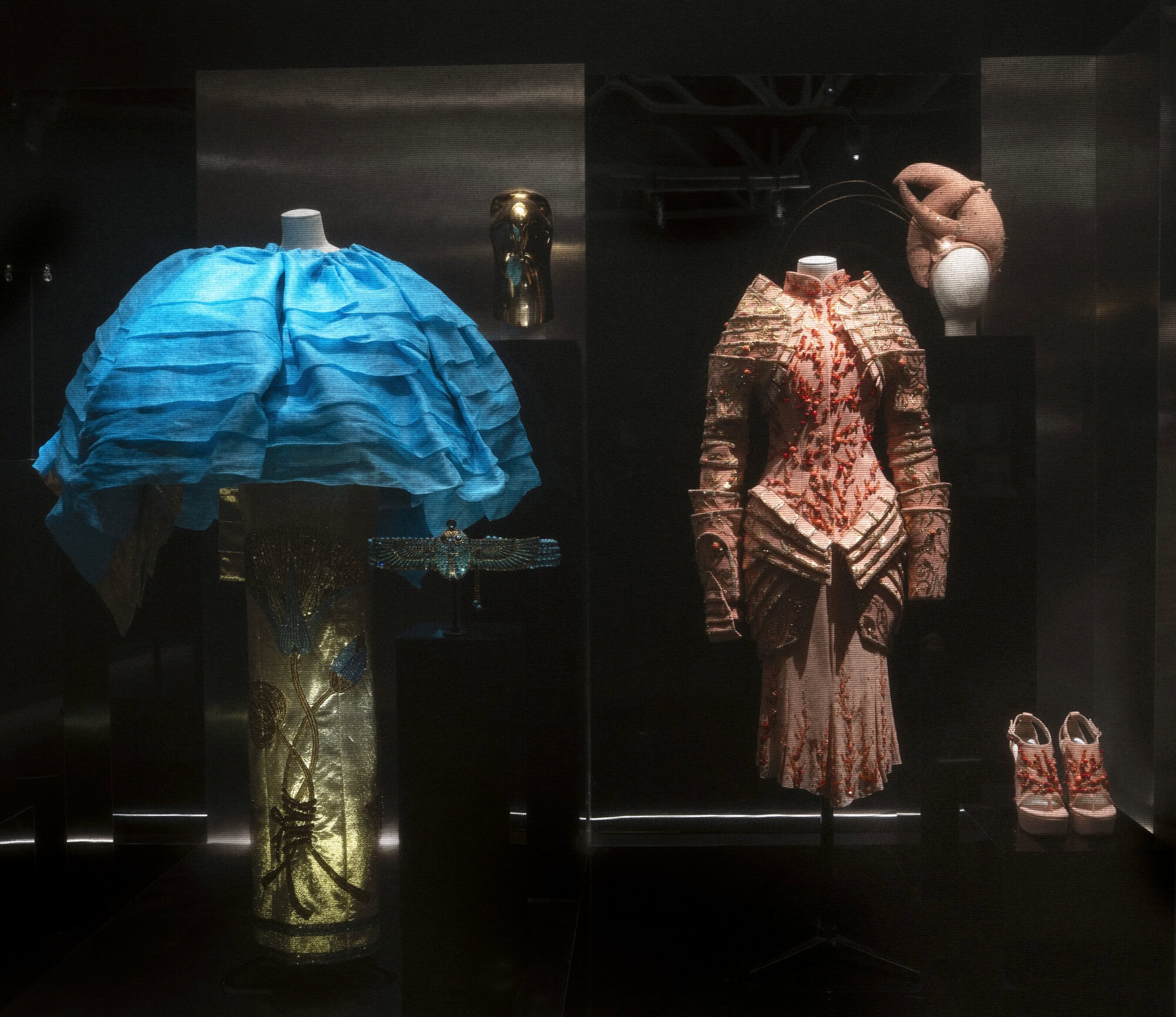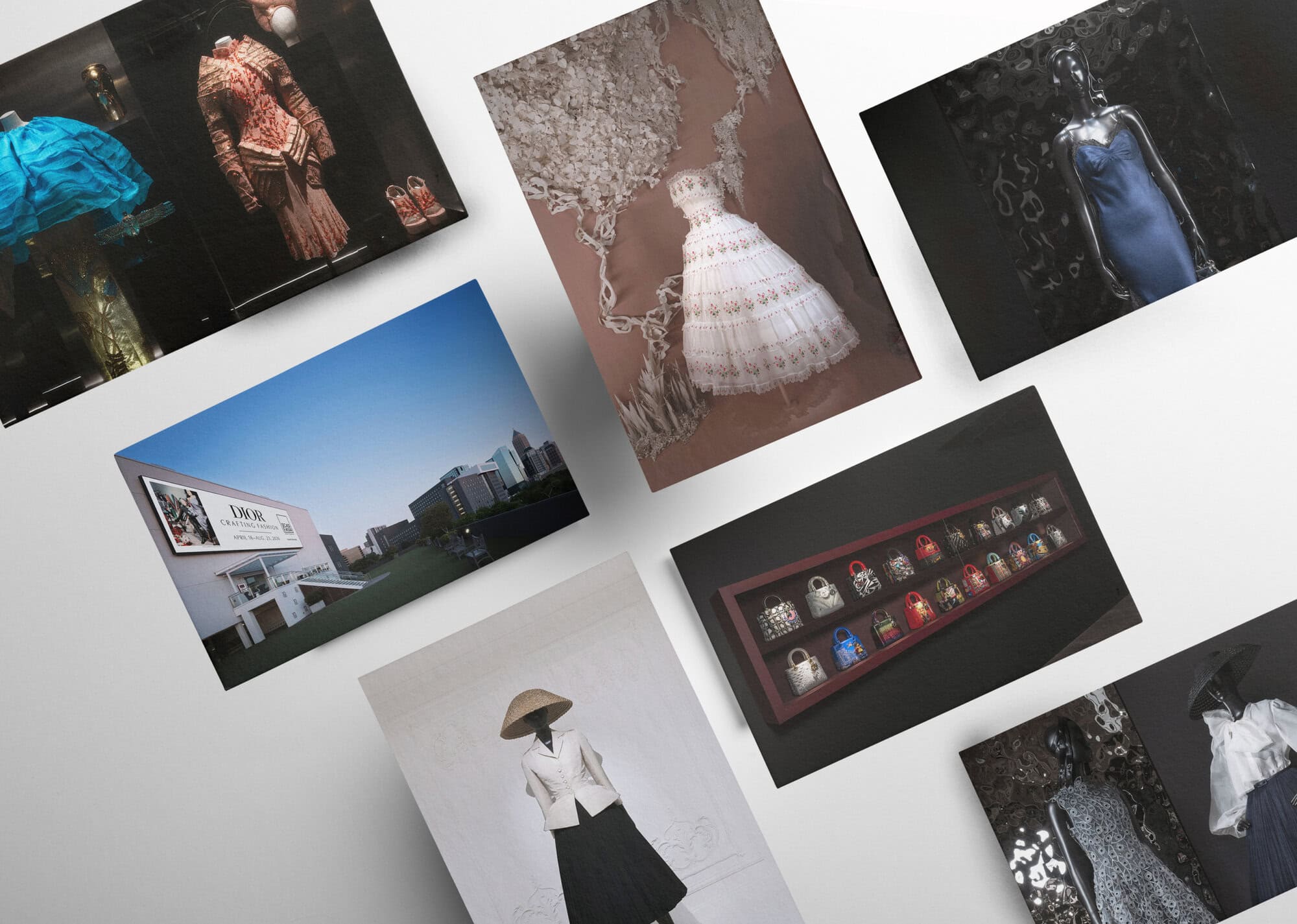
Curated by Hélène Starkman for Christian Dior Couture and Rafael Brauer Gomes for SCAD FASH, the exhibition reframes couture through craft, transmission, and education — themes Starkman expanded on in our conversation.
By Mackenzie Richard Zuckerman
For luxury houses, exhibitions have increasingly become a way to shape legacy — polished exercises in heritage, image, and cultural authority. But Dior: Crafting Fashion, opening at SCAD FASH Museum of Fashion + Film in Atlanta, suggests a more layered ambition.
Created exclusively by Christian Dior Couture in collaboration with SCAD, the exhibition does not simply present the house’s history as something to admire from a distance. Instead, it draws viewers into the mechanics of couture itself: how it is conceived, constructed, transmitted, and ultimately sustained across generations.
Featuring more than 100 historic pieces, some of which have never before been shown publicly, the exhibition unfolds across seven thematic sections spanning Christian Dior to Jonathan Anderson, with an emphasis on ateliers, toiles, handbags, gardens, runway spectacle, and red carpet expression.
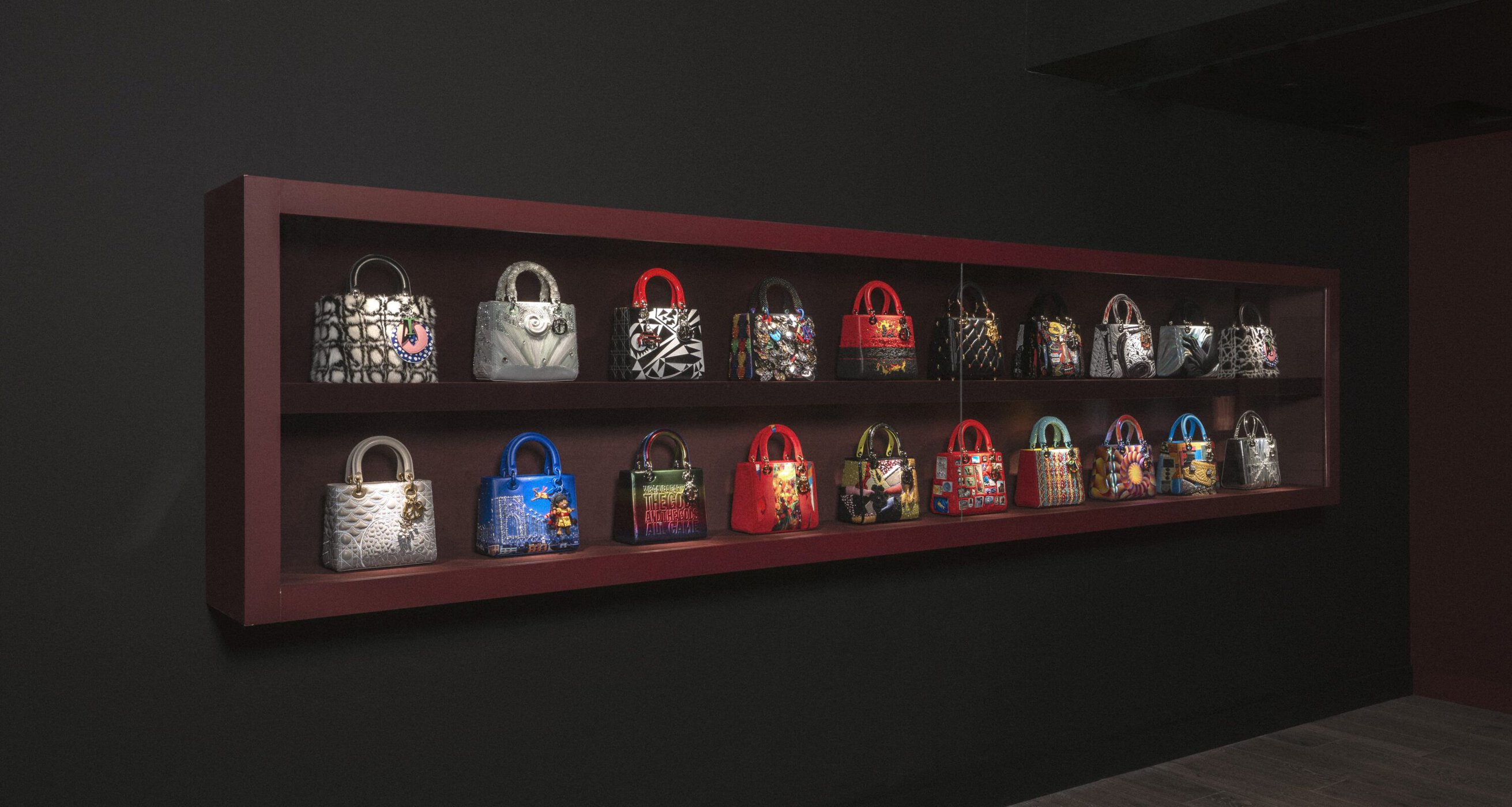
That educational emphasis is what gives this exhibition its particular force. Curated by Hélène Starkman, Cultural Projects Director and Exhibitions Curator for Dior, and organized by Rafael Brauer Gomes, Creative Director of SCAD FASH museums, Dior: Crafting Fashion is the second collaboration between Dior and SCAD, following last year’s Christian Dior: Jardins Rêvés at SCAD Lacoste in Provence. But where that earlier project drew power from landscape and setting, Atlanta offered something different: scale, yes, but also the rare opportunity to stage a Dior exhibition within a school environment.
The result is an exhibition shaped not only by the house’s mythology, but by the logic of pedagogy. As Starkman explained, the project was conceived with students specifically in mind, with the goal of showing that fashion is far wider than the singular dream of becoming a designer. It encompasses ateliers, embroidery, conservation, lighting, music, research, accessories, dress, exhibition-making, and countless other forms of creative labor that often remain invisible to the public.
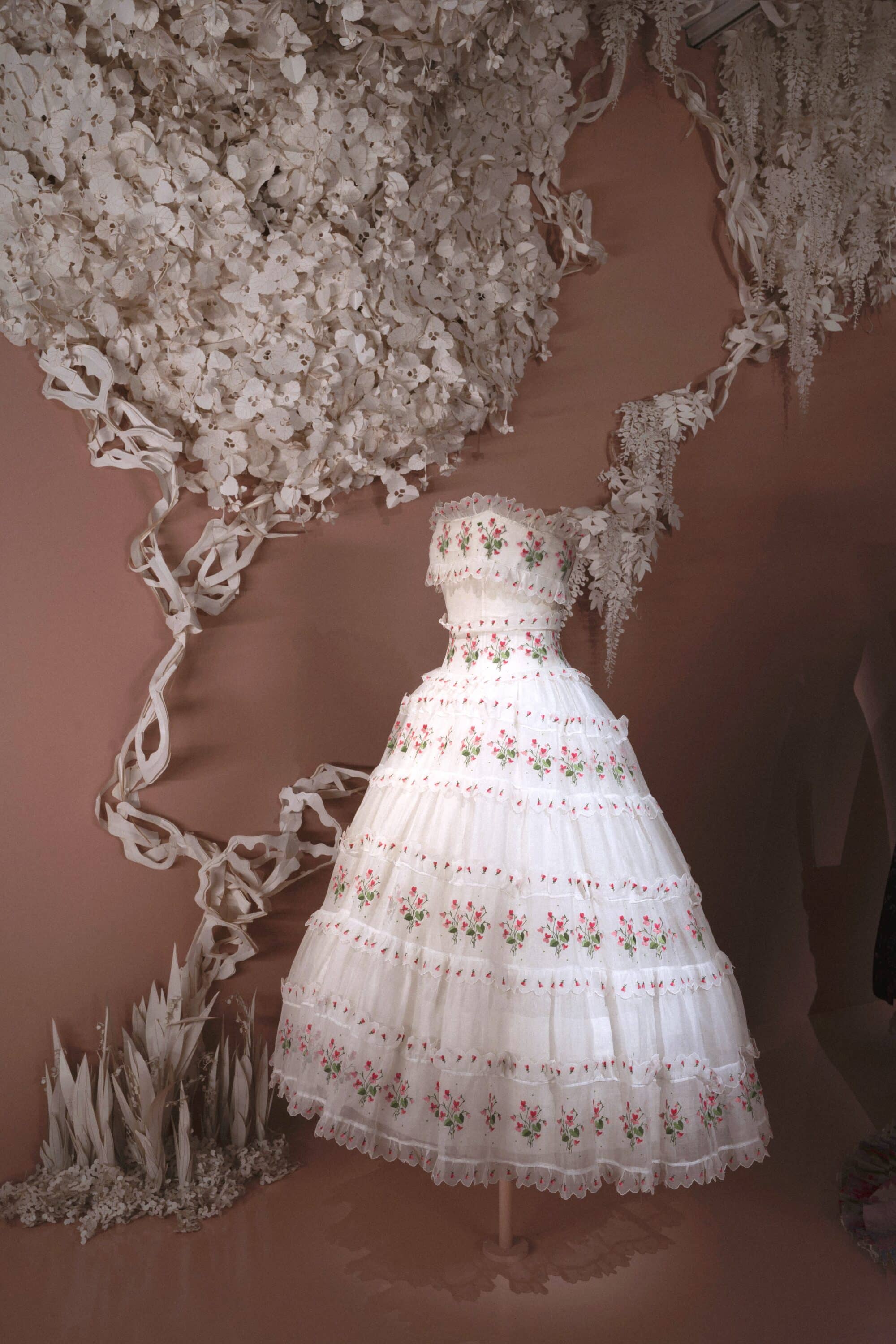
That matters especially in couture, where the question of transmission is central. Starkman returned repeatedly to that idea: the passing on of knowledge from one generation of makers to the next, often through apprenticeship and practice rather than theory alone. Couture, in this sense, is not simply a category of luxury goods; it is an immaterial heritage made visible through the hands that preserve it. At Dior, where many members of the ateliers have spent decades refining and sharing their expertise, that continuity becomes part of the house’s identity. In Atlanta, the exhibition gives that process rightful prominence. Rather than focusing only on finished garments, it brings viewers closer to the making of them — most notably through its attention to mockups and toiles, the early white-muslin forms through which ideas are tested, adjusted, and brought into being. That choice gives the exhibition a more intimate and revealing quality. It asks visitors to see couture not just as spectacle, but as discipline, time, and devotion.
The house describes the exhibition as a study of the creative process, moving “from drawing board to workshop and from accessorizing to catwalks” in an “unbroken cycle of transformation,” while Starkman calls it an opportunity to tell “the whole story of a collection and how it is born, from the first drafts in white muslin to the preparation of a runway show.” In other words, this is not heritage as static display. It is heritage as method.
That distinction feels especially timely now, as Jonathan Anderson begins writing his own chapter at Dior. His presence in the exhibition is not incidental. The show includes creations from Christian Dior to Anderson, placing the new artistic director immediately within the larger continuum of the house. But Starkman’s framing of Anderson was particularly telling: for her, his work carries forward Dior’s longstanding relationship to art, while also reflecting a contemporary concern with access. She pointed to the way his first couture presentation opened to the public after the show, allowing visitors to come close to garments that would otherwise remain accessible only to a very small circle of press and clients. In that gesture, couture becomes not less rare, but more legible. Its value is not diminished by proximity; rather, proximity allows its value to be understood.
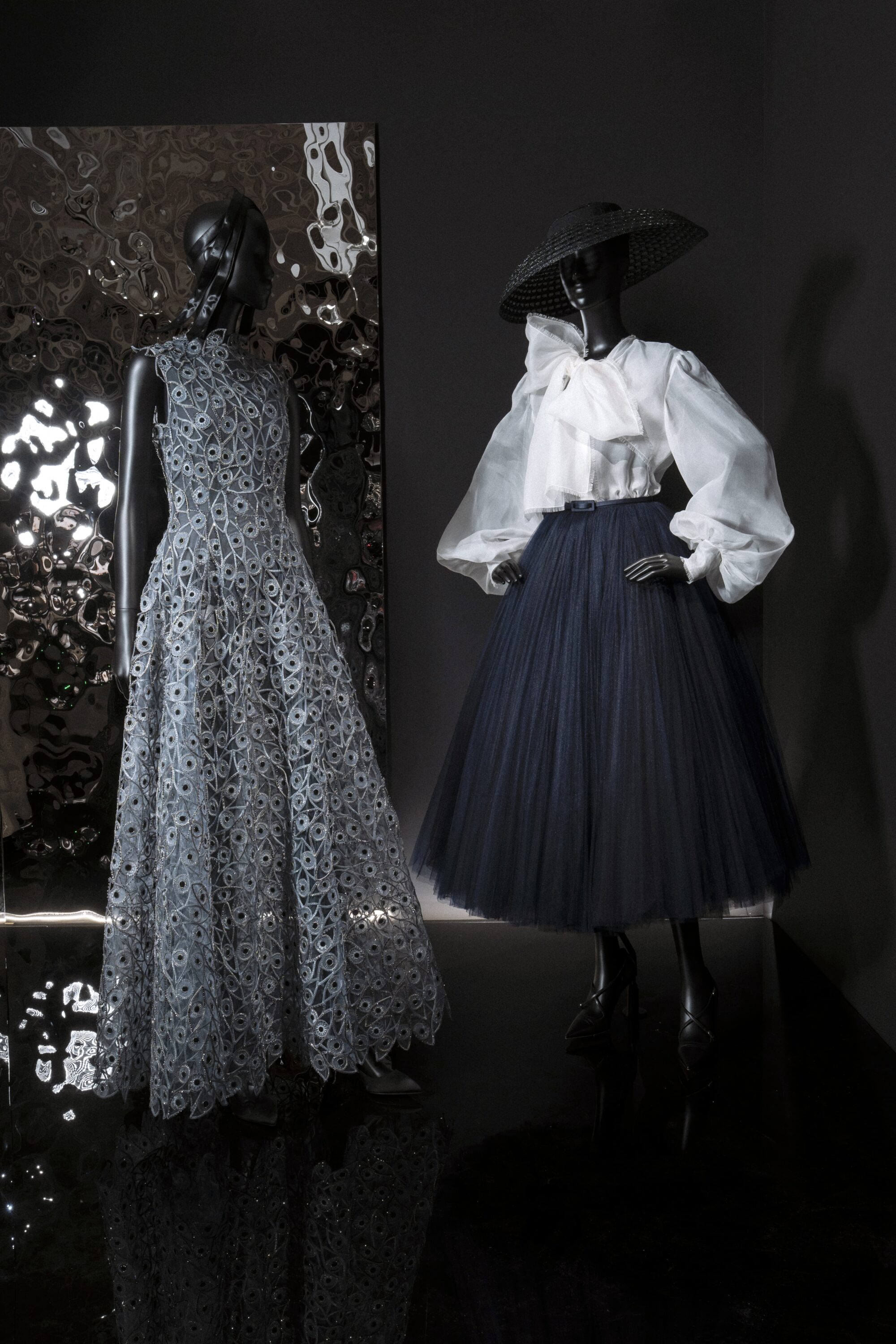
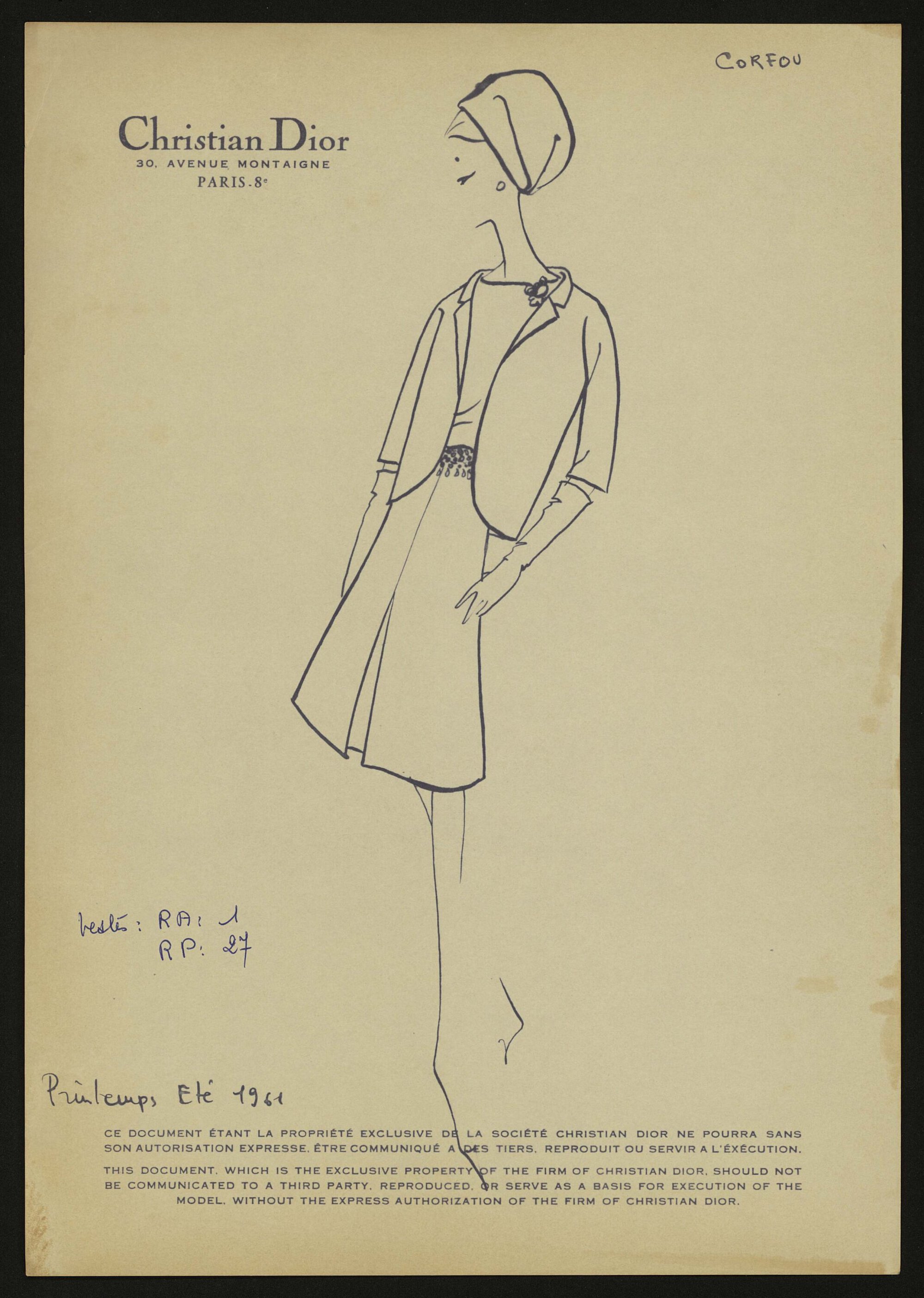
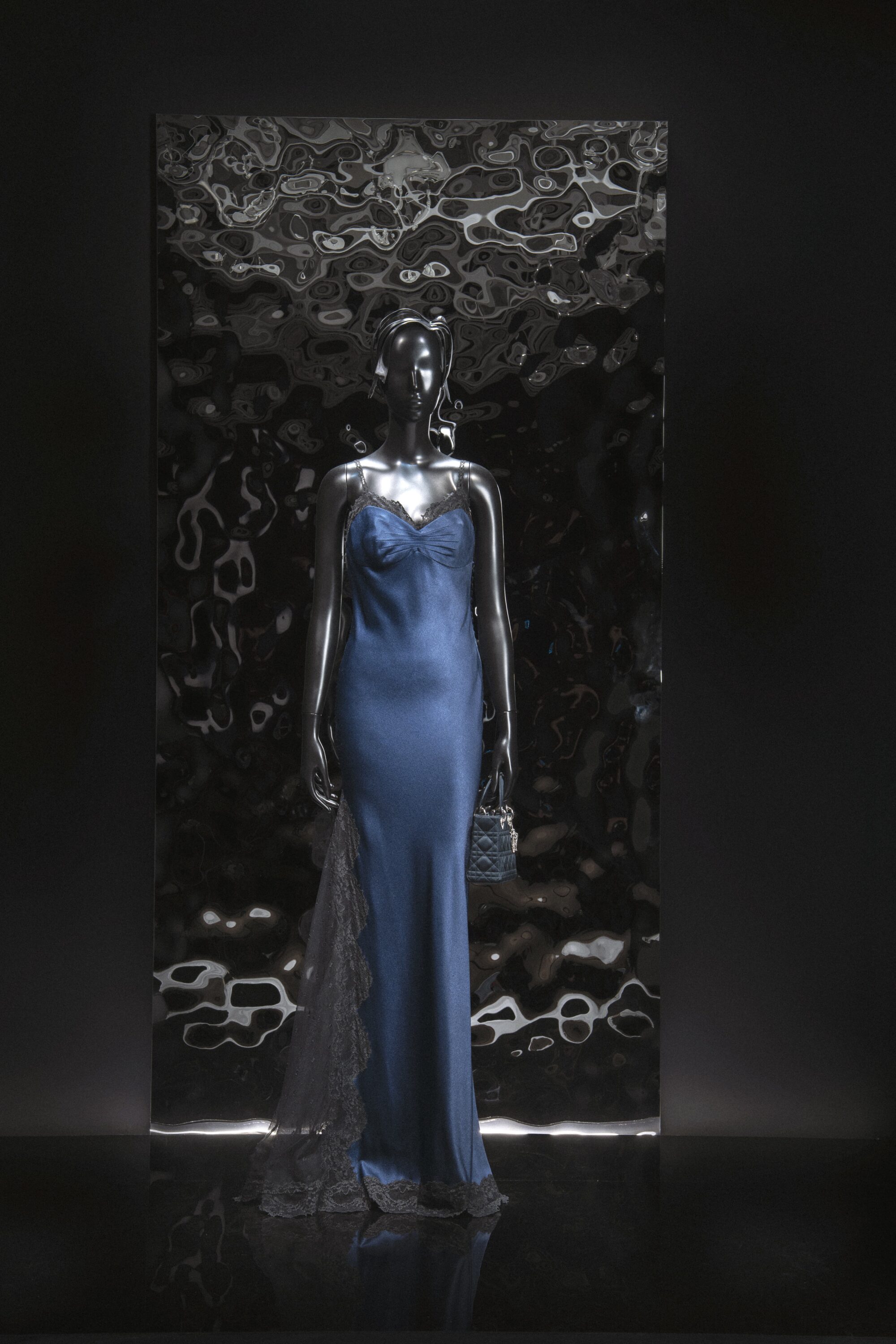
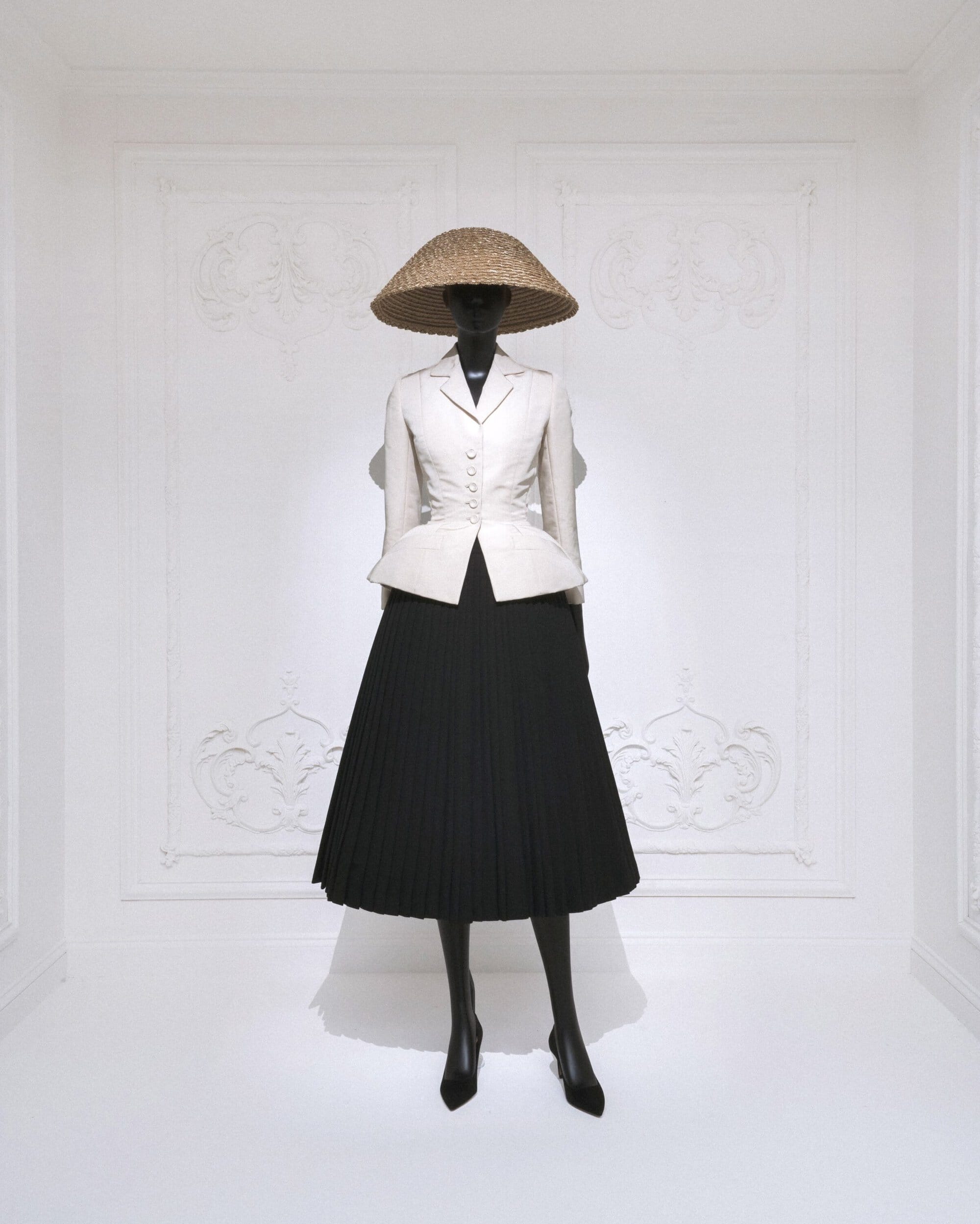
That idea of access runs throughout the exhibition’s broader educational mission. Starkman spoke about past programming developed with children, including guided visits and activities designed to show how inspiration travels — how a ceramic vessel, for instance, might inform a dress, or how a fashion idea can emerge from art, photography, light, shadow, or memory. It is a way of teaching not only what fashion is, but how it thinks. And that may be one of the most compelling ideas embedded in this exhibition: that Dior and SCAD are using the museum format to explain fashion as an act of translation. Across the succession of creative directors, Starkman sees a common thread not in visual sameness, but in a shared attentiveness to art and to the world around them. Each designer, from Christian Dior onward, brought a distinct set of references and sensibilities, but all were shaped by a serious engagement with culture, image, and their own moment in time. At Dior, continuity is not about repetition. It is about the persistence of curiosity.
In that respect, Dior: Crafting Fashion offers something more interesting than a conventional retrospective. It proposes that the couture exhibition can do more than preserve the aura of the house. It can reveal the systems, references, and forms of labor that keep that aura alive.
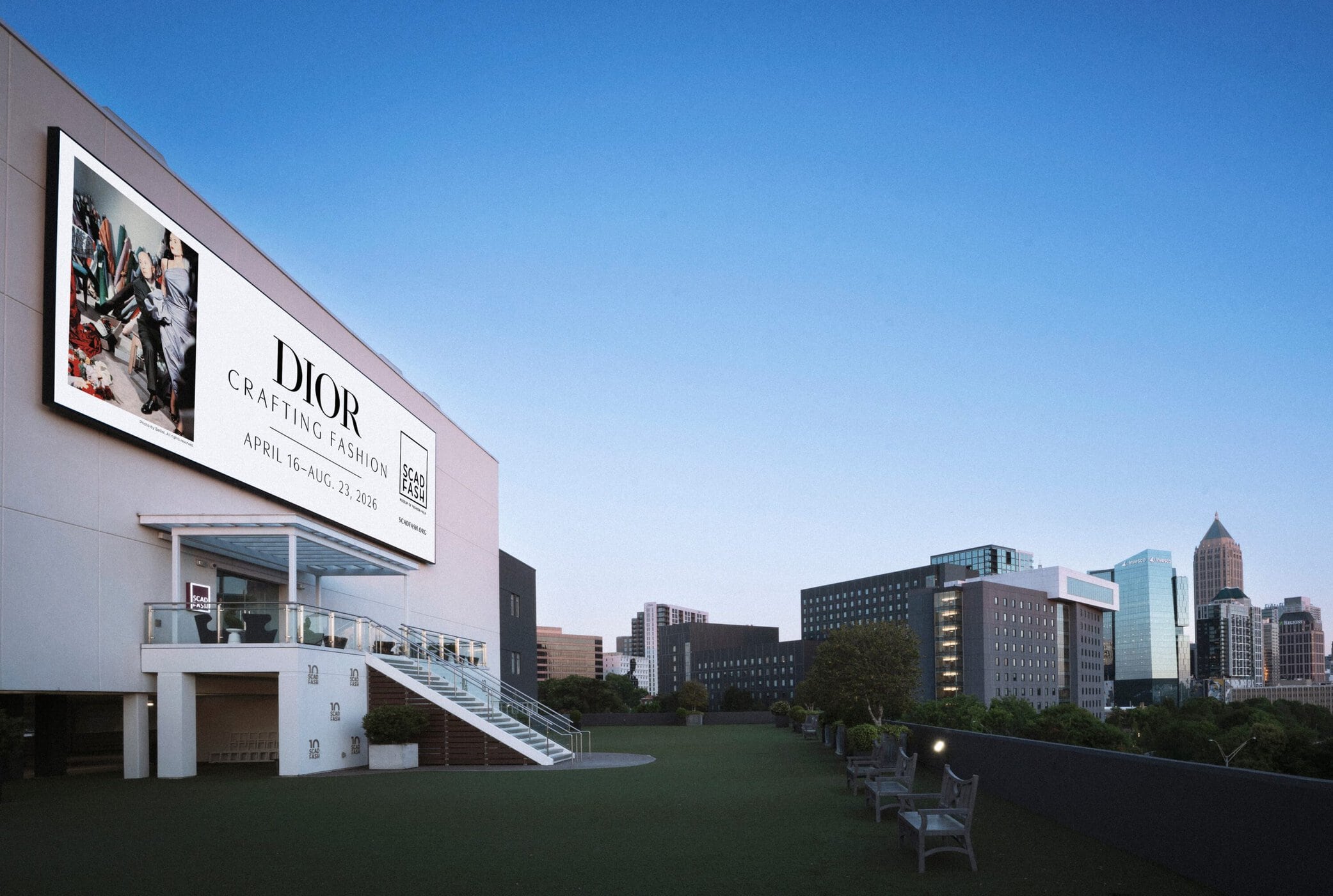
At SCAD FASH, Dior is not only showing students and visitors what couture looks like. It is showing them how couture endures — through craftsmanship, through transmission, and through the belief that inspiration, once recognized, can become form. In a moment when luxury increasingly speaks the language of experience, that feels like a particularly intelligent evolution: an exhibition not just to impress, but to instruct.