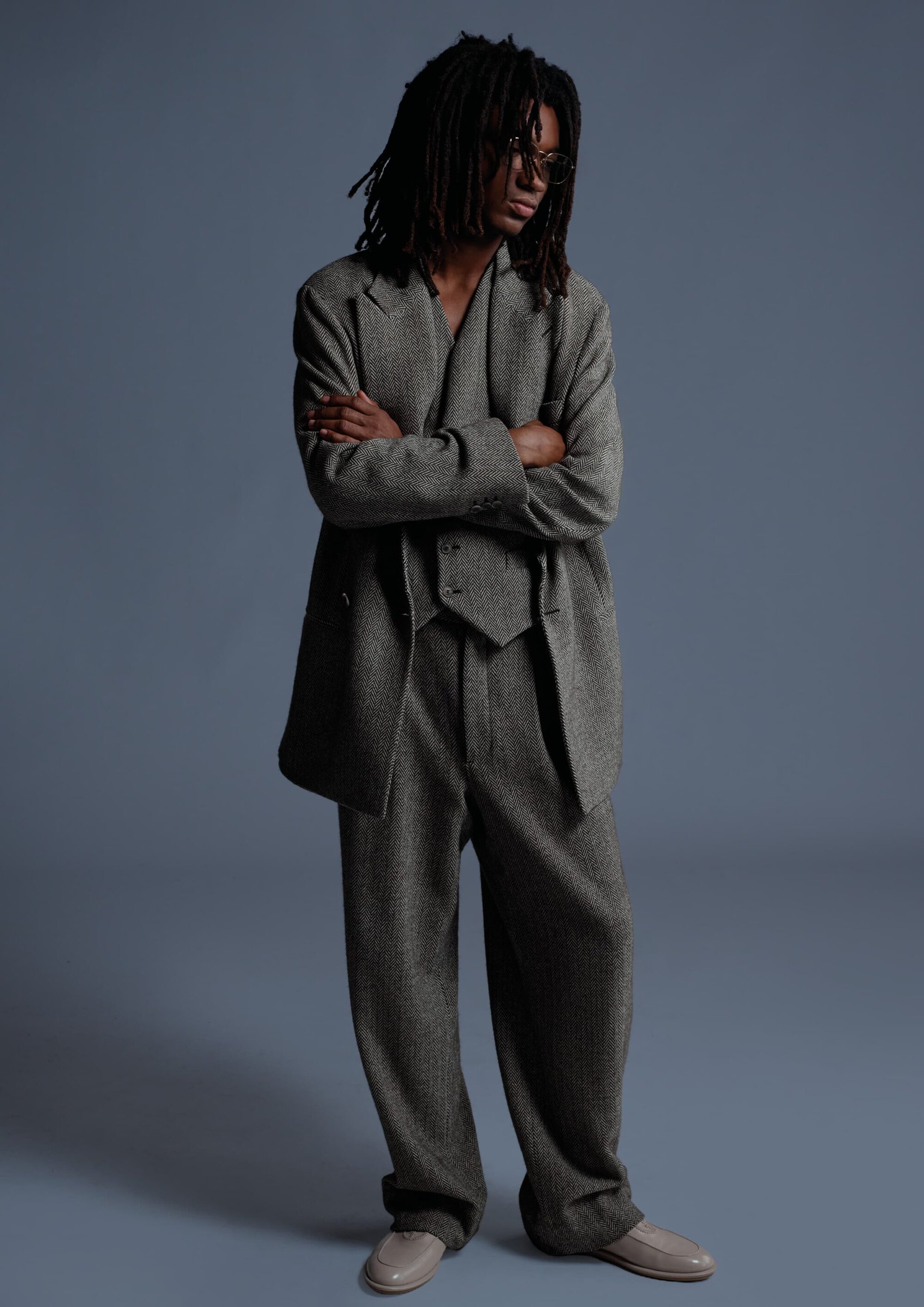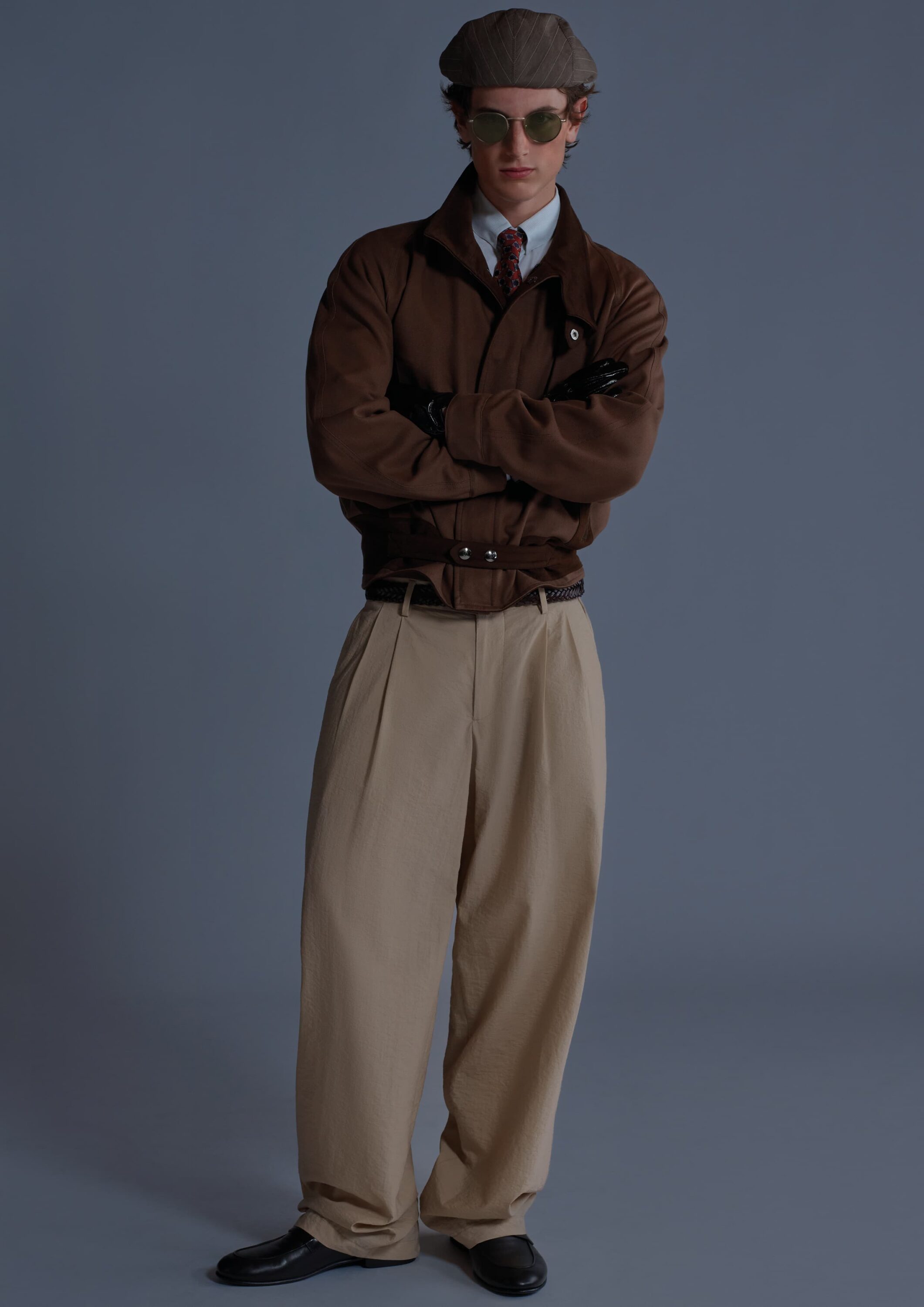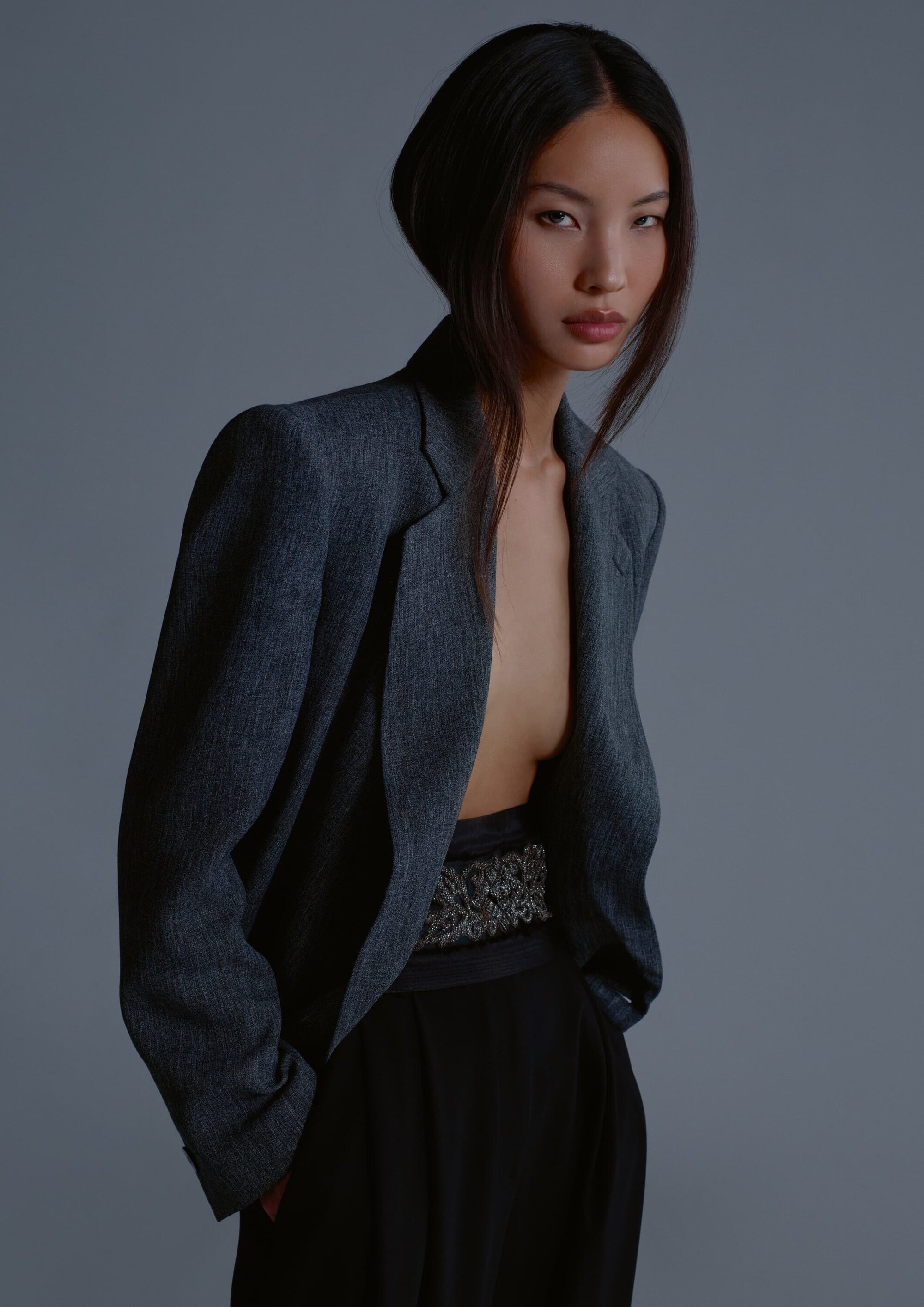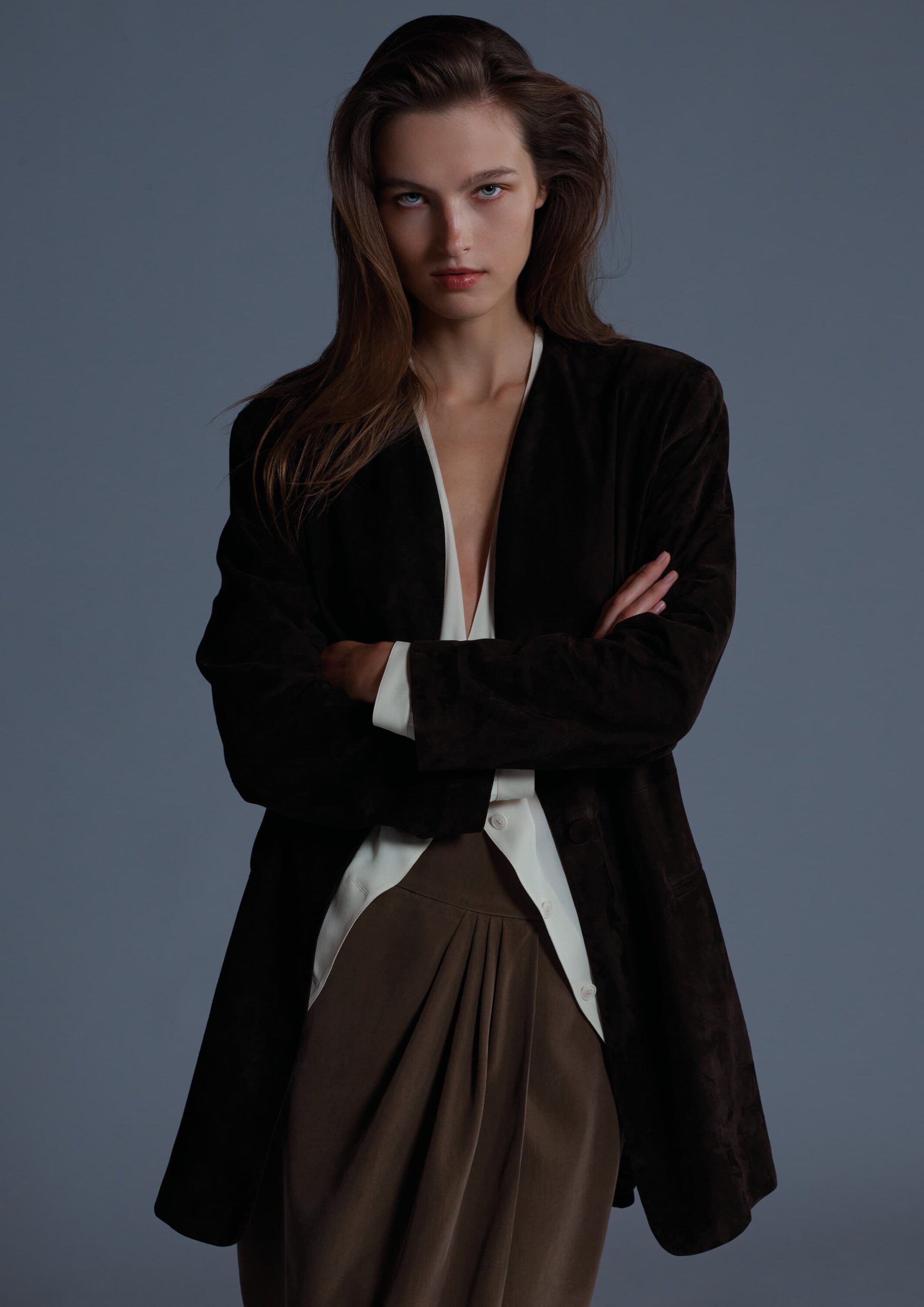
The second chapter of the heritage initiative brings archival menswear and womenswear from 1979 to 1994 back into production during Milan Design Week
Giorgio Armani has launched the second chapter of its ARMANI/Archivio project, using Milan Design Week as the backdrop for the first commercial release of reproduced archival garments. The new phase opened April 21 at the Giorgio Armani boutique on Via Sant’Andrea 9 in Milan.
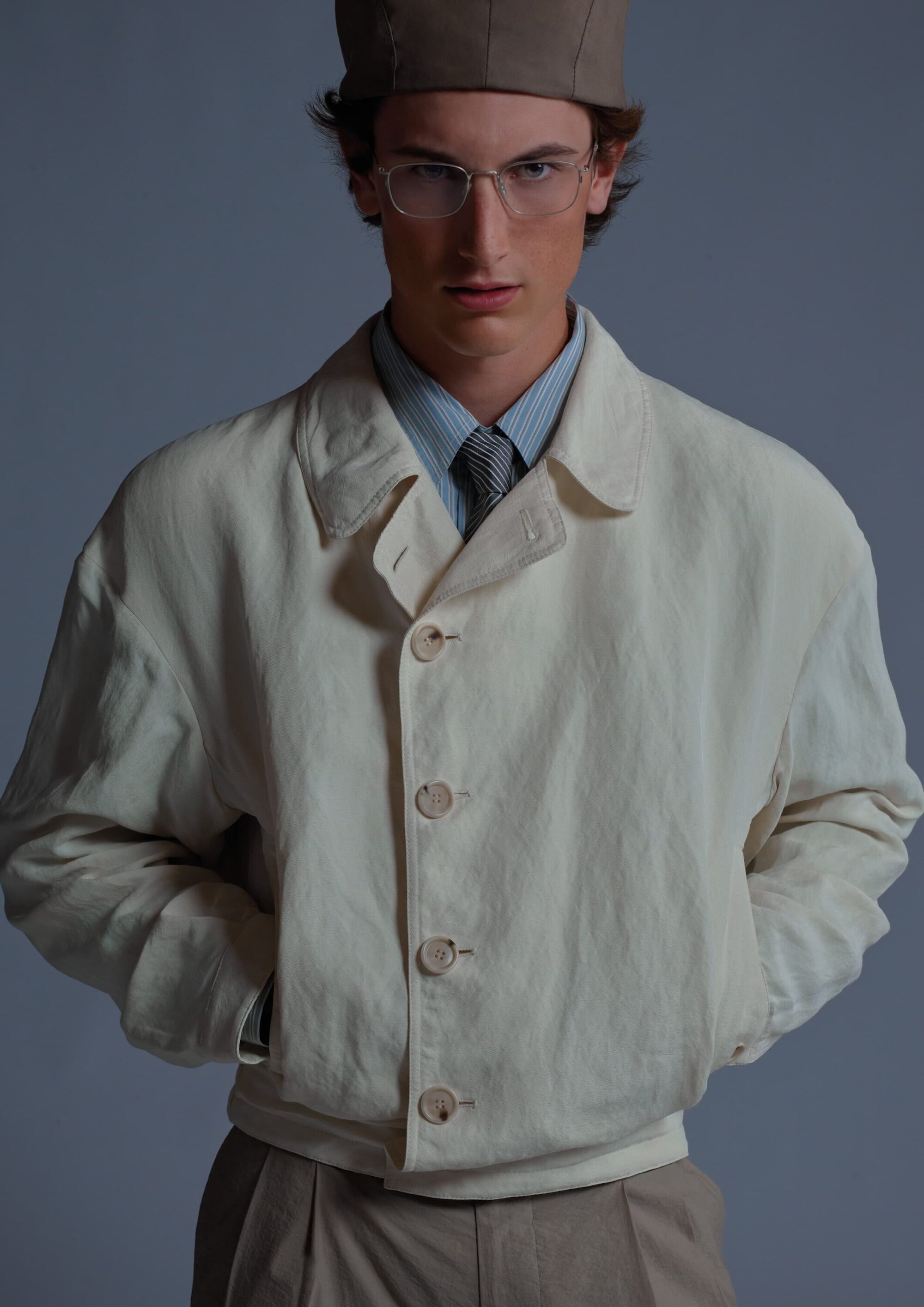
Originally introduced in 2025 to mark the 50th anniversary of the house, ARMANI/Archivio was conceived as an interactive platform to preserve and organize the brand’s historical collections while connecting heritage with digital innovation. This latest chapter moves the concept into retail, with thirteen men’s and women’s looks from collections dating from 1979 to 1994 faithfully recreated and made available for purchase.
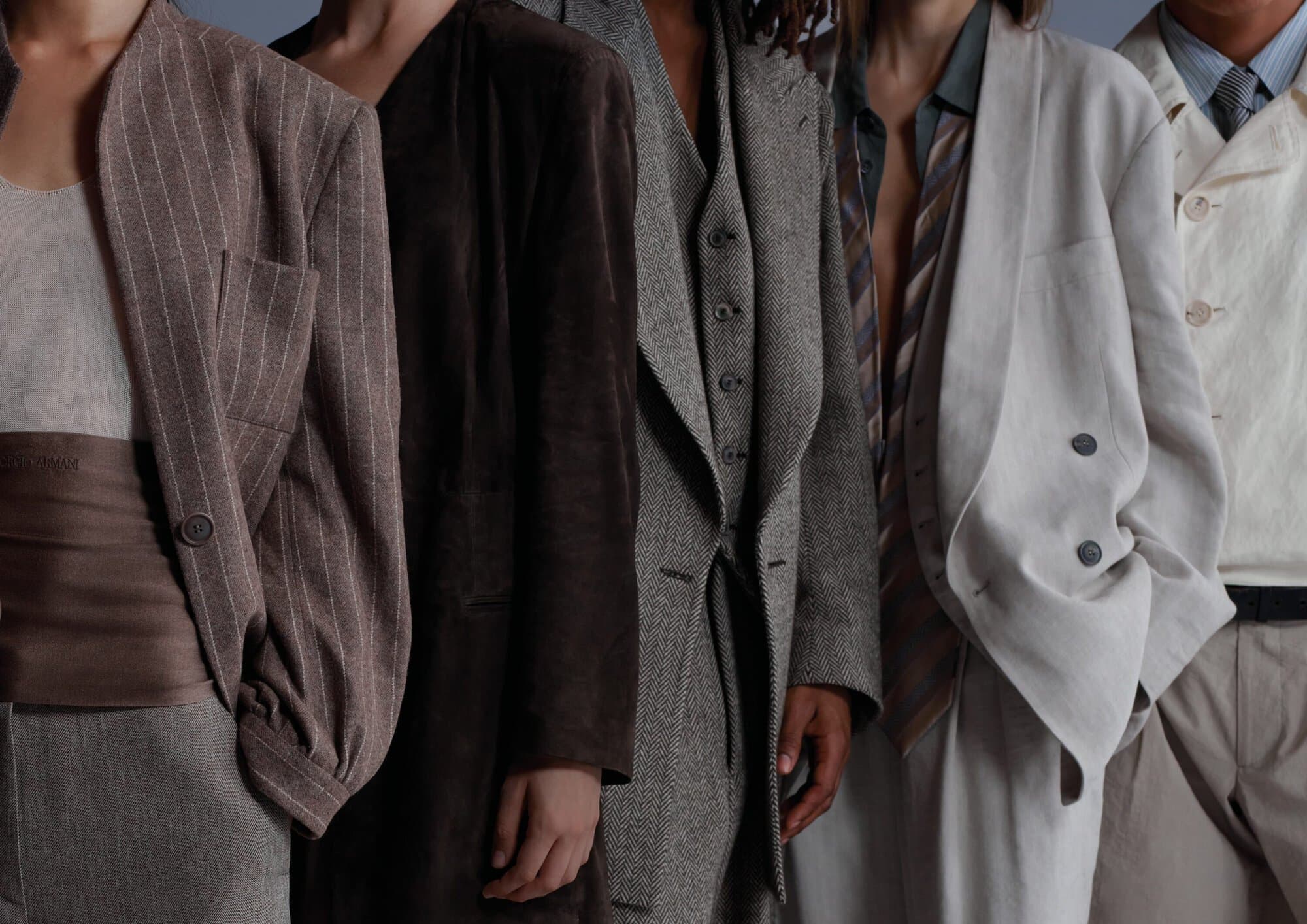
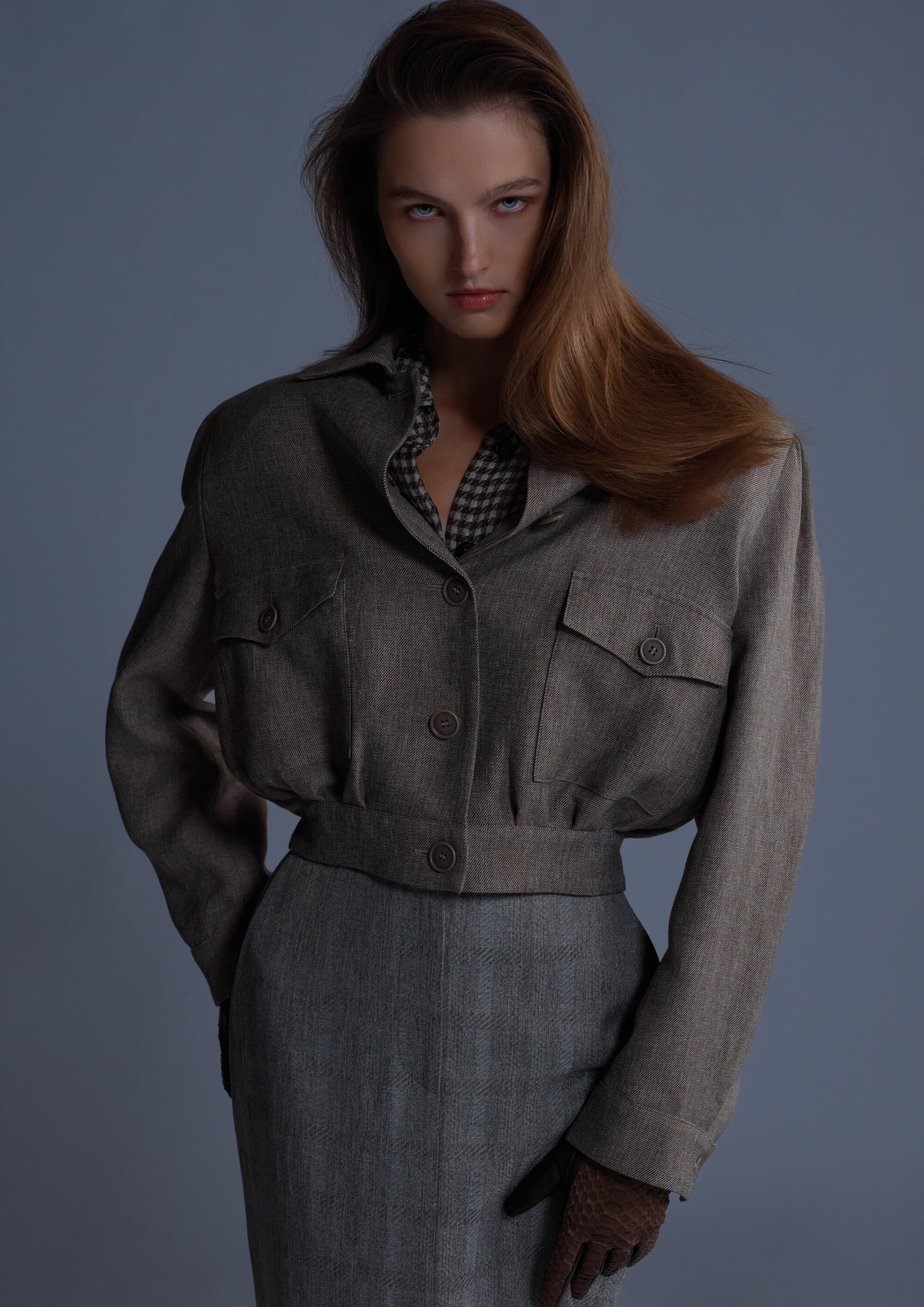
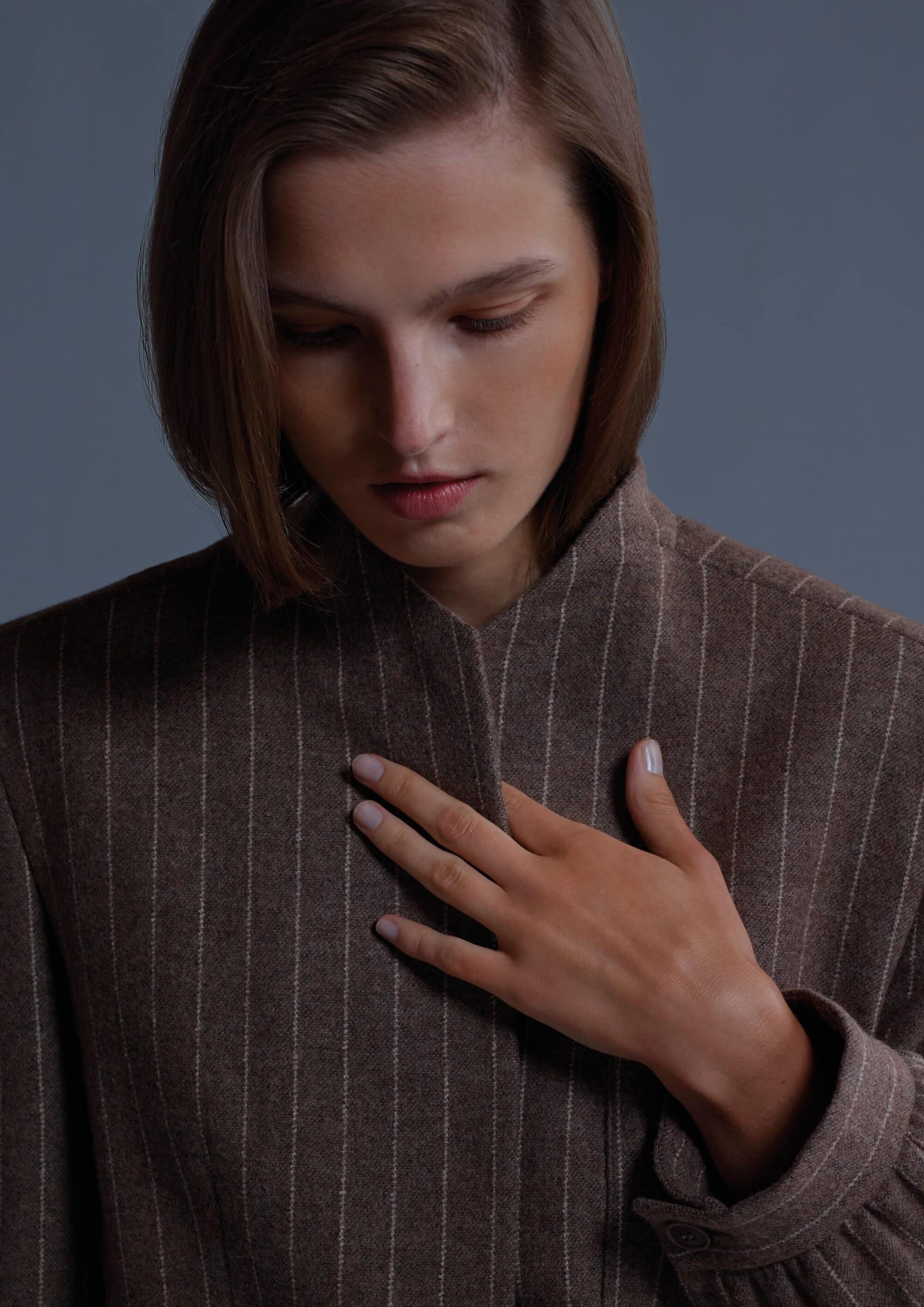
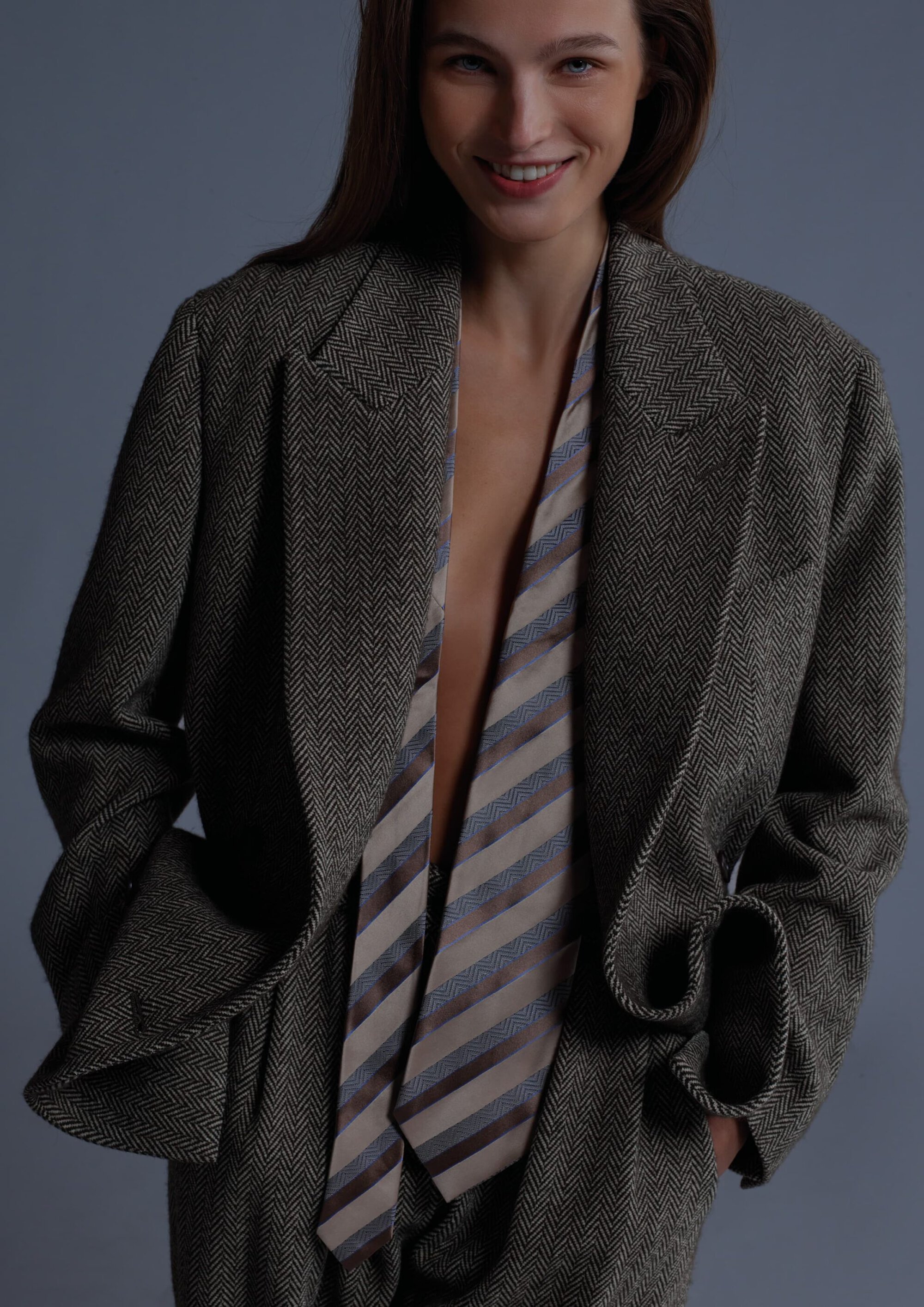
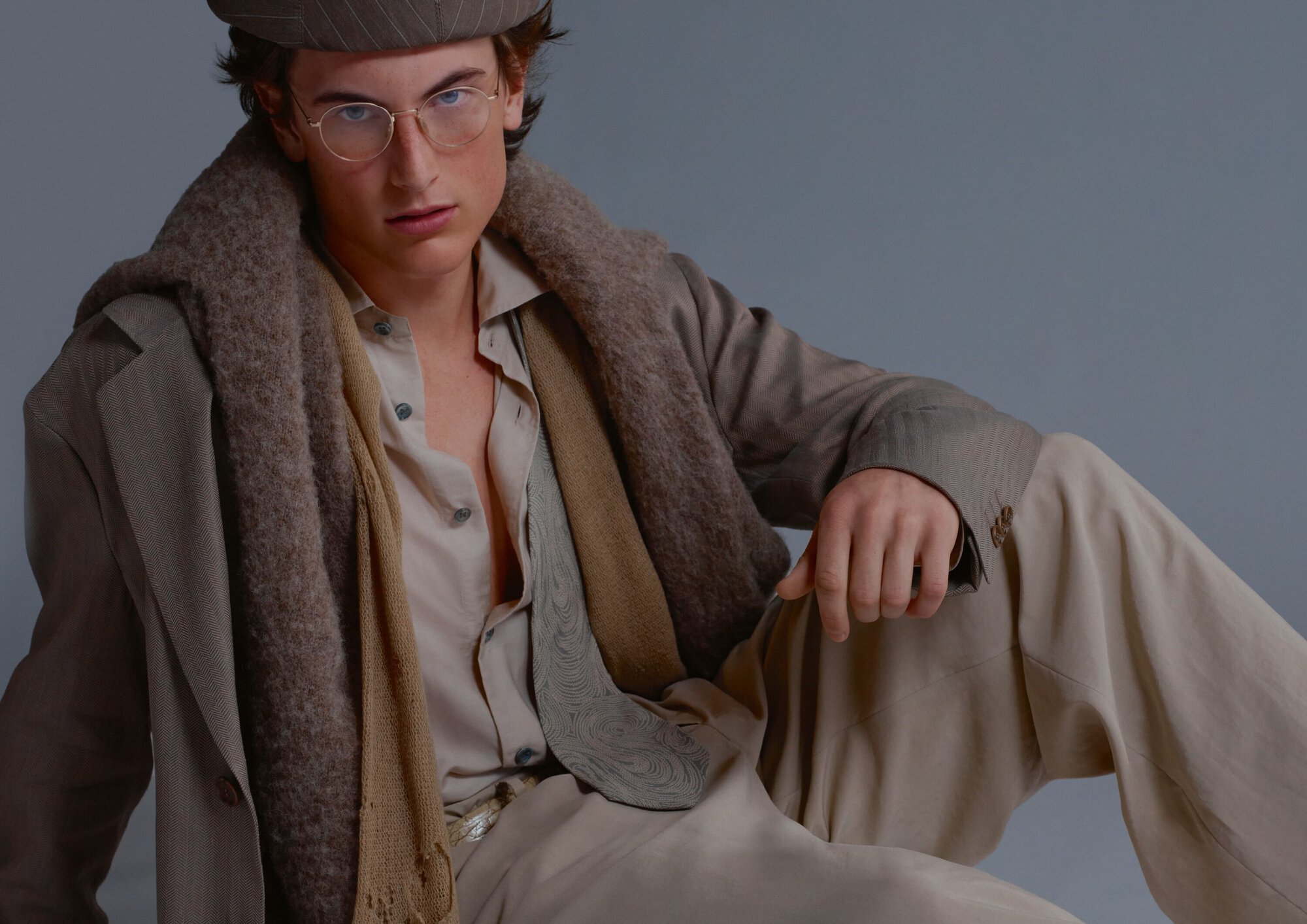
The selection centers on the jacket, a defining category in Giorgio Armani’s design vocabulary and one of the house’s most enduring commercial signatures. Chosen for their continued relevance, the garments reflect the long arc of Armani’s tailoring language while introducing archival product to new consumers through a circularity-driven concept framed as “Past Perfect. Future Ready.”
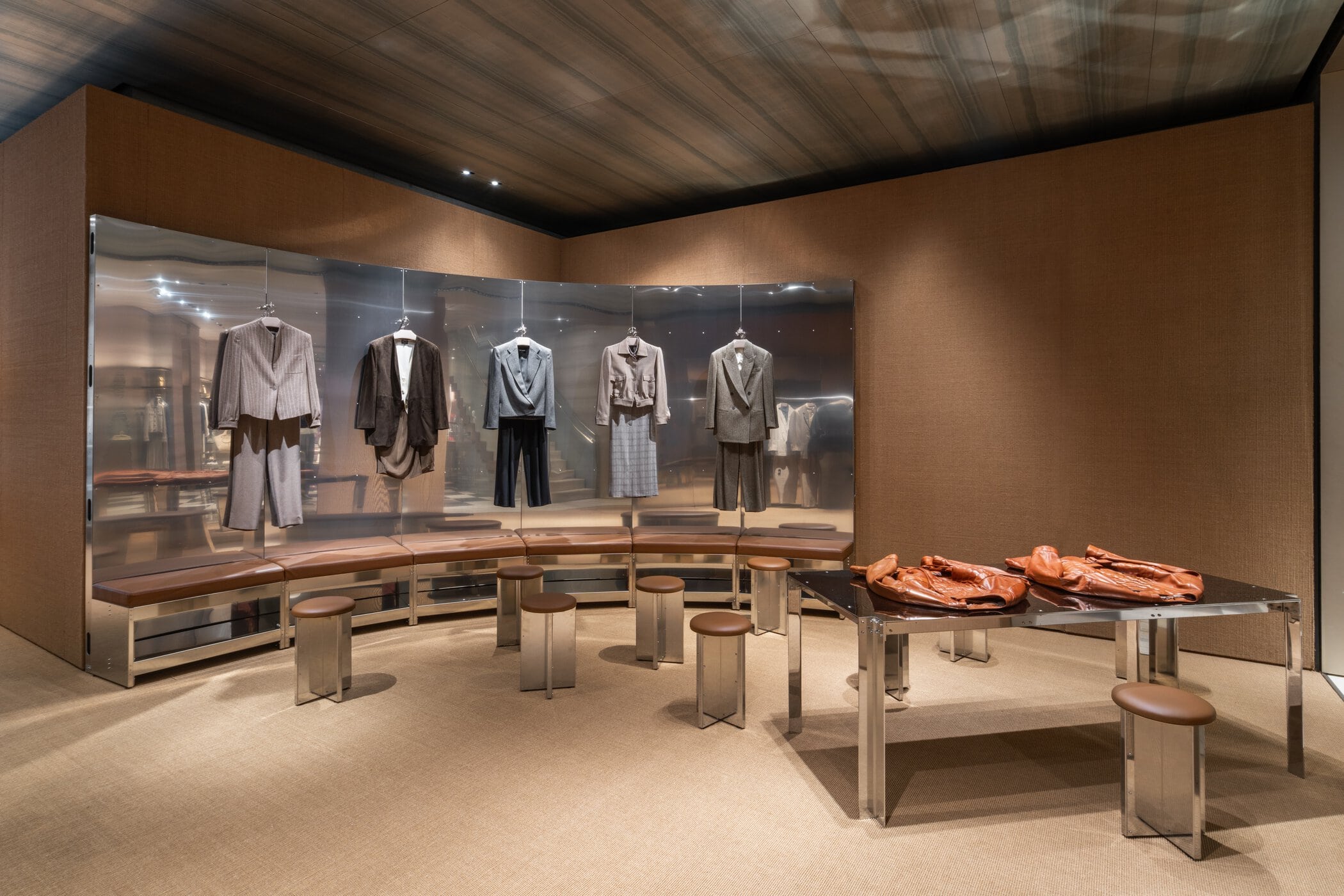
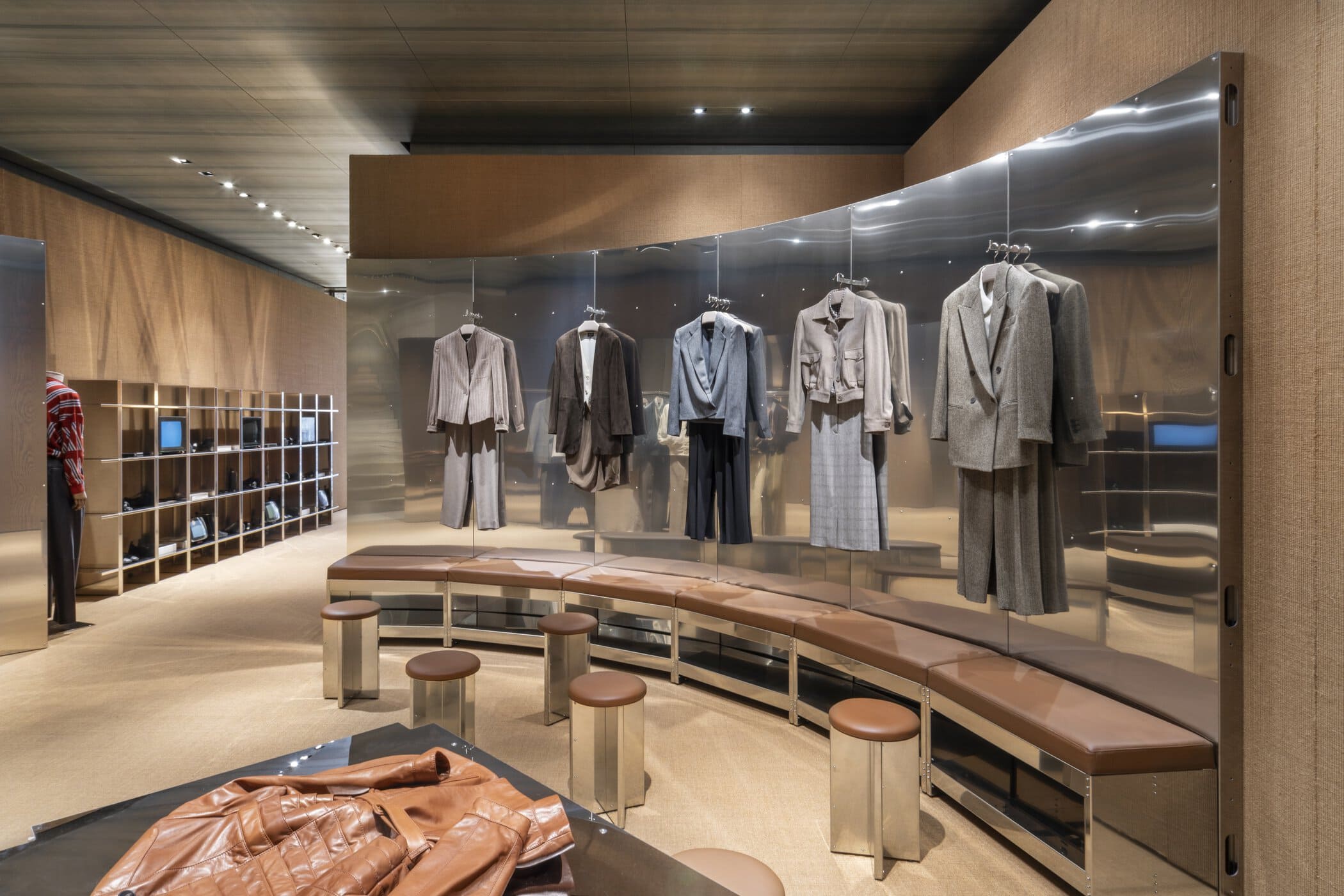
To accompany the launch, the Via Sant’Andrea boutique has been transformed with a custom installation by Milan-based studio NM3, which will host invitation-only talks focused on collecting, archiving, and heritage. The programming positions the initiative as both retail activation and cultural platform, aligning with wider industry interest in provenance, resale, and long-term brand value.
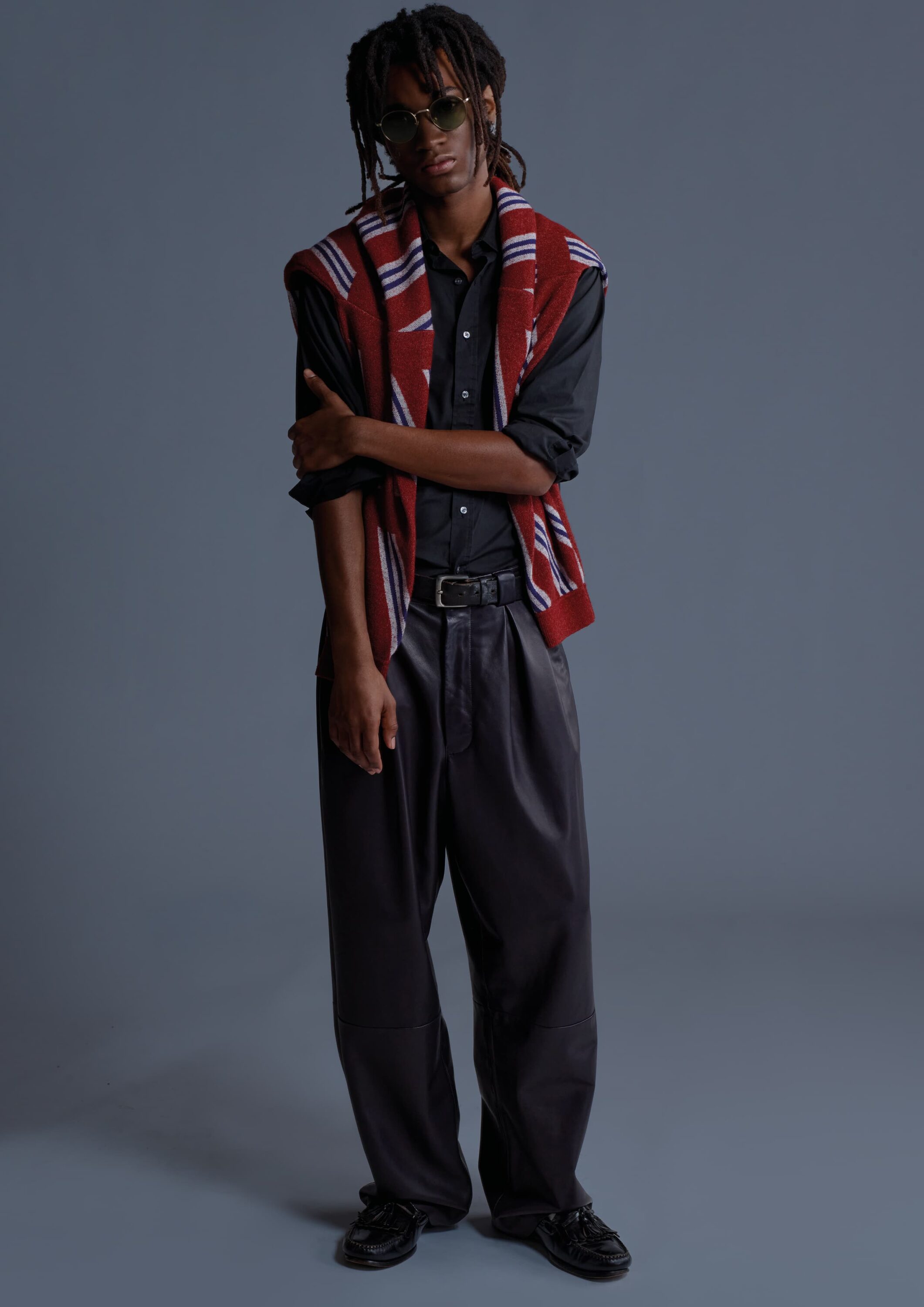
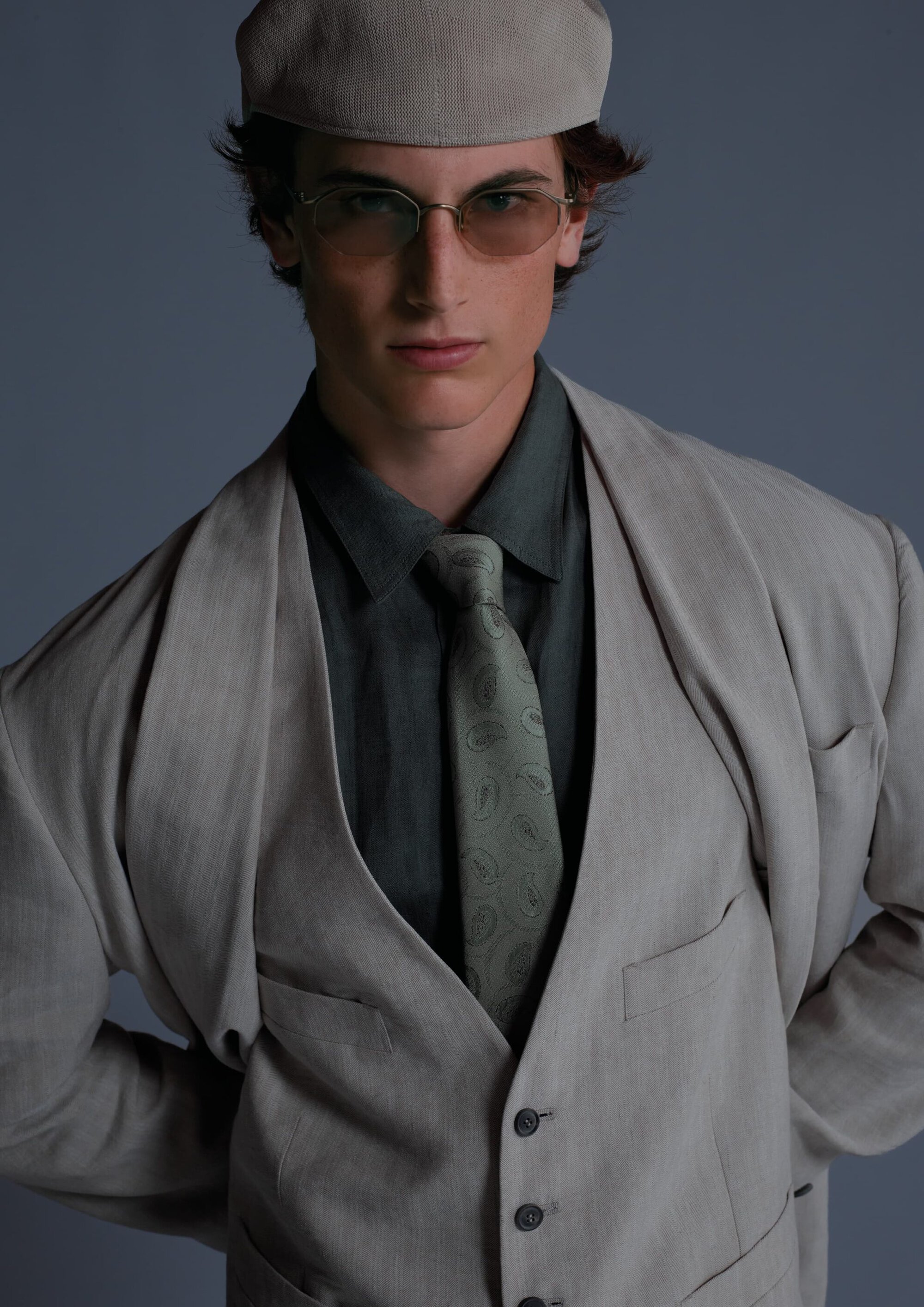
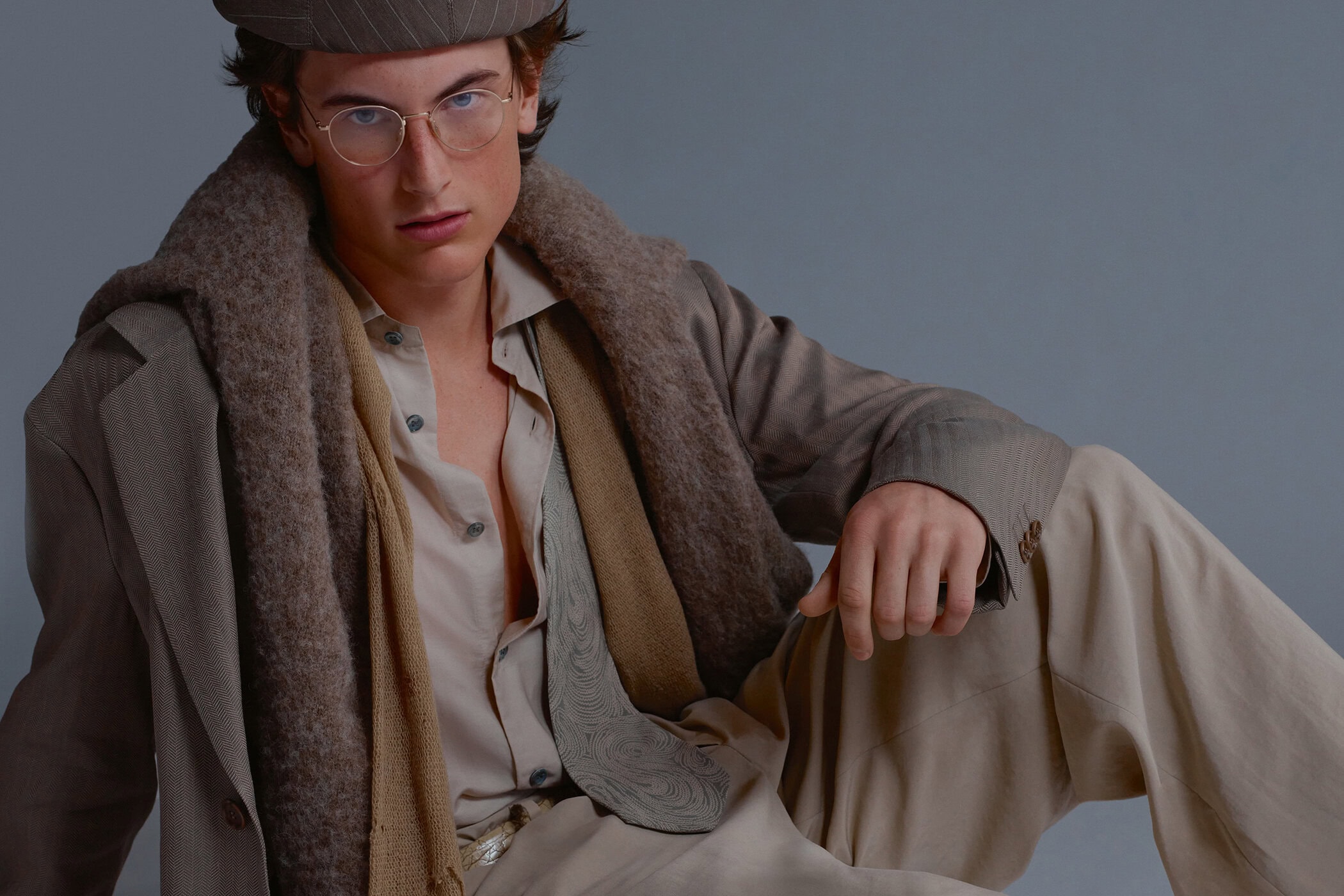
A campaign photographed and styled by Eli Russell Linnetz supports the project, interpreting the archival looks through a contemporary lens while referencing the visual codes of early Armani advertising. The reissued pieces are available through armani.com, selected Giorgio Armani boutiques, and partner retailers including APROPOS Berlin, Just One Eye Los Angeles, and Mytheresa.
By converting archival equity into sellable product, Giorgio Armani joins a growing number of luxury houses using heritage not only as storytelling, but as an active commercial strategy with relevance across generations.