A four-piece capsule with yoga instructor Eddie Stern treats tailoring and practice wear as a single wardrobe rather than two
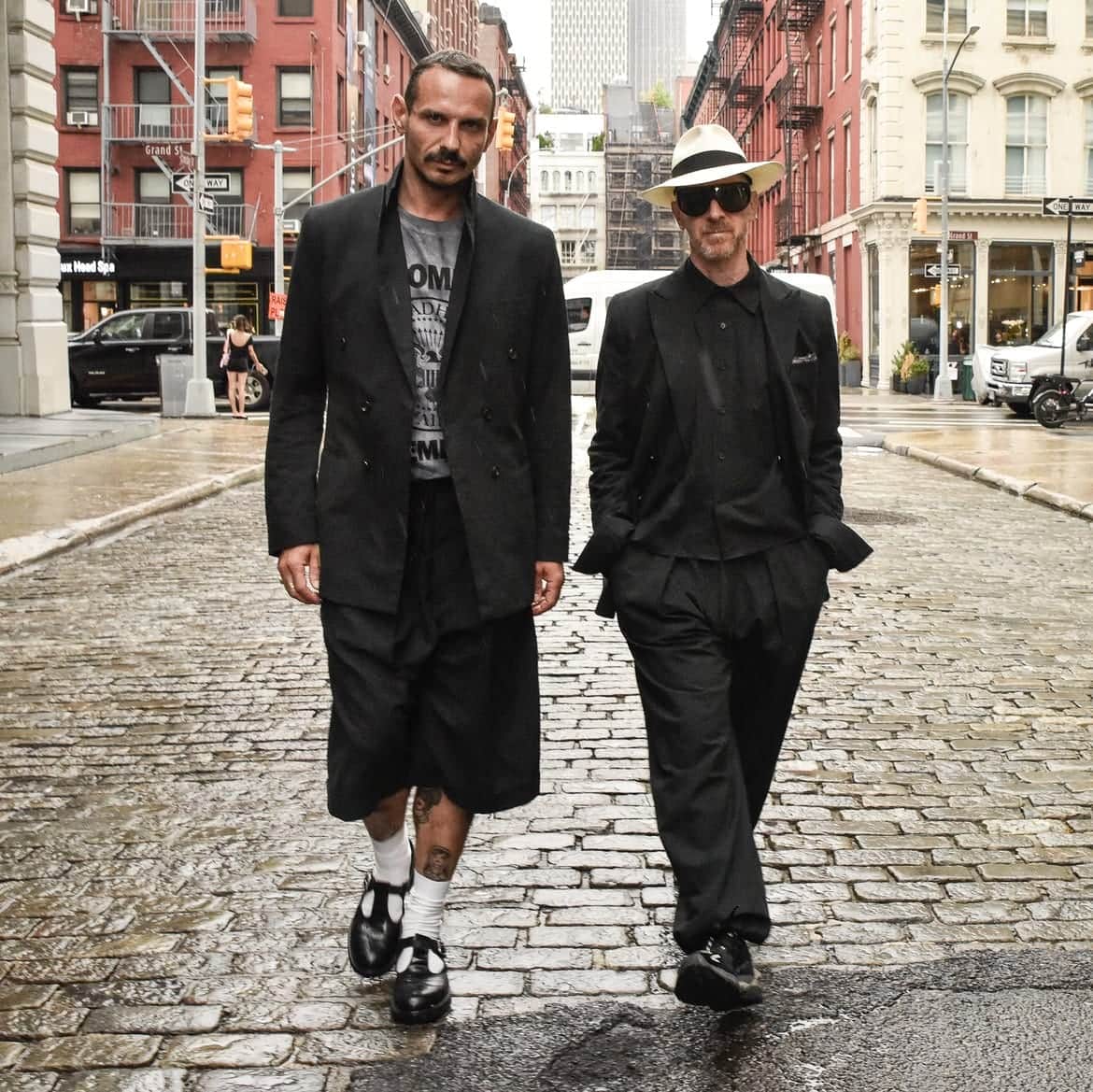
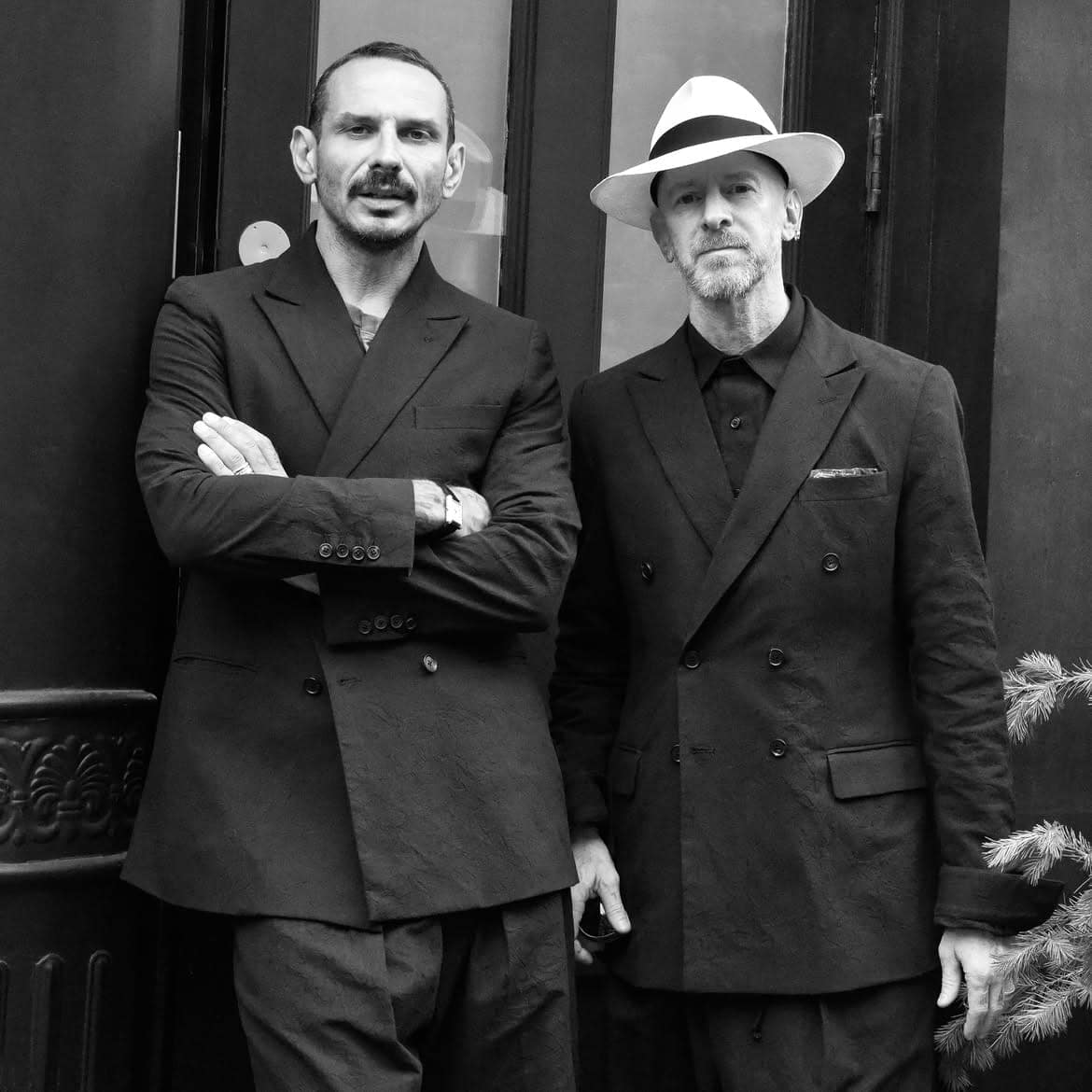
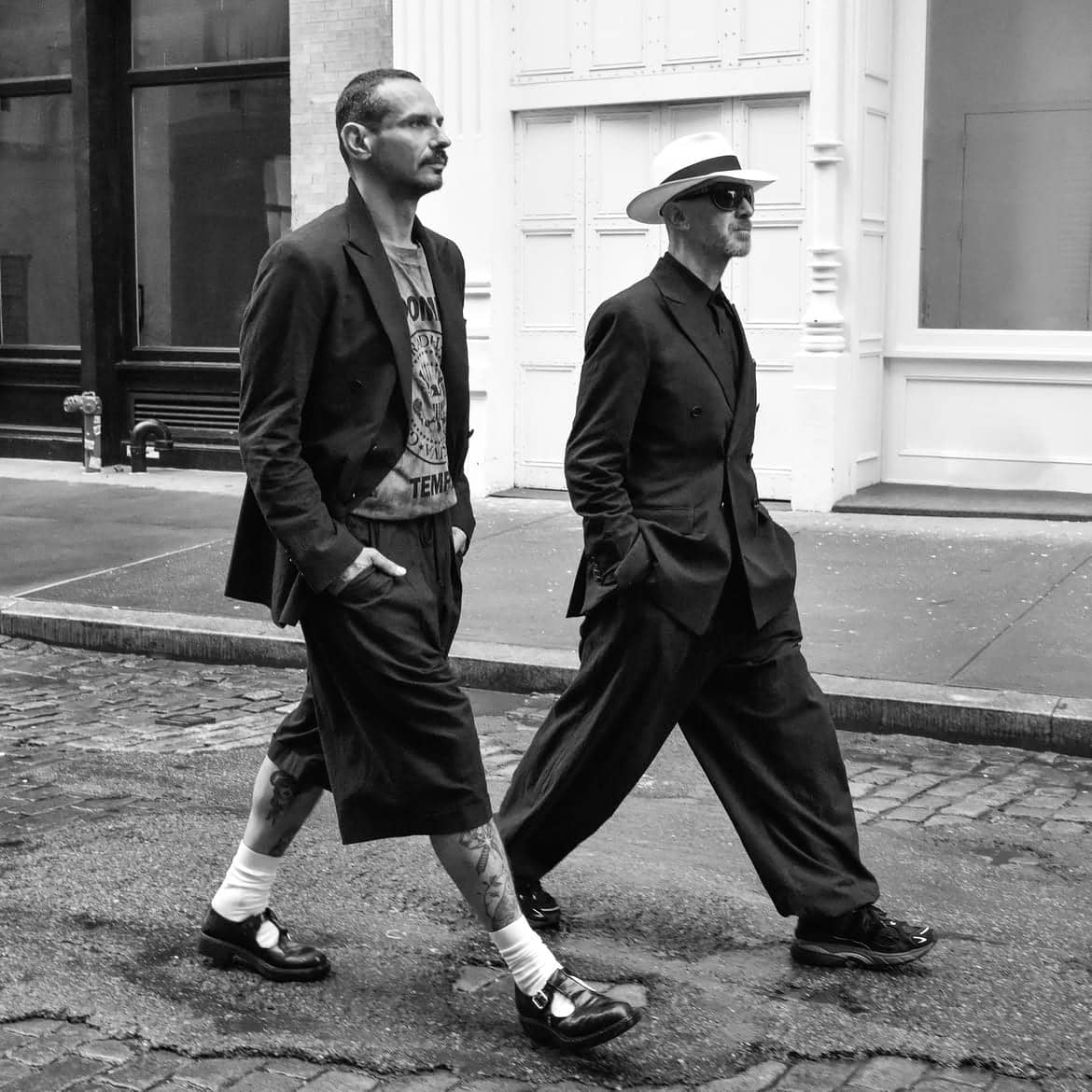
Menswear designer Raf Swiader has partnered with yoga instructor Eddie Stern on a capsule built to move between conference room and mat without a costume change. The four pieces, a blazer, shirt, necktie, and pair of alternating bottoms, are cut from a textured Japanese cotton chosen specifically to resist wrinkling even after time spent in lotus position, a practical solution to a brief that treats tailoring and practice wear as one category rather than two separate wardrobes.
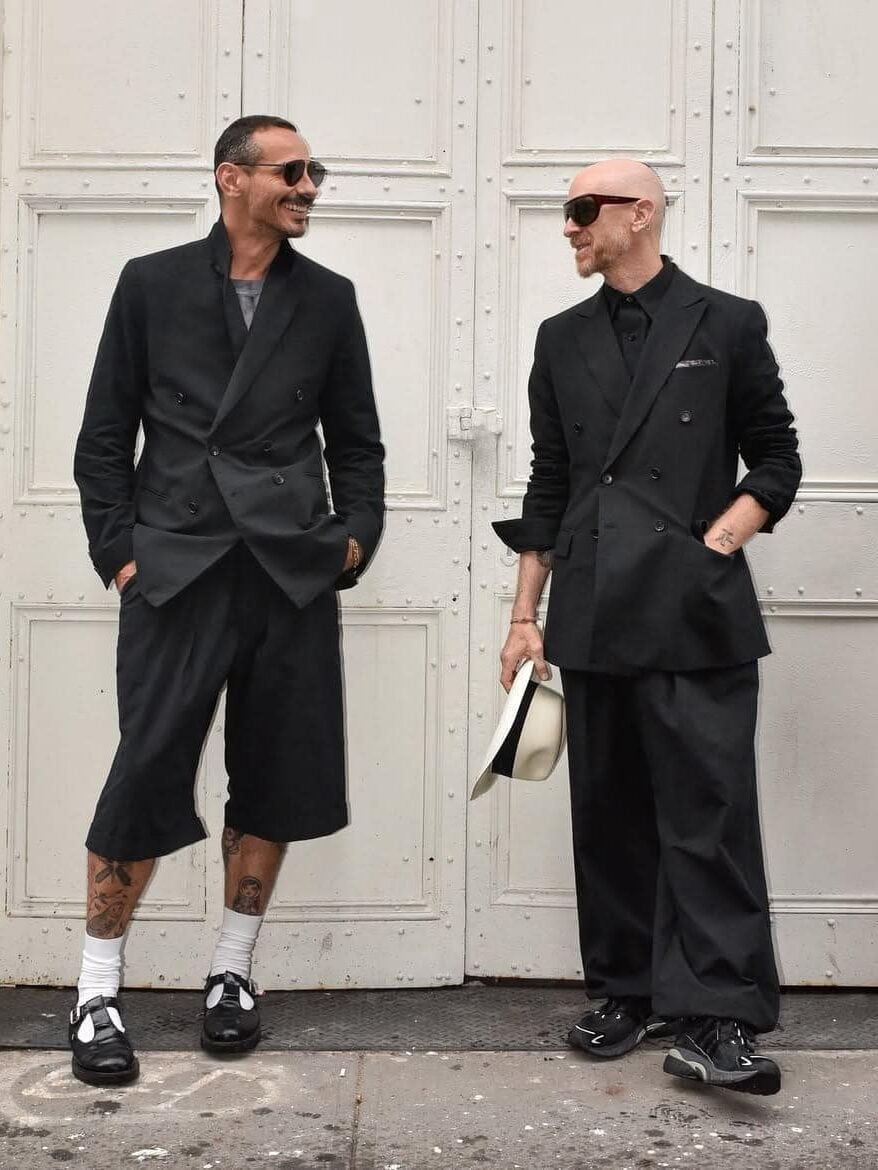
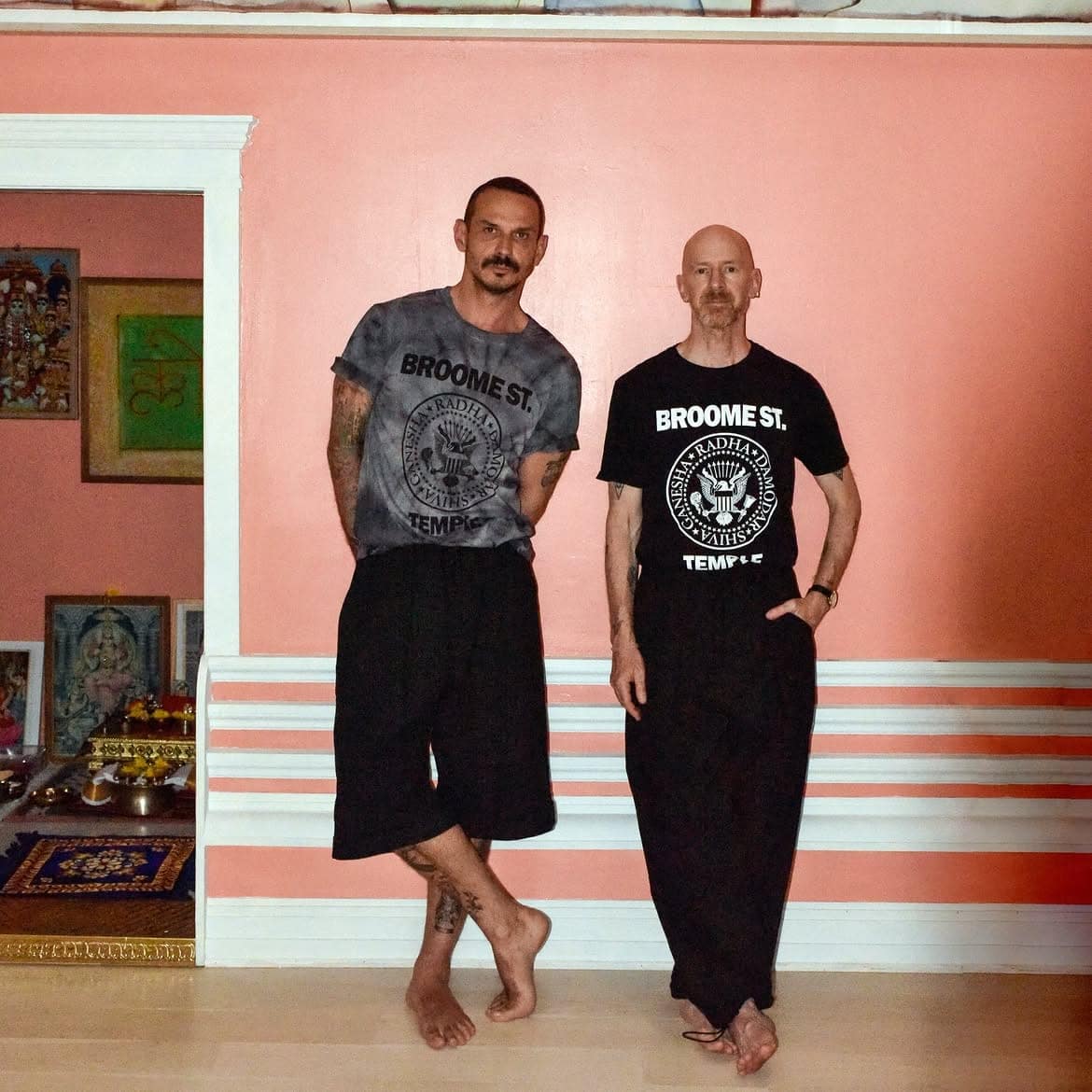
Stern is a longtime teacher, author, and researcher whose client list has included Gwyneth Paltrow and Madonna. His teaching centers on Yoga Sangraha, a framework he has built with a contemporary, science-informed lens that prioritizes calming and regulating the nervous system over the performance of individual poses, a distinction that reframes yoga less as a fitness discipline and more as a practice of internal alignment. Swiader has studied under Stern for several years at his Broome Street Ganesha studio, and the two describe the collaboration as a natural extension of that relationship rather than a one-off licensing arrangement, with Swiader crediting the practice as a direct influence on how he approaches design.
The pairing works because the two men complement rather than mirror each other, Swiader bringing the tailoring discipline and Stern the internal one, and both sharing a conviction that an active lifestyle doesn’t require dressing exclusively in athleisure to be taken seriously. Stern put the philosophy plainly, noting that the outfit sets the tone for inner alignment. That framework carries directly into the clothing itself. Just as Stern’s technique resists treating yoga as a set of poses to be executed, the capsule resists treating tailoring and activewear as separate categories that shouldn’t overlap. The lineup runs a double-breasted blazer at $850, a shirt at $325, a necktie at $160 and two alternating bottoms priced between $400 and $450, with the centerpiece trouser, the Mitra pant, named for the Hindu deity, reworking a silhouette from an earlier R.Swiader season with a dropped crotch and added pleating that lets the leg read as relaxed or buttoned up depending on the setting, a shorts version offered alongside it. The line launched through a single free public yoga session rather than a traditional lookbook rollout, with both collaborators modeling the pieces themselves.
On its own, the release is a minor moment for a small-batch label, but it lands as one more data point in a wellness crossover that has moved well past the luxury tier and now shapes product decisions at the micro-designer level.