By the close of couture week, the dresses were only part of the story.
Across Paris, designers used couture to reconsider what luxury can still offer in a culture already saturated with product, imagery, and access. The strongest collections understood that rarity alone is no longer enough. Couture now has to create belief: in the value of the hand, in the emotional force of material, in the mythology of a house, and in fashion’s ability to propose worlds that cannot be replicated at scale.
That urgency took many forms. Some designers found new possibilities inside familiar house codes, allowing heritage to become a living design language. Others moved toward stranger materials, altered bodies, and techniques that expanded the accepted boundaries of couture. Refinement became its own form of conviction, while fantasy carried greater weight when it was grounded in character, memory, or a clear emotional proposition.
The season also exposed couture’s most difficult tensions. A celebrated designer’s signature can bring immediate authority to a new house, though it can also make genuine transformation harder to recognize. Extraordinary craftsmanship can inspire admiration while leaving the larger story unresolved. Consistency can reassure the client and still raise questions about creative evolution. The best collections found productive energy within these contradictions.
Our Top 10 reflects the shows that moved the conversation forward most convincingly. They combined technique with intention, spectacle with substance, and recognizable identity with a sense of discovery. Together, they suggest that couture’s future will be shaped by designers who understand that the highest form of luxury is no longer abundance. It is meaning made tangible.
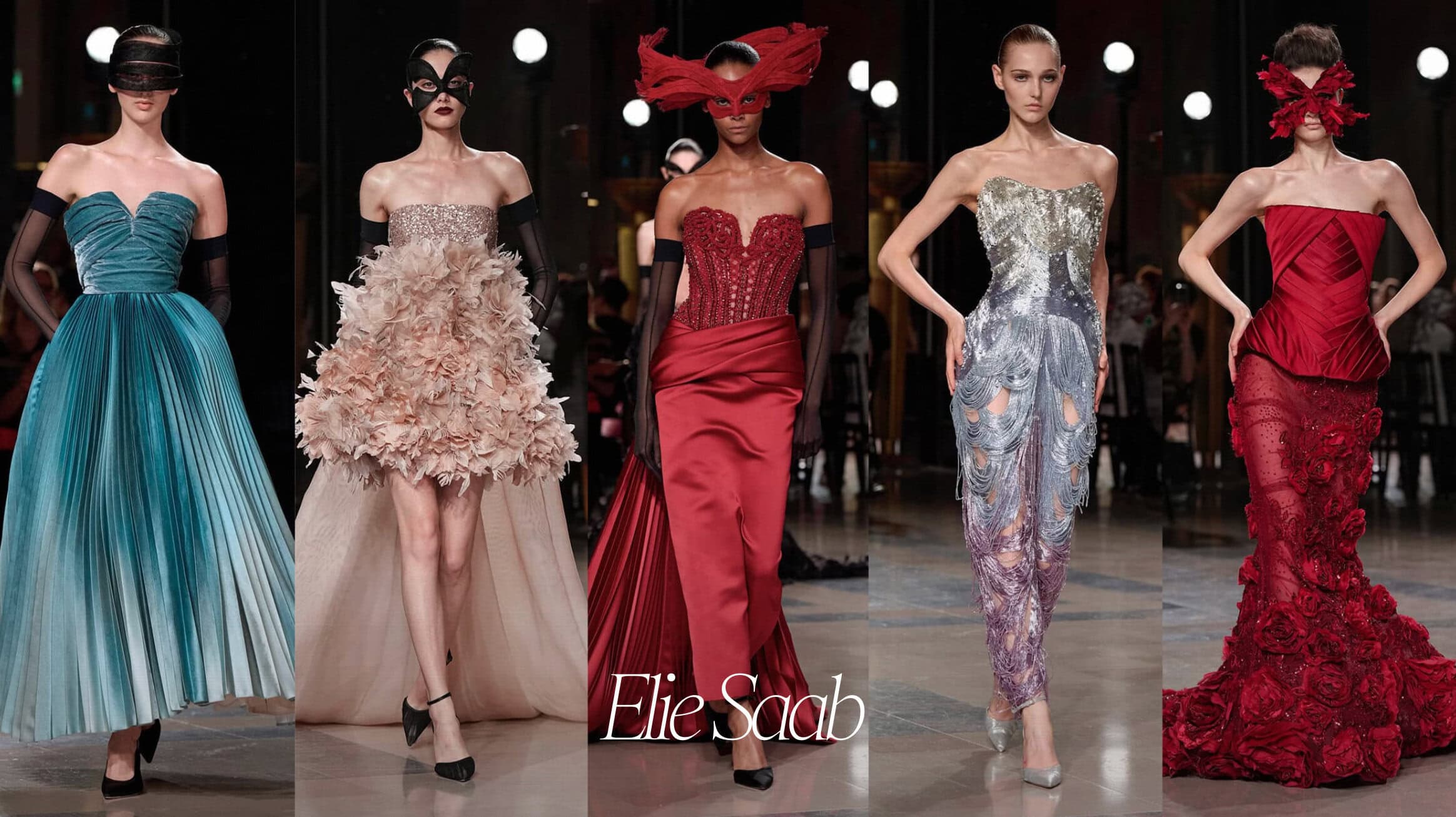
10 – Elie Saab
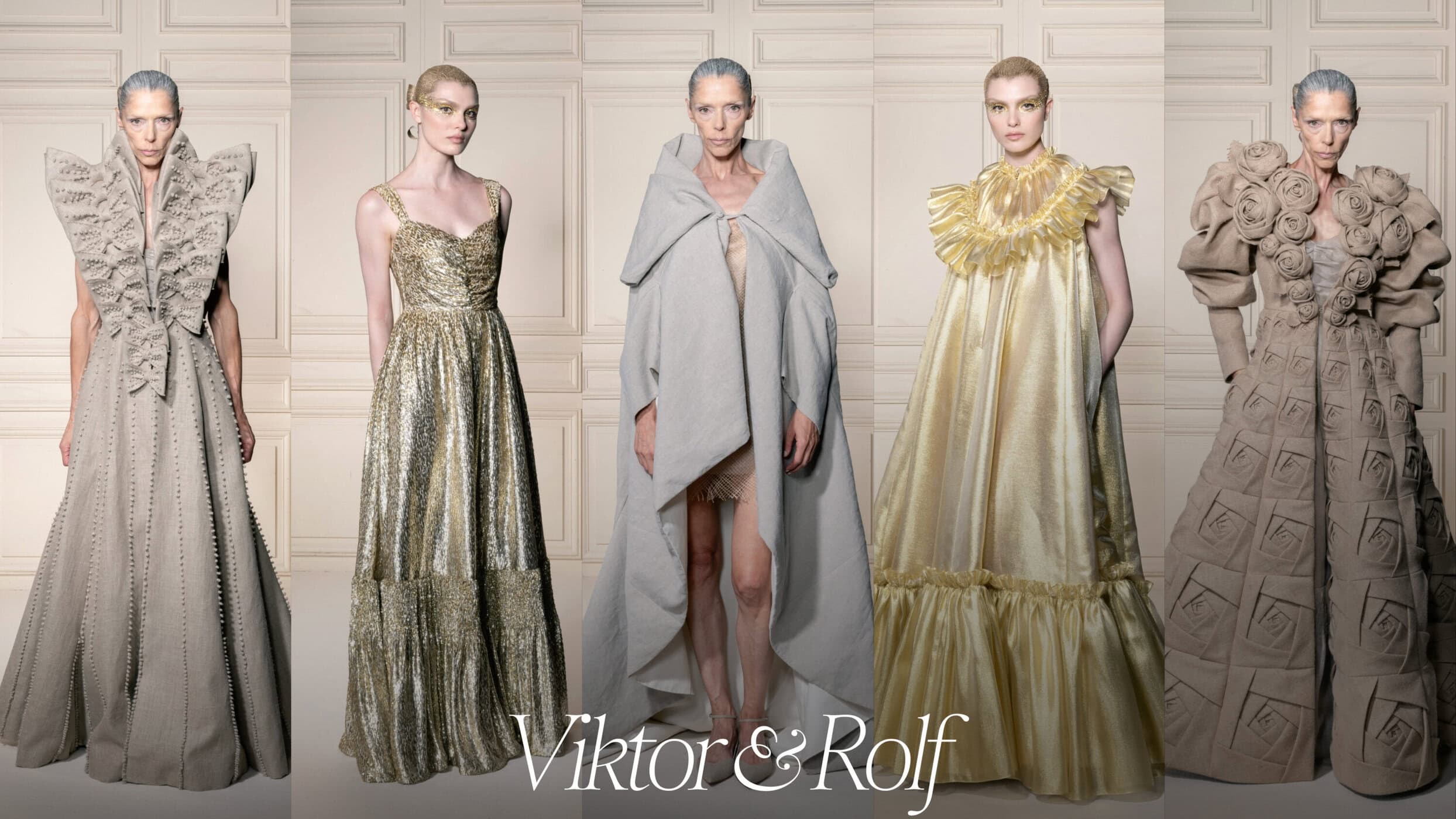
9 – Viktor & Rolf
8 – Standing Ground
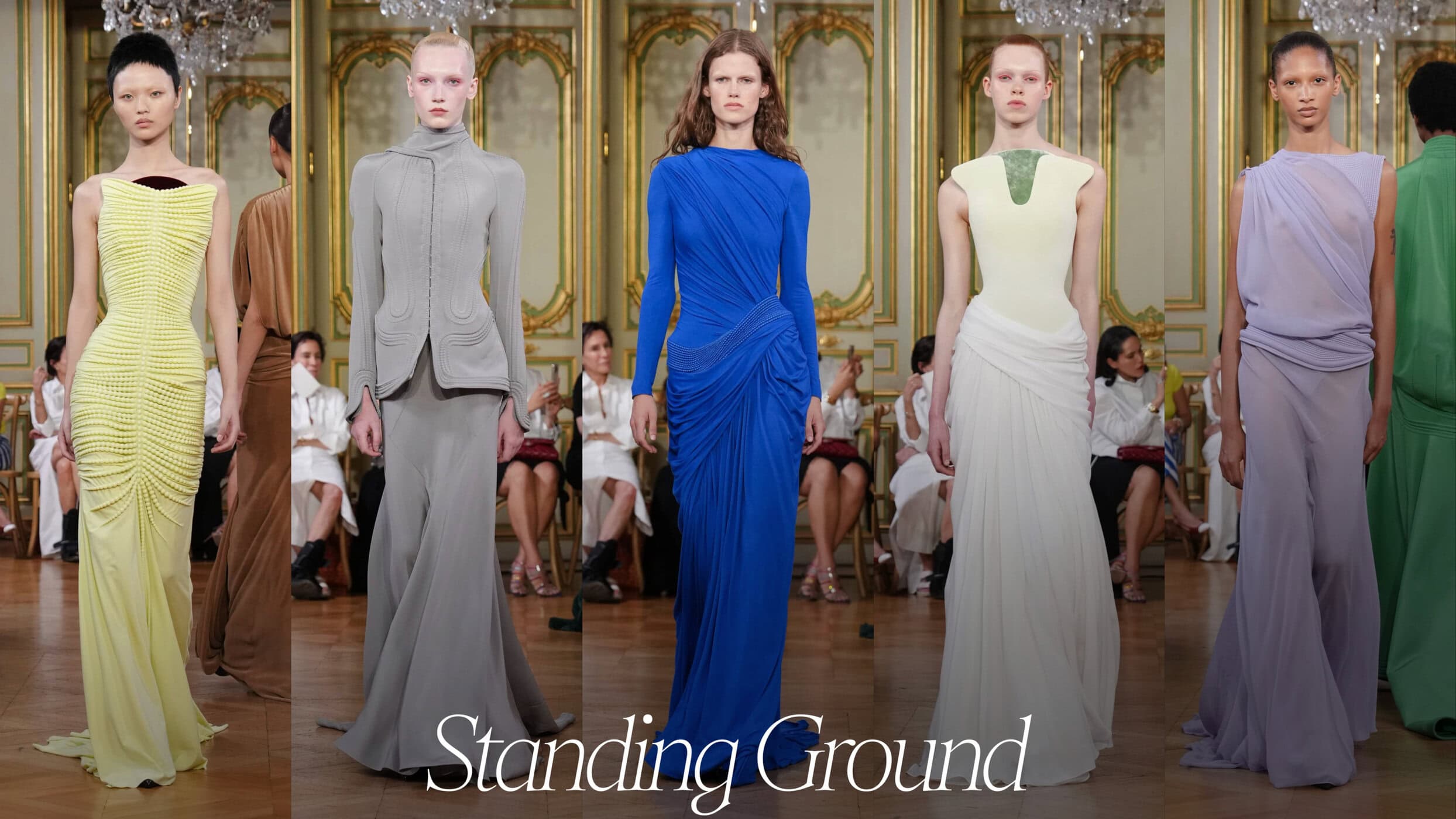
7 – Fendi
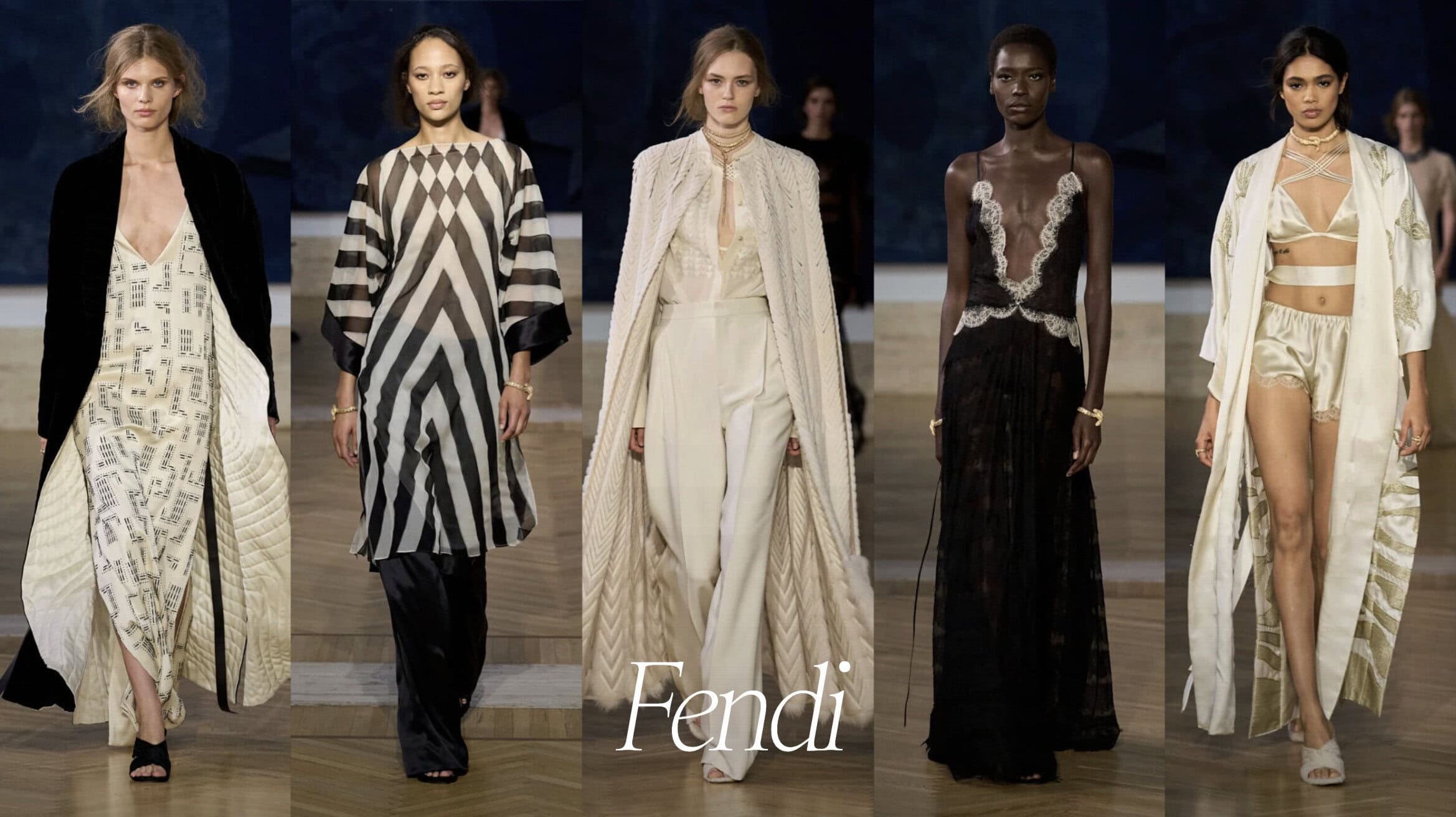
6 – Ashi
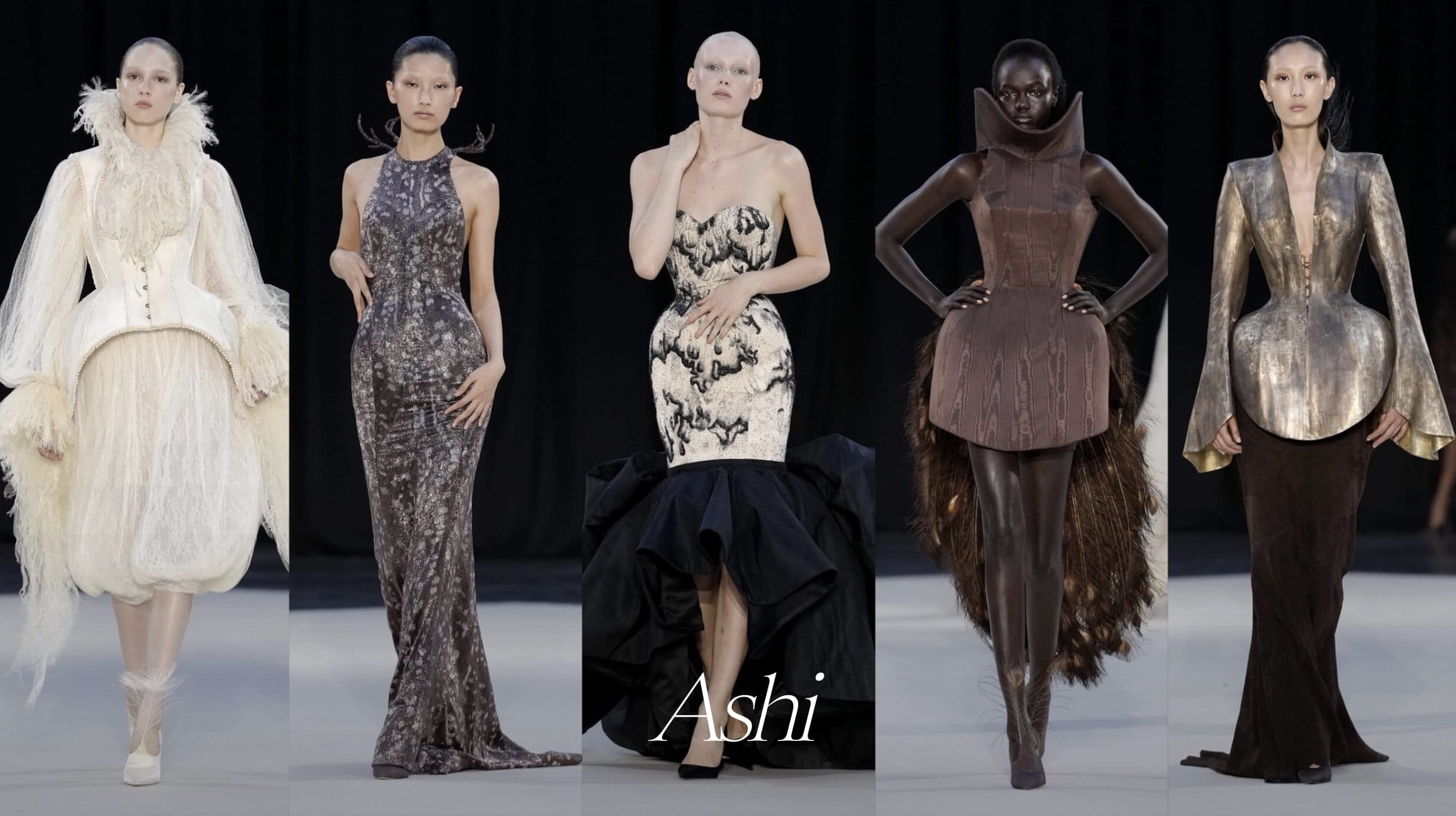
5 – Boloria
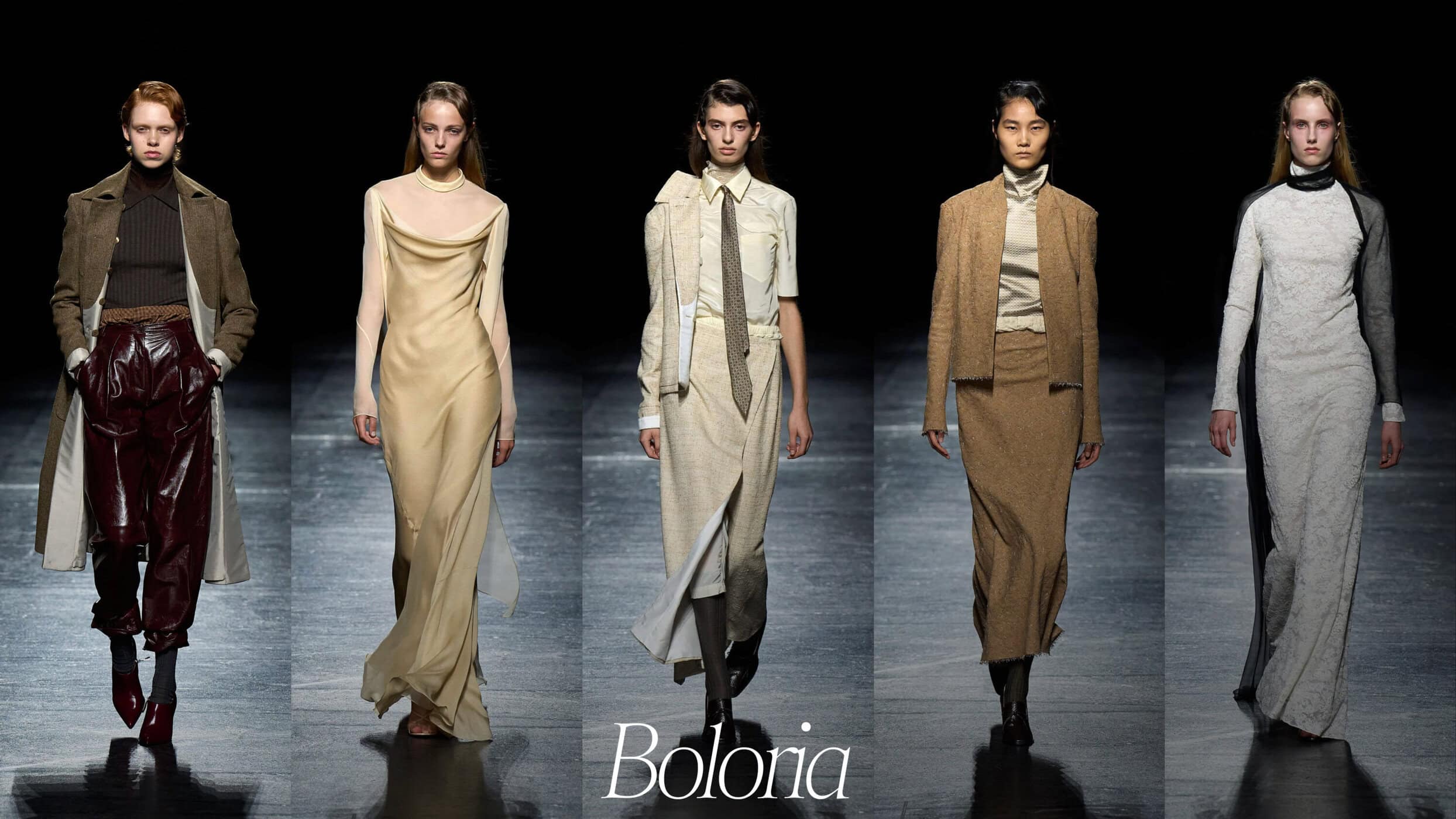
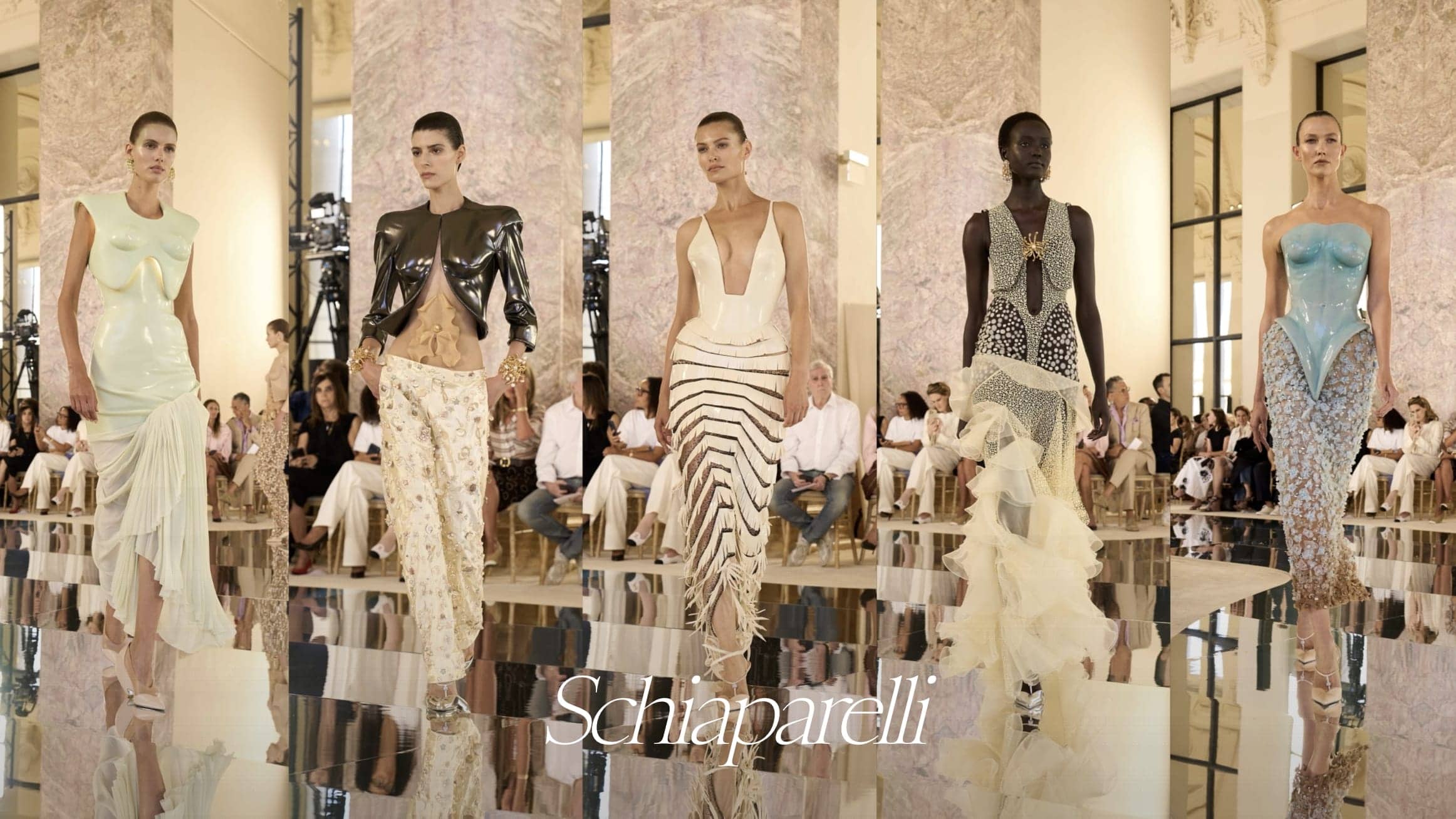
4 – Schiaparelli
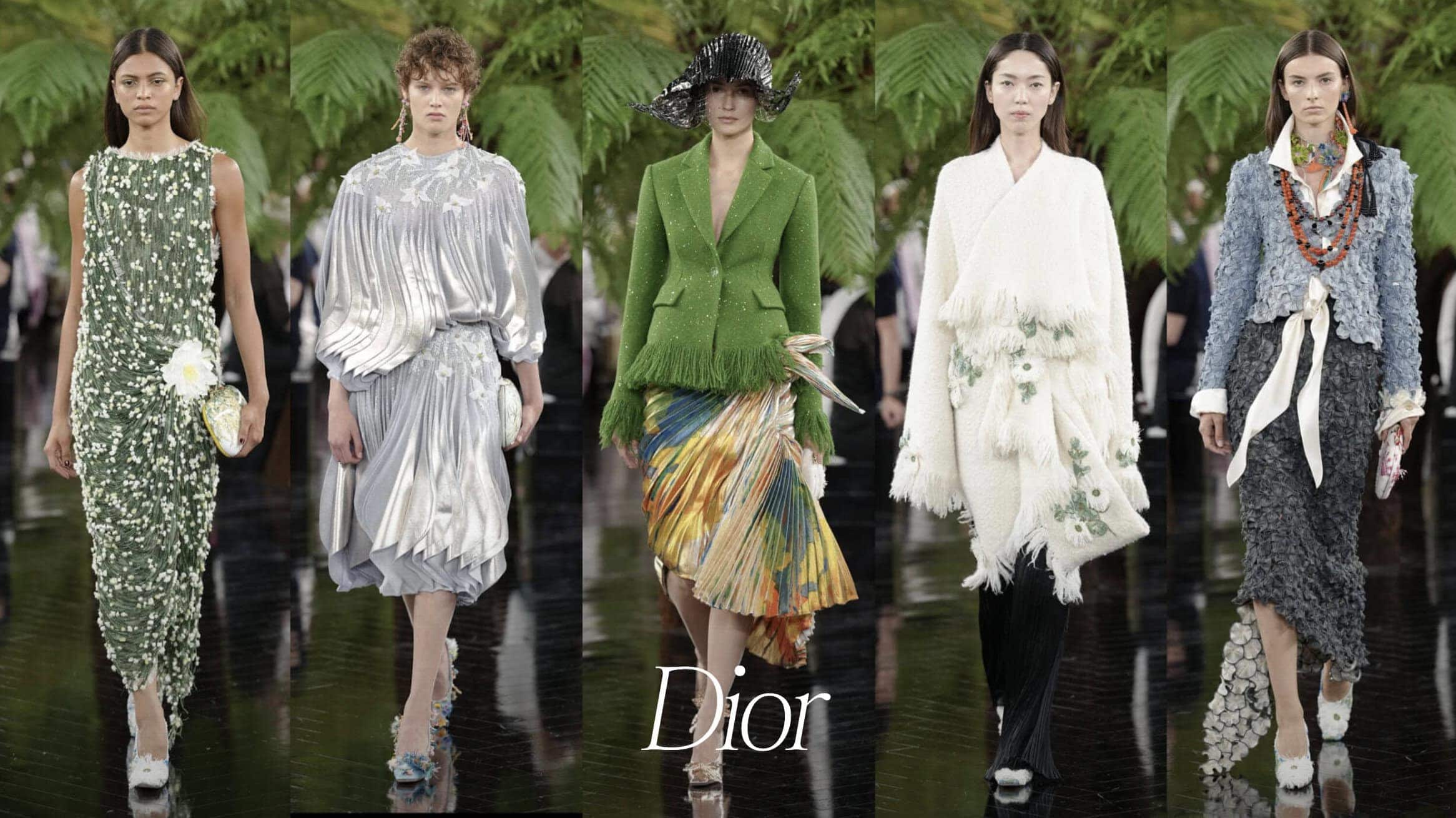
3 – Dior
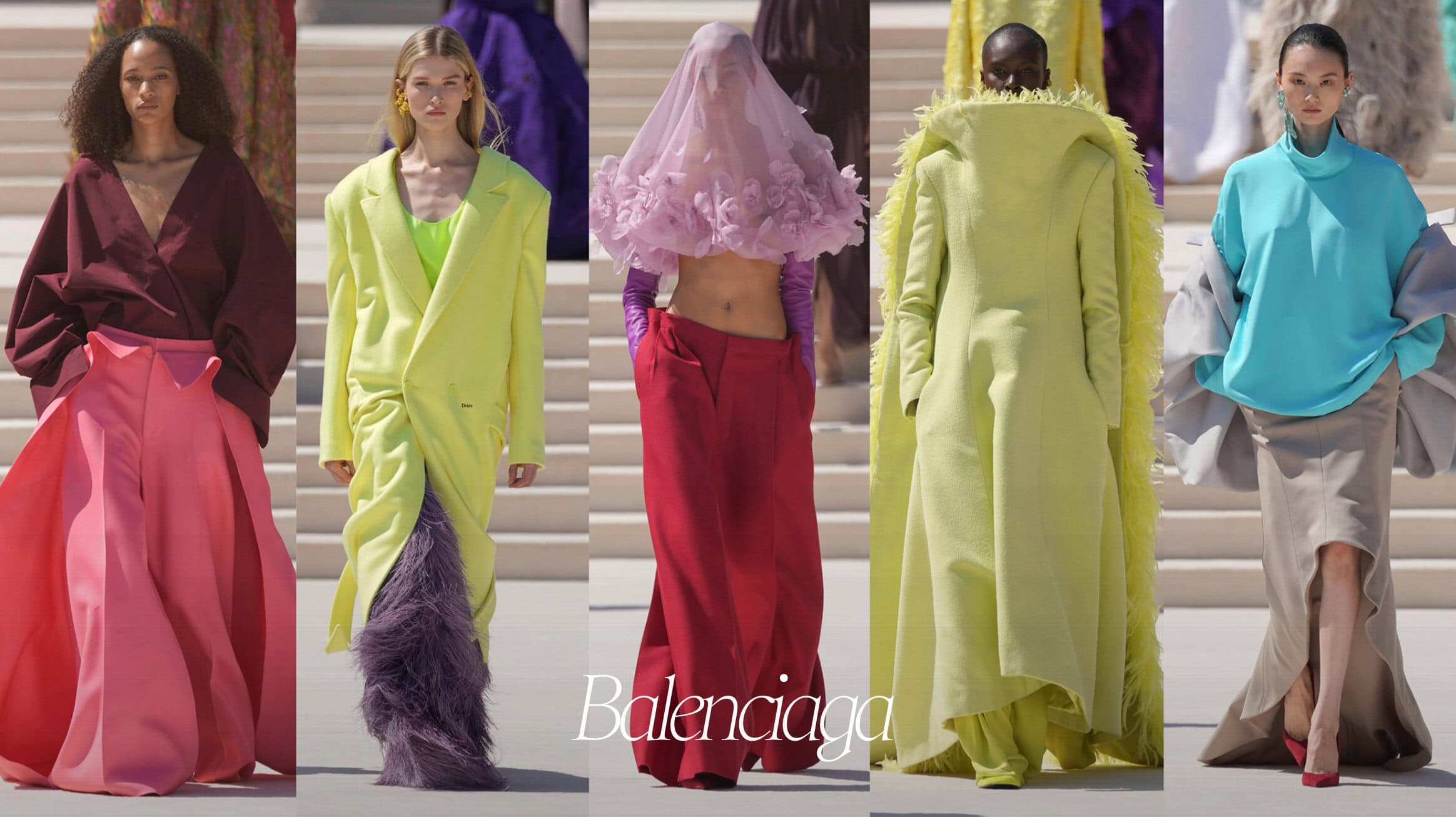
2 – Balenciaga
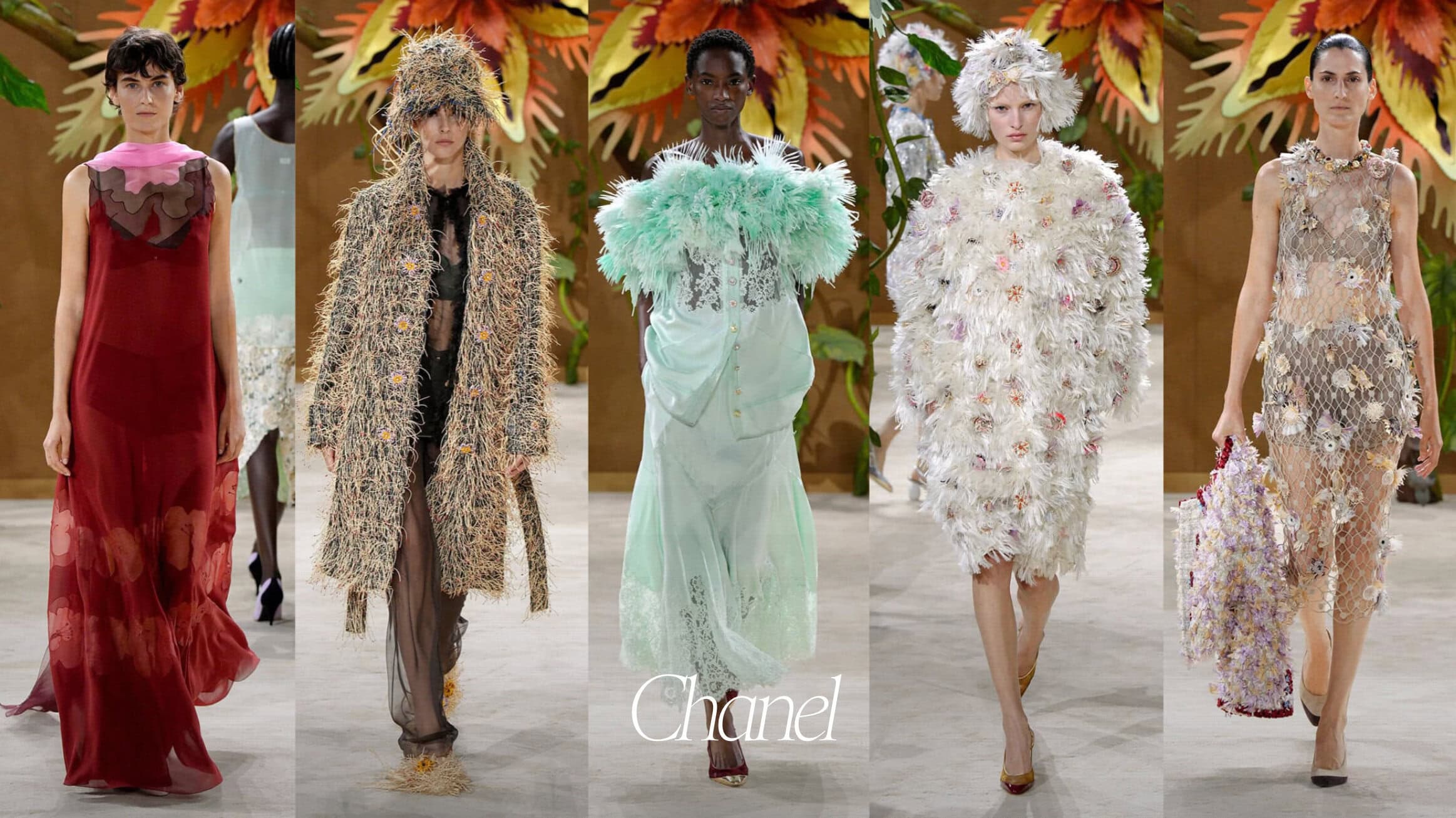
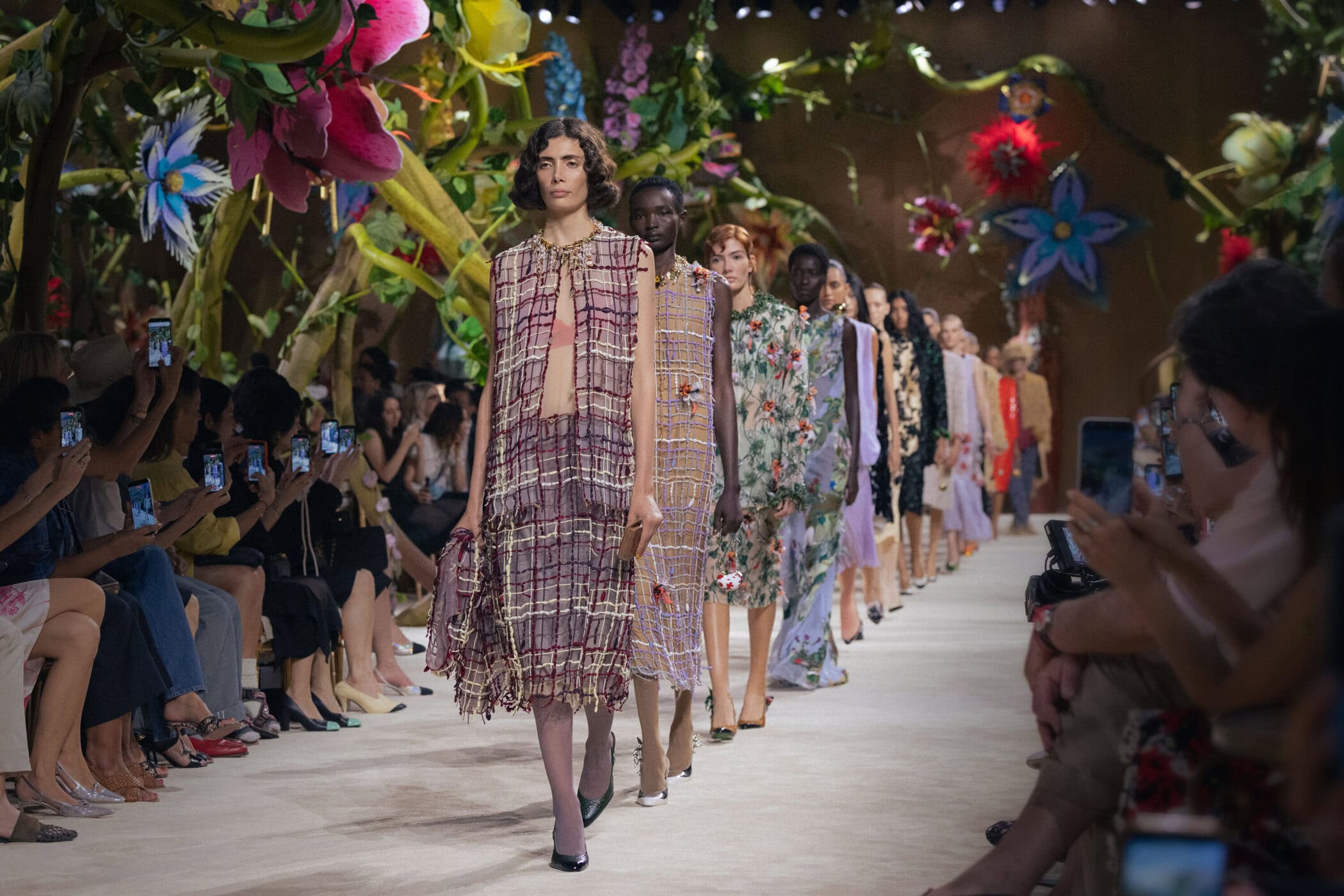
1 – Chanel