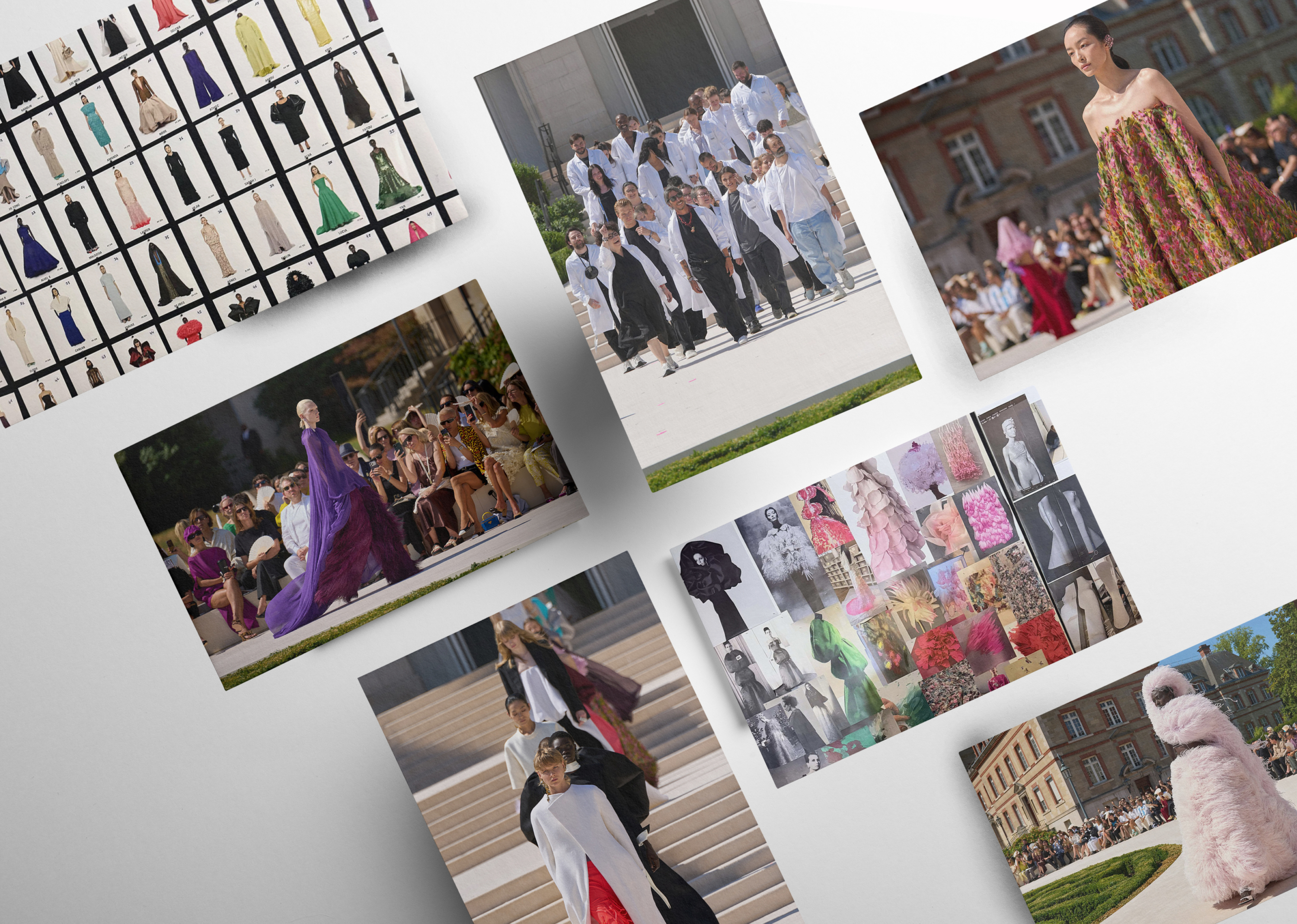
His first couture collection reveals that Balenciaga’s greatest architecture has never been its silhouettes alone, but the people who bring them to life.
By Kenneth Richard
There are designers who inherit great fashion houses by mastering their archives. Others arrive determined to overturn them. Standing backstage after his first couture collection for Balenciaga, Pierpaolo Piccioli spoke about neither. Instead, he began with the people.
Not the collection. Not the silhouettes. Not even Cristóbal Balenciaga.
The people.
It was a telling place to start, and perhaps the clearest window yet into what makes Piccioli one of fashion’s most distinctive creative voices. His debut couture collection was unmistakably Balenciaga in its architectural confidence, yet equally unmistakably his own in its generosity of spirit. The house’s legendary sculptural rigor remained intact, but it had been infused with something quieter and more intimate. It felt less concerned with monumentality than with the humanity that gives monuments meaning.
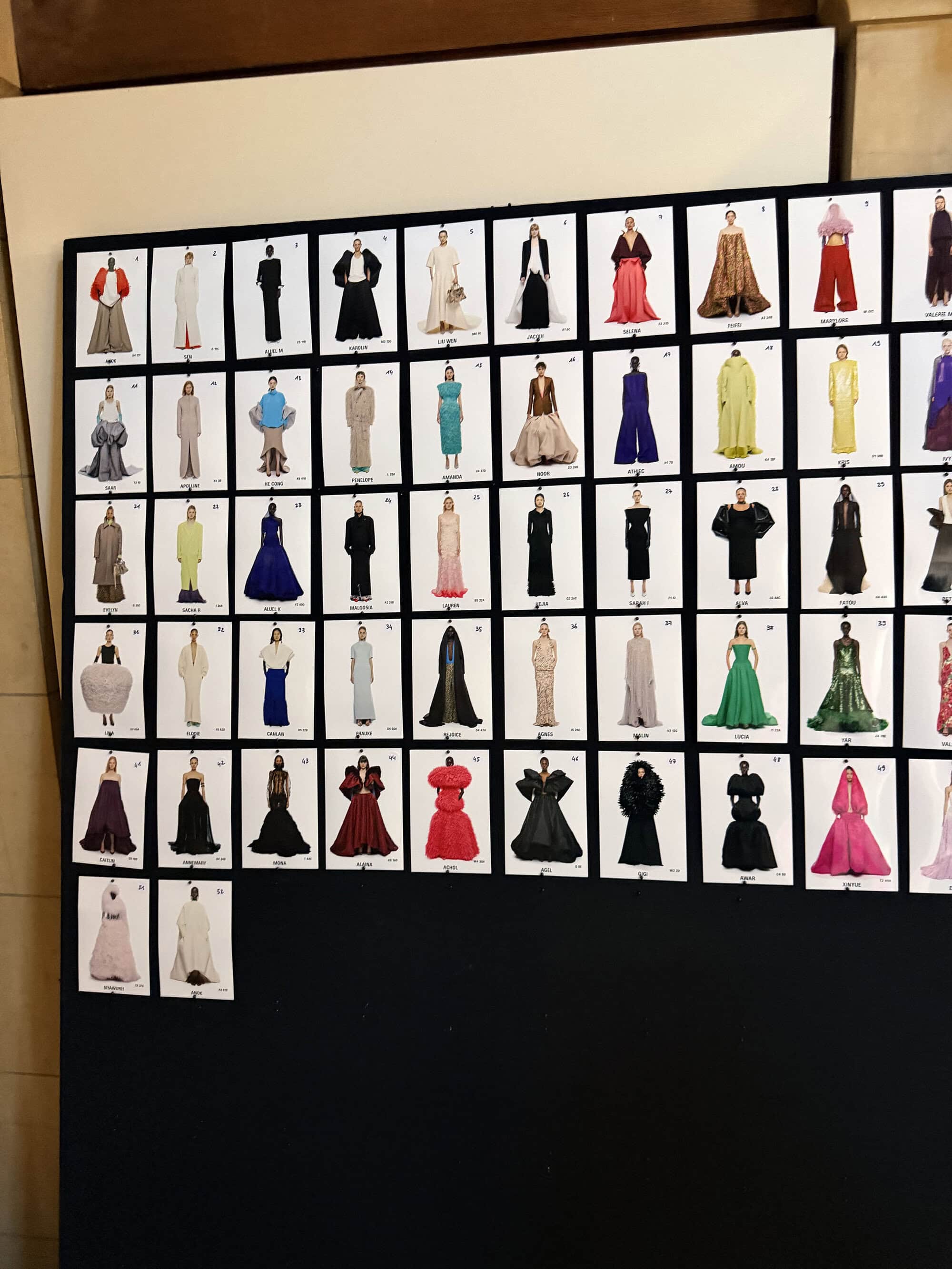

Actually, I began by getting to know the atelier and the people. I really felt that was the beginning point.
“In order to create couture, I had to know each of them.”
For many designers, the atelier is an extraordinary resource. For Piccioli, it is a community. Throughout our conversation, he resisted the language of hierarchy in favor of something far more personal. Even the traditional term petit main, used to describe the skilled artisans of couture, seemed too impersonal for him.
“I never really understood the idea of the petit main,” he said.
Every petit main is a person, and I think every person has to and can give something.
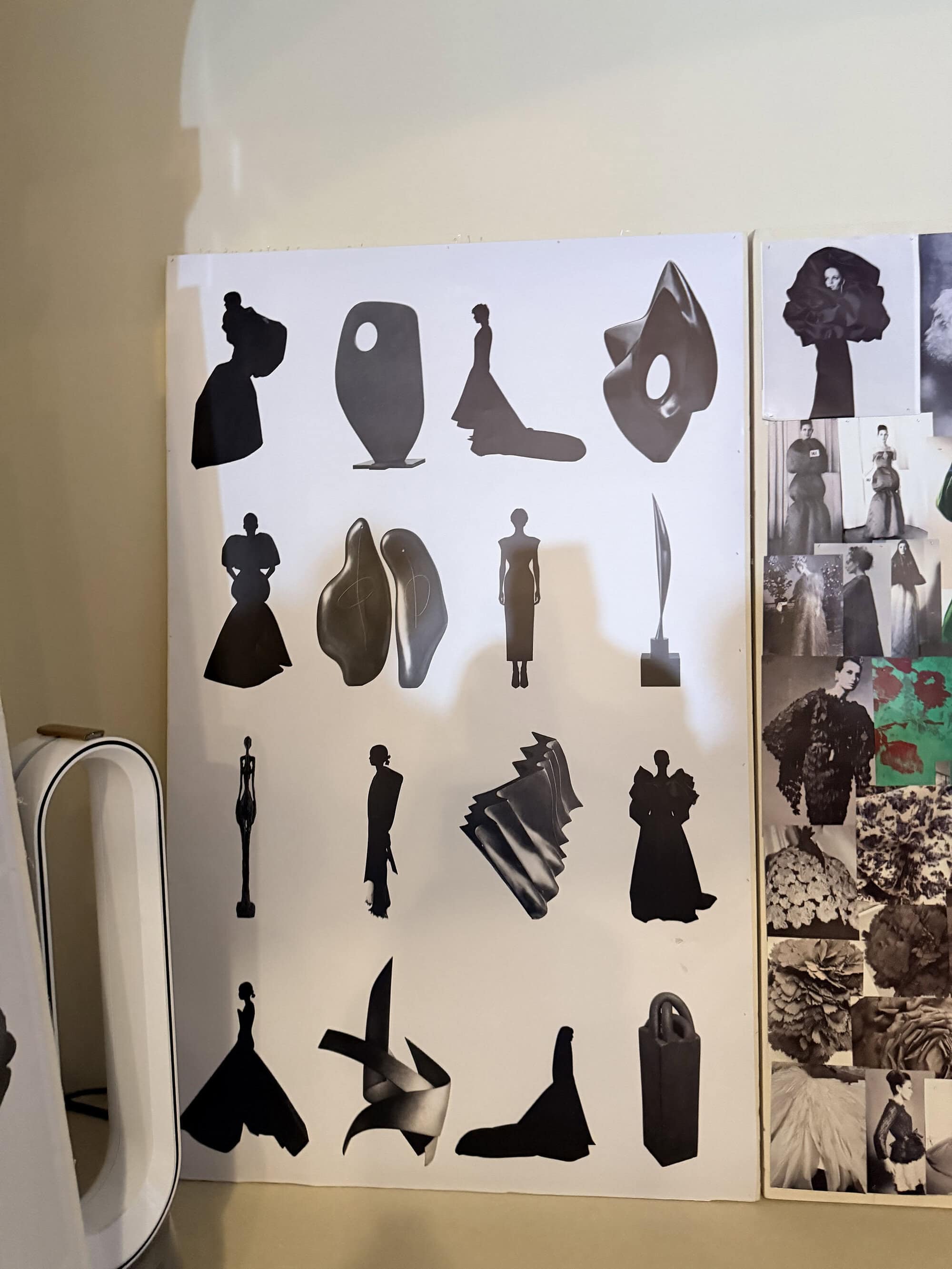
That philosophy explains why this collection carried such emotional confidence. Before studying patterns or volumes, Piccioli studied people. Before searching for silhouettes, he built relationships. Trust, for him, becomes another couture technique.
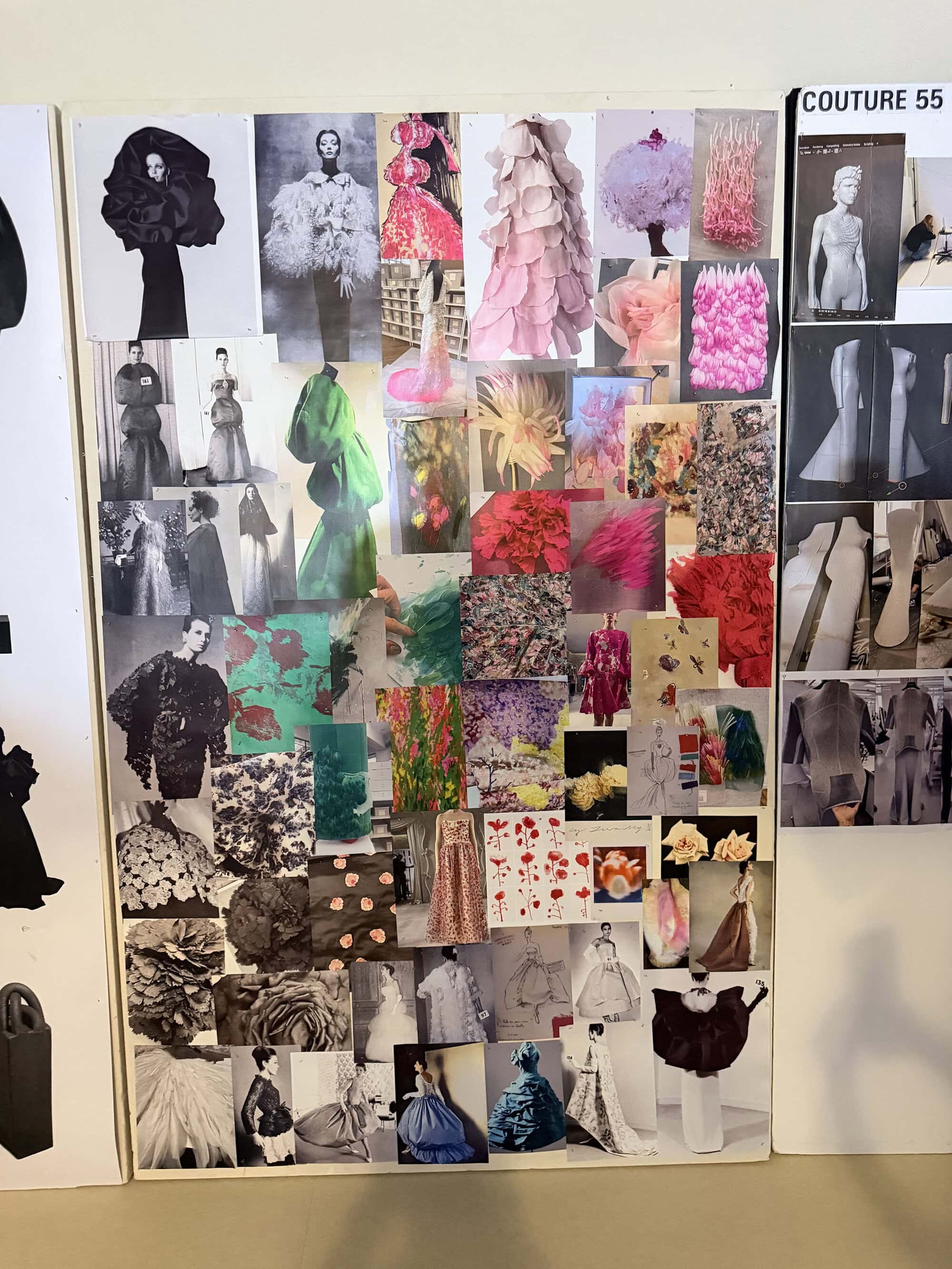
Of course, he immersed himself in Cristóbal Balenciaga’s remarkable archive, but not in search of shapes to reproduce. He was searching for something more essential.
“Cristóbal is the one who invented fashion as we understand fashion today,” he said. “He was never stuck in one silhouette only. He was always moving and reinventing every time.”
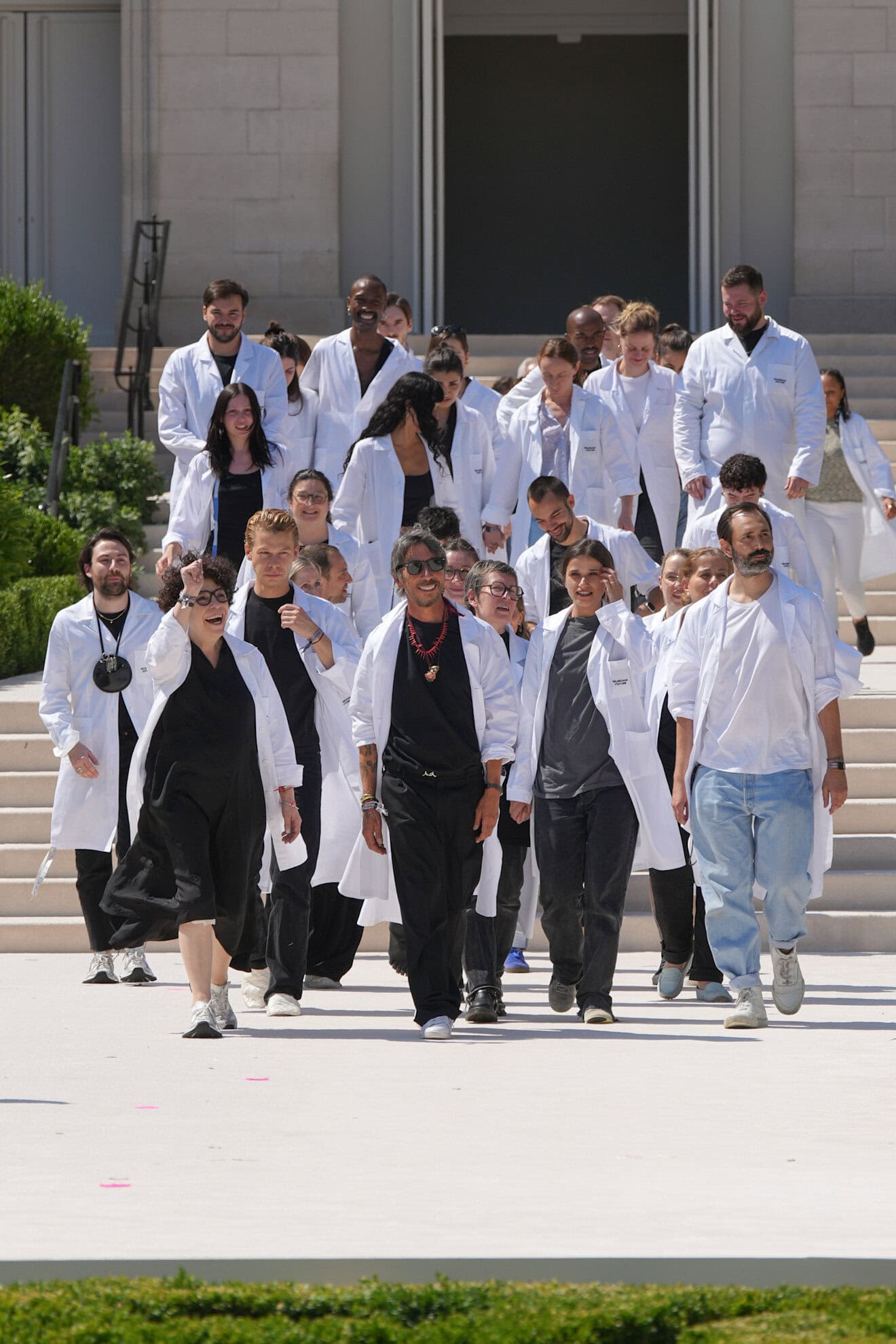
It is an observation that feels especially important at a moment when so much luxury fashion is consumed by nostalgia. Piccioli understands that honoring a founder is not about repeating what they created. It is about continuing the curiosity that drove them to create in the first place.
That curiosity led him toward entirely new forms. The collection explored extraordinary engineering beneath an almost disarming simplicity. Sculptural leather was stretched over newly developed forms created from body scans. Monumental coats concealed months of experimentation inside deceptively effortless silhouettes. The techniques were astonishing, yet they were never intended to announce themselves.
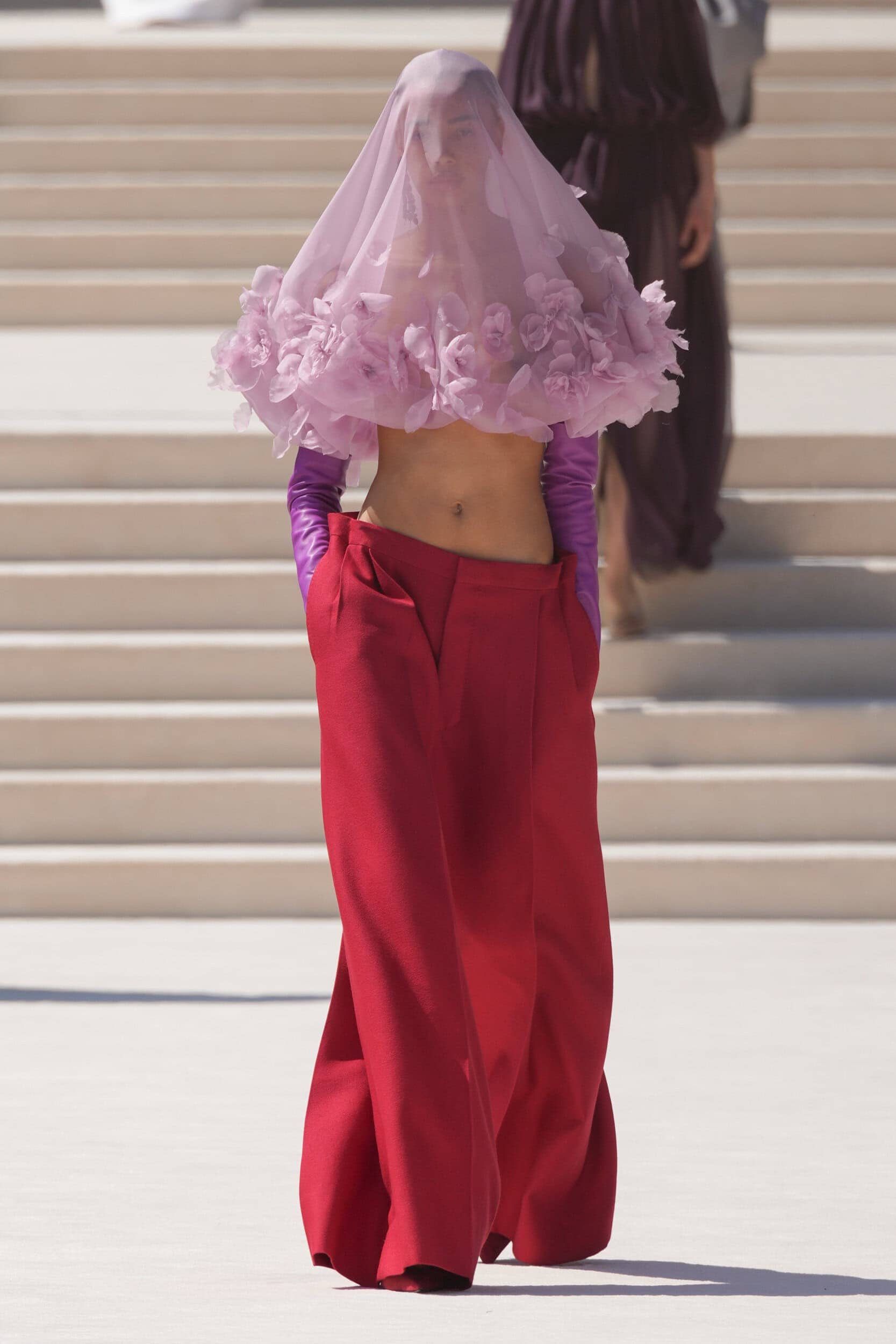
We had to experiment to find new techniques. But then we had to hide all the techniques to arrive at simplicity.
It is a beautiful thought. Fashion often celebrates complexity that can be seen. Piccioli is interested in complexity that can be felt.
That relationship between visible simplicity and invisible mastery echoes another theme that surfaced repeatedly throughout our conversation: the body. Again and again, he returned to it, describing Cristóbal’s genius not as sculptural abstraction but as an ongoing conversation with the person inside the garment.
“When you go far from the body, you always have to keep the body present,” he said. “Otherwise it becomes abstract and not human.”
That sentence may ultimately define his vision for Balenciaga. Even the boldest silhouette is never an object. It exists in dialogue with the individual who gives it movement, proportion, and life.
For Piccioli, this is also the true meaning of couture.
“Couture is culture,” he said. “It is a mindset.”
His definition reaches far beyond gowns and grand occasions. Couture becomes a way of thinking that can shape a T-shirt, a pair of denim, or a cashmere coat with the same care as the most elaborate evening dress. It is not exclusivity that defines couture, but intention. It is not extravagance, but attention.
Listening to him, it became increasingly clear that the collection we had just witnessed was not simply an exceptional couture debut. It was the introduction of a new philosophy for Balenciaga.
One rooted in experimentation without ego.
Innovation without spectacle.
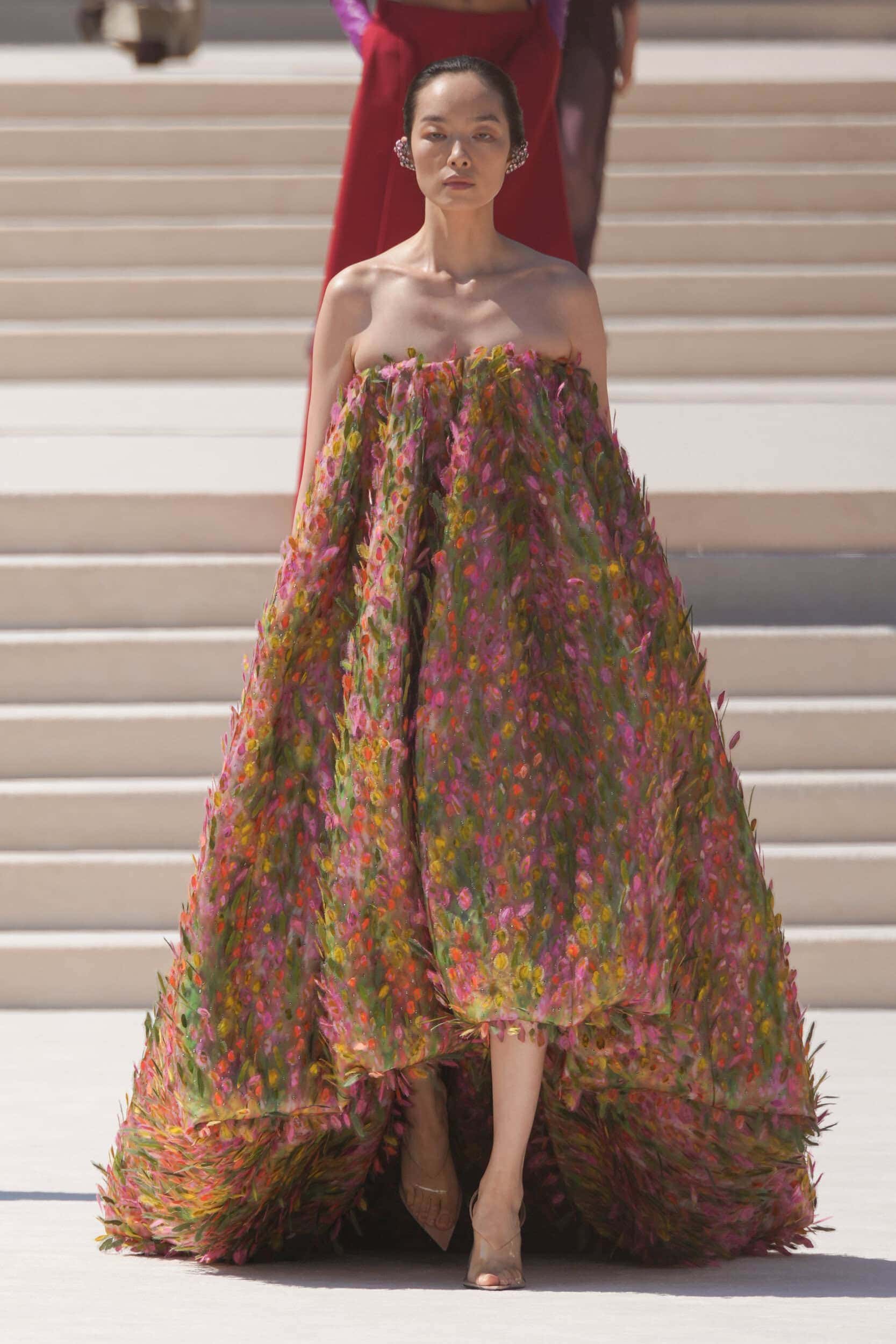
Beauty without excess.
Most of all, it is rooted in the belief that fashion is never created by a single individual, no matter how celebrated their name may become.
“You don’t know people,” Piccioli reflected on arriving at Balenciaga. “The only way to achieve such beauty is knowing them, involving them in a vision of beauty rather than asking them simply to execute.”
There is remarkable humility in that observation. It acknowledges that the greatest collections are not imposed upon an atelier but discovered together, through trust, curiosity, and shared ambition. The designer provides the vision. The people provide the magic.
Cristóbal Balenciaga built one of fashion’s greatest houses through uncompromising innovation. Pierpaolo Piccioli’s first couture collection suggests that its next chapter will be built with the same ambition, but with an even greater emphasis on the humanity behind it.
The clothes were extraordinary. The craftsmanship was breathtaking. Yet what lingered longest after speaking with Piccioli was not a silhouette or a technique.
The future of Balenciaga will be defined not only by what its people create together, but by how deeply they are seen.