Seeing Things
Review of (designer/brand) Pre-Fall 2026 Ad Campaign by Bottega Veneta Creative Director Louise Trotter and Photographers Chris Rhodes, Cristina Stohle, James Ari King, Kira Bunse, Nicole Maria Winkler, Piotr Niepsuj, Rosie Harriet Ellis, & Sam Penn
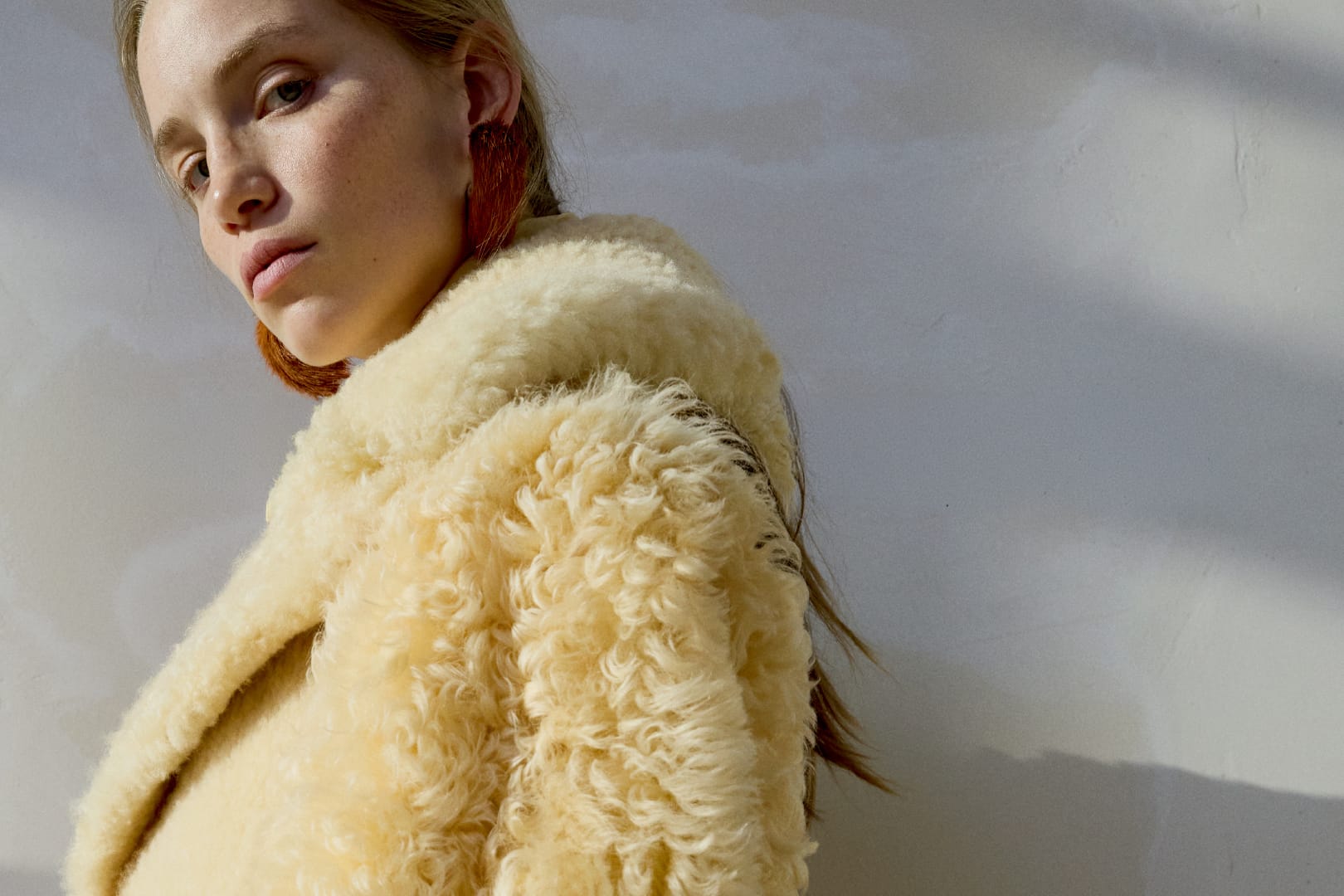
Bottega Veneta’s Winter 2026 campaign begins with an unusually appropriate proposition from John Ruskin: “For every distance from the eye there is a peculiar kind of beauty.” For Louise Trotter’s second collection as Creative Director, the House takes that observation almost literally, handing Winter 2026 to eight photographers — Chris Rhodes, Cristina Stohle, James Ari King, Kira Bunse, Nicole Maria Winkler, Piotr Niepsuj, Rosie Harriet Ellis, and Sam Penn — and allowing each to decide how close, how far, and occasionally how sideways they would like us to look. The result is less a campaign with a single point of view than an argument for having several. In an industry forever searching for the perfect image, Bottega Veneta rather charmingly suggests there may be no such thing.
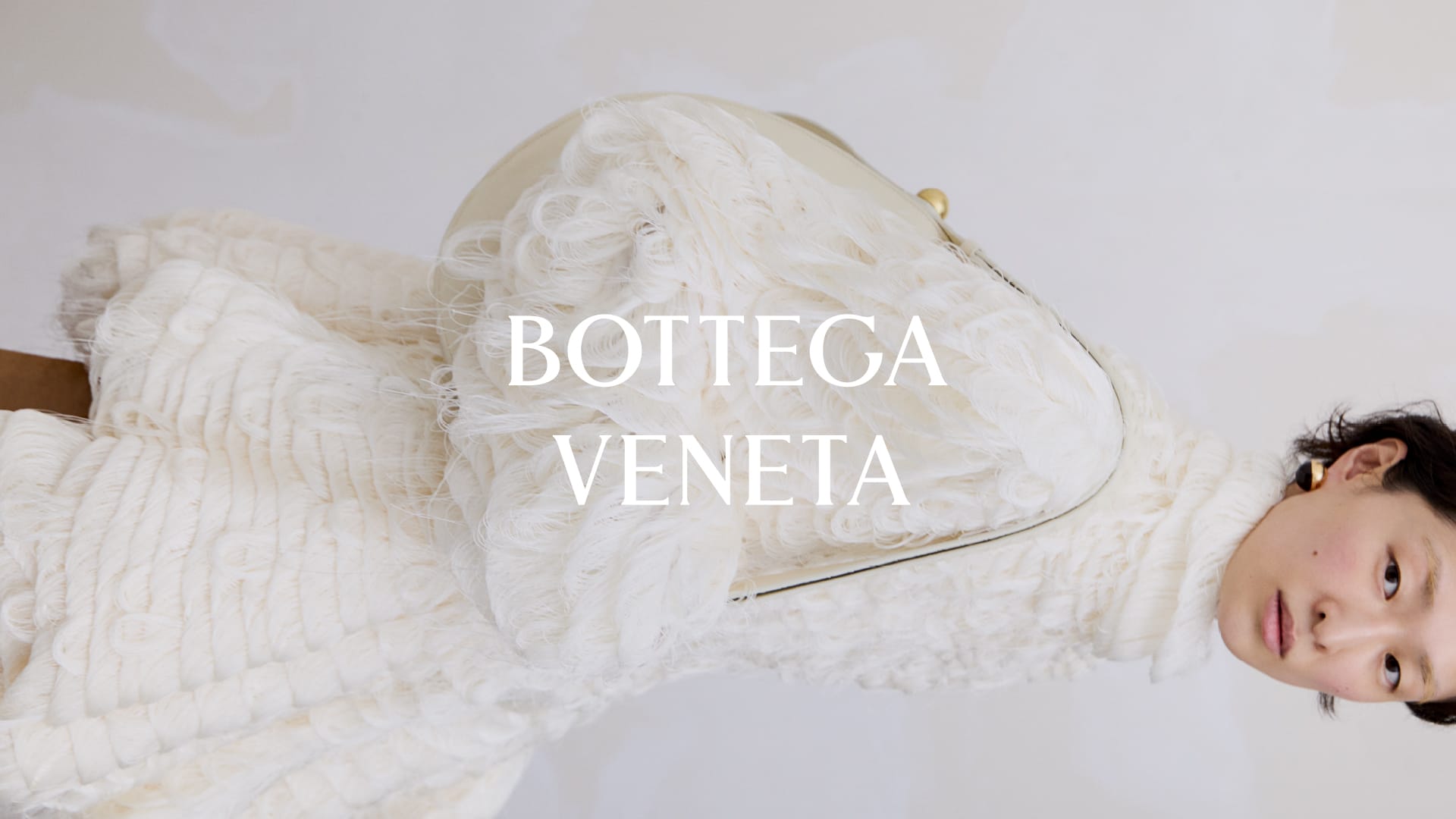
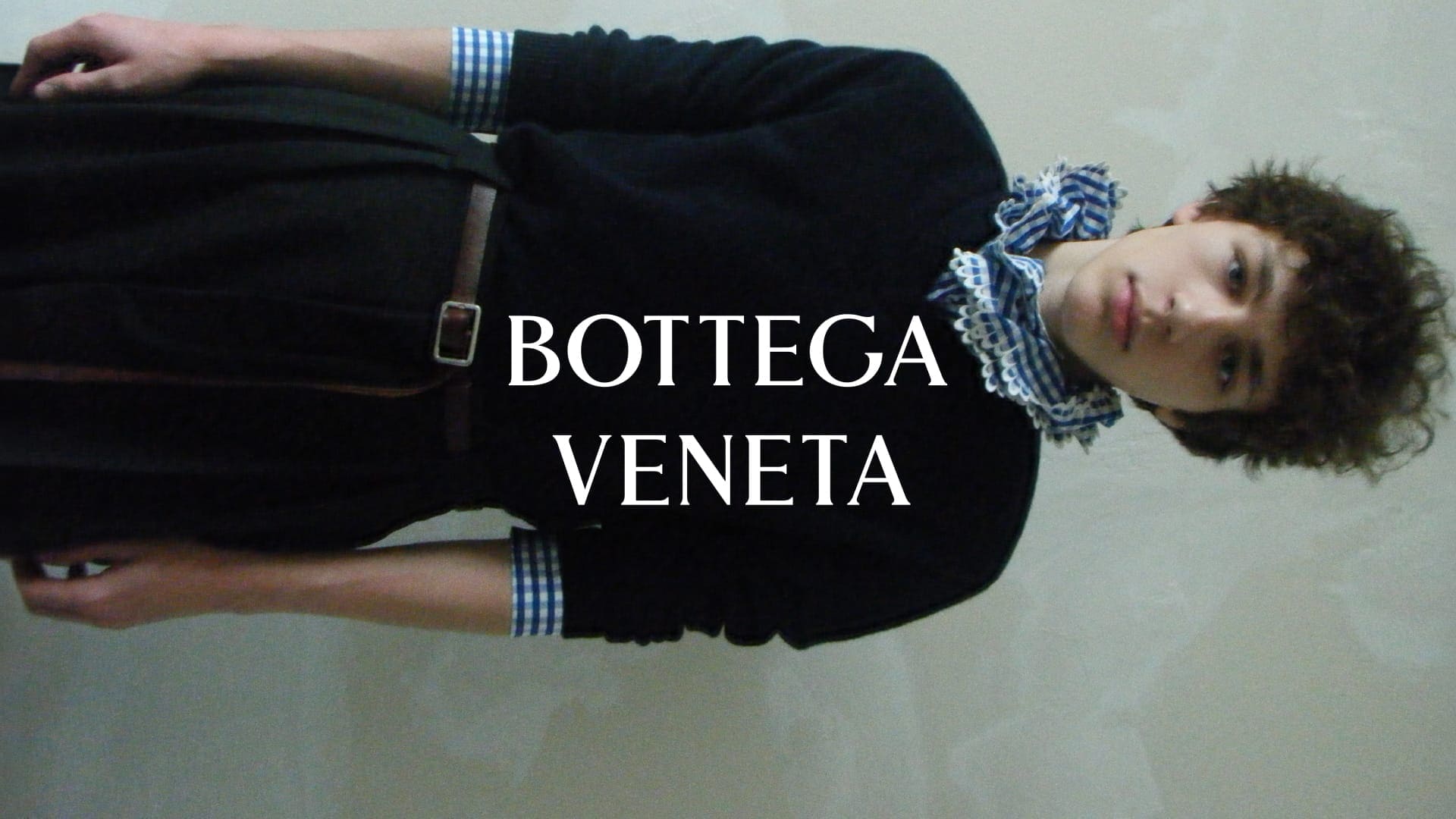
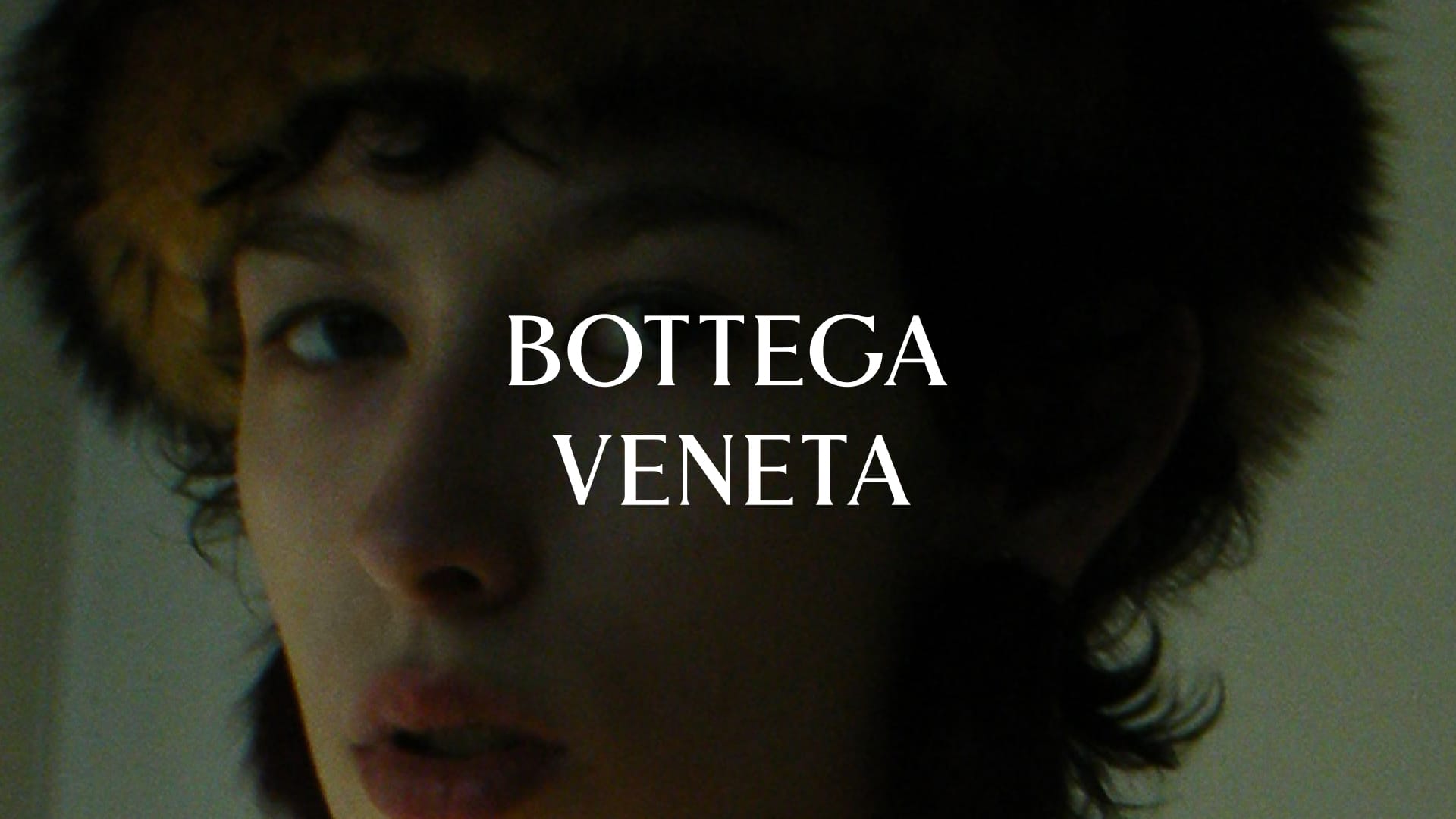
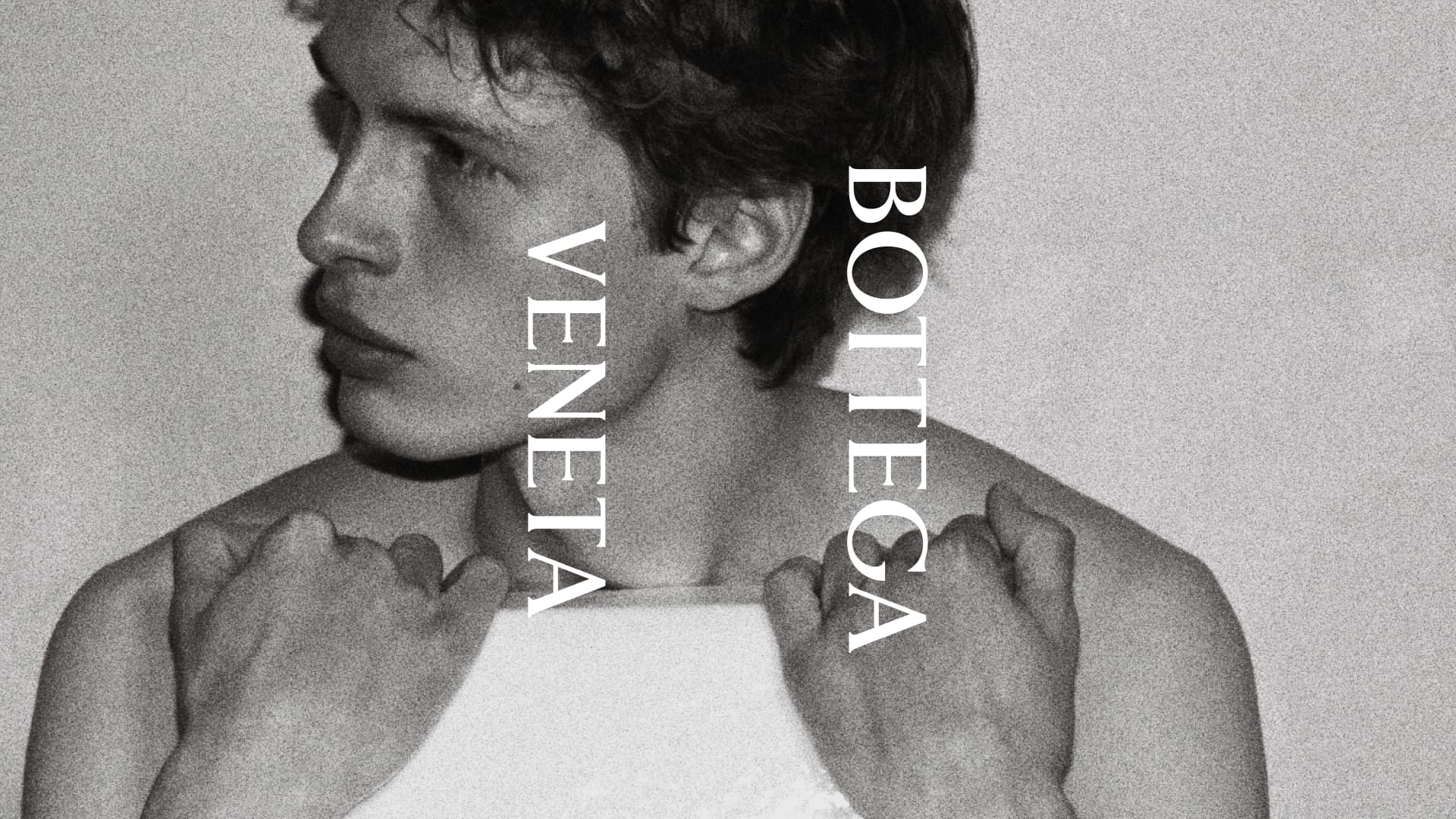
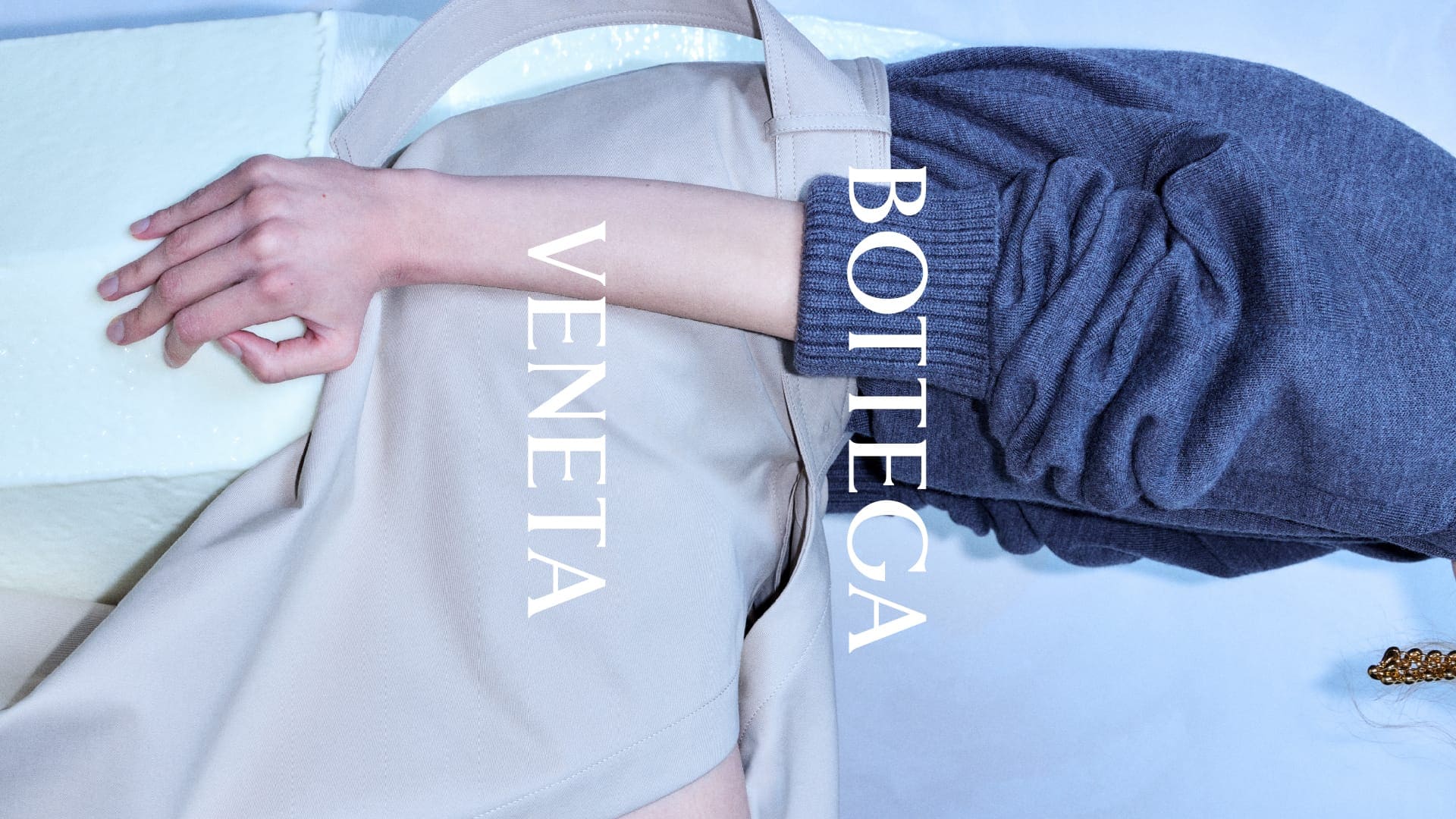
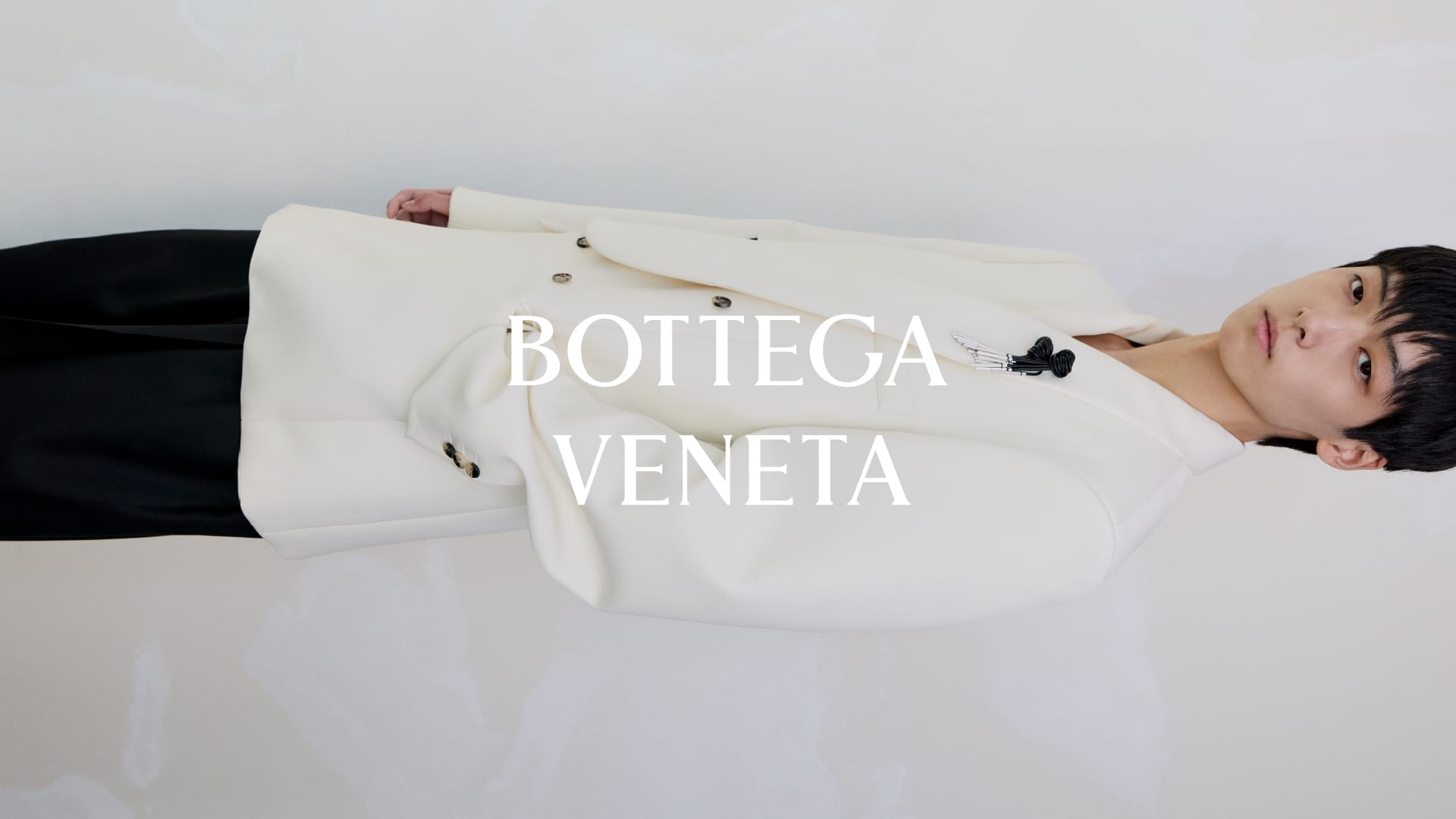
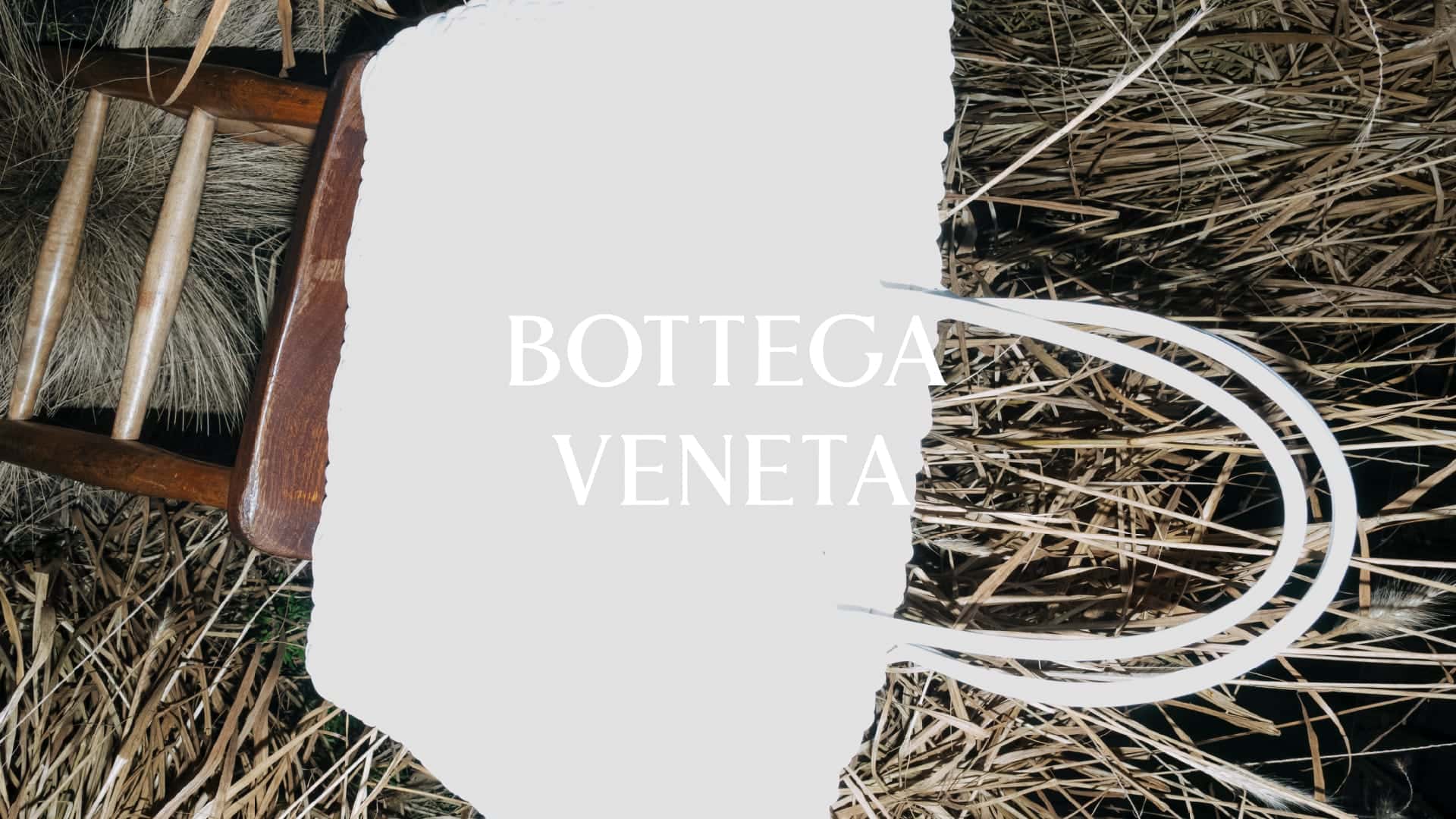
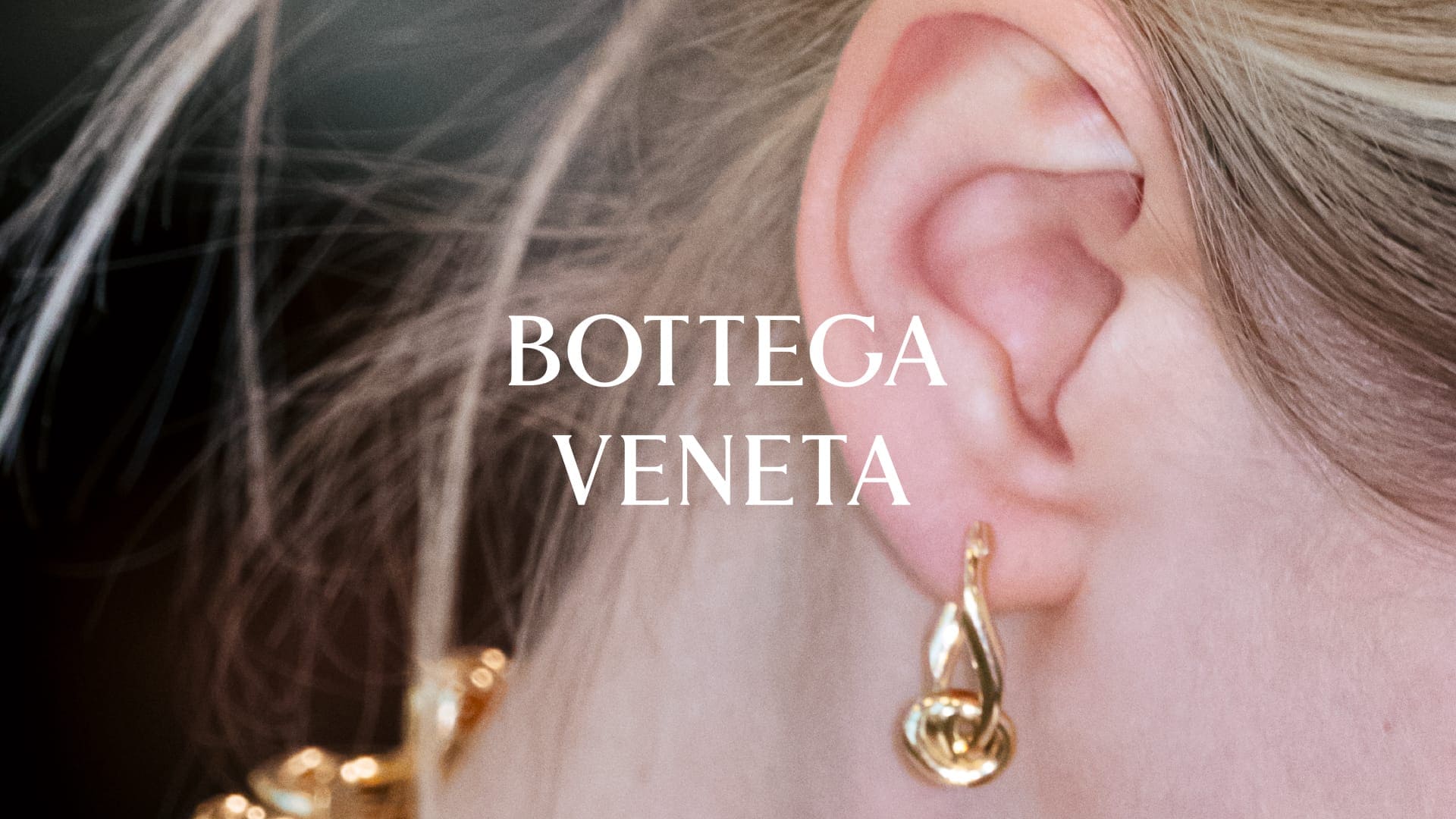
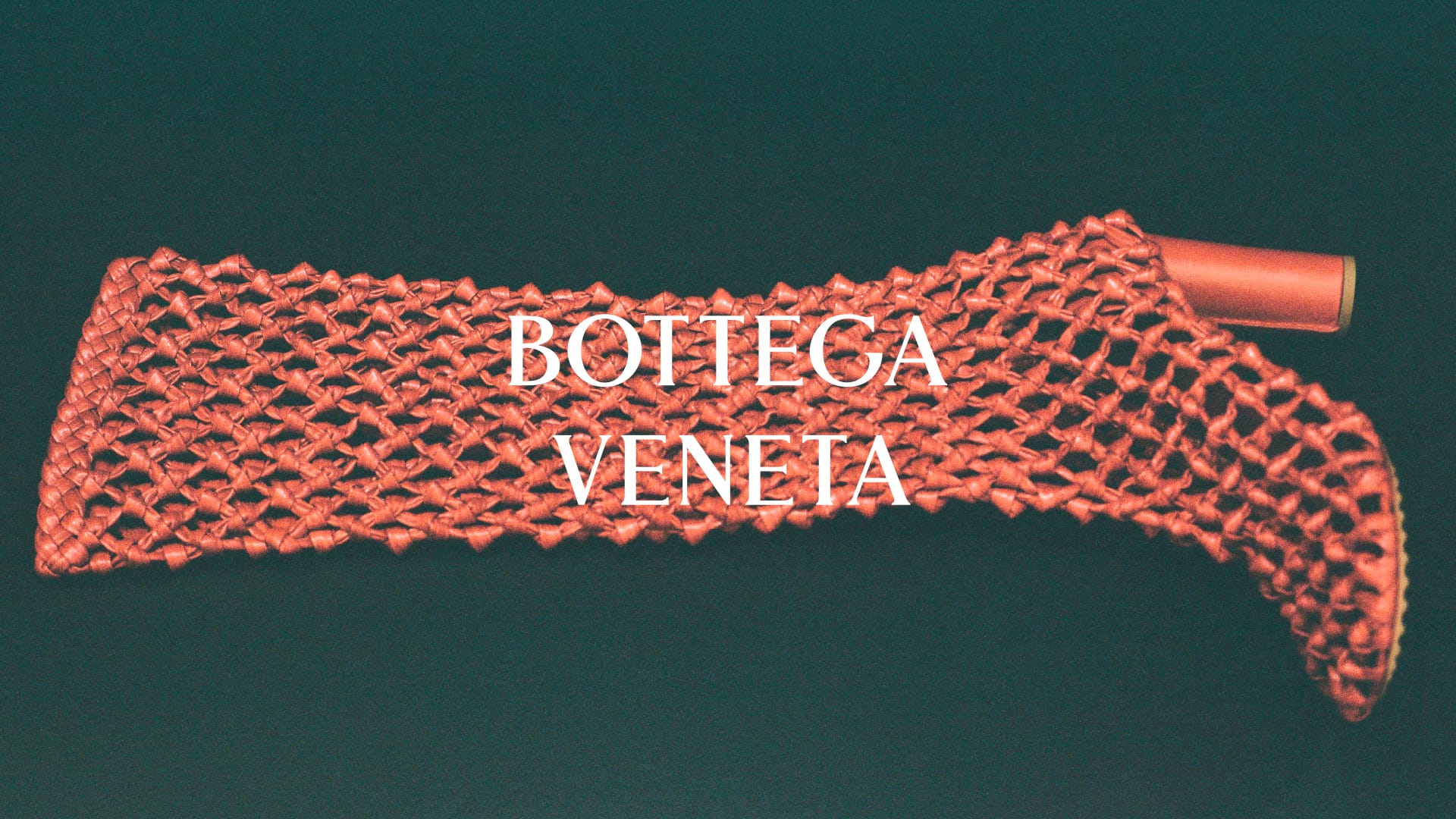
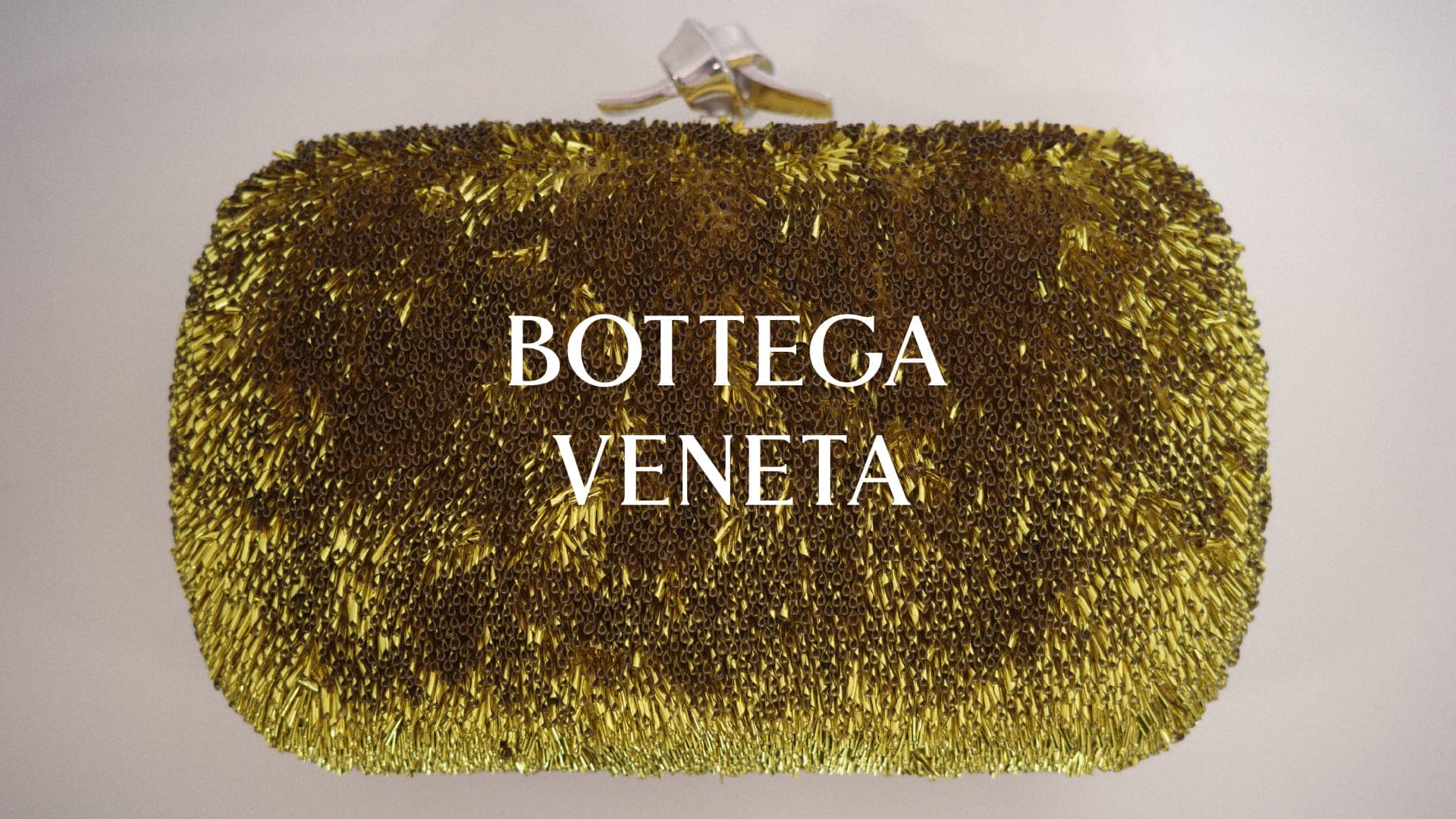
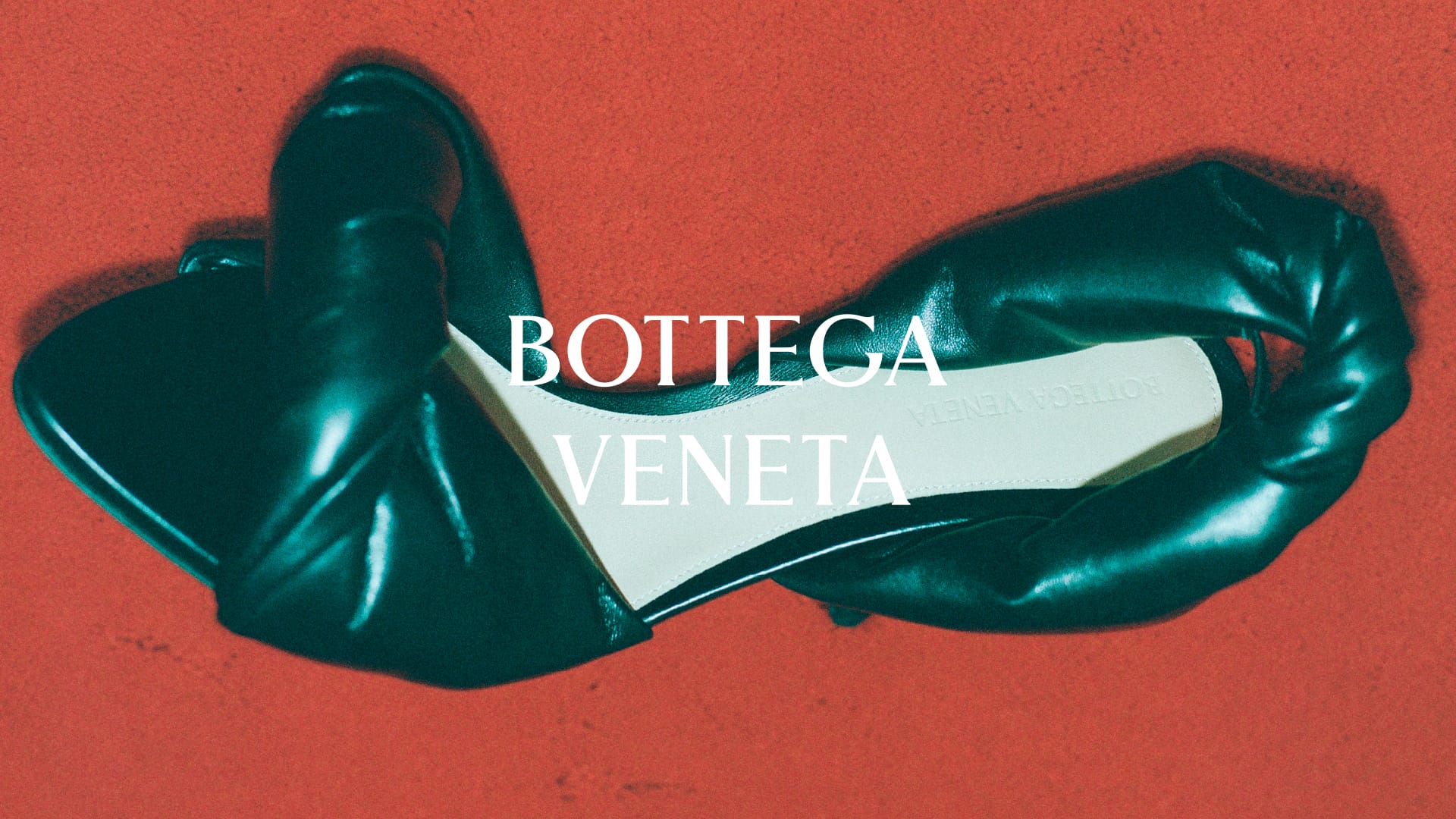
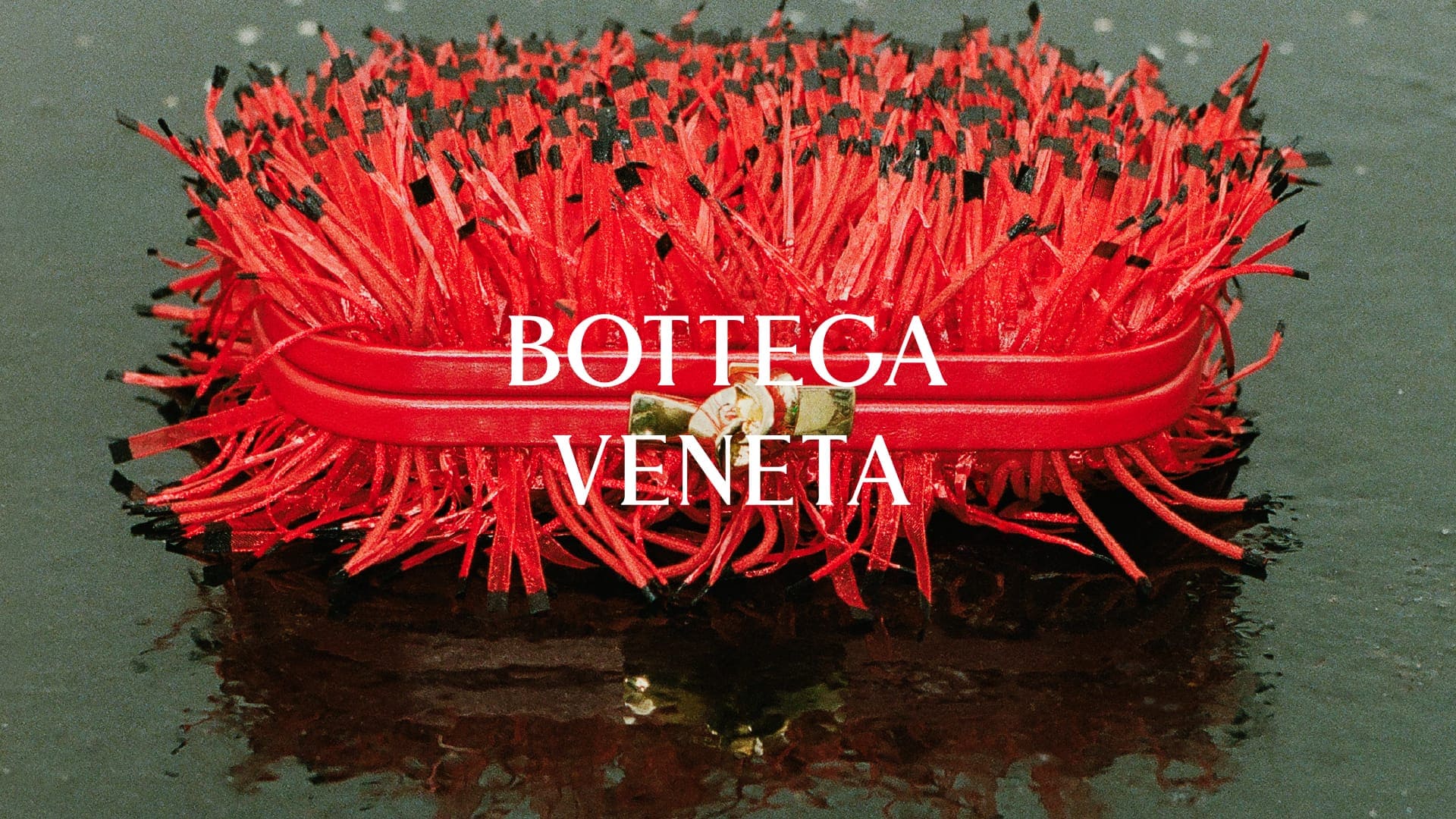
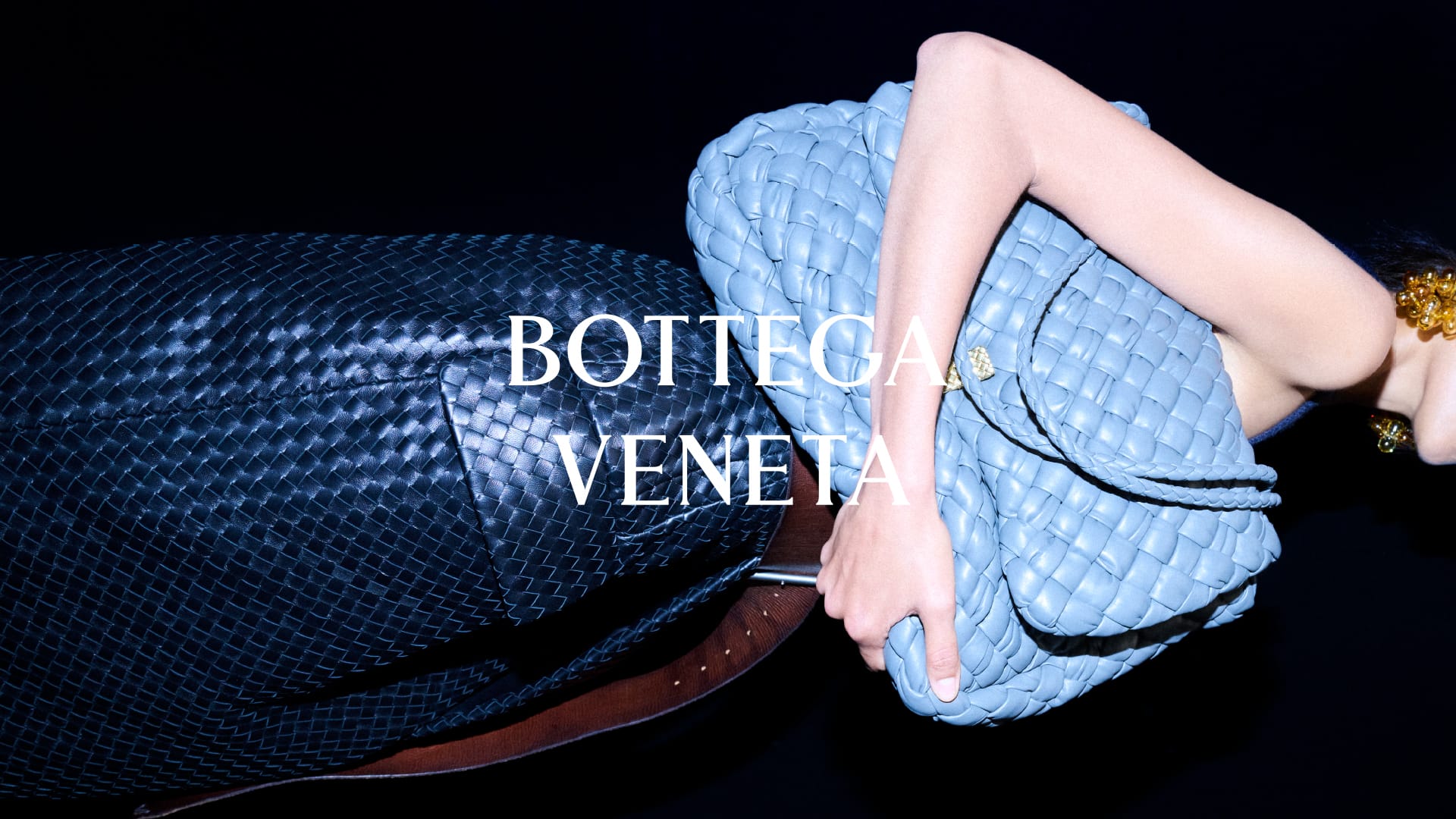
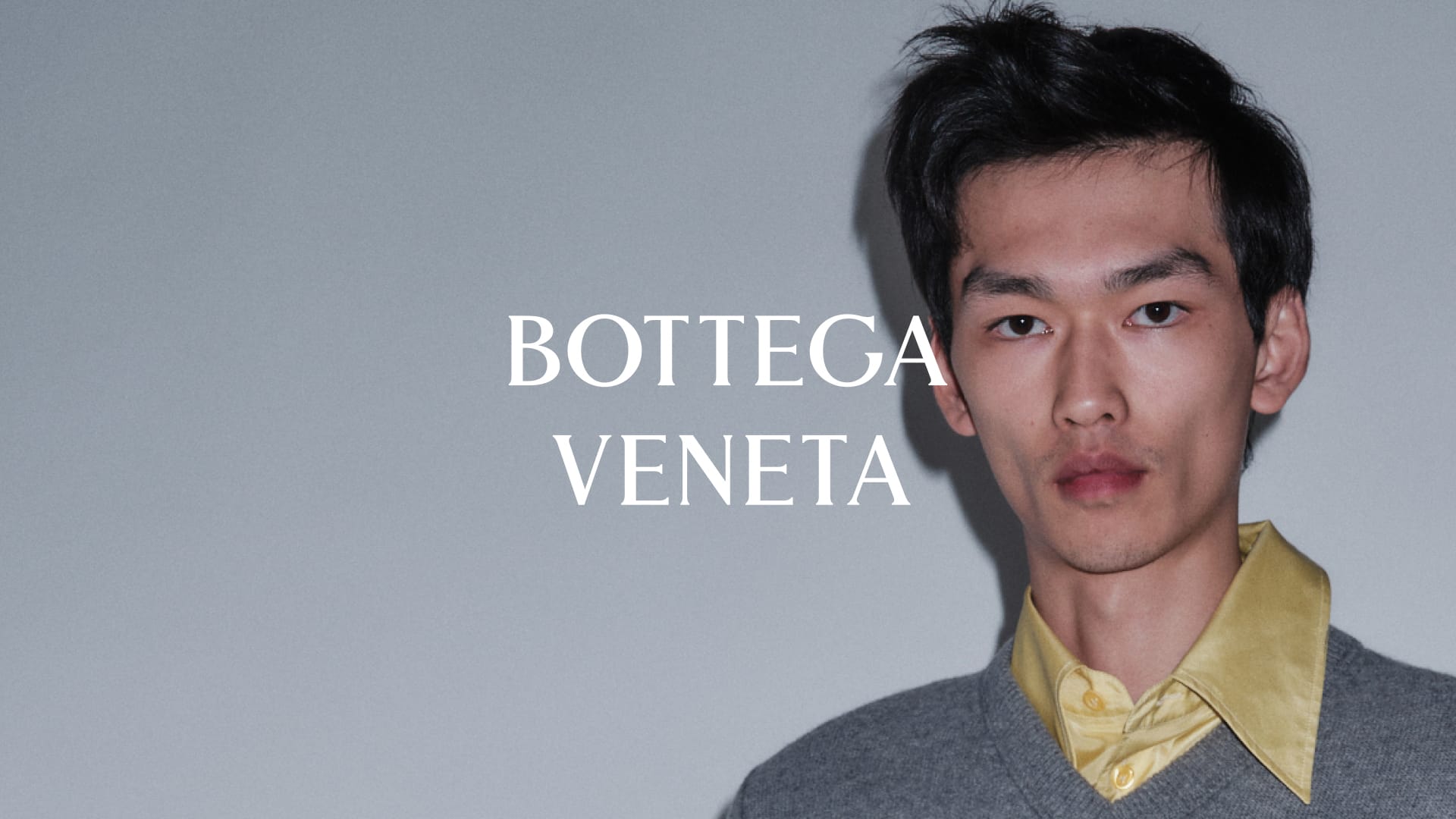
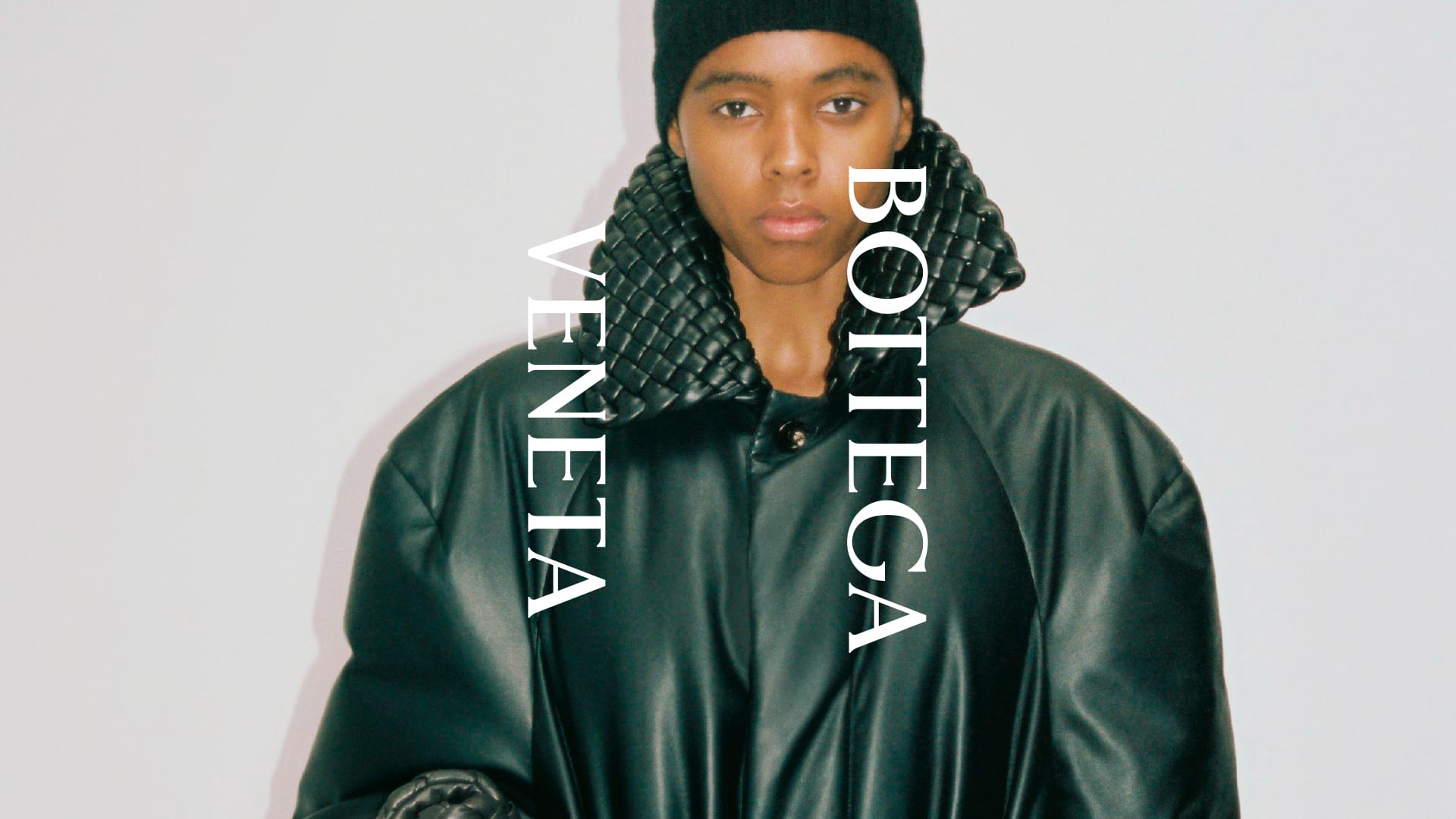
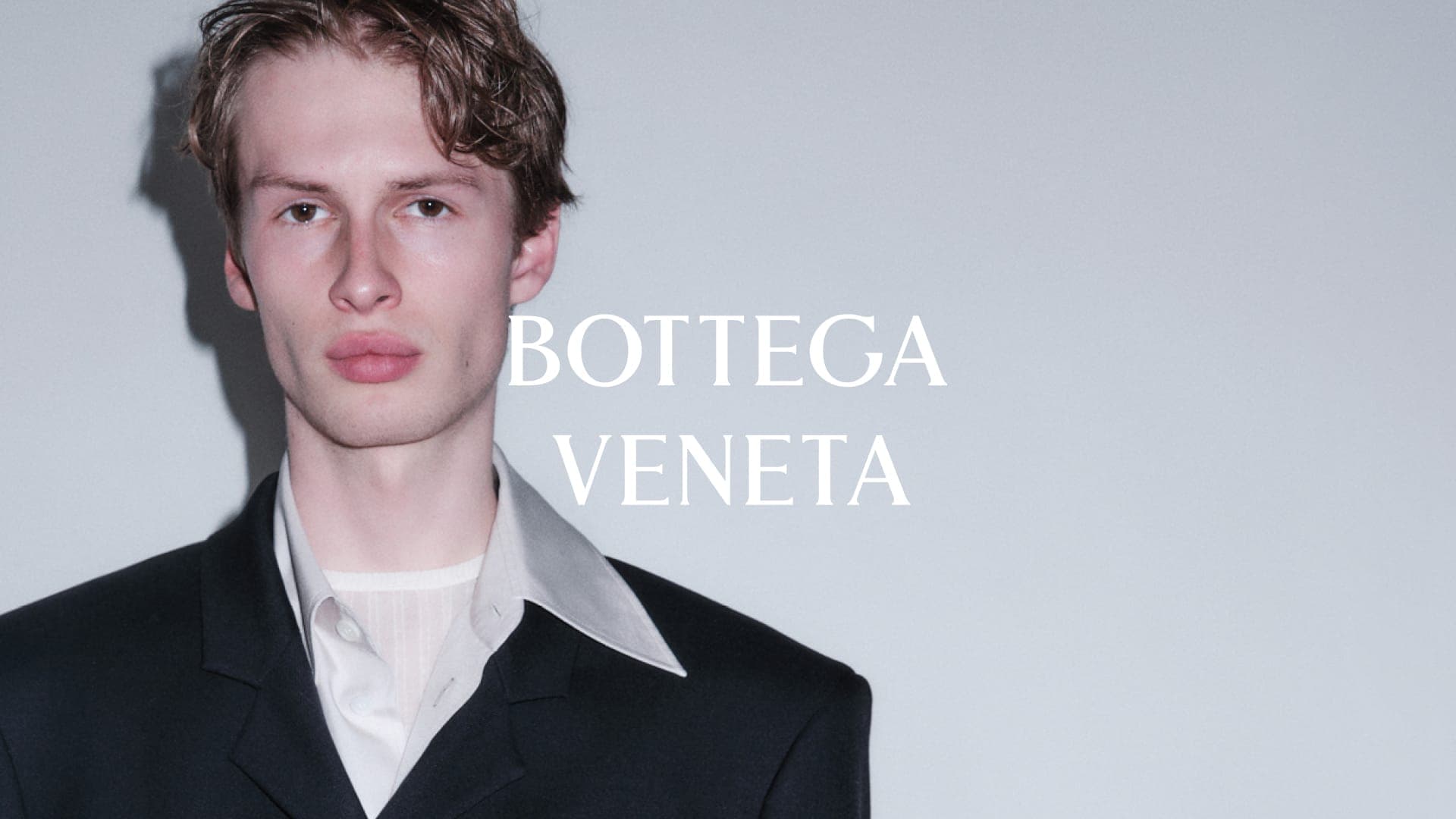
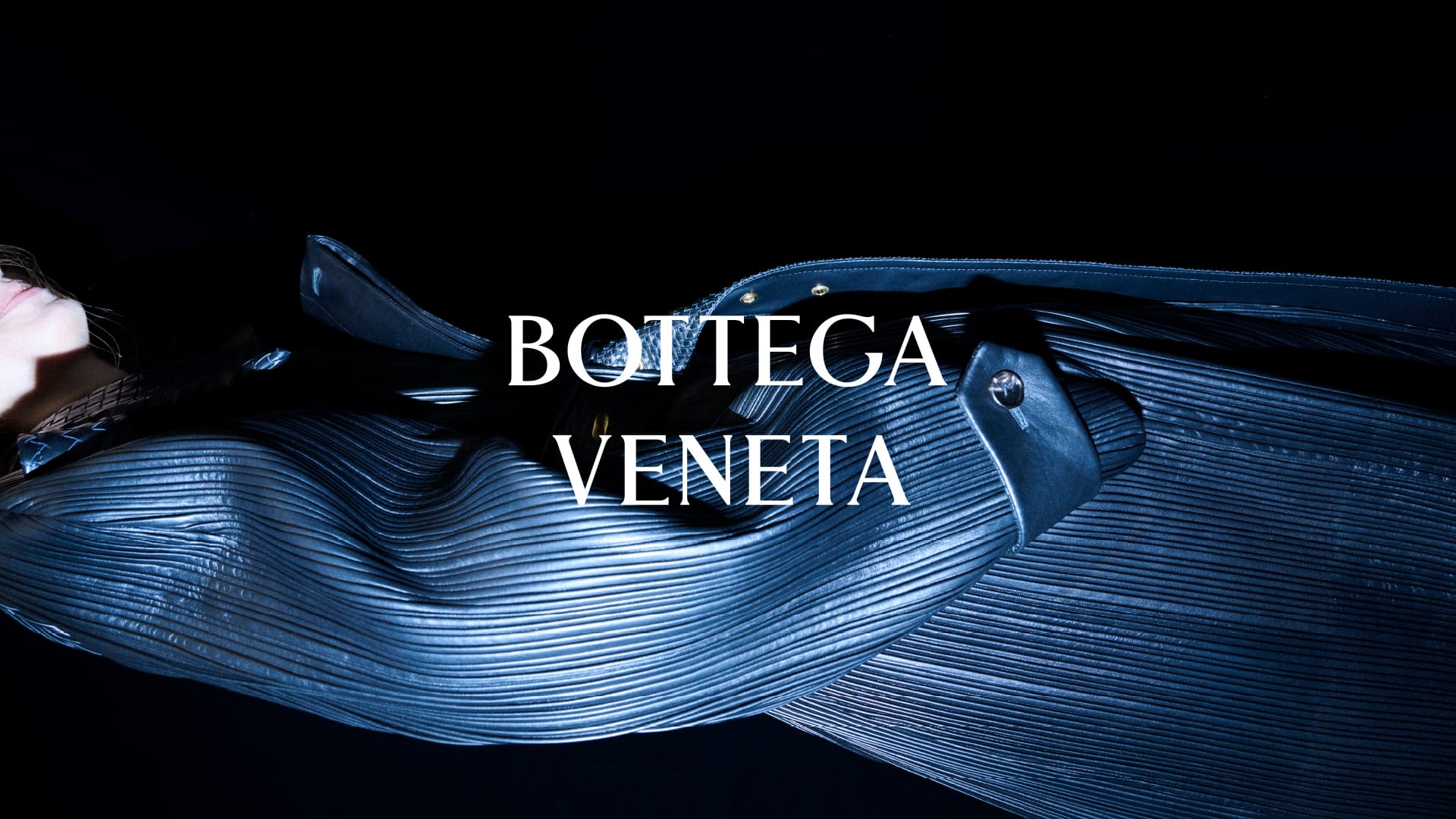
Created across eight days in February and documented through Zine 002, the project shifts restlessly between portraiture, abstraction, still life, and something resembling visual field notes. A face appears through grain; another body is rotated ninety degrees. Models are photographed against almost aggressively ordinary walls, while elsewhere flash renders skin, tailoring, and jewelry with forensic immediacy. Then the human figure disappears altogether and the camera closes in on a fringed red bag, a woven shoe, a gold clutch, an earring, or the extraordinary surfaces of Trotter’s clothes. What initially looks like inconsistency gradually reveals itself as method. Every photographer is looking at the same collection, but none is required to see the same thing.
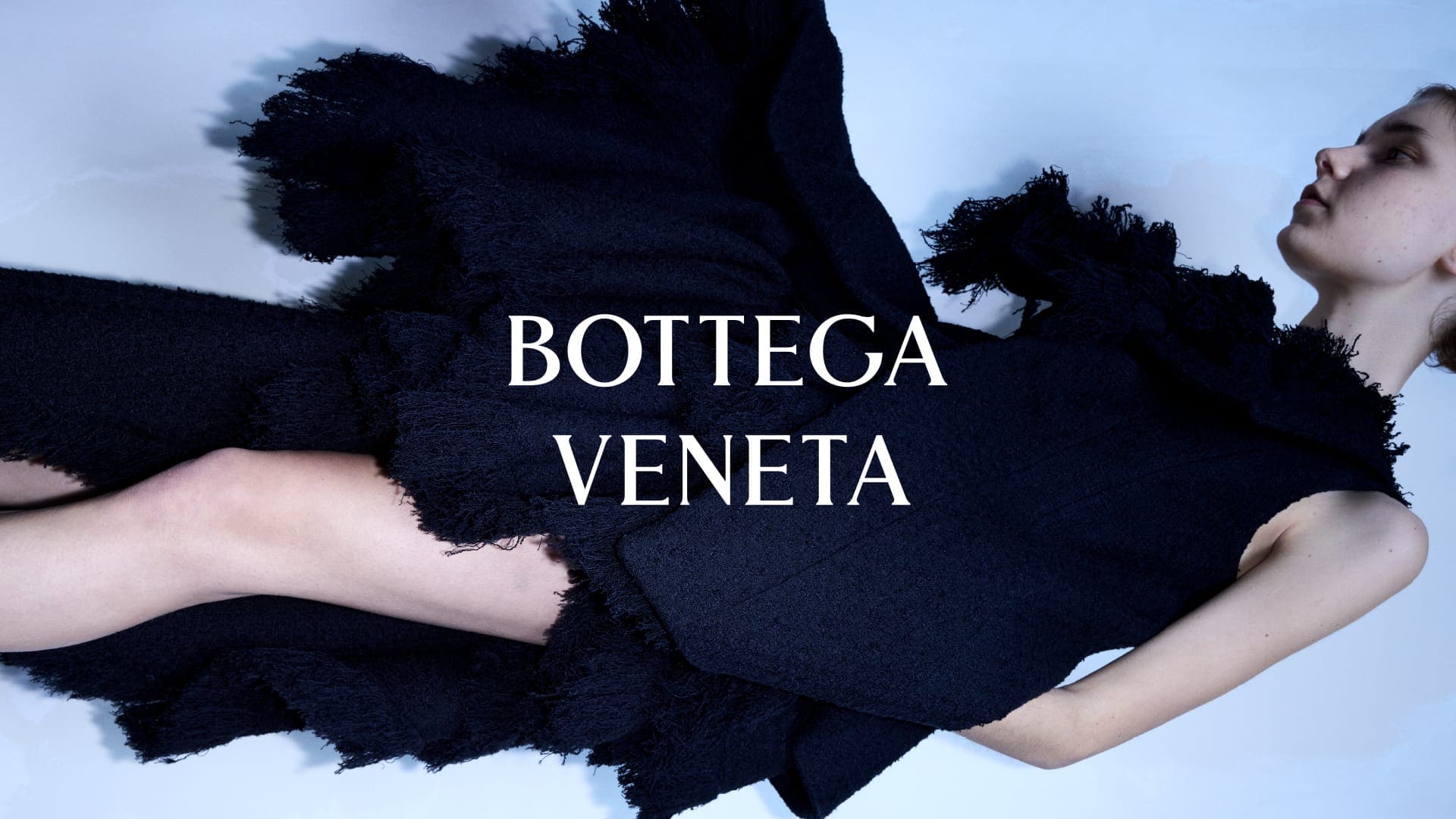
That multiplicity is particularly effective because Winter 2026 seems to reward changes in viewing distance. From afar, Trotter’s silhouettes register through proportion and volume: generous tailoring, enveloping leather, elongated shapes, and clothes that seem to carry their own atmosphere around the body. Move closer and the collection becomes something else entirely. Fibers fray, leather interlaces, surfaces ripple, fringe proliferates, and jewelry suddenly assumes the visual importance of sculpture. One photograph crops almost everything away except an ear and an earring; another turns a necklace against black tailoring into its own composition. The campaign understands something fundamental about Bottega Veneta: luxury here is often most persuasive when proximity reveals what distance conceals.
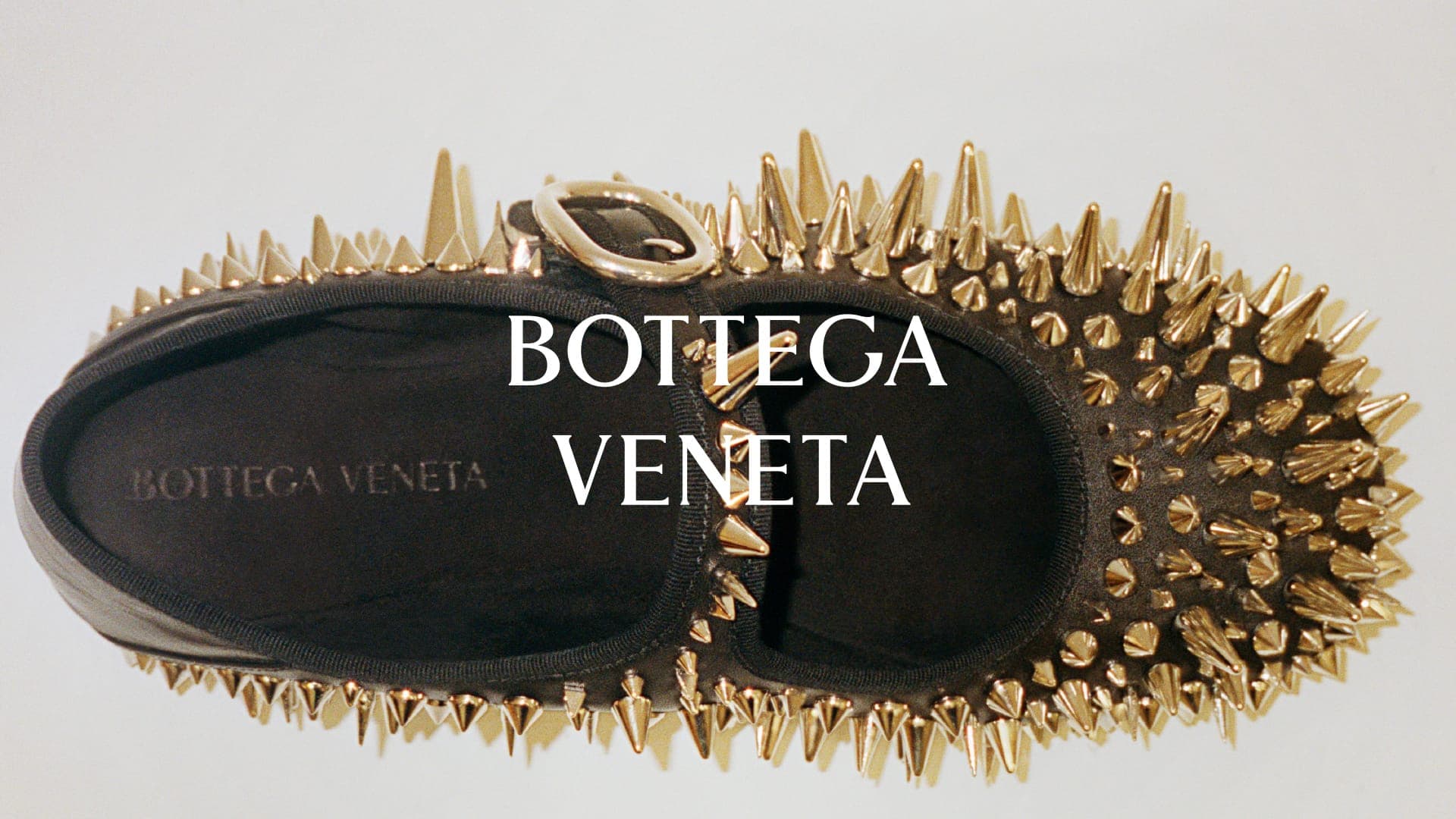
The approach also makes sense for Trotter at this relatively early stage of defining her Bottega Veneta. Rather than forcing a monolithic photographic signature around a designer whose language is still unfolding, the campaign permits interpretation. There is something almost curatorial about that decision. The photographers become observers rather than technicians executing a predetermined visual formula, while the recurring Bottega Veneta typography acts as connective tissue. The logo stays put while the world underneath it changes. It is a subtle inversion of traditional campaign logic: consistency comes from identity rather than sameness.
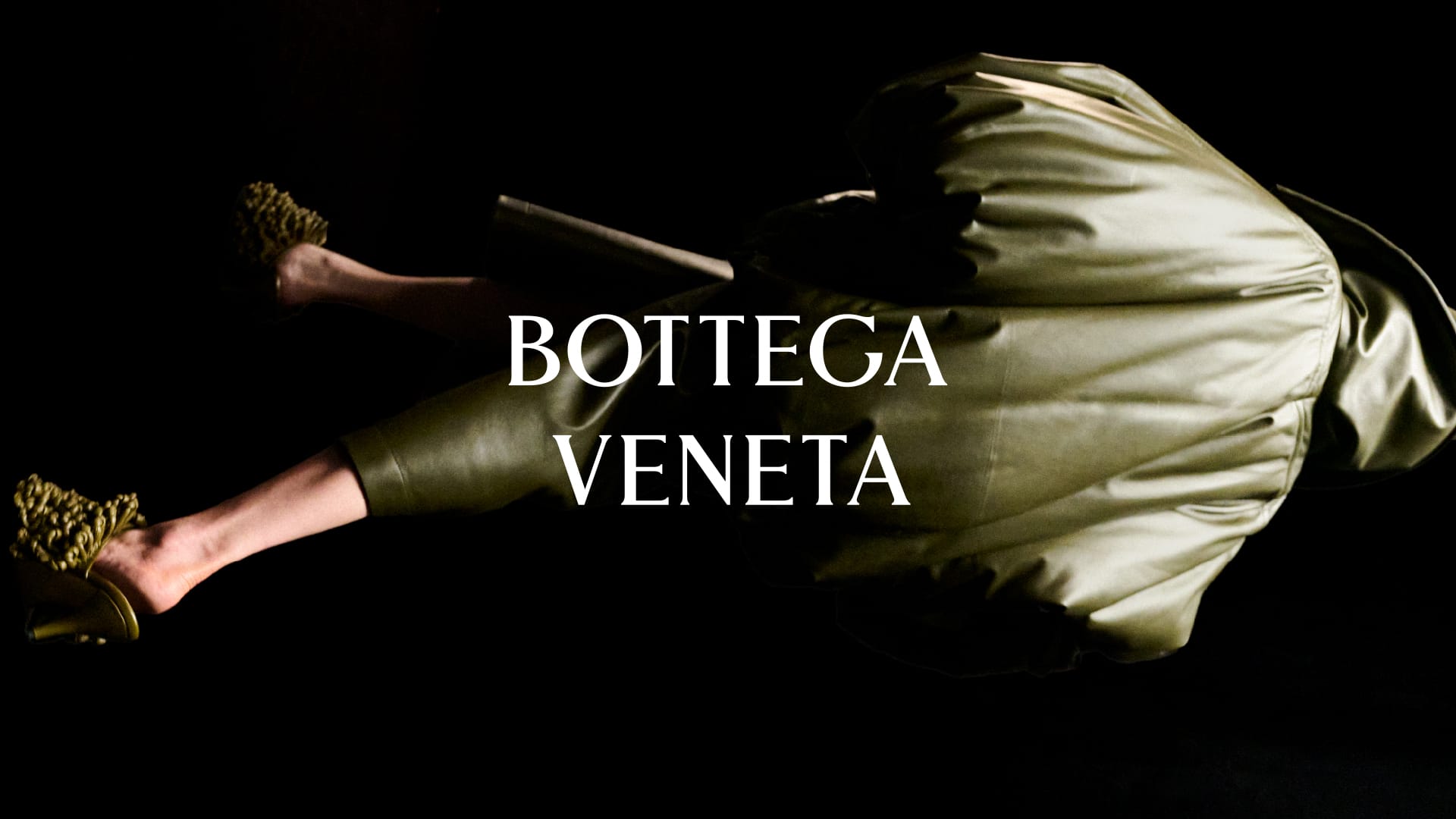
There is risk in the strategy. Eight photographers can easily become eight campaigns occupying the same press folder, and certain images inevitably speak more persuasively to one another than others. The transition from cool digital precision to grain, stark flash, intimate cropping, and near-documentary portraiture occasionally makes the project feel more like a photographic journal than a tightly authored advertising statement. But that looseness is also where much of its intelligence resides. The campaign does not try to manufacture cohesion by sanding down individual voices. Instead, it makes difference the organizing principle. Zine 002 therefore feels less like collateral attached to the campaign than the natural home for it: this is imagery meant to be accumulated, compared, revisited, and read in sequence.
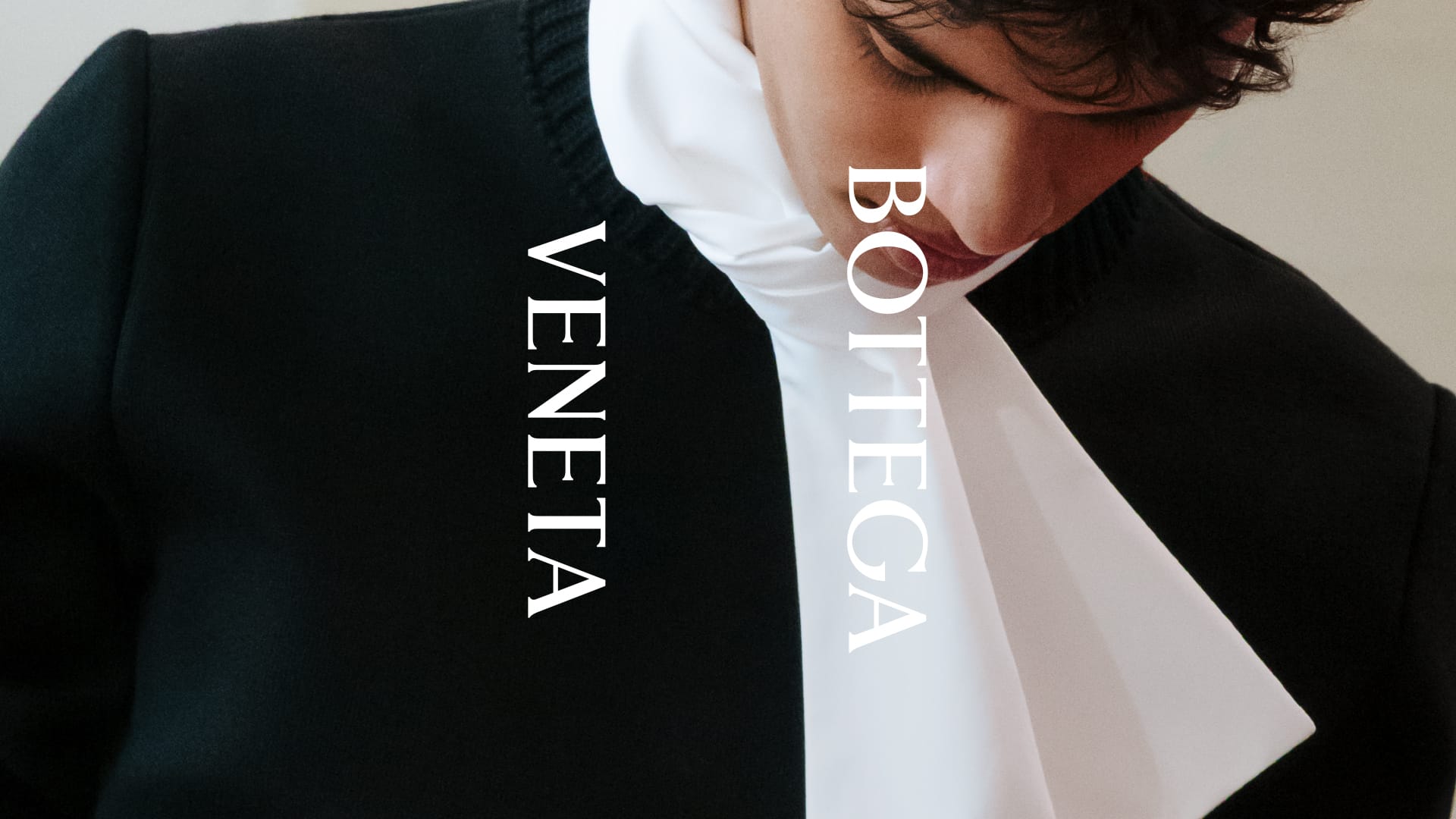
More importantly, the experiment avoids becoming an intellectual exercise at the expense of the clothes. The strongest photographs repeatedly bring us back to material. A pale woven bag pressed against a body makes leather feel almost soft enough to bruise; exaggerated black fringe becomes landscape; the red bag resembles some wonderfully unruly sea creature; woven footwear becomes an object whose construction you instinctively want to inspect with your hands. Bottega Veneta has always understood tactility as part of its seduction, and photography presents an obvious problem for a House whose pleasures are so frequently physical. These images cleverly compensate by making looking itself tactile.
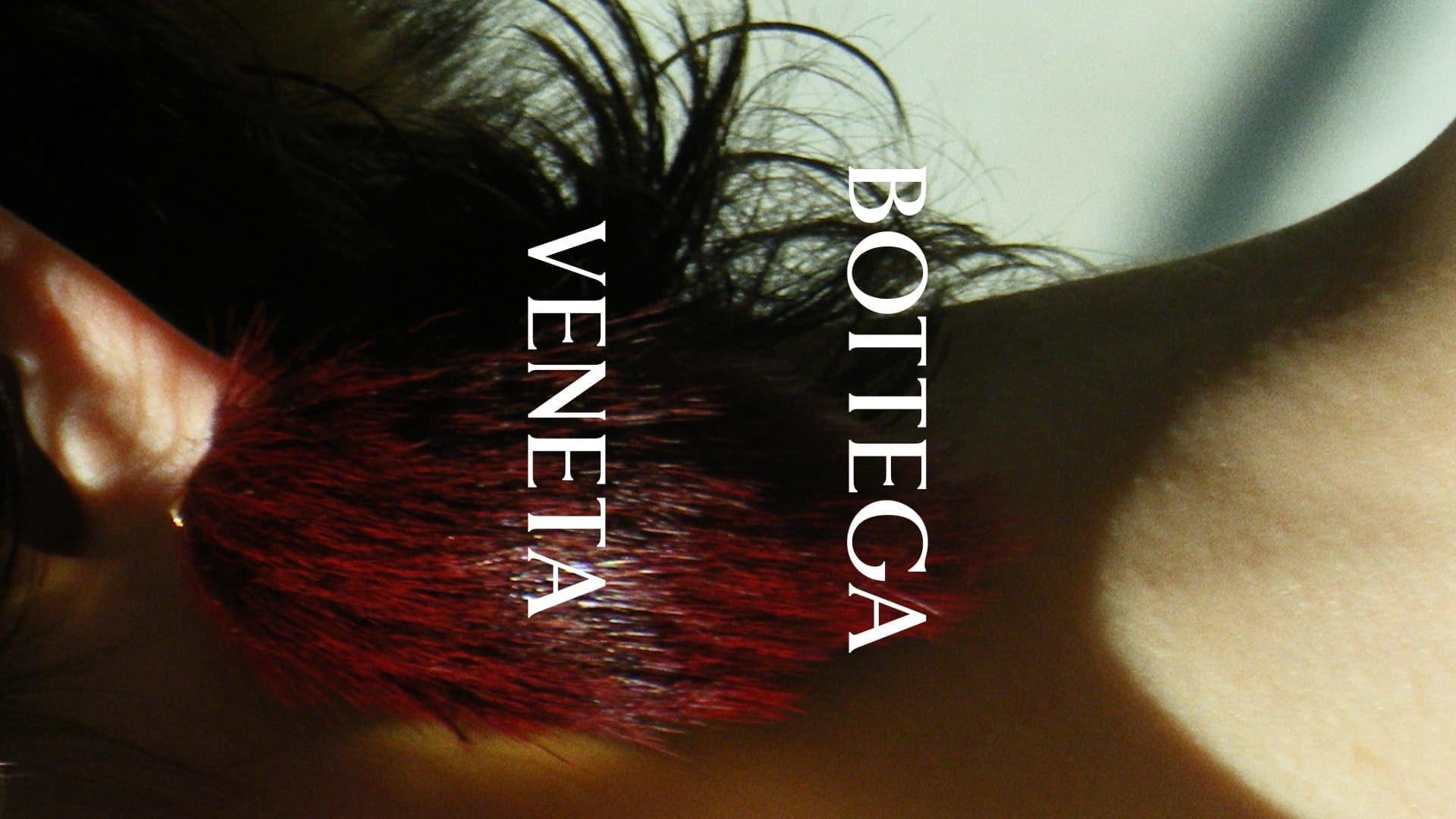
Ruskin, who spent so much intellectual energy considering what looking closely could reveal about objects and their makers, proves a surprisingly apt companion. The quotation could easily have become an elegant bit of literary garnish. Instead, the photographers make good on it. Winter 2026 moves from person to garment, garment to detail, detail to object, and object almost into abstraction before pulling us back again. It asks not simply, “What does Bottega Veneta look like?” but “What happens when you change where you stand?”
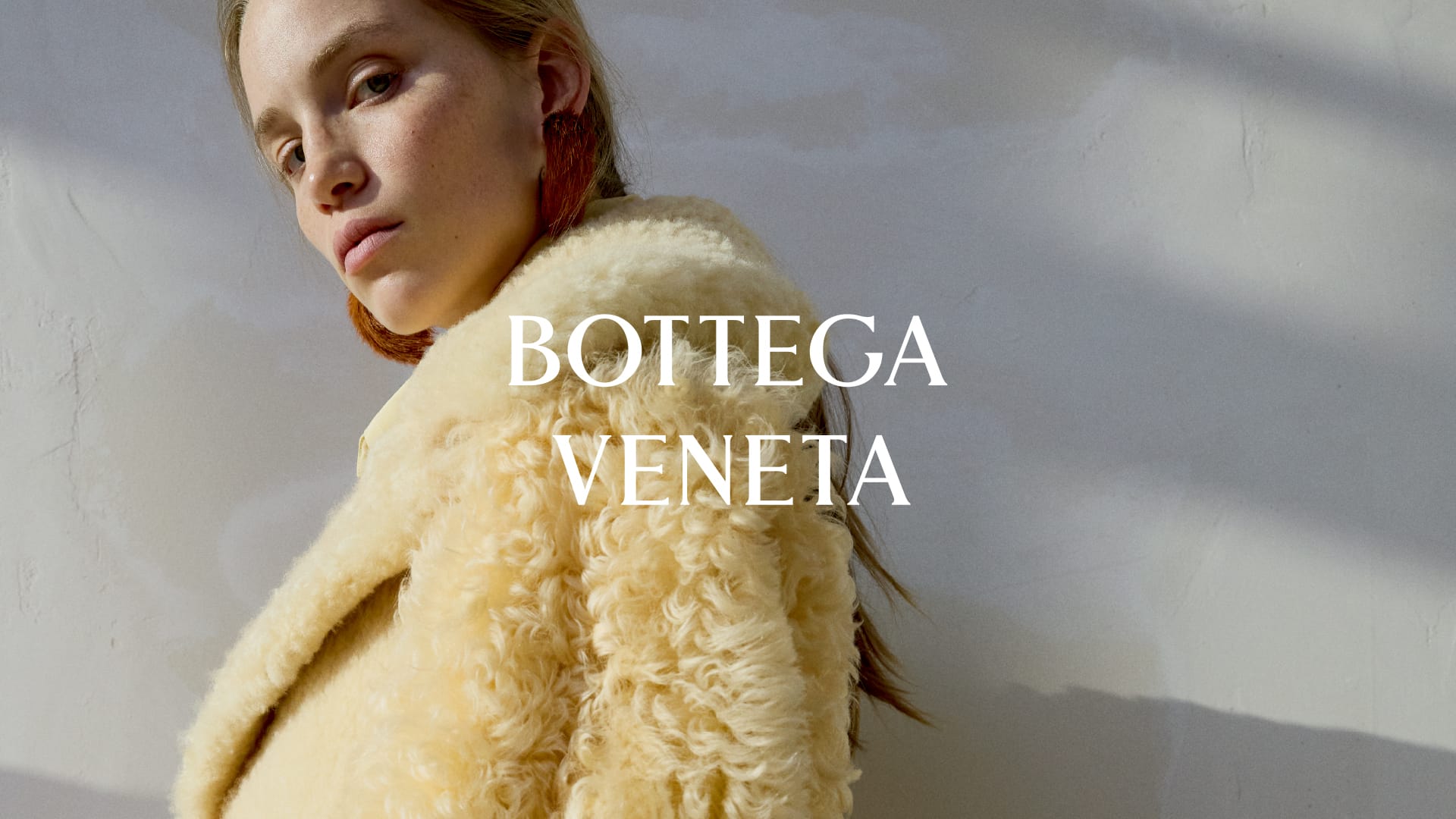
For a House synonymous with weaving, perhaps the cleverest thing about the campaign is that its eight photographic voices ultimately behave like strands themselves: distinct, occasionally irregular, but more interesting once brought together. Bottega Veneta has not produced one definitive Winter 2026 image. It has produced a reason to keep looking. Ruskin would probably approve. The marketing department should too.
Bottega Veneta Creative Director | Louise Trotter
Photographers | Chris Rhodes, Cristina Stohle, James Ari King, Kira Bunse, Nicole Maria Winkler, Piotr Niepsuj, Rosie Harriet Ellis, Sam Penn