The house introduces its evolving global store concept at 56 Avenue Montaigne, translating architectural ideas first presented in Milan into a four-story Paris flagship
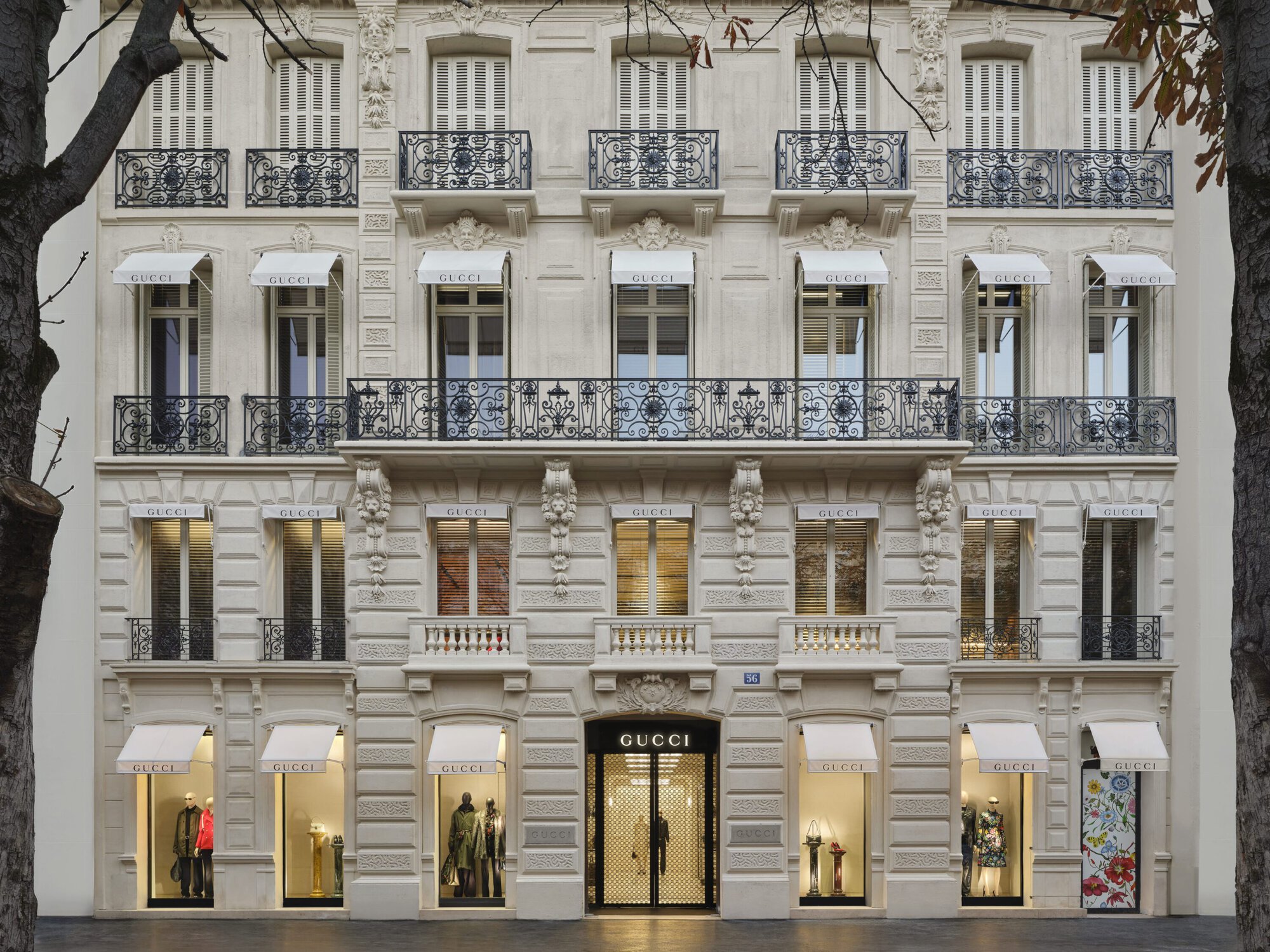
Gucci has introduced its new global retail concept with the reopening of its flagship at 56 Avenue Montaigne in Paris, marking the first permanent expression of the house’s evolving approach to store design and client experience. Opening to the public on October 30, 2026, the 1,480-square-meter boutique spans four floors, bringing together Gucci’s collections within an architectural environment inspired by Italian heritage, Milanese design, and contemporary culture. The location establishes a new framework for the house’s retail spaces, with elements of the concept set to be progressively introduced across its international store network.
The concept was first previewed during The Store Show, presented in Milan on September 25, where the runway setting introduced the architectural ideas now translated into a permanent retail environment. Drawing on the spatial organization of Italian Renaissance palazzos, the design combines a sense of monumentality with the intimacy of residential interiors. Its visual language is particularly informed by Milan, incorporating references to the city’s rationalist architecture of the 1930s, associated with figures such as Piero Portaluppi, alongside the warmth and craftsmanship of Milanese interiors from the 1950s through the 1970s.
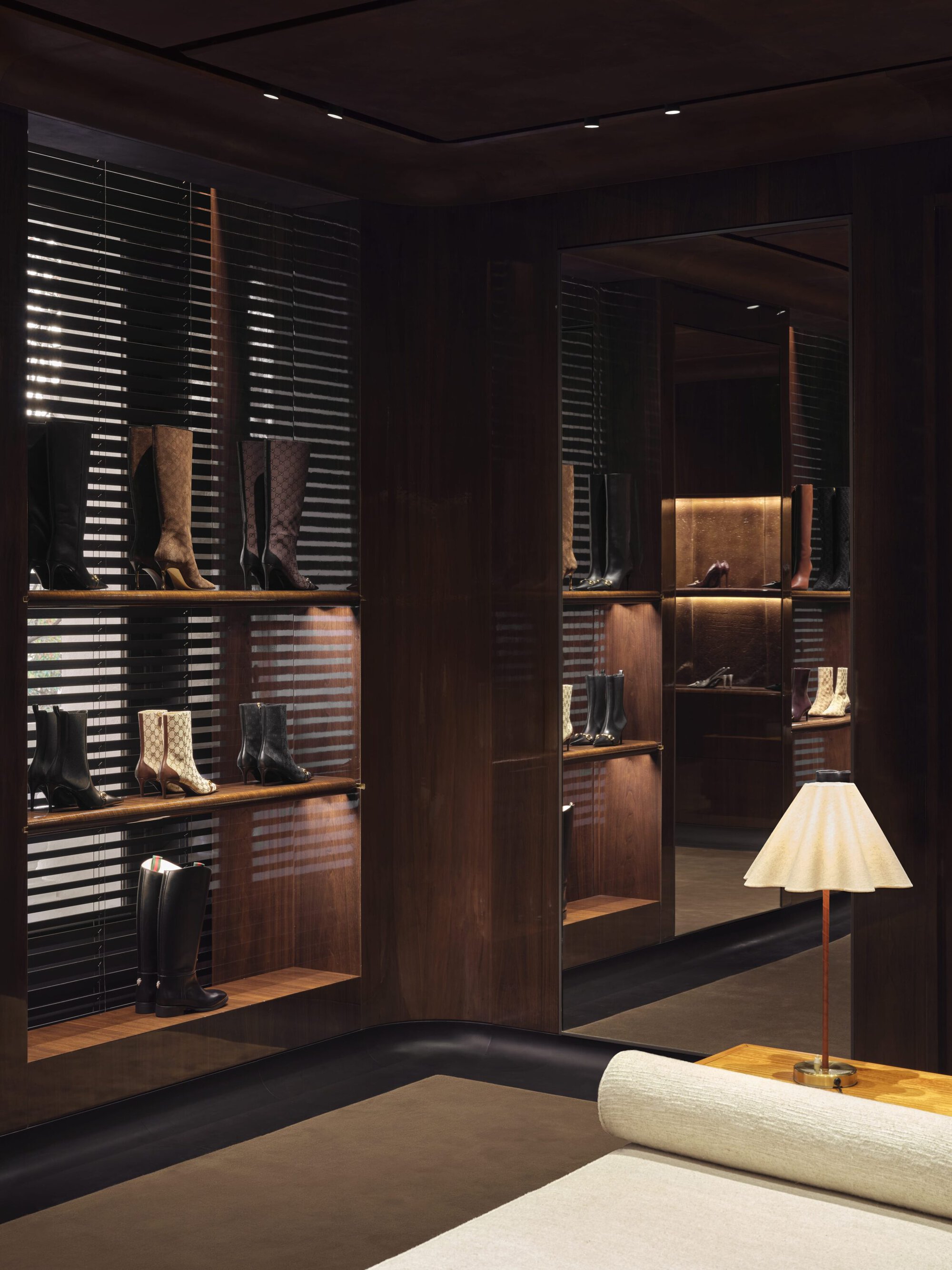
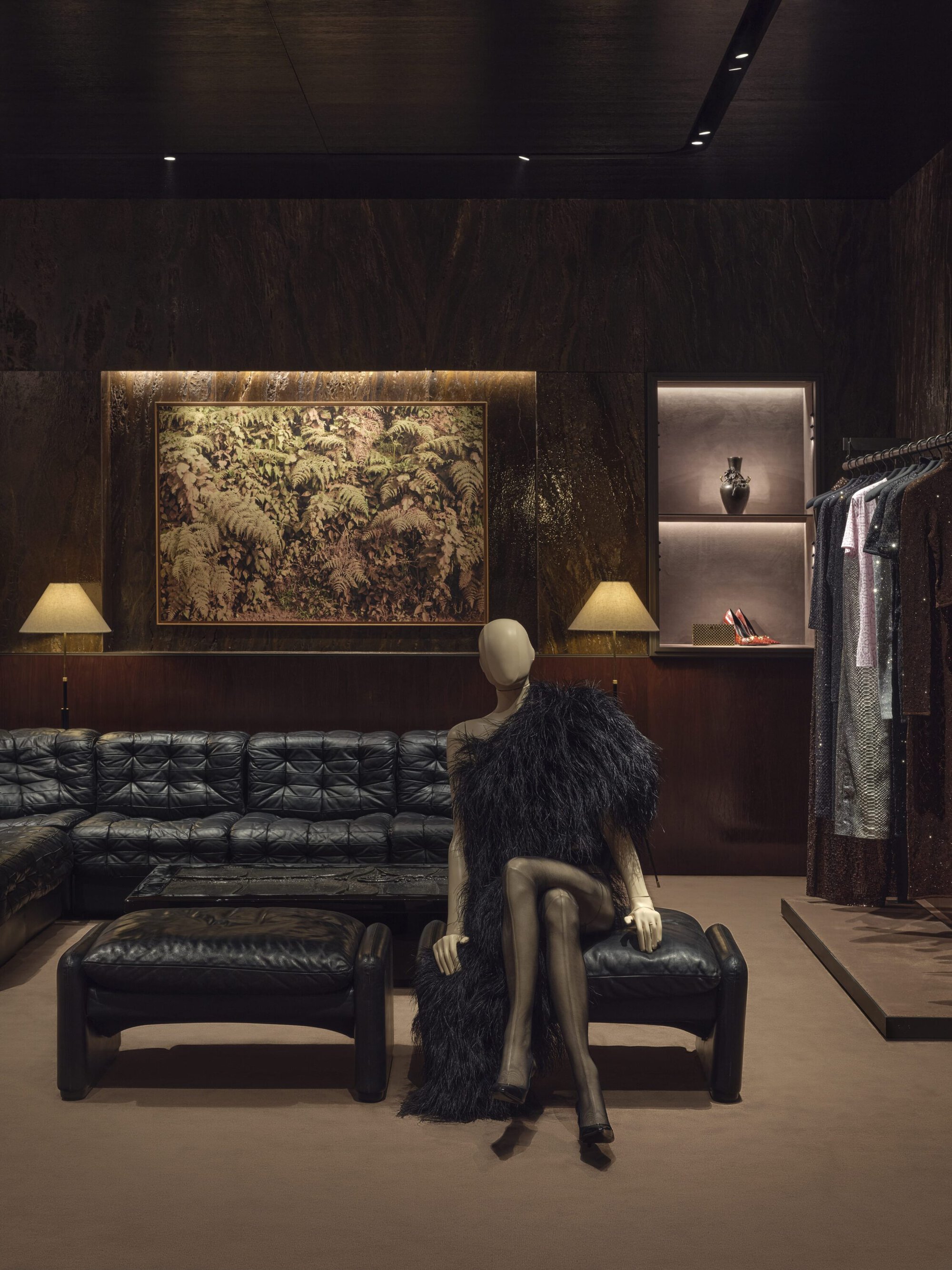
At Avenue Montaigne, these influences take shape through a sequence of interconnected rooms, each with its own atmosphere and material identity. The layout encourages a gradual progression between spaces, moving from expansive architectural volumes to more intimate settings. Rather than presenting the boutique as a series of conventional retail departments, Gucci has conceived the environment as a continuous experience in which architecture, furnishings, and collections contribute to a unified narrative. The journey culminates on the second floor with Gucci Appartamento, a private space designed to offer a more exclusive and personalized client experience.
Materiality plays a central role in defining the store’s character. Ceppo di Gré, a stone closely associated with Milanese architecture, appears alongside travertine in varying tones, Emperador and Breccia marble, Victoria Regia green stone, and bronzite. Walnut, zebrano, and teak introduce warmth through richly textured wood surfaces, complemented by lacquered finishes, terrazzo, and pigmented concrete. These combinations establish distinct identities for individual rooms while maintaining a consistent architectural language throughout the flagship. The interplay between polished and textured surfaces creates a balance between historical references and contemporary precision.
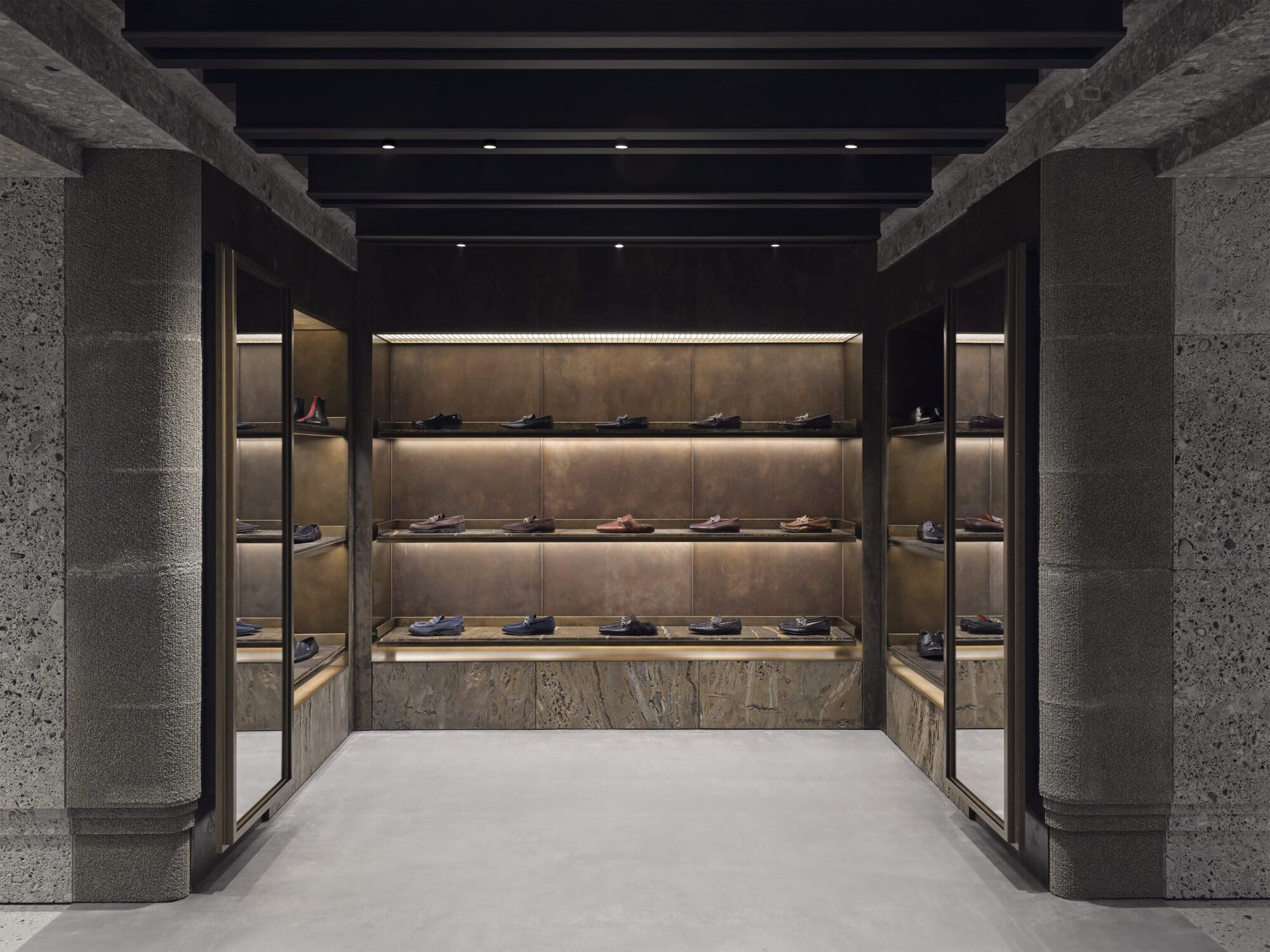
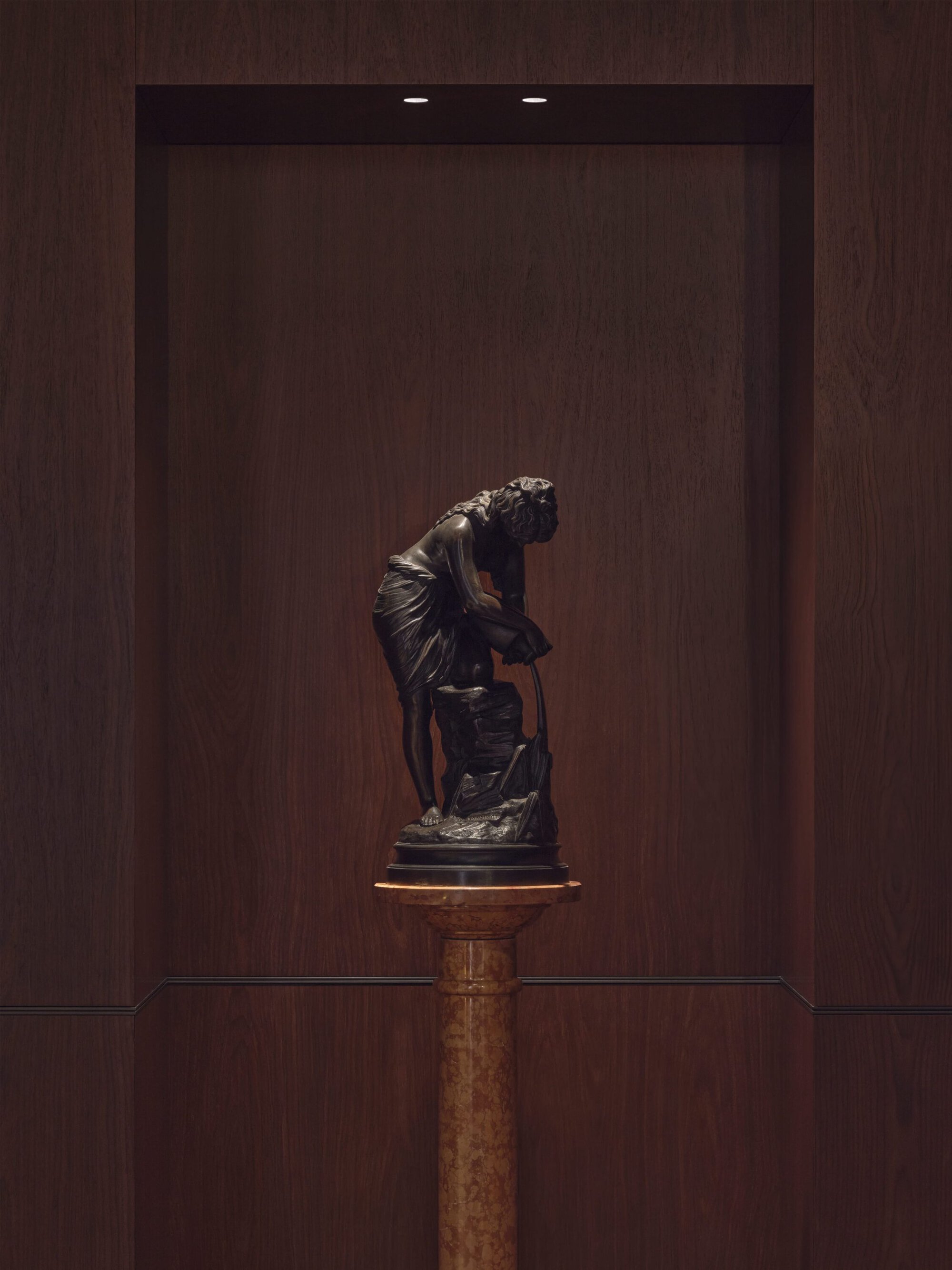
The presentation of Gucci’s collections has also been reconsidered as part of the concept. Rather than relying on immediate visibility and conventional merchandising arrangements, the design incorporates principles of concealment and revelation, allowing products to emerge gradually as visitors move through the space. Furniture, decorative objects, artworks, and merchandise coexist within the interiors, creating an environment that encourages discovery and a more considered engagement with the collections. This approach positions the store as a destination for exploration rather than simply a point of sale.
The Avenue Montaigne flagship represents a significant step in Gucci’s broader retail evolution, translating the creative direction introduced through its recent runway presentation into a physical environment. By drawing on the architectural history of Italy while reconsidering how clients interact with products and spaces, the house is establishing a more immersive and residential approach to luxury retail. The Paris opening serves as the first expression of a concept that will gradually shape Gucci’s international boutiques, placing atmosphere, craftsmanship, and personal connection at the center of its retail identity.