The Actor and Filmmaker Discusses Trust, Physical Storytelling, and Finding a Different Kind of Femininity in Claire Denis’ 32nd Miu Miu Women’s Tales Film
By Angela Baidoo
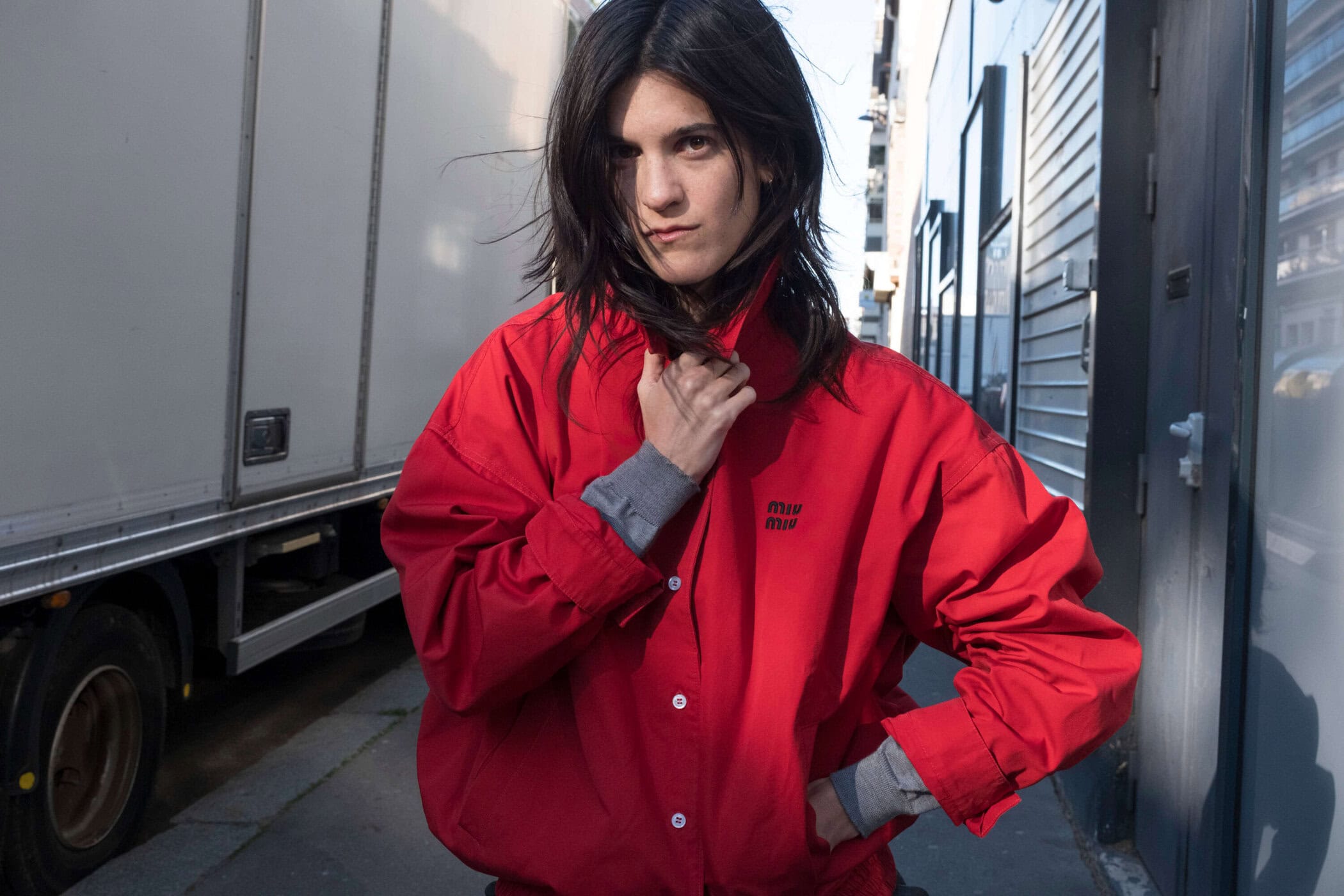
For Suzanne Lindon, working with Claire Denis does not fit easily into the traditional relationship between actor and director. Their creative connection began at the writing table, where the two collaborated on Denis’ The Fence, before Lindon stepped in front of her camera for Avec Kim, the 32nd installment of Miu Miu Women’s Tales. What emerged was a filmmaking process built less around performance than trust.
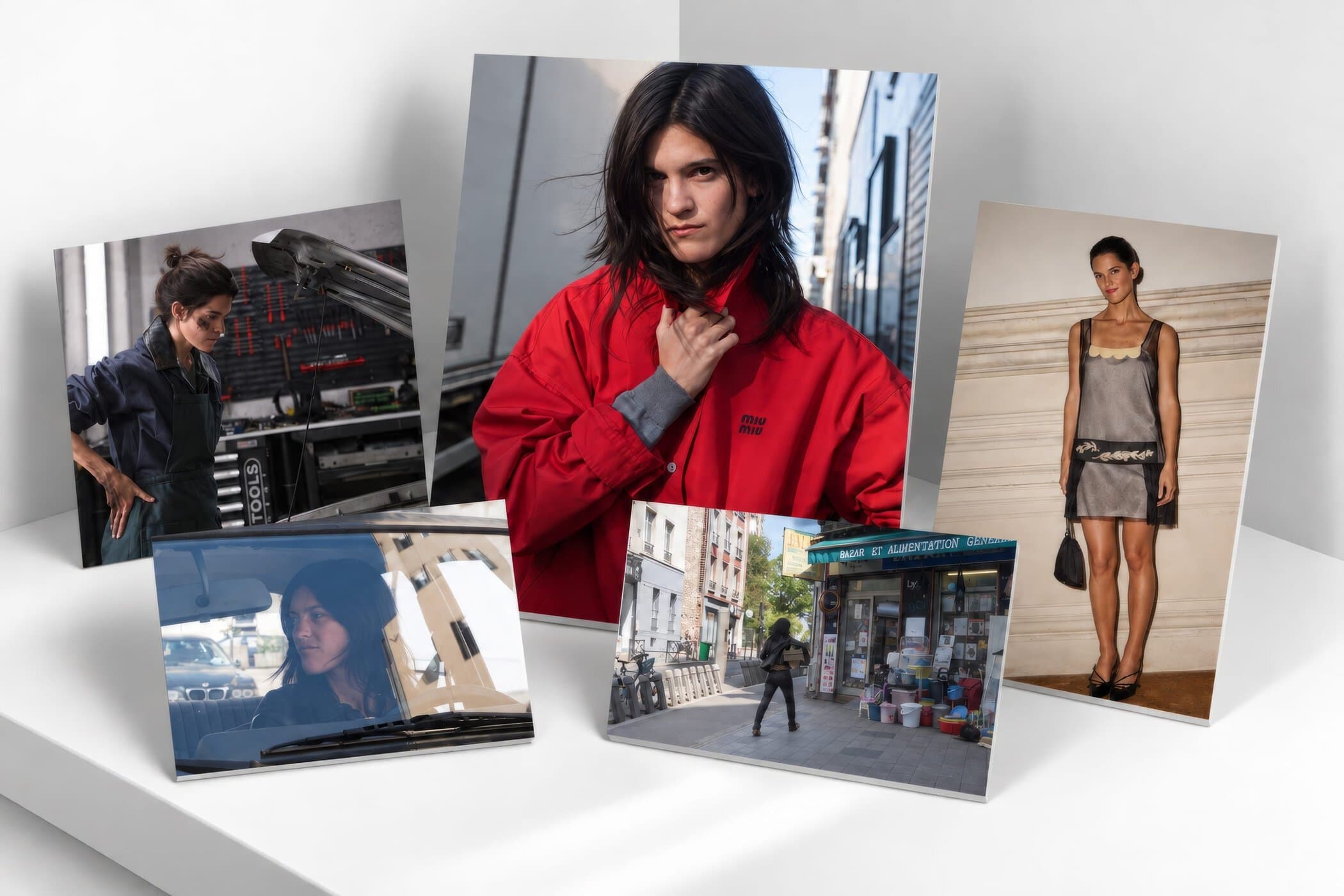
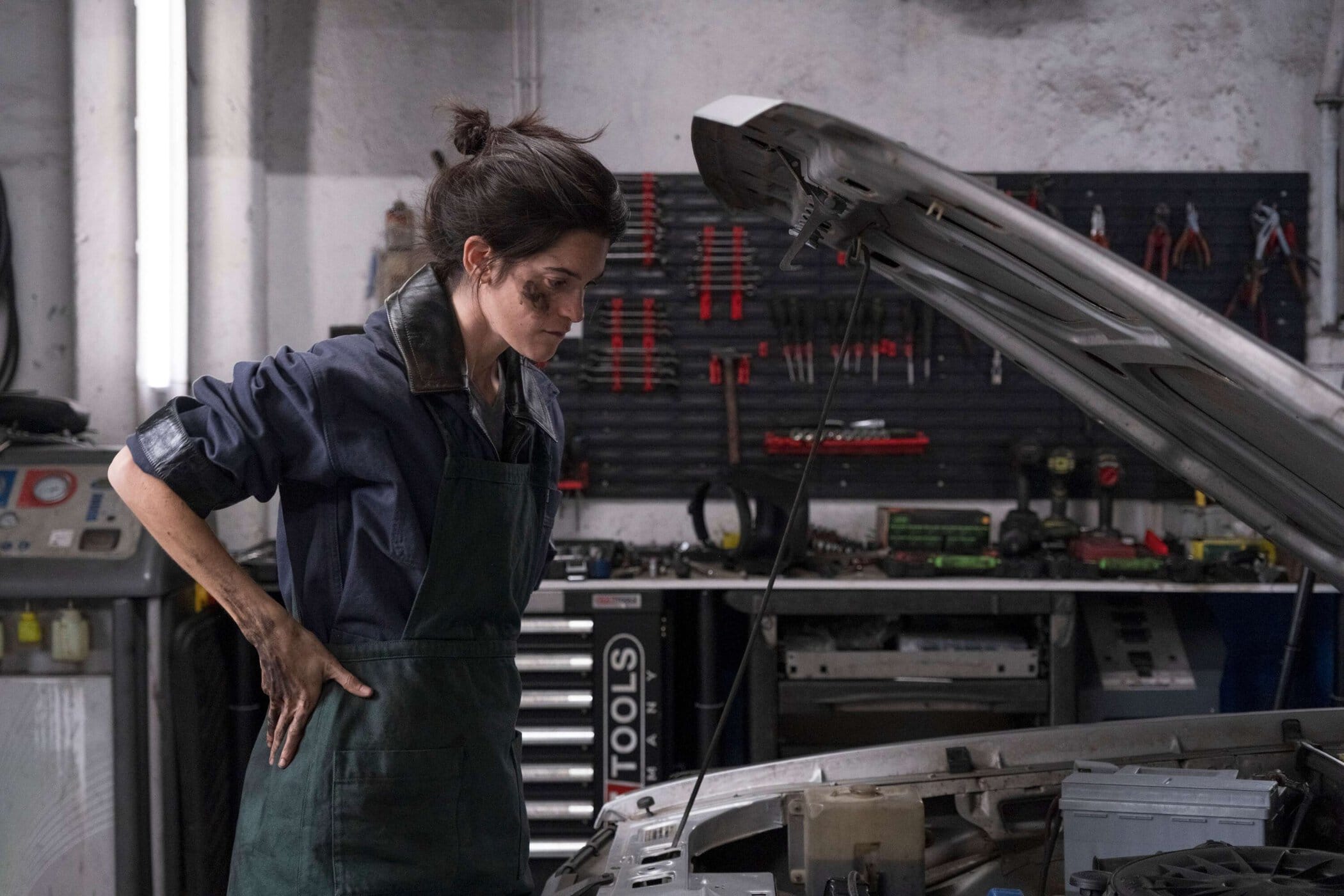
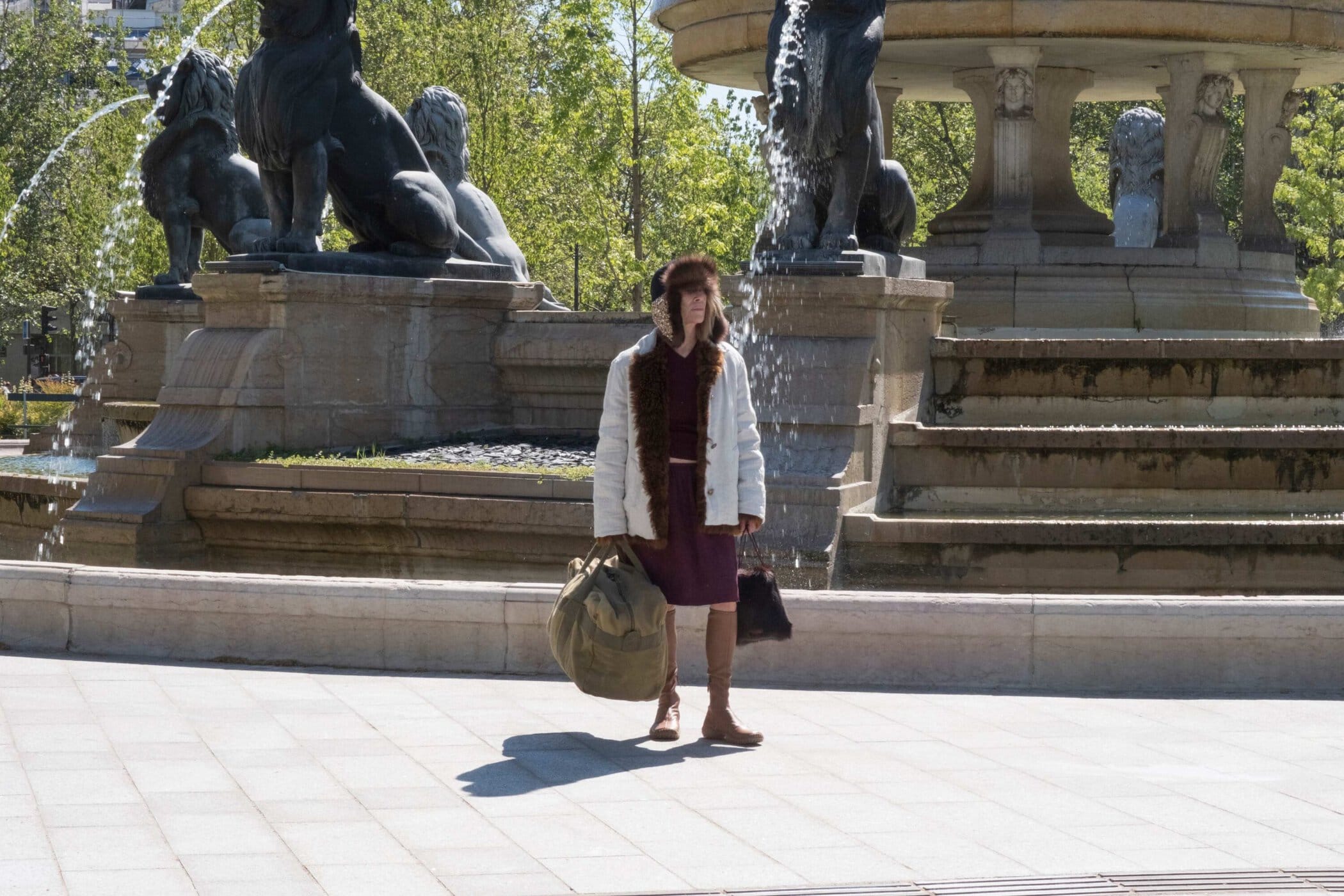
Premiered during the Venice Film Festival, Avec Kim stars Lindon alongside musician and artist Kim Gordon in a largely dialogue-free exploration of female intimacy, movement, and transformation. Denis’ characteristically physical approach to filmmaking turns gestures into narrative: Lindon works beneath the hood of a car, drives through Paris, carries furniture, changes clothes, and moves through the city while the camera observes rather than explains.
That absence of explanation became part of the attraction for Lindon. Rather than constructing a character through backstory or dialogue, she was asked to inhabit what she describes as Denis’ imagined version of herself — surrendering to a filmmaker whose understanding of bodies, clothing, and instinct provided the film with its language.
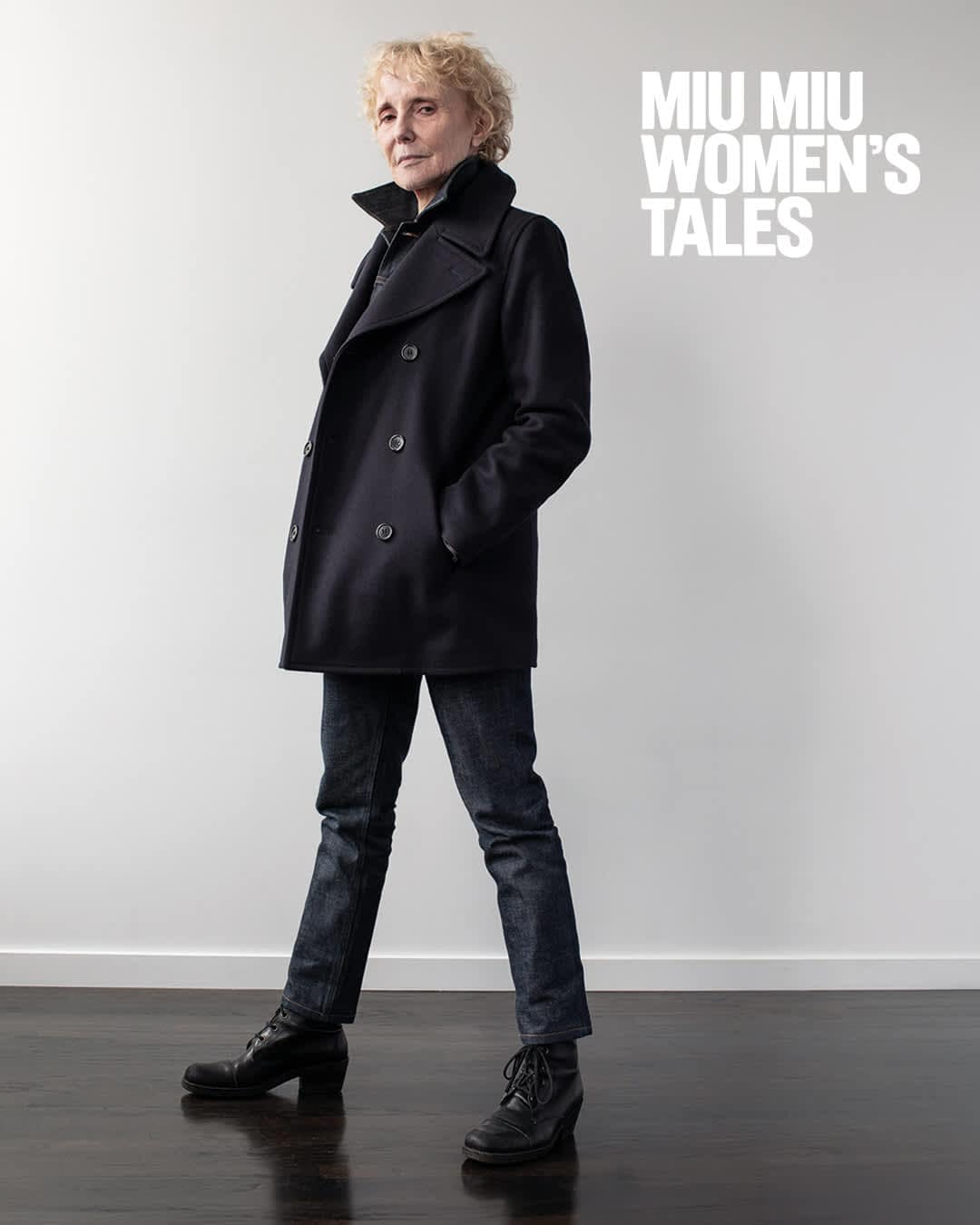
It is an approach that also speaks directly to the enduring premise of Miu Miu Women’s Tales. Since its launch in 2011, the project has given female filmmakers a space to explore femininity through their own cinematic vocabulary, with Denis joining a lineage of directors whose work is allowed to exist as filmmaking first rather than branded content. In Avec Kim, clothing is present, but never simply decorative: workwear, leather, and traditionally masculine visual codes become tools through which Denis explores confidence, sensuality, and the instability of how femininity itself is defined.
Following the film’s Venice premiere, The Impression’s Angela Baidoo sat down with Lindon to discuss her close relationship with Denis, learning to communicate without dialogue, the freedom of improvisation, and why Miuccia Prada’s long-running commitment to women filmmakers continues to matter.
Angela Baidoo: You have worked with director Clare Denis on both writing and acting projects; can you speak about what you learned from working with Denis both behind and in front of the camera?
Suzanne Lindon: What I loved when we were writing together was that I got to discover who she was in a very intimate way, because she was working with me at home and we were exchanging ideas. And when I discovered her on set, I forgot I was her actress. I watched her working and it was so interesting to see that she feels more at home on her film set, than when she is home.
Angela Baidoo: Did experiencing that ease at which Denis approaches her work change the way you now want to approach your own work?
Suzanne Lindon: I don’t know if it changed something in me, because I don’t see Claire as somebody who I work with. No, she is somebody who’s extremely important in my life. As we co-wrote “The Fence” together and now she has directed me in her movie (Avec Kim). But she’s not just a director to me – I mean, of course she is – but she’s first and foremost one of the people that I am closest with.
Angela Baidoo: “Avec Kim” tells us very little about your character through dialogue, but instead, we understand her through the way she moves, what she wears and the way she explores the city. How did you create your character when so much of her identity had to be communicated physically rather than verbally?
Suzanne Lindon: I didn’t build a character, because Claire didn’t really give me a script, and since the title of the movie is “Avec Kim,” I assumed that Kim (Gordon) would be playing Kim. And I think the goal for my character in the movie was to be a certain version of myself. The version of myself that Claire pictures in her imagination.
What I loved is that I completely forgot we were shooting, I forgot because of the absence of dialogue, when you’re not talking, you have to stay very open, very in the moment.
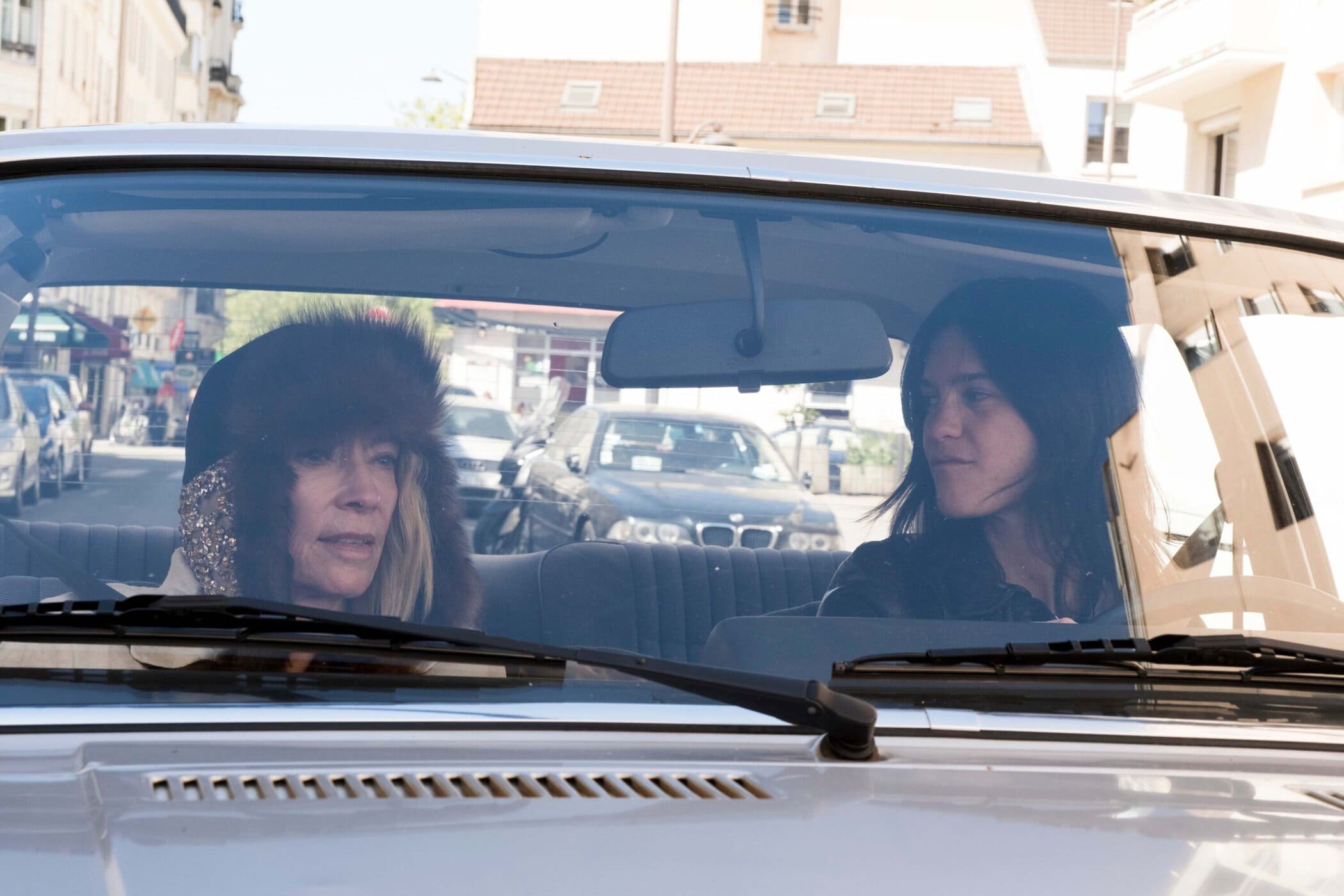
Angela Baidoo: And as you spoke to in your panel, you had to learn to drive for this role, did the intimacy of that space add to how the story unfolded?
Suzanne Lindon: Yes, because I was driving, I had a very precise task to do. So, it was easy to forget that Claire was filming us. And I think Claire is very smart as I believe she knew [the spontaneous gestures] would happen as they did. The tenderness in the movie comes from the relationship between us and the fact that we don’t need to talk. We just needed to be together; I really loved that.
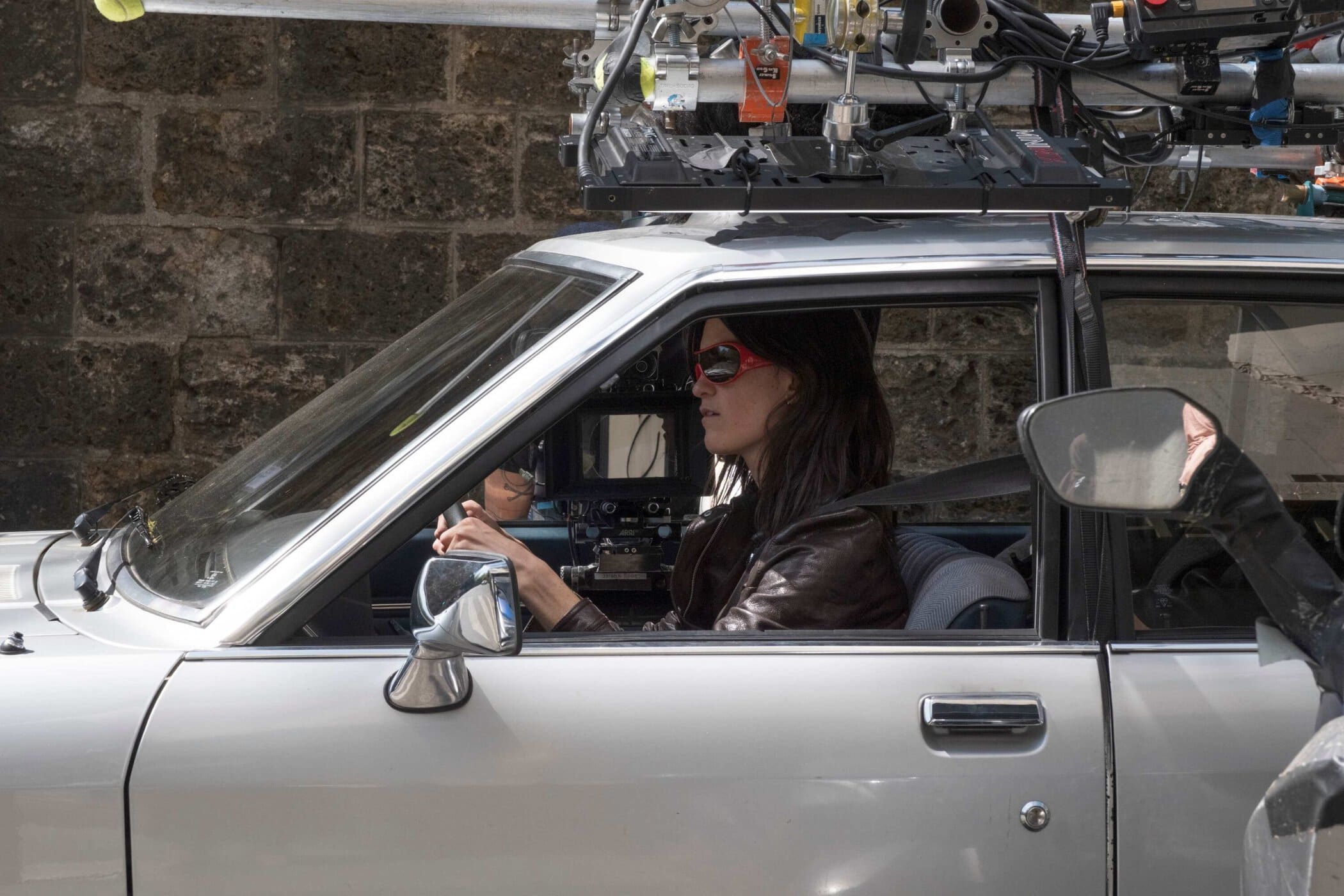
Angela Baidoo: There is a striking transformation in the film, from this grease-covered mechanic working on an old car to the leather-clad woman we follow through Paris. What did that transformation represent to you, and how much did clothing help you understand who this woman might be?
Suzanne Lindon: What I love is that she (Claire Denis) made me wear boyish clothes, even though it’s a movie about femininity. They made me think of what used to be considered classic men’s tasks, such as driving, being a mechanic, helping someone with a heavy chair (as portrayed in the short film), wearing the clothes made me feel more boyish, more confident. Especially, in the garage, I had this look with the apron and that felt like the right costume. Then, in the car I have this leather look on which I was afraid would look like a caricature of myself, but I believed in Claire’s eye, and I knew she had seen something interesting about femininity in that look, it’s also kind of animalistic, like putting on a second skin.
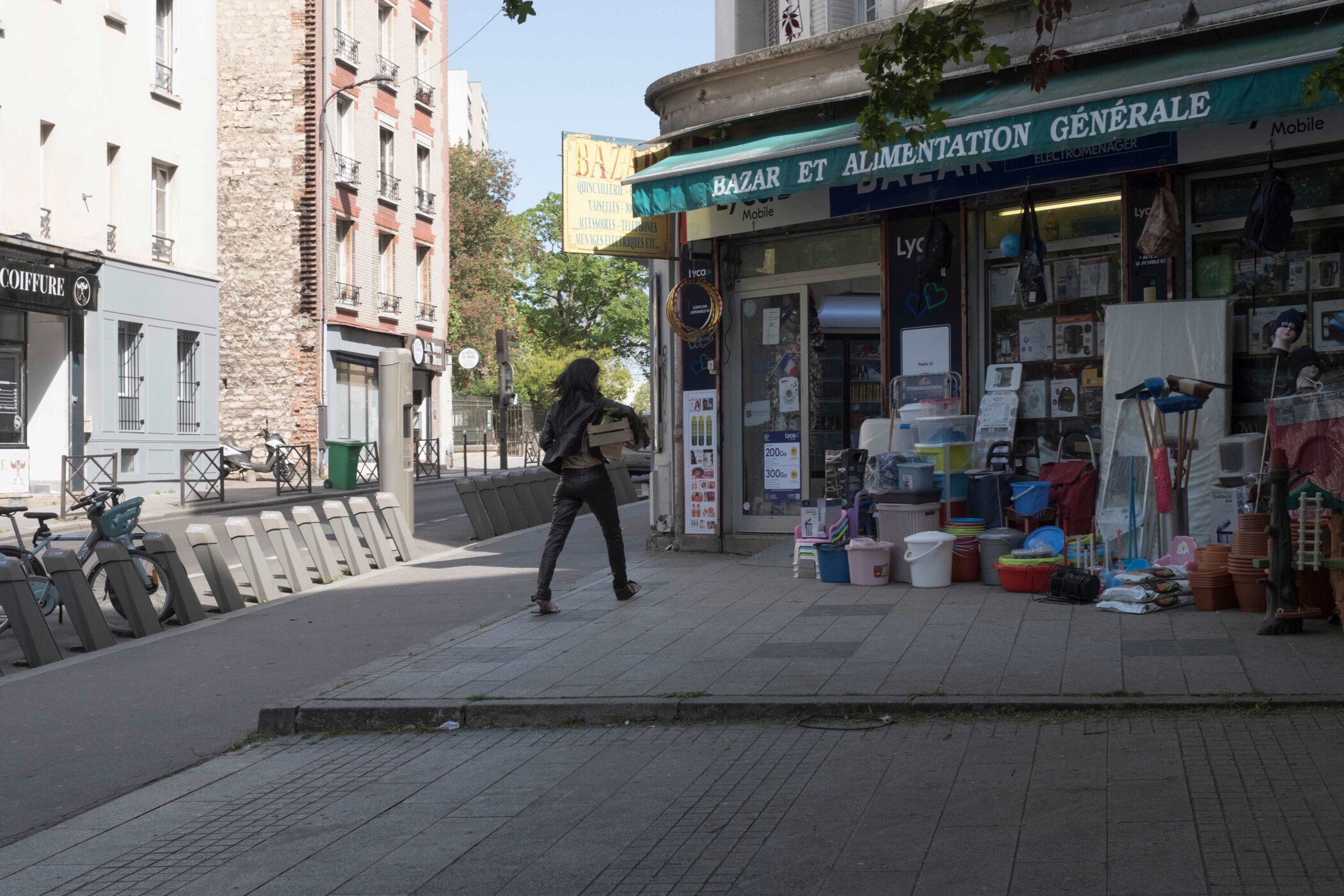
Angela Baidoo: Claire Denis has said that “capturing bodies on film is the only thing that interests me,” and she’s known for giving actors freedom to improvise. What was it like surrendering yourself to that way of filmmaking, particularly the reliance on gestures to tell much of the story?
Suzanne Lindon: I can’t speak for Claire, but I can assume – Claire films people she loves – she needs to feel it in her body to film something, and I think she really loves Kim. They’re friends and I realised how similar they are on a lot of things, so I wasn’t afraid of this freedom and effectively improvising because I thought that Claire respects me, she wouldn’t be afraid of something I try and in choosing Kim I know that she wanted us to be ourselves. Such as when Kim improvised the scene with the hat and the sunglasses, it wasn’t written but Claire was happy to see it, as if she knew it would happen the way it did.
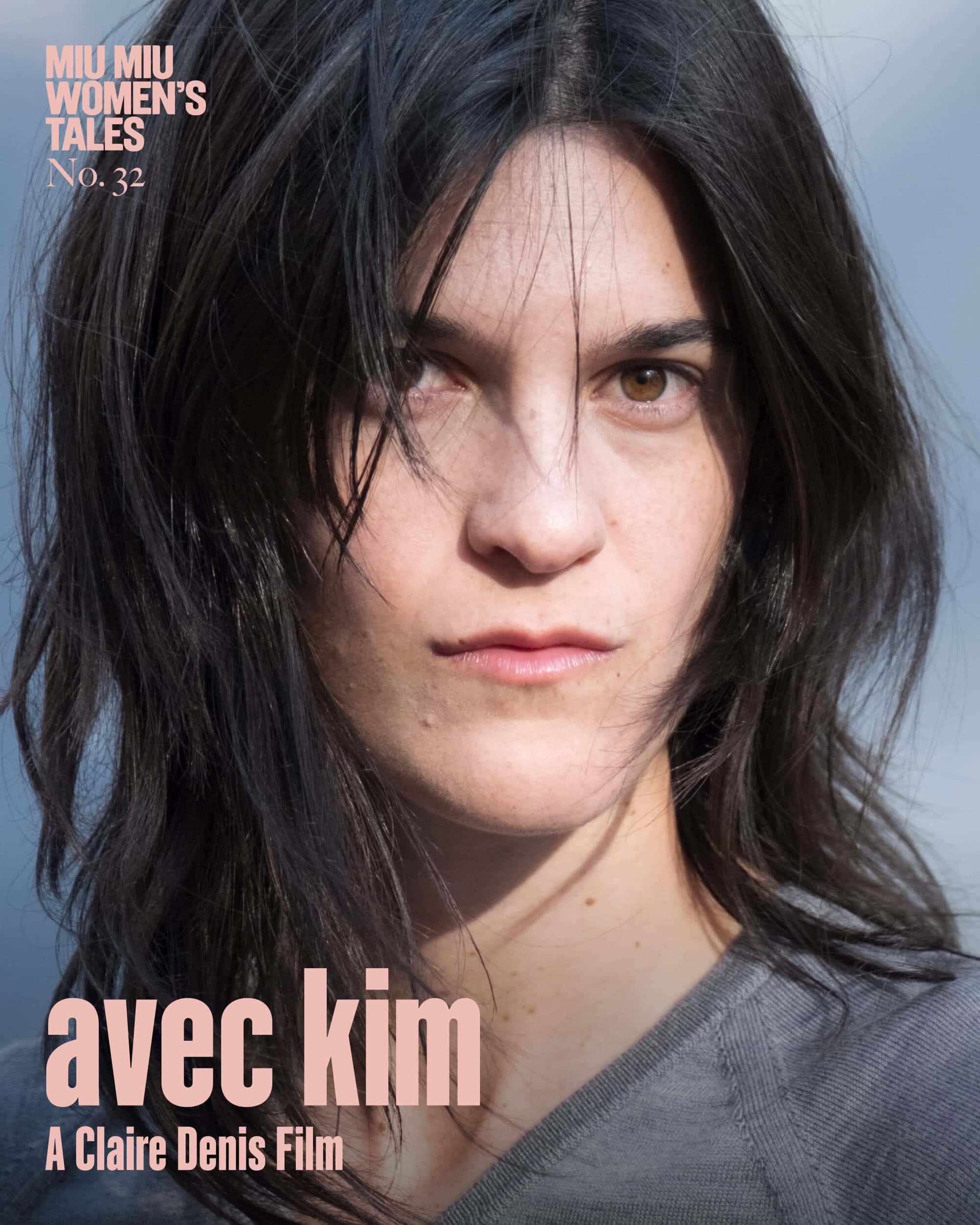
Angela Baidoo: Taking it back to the start of your career, you wrote, directed and starred in Spring Blossom, your first feature. Having now been directed by a filmmaker with such a clear visual language, did the experience make you reconsider anything about your own work as a director?
Suzanne Lindon: What I observed on-set from Claire is that she never shoots something, just to shoot it, it’s her way. It’s part of her cinematic language. That’s what I’m really interested in because it’s her mystery, it’s the magic in her movies. It’s a mix between her knowing exactly what she wants and what she eventually does. I don’t know if I’m capable of that just yet, because I think it’s something she doesn’t do on purpose.
Angela Baidoo: As someone who moves between acting, writing and directing, do you find that being in front of the camera has changed the way you think about the responsibility of being behind it?
Suzanne Lindon: When I directed my first film, I did so because I also wanted to play the protagonist. I also wanted to feel legitimate as I come from a family who have a prominent background in acting (her parents are award-winning French actors Vincent Lindon and Sandrine Kiberlain). I recently worked with an 8-year-old girl who was a great actress, because she was unaware she was an actress, and that is the type of actor I strive to be – if I start thinking I’m an actor I’m screwed! I want things to be natural and not contrived, to always create with inspiration and for the right reasons. I know it’s a very privileged point of view, but it’s also what you have to impose on yourself. And I think this is what Claire did, she imposed [a rule] on herself never to do a movie that she doesn’t feel inside her body. This is why her filmography feels so right.
Angela Baidoo: You also have an ongoing relationship with Miu Miu, from walking the shows to appearing in campaigns and now starring in a Women’s Tales film. What has working within the Miu Miu universe given you creatively that acting or filmmaking perhaps hasn’t?
Suzanne Lindon: I don’t see it as working in the fashion world, what I like about Miu Miu is that they’re not the regular fashion house. Women’s Tales is a project by Mrs. Prada, and she has this special way of thinking about art, and a special way of encouraging art, especially women in art.
When I did this film with Claire, I knew it was going to be produced by Miu Miu, but I wasn’t thinking we were doing a fashion film, to me it’s really a short film. What I love about Miu Miu is that the brand is fun, they’re not taking themselves so seriously. This is what makes this collaboration a good fit, because she (Denis) does take herself too seriously. She’s someone who does whatever she wants and who’s very generous to younger generations, and especially young women. And I think that Mrs. Prada has the same code.
Angela Baidoo: Women’s Tales has spent more than 15 years commissioning female filmmakers and giving them the freedom to tell stories from their own perspectives. At a time when women remain underrepresented behind the camera, do spaces created specifically for female filmmakers feel as necessary now as they did when the project began?
Suzanne Lindon: What’s beautiful is that Women’s Tales began way before it was fashionable to do these types of projects just to be politically correct. What I love about Women’s Tales is that it doesn’t exist because it’s politically correct. It exists because Mrs. Prada believes that it’s important. This is what makes the difference and it’s why I am super proud to be a part of this adventure, because I think that the essence of the project is also important for this industry, and I know people are fans of the project.
It’s fantastic as a young woman to be a part of such a project, and I think that cinema needs it from a practical perspective.