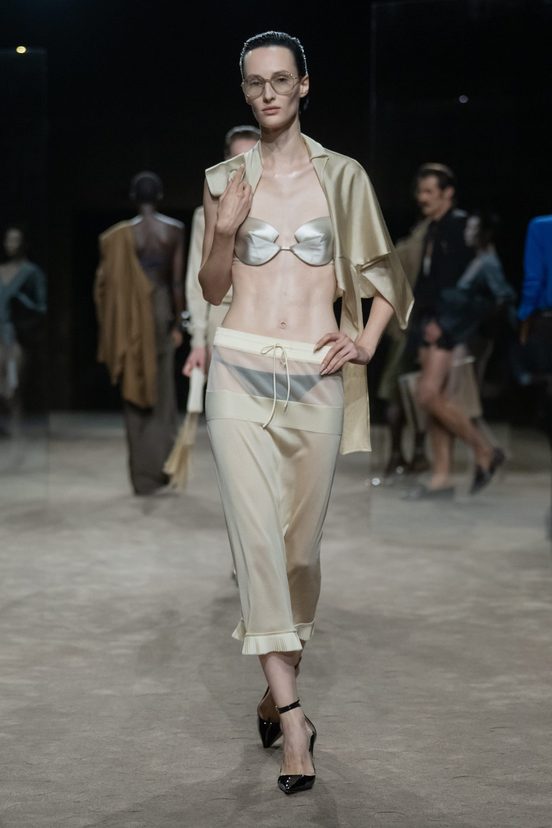
Desire Needs Air
Review of Tom Ford Spring 2027 Fashion Show
By Mackenzie Richard Zuckerman
THE IMPRESSION TAKE
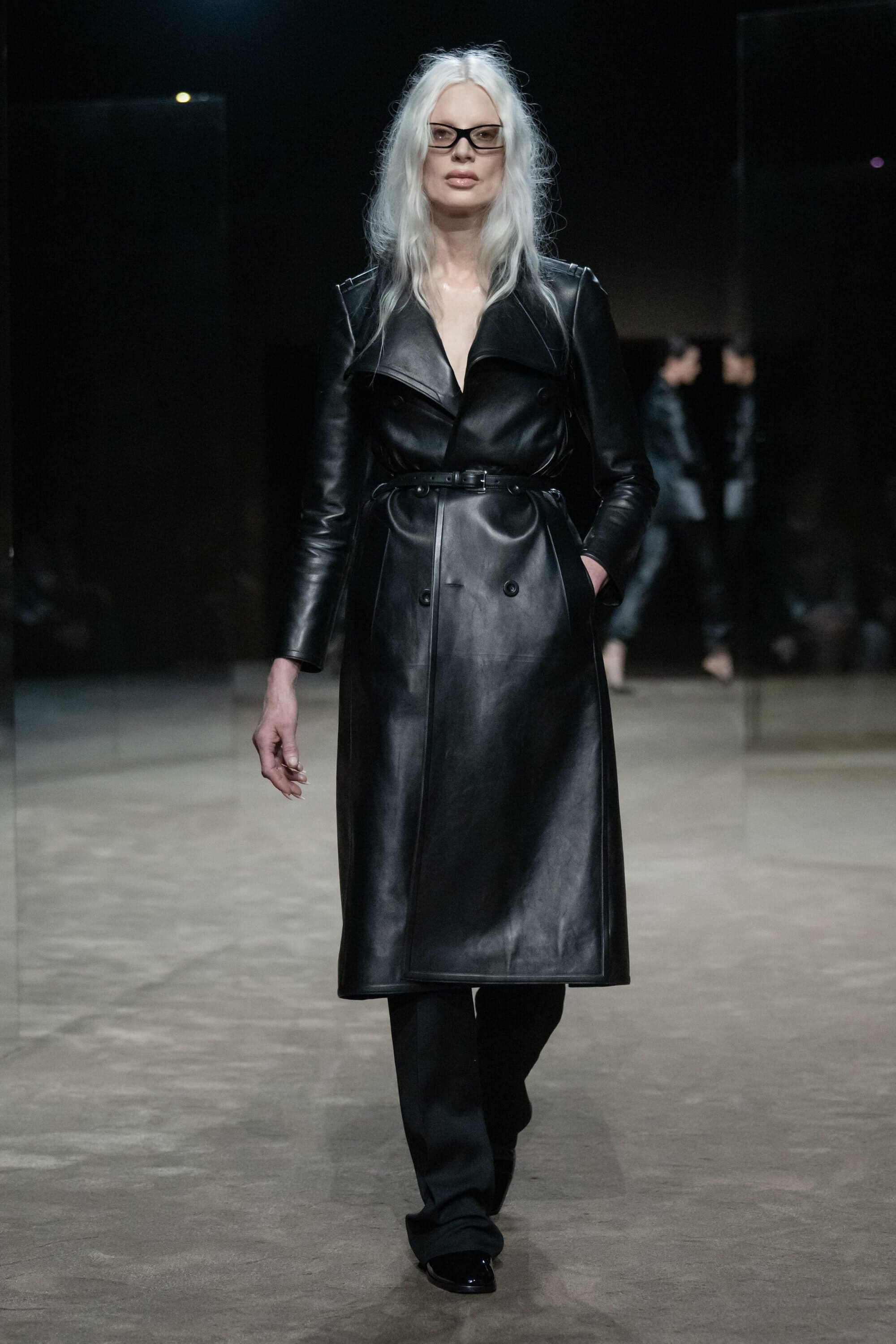
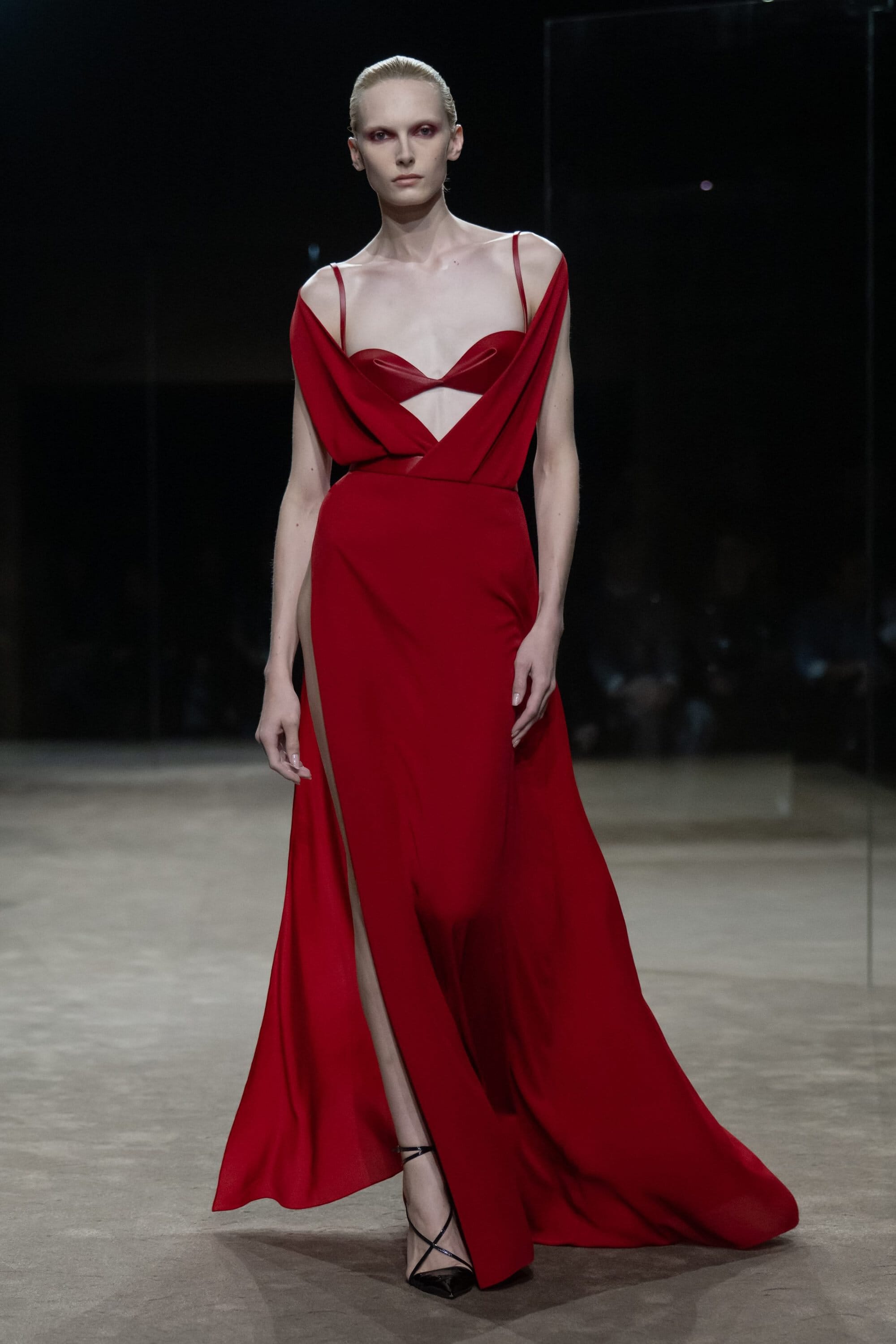
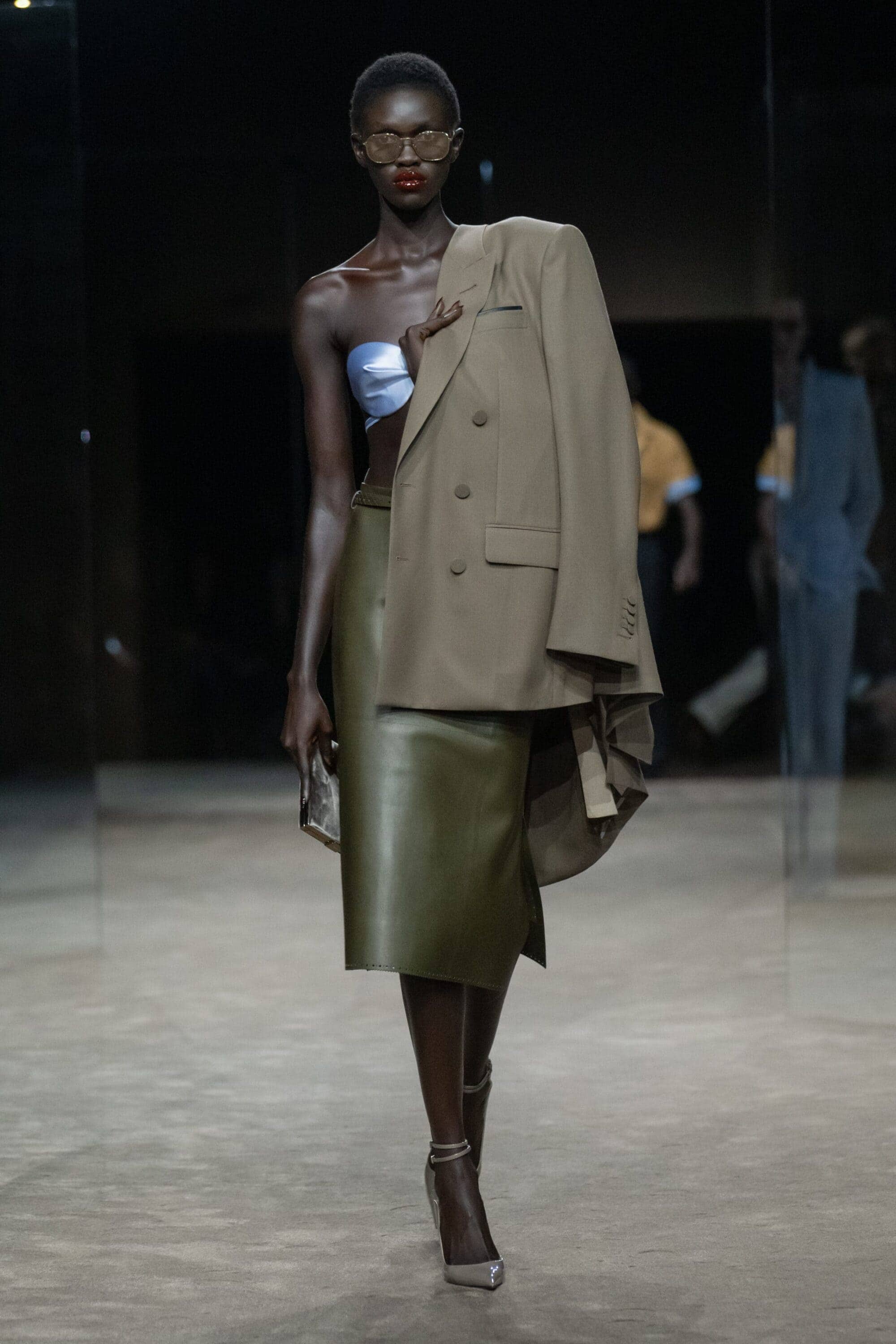
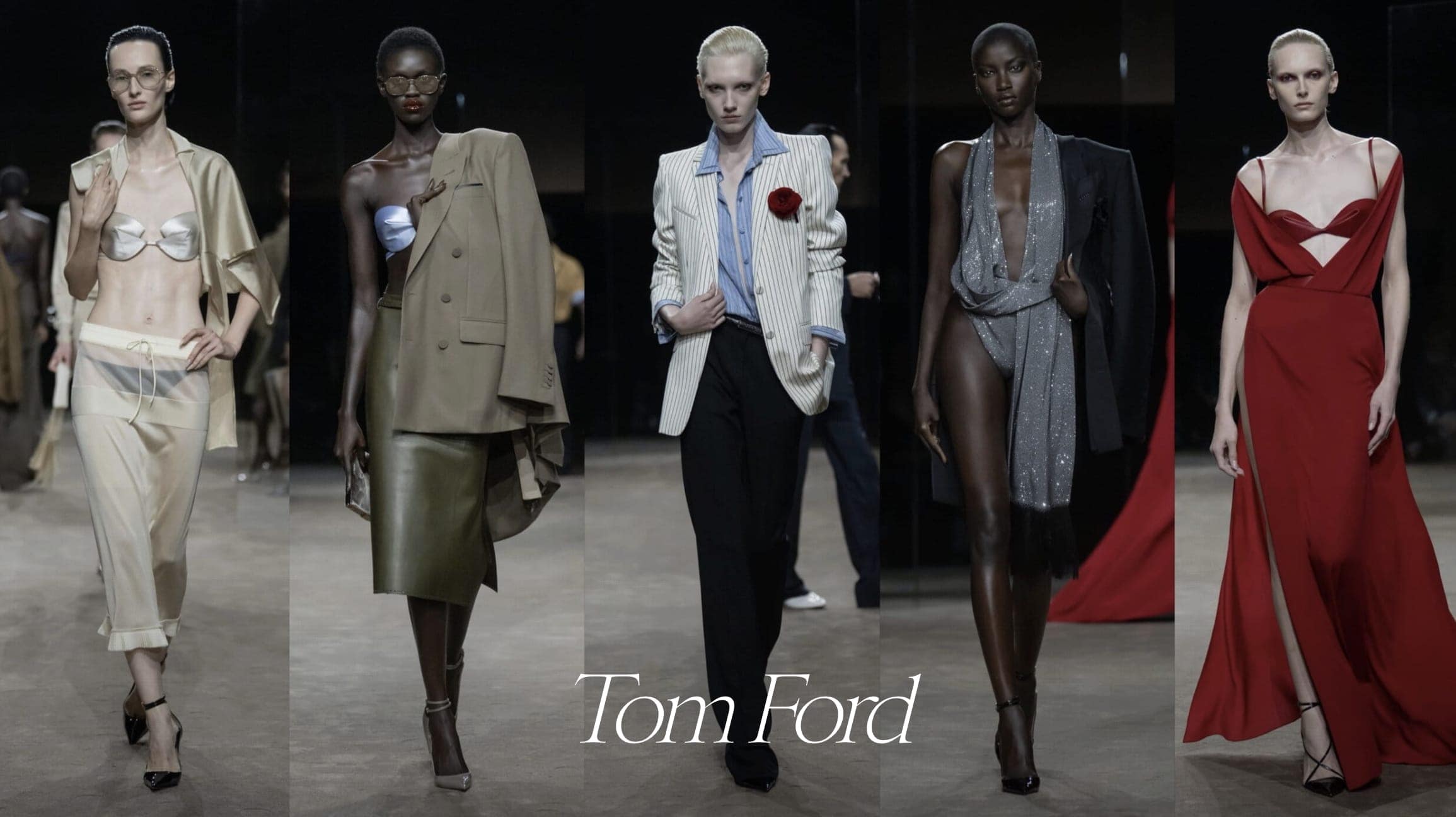
Haider Ackermann’s Spring 2027 collection for Tom Ford sharpened the house’s language of seduction through darker, quieter tension. Lingerie structures, precise tailoring, cutouts, and exposed skin preserved Tom Ford’s erotic charge while making it feel more private, ambiguous, and modern.
Creative Director: Haider Ackermann
House: Tom Ford
Collection: Spring/Summer 2027
Presented: Paris Fashion Week
Reviewed by: Mackenzie Richard Zuckerman
The Impression Score: 9.2
For Spring 2027, Haider Ackermann took Tom Ford after dark. Not into the obvious glare of flashbulbs or red carpets, but into a stranger, more private hour: the moment after midnight when glamour begins to loosen, when the body is less styled than revealed, when danger and elegance start to look like the same thing.
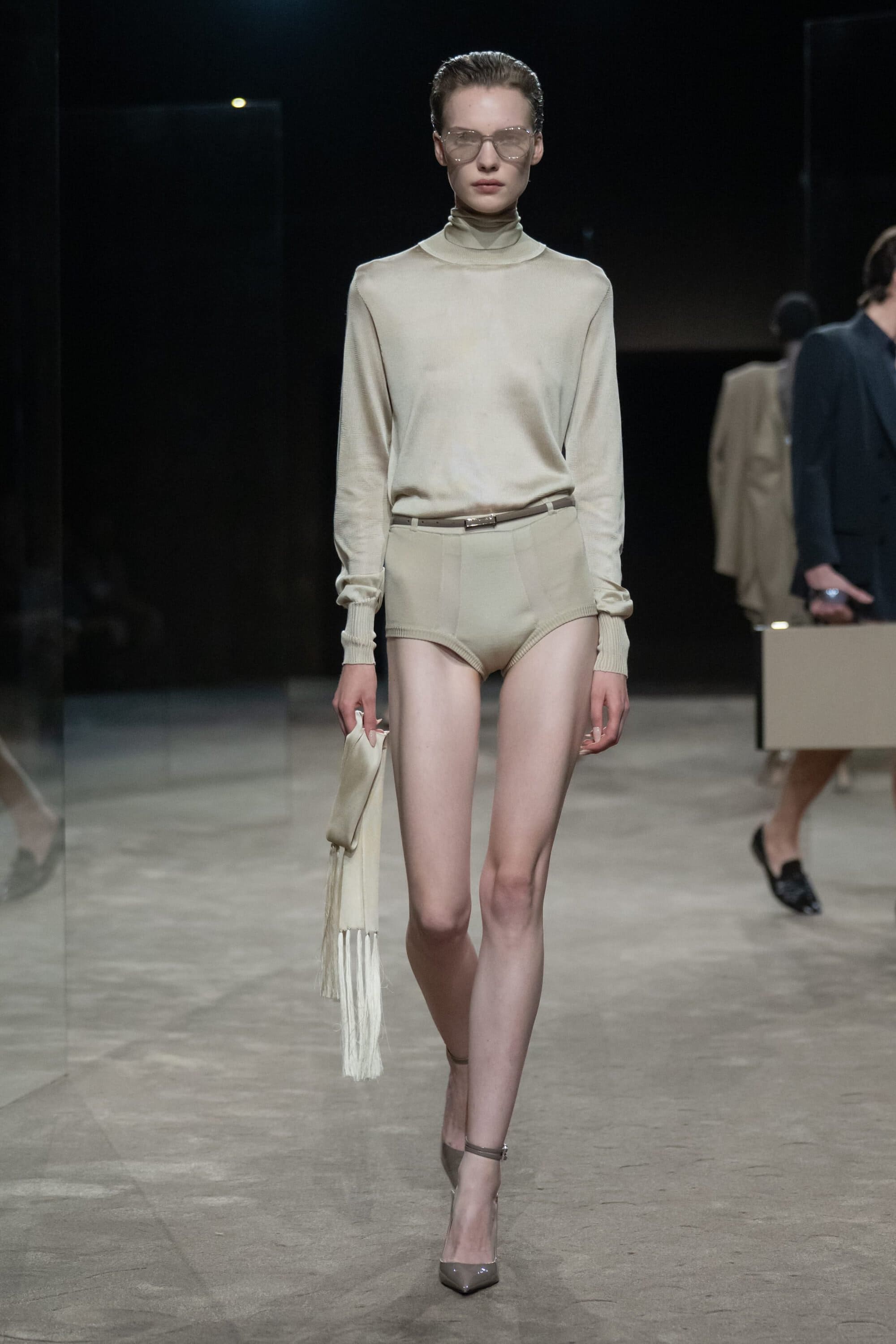
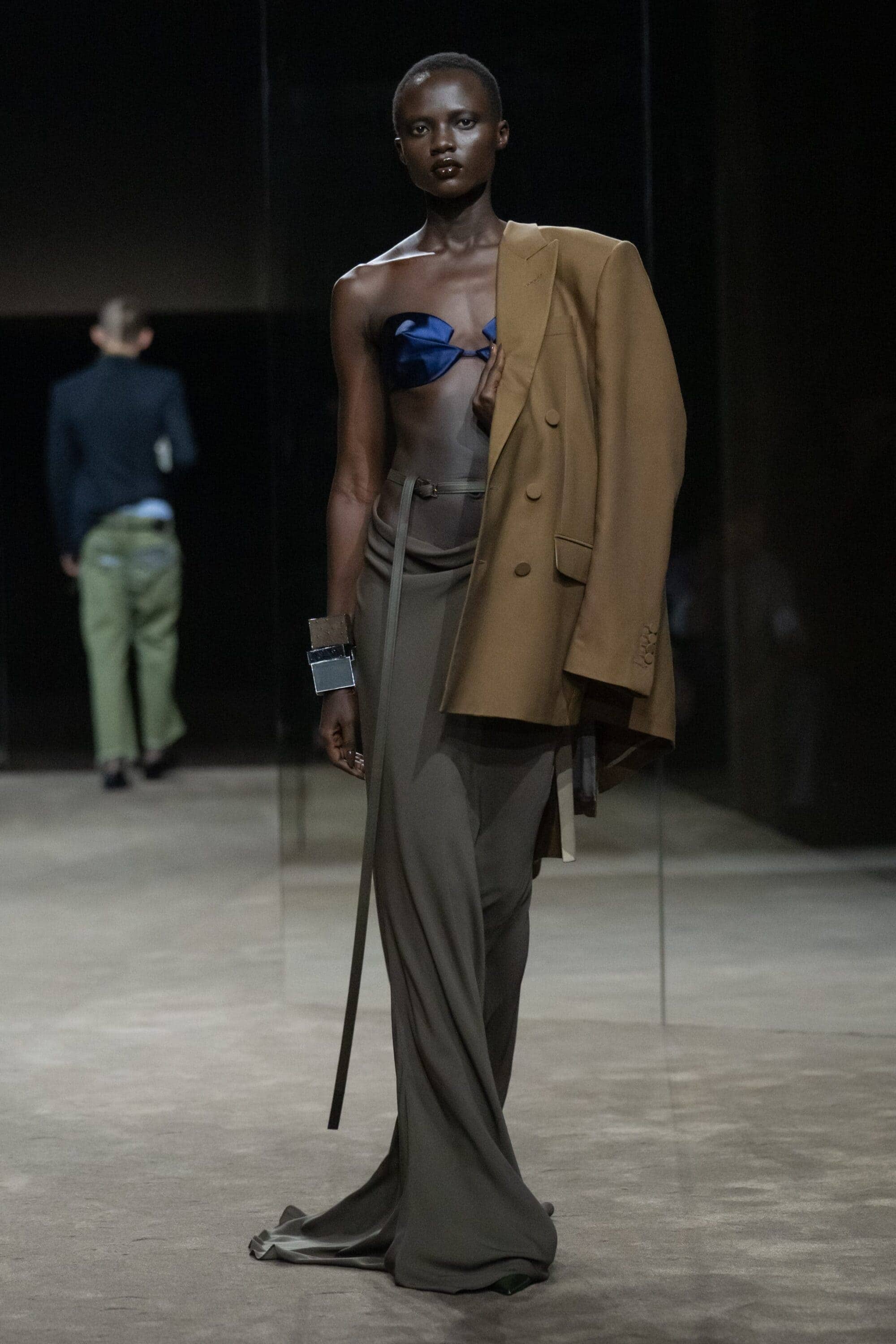
The collection understood that the Tom Ford woman has never been merely dressed. She is staged, watched, reflected, desired. But Ackermann’s version of that figure is quieter than Ford’s original archetype, and perhaps more unnerving for it. Where Ford often made sexuality declarative, Ackermann lets it hover. Skin appeared through cutouts, lingerie structures, and swimwear-like fragments, but the effect was not simply exposure. It was withholding.
That made the season’s darker, nighttime mood feel essential rather than atmospheric. Black, minimal shapes, bare planes of skin, and sharp interruptions of fabric pulled the house back toward its foundational language: sex, tailoring, gloss, control. Yet Ackermann changed the tempo. The clothes still knew how to command attention, but they no longer begged for it. They let the viewer come closer.
THE COLLECTION
THE VIBE
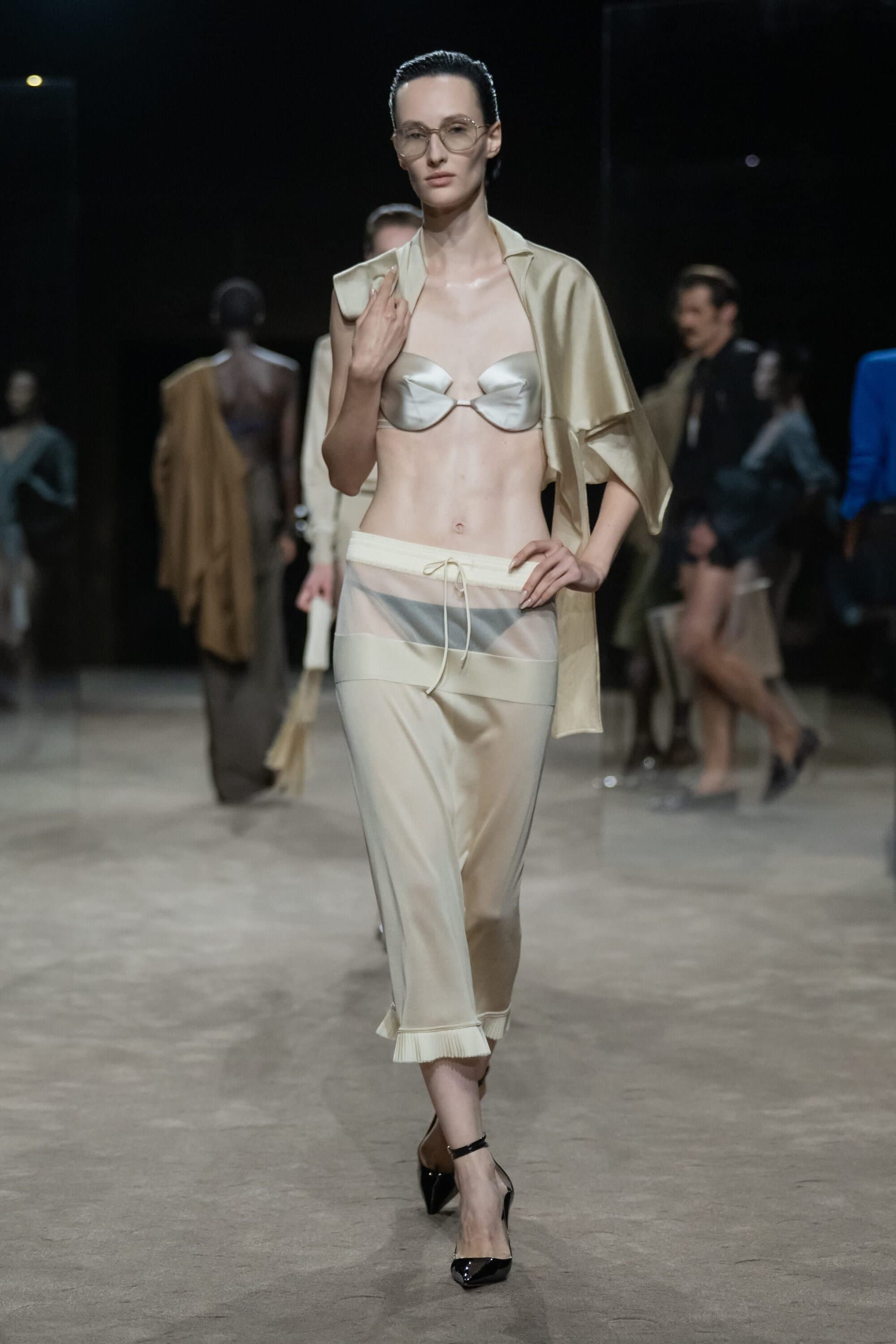
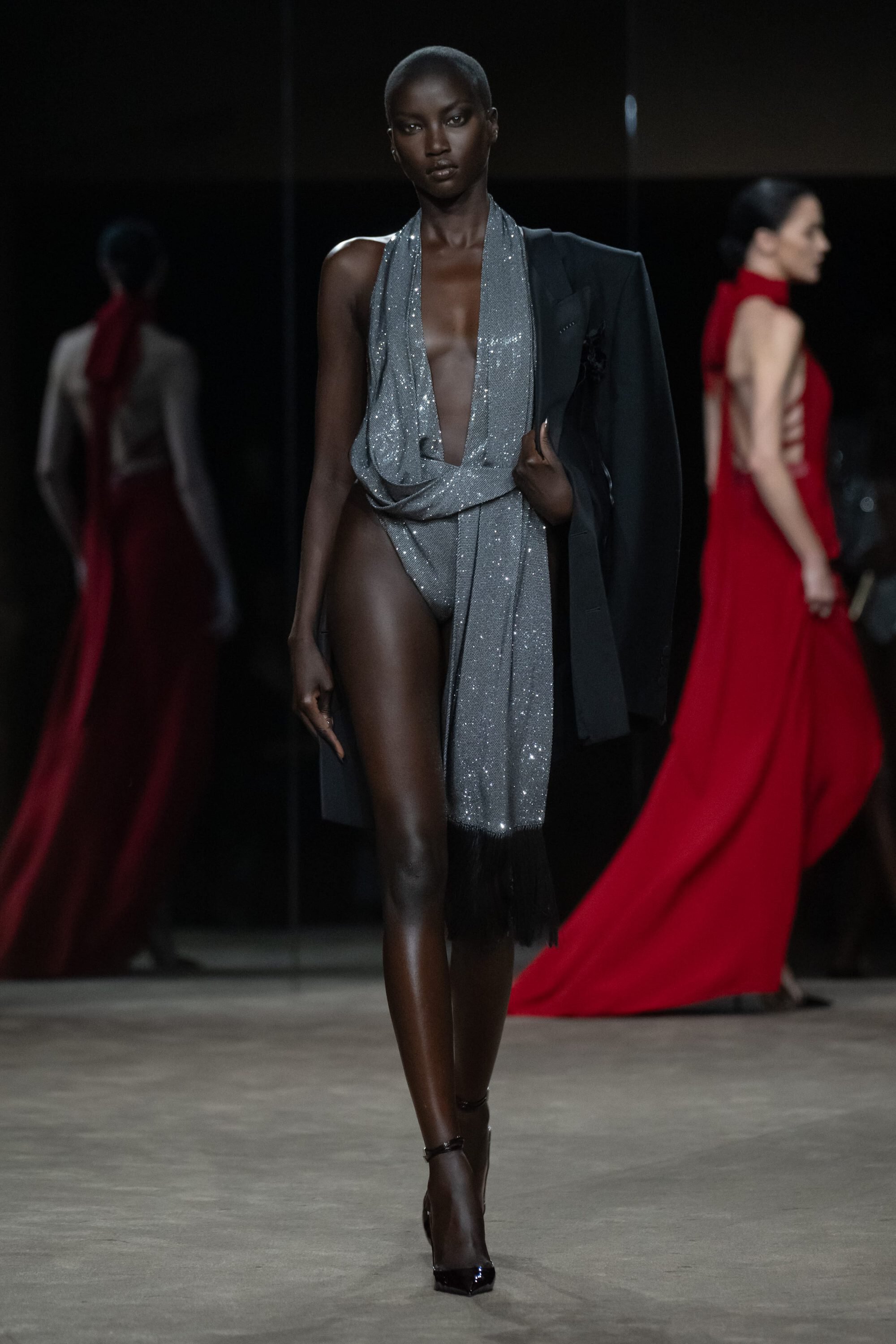
The lingerie-swimsuit pieces felt like a deliberate conversation with Ford’s own history, especially the Gucci-era vocabulary of thongs, cutaway dresses, and bodies framed almost architecturally. But Ackermann did not treat those codes as nostalgia. He cooled them down, stripped them back, and made them feel less like seduction performed for a room than seduction discovered in a mirror.
That distinction gave the collection its charge. The body was visible, but rarely surrendered. Skin appeared through precise interruptions: a cutout, a strap, a plane of fabric suspended just long enough to suggest what it refused to fully offer. The eroticism came from the pause, from the almost, from the gesture that stops just before invitation.
The press release spoke of reflections, the gaze, freedom near the edge, and “a door at night.” That last image may be the key to the collection. This was Tom Ford as threshold: not the party itself, but the room one enters after leaving it; not the scandal, but the private decision that precedes it.
Ackermann’s success at the house has been his ability to preserve Ford’s appetite for desire while changing its rhythm. His tailoring has a different kind of tension: less blunt, more suspended. His sensuality is not colder exactly, but more interior. A body reveals itself without necessarily offering itself, and that makes the clothes feel more dangerous than their bareness alone would suggest.
THE WRAP UP
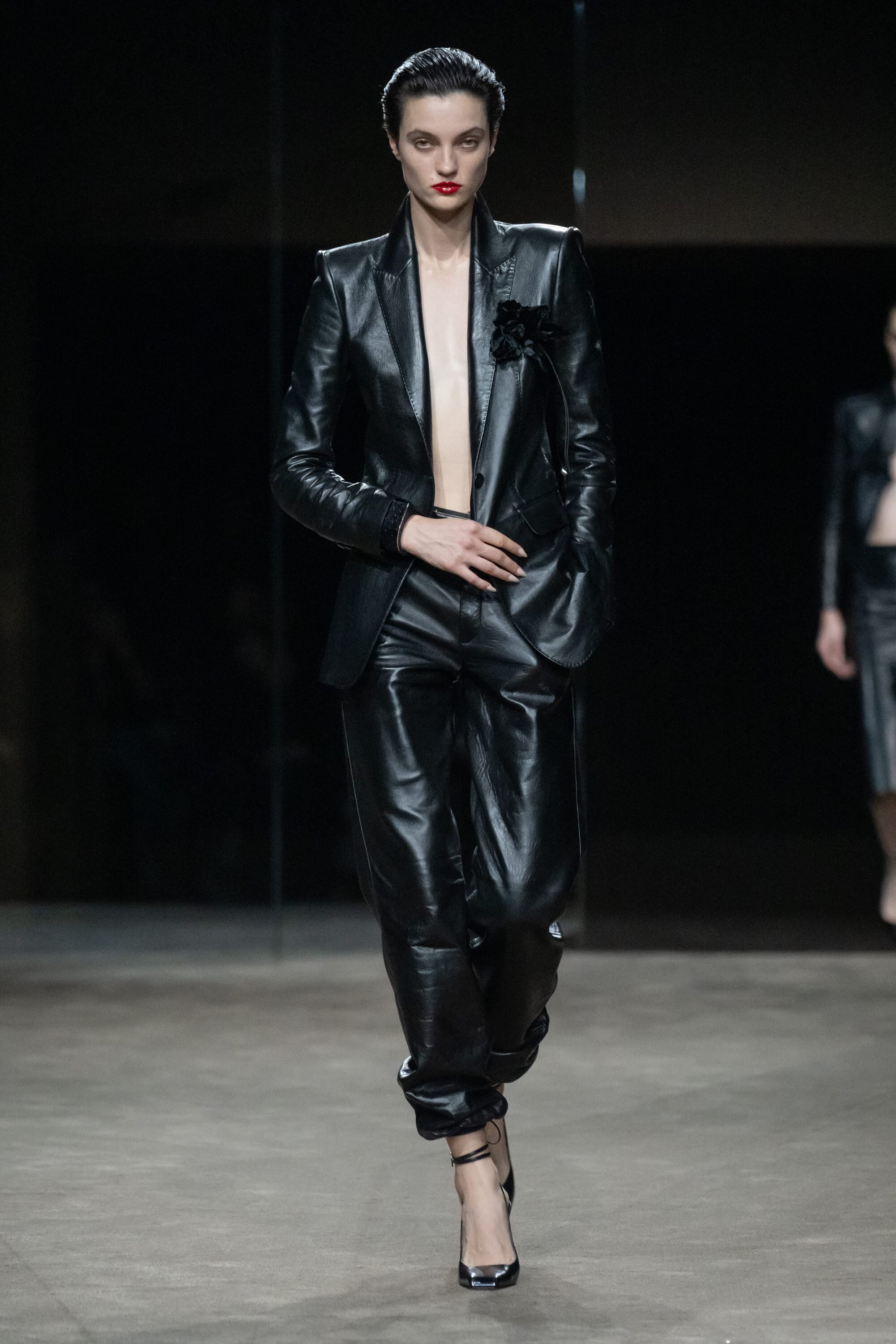
This Tom Ford felt persuasive because Ackermann understands that seduction evolves. In his hands, it becomes less about naked confidence than charged ambiguity: a body that reveals itself without surrendering itself, a suit cut with discipline but worn with abandon, a flash of red at the mouth, a trace of something that may already have happened.
The result was darker, yes, but not heavy. It had air. That may be the most important shift Ackermann is bringing to the house. He has not removed desire from Tom Ford; he has given it space to breathe.
Spring 2027 showed a designer refining the house’s erotic vocabulary without diluting it. The sex is still there. So are the gloss, the control, the danger. But the volume has changed. Desire, here, does not shout. It lingers.