Leather Goods Sales Rise 10.8%, but Weakness in China and Ready-to-Wear Weighs on the French Luxury House
Hermès reported a slowdown in third-quarter sales growth as stagnant demand across Asia outside Japan weighed on the French luxury house, despite continued strength in leather goods and solid performances in Europe and the Americas.
Revenue reached €4.1 billion in the three months ending September 30, 2026, representing growth of 4.3% at constant exchange rates and 5.5% at current exchange rates. The result fell short of analysts’ expectations for 5.2% growth and marked a deceleration from the 9.6% increase recorded in the same quarter last year.
The performance underscores the increasingly uneven luxury market, where demand for the industry’s most desirable products remains resilient even as broader spending weakens.
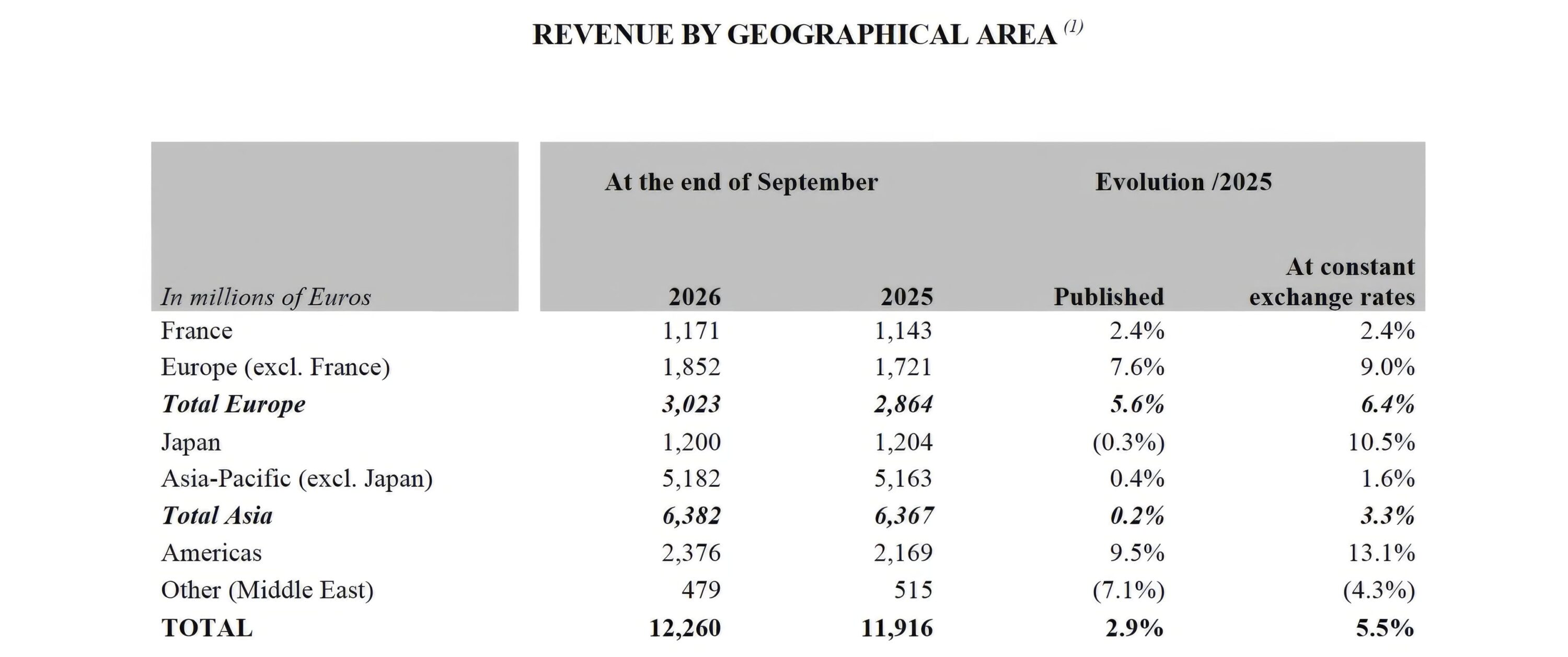
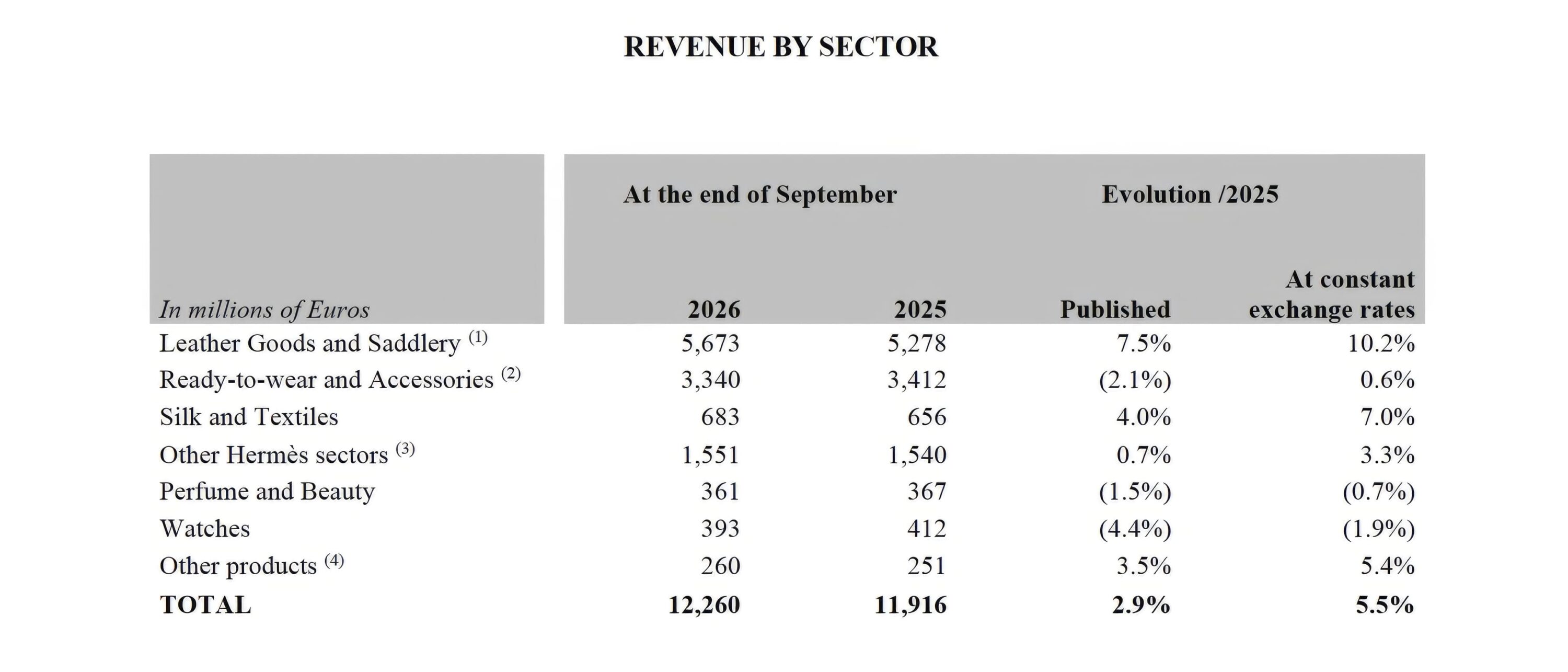
For the first nine months of 2026, Hermès generated €12.3 billion in revenue, an increase of 5.5% at constant exchange rates and 2.9% at current exchange rates.
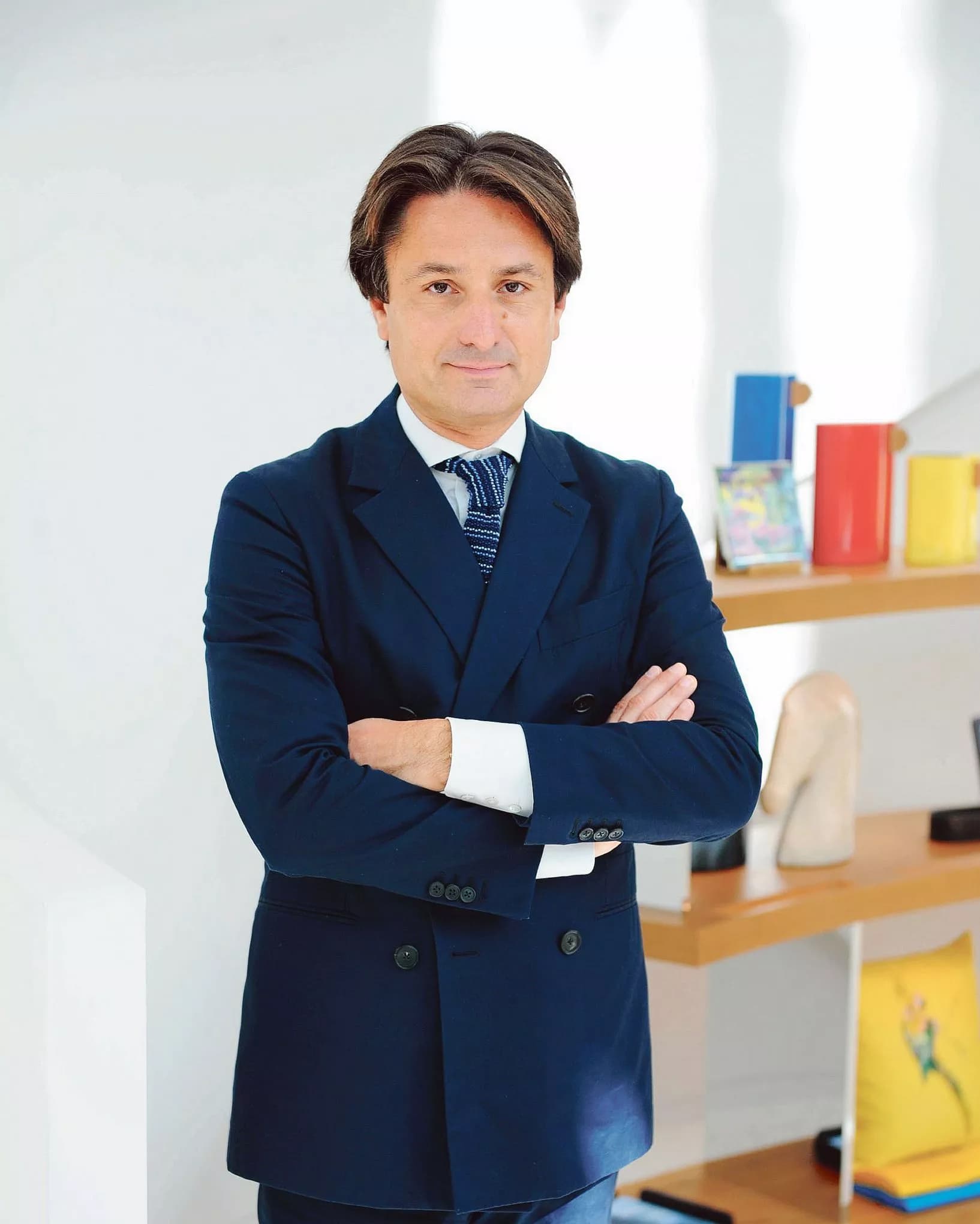
“Despite a complex environment, Hermès continues its profitable growth and maintains its course,” said Axel Dumas, Executive Chairman of Hermès. “Convinced of the strength and relevance of our artisanal model, we see our vision as firmly rooted in the long term, and we look to the future with confidence.”

China Remains the Principal Challenge
Asia excluding Japan delivered no growth during the third quarter, reflecting continued weakness in Greater China despite a stronger performance in Korea.
The region remains Hermès’ largest geographic market, generating €1.65 billion during the quarter. Its stagnation therefore carries considerable weight, particularly as the luxury industry continues to look for signs of a sustained recovery in Chinese consumer spending.
Elsewhere, performance was considerably stronger.
Europe recorded growth of 7.2% at constant exchange rates, with sales outside France increasing 9.5%. France itself advanced 3.6%, supported by domestic demand.
Japan maintained its position as one of the group’s strongest markets, with sales rising 9.6%, while the Americas delivered an 8.8% increase.
The Middle East was the only region to report a decline, with revenue falling 4.5% amid ongoing geopolitical uncertainty.
Hermès continued investing in its retail network throughout the period, opening stores in Williamsburg, New York, and Chicago, while expanding its presence in Asia through renovations and new locations in China, Taiwan and Japan.
Leather Goods Continue to Outperform
Leather Goods and Saddlery remained the group’s principal growth engine, with third-quarter sales increasing 10.8% at constant exchange rates to €1.91 billion.
Demand remained strong for established products alongside newer designs, including the Double Longe, Besace Attelée and Bride de Jour bags.
The division’s performance reflects the continued desirability of Hermès’ most recognizable products, which have helped insulate the company from some of the pressures affecting the wider luxury sector.
Hermès is also expanding its manufacturing capacity to support future growth. Following the opening of its 25th leather goods workshop in Loupes, France, in April, the company plans three additional facilities in Charleville-Mézières by 2027, Colombelles by 2028 and Les Andelys by 2030.
The investments reinforce the house’s commitment to its vertically integrated manufacturing model, which allows it to maintain control over production, craftsmanship and distribution.
Other categories delivered more mixed results.
Ready-to-Wear and Accessories declined 2% during the quarter to €1.14 billion, despite remaining slightly positive over the first nine months of the year.
Watches fell 6%, continuing a difficult period for the category, while jewelry and home products declined 1.1%.
Silk and Textiles increased 1.4%, and Perfume and Beauty rose 7.5%, recovering some momentum after a weaker performance earlier in the year.
The company’s other products division, which includes John Lobb, Saint-Louis and Puiforcat, recorded growth of 10.5%.
A New Creative Chapter Ahead
Looking beyond the quarterly results, Hermès is preparing for an important period of creative development.
In January 2027, Grace Wales Bonner will present her first men’s ready-to-wear collection for the house, introducing a new perspective to a category that has experienced more subdued commercial performance.
The same month will see the introduction of couture under Women’s Creative Director Nadège Vanhée, expanding Hermès’ fashion ambitions into a new territory.
Dumas specifically highlighted both developments in his remarks accompanying the results, describing the coming year as one rich in creation.
The appointments and initiatives suggest that Hermès is looking to strengthen its fashion proposition while maintaining the leather goods business that remains central to its commercial success.
The group also continues to benefit from a strong financial position. In the first half of 2026, Hermès maintained a recurring operating margin of 41%, with a net cash position of €12.3 billion.
Currency fluctuations have nevertheless become an increasingly significant factor. Over the first nine months of the year, exchange-rate movements reduced reported revenue by approximately €310 million.
Despite the challenging environment, Hermès reaffirmed its medium-term ambition for revenue growth at constant exchange rates, supported by its controlled distribution network, manufacturing investments and long-term approach to product development.
The third-quarter results illustrate both the resilience and the limitations of that model. Leather goods continue to generate substantial growth, but the broader business remains exposed to weaker regional demand and changing consumer spending patterns.
For Hermès, the challenge is to maintain the exceptional desirability of its core products while building greater momentum across the rest of the house.