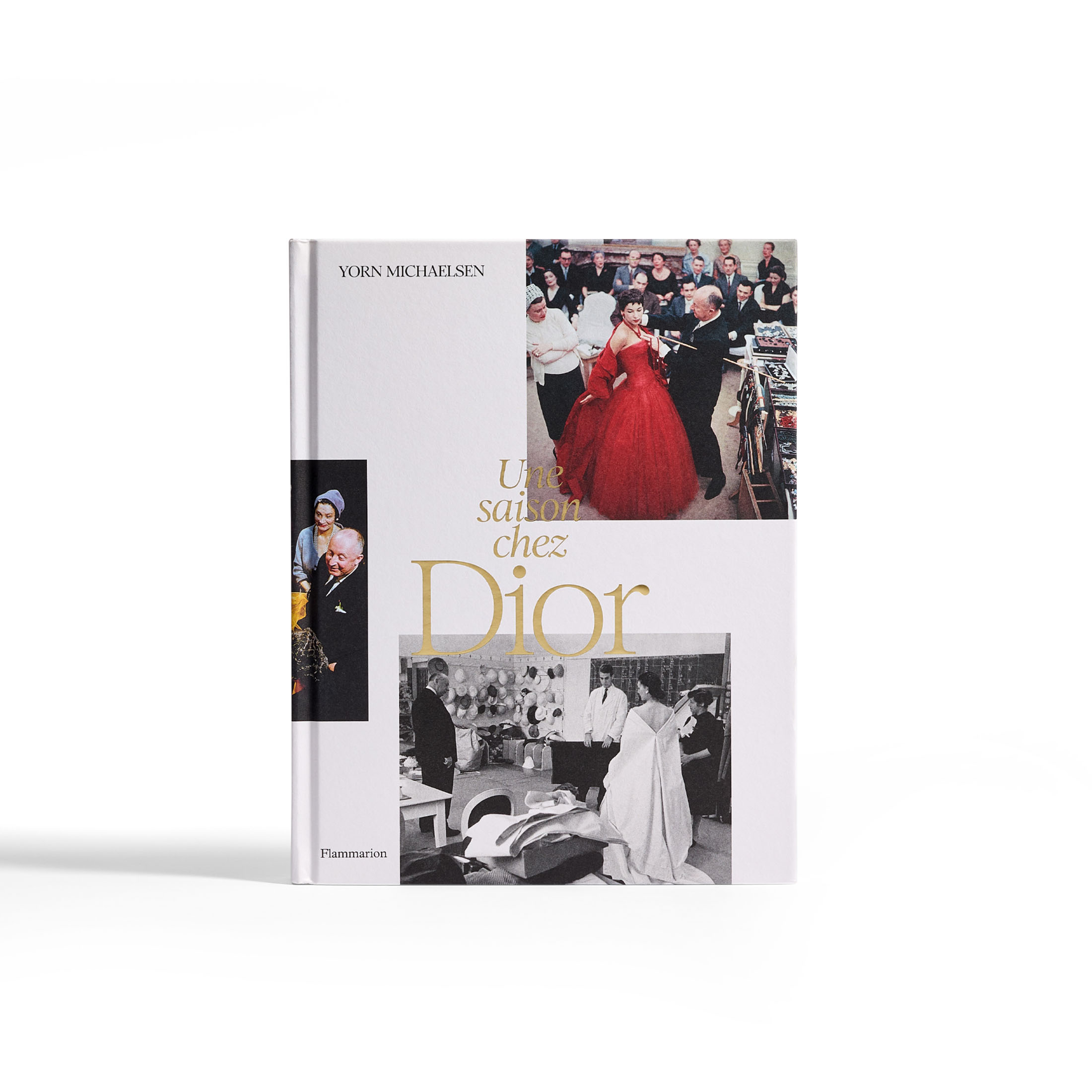
A New Book Recounts Yorn Michaelsen’s Remarkable Apprenticeship at 30 Montaigne
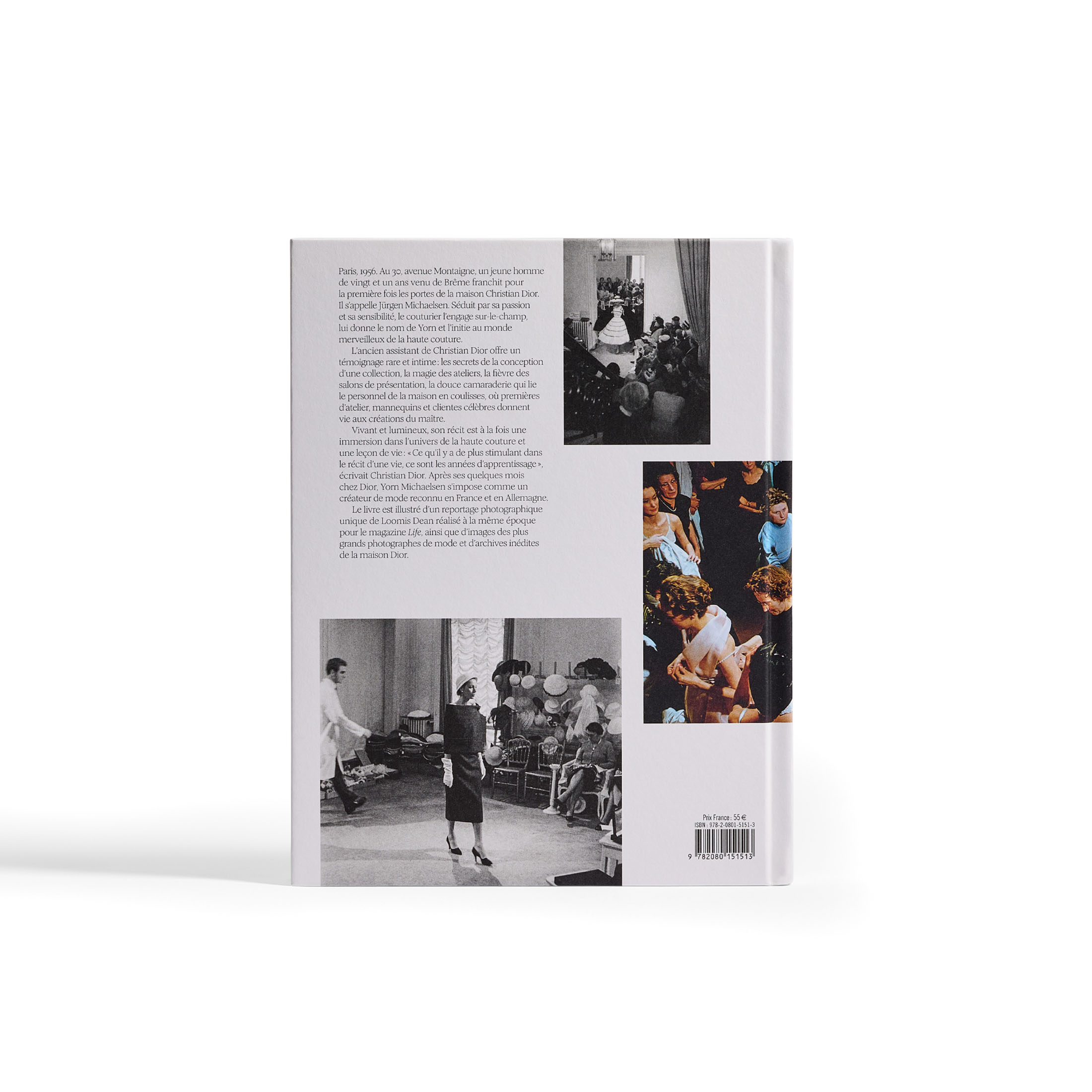
In 1956, a 21-year-old German designer from Bremen arrived at 30 Avenue Montaigne with an extraordinary opportunity. Jürgen Michaelsen had been personally recruited by Christian Dior to work in the house’s Studio, where he would spend a formative year learning the inner workings of Parisian haute couture. What began as an unexpected invitation would shape his career and place him inside one of fashion’s most influential houses during the final year of its founder’s life.
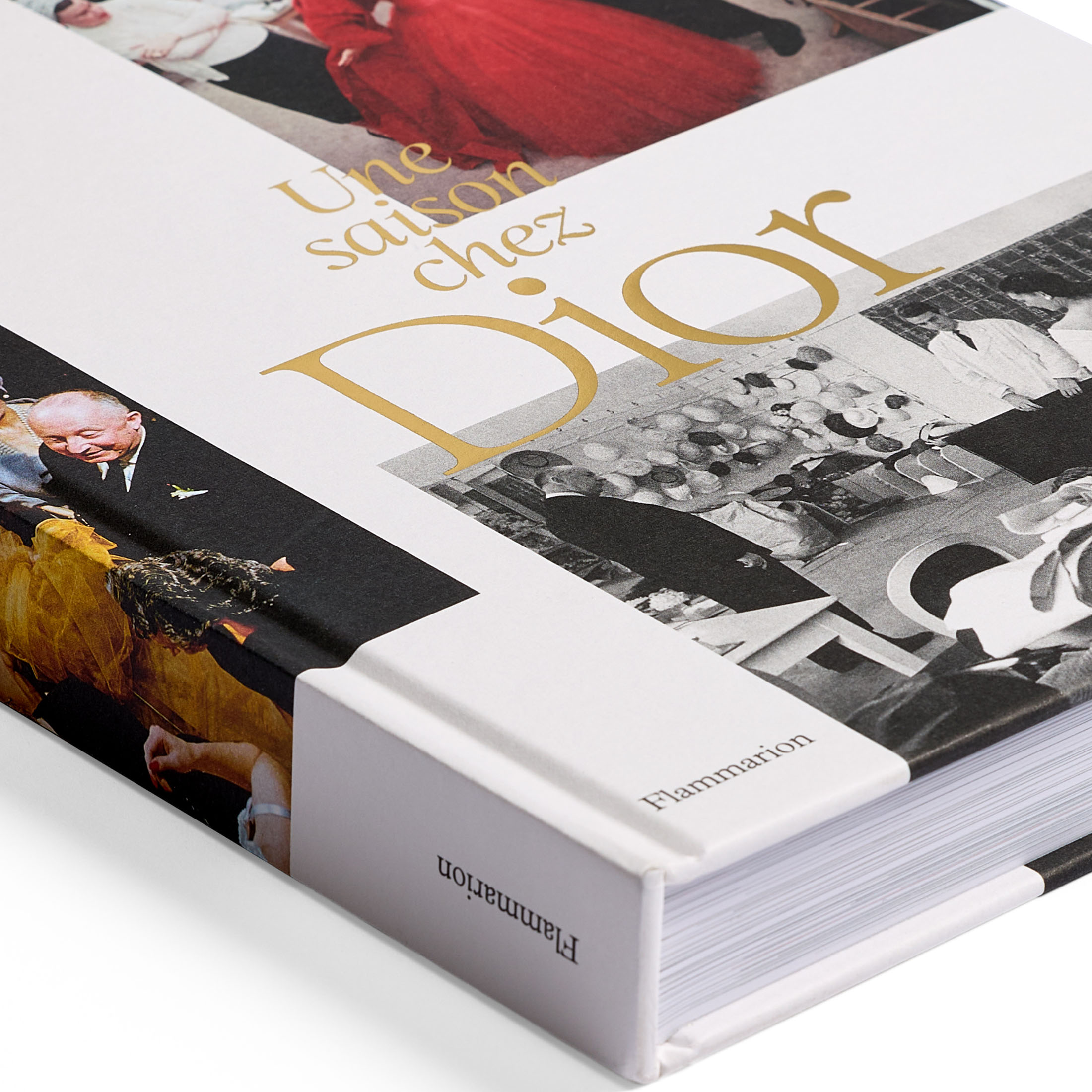
Published by Flammarion, A Season at Dior revisits that remarkable period through Michaelsen’s recollections, offering an intimate portrait of Christian Dior and the people responsible for bringing his collections to life. The book captures a moment when the house was at the height of its influence, nearly a decade after the New Look transformed fashion in 1947, and just before Dior’s unexpected death in October 1957.
Inside 30 Montaigne
For Michaelsen, entering Dior’s Studio meant discovering a world governed by extraordinary creative ambition and an equally exacting division of labor. The book introduces the designers, atelier heads, premières, petites mains, models and sales assistants whose combined expertise sustained the house’s reputation.
Rather than focusing exclusively on the finished collections, Michaelsen recalls the relationships and working methods behind them. His account presents Christian Dior as a discreet, generous and visionary figure who understood the importance of nurturing young talent.
During the development of the Libre line, Dior gave the young German designer a new name. At the traditional naming of the collection’s designs, he christened Michaelsen “Yorn,” a name that would eventually become his professional identity.
The gesture proved prophetic. After leaving Dior and subsequently working as a pattern-maker for Madame Grès, Michaelsen established his own career. In 1962, he became the first German designer to open a Paris fashion house under his own name, at 144 Champs-Élysées.
A Rare Photographic Record
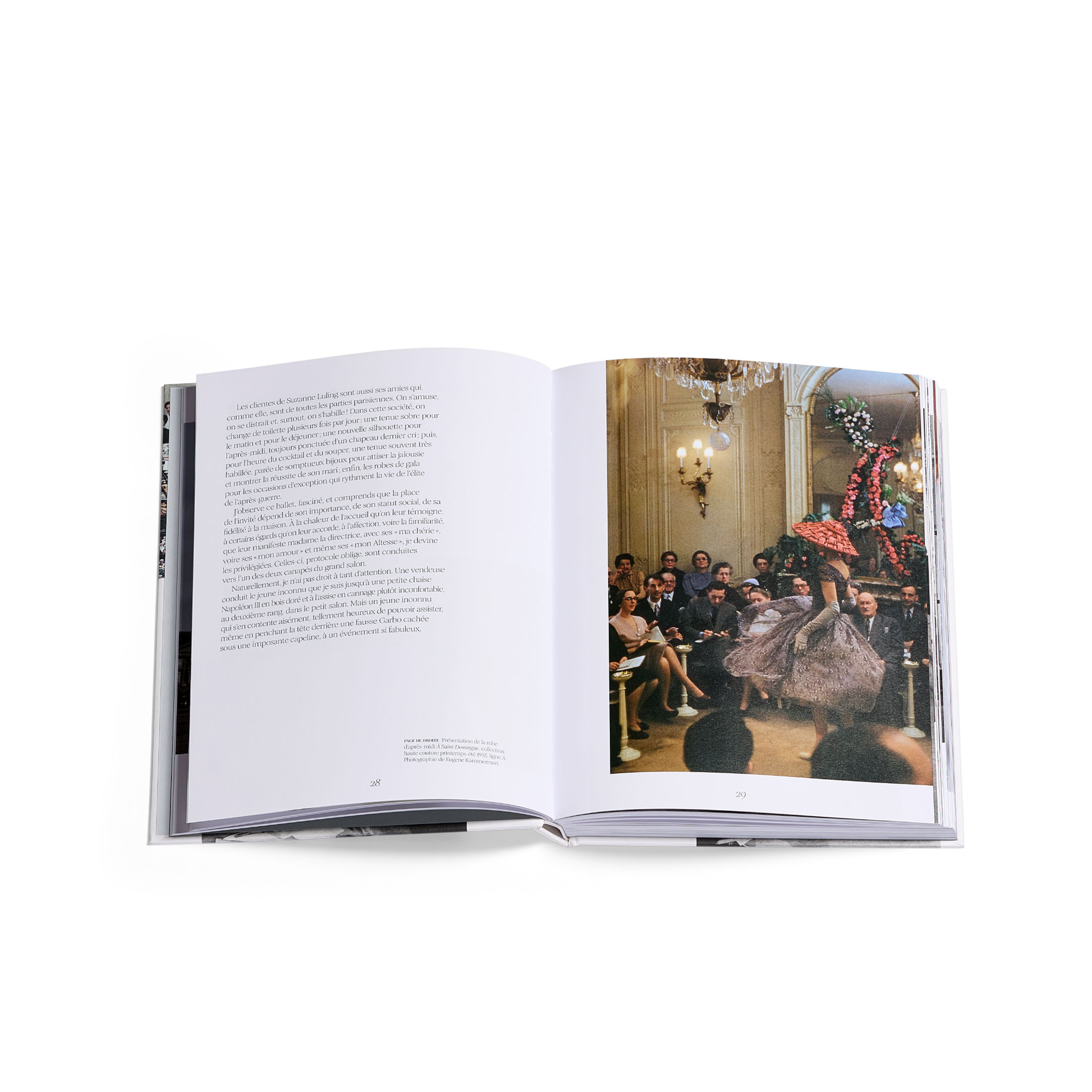
Beyond Michaelsen’s personal recollections, A Season at Dior offers an extensive visual account of the house during the 1950s.
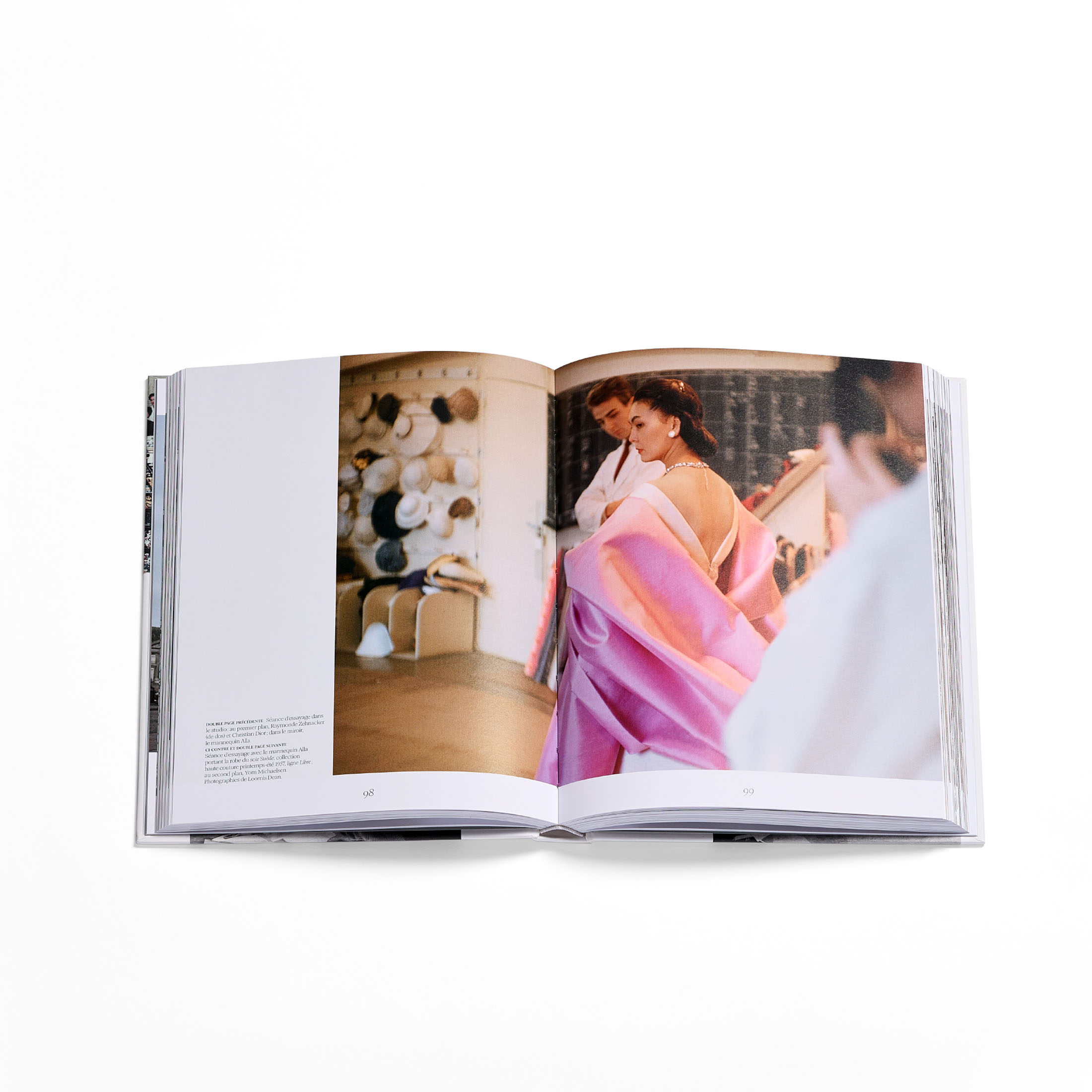
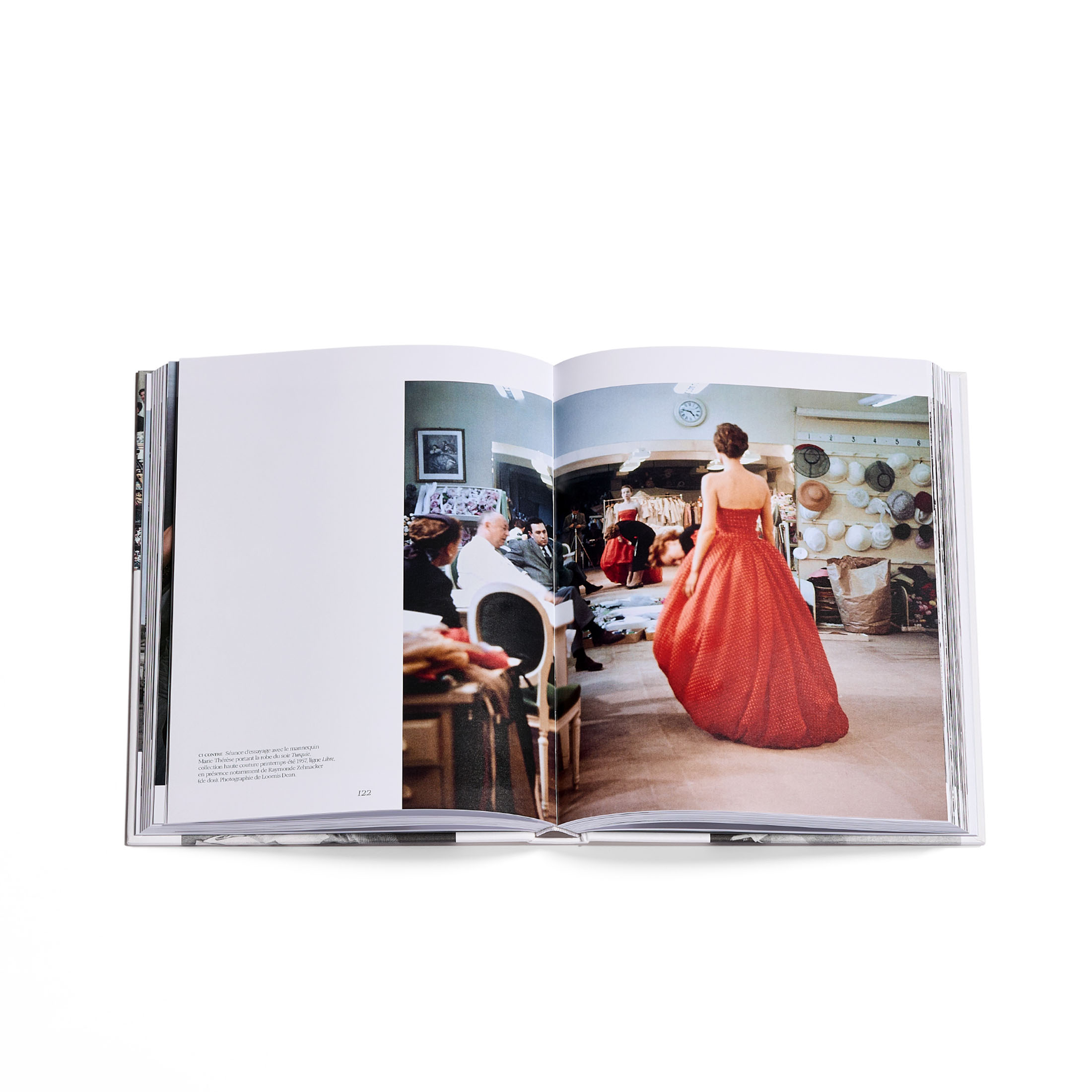
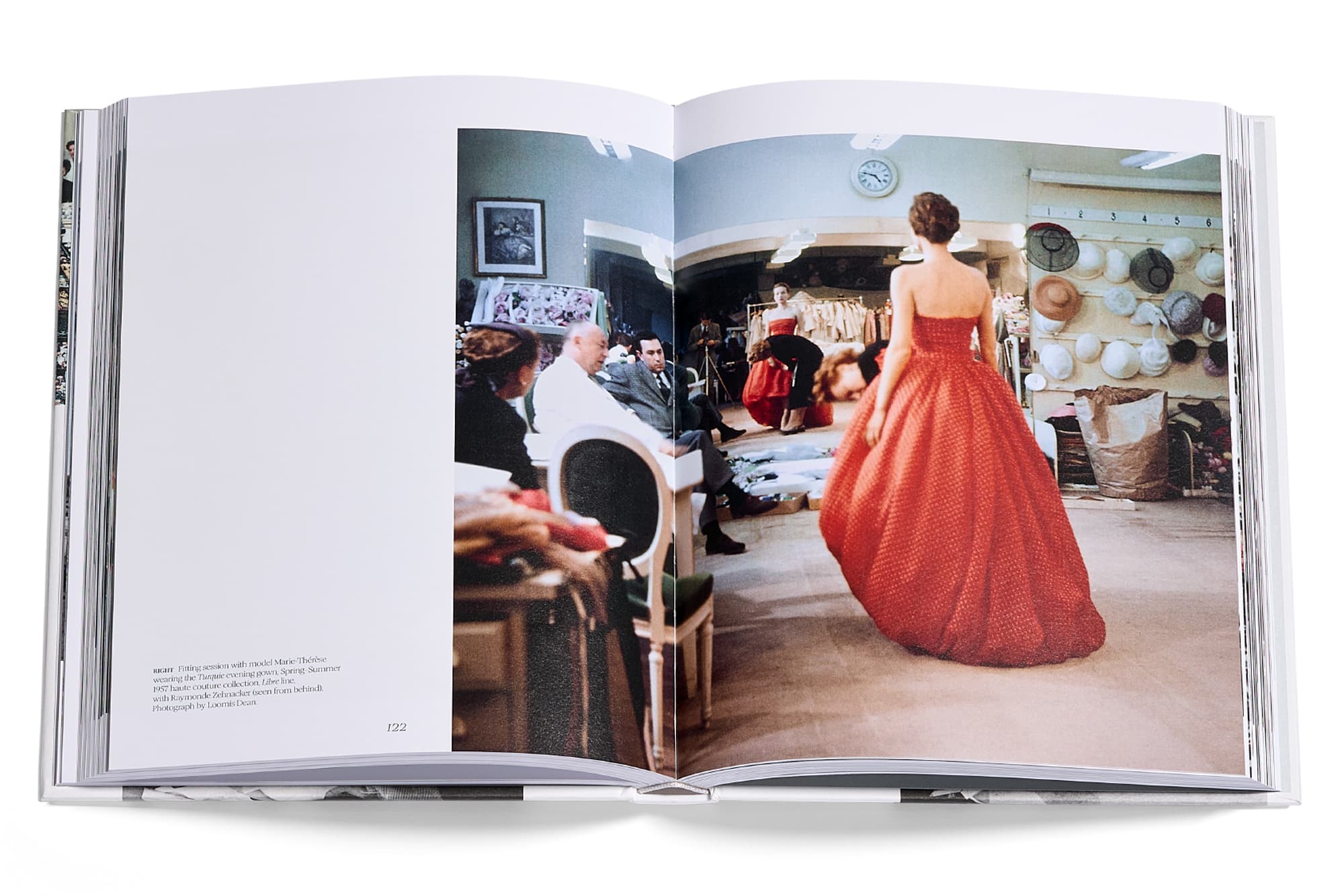
At its center is a photographic essay by Loomis Dean, originally produced for LIFE magazine, documenting the development of a haute couture collection. The photographs follow the creative process from the Studio, where ideas and silhouettes first emerge, through the ateliers responsible for transforming those concepts into finished garments.
Additional imagery by Richard Avedon, Henry Clarke, Willy Maywald, Mark Shaw and Henri Cartier-Bresson, alongside previously unpublished material from the Dior archives, places Michaelsen’s memories within a broader portrait of the period.
Together, the photographs reveal a working environment rarely accessible to outsiders. They document not only the precision of couture craftsmanship but also the personalities, routines and exchanges that made 30 Montaigne an unusually fertile creative institution.
A Story of Creative Independence
The publication also offers a perspective on fashion education and mentorship. Michaelsen’s career began with an established designer recognizing potential in someone still finding his way. His subsequent success illustrates how the experience of working within a great couture house could provide the foundation for an independent creative identity.
Christian Dior himself expressed a particular fascination with these formative moments. In his autobiography, Dior by Dior, he wrote, “Personally, I always find the early years, when a man is carving out his career, the most exciting part of any autobiography.”
That observation provides a fitting context for Michaelsen’s story. His year at Dior was less a conventional apprenticeship than an introduction to a creative culture in which technical discipline and individual imagination depended upon one another.
The book arrives as Dior enters another period of creative evolution under Jonathan Anderson, whose approach to the house’s heritage has renewed attention on the relationship between its history and its future.
Nearly seven decades separate Michaelsen’s arrival at 30 Montaigne from Anderson’s present-day work, yet A Season at Dior offers a timely reminder of something fundamental to the house’s history: its influence has extended beyond the collections it produces to the generations of designers who have passed through its doors.
For Michaelsen, that influence began with an invitation from Christian Dior himself, and a new name that would accompany him throughout his career.