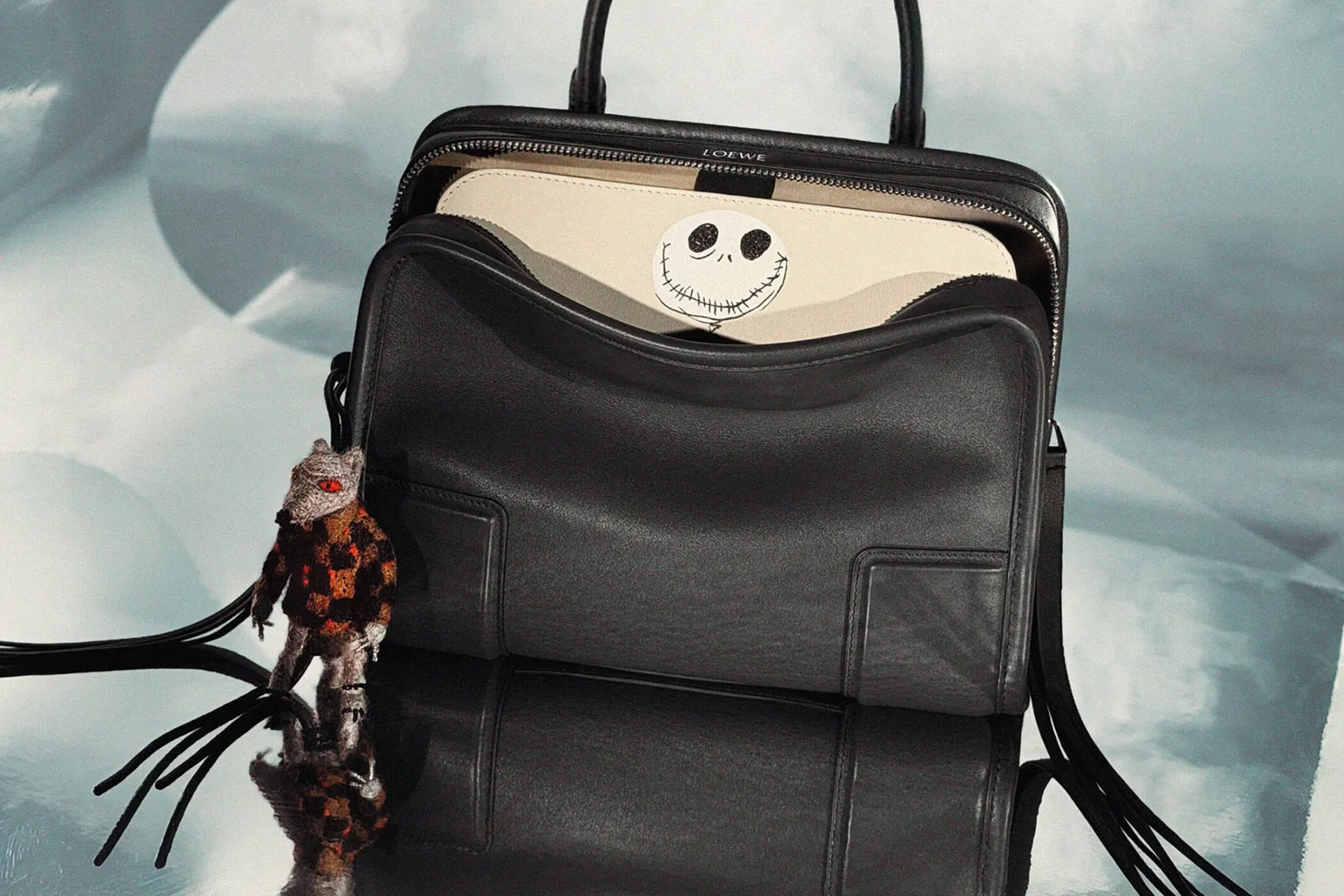
The capsule reinterprets characters from Burton’s 1993 stop-motion film through the Spanish house’s leather craftsmanship and creative direction under Jack McCollough and Lazaro Hernandez
Loewe has partnered with filmmaker Tim Burton on a capsule collection inspired by his 1993 film “The Nightmare Before Christmas.” Available November 12, the collection was developed with Loewe creative directors Jack McCollough and Lazaro Hernandez and features leather goods and accessories incorporating characters and imagery from the stop-motion classic.
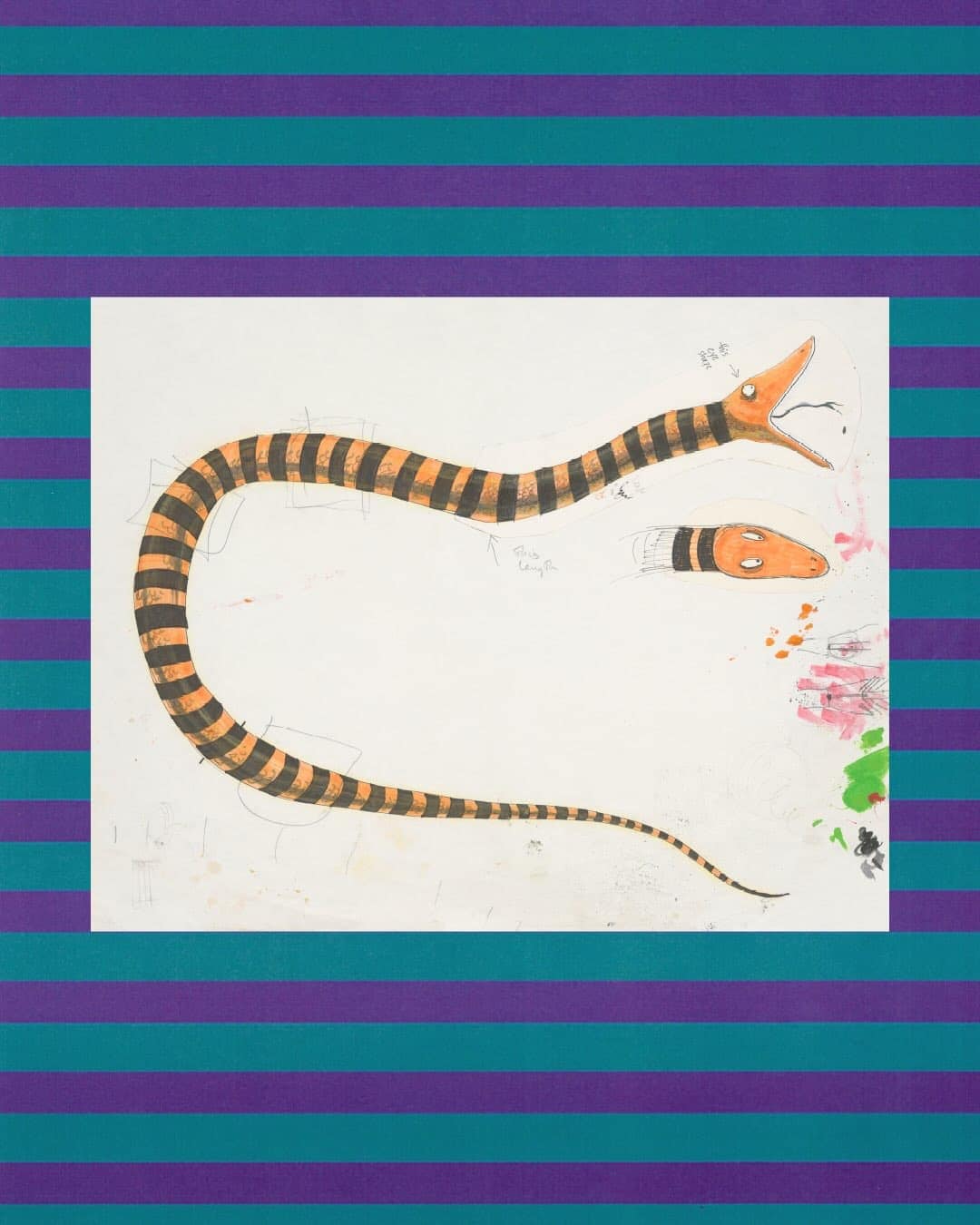
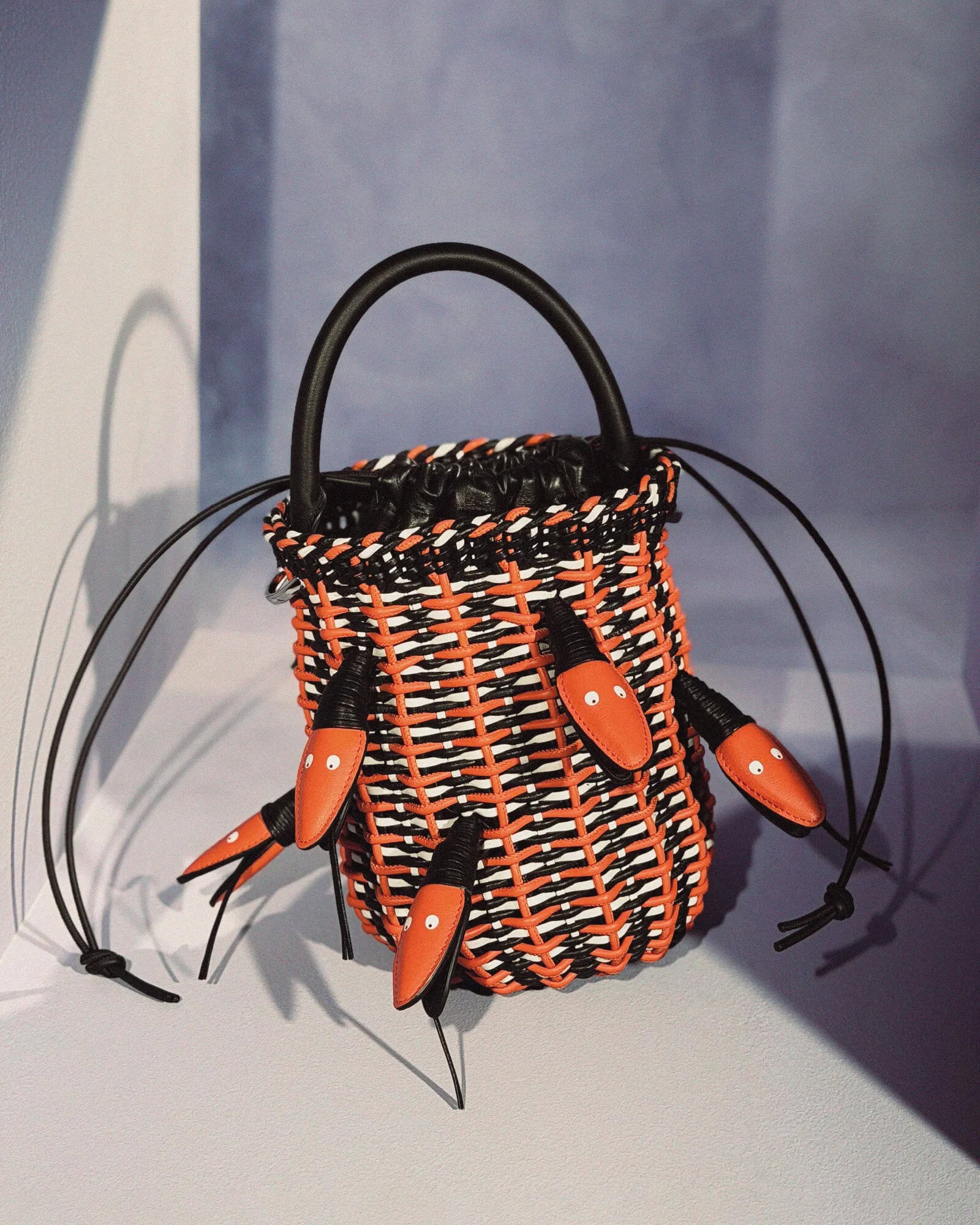
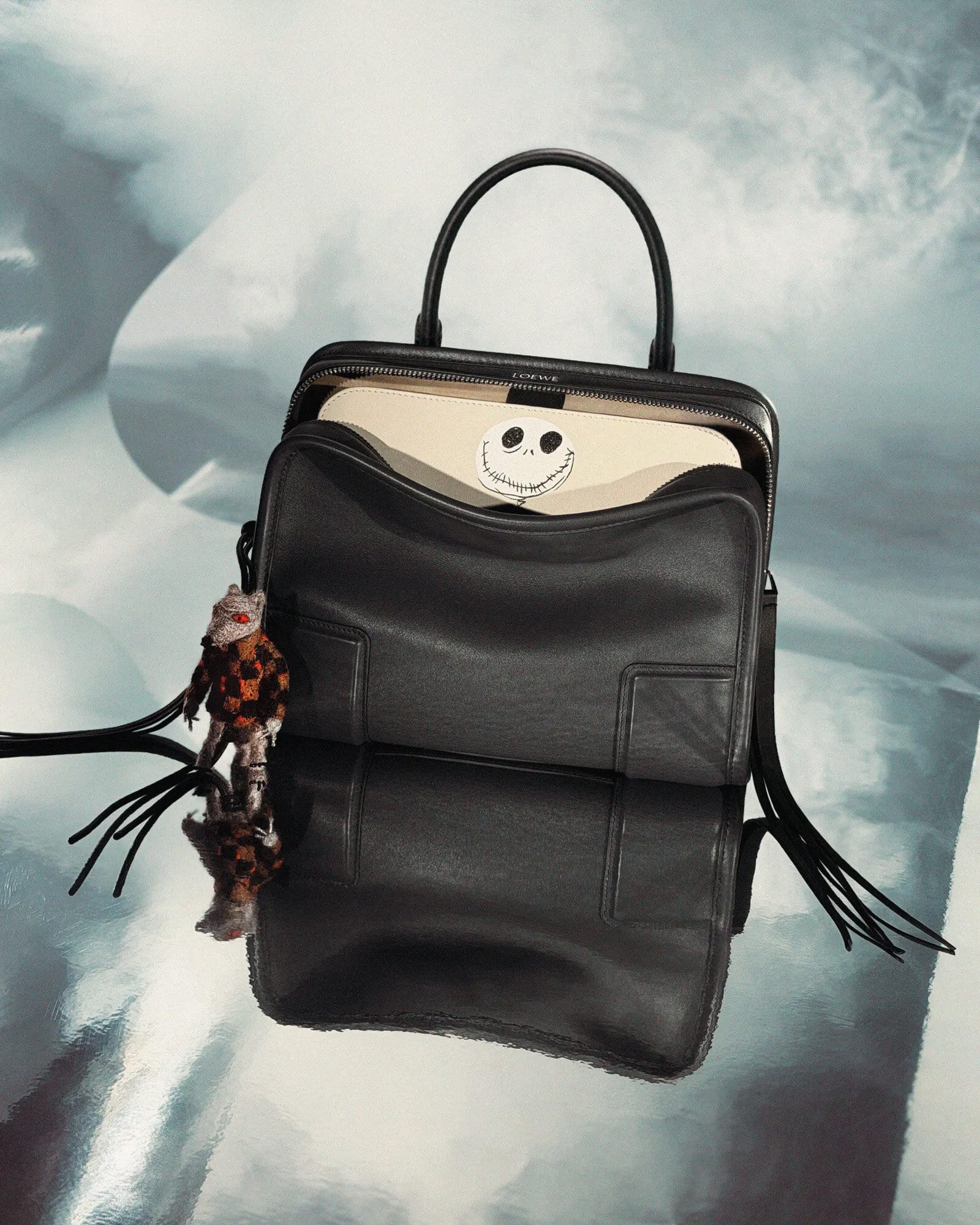
The collection translates the film’s distinctive visual language into a series of handbags, with character details integrated through painting, sculptural elements and varied materials. Zero, Jack Skellington’s ghost dog, appears floating along the side of a bag, while the Harlequin Demon is recreated through feathers and leather scales. Another design features a painted image of Skellington concealed inside a carryall, turning the character into an unexpected interior detail.
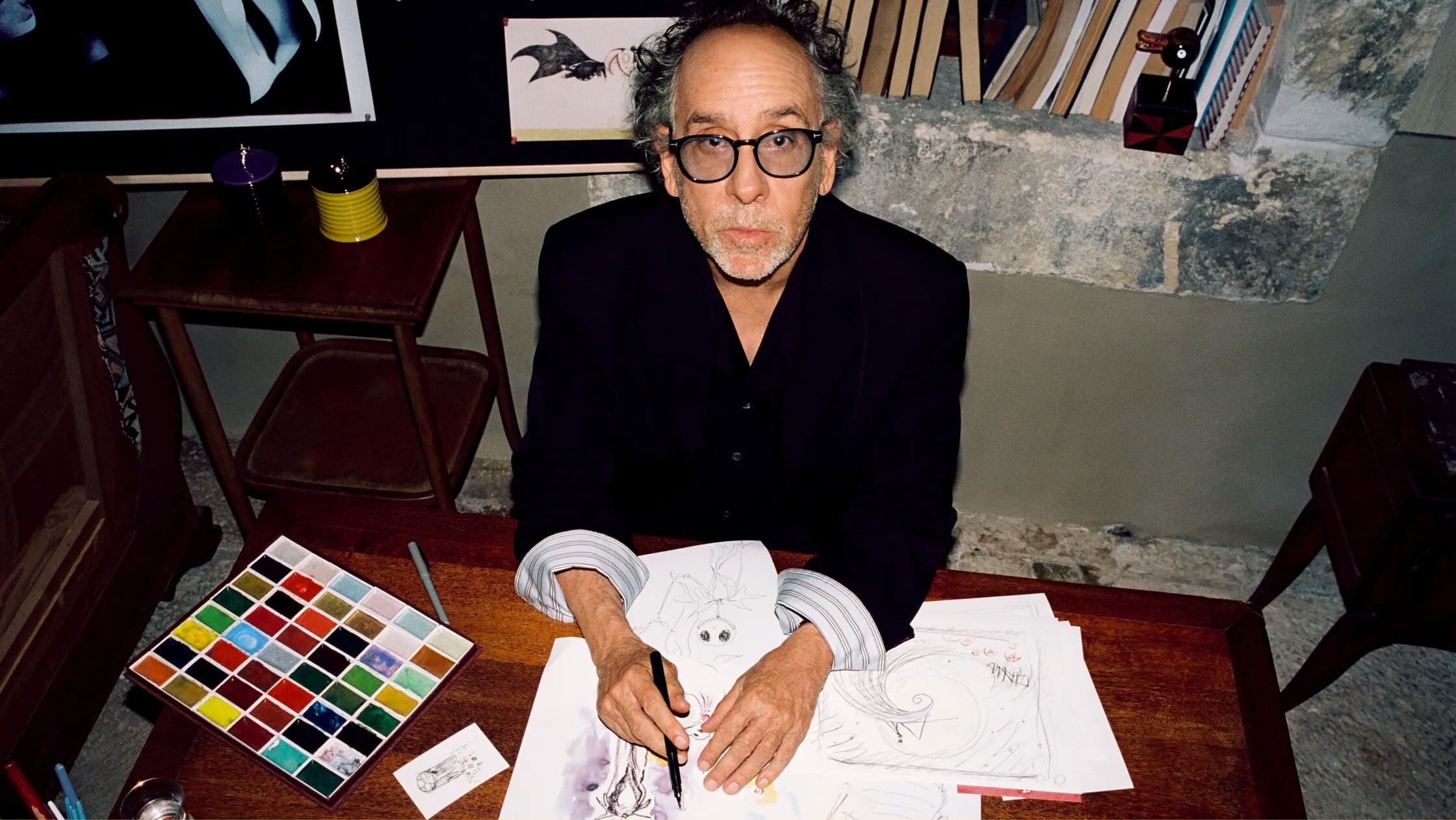
Burton said he was drawn to the collaboration by the opportunity to work with designers whose approach to materials and construction he admired. “They took something that means a lot to me and they put their own spin on it,” he said. “The way they make things, the textures and the elements involved are just beautiful.” Rather than closely directing the collection, Burton gave the Loewe team room to interpret the film through the house’s own design language, with the collaboration reflecting a shared interest in creative experimentation and craftsmanship.
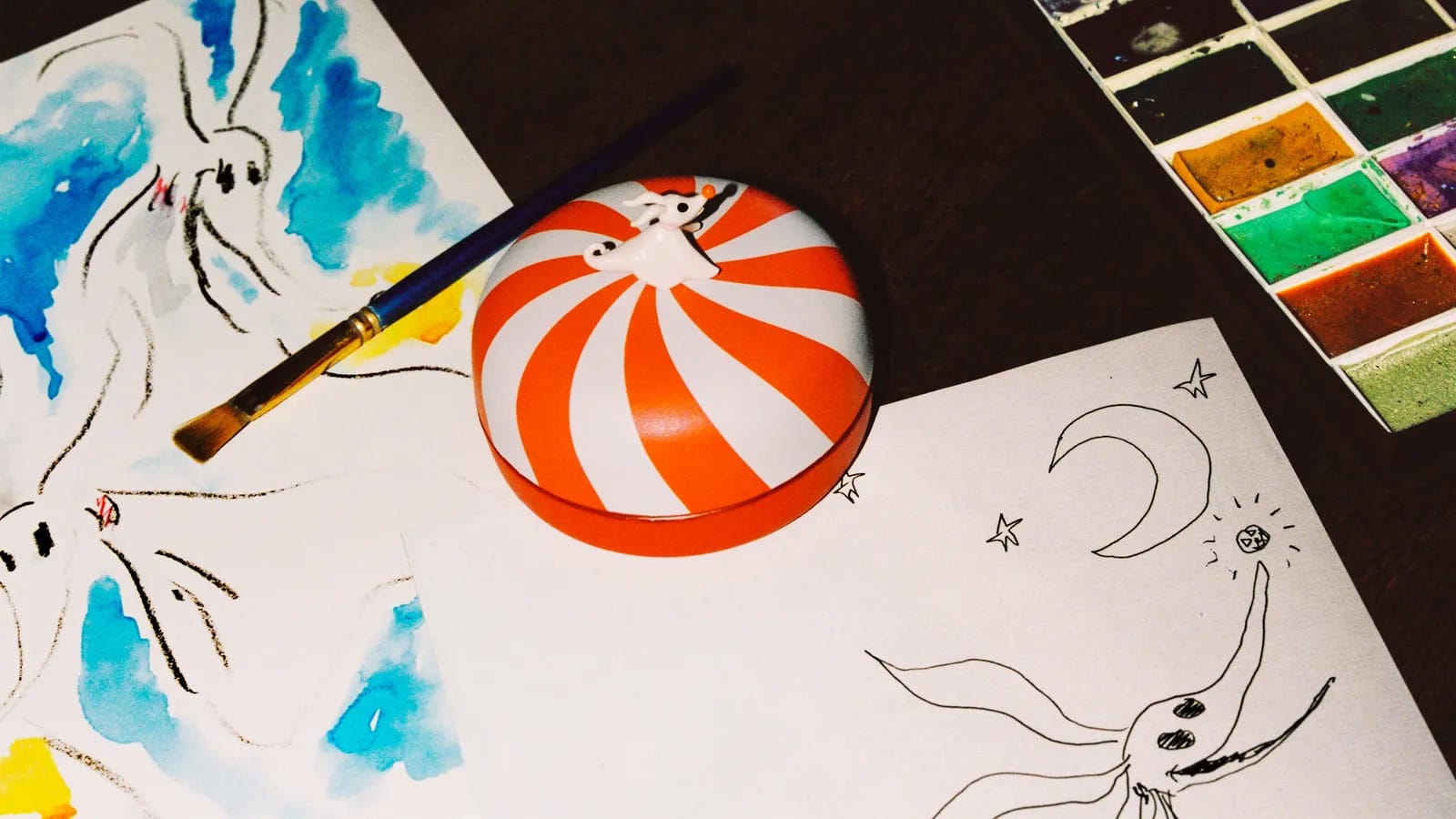
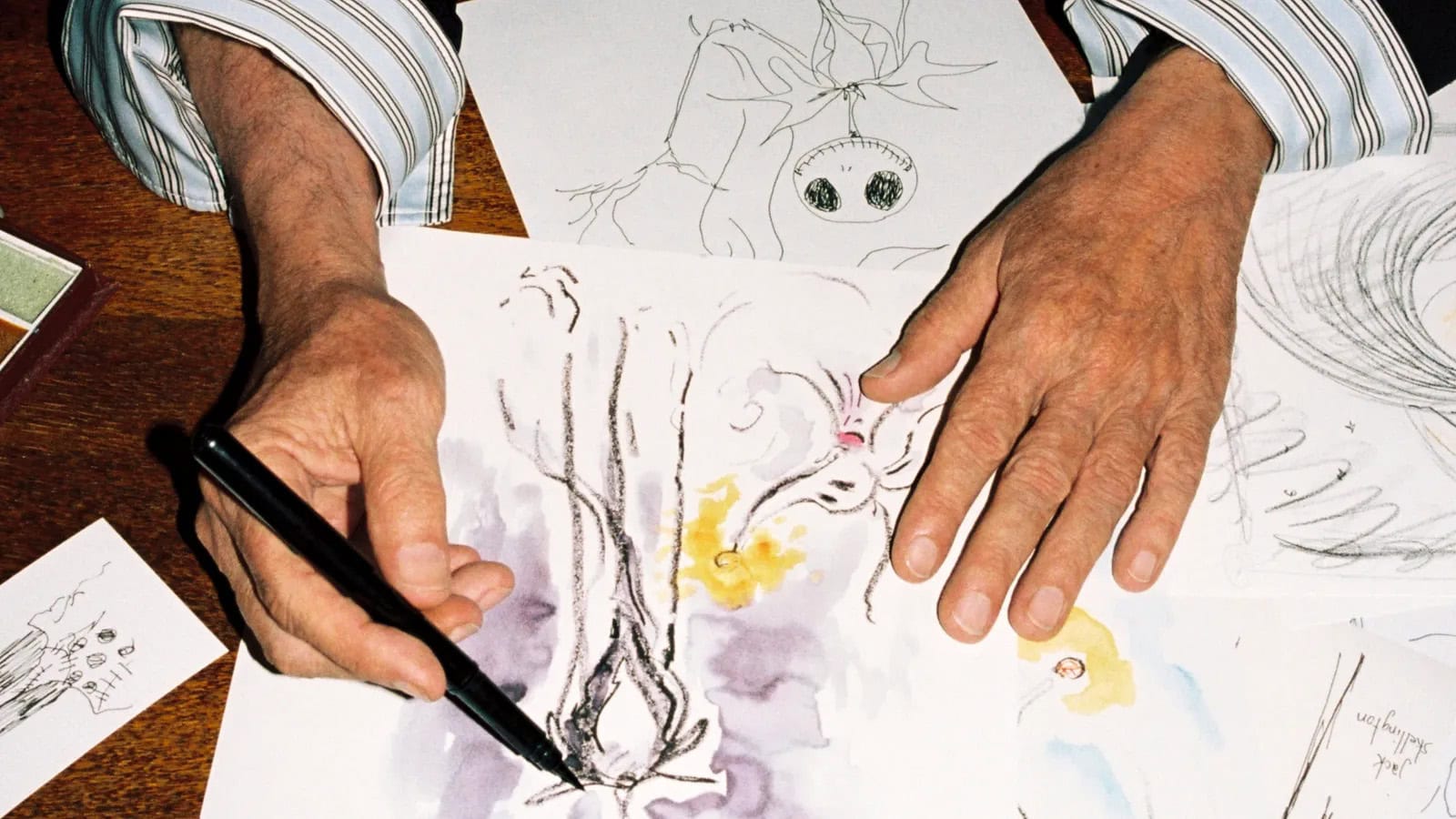
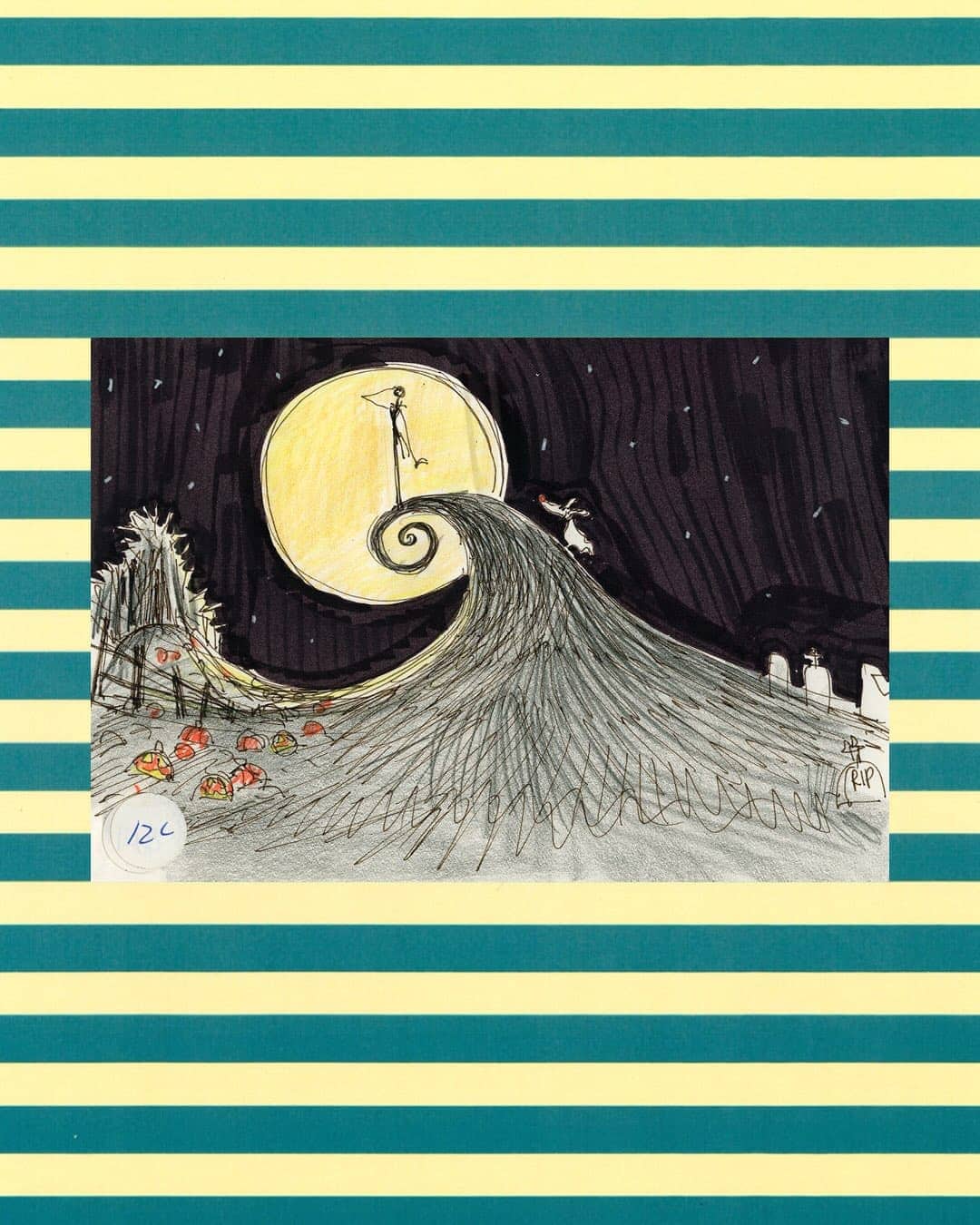
Originally conceived in a poem Burton wrote in 1982 while working as an animator at Walt Disney Productions, “The Nightmare Before Christmas” became one of the most recognizable stop-motion films following its 1993 release. Its production involved 227 puppets and 109,440 individual frames, underscoring the labor-intensive, handmade process behind the film. Burton has described that tactile quality as central to his appreciation of stop-motion, particularly as digital technologies and artificial intelligence continue to reshape creative production.
The collaboration also reflects the film’s enduring cultural influence across generations, with its characters and gothic holiday imagery continuing to resonate beyond the screen. For Loewe, the project extends the house’s engagement with art, film and popular culture through an object-focused approach that places leather craftsmanship at the center of the interpretation. The collection offers another example of luxury fashion translating established creative properties into products while allowing designers to bring a distinct material and aesthetic perspective to familiar characters.