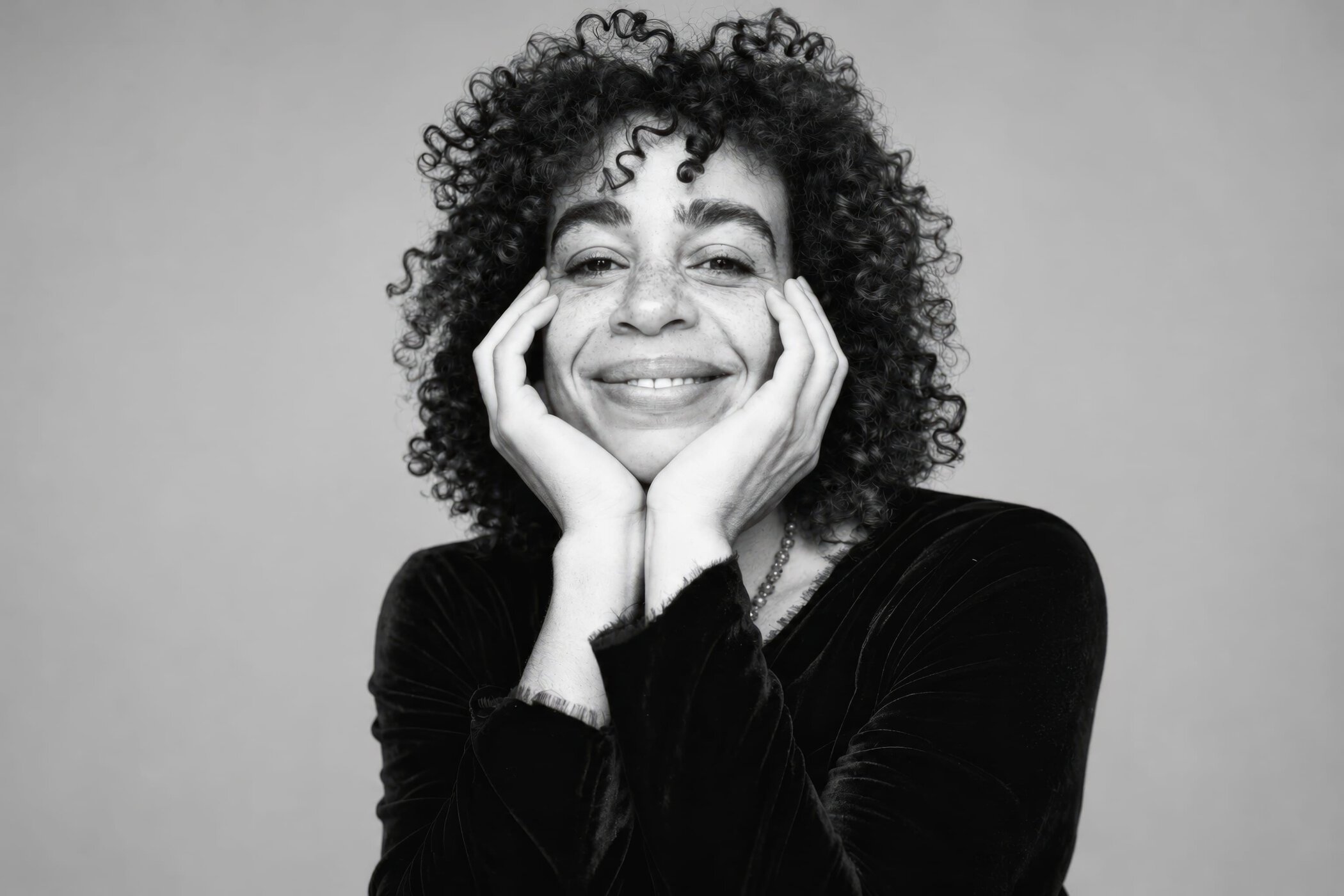
The London-Based Designer Returns to the House Following Pierpaolo Piccioli’s Departure, Bringing a Distinctive Perspective on Contemporary Culture
Kering has appointed Martine Rose as Creative Director of Balenciaga, marking another significant leadership change at the Parisian fashion house following the departure of Pierpaolo Piccioli after less than 18 months in the role. Rose, who previously worked alongside Demna during his tenure at Balenciaga, will officially assume her new position on November 16, 2026, and will be based in Paris.

The appointment brings a familiar creative voice back to Balenciaga, but one with a distinctly independent identity. Known for her unconventional proportions, subcultural references and ability to find fashion inspiration in London’s diverse communities, Rose has built a reputation for challenging traditional ideas of luxury and menswear.
Her connection to Balenciaga dates to Demna’s early years at the house, when she collaborated on menswear and helped shape the oversized, vintage-influenced silhouettes that became central to its identity. Her return suggests that Kering sees an opportunity to reconnect with the cultural energy that helped establish Balenciaga as one of fashion’s most influential contemporary houses.
Rose described the appointment as a privilege, acknowledging both the house’s heritage and its history of creative experimentation.
“Balenciaga has been shaped by remarkable creative talents before me. I am committed to honoring this legacy and look forward to creating the next chapter in this rich and beautiful story,” she said.
The appointment also represents a notable shift following Piccioli’s relatively brief tenure. The former Valentino Creative Director brought a more romantic and couture-oriented sensibility to Balenciaga, emphasizing craftsmanship and the architectural traditions established by founder Cristóbal Balenciaga. His departure leaves Rose with the challenge of establishing a new direction while maintaining the house’s relevance in an increasingly competitive luxury market.
Luca de Meo, Chief Executive Officer of Kering, emphasized the importance of Rose’s cultural perspective to the company’s ambitions for Balenciaga.
“Her connection to the new generation and her instinctive understanding of culture bring a new dimension to the house,” he said, describing her vision as fresh, fearless and deeply contemporary.
Gianfranco Gianangeli, President and Chief Executive Officer of Balenciaga, similarly highlighted Rose’s ability to challenge conventions and reinterpret established silhouettes, qualities that have defined much of her independent work.
Rose founded her namesake label in London in 2007, developing a distinctive aesthetic informed by music, nightlife, sportswear and the everyday wardrobes of the city’s multicultural communities. Her collections frequently reconsider familiar garments through unexpected proportions and styling, transforming ordinary pieces into statements about identity and contemporary dress.
Alongside her own label, Rose has collaborated with Nike, Supreme, Napapijri and Tommy Hilfiger. In 2023, she became Clarks’ first Guest Creative Director and was invited to present as Guest Designer at Pitti Uomo, further establishing her influence beyond the traditional fashion calendar.
Her appointment comes during a complicated period for her independent business. After selling a majority stake in her label to Tomorrow Ltd. in 2021, Rose encountered difficulties surrounding the company’s subsequent ownership changes. Her Fall 2026 collection did not enter production as she worked to resolve the situation. Despite those challenges, her label maintains an international wholesale presence through approximately 200 stockists.
At Balenciaga, Rose will gain access to the resources and global platform of one of Kering’s most recognizable houses. The opportunity also brings considerable expectations. Balenciaga has experienced several creative transitions in recent years, and its next chapter will require a clear identity capable of connecting the house’s historic innovations with the expectations of contemporary consumers.
Rose’s appointment is particularly interesting because her influence on fashion has often been felt beyond the scale of her own business. Her ideas about proportion, masculinity and the relationship between street culture and luxury have helped shape the visual language of contemporary menswear.
Now, she will have the opportunity to develop those ideas across the full scope of Balenciaga’s collections.
For Kering, the decision signals a renewed emphasis on cultural relevance and creative experimentation. For Rose, it represents a return to a house she helped influence, this time with the authority to determine its direction.
The question is no longer how Martine Rose might influence Balenciaga, but what Balenciaga will become when the vision is entirely her own.