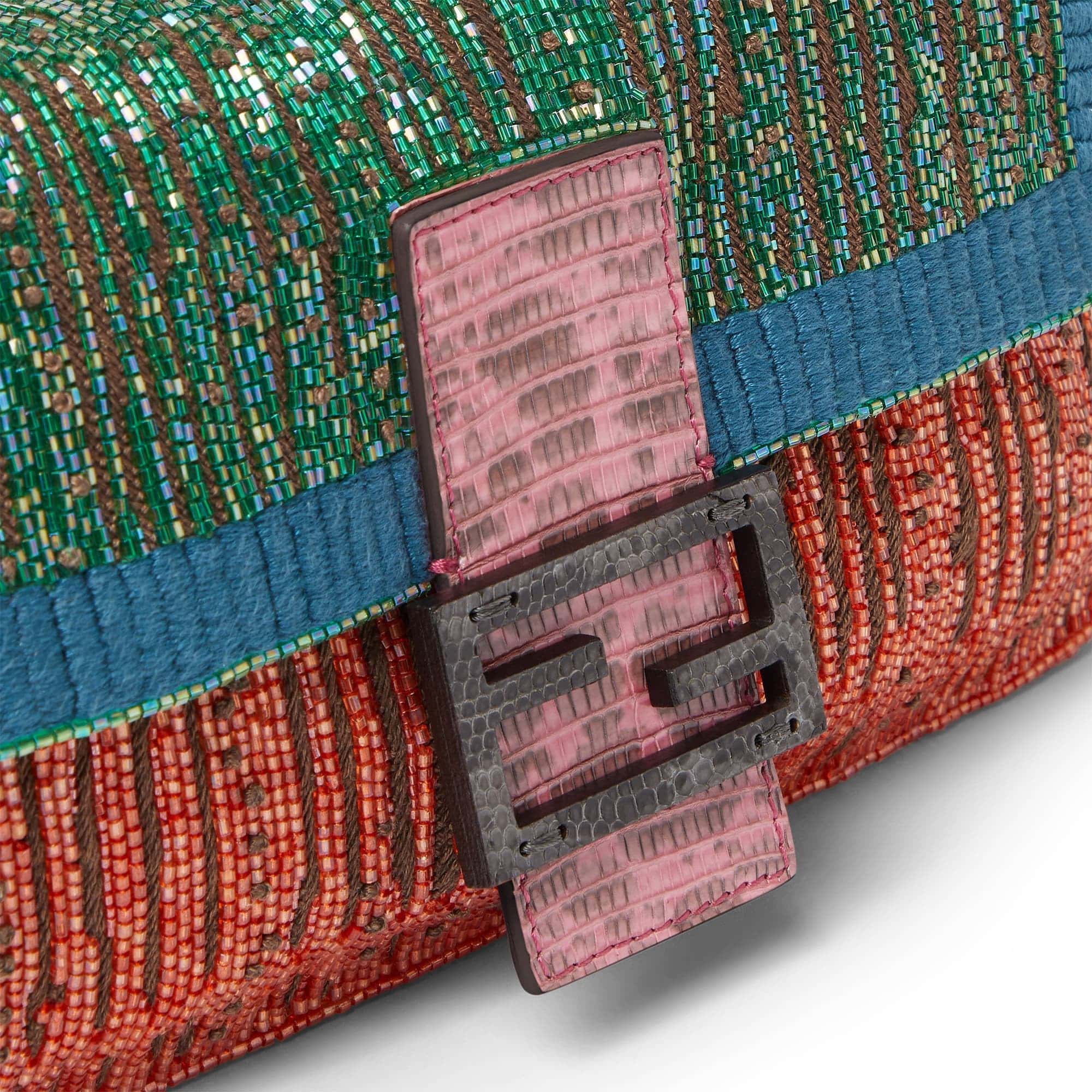
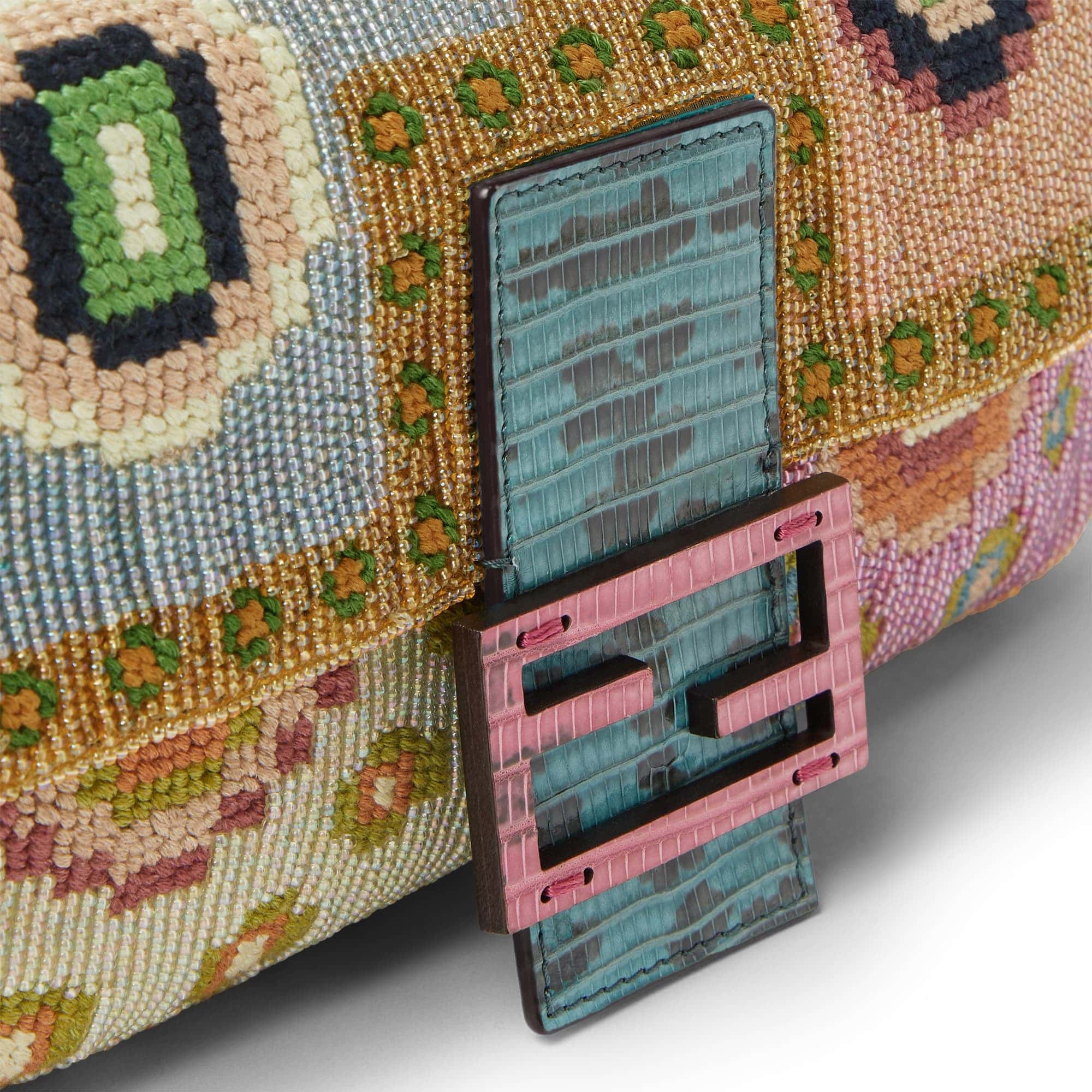
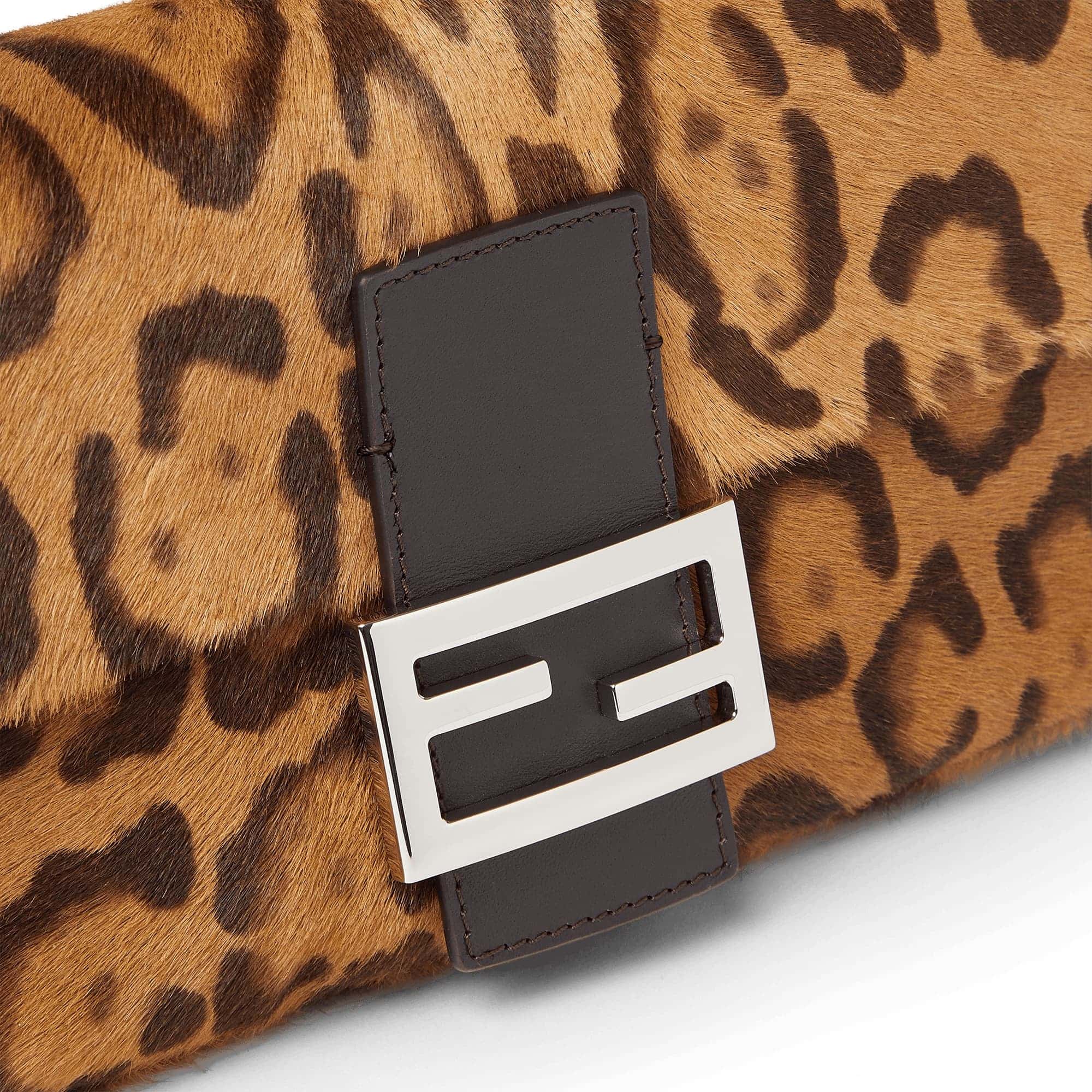
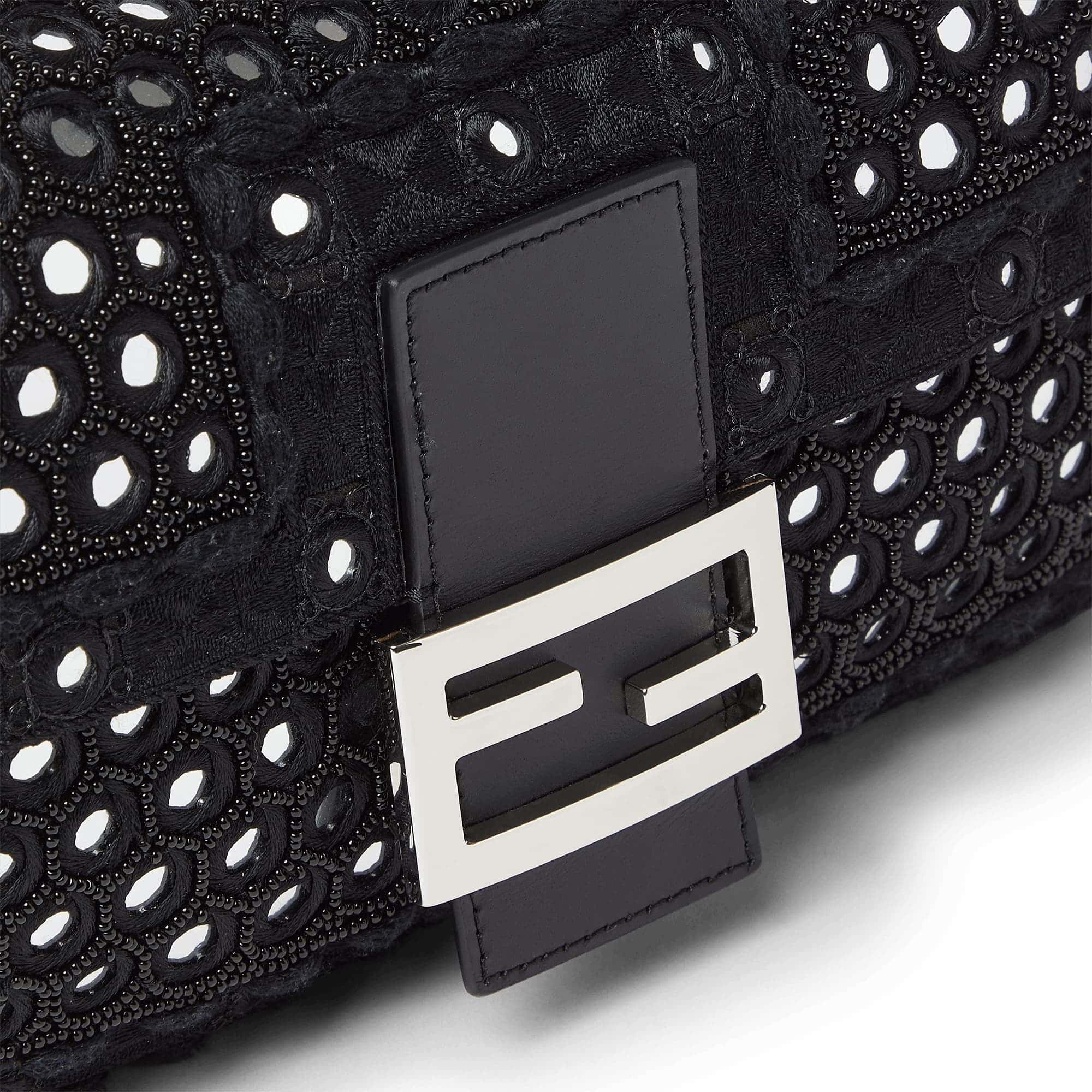
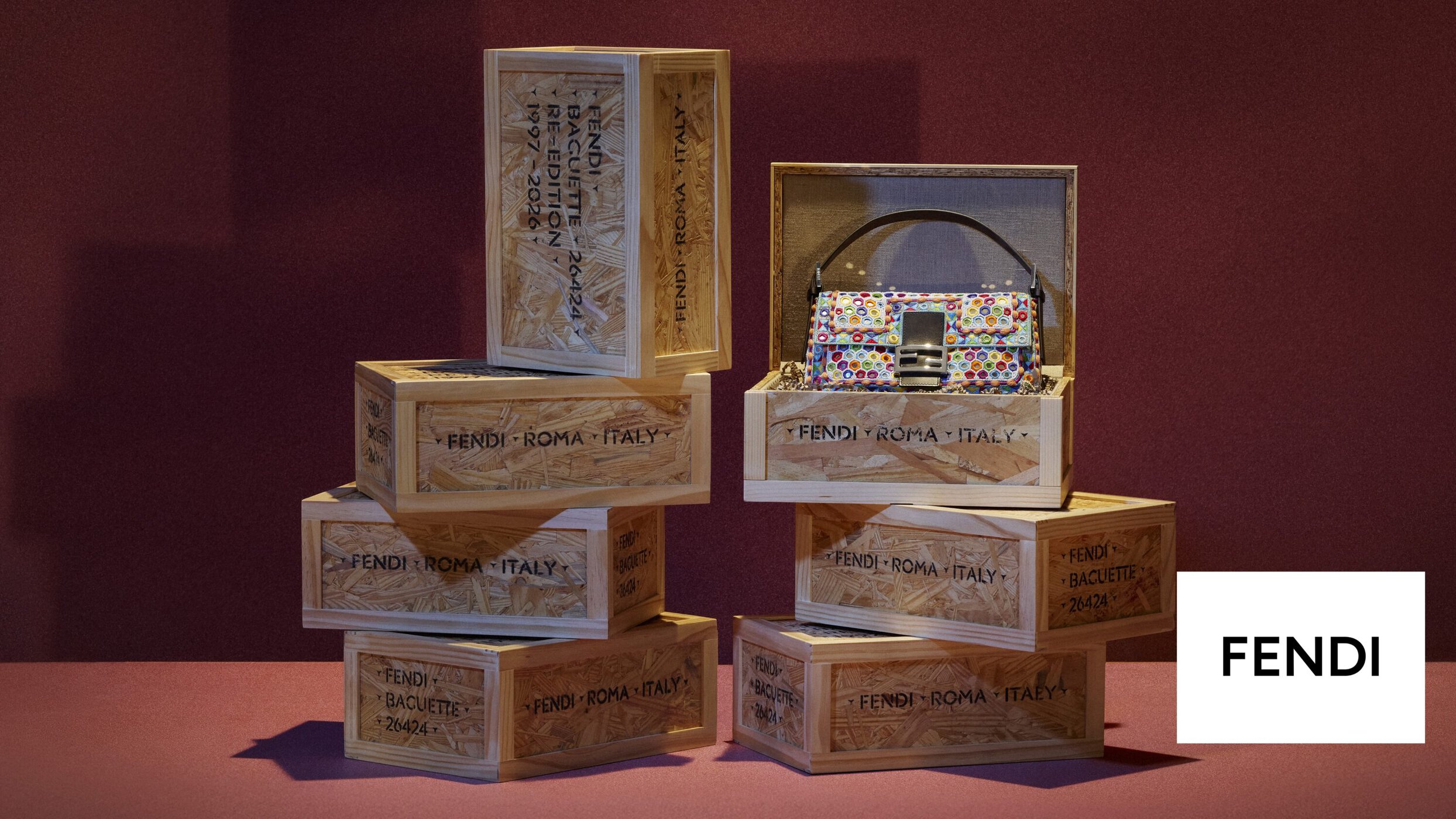
The Baguette returns not as nostalgia, but as a celebration of individuality, instinct, and the many identities carried in a handbag
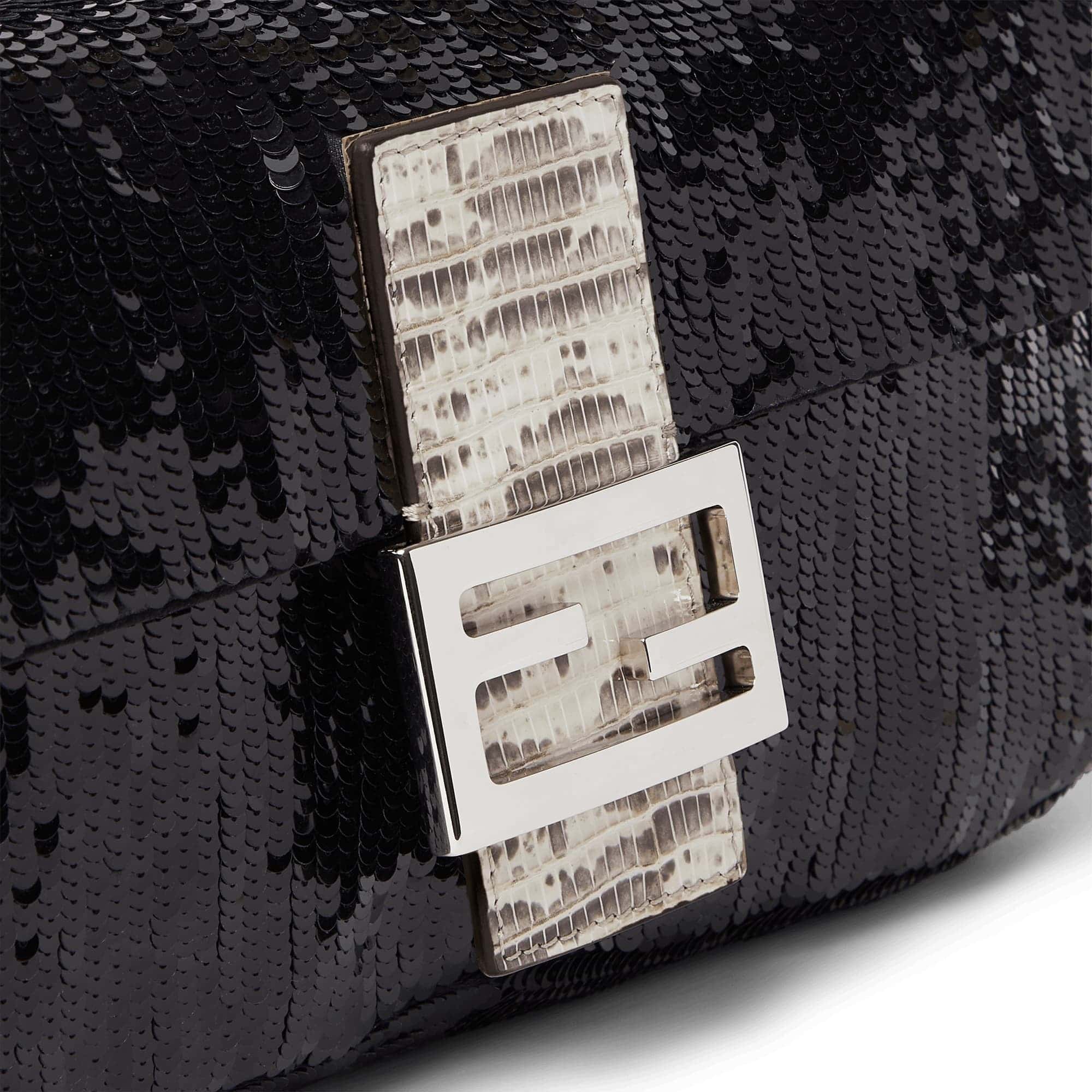
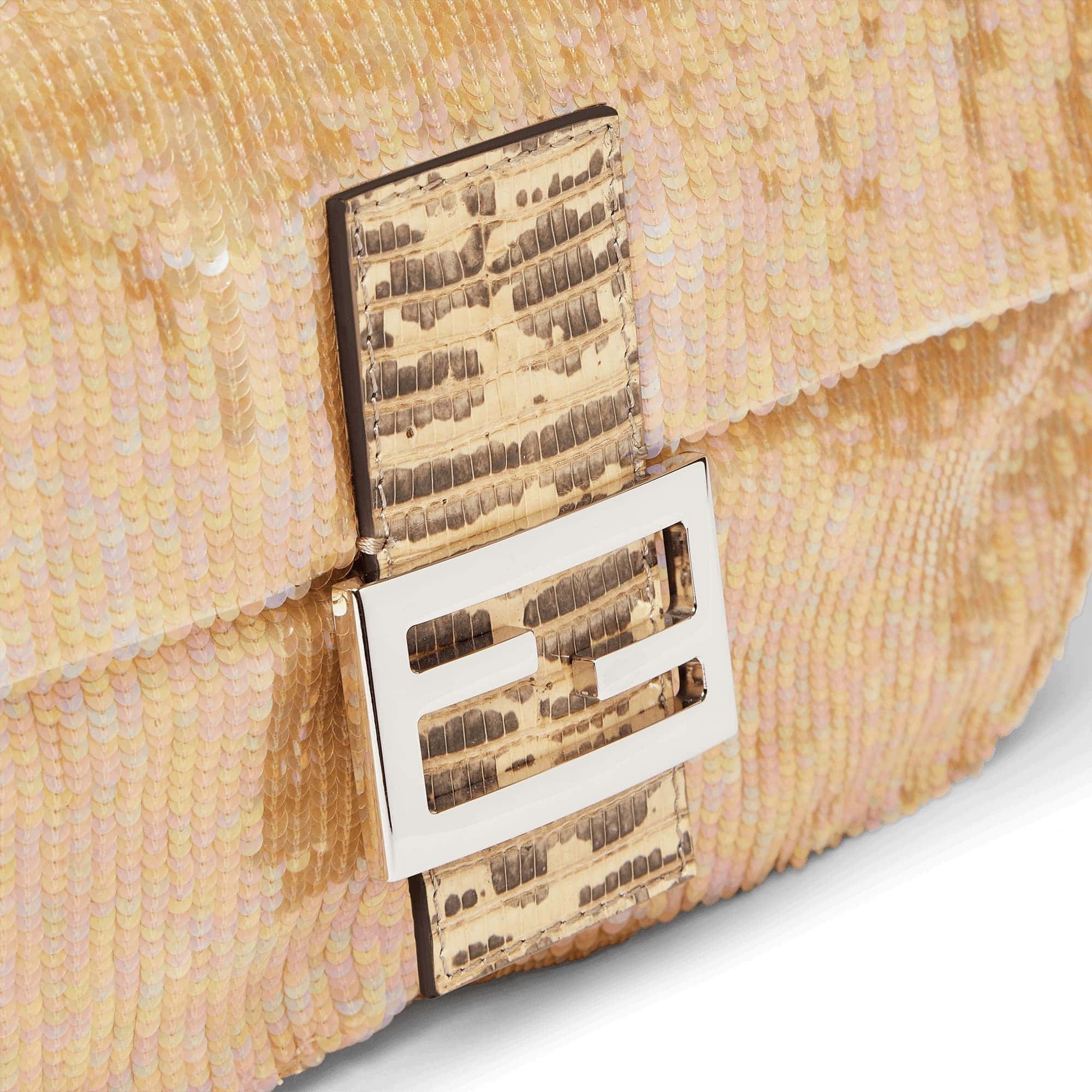
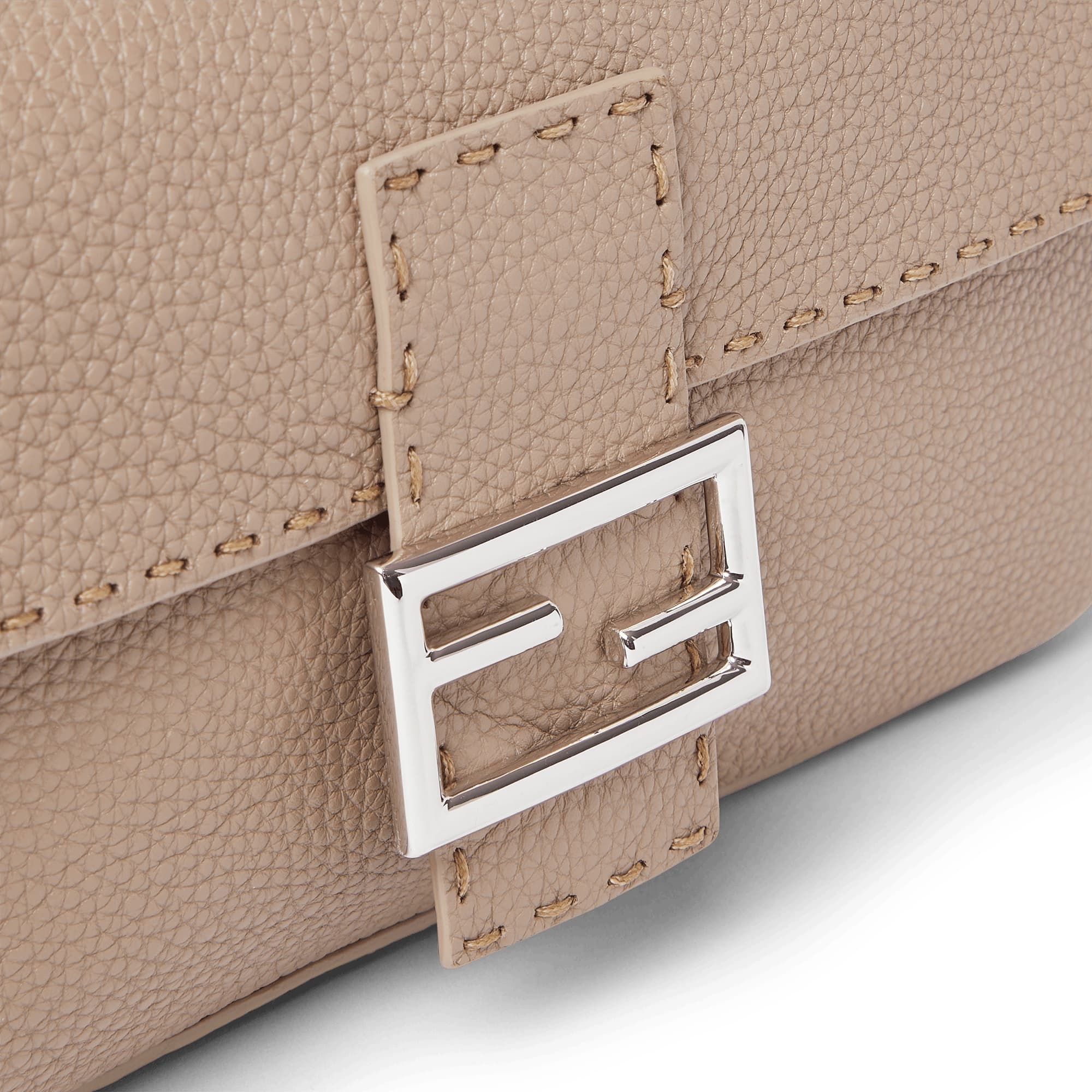
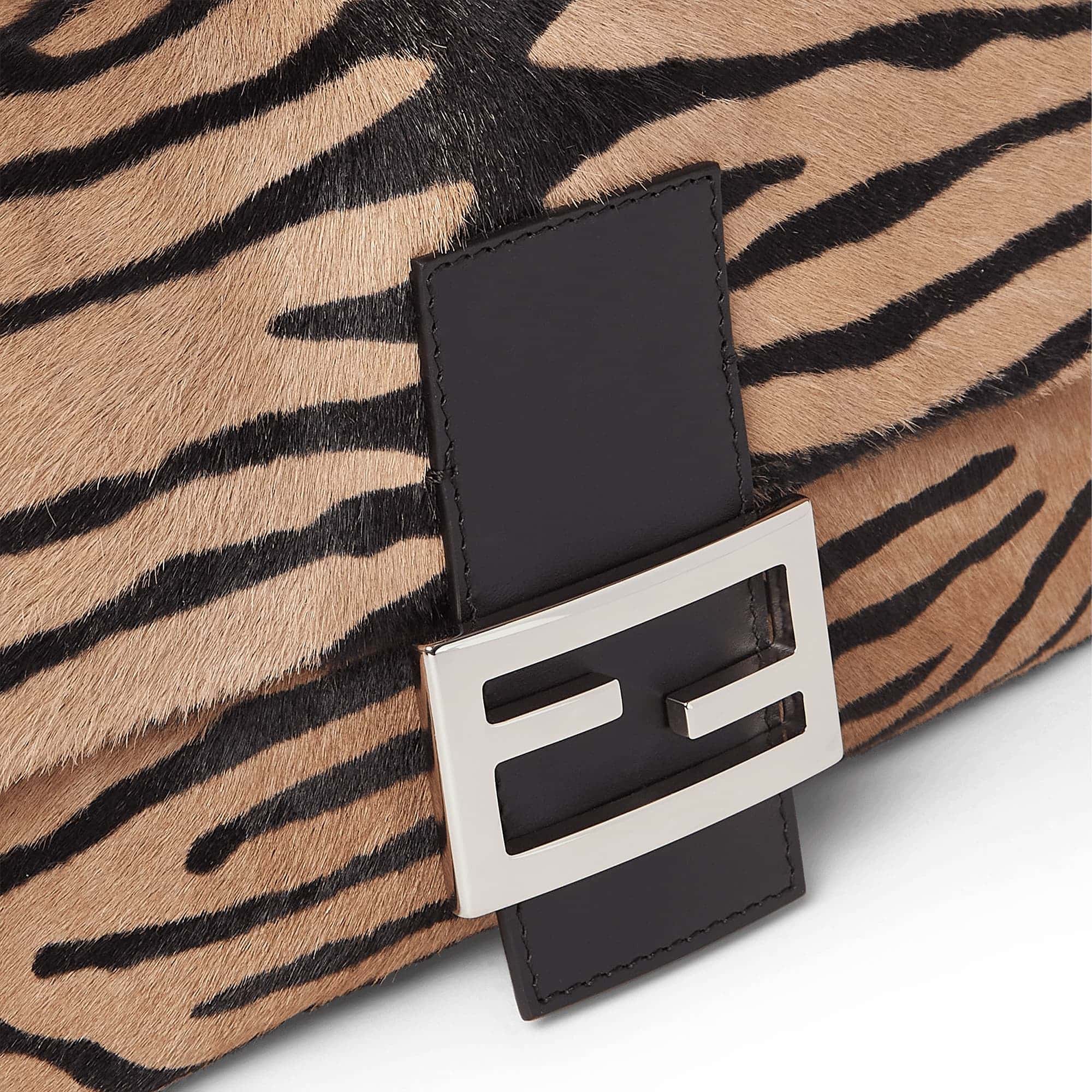
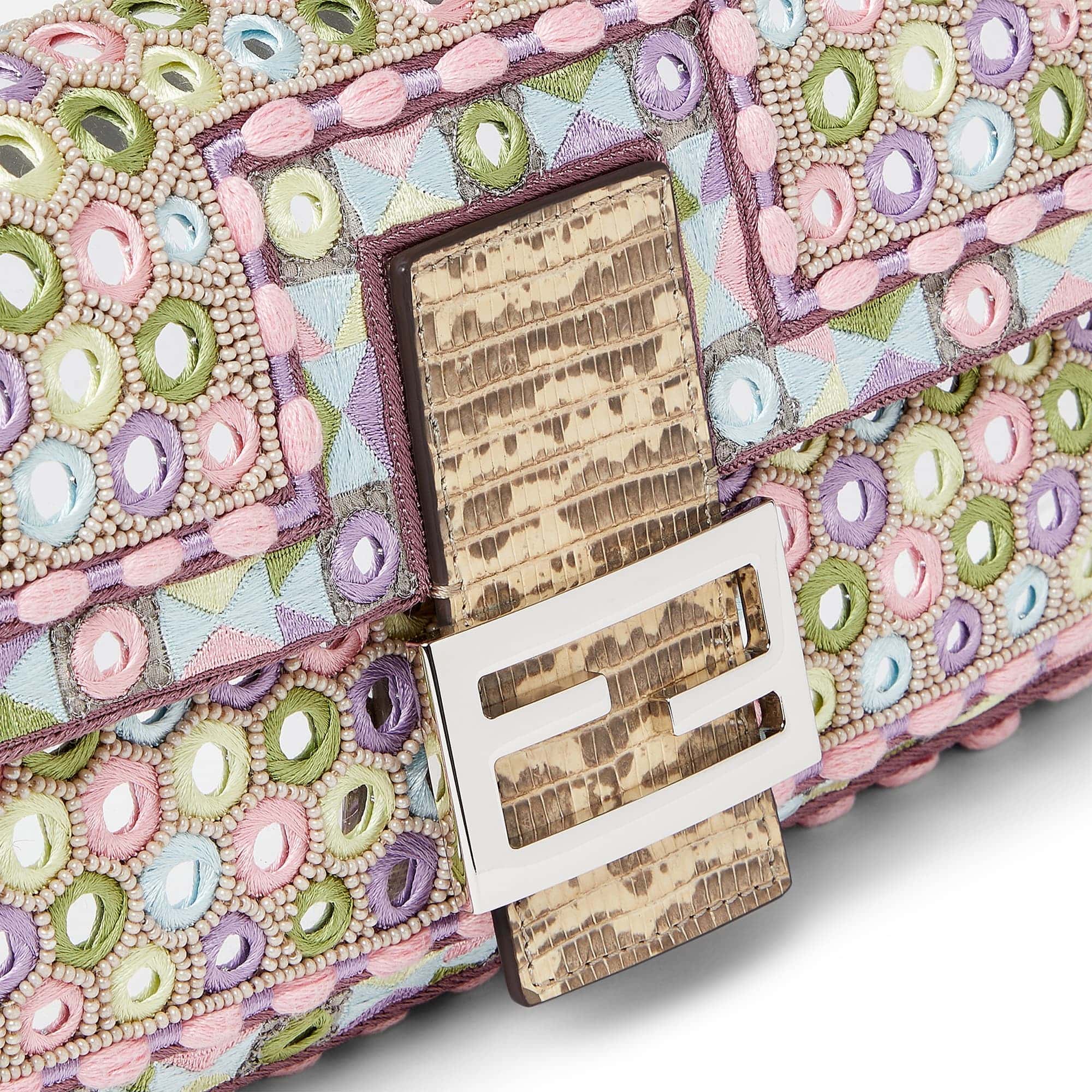
Nearly three decades after its original debut, the Baguette returns through the lens of Maria Grazia Chiuri with the Baguette 26424 Re-Edition. Rather than treating the iconic silhouette as a relic of fashion memory, Chiuri positions it as a living object—one capable of evolving alongside the women who carry it. The relaunch expands the bag into multiple interpretations, shifting focus from a single emblem of desire to a broader language of self-expression.
The accompanying narrative draws on an intimate image of Marilyn Monroe moving anonymously through New York, her handbag filled with stolen cookies and private whims. In this telling, the purse becomes more than an accessory; it becomes autobiography. Chiuri uses that symbolism to ask a larger question about what women carry, conceal, and reveal through the objects closest to them. If a handbag once reflected status, it now reflects complexity.
To revisit the Baguette in 2026 is also to reconsider beauty itself. The collection proposes that style is no longer rooted in conformity or polished perfection, but in contradiction, character, and freedom. Sparkling, severe, chaotic, disciplined—these identities coexist rather than compete. The bag becomes less about fitting into a fashion archetype and more about refusing one altogether.
In that sense, the Baguette’s greatest reinvention may not be material but ideological. It arrives as a reminder that the most enduring luxury is personality—carried lightly, worn confidently, and impossible to replicate.