The Polish brand’s SoHo flagship launch signals how independent luxury designers are converting celebrity visibility into long-term retail growth.
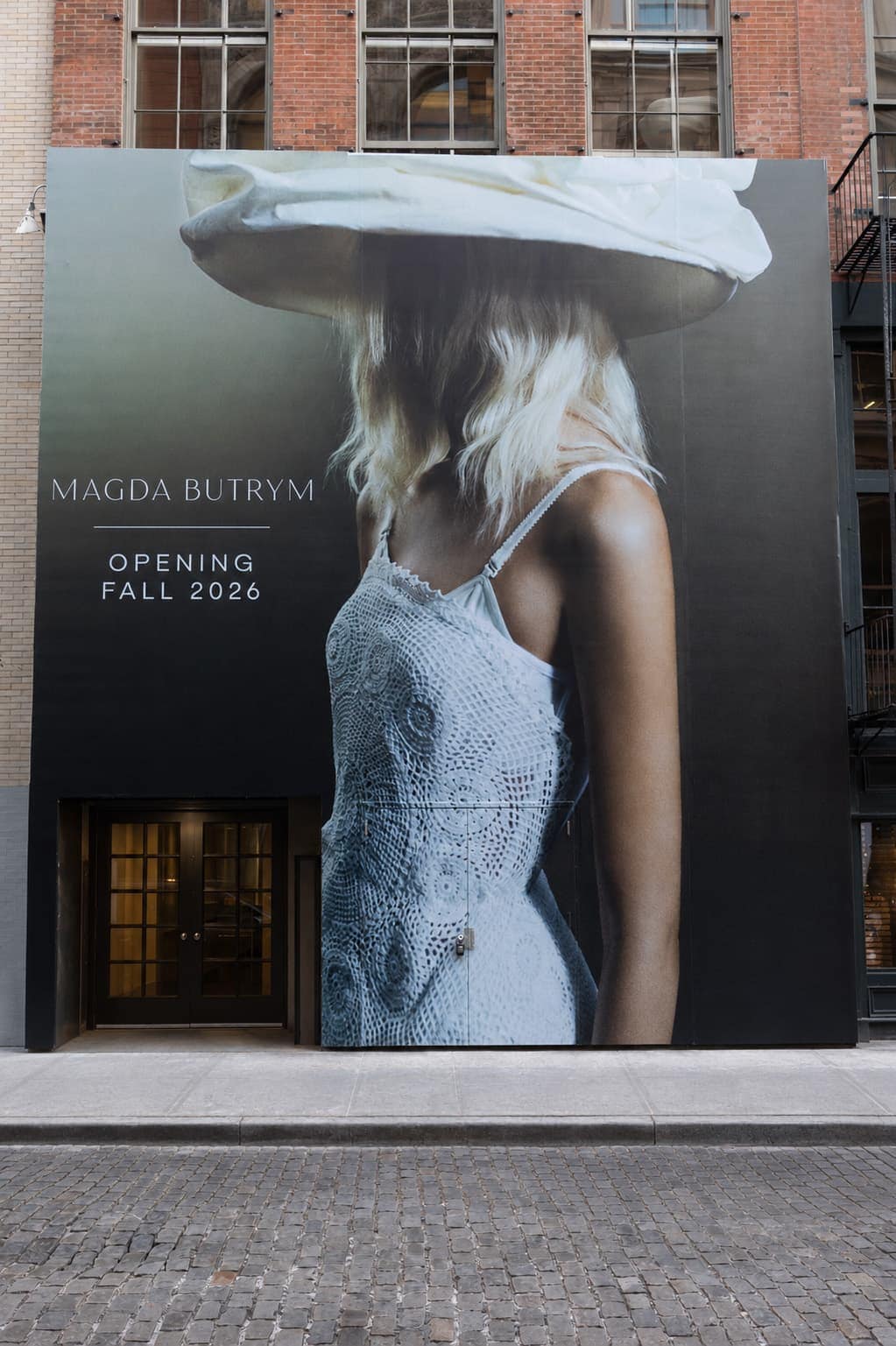
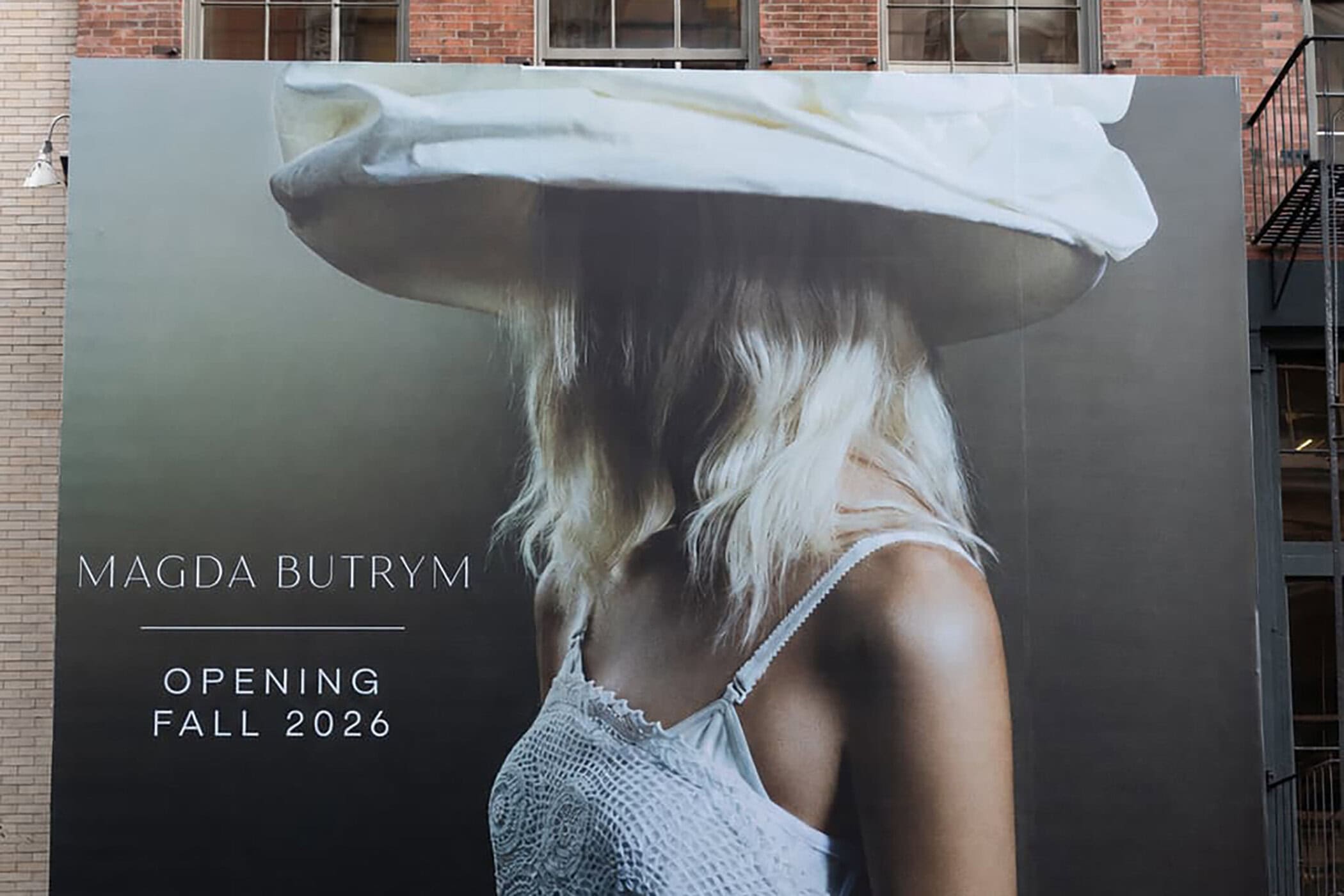
Magda Butrym is translating years of high-profile celebrity visibility into a permanent U.S. retail presence, with the opening of its first New York flagship store this September in tandem with New York Fashion Week. Located at 170 Mercer Street, the three-level boutique was designed by a Stockholm-based studio named Stamuli; they utilize handcrafted materials, vintage-inspired interiors, and the brand’s signature rose motif to create a result rooted in Polish craftsmanship. The store similarly aligns with Magda Butrym’s Warsaw flagship, and is intended to immerse consumers in the brand’s universe while providing the label with its first permanent retail foothold in the U.S. after years of operating primarily through showrooms and wholesale partners.

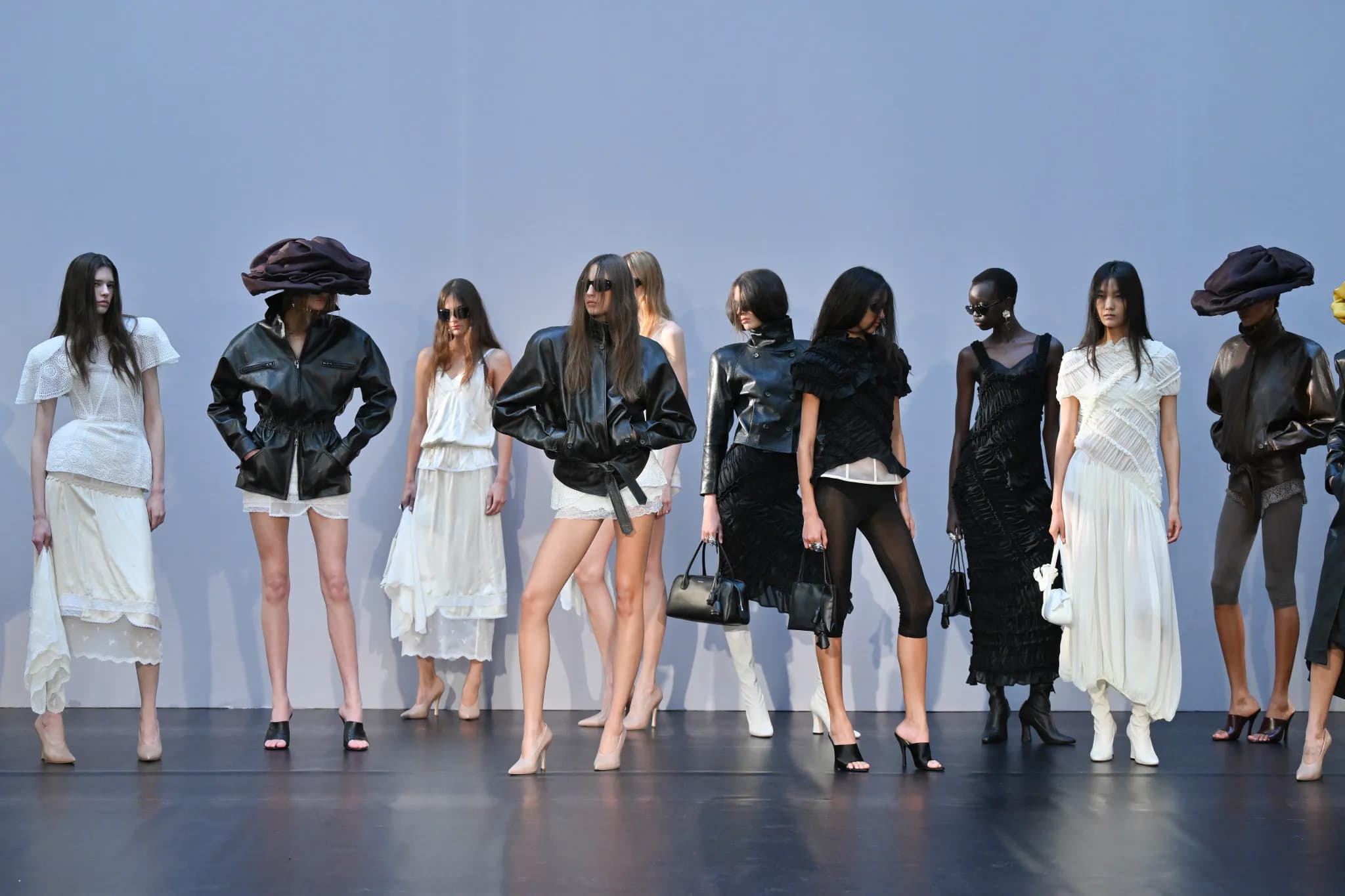
The opening builds on a period of heightened global visibility for the label. Magda Butrym has cultivated a loyal celebrity following, including figures like Hailey Bieber, Jennifer Lopez, and Natalie Portman. But rather than treating celebrity dressing as an endpoint, the brand is leveraging this moment of visibility to deepen relationships with consumers through physical retail. CEO Jakub Czarnota is doing so by mapping out a U.S. retail network that could span from Miami to Los Angeles.
Magda Butrym’s newest flagship development aligns with the broader evolution among independent luxury designers who are pairing editorial visibility with physical retail environments. By opening in one of New York’s most influential shopping corridors alongside its NYFW debut, the label is positioning the U.S. as a strategic growth market rather than a celebrity showcase.
As independent designers look beyond viral moments and celebrity traction, permanent retail is becoming the next stage of brand building. Magda Butrym’s SoHo flagship pushes that sustained cultural relevance is increasingly becoming measured not by who wears a brand, but by whether that attention can be transformed into a lasting retail presence.