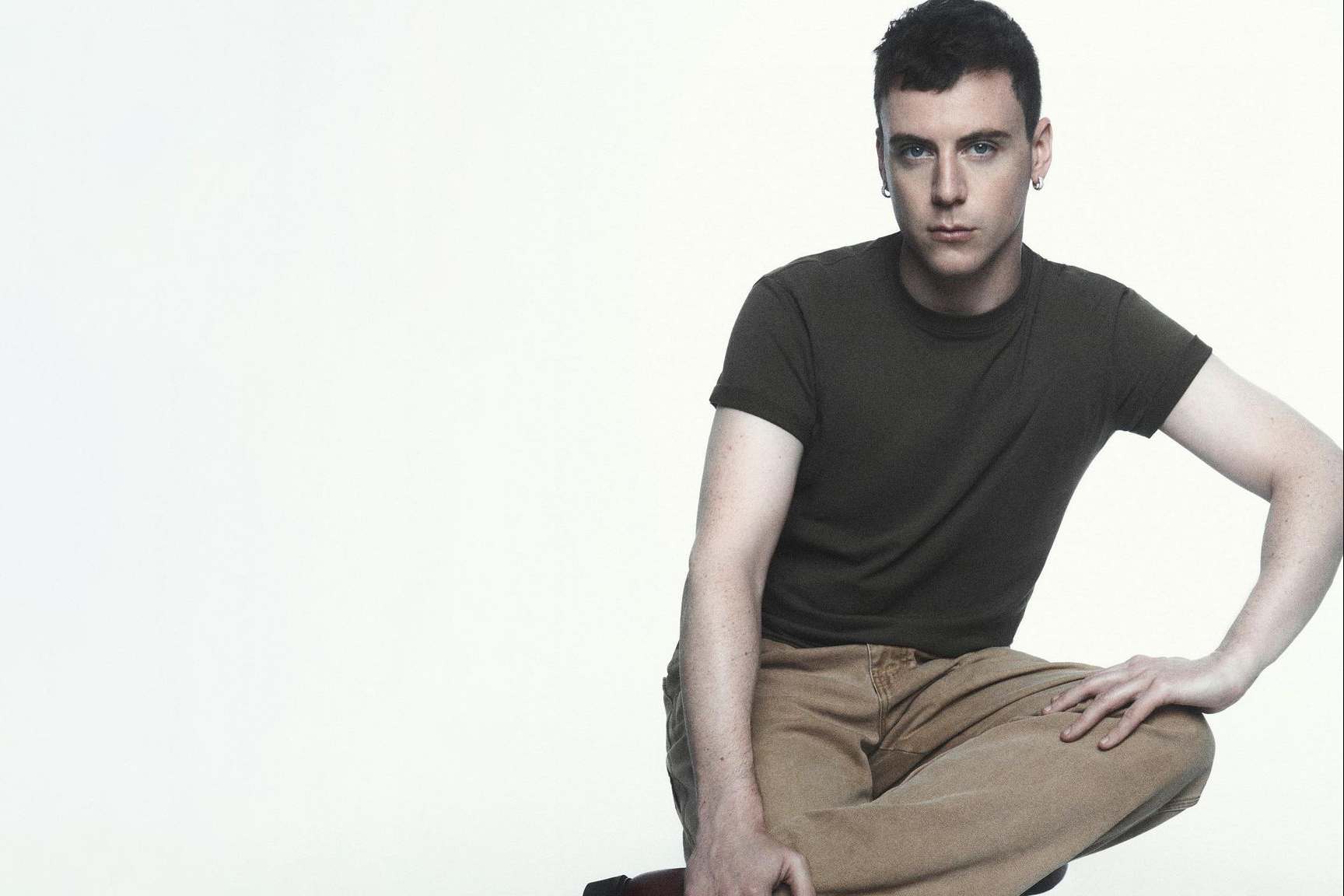
The designer’s departure after three years brings a creative transition to a house already reshaping its collections, leadership and retail footprint.
Seán McGirr is leaving Alexander McQueen after three years as creative director, bringing his tenure to a close as the British house undergoes a broader strategic reset. Announced on October 15, the departure opens a search for a creative identity capable of supporting McQueen’s next phase of business development. New creative leadership will be announced soon.
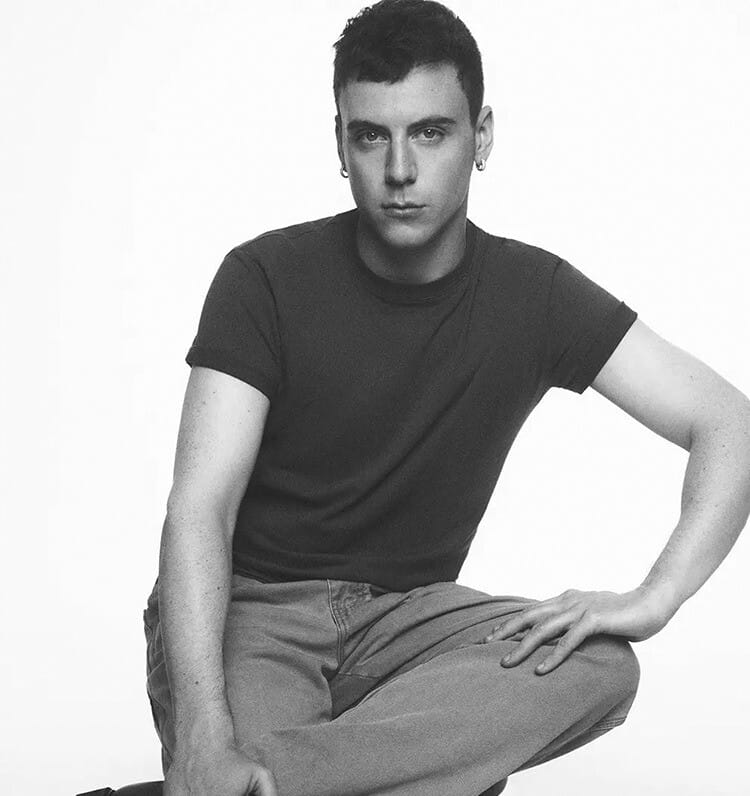
For parent company Kering, the appointment ahead carries a clear mandate. Chief executive Luca de Meo has identified exceptional tailoring, uncompromising creativity and rebellion as the foundations of McQueen’s future direction, with the ambition of strengthening its cultural relevance and position within luxury.
McGirr’s departure therefore sits within a larger effort to clarify what McQueen represents, which products should lead its business and how widely those products should be distributed.
The Irish designer was appointed in October 2023, succeeding Sarah Burton and arriving from JW Anderson, where he had served as head of ready-to-wear. He inherited a house with an unusually distinctive creative legacy, rooted in Lee Alexander McQueen’s tailoring, theatricality and emotional approach to fashion.
Across his tenure, McGirr explored the relationship between visceral beauty and exacting construction, seeking to connect that inheritance with contemporary culture. In acknowledging his departure, McQueen president and chief executive Gianfranco D’Attis emphasized the designer’s contribution to reconnecting the house with London and its creative community.
The transition comes only months after D’Attis became chief executive in June. His arrival formed part of a restructuring built around more focused collections, a resized retail network and a streamlined organization. A change in creative leadership now adds another significant decision to that rebuilding process.
The product priorities are already taking shape. Kering’s strategy places women’s ready-to-wear, tailoring and eveningwear at the center of McQueen’s offer, supported by a coherent selection of leather goods, shoes and accessories. The emphasis returns attention to the categories through which the house can express its particular authority in cut, silhouette and occasion dressing.
For the next creative director, that framework presents both an opportunity and a demanding brief. McQueen possesses recognizable codes and a substantial cultural legacy. Translating those assets into a focused collection will require a convincing relationship between runway expression, the clothes customers encounter in stores and the accessories that complete the proposition.
A smaller retail network also raises the importance of consistency across those encounters. Each collection will need to give existing clients a reason to return while making the house’s identity legible to a new audience.
McGirr’s exit leaves McQueen approaching its next appointment with commercial priorities already defined. The consequential question is how a new designer will give those priorities a distinctive creative expression—and build continuity around it.