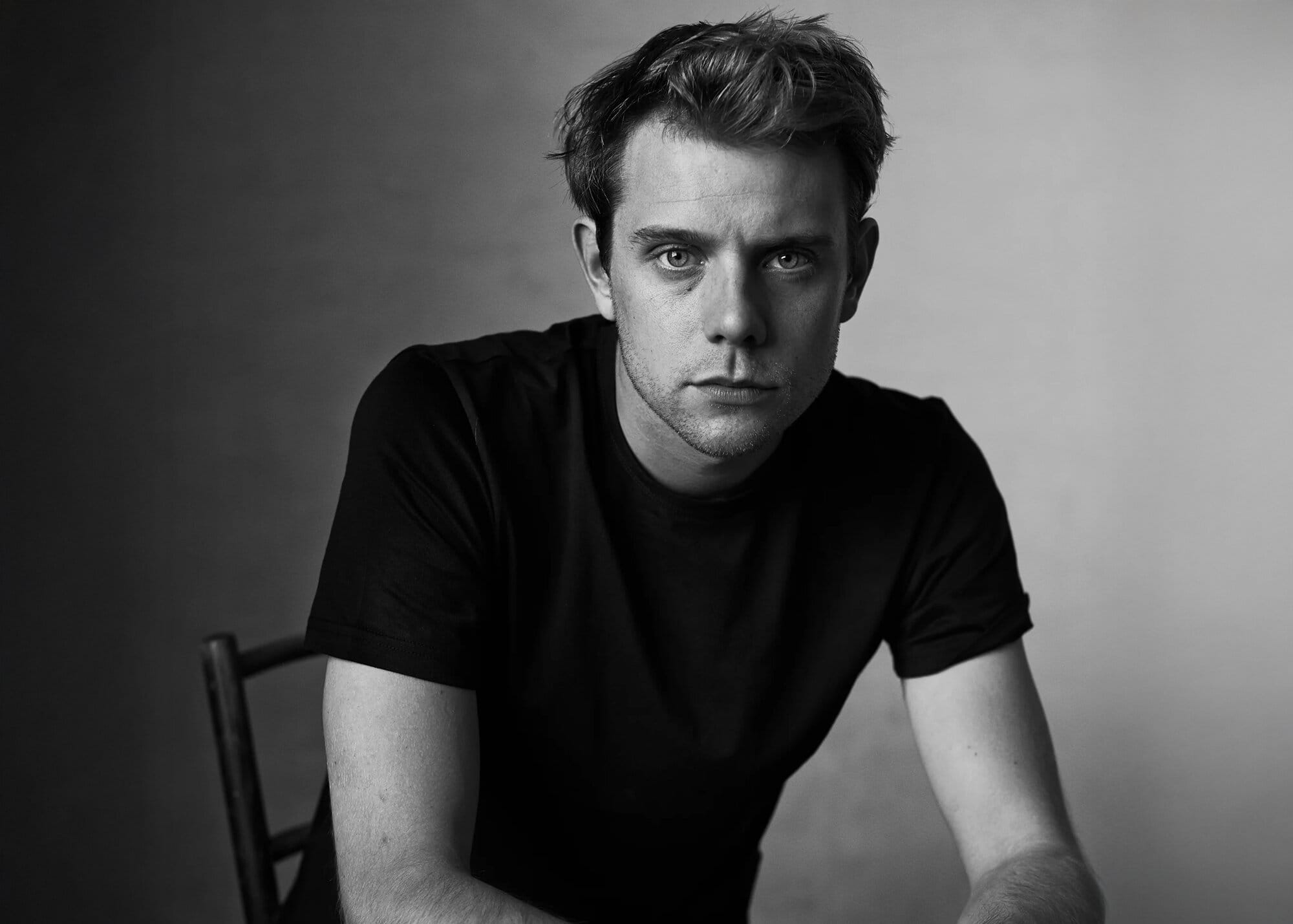
How Jonathan Anderson Brought Coherence To A Year In Fashion And Earned our Person of The Year
Every so often, fashion produces a year that feels unusually coherent in hindsight. The collections blur together, the news cycle accelerates, leadership changes stack up, and yet one figure keeps surfacing — not through dominance, but through presence. In 2025, that figure was Jonathan Anderson. The year didn’t orbit him. It aligned through him.
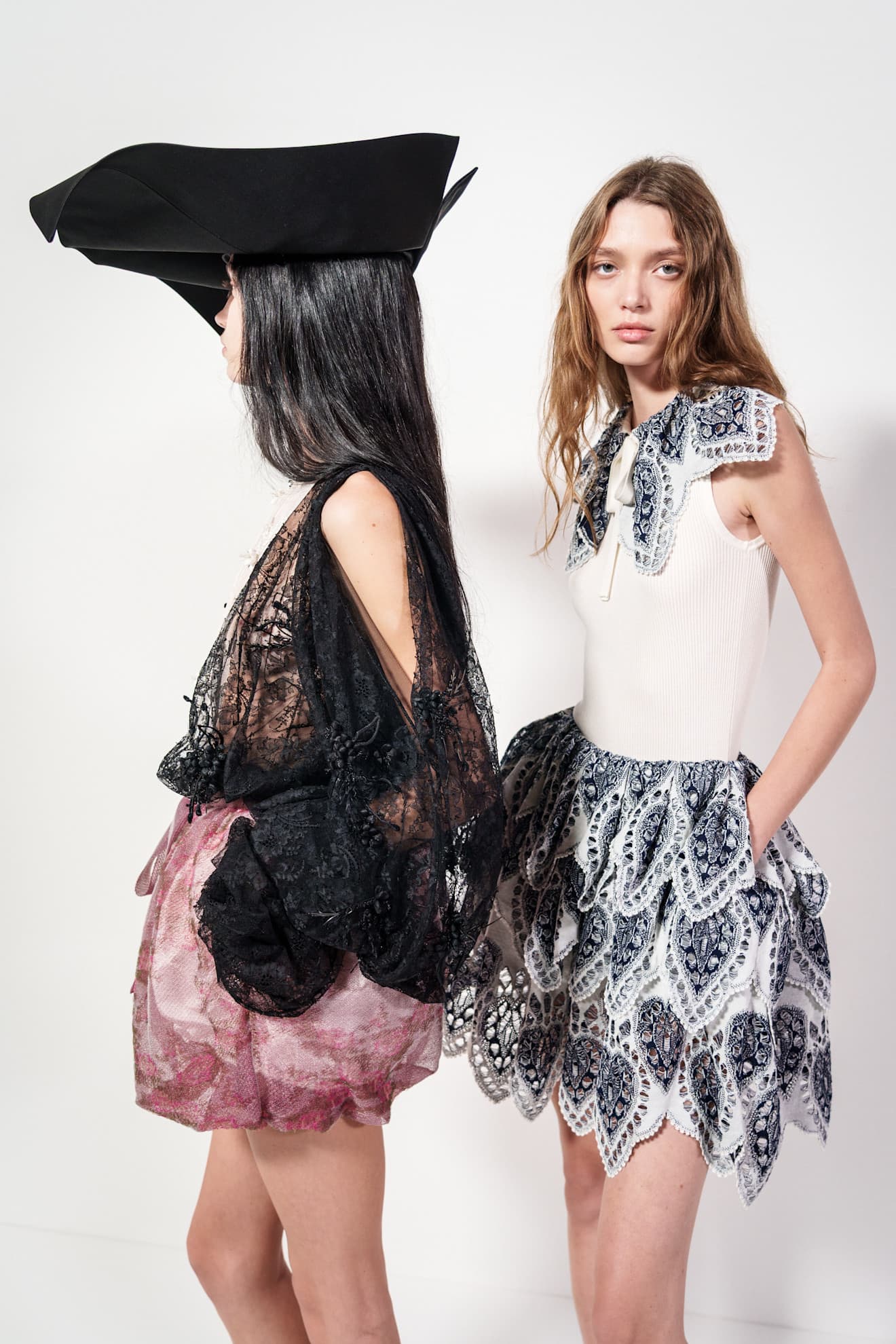
What made Anderson’s year resonate was not spectacle, nor even scale, though both were present. It was the sense of authorship running through everything he touched — a steady hand visible across institutions, objects, spaces, and ideas. While much of the industry spent the year recalibrating, Anderson appeared to be editing. Tightening. Clarifying. His work suggested someone less interested in expansion for its own sake than in shaping conditions where ideas could breathe.
The closing of his chapter at Loewe carried the rare feeling of completion. Over eleven years, Anderson transformed the house into a living cultural organism. Craft became contemporary again. Art entered the runway without self-consciousness. Humor found a place alongside rigor. Loewe developed a language that others learned to recognize instantly — intellectual, tactile, human. By the time Anderson stepped away, the house no longer depended on reinvention. It had momentum, muscle memory, and a point of view that could travel.
That sense of continuity made his next chapter feel considered rather than abrupt. His arrival at Dior unfolded as a partnership shaped around shared values: clarity, cultural intelligence, and long-term thinking. Working closely with Dior CEO Delphine Arnault, Anderson stepped into one of fashion’s most symbolically charged houses with a mandate rooted in coherence rather than disruption. The relationship reads less as a transfer of power than as an alignment of sensibilities — a designer and an executive speaking the same language about what modern luxury should feel like.
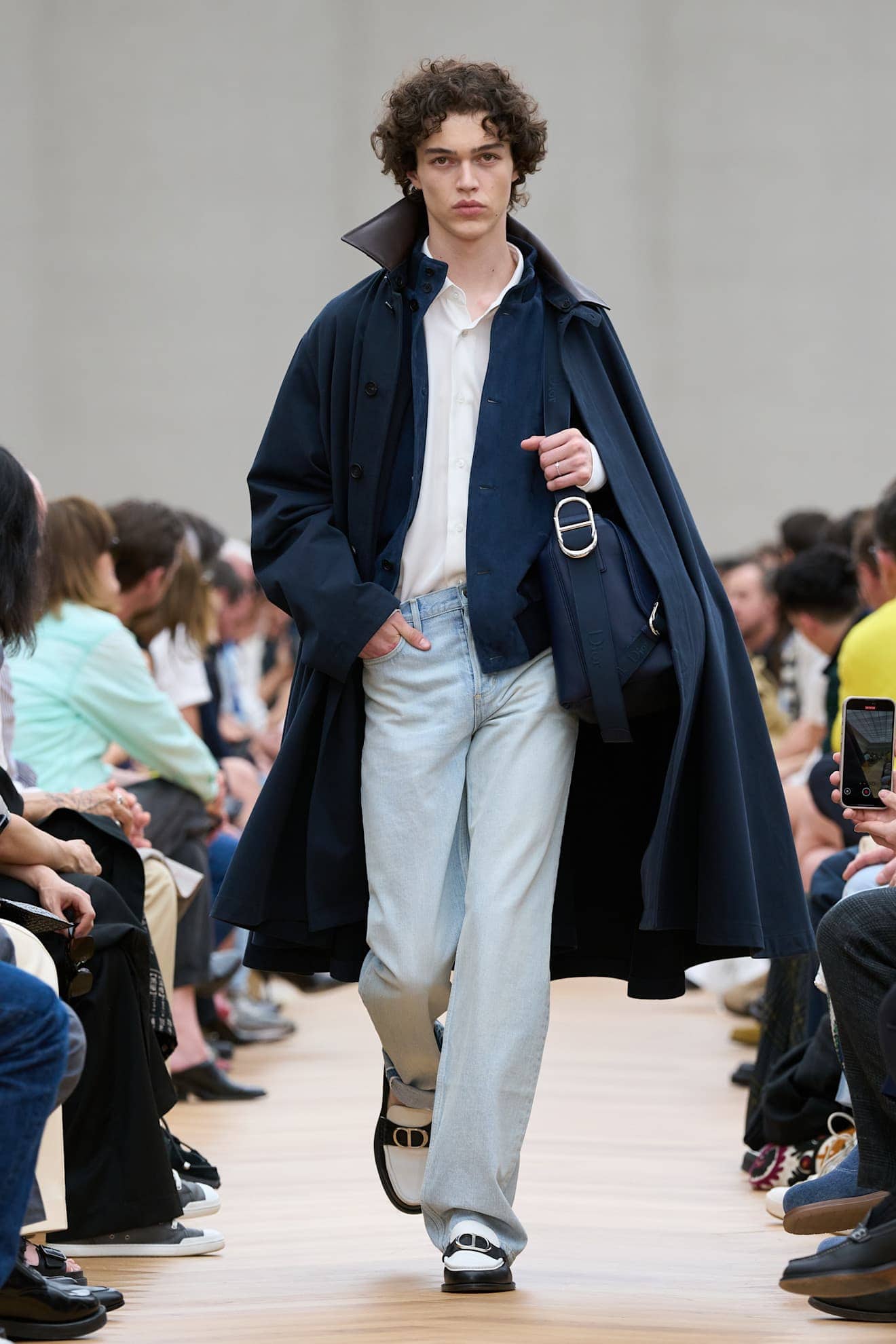
Anderson’s first men’s collection for Dior arrived in July, followed by his women’s debut in October. Together, they suggested a Dior attentive to rhythm and ease, one interested in how clothes move through real lives as much as how they read in images. There was confidence in the restraint, and warmth in the details. These early chapters felt like openings — invitations into a longer conversation rather than statements designed to close one.
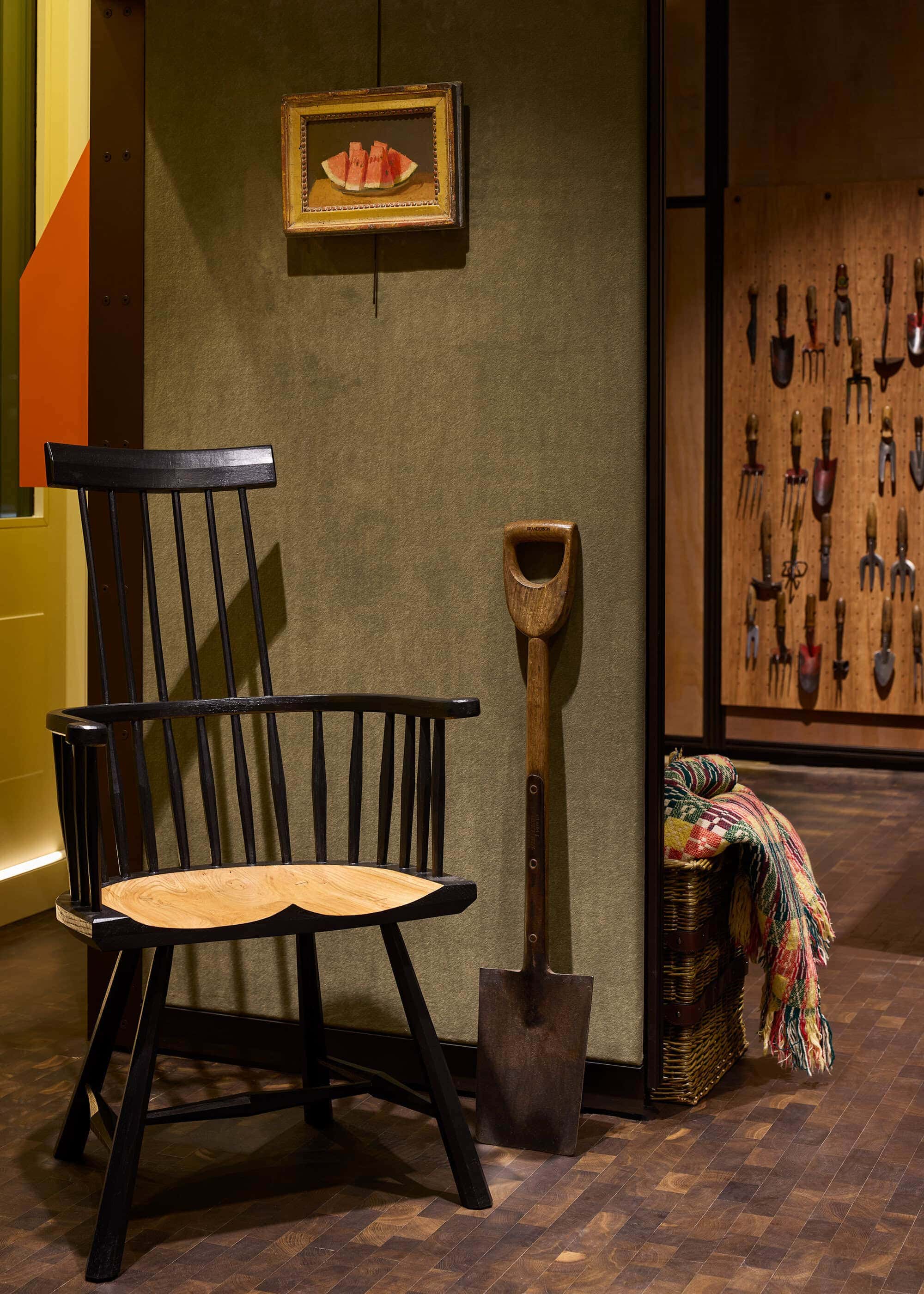
Running alongside this new responsibility was an equally thoughtful evolution of JW Anderson. Rather than maintaining the label as a seasonal marker within the fashion calendar, Anderson chose to expand its frame. Clothing remained central, but it now sat comfortably among furniture, ceramics, art, jewelry, books, and objects shaped by curiosity and craft. The brand began to function as a reflection of how Anderson lives with things, how he values them, and how he imagines them aging over time.
This transformation unfolded in close collaboration with CEO Jenny Galimberti, whose partnership with Anderson has become a defining force in the brand’s current chapter. Galimberti helped translate instinct into structure, shaping an operating model that allows creativity to breathe while remaining grounded in experience and environment. Together, they reframed JW Anderson as a place to enter rather than a collection to consume.
Stores in London and Milan became expressions of this idea — spaces that felt lived-in, layered, and inviting. Fashion appeared in conversation with objects (furniture, ceramics, gardening tools, teas, and more ) rather than isolated from them. The experience encouraged browsing, discovery, and return visits, reinforcing a sense of longevity that felt increasingly rare. Paris and New York stand poised to extend this world further, building on a foundation already established through care rather than urgency.
Beyond the studio and the store, Anderson’s year remained richly textured. He continued to move between disciplines with ease, curating exhibitions, working in film, and sustaining collaborations that reflect a deep engagement with art and storytelling. These projects read as extensions of his design practice — moments where curiosity takes form and dialogue expands.
Communication itself became part of the craft. Invitations turned playful. Gestures felt personal. Digital moments carried intimacy. These details offered glimpses into a designer who understands that fashion is as much about connection as it is about clothes. They created points of recognition, especially for those inside the conversation.
What lingered throughout 2025 was a sense of assurance. Anderson navigated extraordinary responsibility without losing lightness. His work carried humor without irony, intelligence without stiffness. It trusted the audience. It left space for interpretation.
Seen as a whole, the year reads as one of authorship rather than accumulation. Jonathan Anderson demonstrated how a designer can collaborate at the highest level while remaining precise, how leadership can function as partnership, and how fashion can feel human again without sacrificing rigor. Working in concert with figures like Delphine Arnault and Jenny Galimberti, he helped shape systems that support creativity rather than constrain it.
The impression he made was cumulative. It surfaced in clothes, in rooms, in objects, and in the conversations that followed. It stayed because it felt thoughtful, generous, and lived-in. That impression defined 2025 — and that is why Jonathan Anderson is The 2025 Impression Maker.