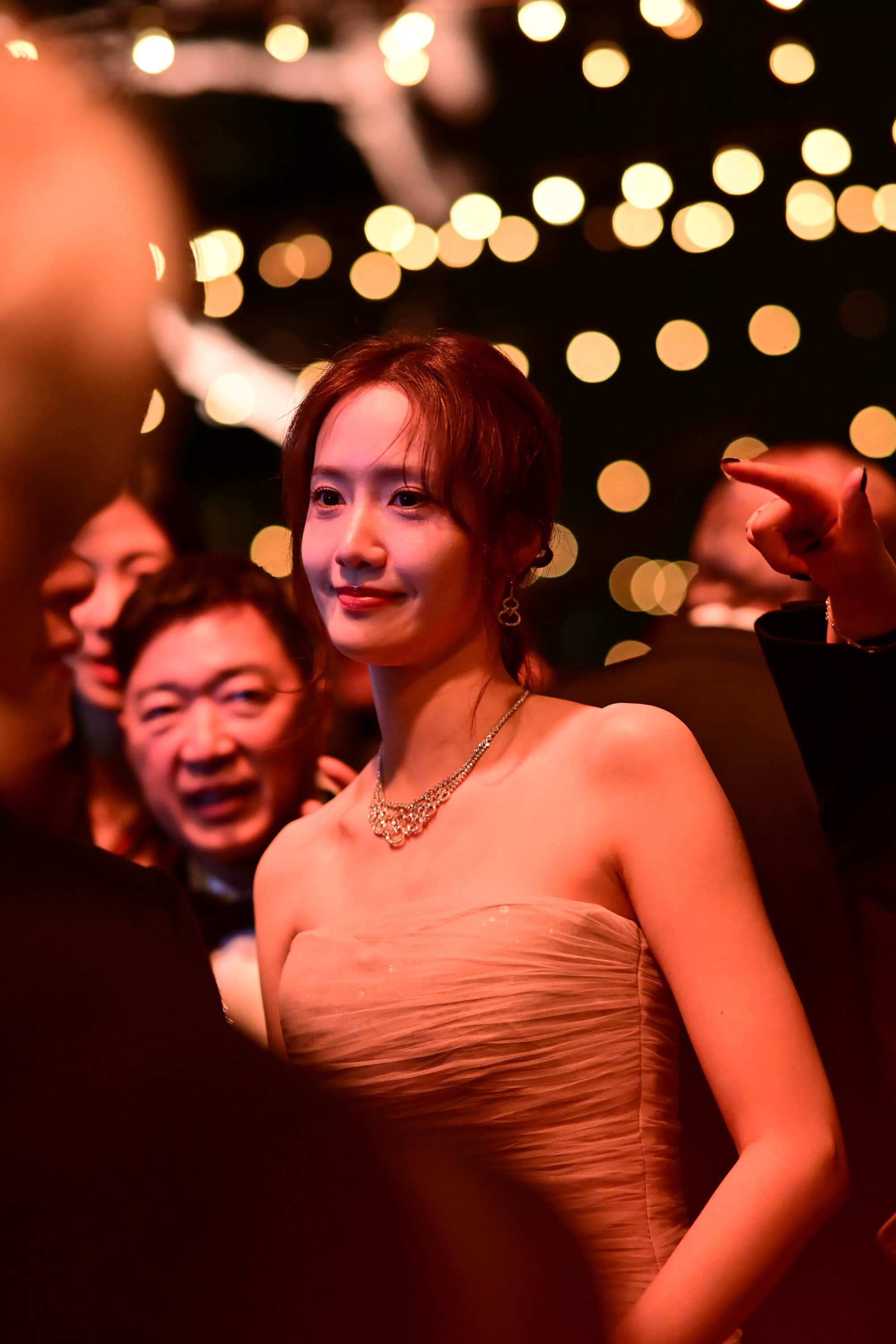
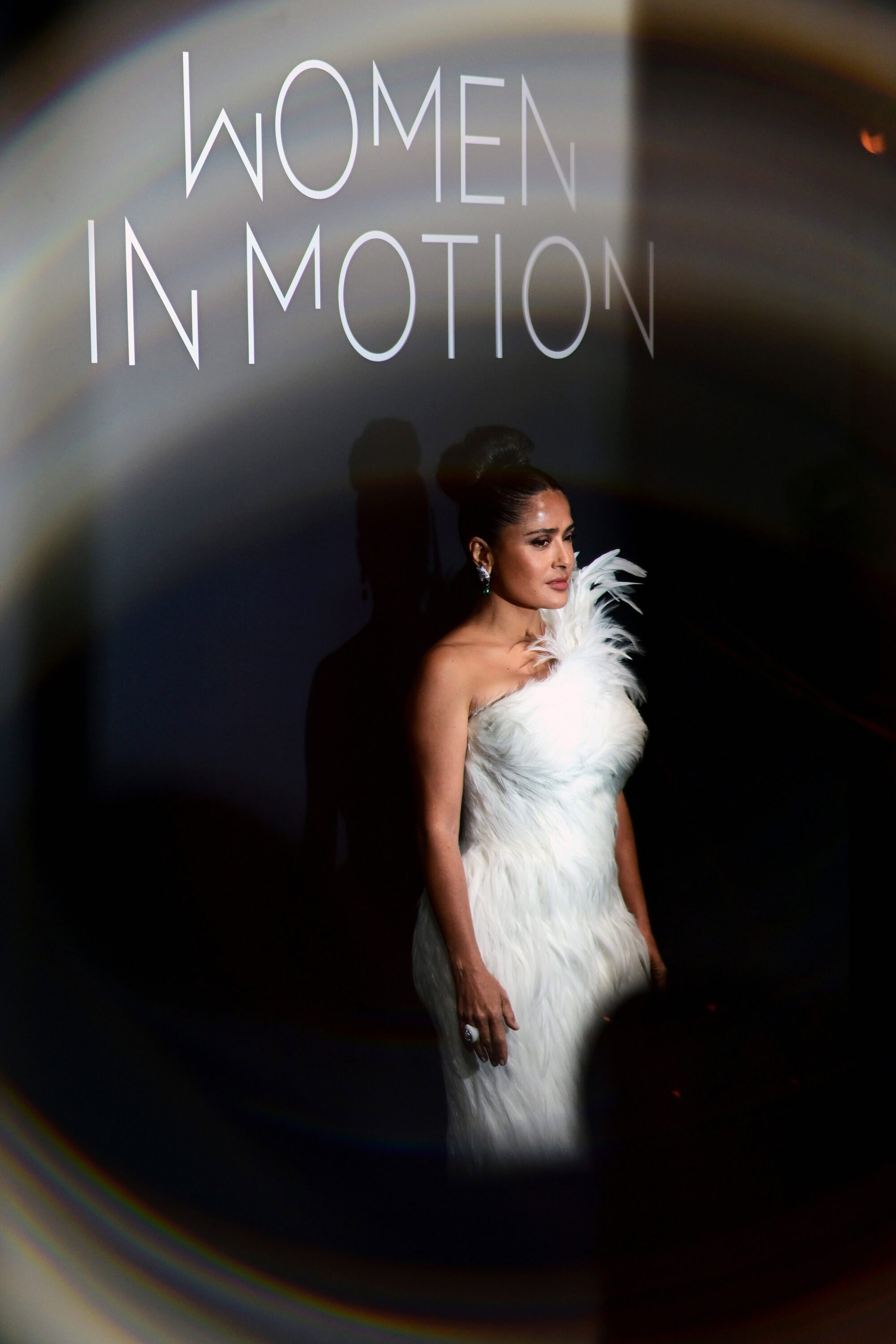
Kering’s Women in Motion Honors Julianne Moore at Cannes
As Kering’s Cannes Platform Enters Its Second Decade, Moore, François-Henri Pinault, Iris Knobloch, And Margherita Spampinato Turned The Evening Into A Powerful Reminder That Visibility Is Only The Beginning
At Cannes, the gaze is everywhere. It follows the gowns up the stairs, catches the flash of a diamond, tracks the famous face as it moves from car door to carpet to dinner table. But at Kering’s Women in Motion Awards, the question was not simply who is being looked at. It was who is doing the looking, whose stories are being centered, and who has the power to open the door for the women still waiting just outside the room.
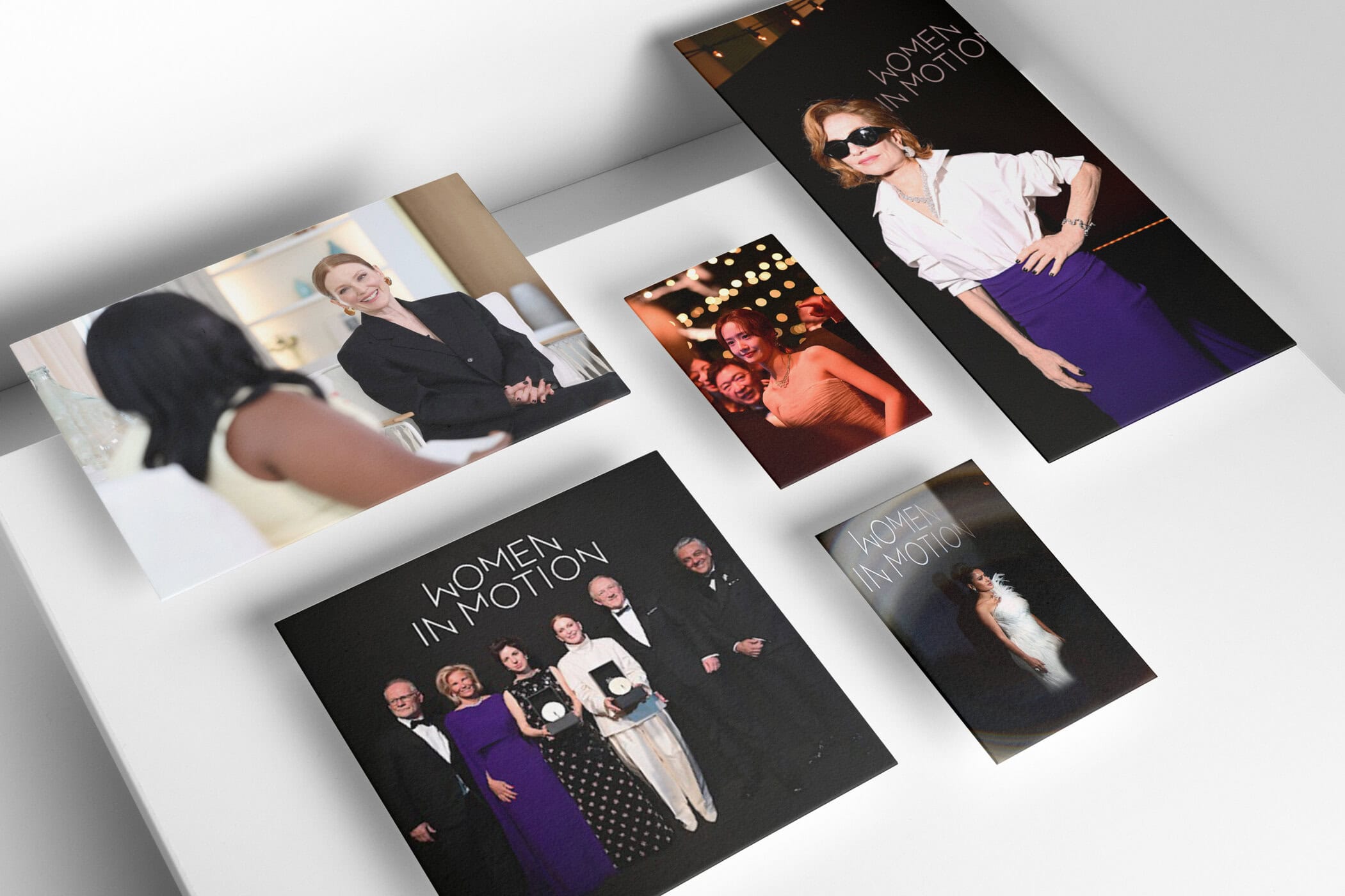
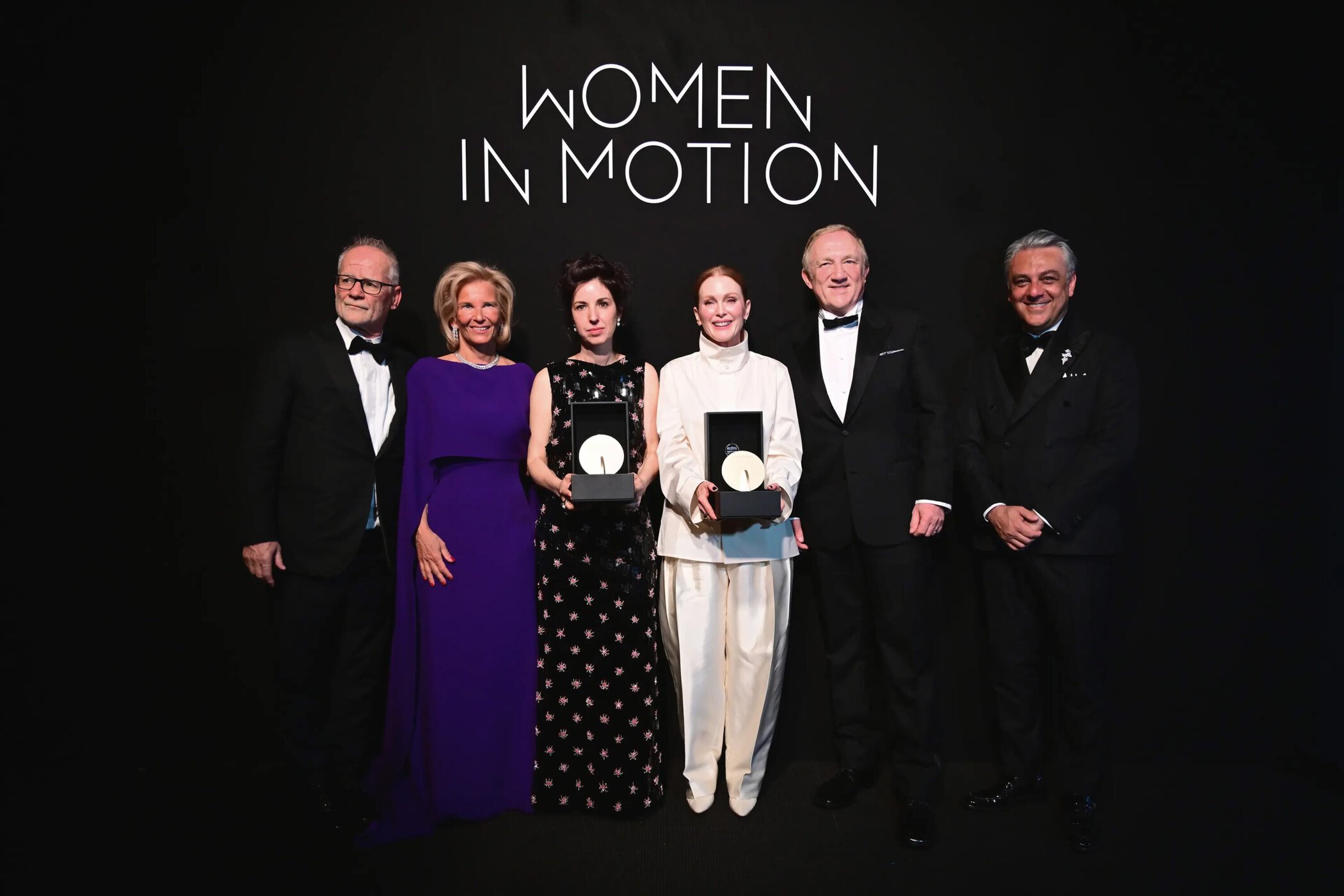
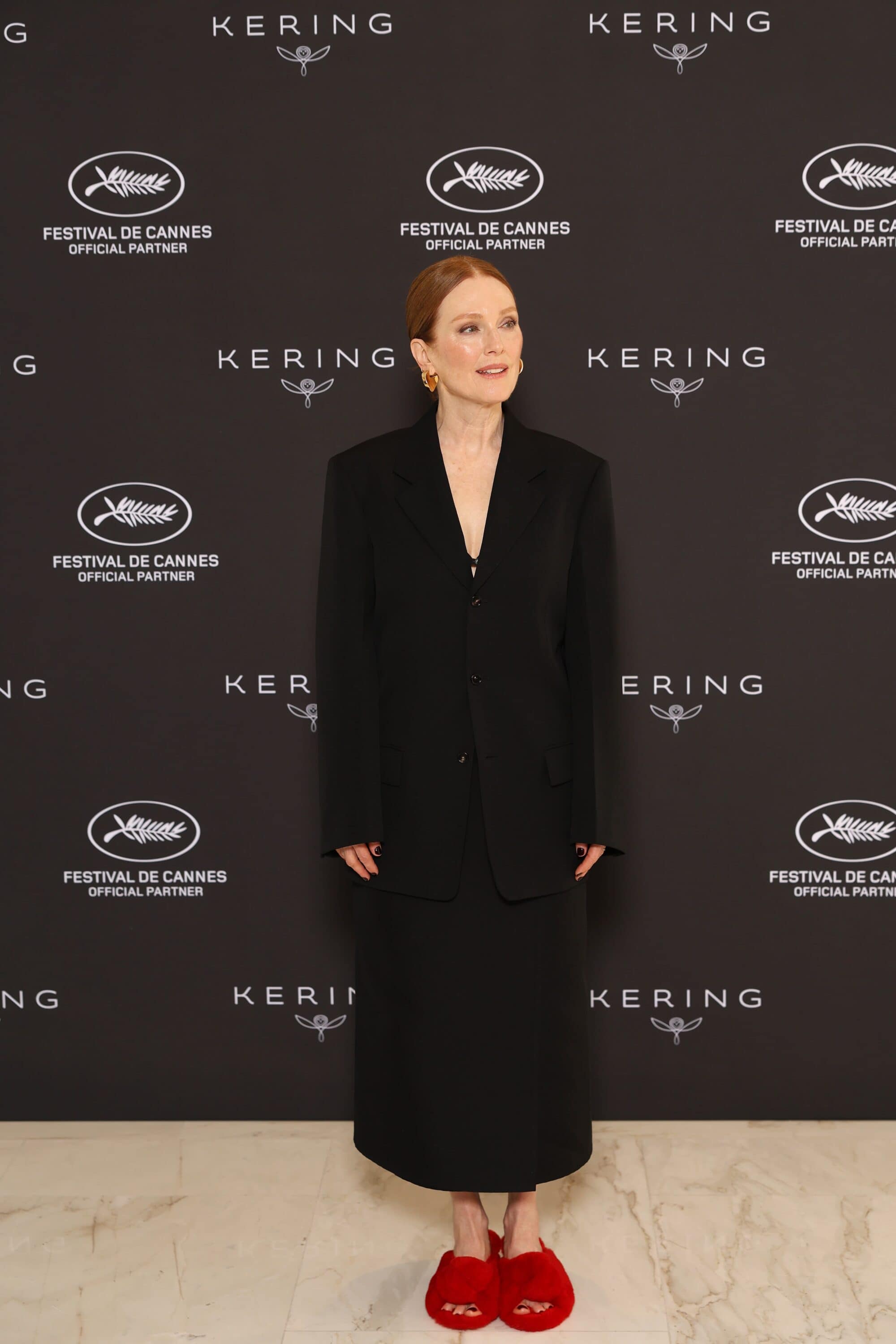
Held during the 79th Cannes Film Festival, this year’s Kering Women in Motion Awards honored Julianne Moore, with the Emerging Talent Award presented to Italian director and screenwriter Margherita Spampinato. Now in its 11th edition, the initiative has become one of Cannes’ most meaningful intersections of cinema, luxury, advocacy, and cultural power. It is also one of the rare festival moments that manages to bring glamour and gravity into the same room without making either feel out of place. Cannes, after all, has never had a problem with spectacle. Kering’s achievement has been using that spectacle to point the lights somewhere more useful.
François-Henri Pinault, Chairman of Kering, opened the evening by placing Women in Motion in the broader mythology of Cannes itself. “There is one place in the world where stories truly come alive. It’s here in Cannes,” he said, before returning to the conviction that led Kering to launch the program 11 years ago: “women in cinema deserve to be seen, they deserve to be heard, and they deserve to be celebrated.” It was a simple idea, but as the evening made clear, simple does not mean solved.
Pinault spoke with pride about what the initiative has become, but also with the necessary caution of someone who knows that progress can be celebrated only if it is not mistaken for completion. “Today, women represent more than a quarter of the directors selected by major festivals,” he said. “It is a progress, not enough, certainly, but it is a real progress toward our targets to reach 50%.” The numbers mattered, but Pinault was careful to move beyond them. Women in Motion, he said, is also about “stories long untold,” “voices long unheard,” and “talent too often overlooked.”
That point was echoed earlier in Cannes by Laurent Claquin, Chief Brand Officer of Kering, who described the initiative as a way “to shine a light on women’s vision and women’s talent, not that much about because we’re women, it’s just because it’s been overshadowed over the years, and the gap is still there.” The distinction is important. Women in Motion is not asking the industry to applaud women as a category. It is asking the industry to reckon with the talent, authorship, imagination, and authority that have too often been treated as peripheral when they were, in fact, central all along.
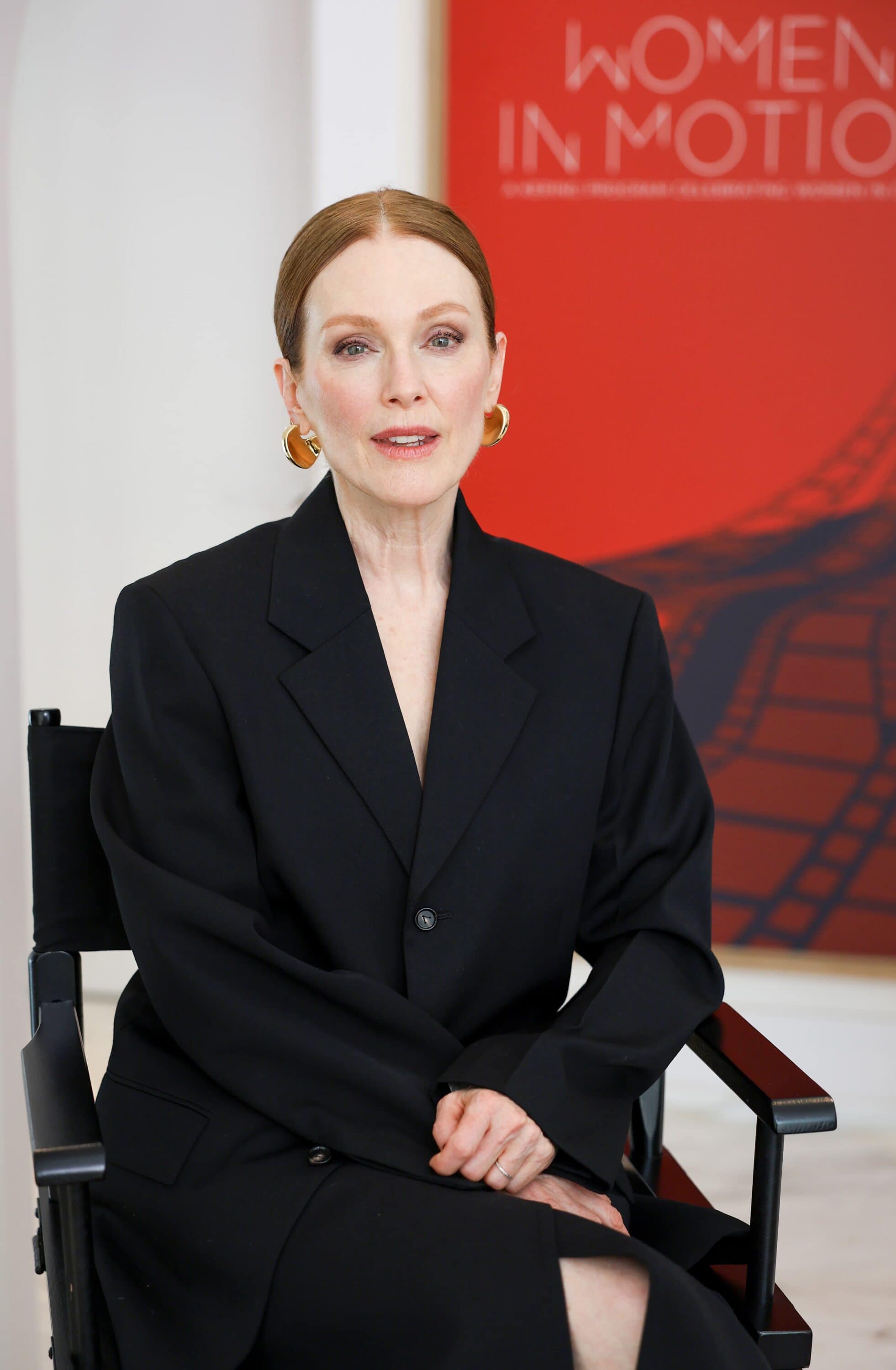
This year’s honoree made that argument almost effortlessly. Julianne Moore is a particularly resonant Women in Motion recipient because her career has never depended on one narrow idea of what a leading woman should be. Across decades of work, she has played women who are desiring, difficult, maternal, political, lonely, funny, furious, wounded, unknowable, and alive in ways that resist easy packaging. She has never needed likability to be interesting. In a business that still often asks women to be symbols before it allows them to be people, Moore has built a career out of complexity.
Pinault described her as “a transformative figure in cinema,” praising her for choosing “the more demanding path” at a time when the industry often favored simplicity and predictability. Her performances, he said, remain powerful not only because they move audiences, but because “they challenge us.” Most significantly, he linked Moore’s work to a broader redefinition of screen presence and female authority: “It means showing us that strength can be vulnerable, that beauty can be imperfect, and that every stage of life deserves to be portrayed with dignity and with depth.”
The evening also belonged to Iris Knobloch, President of the Festival de Cannes, whose remarks sharpened the conversation from visibility to access. Knobloch spoke personally about the invisible architecture behind any career, noting that advancement often depends on small but decisive gestures: a phone call, a recommendation, a name mentioned in a room where the person herself is not present. Women in Motion, she argued, exists “not to celebrate what has already been achieved, but to make sure that what became possible for some becomes possible for all.”
It was one of the night’s most powerful reframings. Visibility, Knobloch suggested, has been necessary, but it is no longer enough. “Visibility without access is a beautiful window without a key,” she said. The line landed because it named the precise danger of cultural progress when it remains cosmetic. To be seen is not the same as being financed. To be praised is not the same as being hired. To be invited is not the same as being allowed to decide.
Knobloch continued by defining power not as an embarrassment, but as a responsibility. “Power is not offering advice over coffee. It is putting a name forward in a meeting,” she said. “Power is not observing change. It is signing the check that makes it all possible.” In a room filled with people who can make calls, fund films, move careers, and shift narratives, it was a direct challenge, and a refreshing one. Cannes is very good at celebrating influence. Knobloch asked what influence is for.
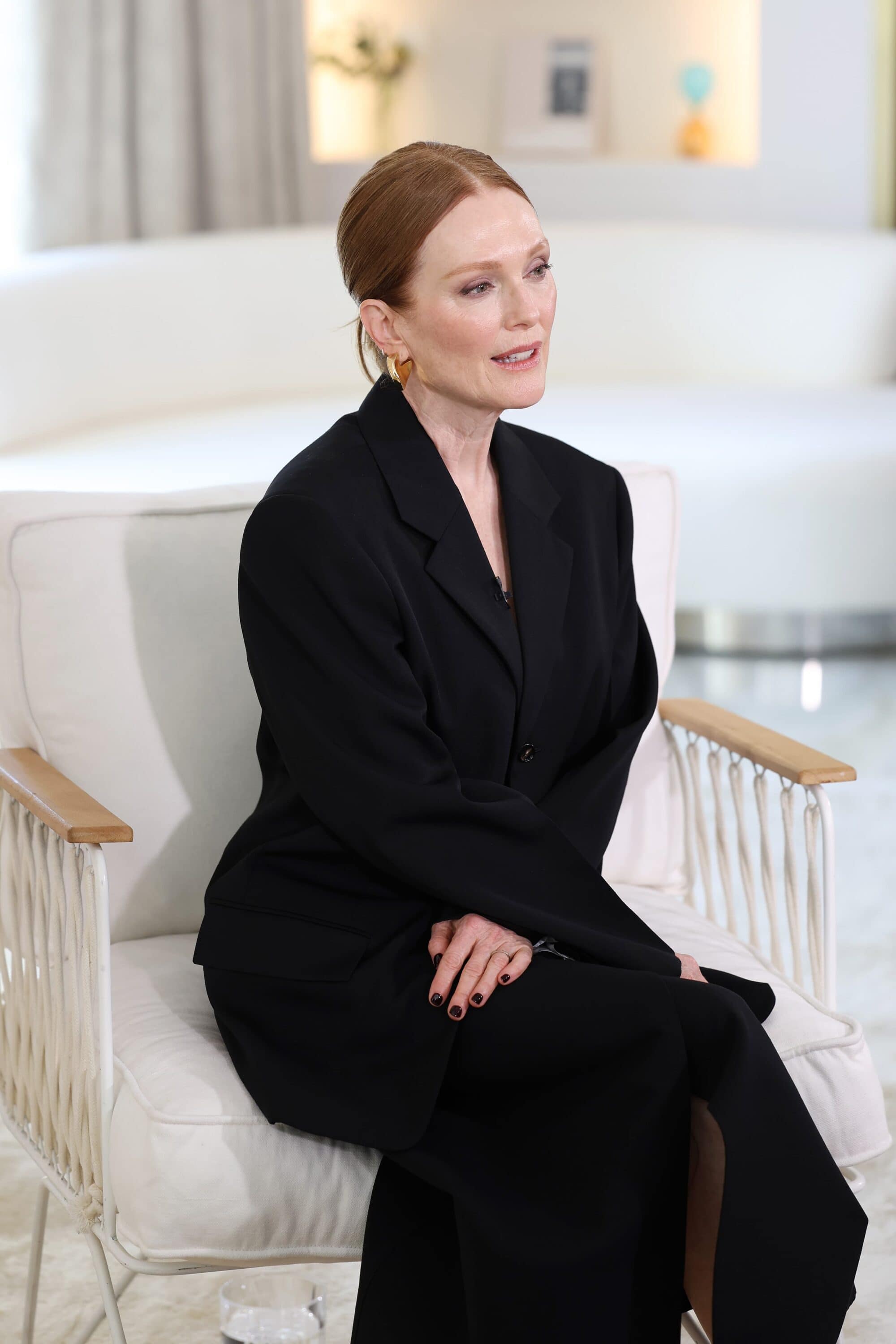
That idea connected beautifully with Moore’s remarks from her Women in Motion Talk the day before, where the actress described change as something built slowly, through daily decisions and alliances rather than grand declarations. Speaking about representation in cinema, Moore said, “you do it slowly, steadily, mindfully making choices, speaking up, using your privilege, hiring more, talking about alliances, changing things.” Then came the line that could almost serve as the secret engine of the entire initiative:
I feel like women are each other’s greatest allies, and that’s been that’s like the secret sauce. It’s like we are the ones that have each other’s backs, we are the ones that hire each other, we are, we are the ones that write stories about ourselves. – Julianne Moore
There it was: not the slogan, but the mechanism. Women in Motion is most compelling when it moves beyond the language of awareness and into the mechanics of authorship. Who hires? Who funds? Who writes? Who recommends? Who gets protected? Who gets another chance? Who gets to fail and still be called promising? Who gets to be complicated and still be called worthy of the screen?
Moore’s awards speech returned to the central subject of the gaze, but with a wit and specificity that made the room feel less like a gala and more like a confession of shared recognition. Surrounded by the beauty of Cannes, she said, “even that I feel is an invitation to look to direct your gaze to something, to see all of the women in the room.” Moore spoke not only as someone used to being watched, but as someone deeply invested in watching women herself. “I fucking love actresses,” she said. “I love to look at them. I love to identify with them. I choose a lot of what I watch based on who I’m going to look at for two hours, looking at you, Isabelle Huppert.”
It was funny, but it was also precise. Moore was not simply celebrating actresses as icons. She was celebrating female point of view as a way of organizing attention, desire, identification, and meaning. “I’m not saying this to be particularly binary, or say the relationships I have with men or male-identifying people are not important to me, but to celebrate the fact that female point of view matters, it matters to me, and that’s paramount in storytelling,” she said. “What is the point of view, and how is it specific?”
Specificity has always been one of Moore’s great gifts. In her talk, she described being drawn to stories with clear perspective, asking whose story is being told, how it is being told, and whether a character’s choices make emotional sense.
She pushed back against the lazy shorthand that turns women into wives, villains, girlfriends, obstacles, or symbols without granting them interior logic. “Nobody’s a villain, and nobody’s the bad guy,” she said. “Everybody’s always acting out what they believe is true and right.”
It is a deceptively simple acting philosophy, but also a political one. To give a woman a point of view is to give her reality.
Her awards speech expanded that idea into a larger critique of invisibility. Moore questioned the cultural assumption, especially in the United States, that women’s stories are “less interesting or smaller,” or that women must be strong, exceptional, or “doing something that is particularly male” in order to justify their place at the center of a narrative. “I think that’s untrue,” she said, asking instead what female audiences want to watch, what women want to see, and what women observe through their own lens.
The answer, for Moore, is more female vision everywhere: “We need more female voices in our industry, more writers, more directors, more actresses to carry that vision forward, what we see.” It was a speech about looking, but also about authorship. Moore was not asking merely to be visible. She was asking for women’s ways of seeing to be treated as necessary to the art form.
The Emerging Talent Award brought that idea into the next generation. Margherita Spampinato, honored for her film Gioia Mia, spoke of the award as both symbolic and practical, noting the importance of recognition paired with financial support. Her film, she said, was inspired by her grandmother, her cousins, and her grandmother’s close friends, women who shaped her imagination and whose world became the foundation of her storytelling. In one of the night’s loveliest gestures, Spampinato imagined those women being proud to know that the story had arrived in this room, at this festival, under this banner. It was exactly the kind of lineage Women in Motion exists to make visible: women remembered by women, carried forward by women, and placed at the center of cinema’s future.
That sense of lineage ran through the entire event. Last year, Kering celebrated the 10th anniversary of Women in Motion with Nicole Kidman, who used her platform to speak about working with women directors and the need for better roles for women as they age. This year, Moore extended the conversation, but in her own register: less declaration, more observation; less manifesto, more lens. Together, these honorees form something richer than a list of celebrated actresses. They represent an evolving argument about cinema itself.
And that may be the real strength of Women in Motion as it enters its second decade.
The platform has grown beyond the language of tribute. It is no longer only about honoring women who have moved the culture. It is about asking who gets to move next, and who in the room is willing to help move them.
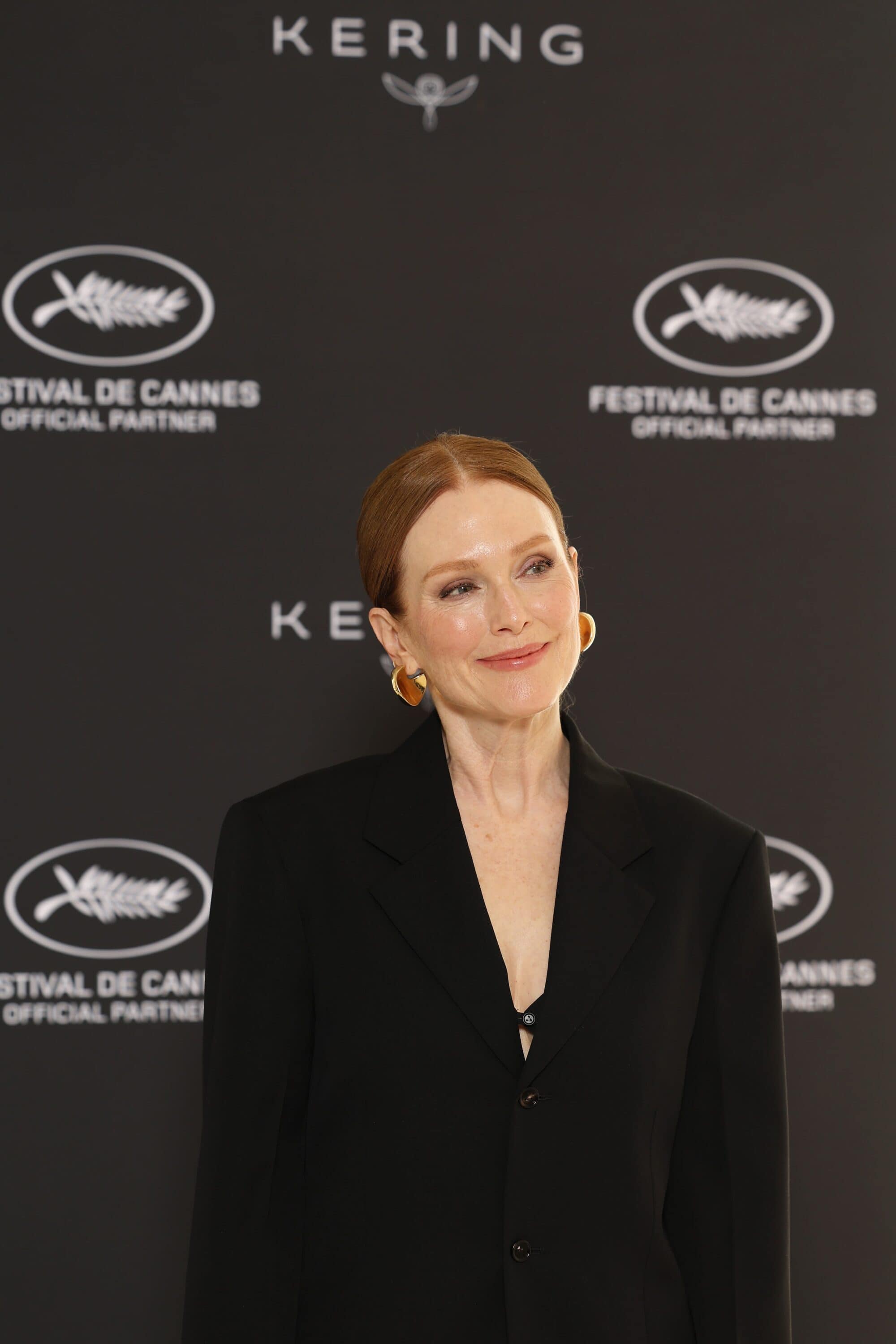
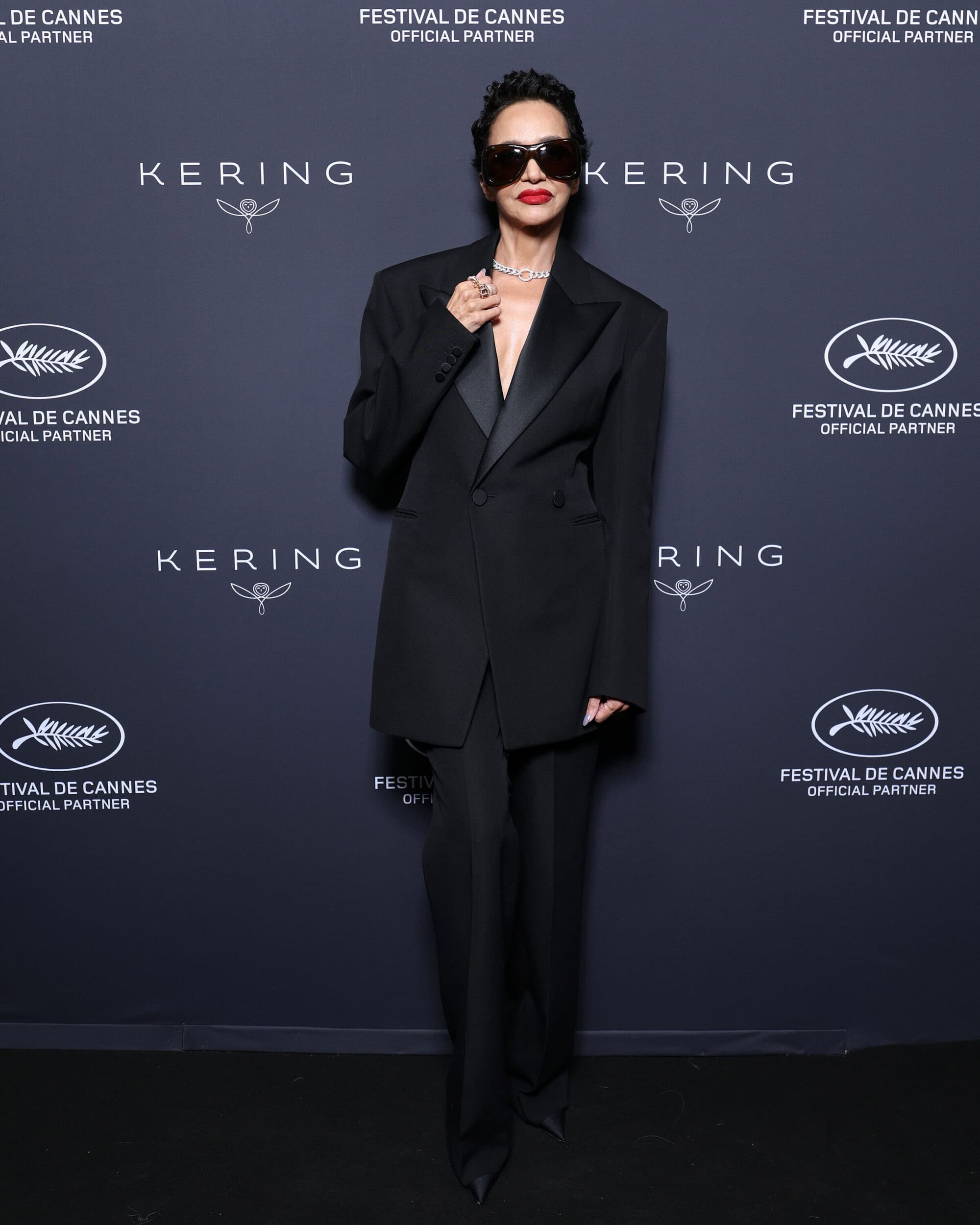
Kering’s presence at Cannes has always had an obvious fashion dimension. The group’s houses help shape the festival’s visual language; its ambassadors and friends move through the Croisette with the sort of polish that keeps photographers employed and Instagram well-fed. But Women in Motion gives that presence a more durable cultural purpose. It suggests that luxury’s role in cinema does not have to stop at the red carpet. It can also support the conditions by which stories are made, financed, protected, and remembered.
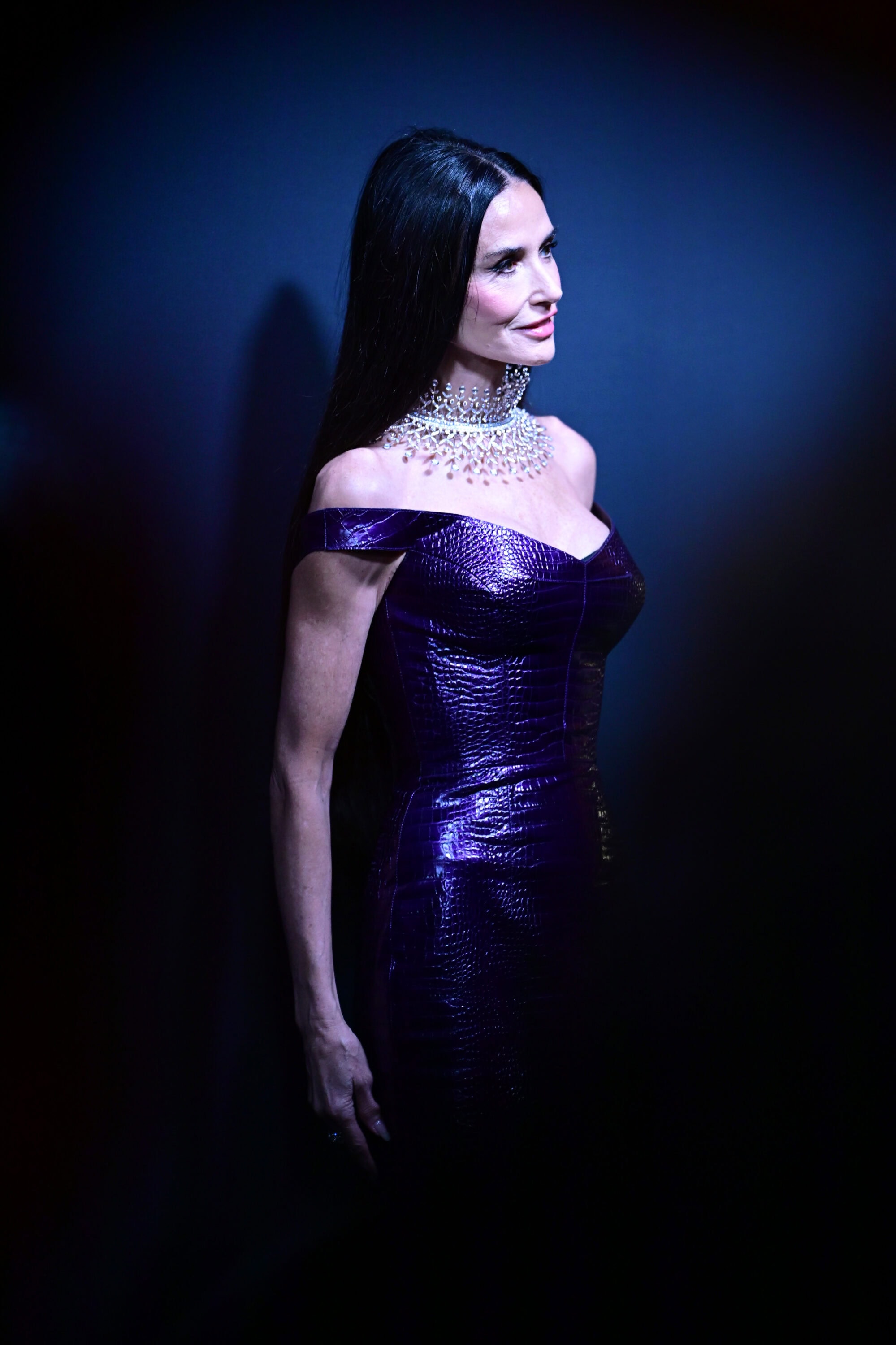
That does not mean the evening lacked glamour. This was still Cannes, and Cannes does not do modesty without a fight. But the wit of the night was that beauty became the invitation, not the conclusion. Moore herself began there, acknowledging the distraction of the setting before turning it into a prompt: look harder, look differently, look at the women in the room.
By the end, the most important word of the evening may not have been visibility, though it was everywhere. It may have been access. Access to financing, to decision-making, to authorship, to the gaze, to the rooms where names are put forward and careers are quietly changed. Women in Motion began with the conviction that women in cinema deserve to be seen and heard. Eleven years later, the sharper question is whether those who see and hear them are prepared to act.
Moore’s answer, like Knobloch’s and Pinault’s, was not abstract. It was practical, intimate, and exacting. Hire women. Fund women. Recommend women. Watch women. Write women. Let women be specific. Let them be ordinary, difficult, funny, strange, desirous, aging, brilliant, and flawed. Let them be at the center without needing to justify the size of the story.
At Cannes, where stories always arrive dressed for the occasion, Kering’s Women in Motion offered one of the festival’s clearest reminders: visibility matters, but access, authorship, and authority are what turn recognition into change.