A House in the Making
Review of Chanel Fall 2026 Fashion Show
By Mackenzie Richard Zuckerman
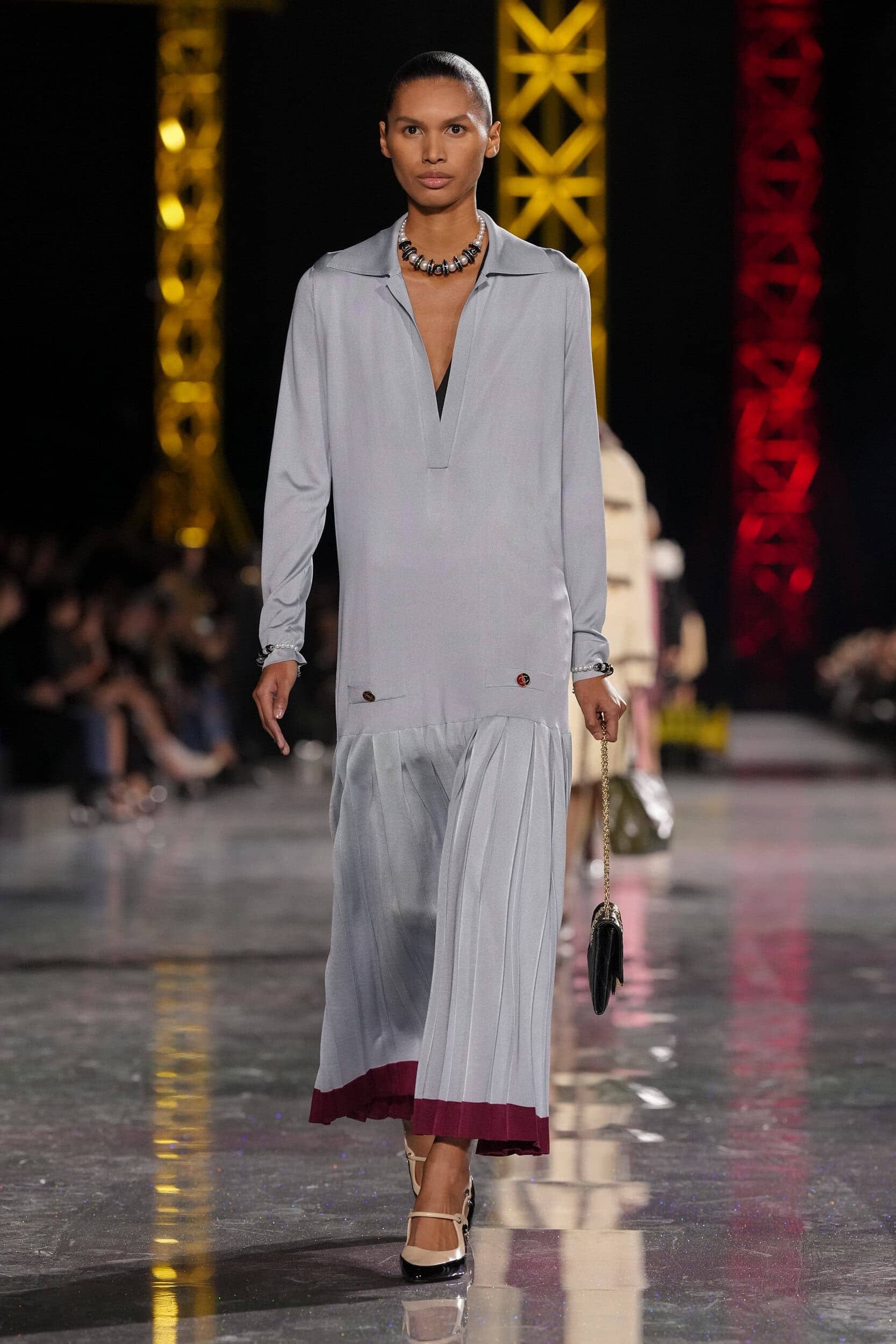
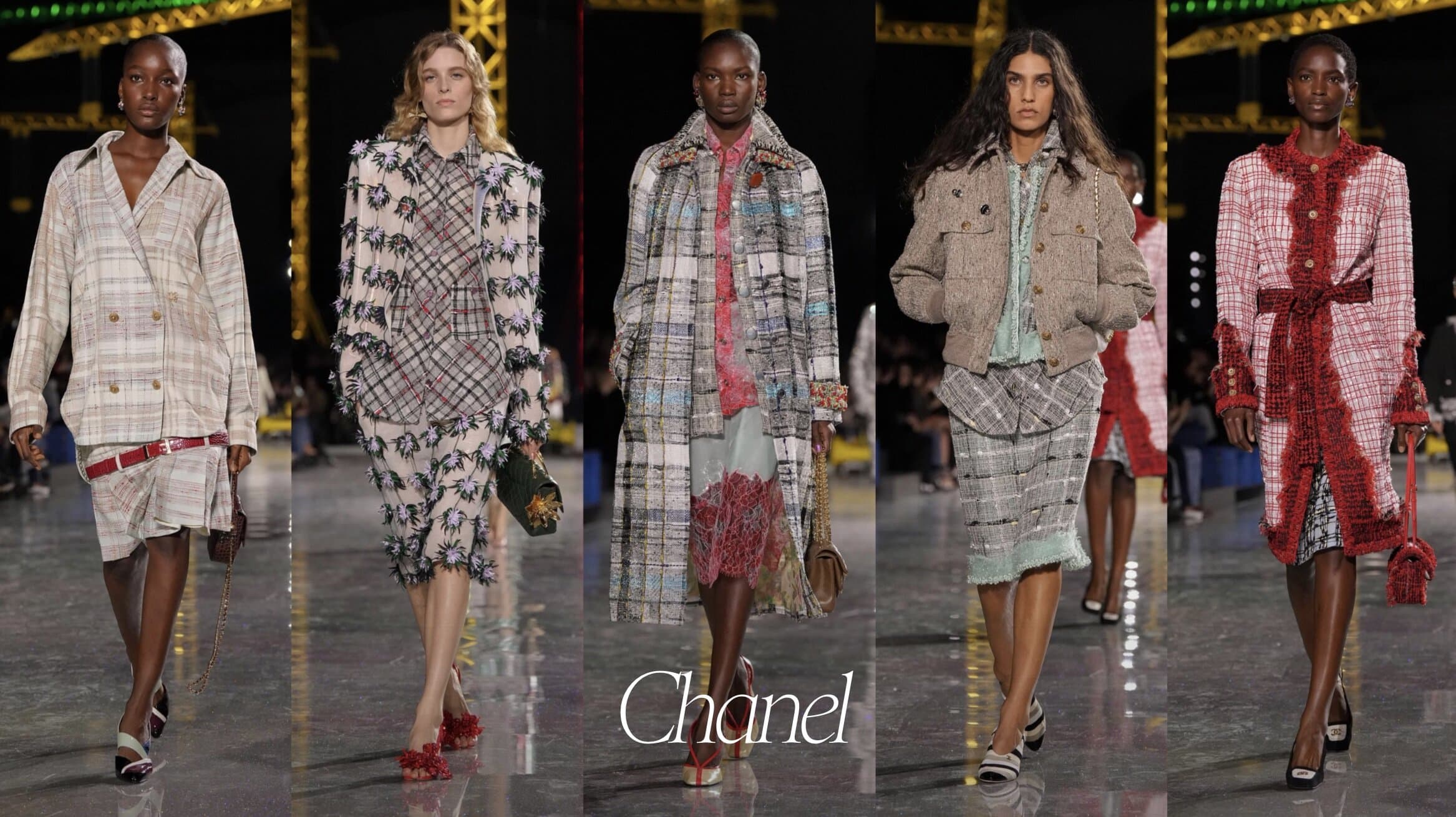
Under the glass vault of the Grand Palais, Chanel’s runway unfolded across a shimmering holographic floor that reflected the light like liquid metal. Above it rose towering construction cranes painted in bold primary colors—yellow, red, green—stretching upward into the vastness of the space. The scene felt at once playful and deliberate: part architectural site, part dreamscape.
At a house where history is one of its greatest assets, the symbolism was difficult to miss. Construction cranes rarely signal completion; they signal work underway. Under Matthieu Blazy, Chanel does not appear interested in presenting itself as a finished monument to legacy. Instead, the house seems intent on revealing itself as something living—something being assembled in real time.
And in the clothes that followed, that act of reconstruction became clear.
THE COLLECTION
THE VIBE
Craft in Motion, Constructive Heritage & Metamorphic Tweed
If the cranes overhead suggested construction, the collection beneath them revealed exactly what Matthieu Blazy is building: a Chanel defined not by nostalgia, but by craft, movement, and the quiet reassembly of the house’s most essential codes.
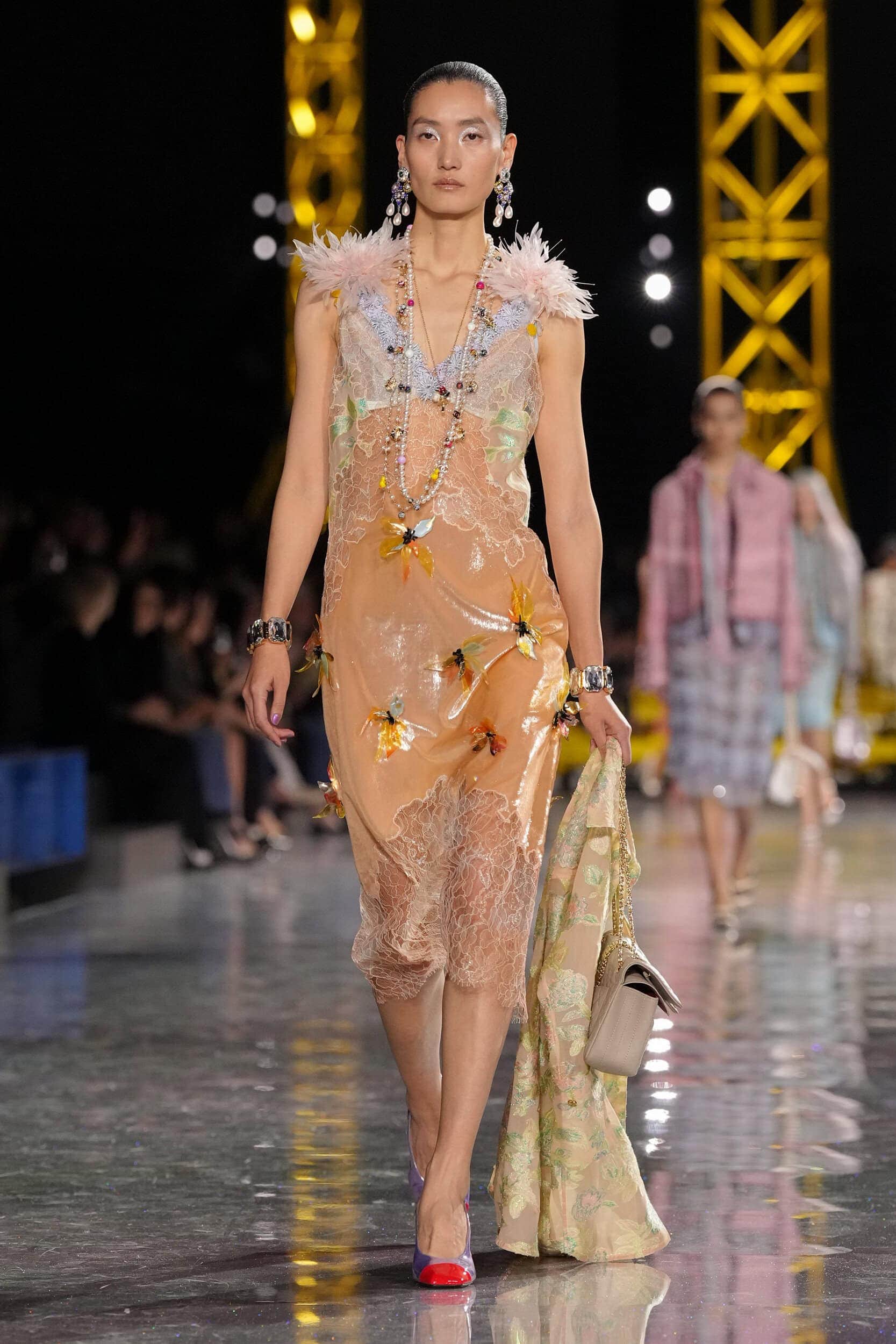
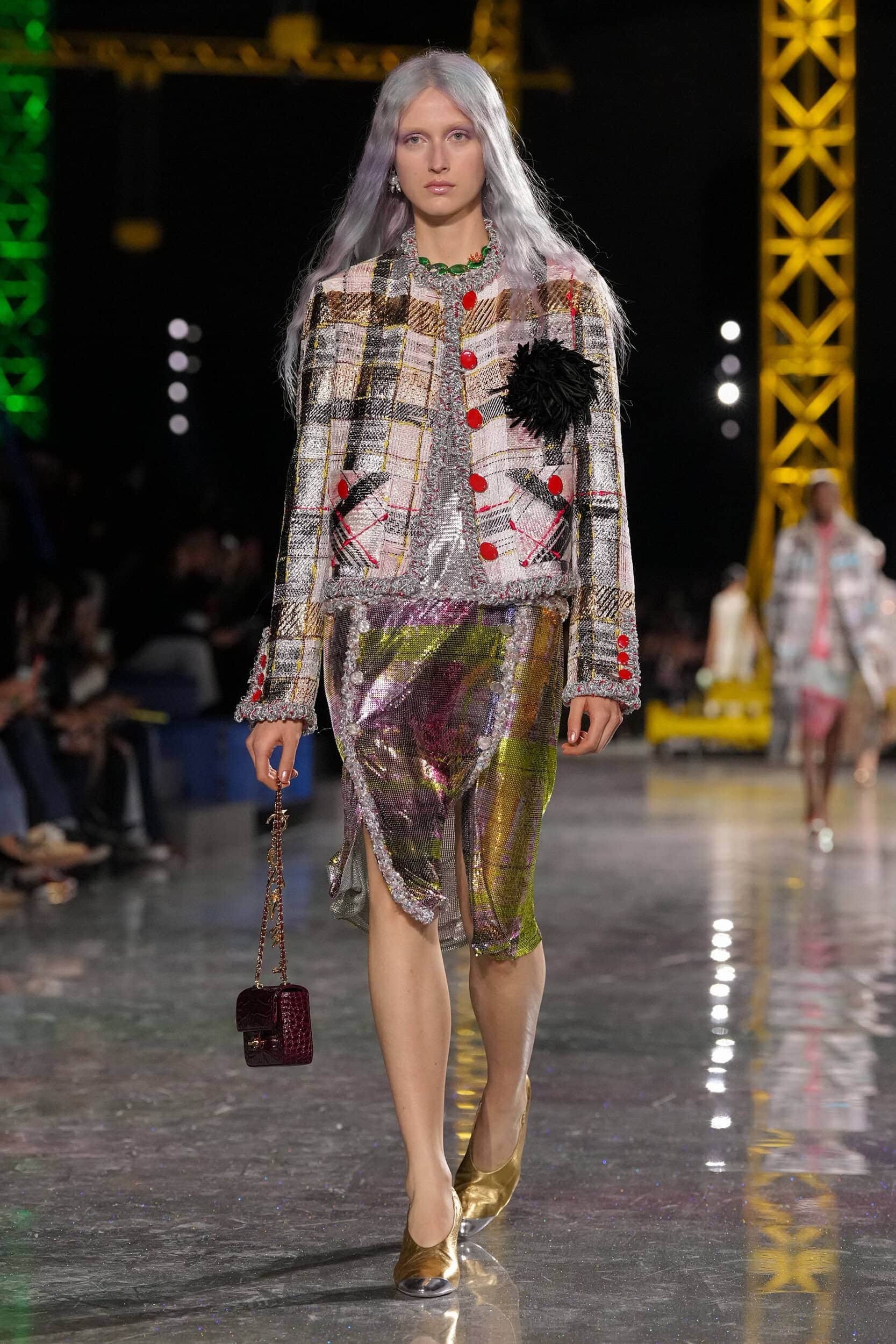
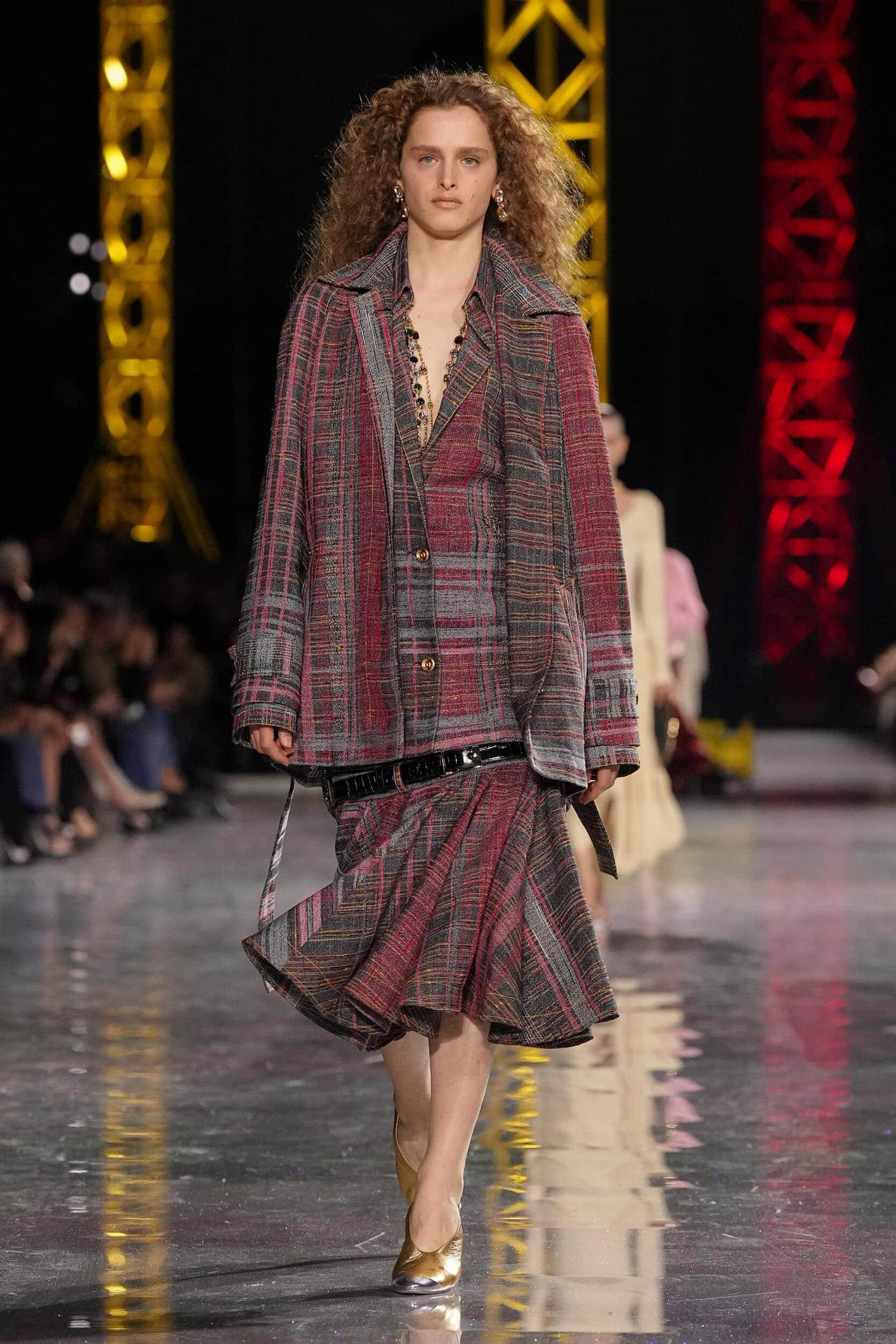
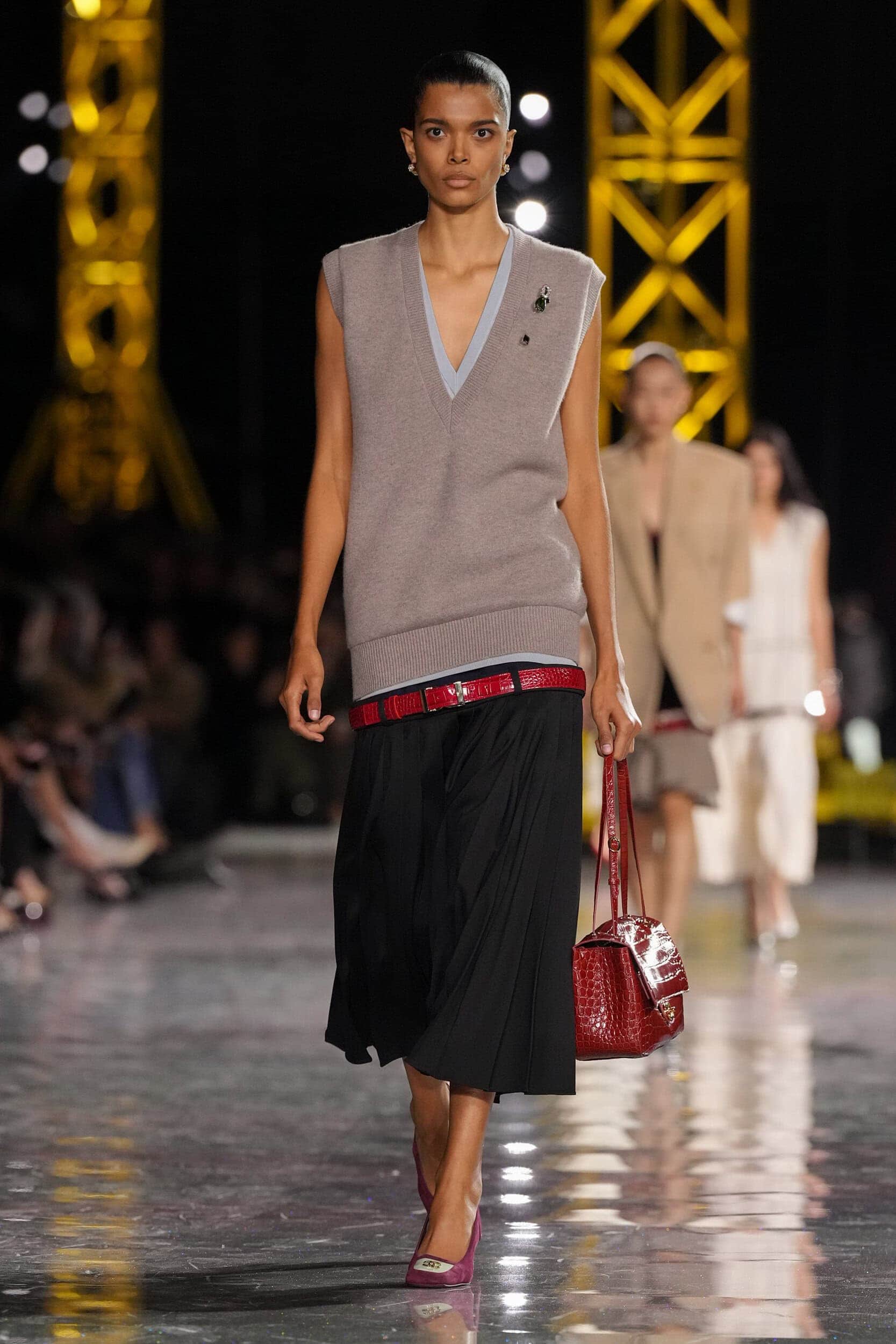
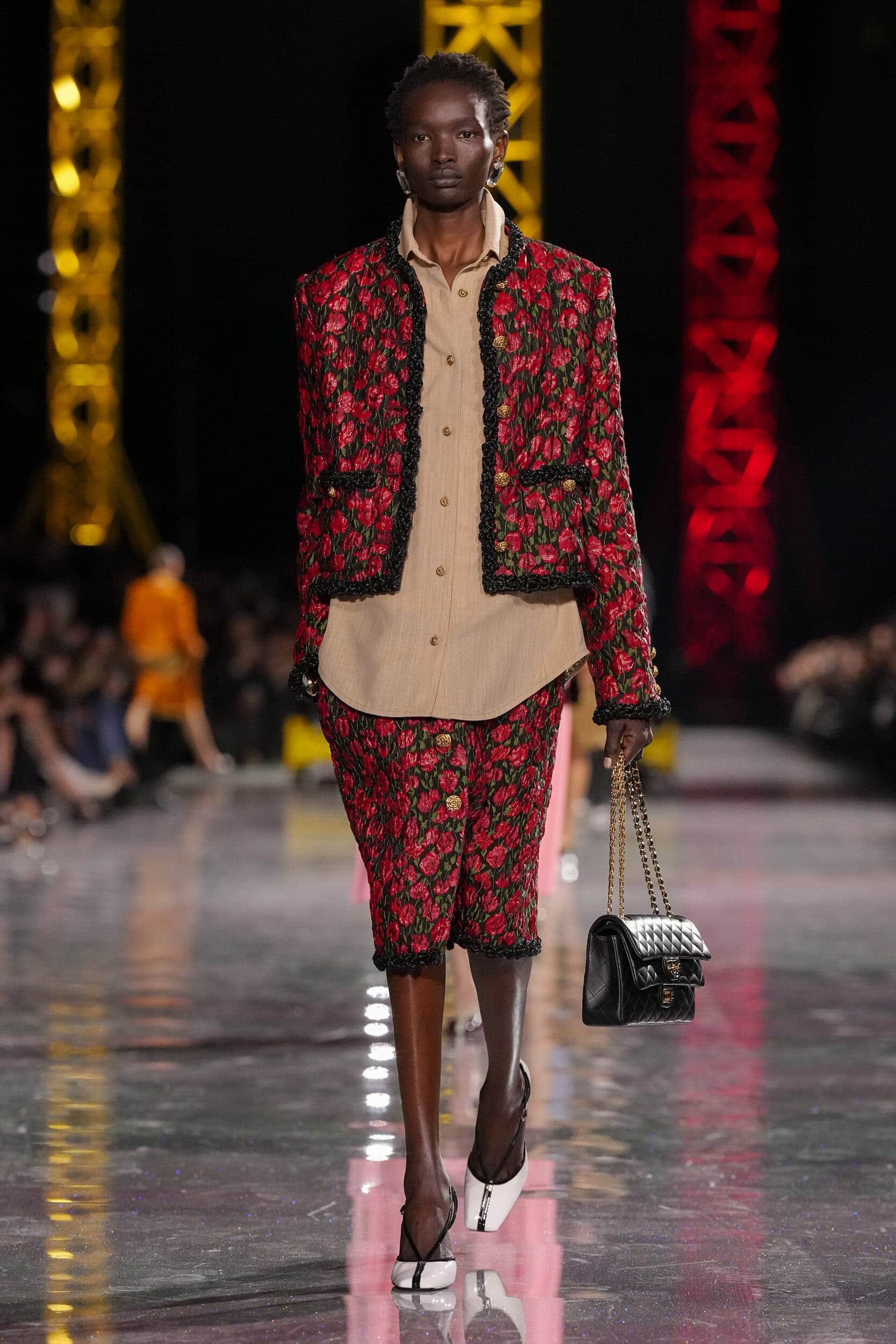
At the center of that effort is tweed. Chanel’s most recognizable fabric appeared throughout the collection, yet rarely in its most expected form. Blazy treats it less as a static emblem of heritage and more as a living material—reworked through unexpected colorations, intricate embellishment, and softened silhouettes. Metallic threads shimmer through certain pieces, while others dissolve into gauzy layers that alter the fabric’s weight and movement. The tweed no longer reads as uniform; it reads as possibility.
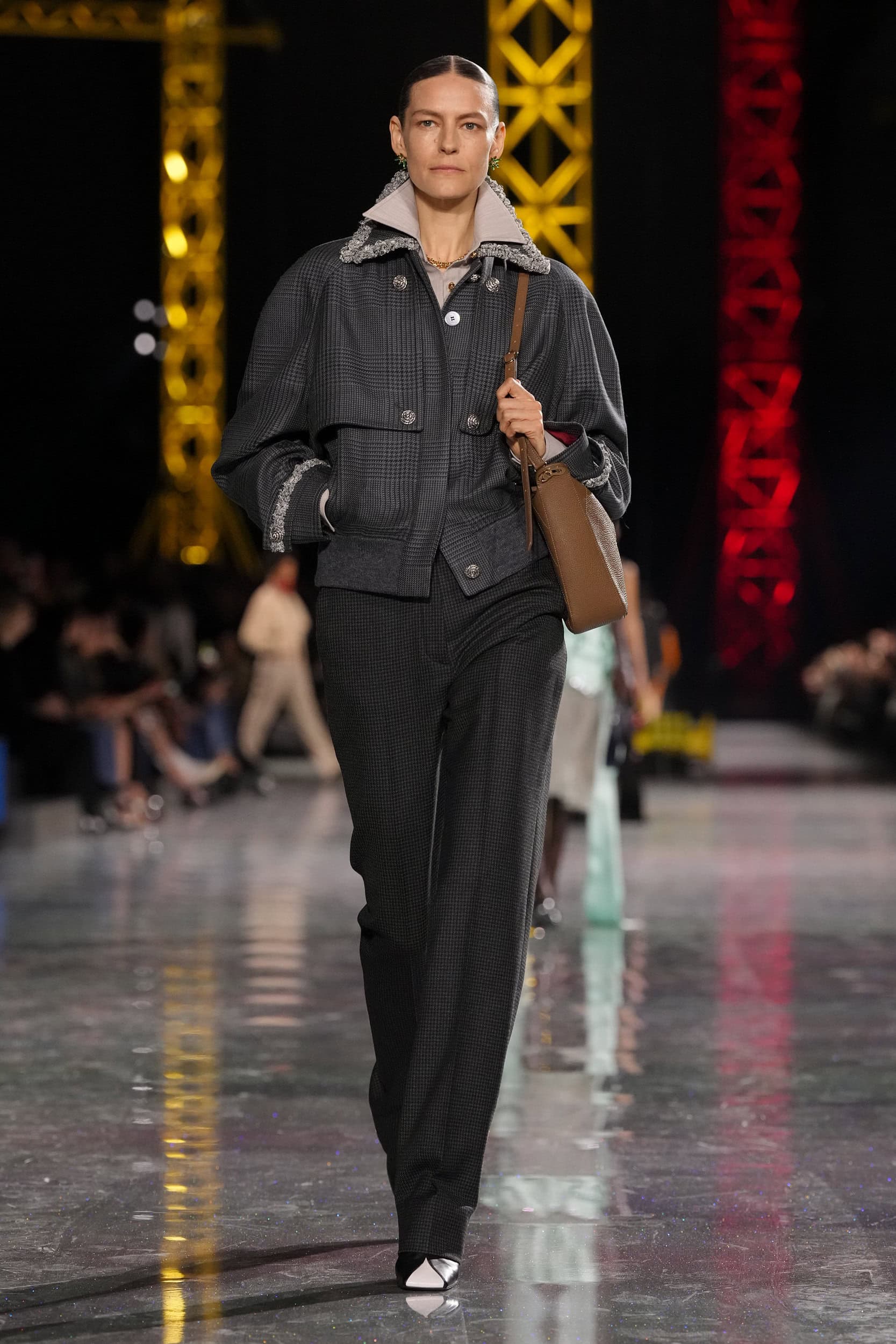
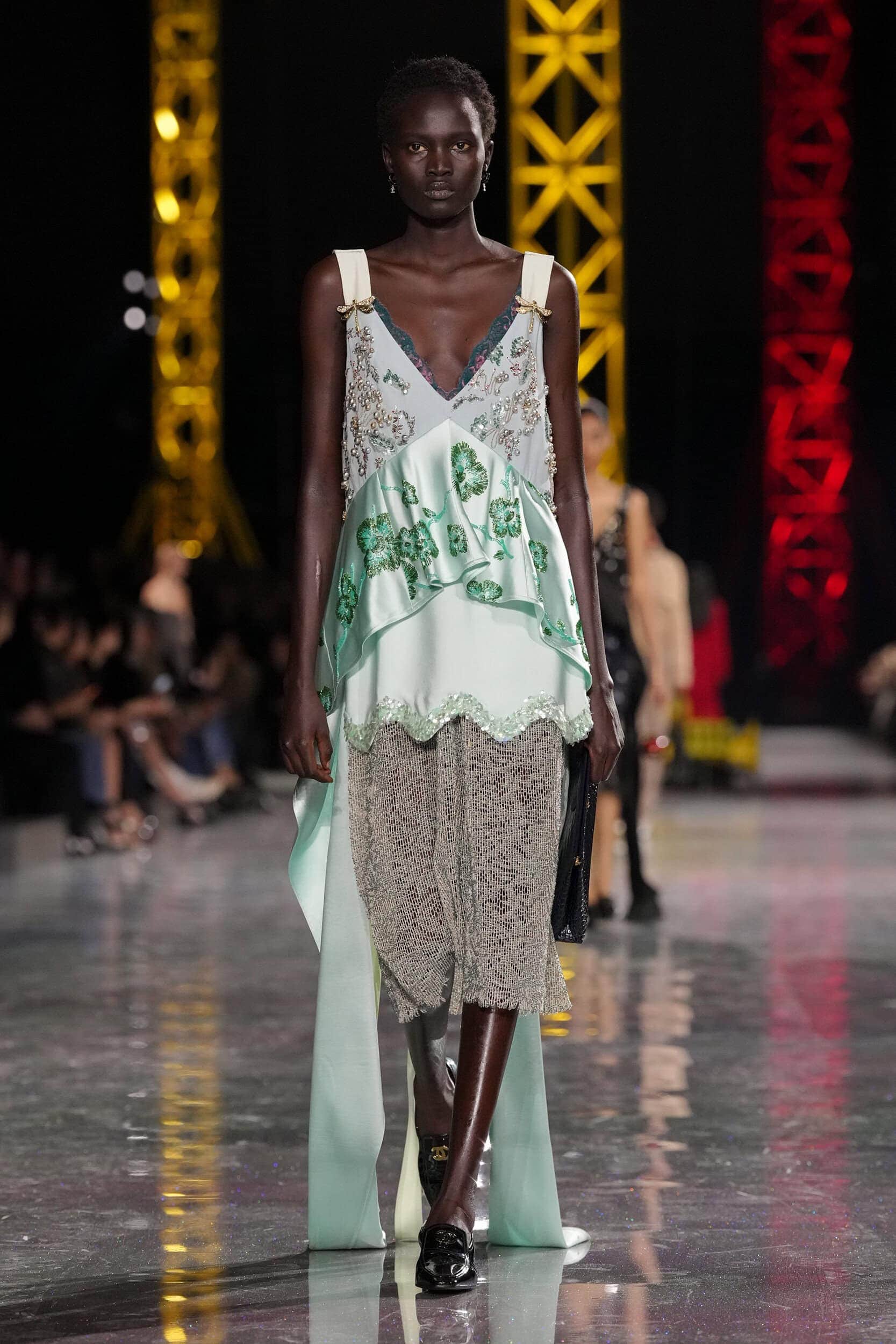
This approach aligns with the philosophical tension outlined in the house’s show notes: Chanel as both function and fiction, day and night, caterpillar and butterfly—a paradox that has defined the house since Gabrielle Chanel herself. Blazy appears to embrace that duality rather than resolve it—choosing instead to live within the tension it produces. Tailored suits sit alongside drifting lace dresses; structured jackets are softened by chiffon and transparency. Precision tailoring remains present, but it now coexists with surfaces that shimmer, float, or transform under movement.
The Chanel suit, long the house’s central archetype, becomes the primary site of experimentation. Blazy reimagines it through new textiles and constructions—bouclé tweeds blended with technical fibers, knitted suits rendered surprisingly light, jackets that drift closer to blousons, and silhouettes that feel less rigid than their historical counterparts. The suit becomes less of a uniform and more of a framework through which different expressions of femininity can emerge.
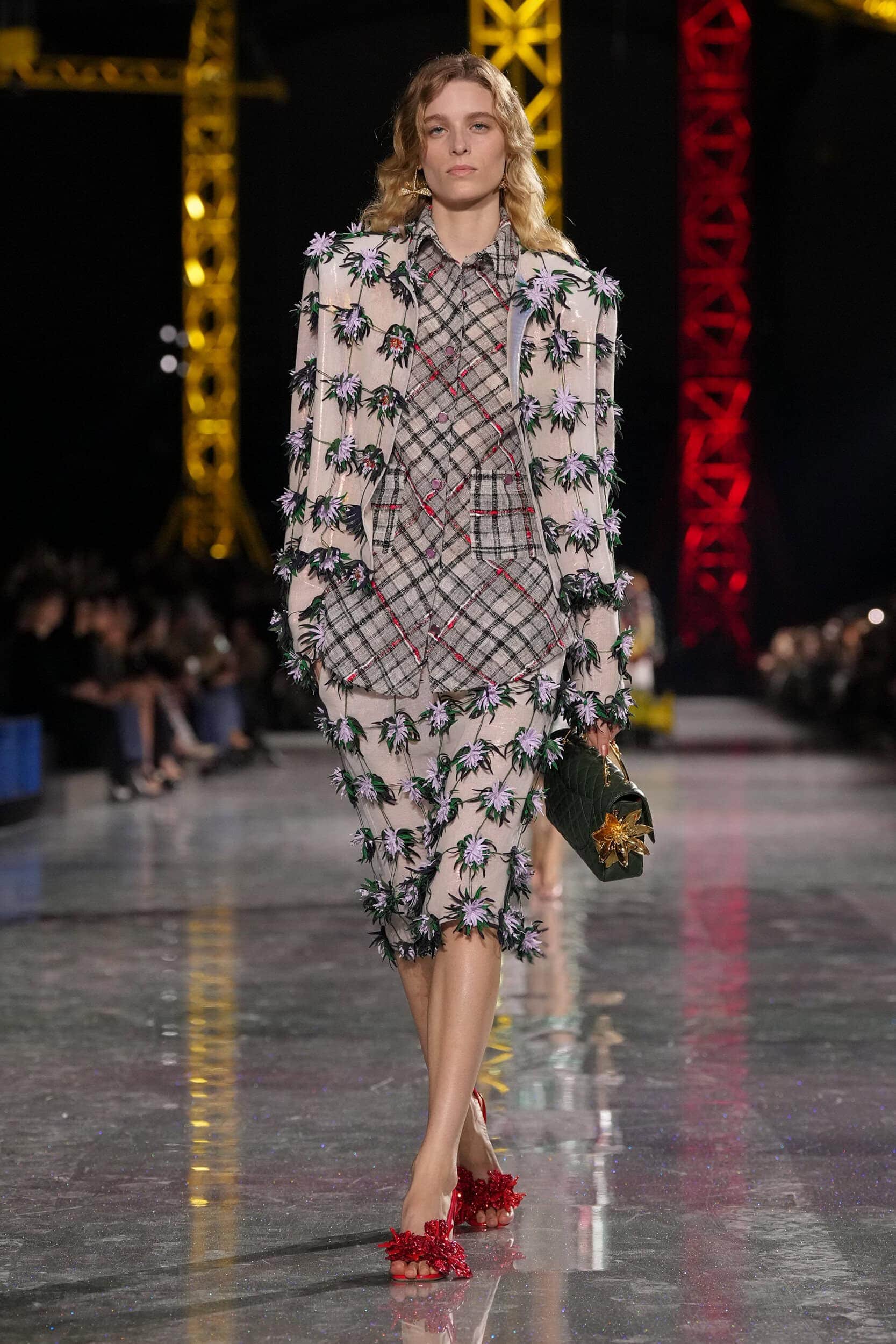
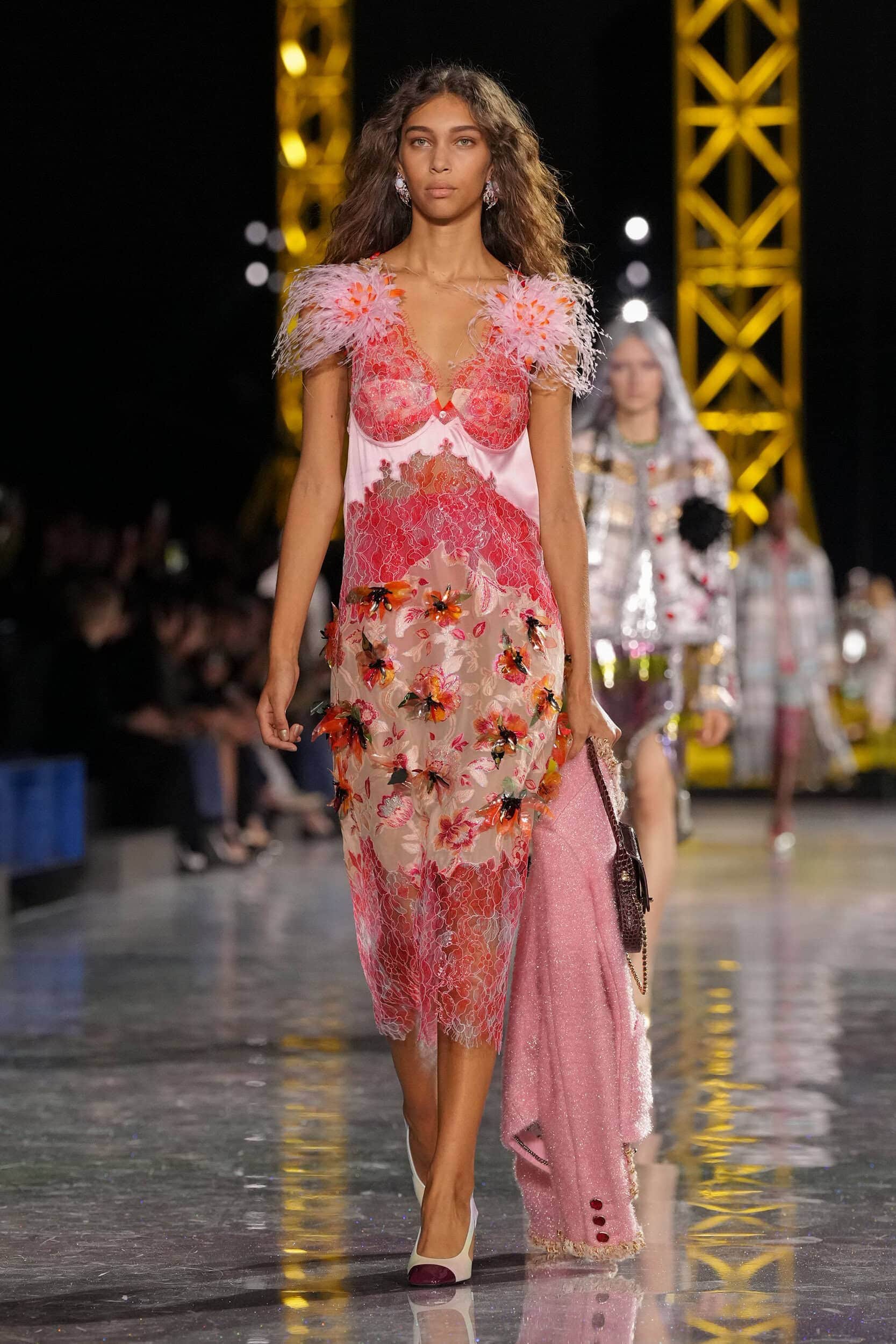
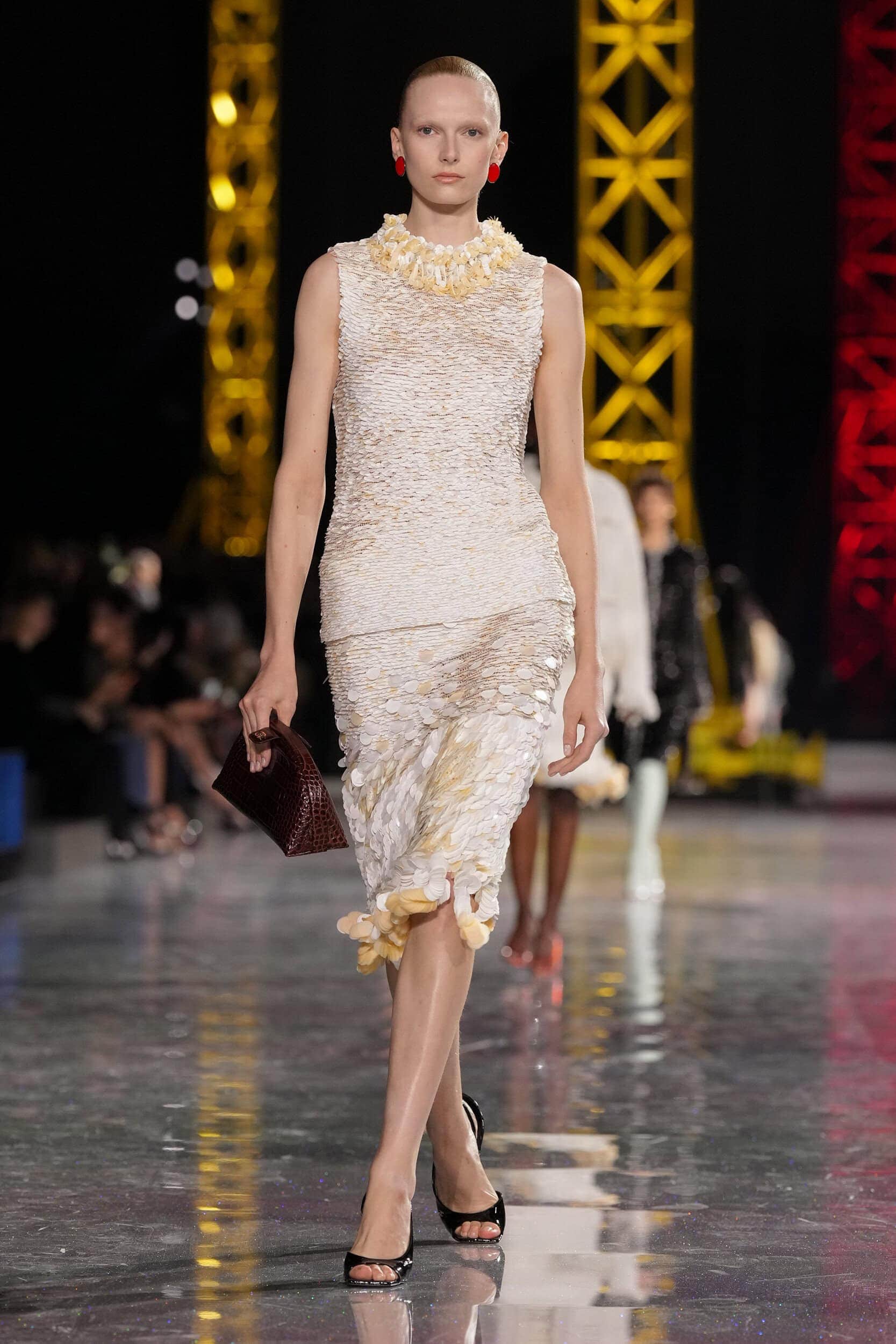
Craft sits at the core of this transformation. Many of the collection’s strongest moments reveal themselves only up close: densely embroidered surfaces, delicate florals blooming across sheer fabrics, and textures constructed with the patience of textile work rather than the immediacy of styling. These garments reward proximity. Their complexity unfolds gradually.
As the show progresses, the mood shifts subtly from grounded practicality toward something more luminous and fluid. Fabrics grow lighter, silhouettes more sinuous, colors increasingly iridescent. The transformation feels intentional—a movement from the grounded “caterpillar” of daywear toward the more expressive freedom of evening, echoing the metamorphic logic embedded within the house’s narrative.
Blazy’s Chanel feels less like a radical reinvention than an act of careful recalibration. The codes remain intact—tweed, tailoring, camellias, chains—but they are treated as materials to manipulate rather than relics to preserve.
THE WRAP UP
Under Matthieu Blazy, Chanel does not appear interested in treating its legacy as something fixed. Instead, the house feels newly engaged with the work of examining the tensions that have always defined it.
The cranes towering above the Grand Palais suggested a site of construction, but the collection made clear that the process underway is not one of rupture. Rather, it is a careful recalibration—an act of lifting, reworking, and reassembling the elements that have long formed Chanel’s language.
By placing craft at the center of the conversation and reimagining the Chanel suit as an adaptable canvas, Blazy begins to articulate a vision of the house that feels both grounded and forward-moving. His Chanel lives comfortably within paradox: practical yet poetic, structured yet fluid, rooted in history yet open to change.
If the set hinted at a house in the midst of building, the clothes suggested what that structure might become. Not a monument to heritage, but something more alive—an evolving system of materials, silhouettes, and ideas that continues to move between function and fantasy.