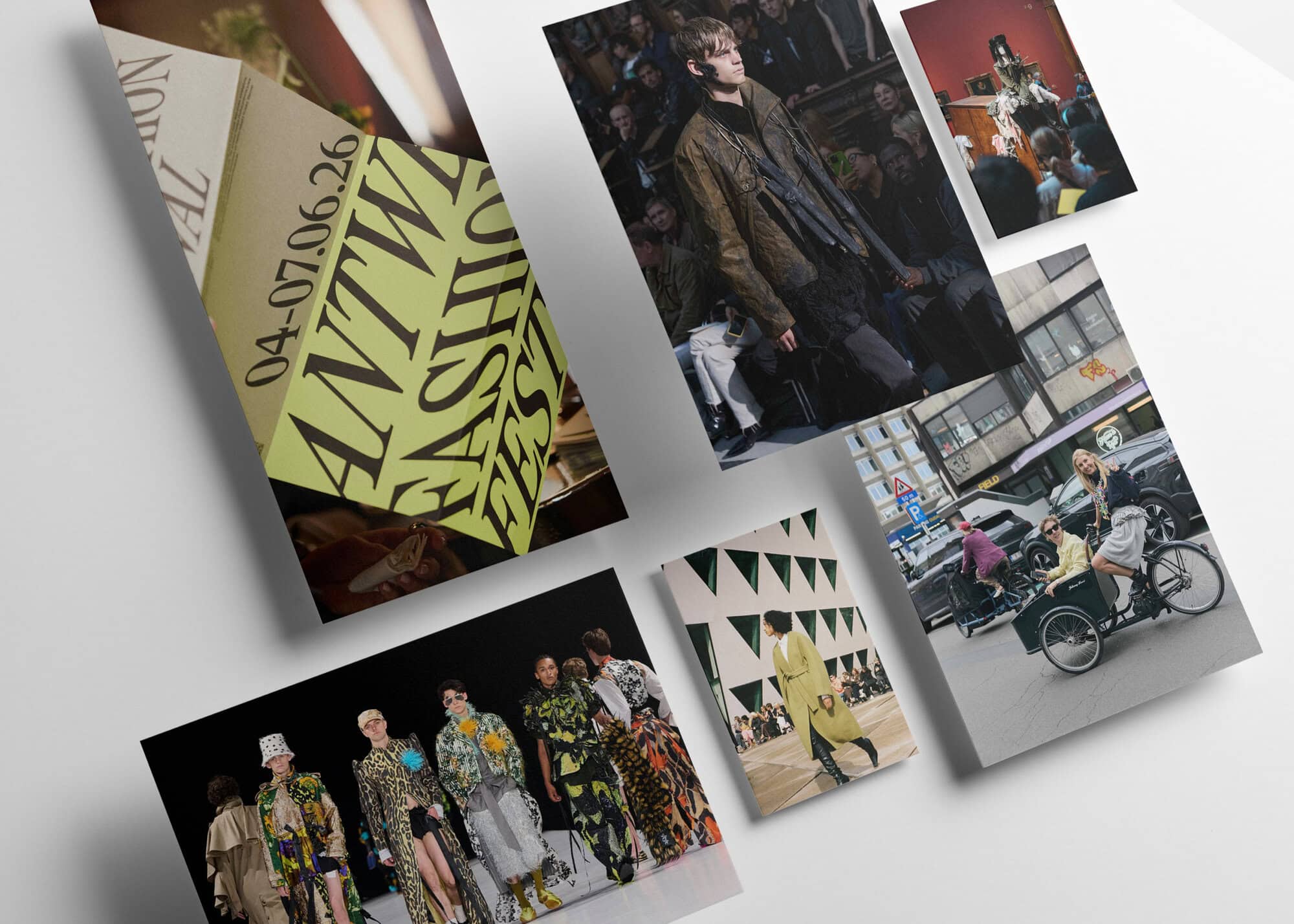
Across Four Days Of Shows, Talks, Exhibitions, Student Collections, Retail Activations, And Cultural Gatherings, Antwerp Showed How A Fashion Ecosystem Can Turn Heritage Into Momentum
By Kenneth Richard
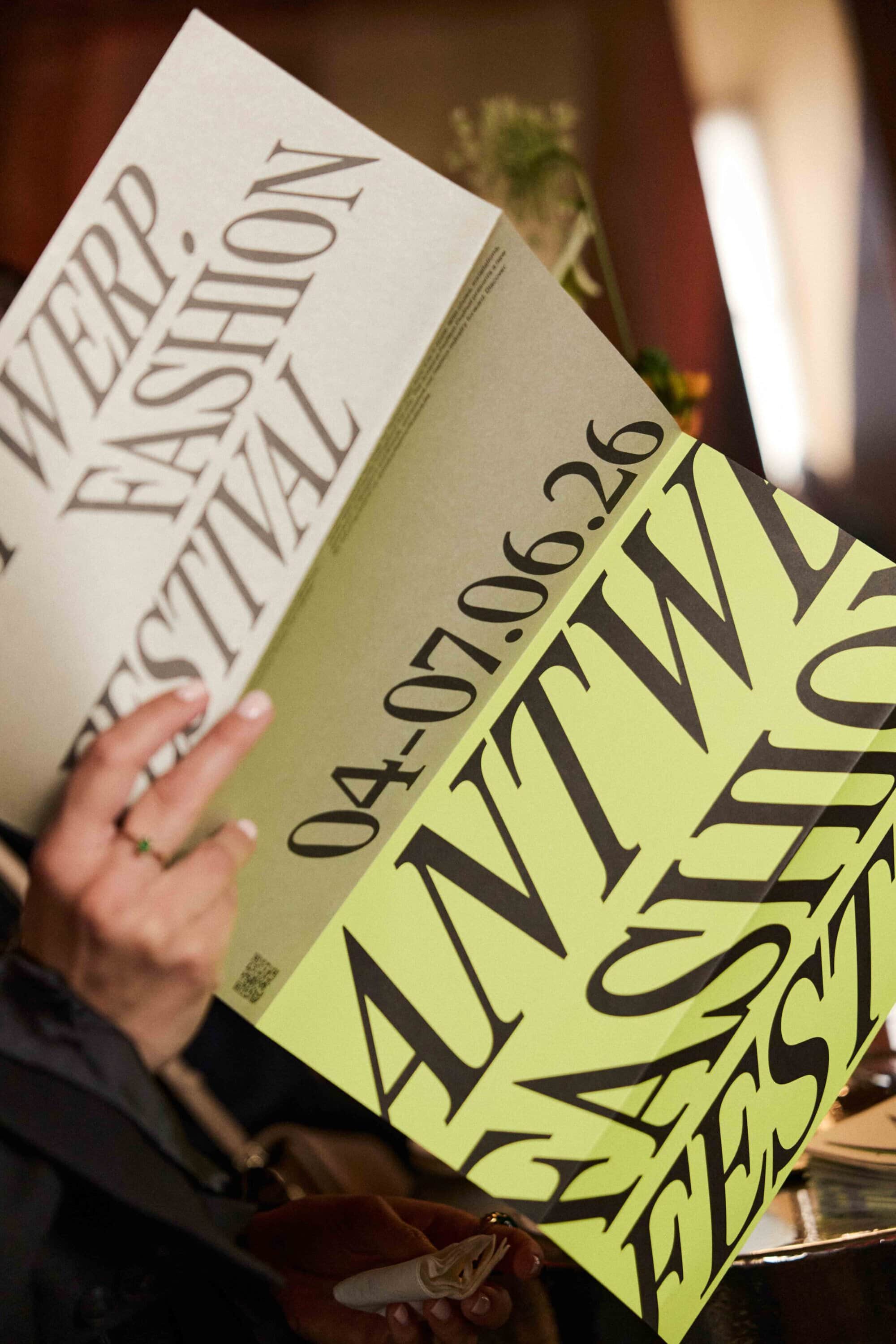
Antwerp did not need to become another fashion week. Over four days, it made a better argument: fashion needs cities that know how to gather people around creativity with purpose.
The first edition of Antwerp.Fashion Festival arrived with a premise that was both modest and ambitious. It would not compete with Paris, Milan, London, or New York by copying their runway machinery. It would not create another calendar pressure point in an industry already overloaded with collections, content, and appointments. Instead, it would activate Antwerp as Antwerp: compact, independent, intellectually serious, retail-minded, student-driven, institutionally rich, and just eccentric enough to believe that fashion still works best when it is felt in real life.
What unfolded from June 4 to 7 was less a fashion week than a citywide cultural circuit. There were shows, talks, exhibitions, presentations, store activations, press appointments, dinners, school events, public programs, and unexpected collisions between generations. International guests moved between MoMu, galleries, boutiques, hotels, churches, cultural spaces, the Academy, Waagnatie, and the city’s streets. The schedule was dense enough to feel professional, but human enough to remain distinctly Antwerp.
The festival’s organizing intelligence came from a clear understanding of what the city already has. Elke Timmerman, International Business Relations at Flanders District of Creativity, had framed the project from the beginning as an answer to a larger question: how should Antwerp position itself as an international fashion city now? The answer was not to invent credibility, because Antwerp already has that. The Royal Academy of Fine Arts Antwerp, MoMu, the Antwerp Six, a deep independent retail history, and generations of designers have long given the city a powerful place in fashion’s imagination. What was missing was a shared moment that made the ecosystem visible all at once.
Antwerp.Fashion Festival did that. It turned the city into a map of its own fashion culture.
Pascal Cools, Managing Director of Flanders District of Creativity, put the scale of that effort into perspective during Fashion Talks. “This year you might have seen that the fashion talks is just a very small part of a very big and professional festival,” he said. “It’s a city-wide celebration of fashion, creativity, and entrepreneurship.” He pointed to more than 100 locations, more than 100 participating brands, retailers, cultural institutions, and creative entrepreneurs, adding, “I can honestly say that there never have been that many fashion events in this city added before.”
That statement matters because it clarifies the festival’s larger ambition. Antwerp.Fashion Festival was not simply a platform for a few designers. It was an ecosystem exercise. It asked what happens when a city treats fashion not as a spectacle to be imported, but as a civic asset already embedded in its schools, museums, stores, studios, archives, and streets.
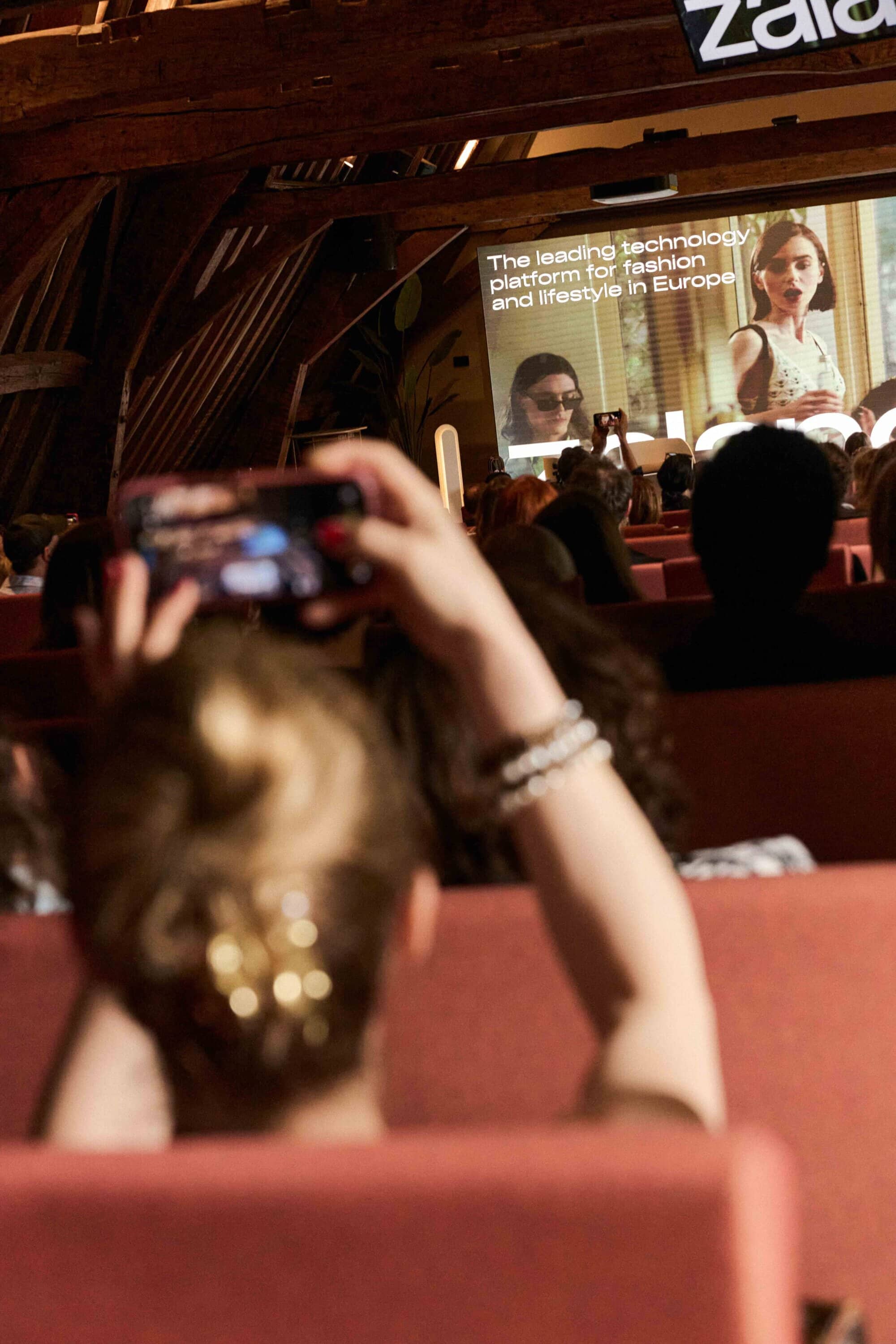
Cools described Antwerp fashion as an ecosystem built by generations of talent, and he was careful to acknowledge the extraordinary legacy of the Antwerp Six. Forty years ago, that group changed the way the world looked at Belgian fashion. Before them, Belgium was not on the map of fashion. After them, Antwerp became a destination associated with creativity, experimentation, and a laboratory spirit. But the festival’s strongest point was that it did not stop there.
“This does not stop with the six of Antwerp,” Cools said. “We want to show all the current and even future talents that we still have here in Belgium. There is a new generation, there are new generations of talent here in this city and in this country.”
That was the festival’s essential balance: legacy without nostalgia, future without amnesia.
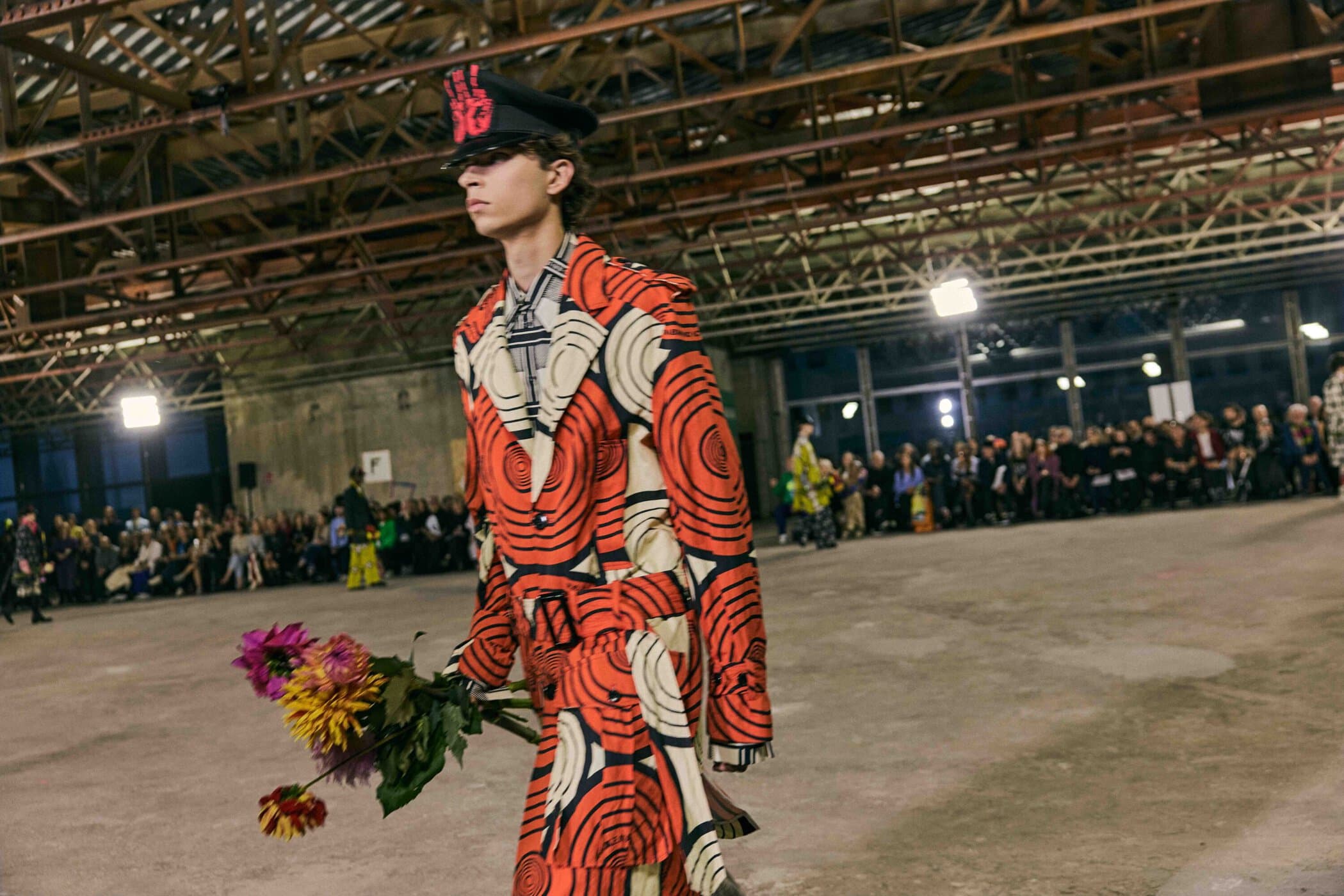
Walter Van Beirendonck gave the festival its emotional voltage. Rather than show this season at Paris Men’s Fashion Week, he chose to celebrate his 40th anniversary in Antwerp, bringing four decades of work back to the city where he has lived, worked, taught, and built one of fashion’s most distinctive independent voices. Backstage, after a show that drew from his vast archive, he spoke of the process as “extremely memory lane,” but what emerged was not sentimentality. It was endurance. He had gone through thousands of looks and rediscovered how consistently he had pushed prints, fabrics, experiments, and results from the beginning.
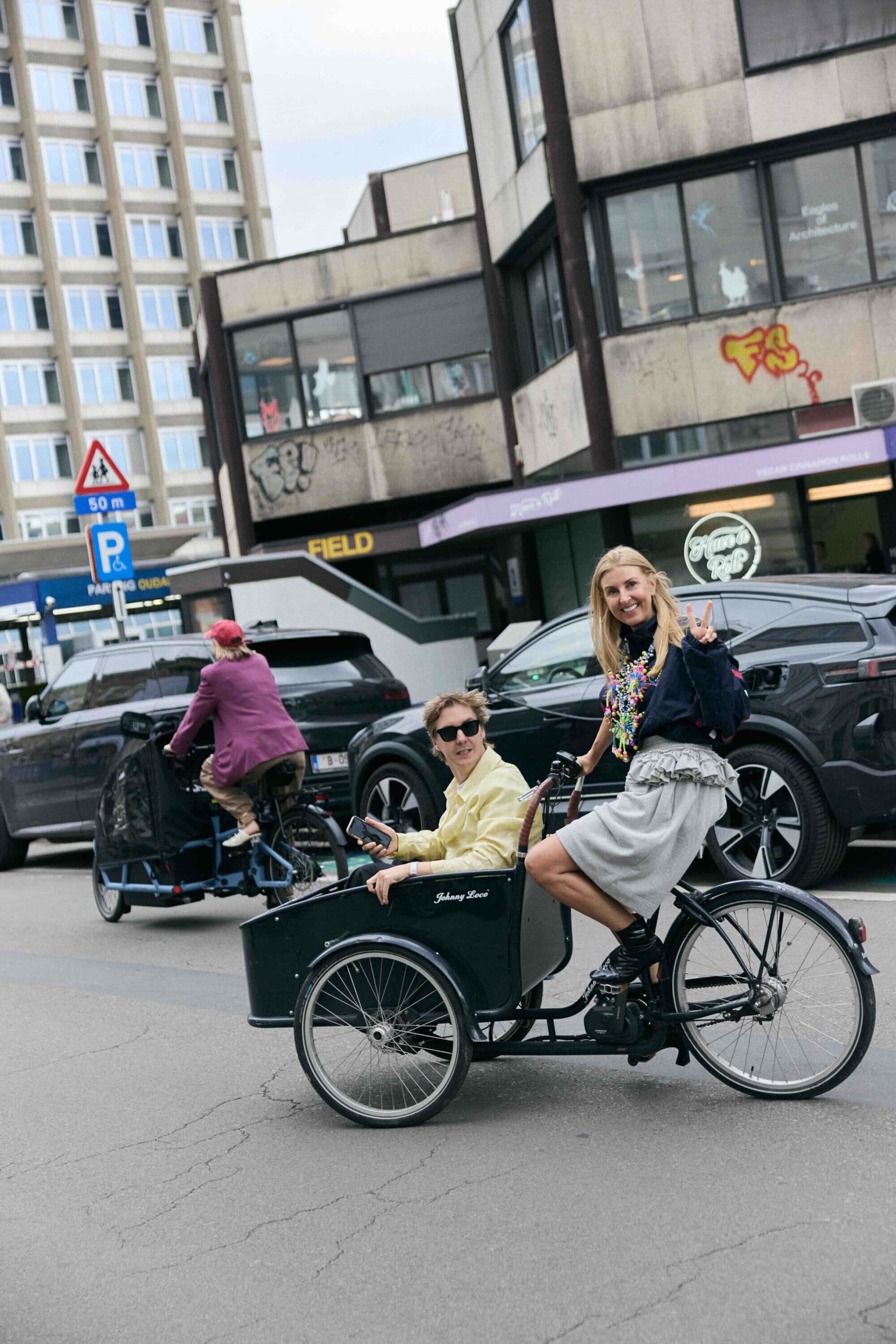
For Van Beirendonck, the Antwerp homecoming carried a deeper message. He spoke bluntly about fashion’s need to protect creativity from a system increasingly dominated by money, marketing, and the constant churn of designers at major houses. His call for a separate kind of platform for independent designers echoed across the festival. “It’s the force of independent designers and the force of creativity, and that we should believe in, and that’s what I’m fighting for,” he said.
That fight was not theoretical. It was visible in the city’s next generation.
Julie Kegels used Antwerp.Fashion Festival to present her brand not through a conventional runway, but as a home environment, an apartment-like world built from collaborators, objects, furniture, memories, and the lives of women in motion. Her ready-to-wear may be the commercial core of the brand, but the presentation expanded the idea of what a young designer can show: not only garments, but an atmosphere, a community, a rhythm of living. Kegels, recently recognized within the LVMH Prize context, spoke candidly about the realities of building an independent label today: production pressures, deposits, cash flow, quality control, and the difficulty of switching between creative and business minds.
Her comments gave the festival one of its most useful industry lessons. Young designers need admiration, but they also need operational fairness. They need manufacturers who do not always push them to the end of the production queue, retailers who pay on time and place meaningful deposits, media that understands growth as a process, and an ecosystem that treats emerging talent as more than a seasonal discovery.
Christian Wijnants offered another version of the independent designer’s story. Ahead of his show, with the lineup taking shape and the weather still threatening outside, he invited The Impression in for a close look at a collection inspired by Kyoto, sand gardens, temples, autumnal tones, curved knitwear, three-dimensional textures, fluidity, and strength. The setting was intimate because Antwerp made it so. Wijnants lives just a few hundred meters from the venue and had passed the building many times before imagining it as a runway space. After years of presenting in Paris, Antwerp.Fashion Festival allowed him to show closer to his heart, not only for press and buyers, but for friends, family, clients, and long-term supporters who are part of the brand’s actual life.
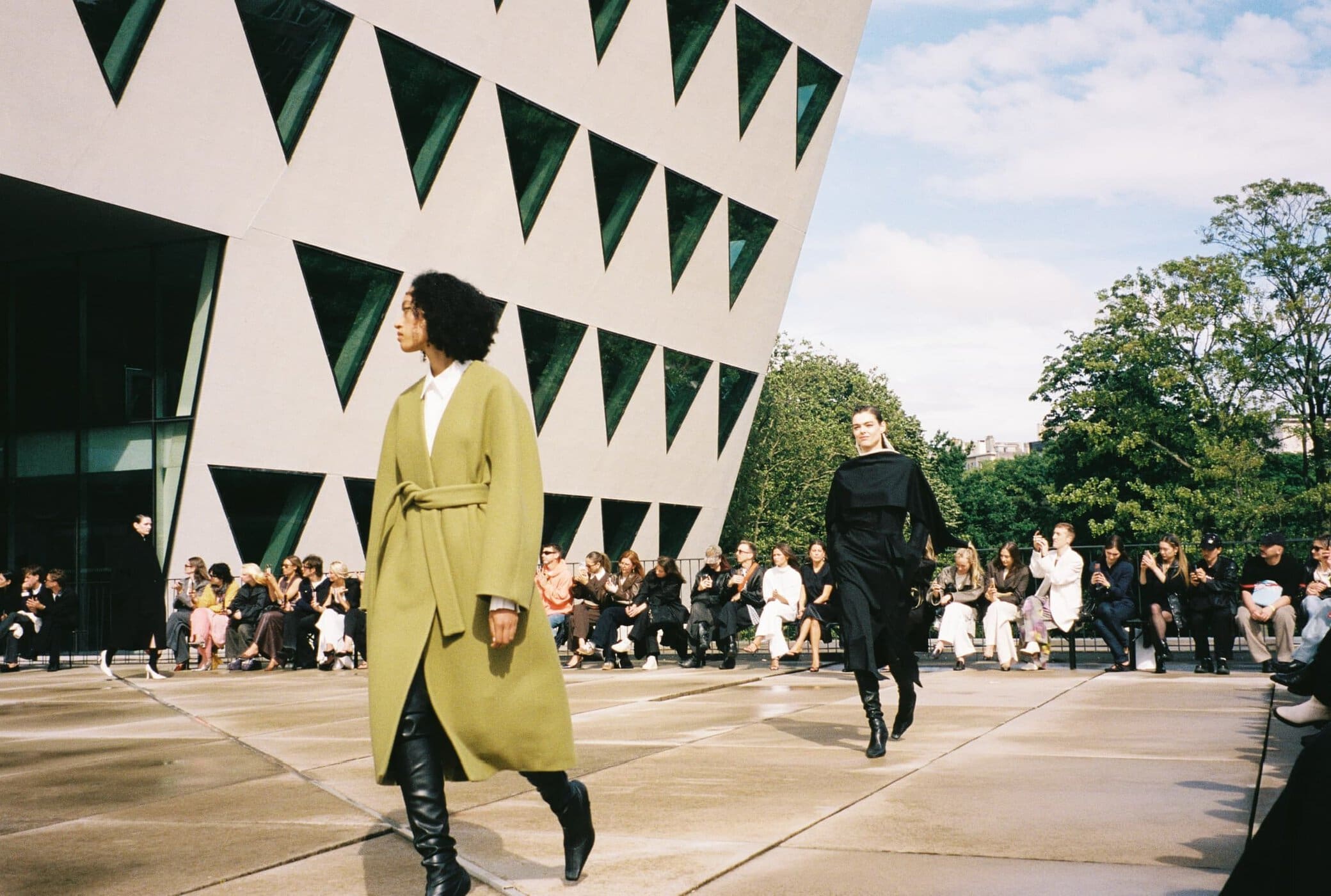
Wijnants also brought the business of longevity into focus. After more than two decades in fashion, his survival has depended on adaptation: shifting calendars, rethinking pre and main collections, managing production realities, and acknowledging that the unglamorous side of fashion often determines whether creativity can continue. His decision to adjust the Paris selling calendar to improve production timing and sell-through was a reminder that independent fashion survives not only through vision, but through practical intelligence.
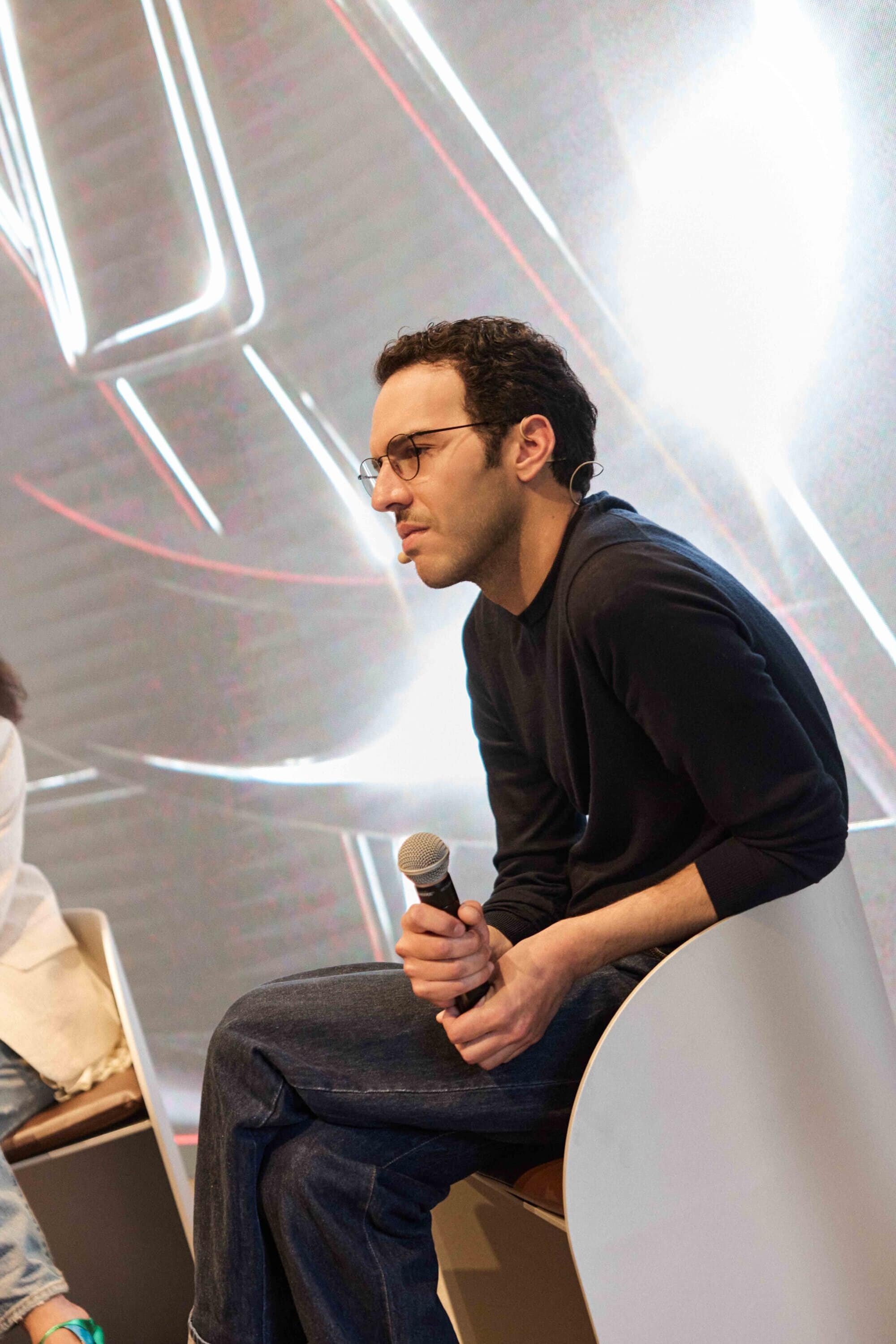
Julian Klausner, Creative Director of Dries Van Noten, brought another layer to the festival’s Belgian story. Speaking in Antwerp, he reflected on inheriting a house defined by fabric, color, process, discretion, and the careful balance between fantasy and reality. Klausner is part of a new global class of creative directors, yet his perspective felt distinctly rooted in Belgian fashion culture: hands-on, conversational, humble, and deeply aware that the dream only matters if it becomes a garment someone wants to live with.
At Dries Van Noten, he said, the clothes remain the priority. The archive is alive, not a museum. The studio works through creative ping-pong. Mistakes become opportunities. The essence of the house remains a balance between storytelling and wardrobe. In the context of Antwerp.Fashion Festival, Klausner’s presence connected the city’s independent history to one of Belgian fashion’s most recognized global brands, showing how the values of Antwerp — creative integrity, material intelligence, and understatement — can operate at an international scale.
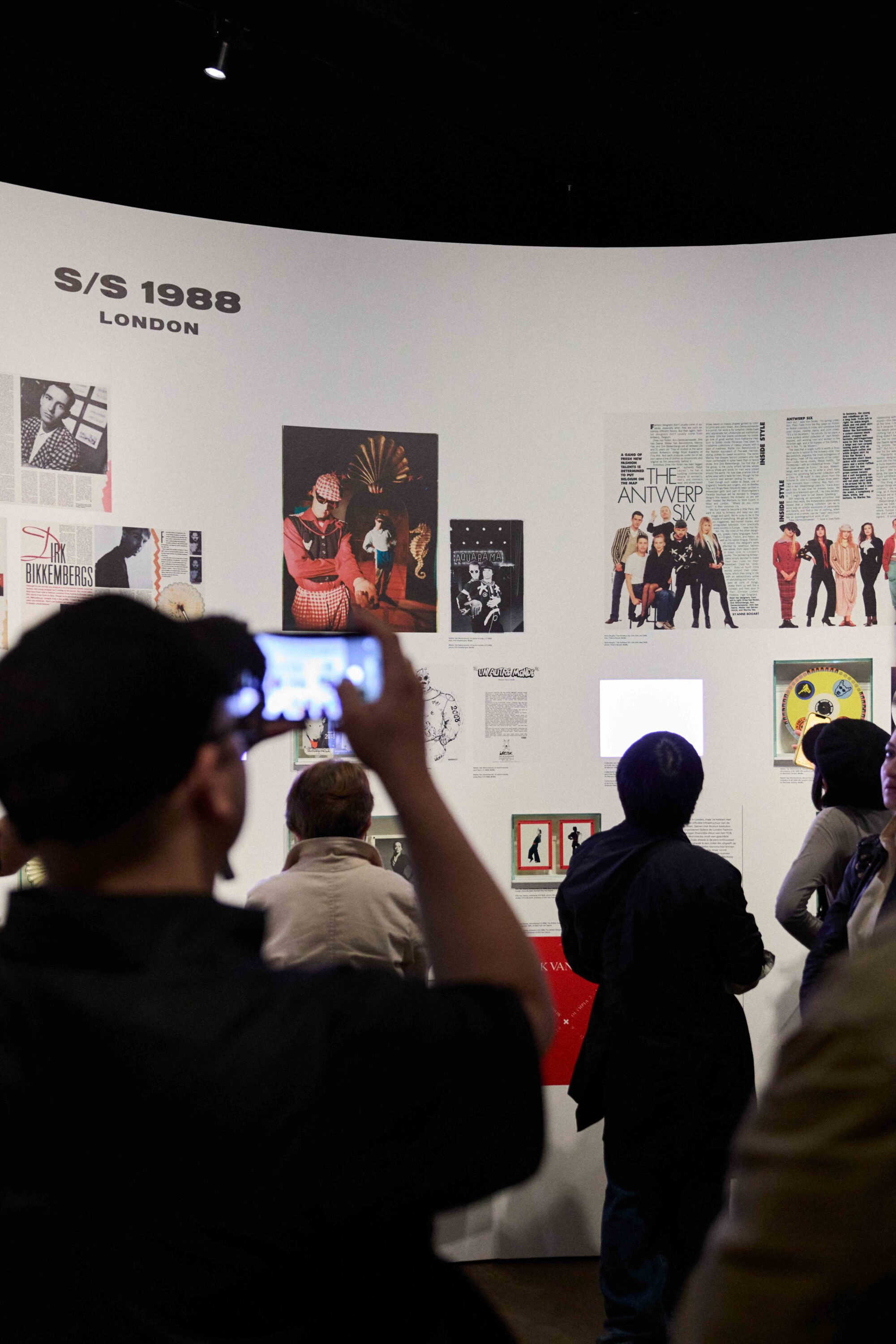
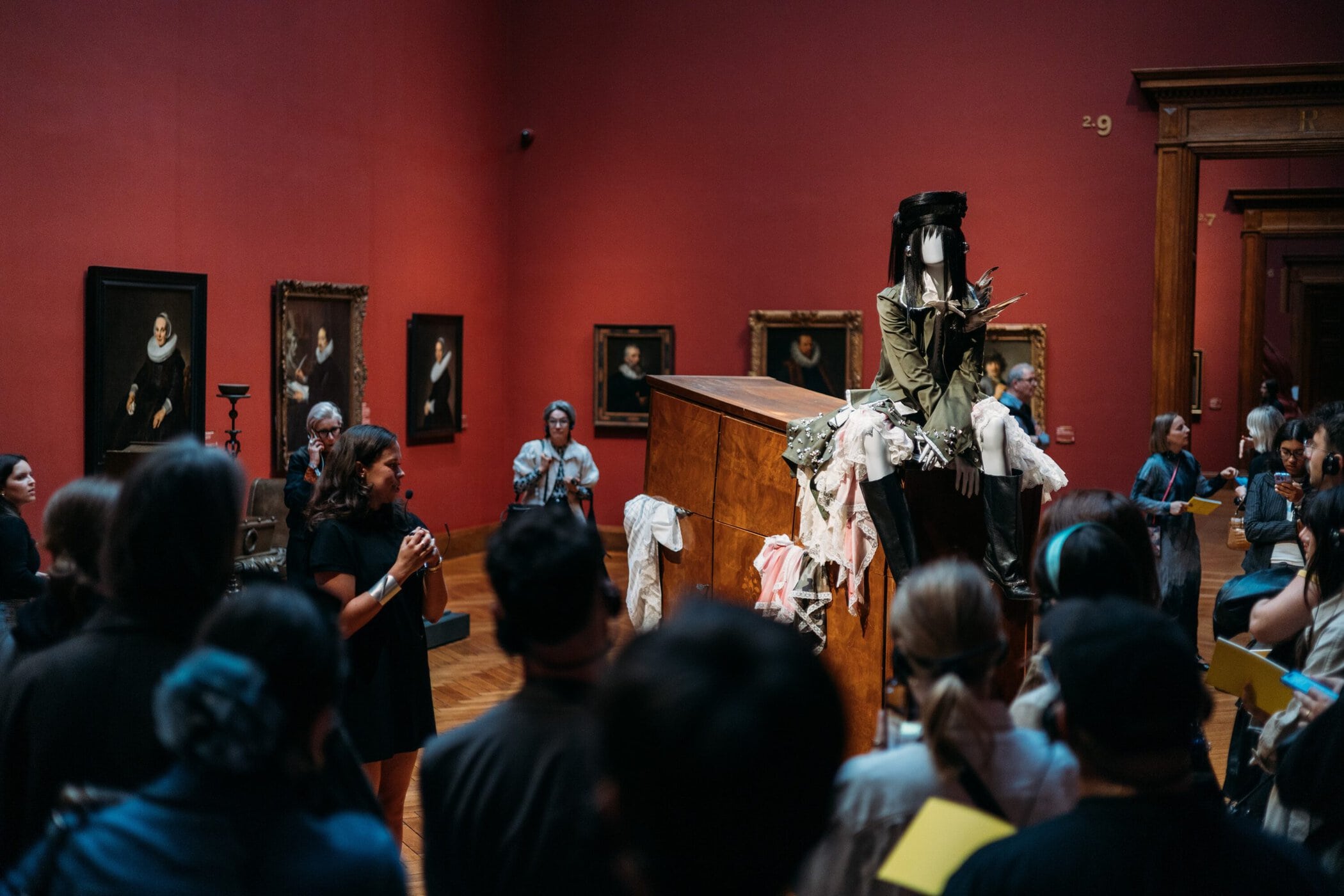
MoMu gave the festival its institutional spine. The Antwerp Six exhibition, co-curated by Kaat Debo, Geert Bruloot, and Romy Cockx, was not merely a historical anchor. It was a live question posed to the present. How did six designers from a fashion “no man’s land” become a myth? What conditions allowed them to be seen? What role did education, retail, buyers, press, government, and risk play in turning talent into international influence? And what would it take to support equivalent creativity now?
Debo, Director and Chief Curator of ModeMuseum Antwerpen, was clear that talent must remain at the top of the pyramid. MoMu’s own structure makes that visible: the museum co-houses with the fashion department of the Royal Academy of Fine Arts Antwerp, with students physically situated above the museum. For Debo, that arrangement is a metaphor for the city’s fashion responsibility. “The top of the pyramid on the top floor is talent,” she said, “and they’re supported by the museum, the heritage, and the industry, and I think we should never forget that without talent we’re nothing.”
Her vision of Antwerp as a laboratory for fashion and talent gave the festival an intellectual frame. Young designers need platforms, but they also need new forms of support because the traditional fashion-week model makes it increasingly difficult for independent voices to gain meaningful attention. Debo also cautioned that survival has become harder over time. The Antwerp Six had time to learn, make mistakes, and build. Later generations faced acceleration. Today’s designers face an even more compressed and complex system.
Geert Bruloot, who helped bring the Antwerp Six to London and into international view, gave the festival its most urgent historical memory. He resisted any romantic smoothing of the story. The Antwerp Six did not have a master plan. There was no marketing machine. There was talent, timing, urgency, and a willingness to do things their own way. The name itself was a practical invention, given by buyers and press because the story needed a shorthand. The myth came later.
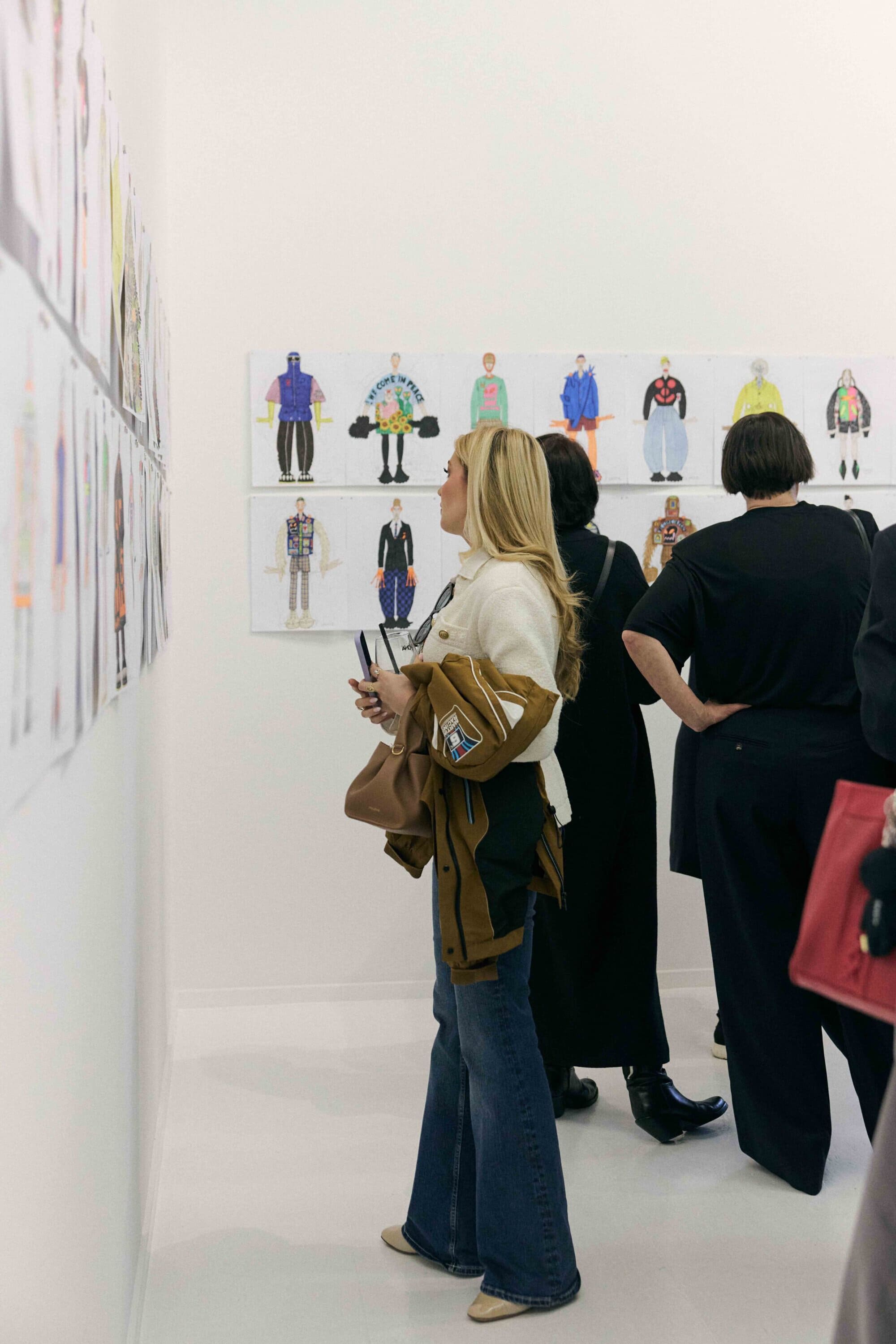
What Bruloot made clear is that the old system, for all its difficulties, had channels that helped independent designers survive. Multi-brand stores such as Barneys New York, Charivari, Browns, Susan, and others were not merely retailers. They were cultural engines. They introduced designers, explained newness, built customer desire, created press momentum, and gave independent fashion a route into the world. Today, much of that infrastructure has disappeared or been absorbed into a luxury landscape dominated by monolithic branded spaces.
“Emotion. Where’s the emotion?” Bruloot asked, reflecting on the distance between earlier fashion experiences and today’s phone-mediated spectacle. His concern was not nostalgia for nostalgia’s sake. It was a critique of a system that has become very good at selling labels and less effective at creating discovery, attachment, and belief.
The Academy show offered the festival’s most direct answer to that concern. If emotion was missing from parts of the contemporary system, it was not missing at Waagnatie. The Royal Academy of Fine Arts Antwerp Fashion Department show was a major public event, not a small student appendix. Tickets sold out in minutes. The program ran across two evenings. The audience was large, attentive, and intergenerational. The setting had the scale and charge of a serious fashion event, but with the added electricity of students testing ideas before a public that genuinely wanted to see them.
More than 120 young fashion makers from across the world brought their designs to the runway, from the famous first-year skirts to historical and world costumes to the final Masterpieces. Sixteen master’s students also presented their collections in a monumental jury installation during the EXPO. The Academy sold a magazine, creating another touchpoint between public audience and student work. In an industry often unsure how to finance or frame emerging talent, Antwerp showed one answer in plain sight: make the future visible, ticket it, publish it, celebrate it, and let a real audience gather around it.
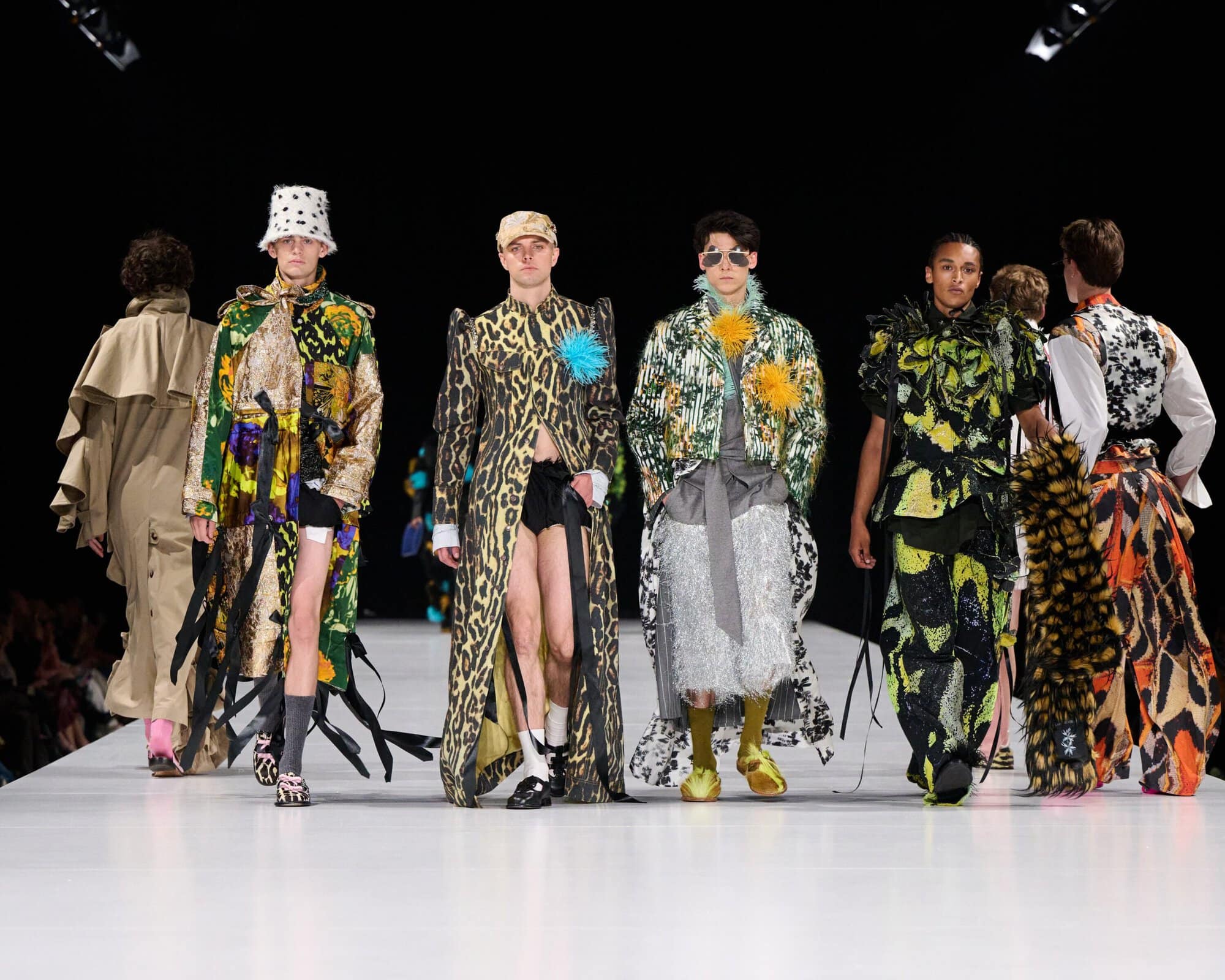
Brandon Wen, Artistic Director of the Fashion Department, captured the emotional stakes in the Academy’s own program. After acknowledging a difficult year, including funding cuts for international students and a global climate that has left many in fashion questioning their relevance, he wrote, “BUT DESPITE ALL THIS, the fashion department pushes forward stronger than ever, there is electricity in the joy of what we do.” His closing line carried the force of the entire festival: “Come be a part of this, people need to see why it is so important to defend beauty.”
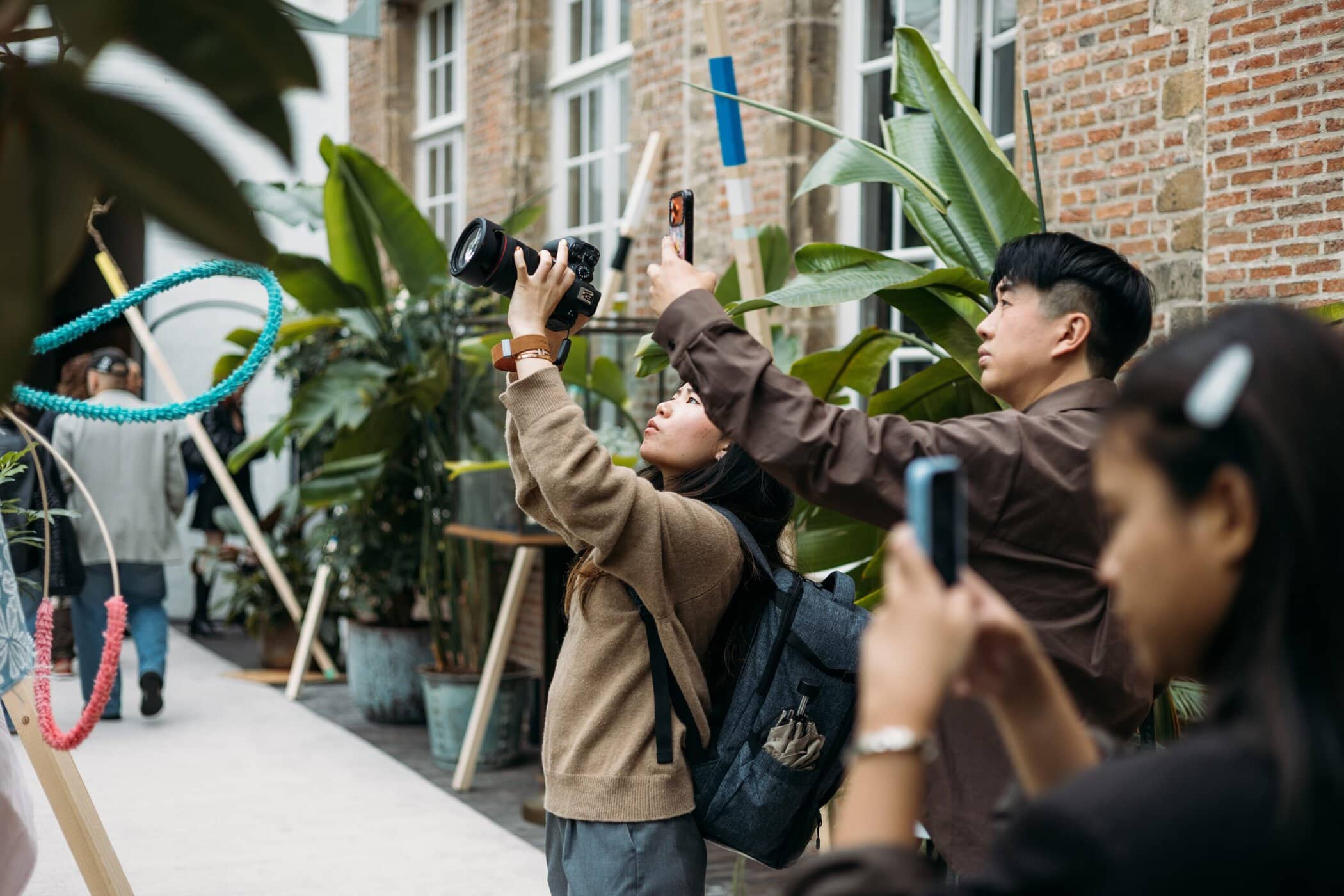
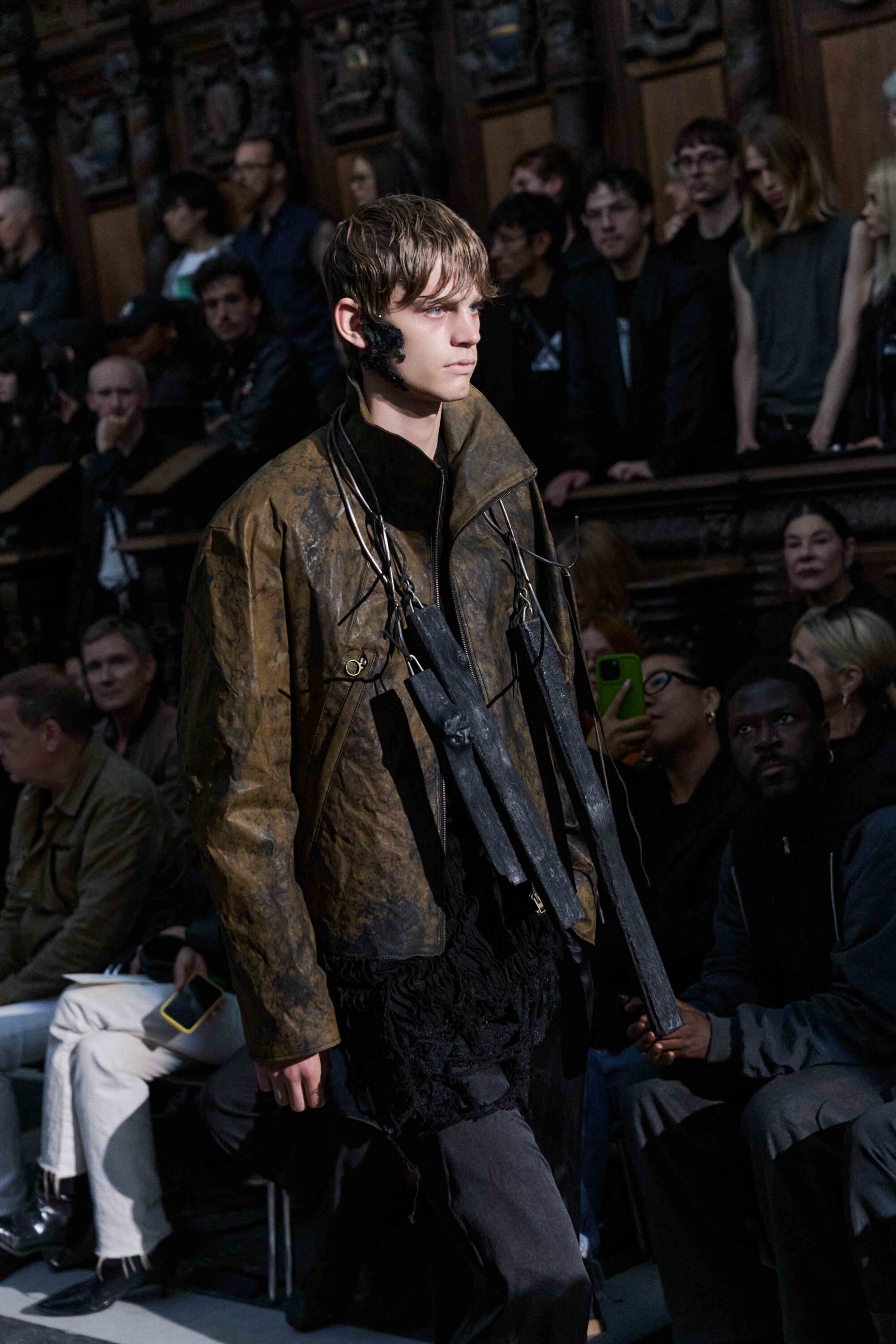
Defend beauty. In another context, the phrase might sound romantic. In Antwerp, after four days of exhibitions, student work, independent shows, talks, business conversations, and crowded rooms, it sounded practical. Beauty needs defense because creativity does not survive on applause alone. It needs schools, funding, production, retail, press, public attention, government support, private investment, and people willing to gather in person when everything else in the culture keeps pushing experience back onto a screen.
Cools made that point directly in his speech. A festival, he said, is not enough by itself. If Belgian fashion is to remain globally relevant for the next 40 years, it needs priorities beyond celebration. First, creativity must remain the baseline of Belgian fashion. Second, the business side must become stronger: better knowledge of business models, sales, marketing, branding, digital commerce, entrepreneurship, and access to investment. Third, sustainability must become a source of competitive advantage. Fourth, collaboration across the ecosystem must deepen, bringing together schools, brands, retailers, finance, technology, government, and institutions.
Our responsibility is not merely to admire the future talents. Our responsibility is to help create the conditions in which that talent can flourish.
– Pascal Cools, Managing Director of Flanders District of Creativity
That sentence may be the real thesis of Antwerp.Fashion Festival. The first edition admired talent, certainly. It gave major moments to designers whose work has shaped Antwerp’s reputation. It celebrated institutions, opened exhibitions, filled schedules, welcomed international guests, and gave the public a way into the city’s fashion culture. But at its best, it also asked what conditions talent needs now, and whether a city can help build them.
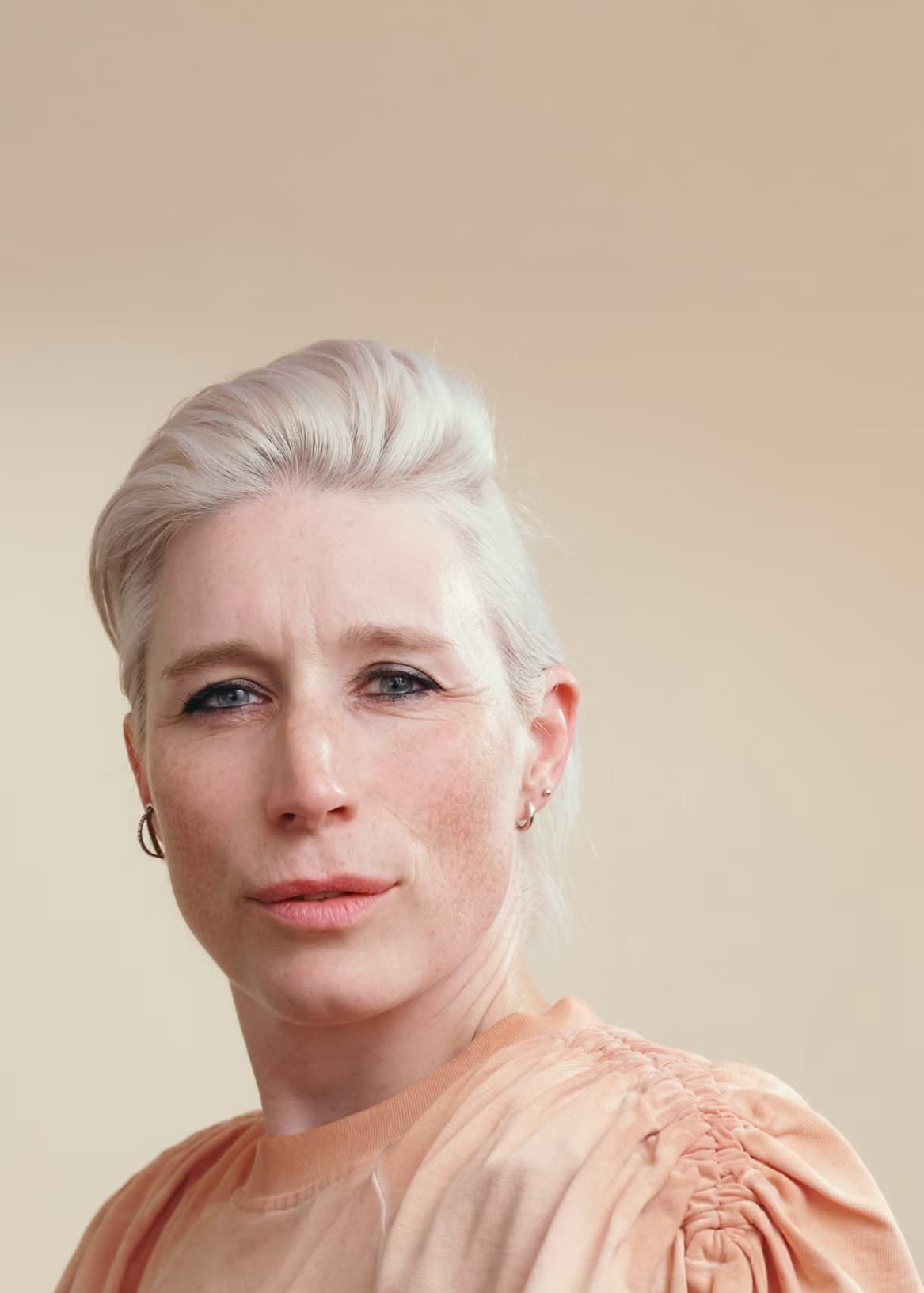
Elke Timmerman’s original instinct — that Antwerp should not make another fashion week, but do something in its own way — proved correct. The festival worked because it understood Antwerp’s scale as an advantage. The city is small enough to move through, but deep enough to reward every movement. A museum can speak to a school. A designer can show near home. A student can sell out a room. A retailer’s history can become an industry argument. A public festival can still have professional substance. A legacy exhibition can become a conversation about the future rather than a shrine to the past.
There were moments of glamour, of course. There were dinners, shows, international editors, and enough well-dressed people moving through the city to remind anyone that Antwerp still has an eye like no other. But the lasting impression was not glamour. It was seriousness with soul. Antwerp.Fashion Festival made fashion feel like culture again, and culture feel like something a city can organize around.
That is why the event matters beyond Antwerp. The global fashion system is exhausted by too much sameness, too much scale, and too many formats that privilege visibility without necessarily creating connection. Antwerp offered a different model: not a replacement for the major capitals, but an alternative form of value. It showed how a city can use its own assets — school, museum, designers, retailers, public, government, creative agencies, and local pride — to create a concentrated moment of meaning.
The festival also suggested that the next chapter of fashion may not come only from the center. As Debo noted, Antwerp’s story has always been about the tension between center and periphery. Innovation does not belong exclusively to Paris, Milan, London, or New York. Sometimes it comes from a smaller place with enough distance to think differently and enough confidence not to imitate.
By the end of the four days, the preview argument had become visible fact. Antwerp did not launch another fashion week. It launched a cultural happening with real industry implications. It gave history a room, gave students a stage, gave designers a hometown, gave institutions a voice, gave retailers and curators a memory, and gave the public a reason to participate.
The question now is whether the first edition becomes a one-time proof of concept or the beginning of a new rhythm for Belgian fashion. Cools made clear that the work cannot stop when the festival ends. Debo wants Antwerp to be a laboratory. Bruloot wants a new system for creativity. Timmerman helped build the platform. The Academy showed why talent must remain at the top of the pyramid. Designers from Van Beirendonck to Kegels to Wijnants to Klausner demonstrated that Antwerp’s fashion story is not a relic, but an active set of questions.
What does creativity need now? Who gives it space? Who helps it sell? Who funds it? Who explains it? Who protects it from becoming merely content? Who gathers the people who still care?
For four days, Antwerp gave an answer.
It takes a city.