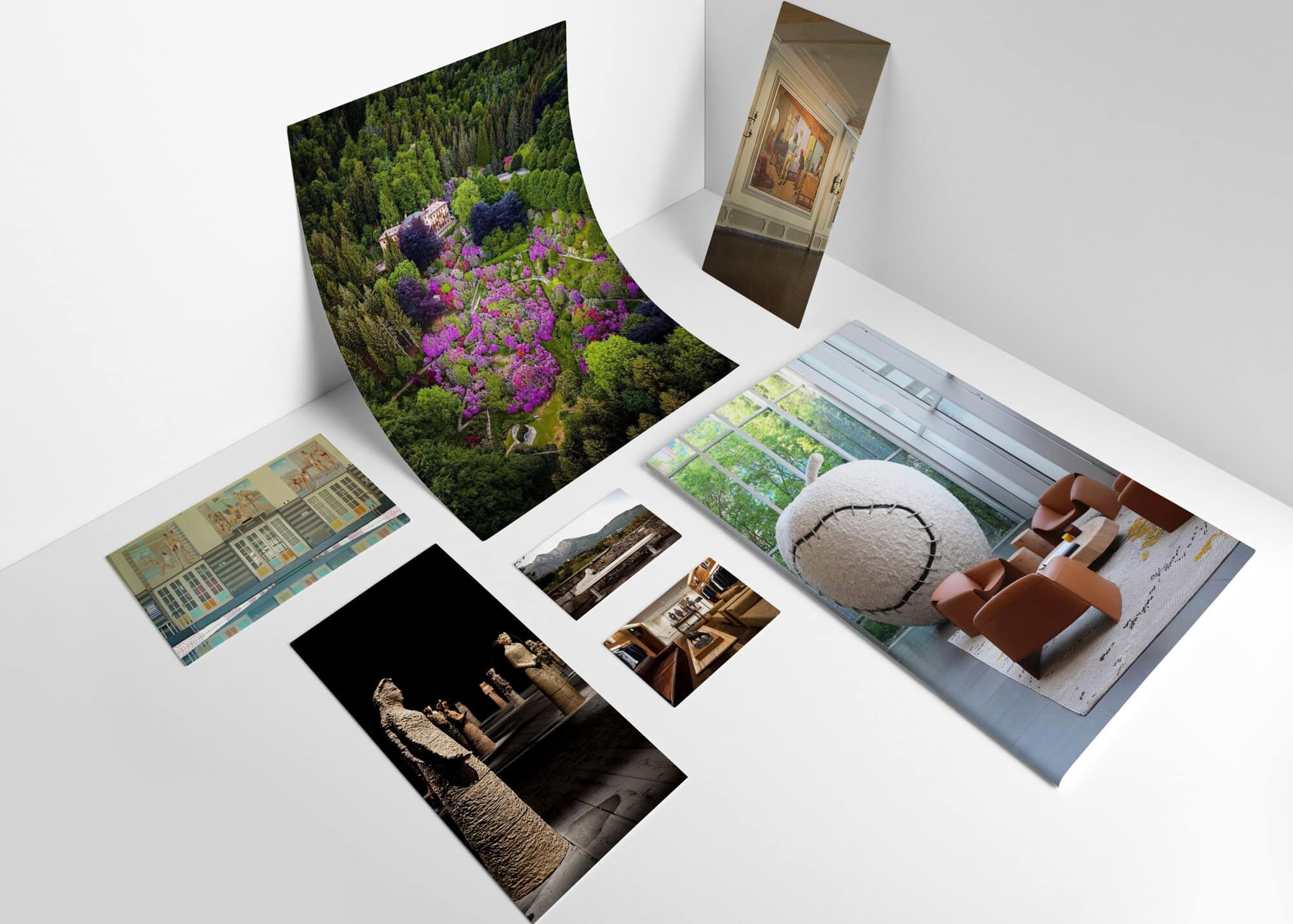
The Little-Known Story Of How Art Became Woven Into Zegna’s Identity From The Very Beginning—And How That Legacy Connects Oasi Zegna To Art Basel Today
By Kenneth Richard
Luxury brands often arrive at art after they have built everything else.
Zegna arrived there from the beginning.
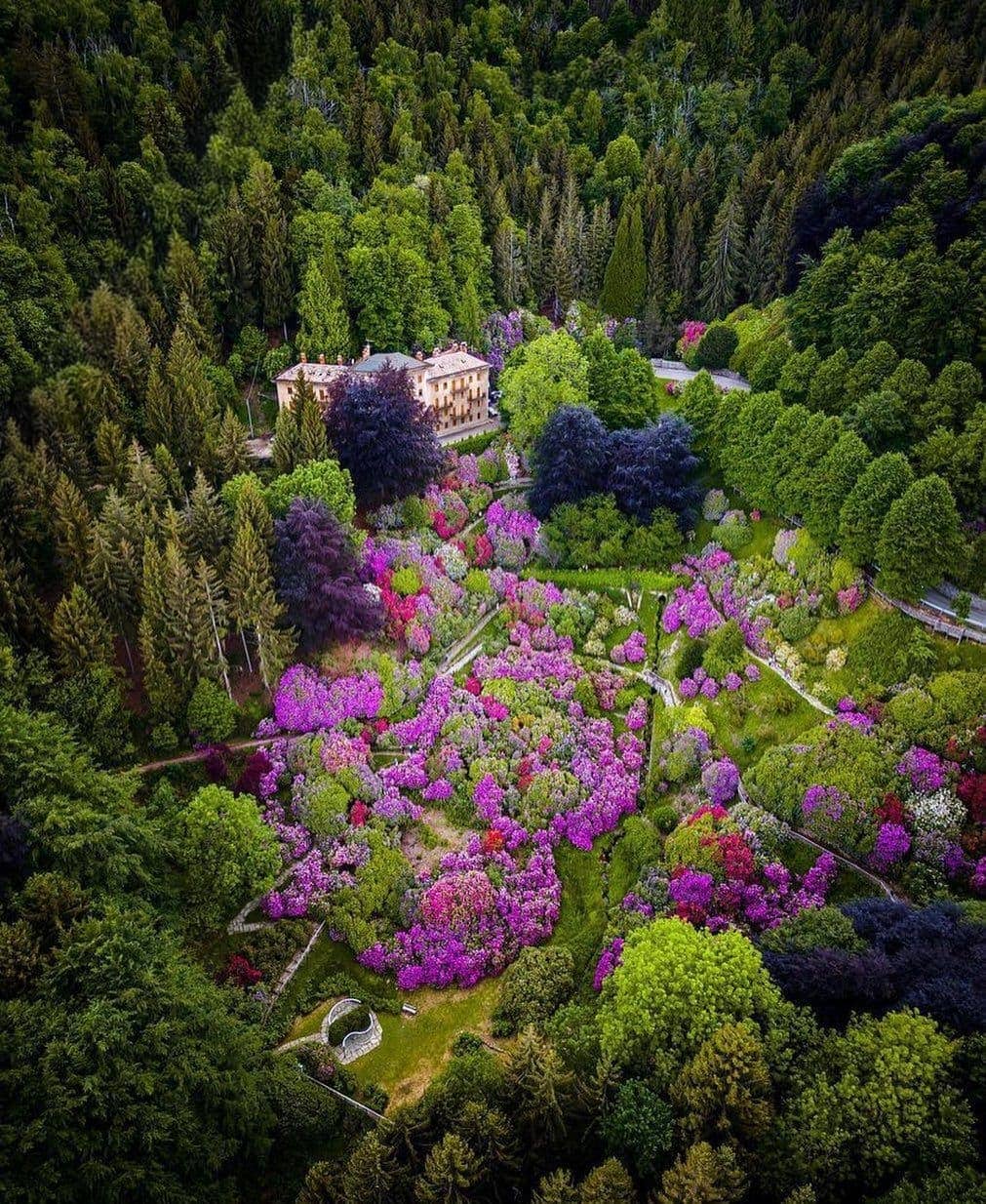
Long before there was a global retail network, before fashion shows, and before luxury brands spoke fluently about culture, Ermenegildo Zegna was commissioning artists, architects, and landscape designers to bring beauty into the daily lives of the people who lived and worked around his wool mill in Trivero, a small town nestled in the Piedmont Alps.
The founder’s ambitions stretched well beyond fabric.
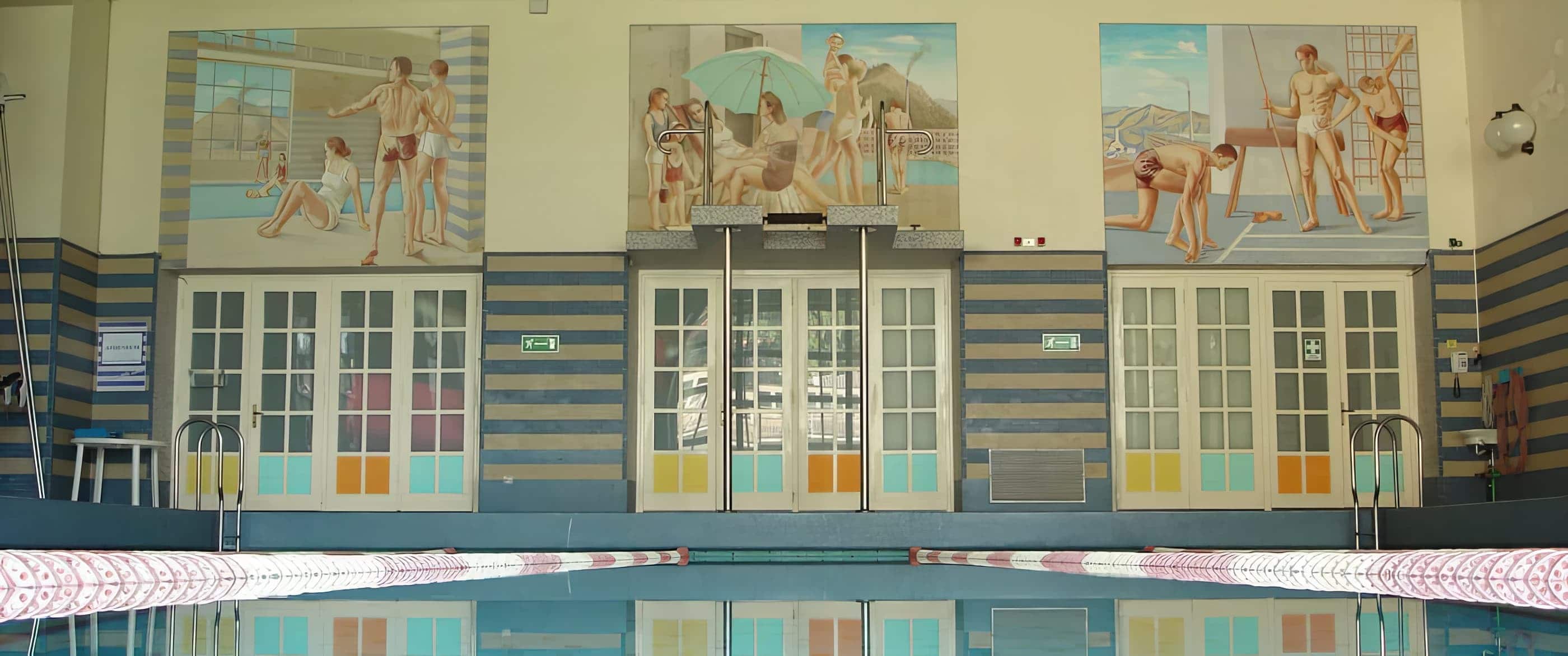
As he expanded the mill during the 1930s, he simultaneously began shaping the landscape surrounding it. Hundreds of thousands of trees were planted across the mountains. Roads were built. A hospital followed. There was a swimming pool, a ski resort, and communal spaces designed for the families whose lives were connected to the business. Over time, these efforts would become what is known today as Oasi Zegna, the 100-square-kilometer territory that remains at the heart of the family’s identity.
Art, too, was woven into that vision.
From the beginning, Ermenegildo Zegna commissioned artists not for private salons or personal collections, but for the people around him.
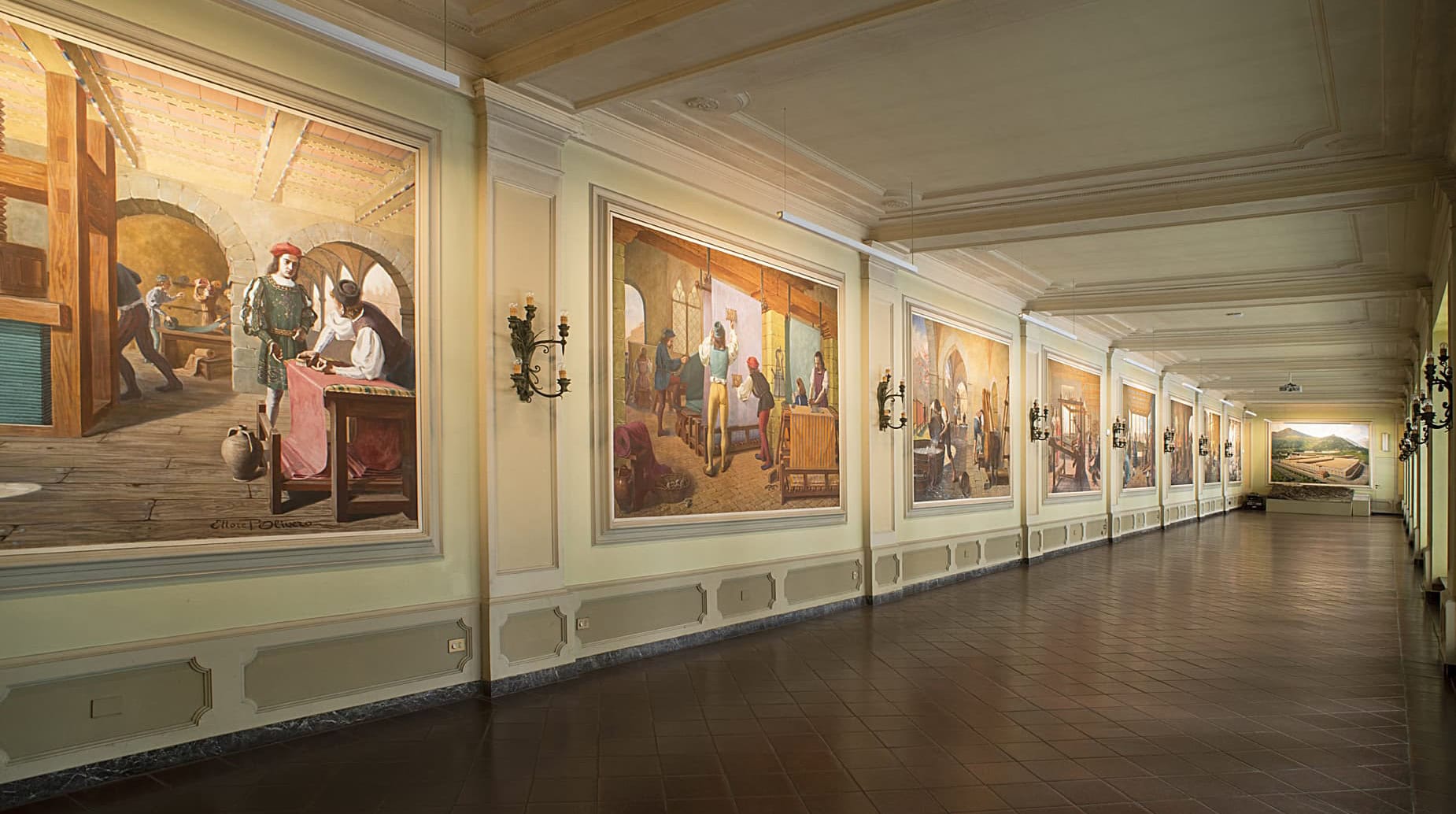
One commission transformed a corridor inside the wool mill, turning a daily passageway into an encounter with beauty for the workers who walked through it each morning.
Others appeared throughout Trivero itself.
Among the most charming are a series of benches by artist Alberto Garutti that still sit throughout the town today. Each features a life-sized portrait of an actual local dog, cast in concrete and galvanized steel. Every dog belonged to a family from the community. Installed in public spaces, the sculptures transformed ordinary benches into portraits of the town itself. Decades later, they remain part of daily life in Trivero, while one now sits inside Zegna’s Milan headquarters, linking the company’s present to the place where it all began.
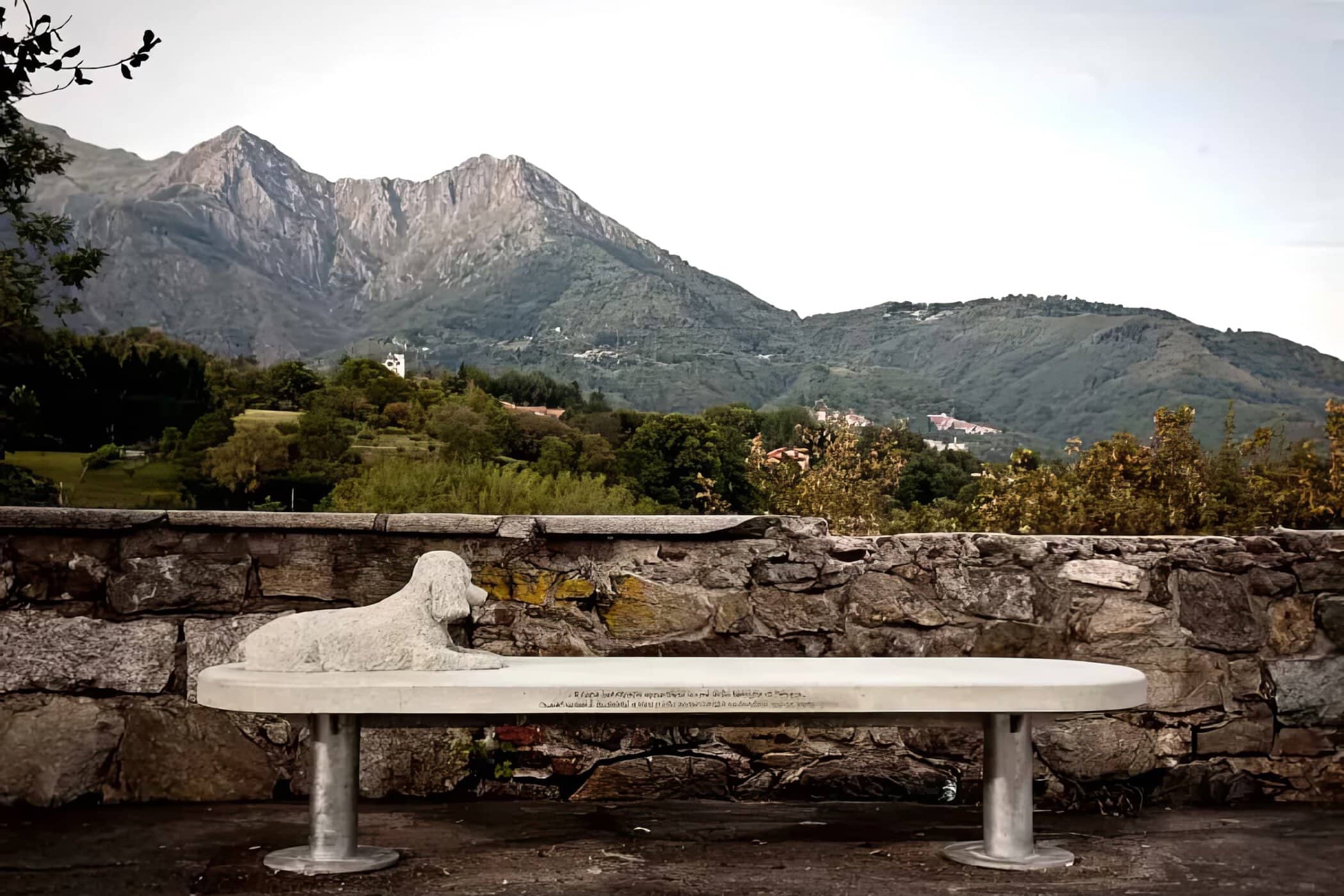
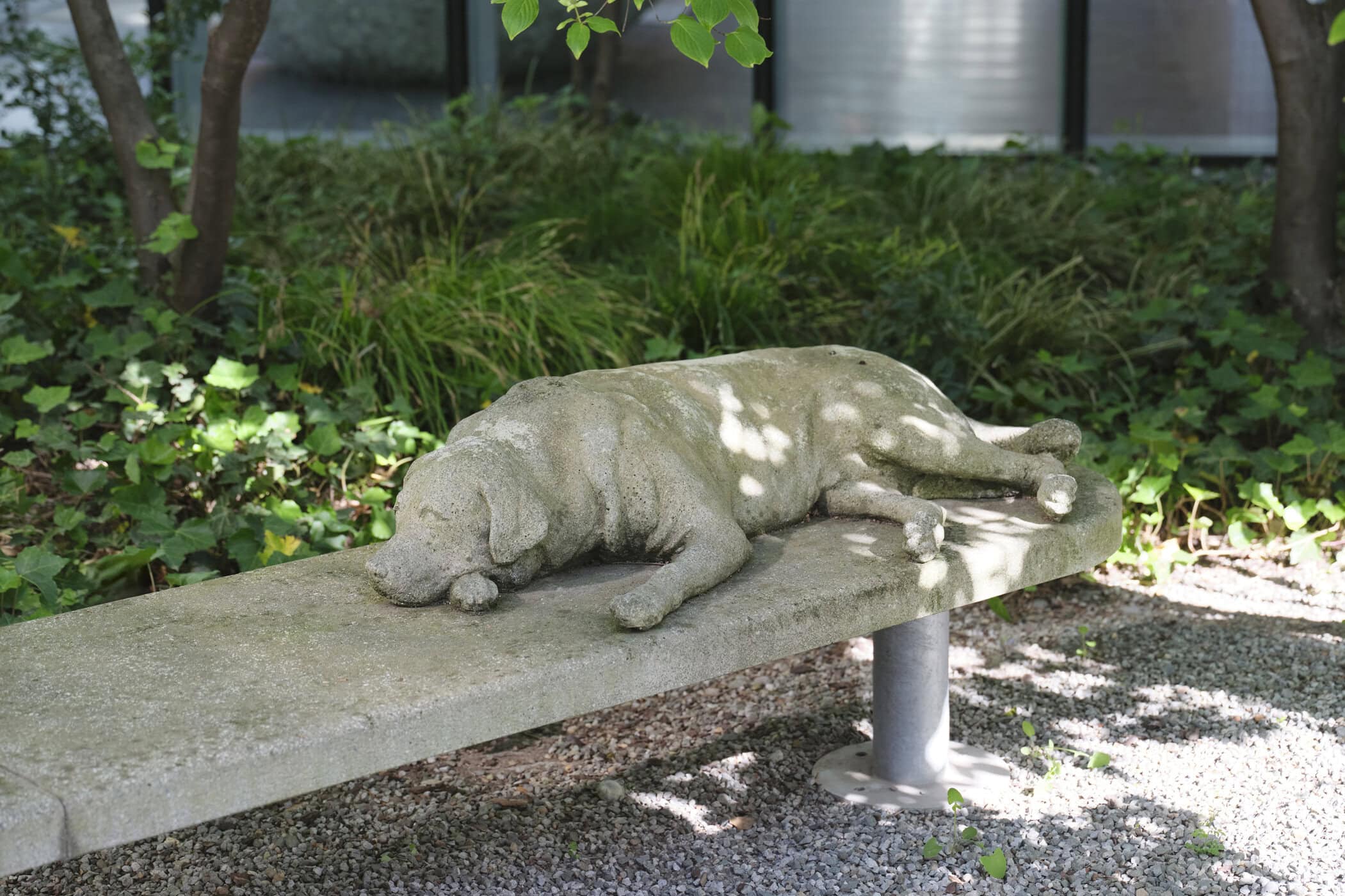
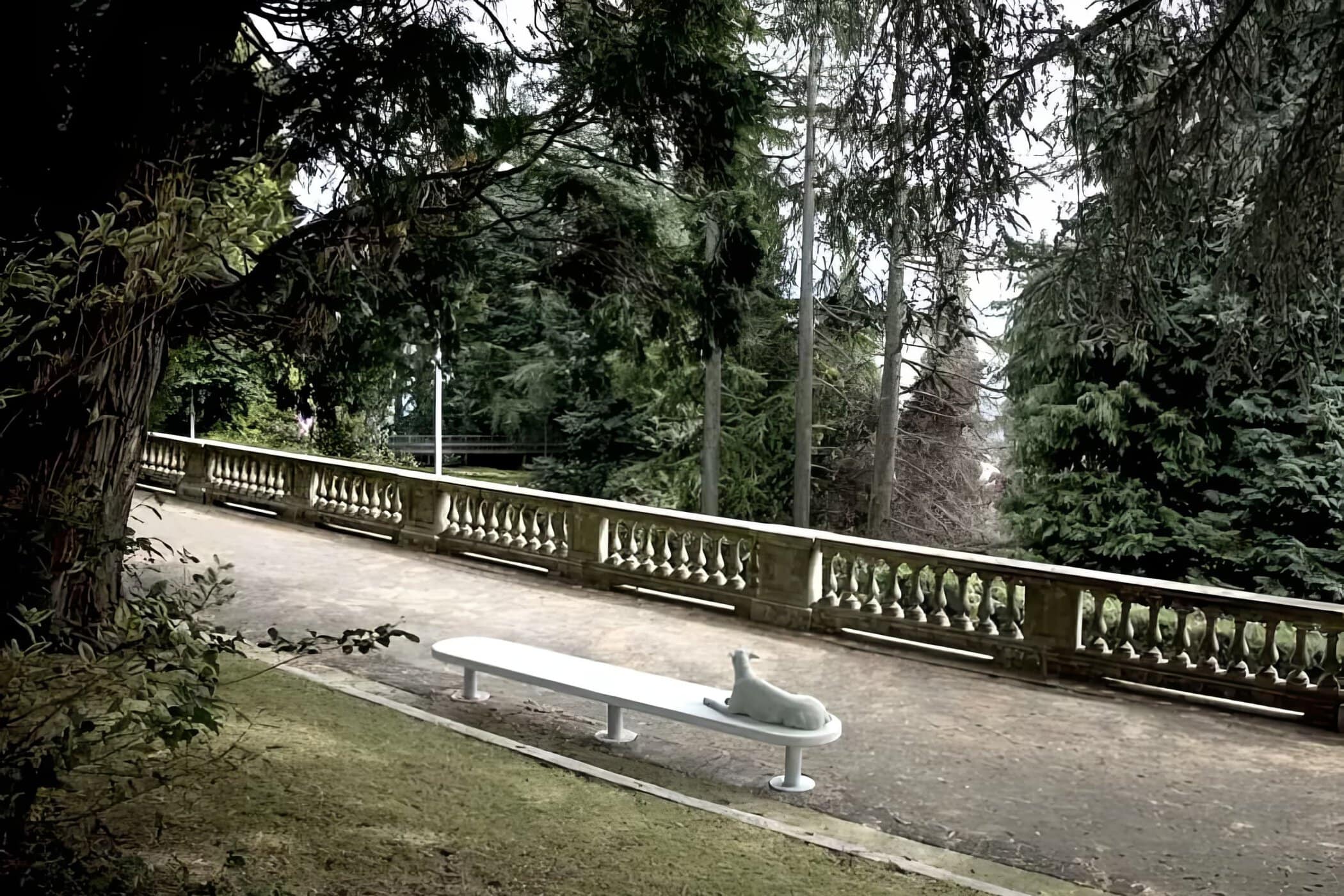
Sculptures by Alberto Garutti
As the territory developed, the circle of collaborators expanded. Ettore Pistoletto Olivero, father of Michelangelo Pistoletto, was among the artists commissioned by the founder, while landscape architect Pietro Porcinai helped shape gardens and communal green spaces throughout the region. Architect Luigi Vietti contributed to the mountain structures that still form part of Oasi Zegna today, including the Bucaneve chalet. Together, these artists, architects, and landscape designers helped create an environment where culture was not treated as an addition to daily life, but as one of its quiet conditions.
There is a particular humility in the way this history has been carried forward. Zegna did not build its relationship with art as a public-facing campaign. It grew from a family habit, passed from one generation to the next, as natural as planting trees or maintaining roads. As the company evolved from textile maker into a global luxury house, the commissions continued across offices, headquarters, and stores, often without the house making much public noise about the scale of what it was doing.
That scale is considerable.
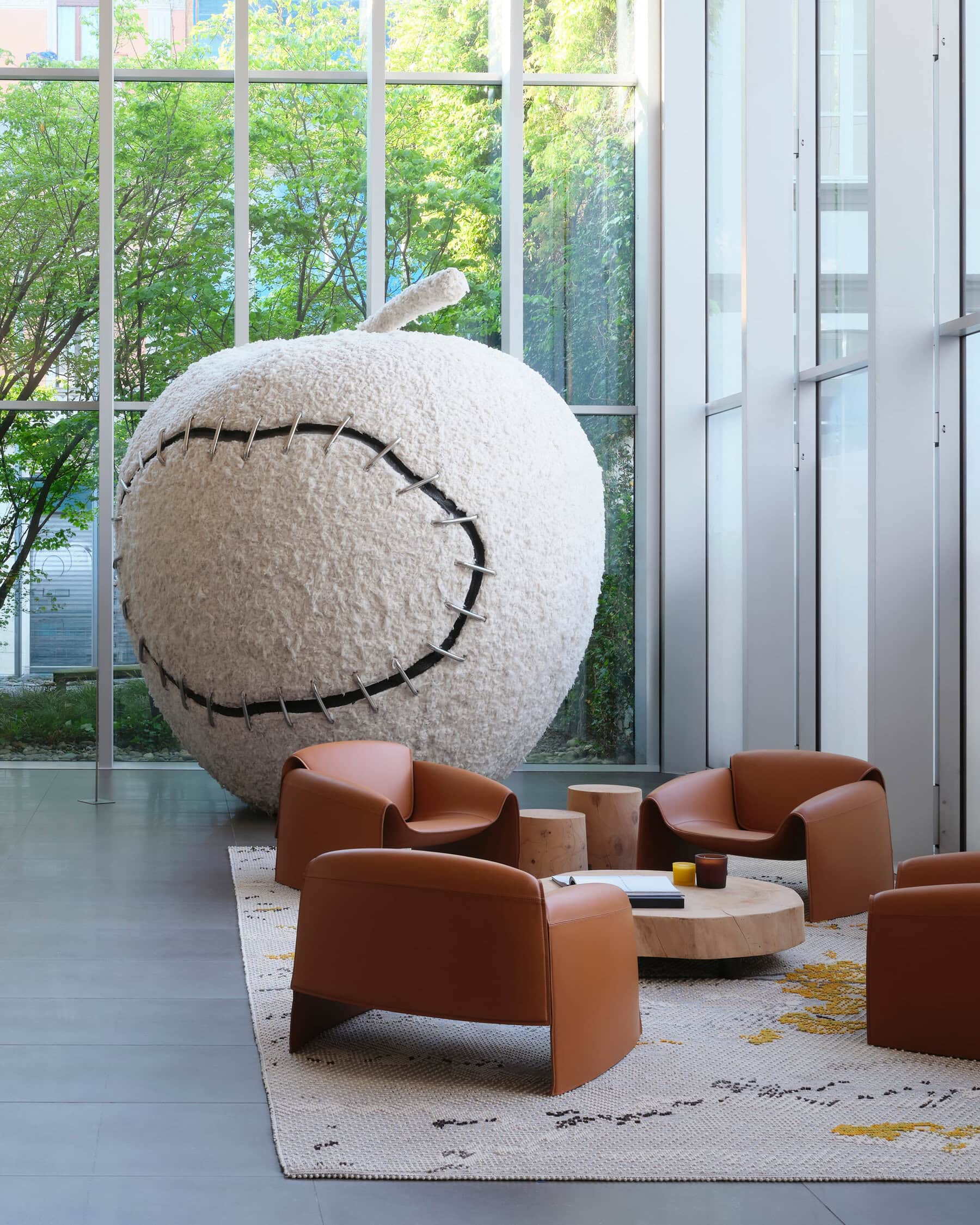
Every new Zegna store receives a commissioned artwork created specifically for its location.
Not selected from inventory, not acquired as a decorative flourish, but commissioned in dialogue with the space. Across decades and continents, that practice has created a global constellation of site-specific works, one that quietly connects the house’s retail presence to the same instinct that first placed art in a factory corridor in Trivero.
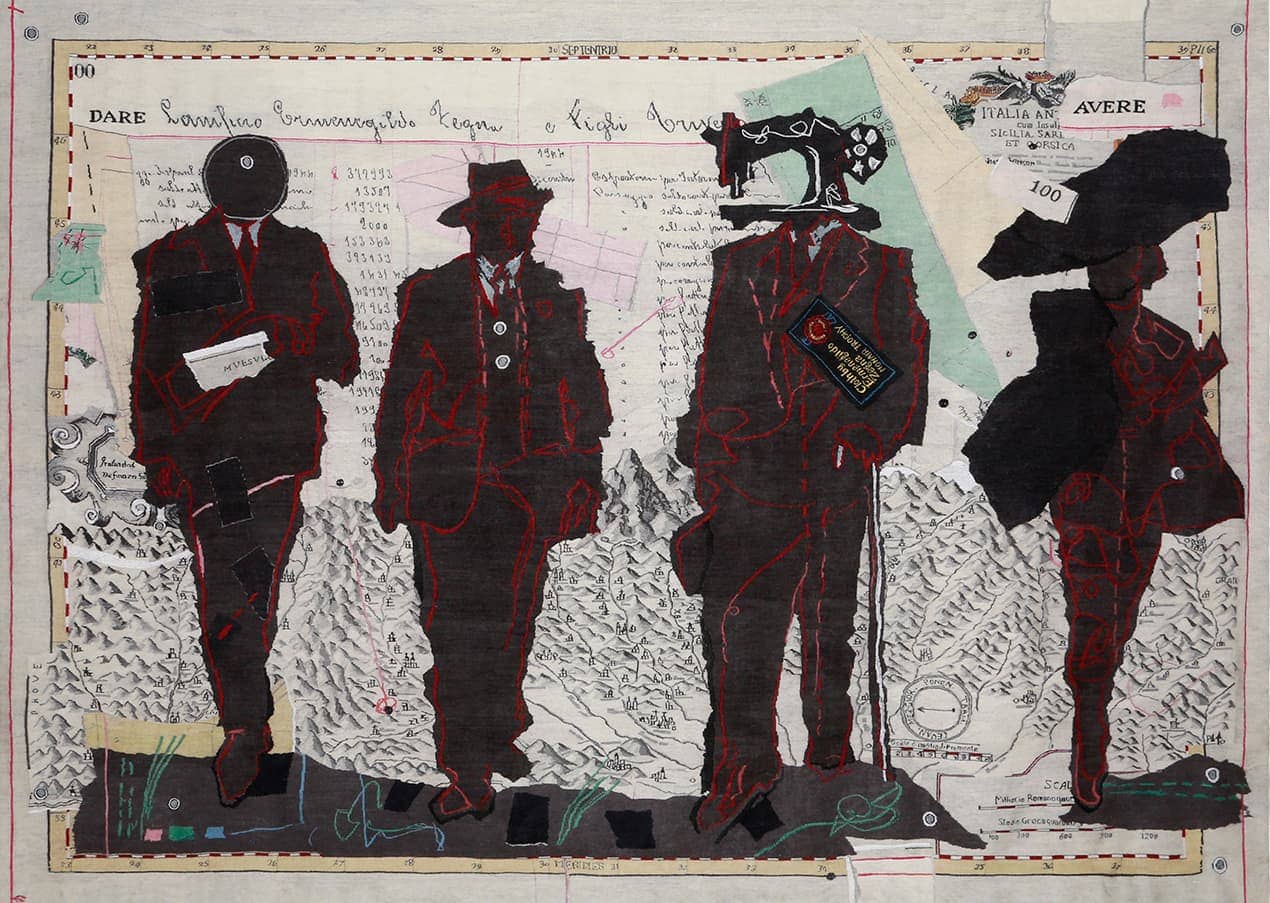
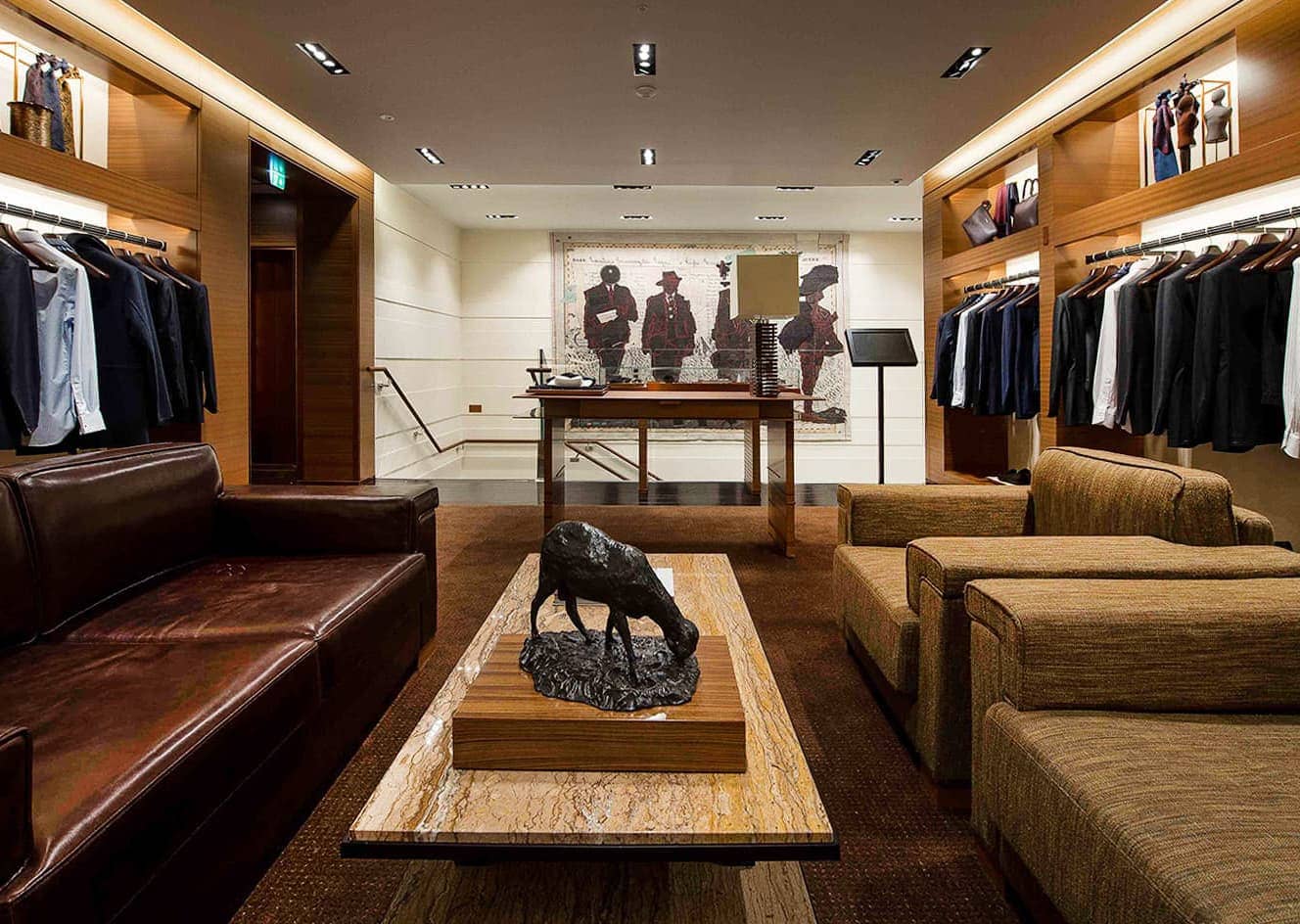
Artist William Kentridge – Zegna Bond Street London Store
For much of its history, however, Zegna rarely spoke about the breadth of that commitment.
That has begun to change in recent years. As the fourth generation takes on a larger leadership role within the company, there has been a growing interest in bringing these lesser-known aspects of the house into clearer view. The commissions, the artistic relationships, and the connection between culture and Oasi Zegna have long been part of the company’s identity. Today, they are becoming part of the conversation as well.
At the company’s Milan headquarters, designed by Antonio Citterio and Patricia Viel, that continuity is visible in architecture, art, and landscape. Gardens move through the building, natural light fills the spaces, and artworks appear as part of the environment rather than as interruptions within it. At the center of the campus stands a towering tree named Nina, after Nina Zegna, the founder’s wife, whose love of flowers and gardening remains part of the family’s memory.
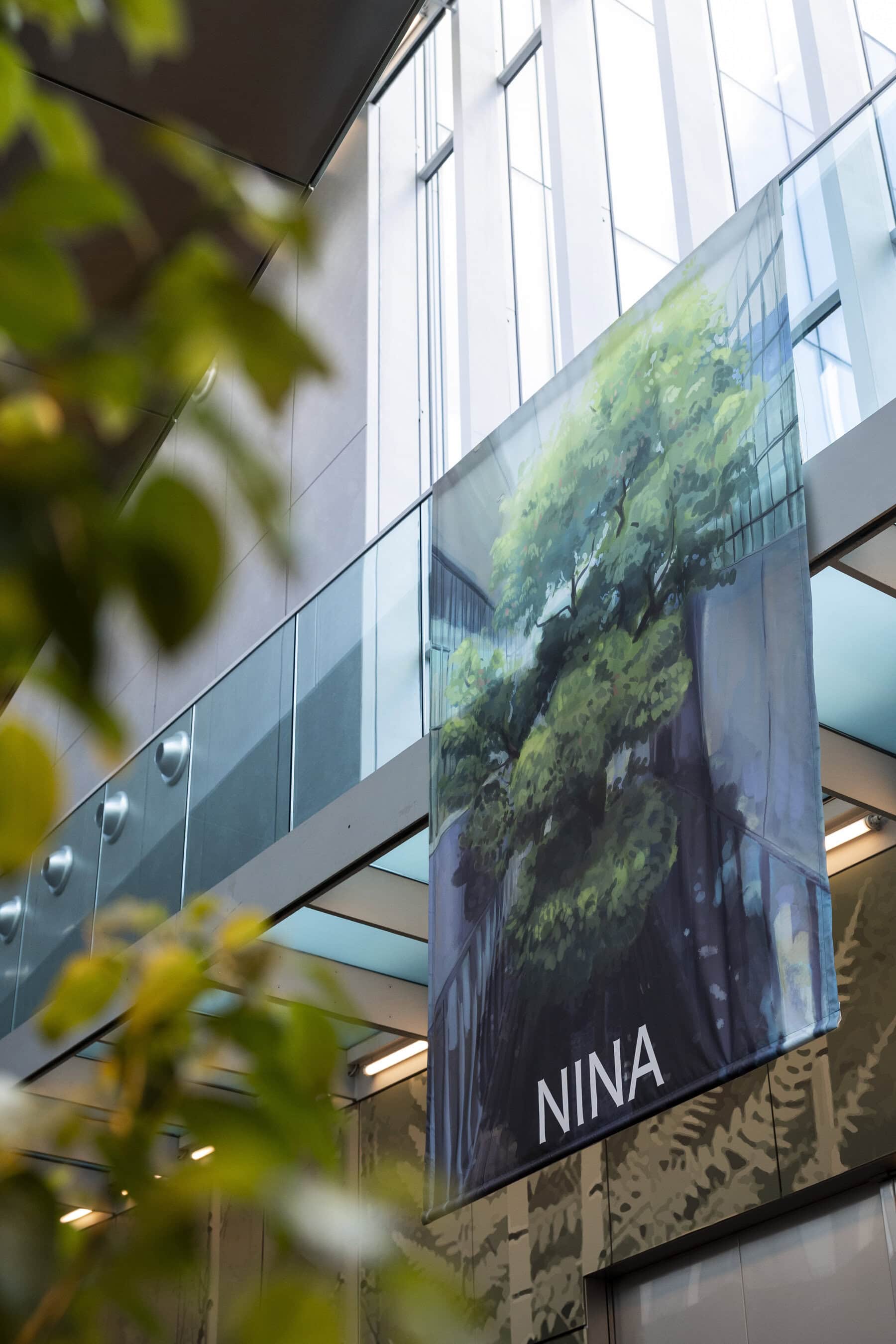
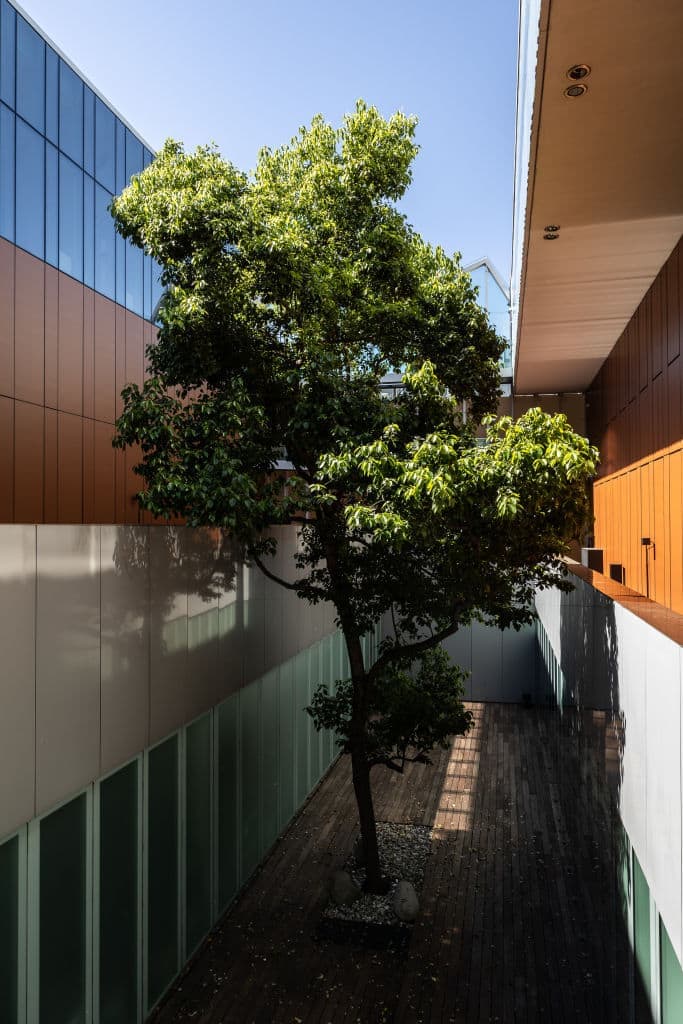
Zegna Corporate Office Milano by Antonio Citterio & Patricia Viel including the ‘Nina’ tree
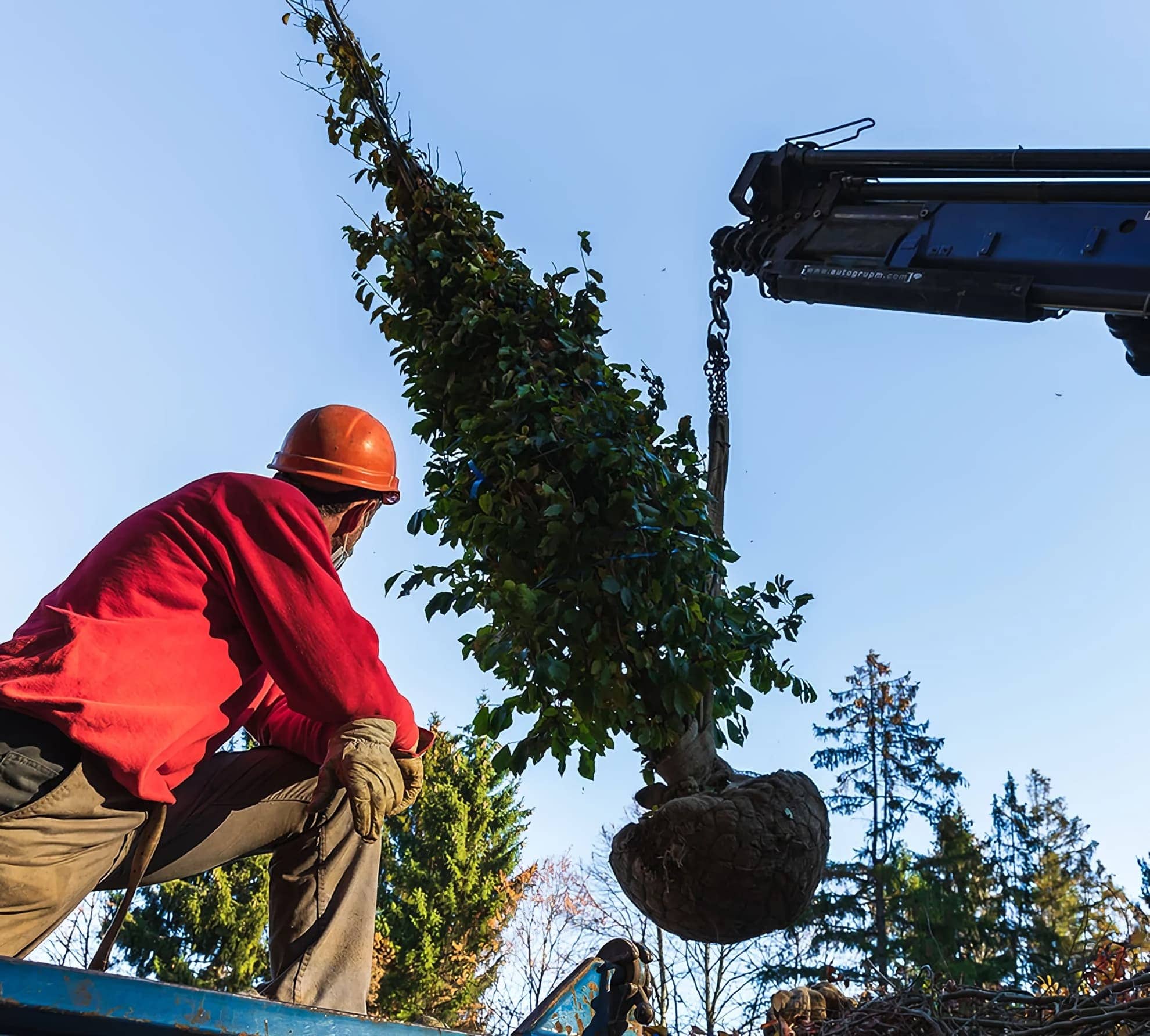
Earlier this year, employees were invited to write letters to Nina, a gesture that transformed the tree into a living archive of affection, gratitude, and continuity.
That gesture sits comfortably within a company whose most ambitious legacy is still growing outdoors. When a child is born to a Zegna employee, a tree is planted in Oasi Zegna in the child’s name. Over time, those plantings have become known as the Baby Forest, a living record of families connected to the house and to the territory that shaped it. It is difficult to imagine a more Zegna form of commemoration: modest, rooted, forward-looking, and designed to outlive the moment that inspired it.
For the family, Oasi Zegna is not simply an origin point or a heritage asset. It remains the emotional center of the company and the place where many of its values first took shape.
Edoardo Zegna has described it as the home of the family’s values, a living expression of ideas that continue to guide the business today.
What began as an ambitious act of reforestation nearly a century ago has become something much larger: a landscape where nature, community, culture, and industry continue to coexist. The forests have grown, the roads remain, and new generations continue to add to a project that was always intended to extend beyond a single lifetime.
It is perhaps the slowest thing the family has ever built, and for that reason among the most enduring.
That sentiment gives Zegna’s cultural commitments a different weight. The house’s art initiatives do not read as a departure from its heritage, but as a continuation of it through contemporary forms. ZegnArt, the name now used to frame the company’s engagement with art, gathers together a practice that had long existed before it was fully articulated. The name may be more recent than the instinct, but it gives language to something the family had already been doing for generations: commissioning artists, shaping environments, and supporting creative practices connected to people and place.
No figure has been more important to carrying that spirit into the cultural sphere than Anna Zegna. Through Fondazione Zegna, she helped formalize the family’s philanthropic and cultural commitments while keeping them closely connected to the values of Oasi Zegna. The foundation’s work has long extended across education, culture, social responsibility, and environmental care, but its relationship with art has remained especially distinctive. Rather than treating artists as contributors to a corporate narrative, it has fostered long-term relationships rooted in dialogue, trust, and a shared commitment to place.
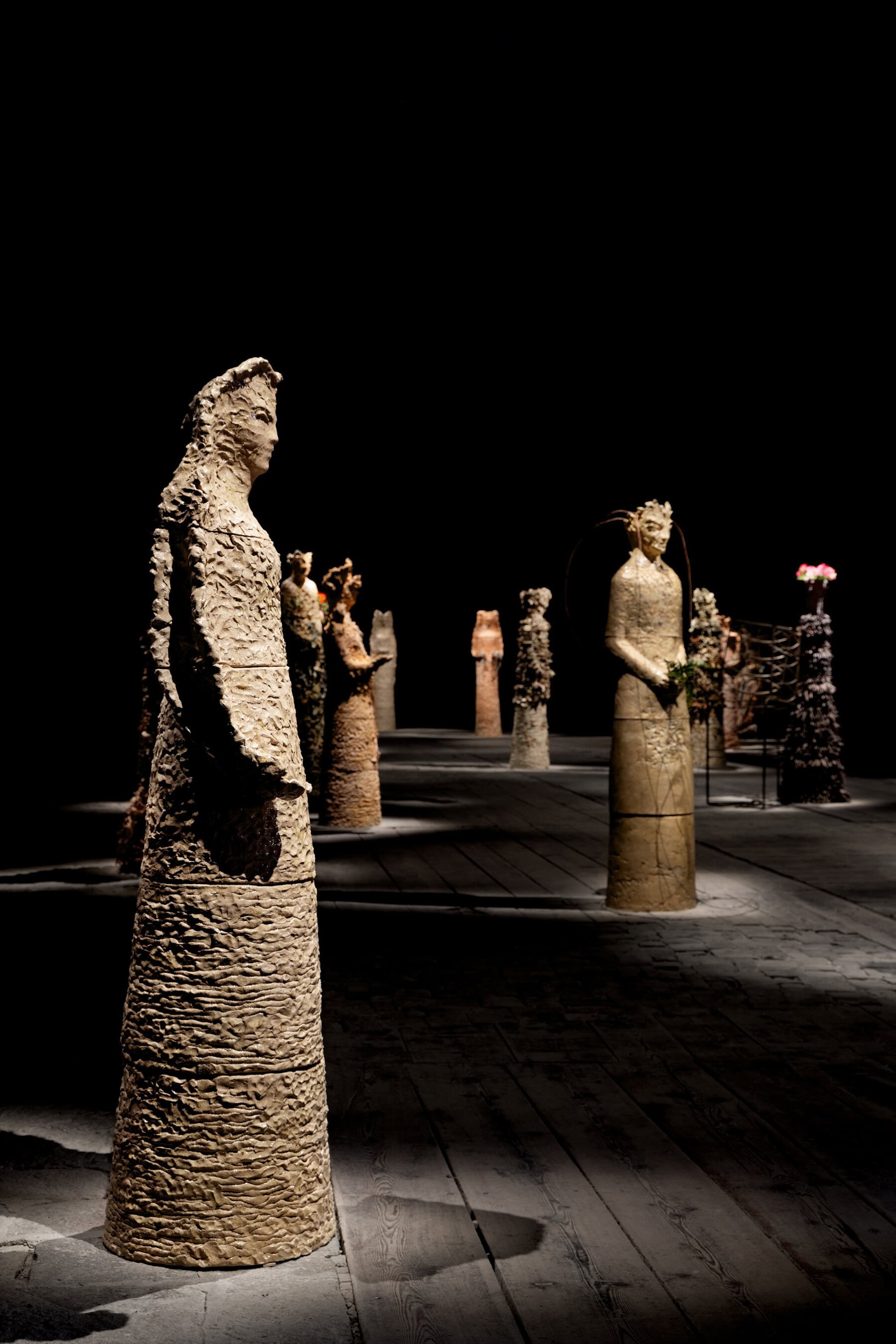
That approach has often led the family toward lasting collaborations rather than one-off cultural moments. Among the artists nurtured through that relationship is Chiara Camoni, whose connection to Fondazione Zegna stretches back more than a decade through projects developed in and around Oasi Zegna.
When Camoni was selected to represent Italy at the 2026 Venice Biennale, the relationship naturally continued. Zegna became a supporter of the Italian Pavilion, not as a new cultural initiative, but as the continuation of a conversation that had already been unfolding for years.
The connection ran deeper than sponsorship. Elements from Oasi Zegna itself were incorporated into Camoni’s installation, bringing traces of the territory into one of the art world’s most visible international stages. For the family, it was the continuation of a relationship that began in the mountains of Piedmont and eventually found expression on one of the art world’s most visible stages.
That same spirit helped give rise to Visible, the initiative established in 2010 through Fondazione Zegna and Cittadellarte–Fondazione Pistoletto. From the beginning, Visible focused on socially engaged artistic practices, supporting artists whose work moved beyond representation and into the fabric of communities. It was never conceived as a conventional art prize. Instead, it sought out artists working in the spaces where culture, society, and everyday life intersect, providing visibility and support for practices that often develop far from the spotlight.
Over the years, Visible evolved from an award into a fellowship model, deepening its commitment to long-term support. Since 2024, Zegna itself has taken a more direct role in carrying that commitment forward, reflecting the fourth generation’s desire to speak more openly about the cultural foundations of the house. Yet the move does not feel like a brand suddenly discovering art. It feels more like a family finally opening the archive and realizing just how much of itself had been quietly stored there.
That history surfaced this week at Art Basel, where Zegna gathered artists, curators, collectors, and cultural leaders to celebrate the latest recipient of the Visible Situated Fellowship. The setting was far from Trivero, but the values in the room felt familiar: patience, stewardship, community, and the belief that art can help shape the conditions in which people live.
During the evening, Edoardo Zegna offered a line that seemed to carry both the spirit of the fellowship and the long arc of the family’s history.
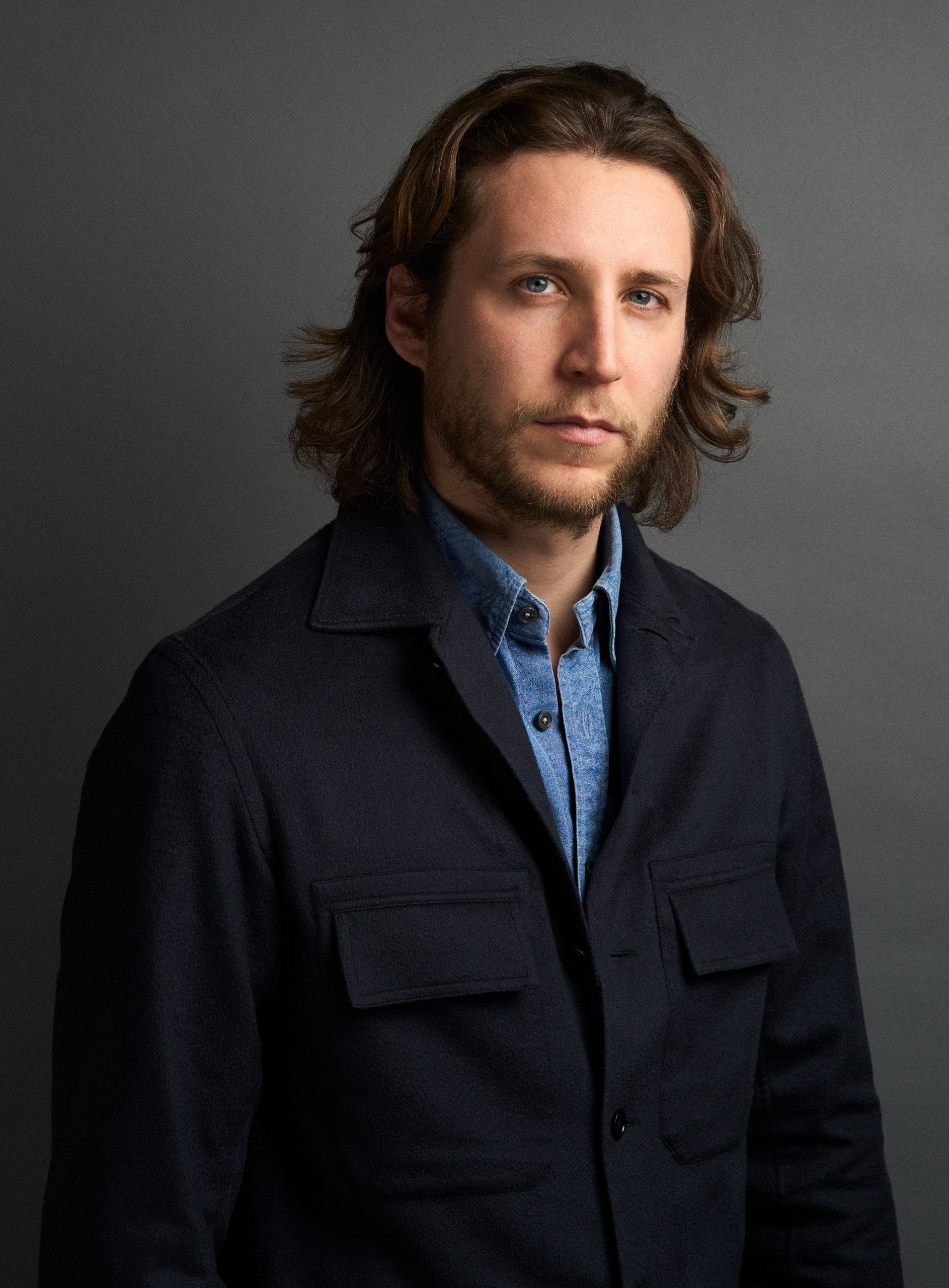
The ‘Visible Fellowship’ does not ask what art can represent. It asks what art can do.
– Edoardo Zegna, Co-CEO Zegna
This year’s fellowship was awarded to artist Martha Atienza and Good Land, the community platform she founded on Bantayan Island in the Philippines. Working with fisherpeople, farmers, educators, artists, and local institutions, Good Land supports ecological resilience, cultural preservation, and community stewardship across an island environment shaped by the sea. The project unfolds through relationships built over years, through local knowledge, and through the slow work of creating structures that can remain after the attention of the art world has moved elsewhere.
For Atienza, that support carries particular meaning. Her practice has long existed between art, advocacy, ecology, and community organizing, a space that can be difficult to categorize and therefore difficult to sustain.
“When I started, there was really no platform, or there was no interest in what I was doing,” she said in Basel. “To get support for it has always been kind of a challenge.”
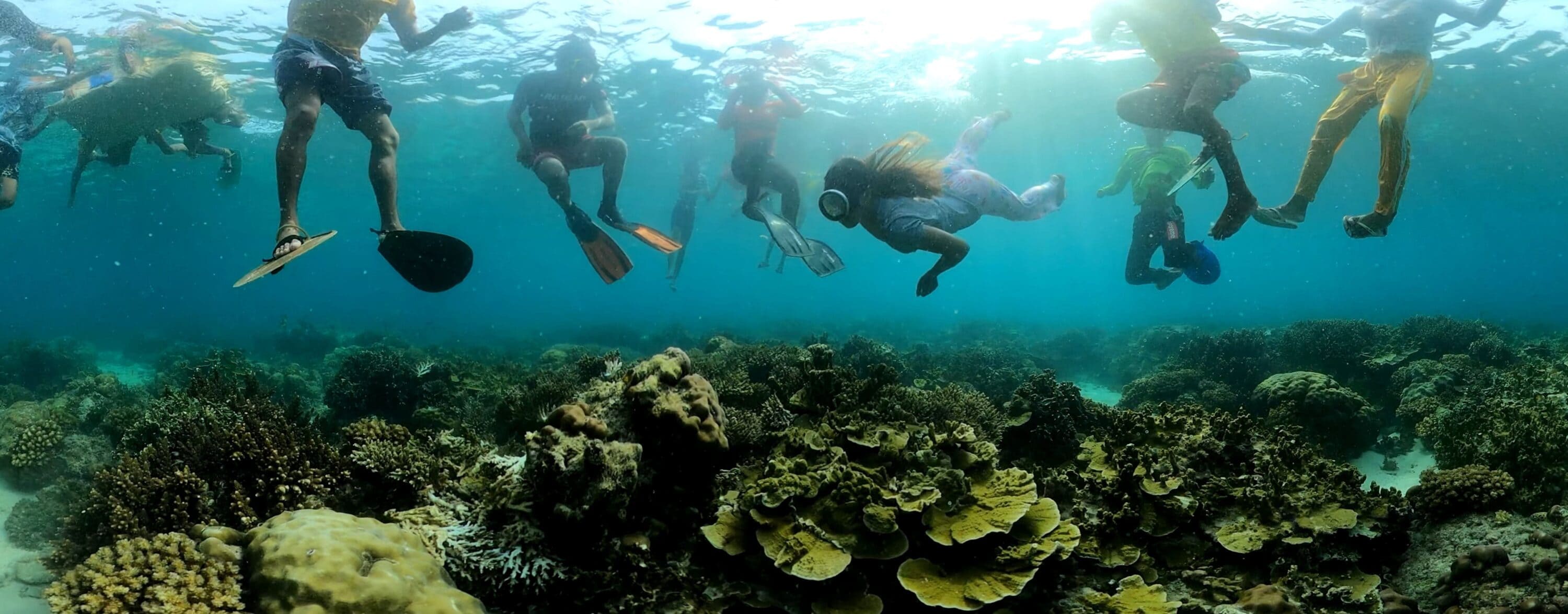
Standing before images of the communities with whom she works, Atienza spoke of learning to accept that this work, in all its complexity, was not separate from her identity as an artist.
“It’s okay to be the artist,” she said. “To say that this is my practice, and that is all part of the process.”
The fellowship provides financial support that extends beyond a single award moment, helping the artist develop the structure around the project over multiple years while remaining connected to a network of curators, advisors, and collaborators. That continuity matters. Good Land is not a project that can be completed in a season, just as Oasi Zegna was not a project that could be completed in one generation. Both are built through time, care, and a willingness to stay with a place long enough for change to take root.
At one point, Atienza described the marine ecosystem she works to protect as an underwater forest. The phrase lingered in the room, bridging two landscapes that could not be more different on the surface: the forests of Piedmont and the waters of Bantayan Island. One was shaped by a wool mill in the mountains, the other by fishing communities in the Philippines. Yet both speak to the same understanding that a landscape is never merely scenery. It is livelihood, culture, inheritance, and responsibility.
Seen through that lens, Zegna’s presence at Art Basel does not feel like an arrival into the art world, but a return to a language the house has always known. The same impulse that led Ermenegildo Zegna to place art in a factory corridor now supports artists working within communities across the globe. The same patience that planted trees across the mountains of Trivero now underwrites projects that may take years to unfold. The same belief that beauty belongs in daily life now extends through ZegnArt, Visible, and a global network of commissioned works that the house is only beginning to bring fully into view.
What makes the story so compelling is how quietly much of it has happened. In a luxury landscape where cultural engagement is often announced before it is fully formed, Zegna’s art history has the inverse quality. It has been there all along, embedded in corridors, gardens, benches, stores, forests, headquarters, fellowships, and family memory. The house is not inventing an artistic identity for the present. It is finally making visible a legacy that has been quietly accumulating for more than a century.
That may be why the story feels less like an art strategy than a family temperament. Zegna’s relationship with art is not loud, but it is persistent. It does not insist on spectacle, but it leaves traces. A worker passing through a corridor. A child represented by a tree. A sculpted dog keeping watch beside a bench. A store opening with a new commission. An artist in the Philippines receiving the time and support needed to continue. A family looking at the territory its founder began shaping nearly a century ago and understanding that some legacies are measured not by what they own, but by what they leave growing.
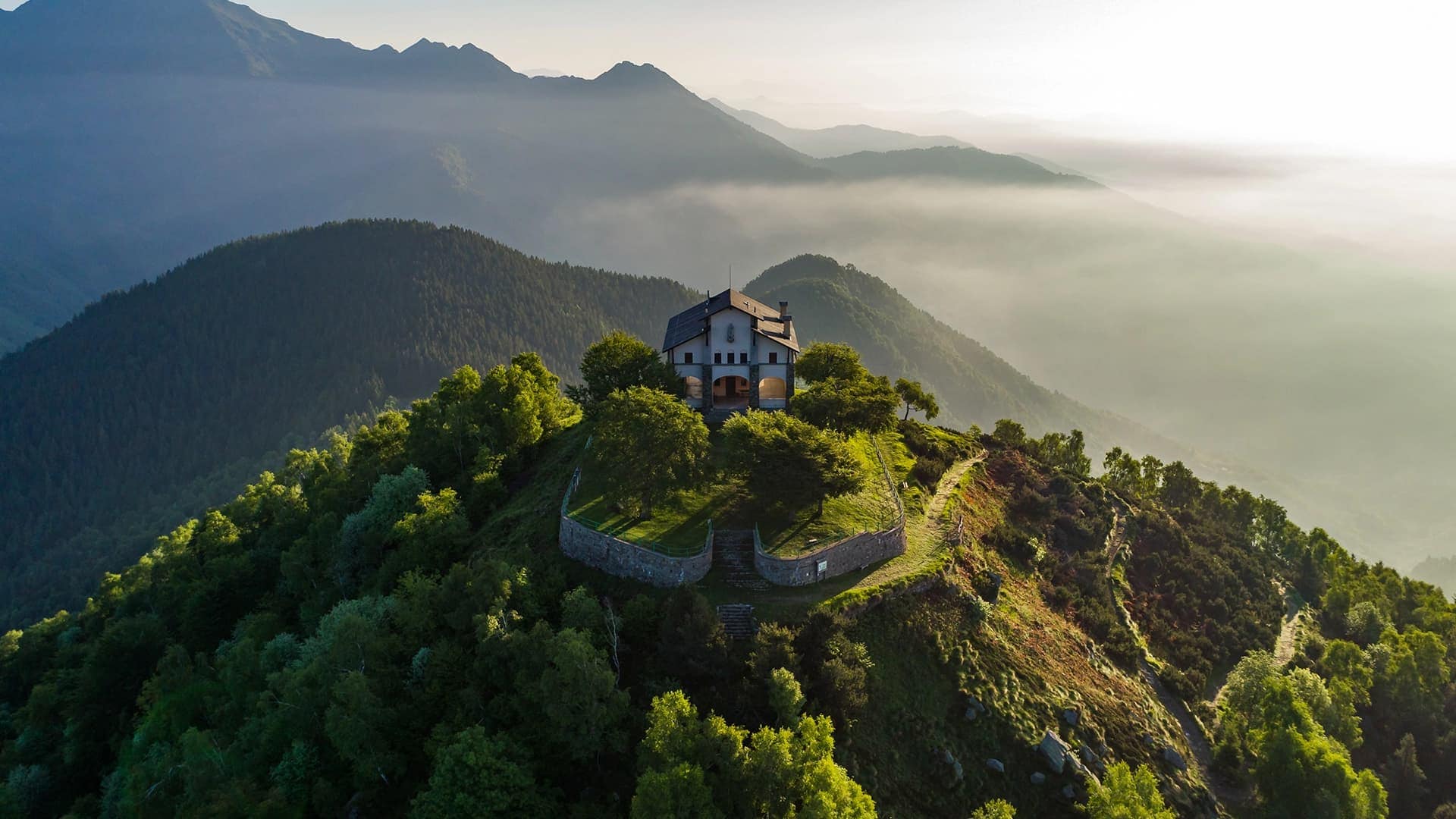
From Trivero to Milan, from Oasi Zegna to Art Basel, the thread remains remarkably intact. It runs through landscapes and institutions, through artists and employees, through family members who preserved a founder’s vision without turning it into a slogan. Zegna may now be speaking more openly about its relationship with art, but the most powerful part of that relationship is how long it existed before it was explained.
The trees were planted first.
Much of what followed is still growing.