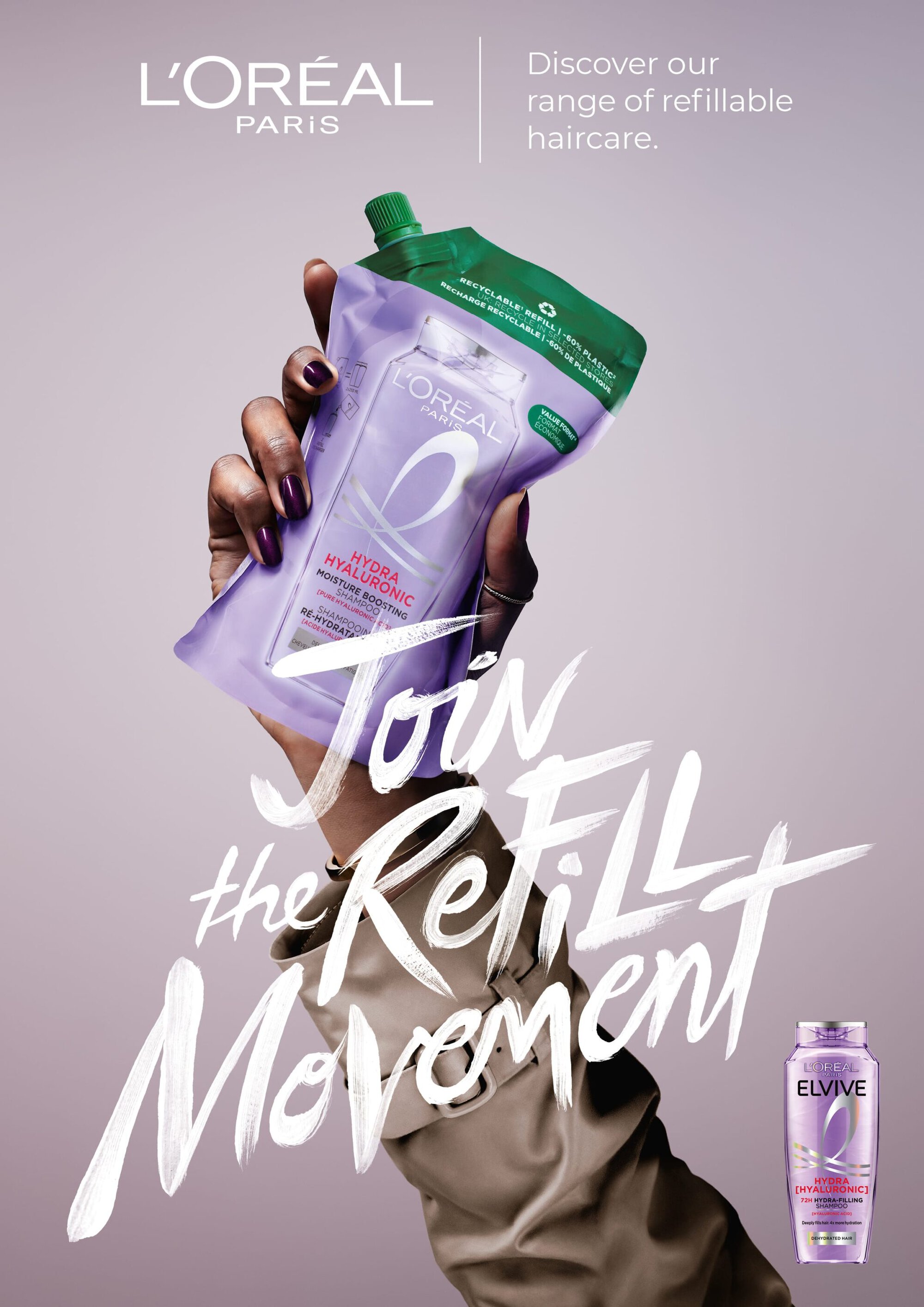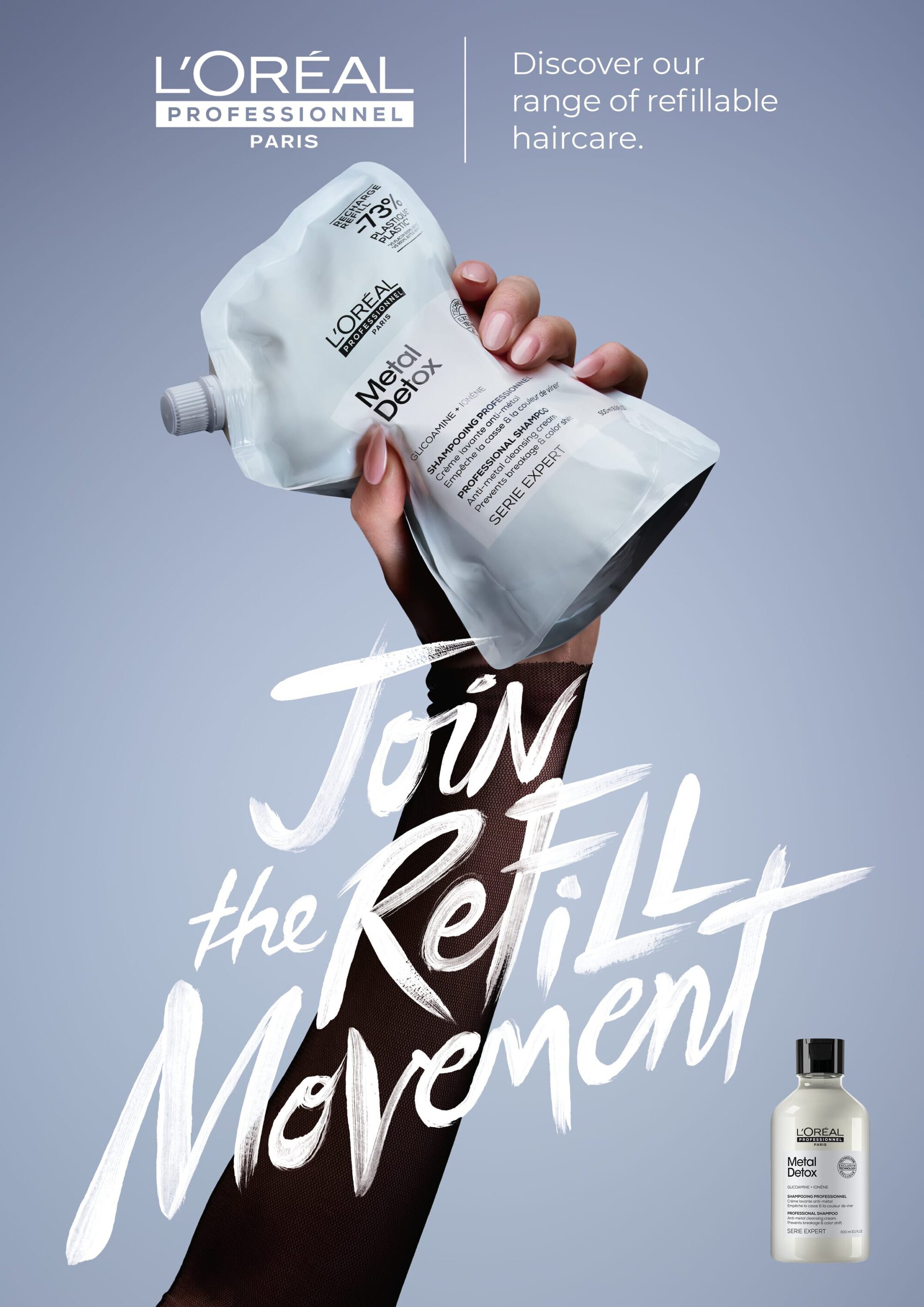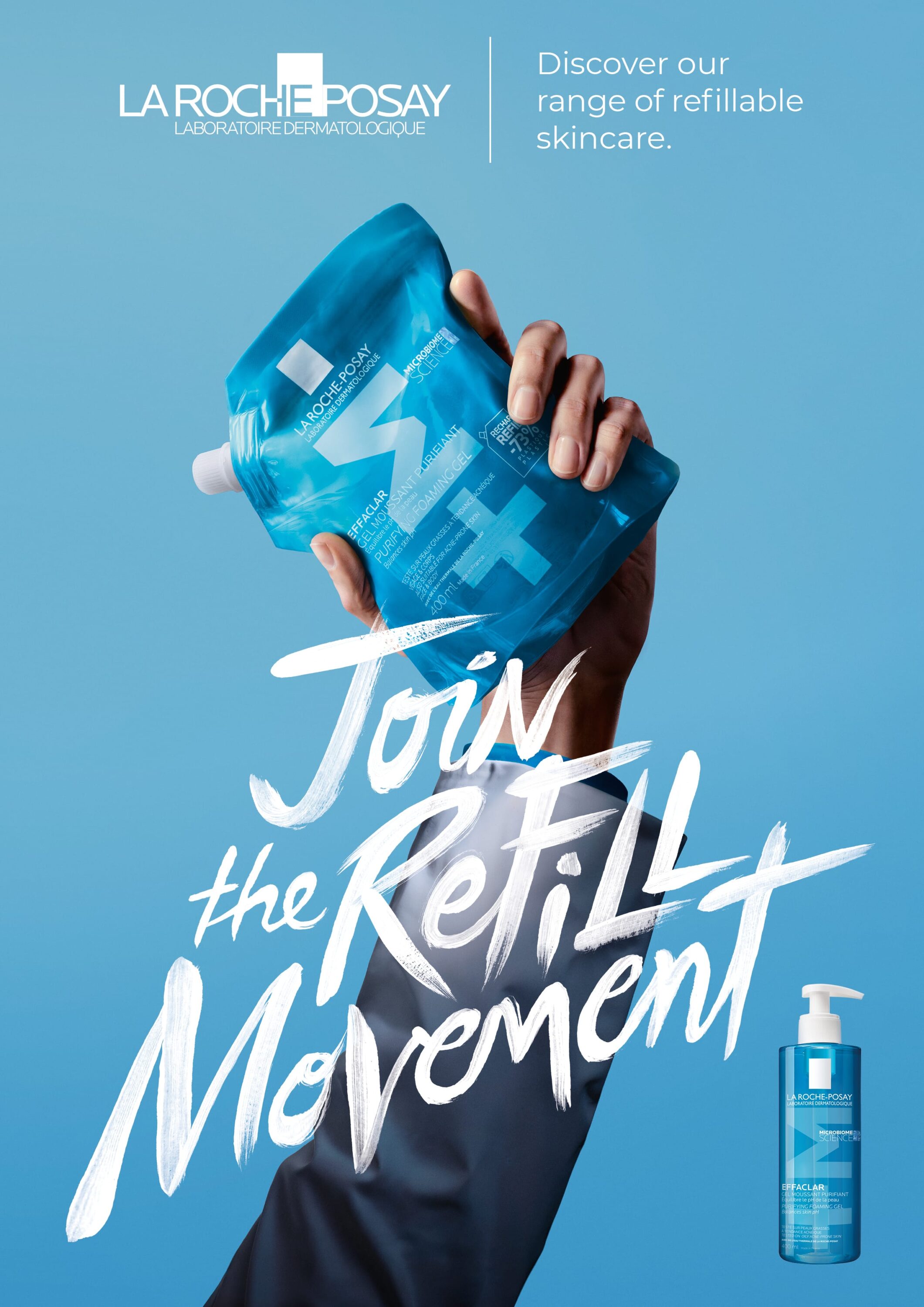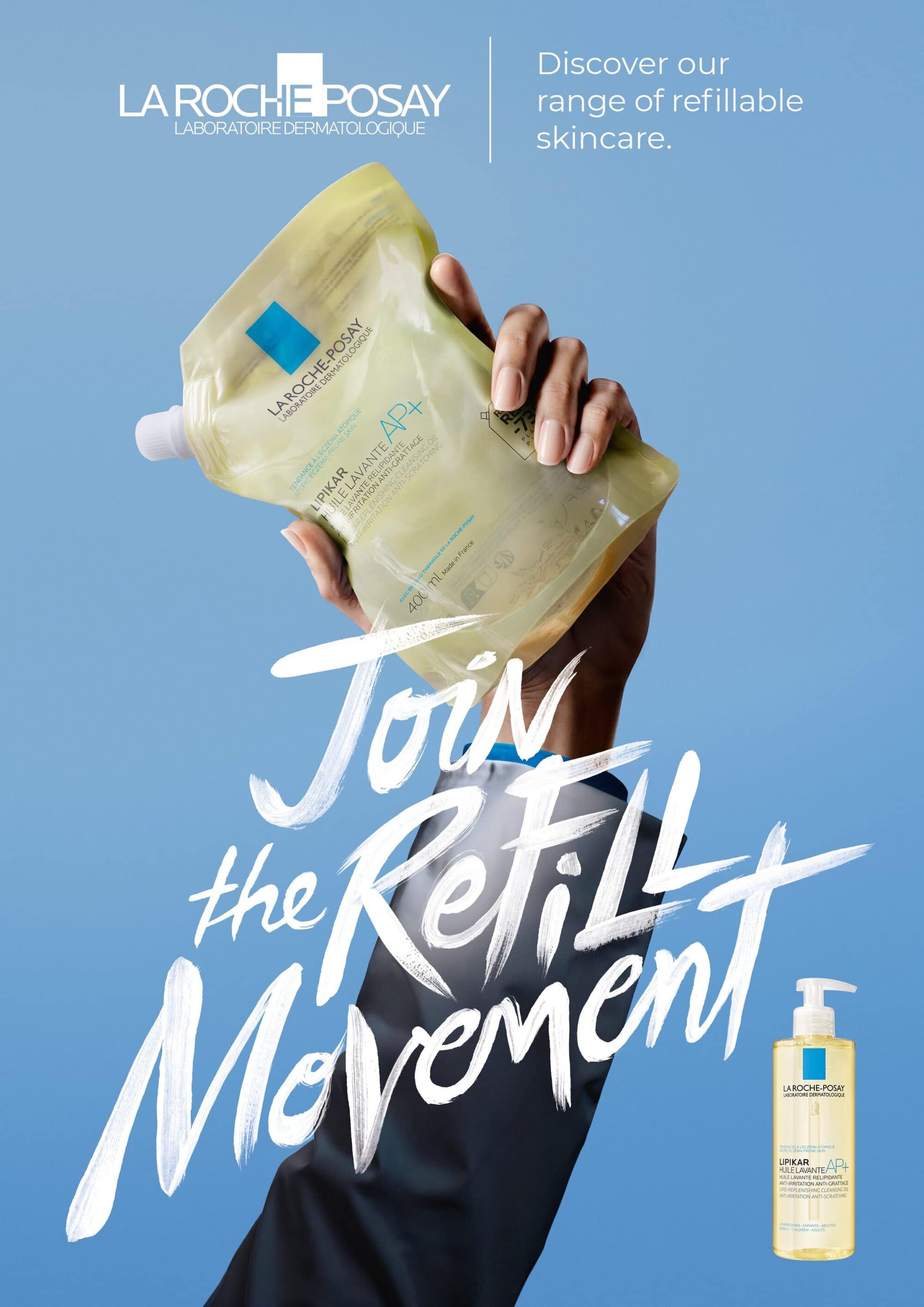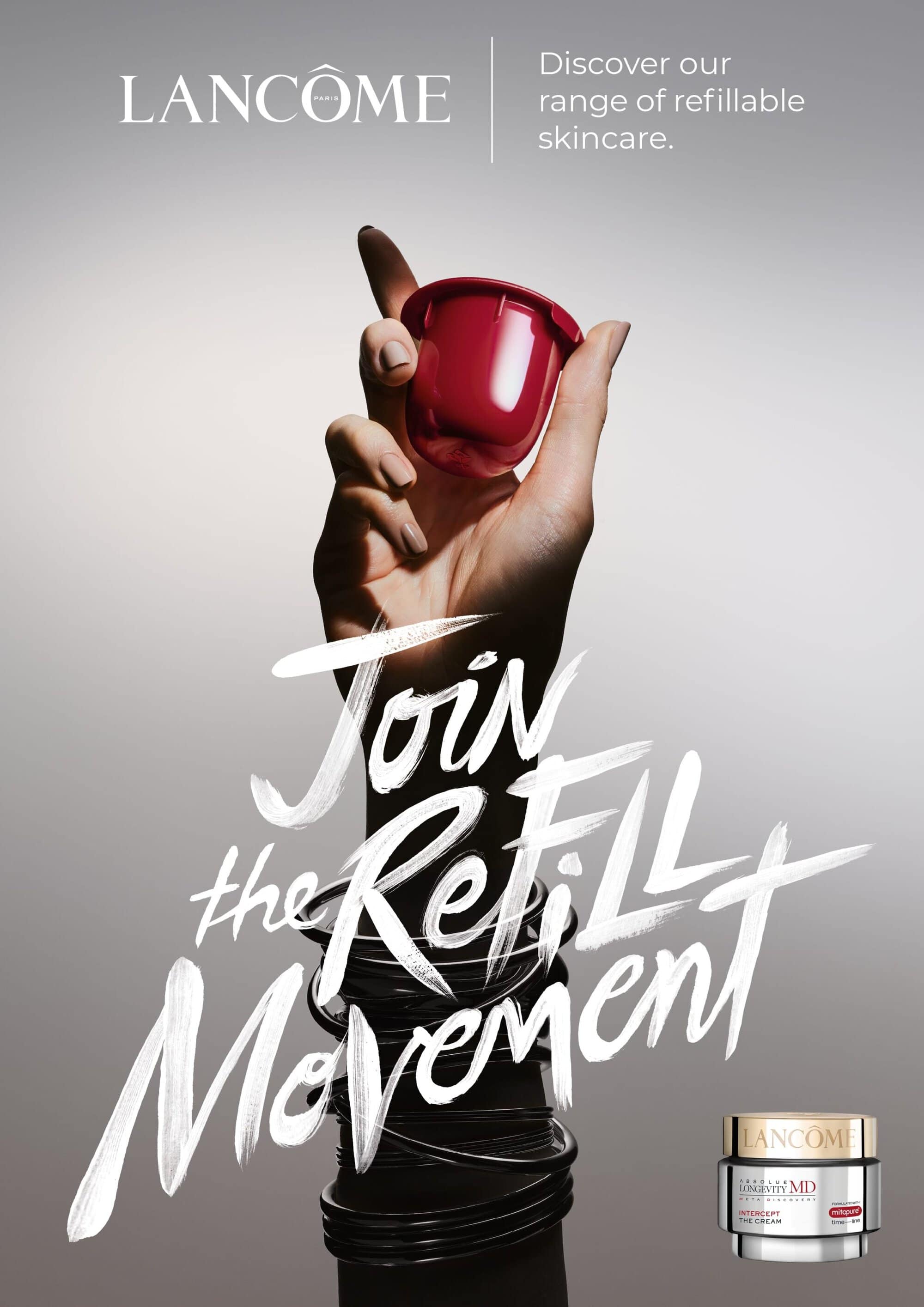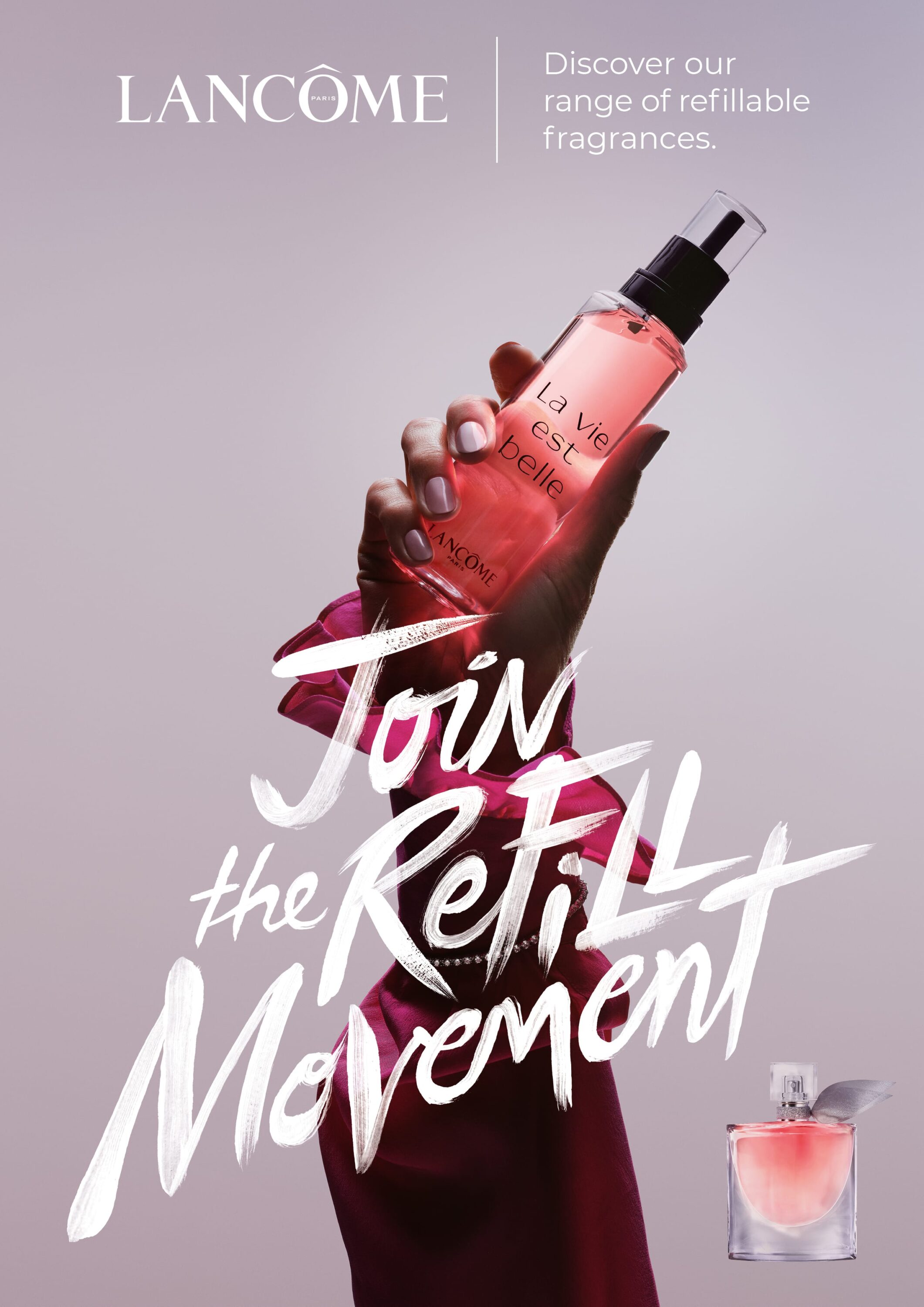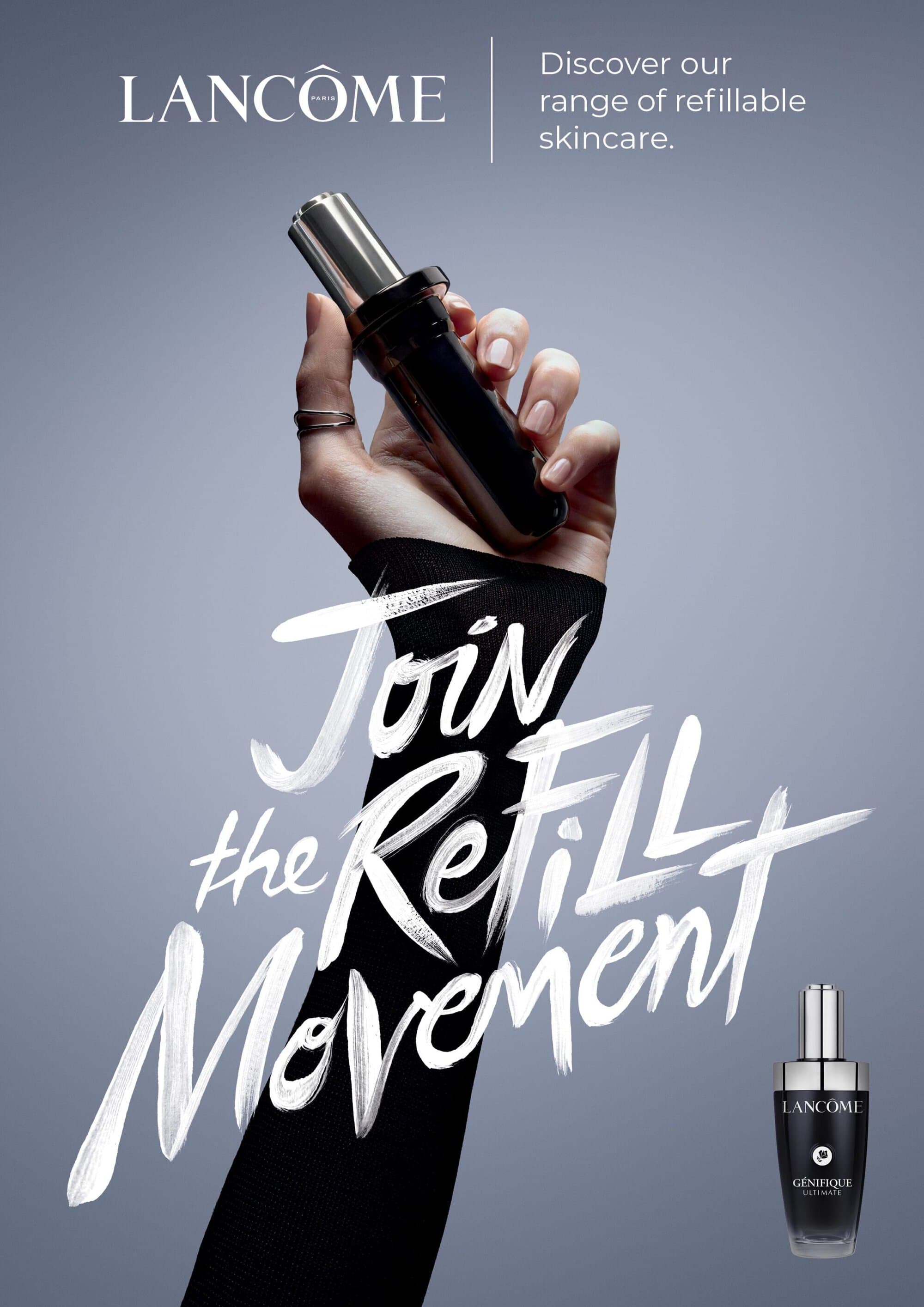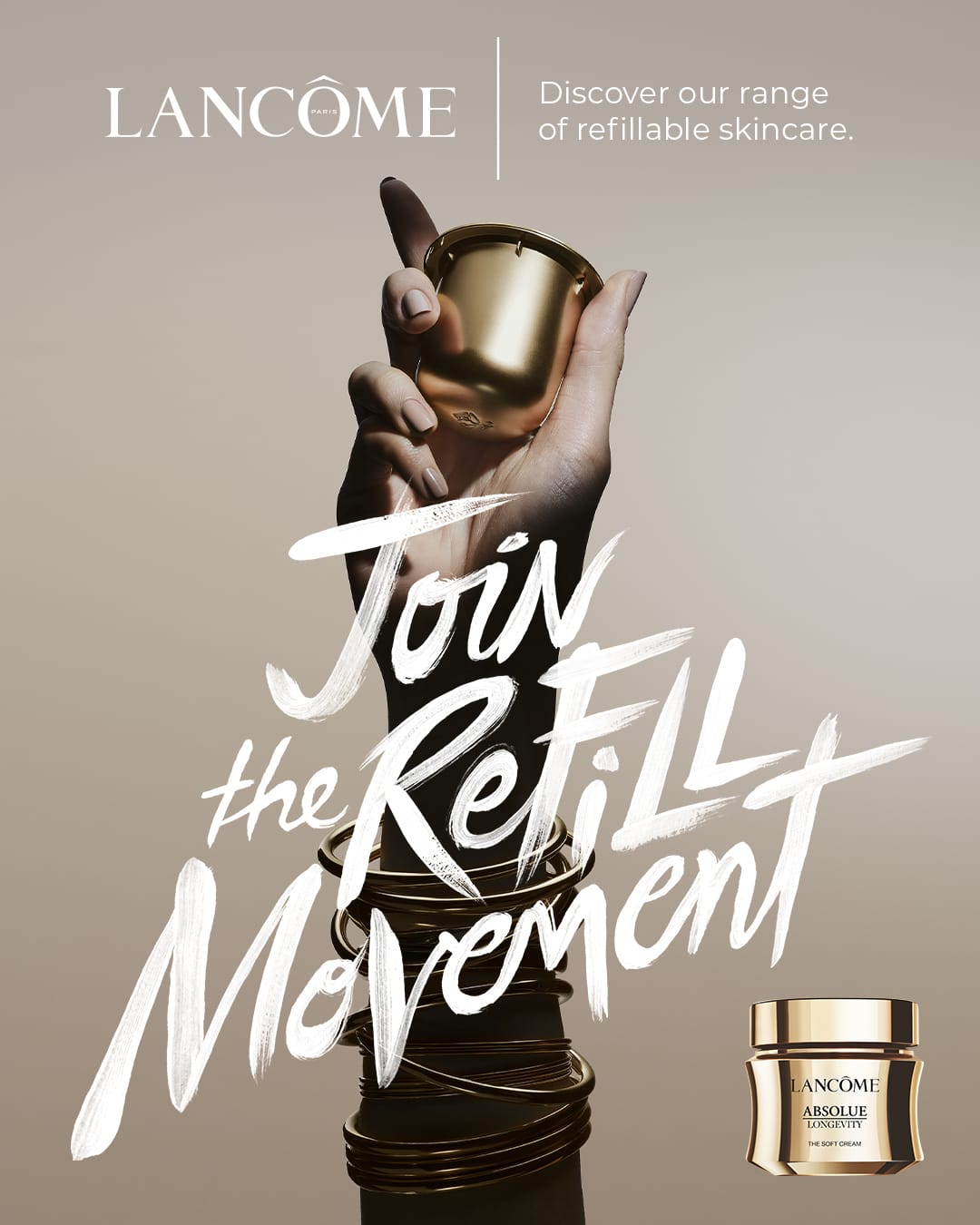
L’Oréal’s #JoinTheRefillMovement Is the Smartest Campaign the Brand Has Ever Run
Review of L’Oréal “#JoinTheRefillMovement” Spring 2026 Ad Campaign
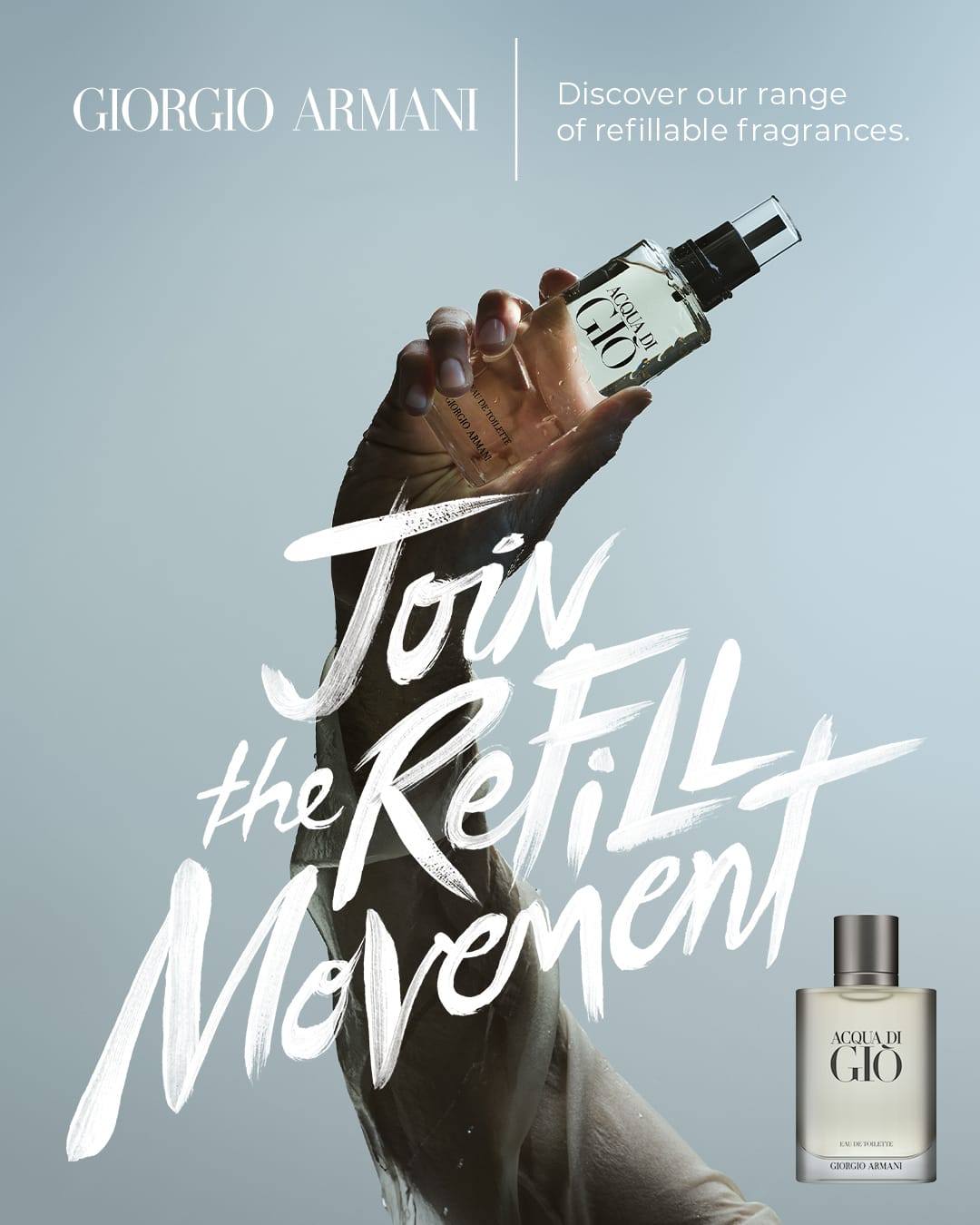
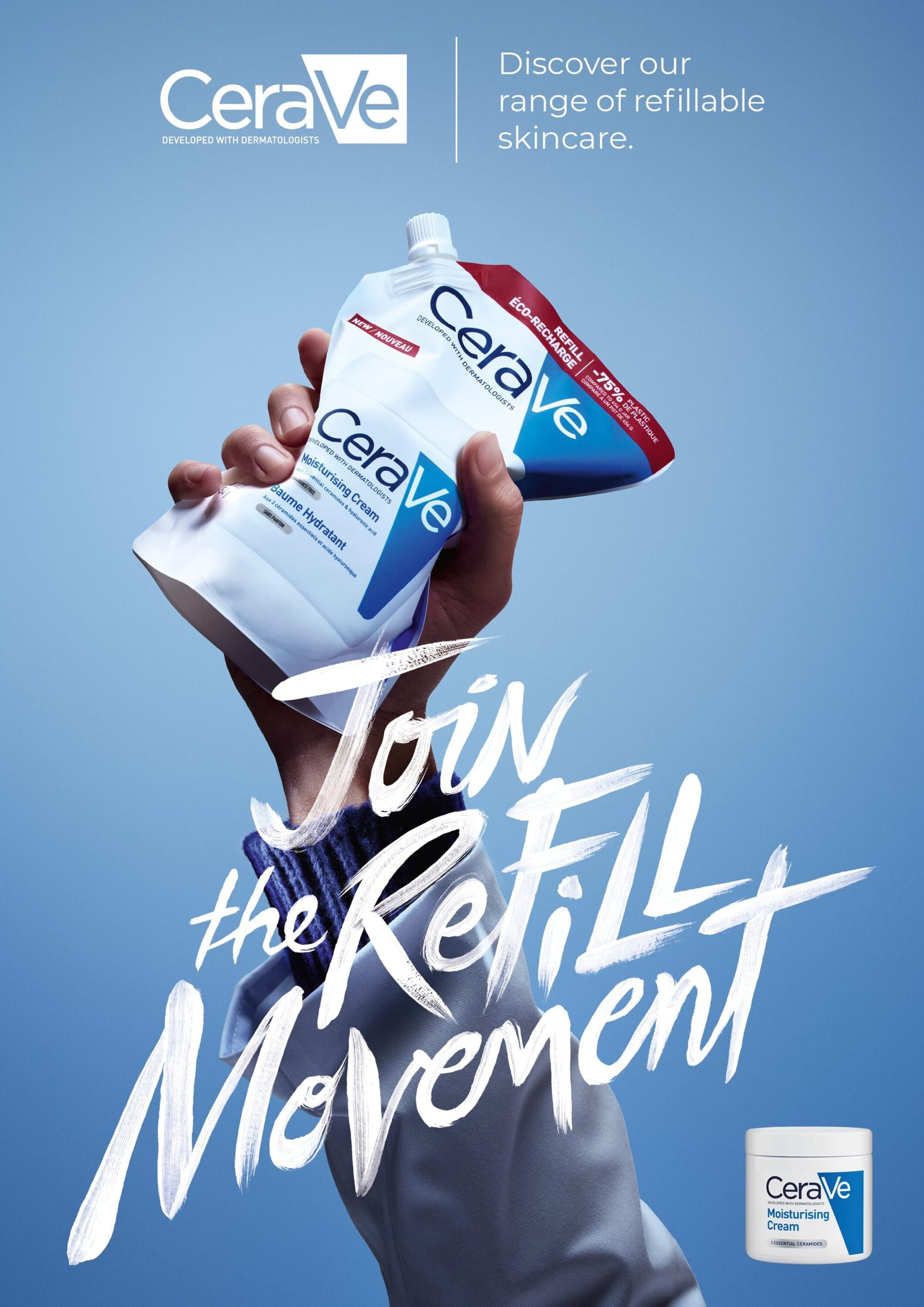
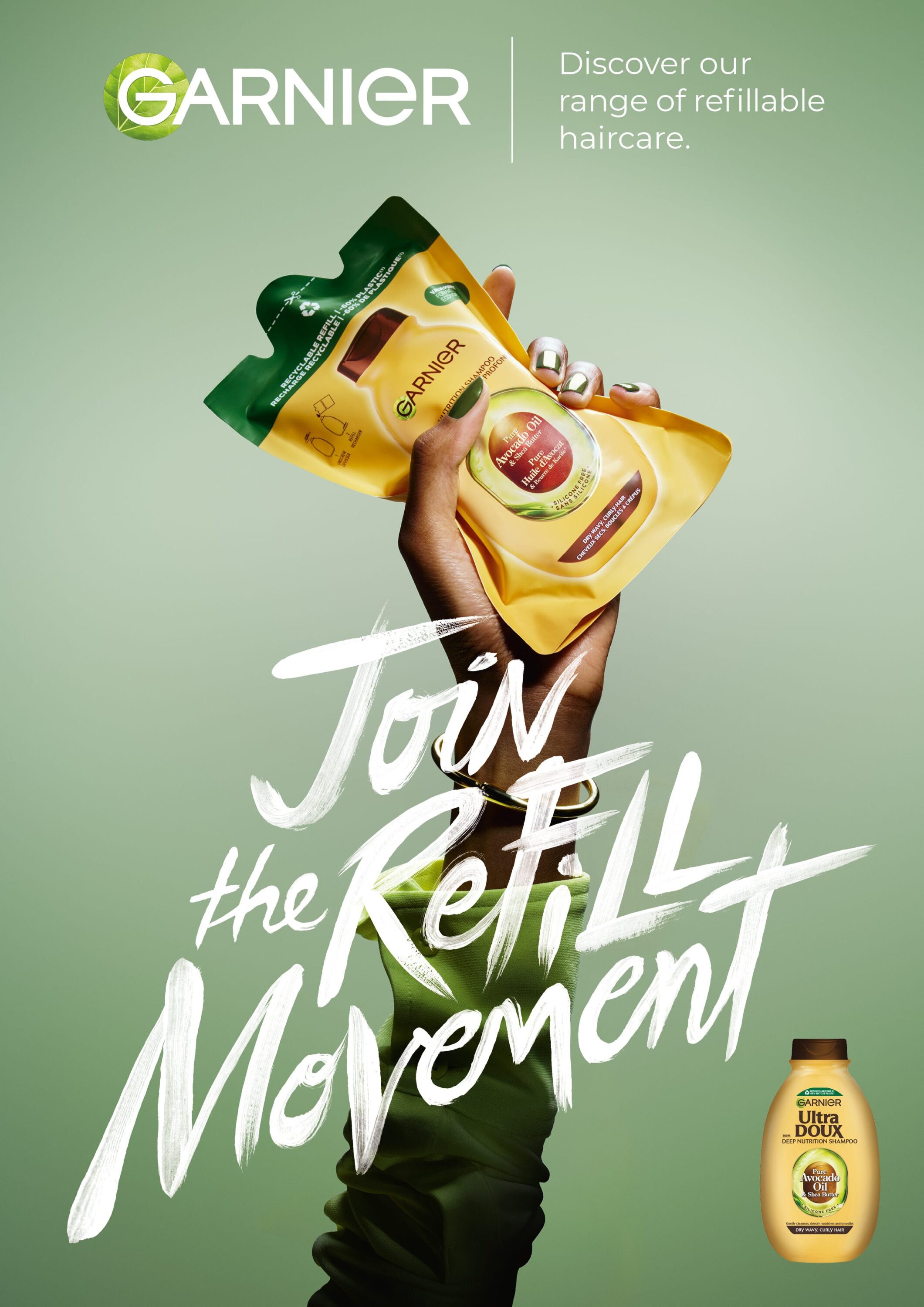
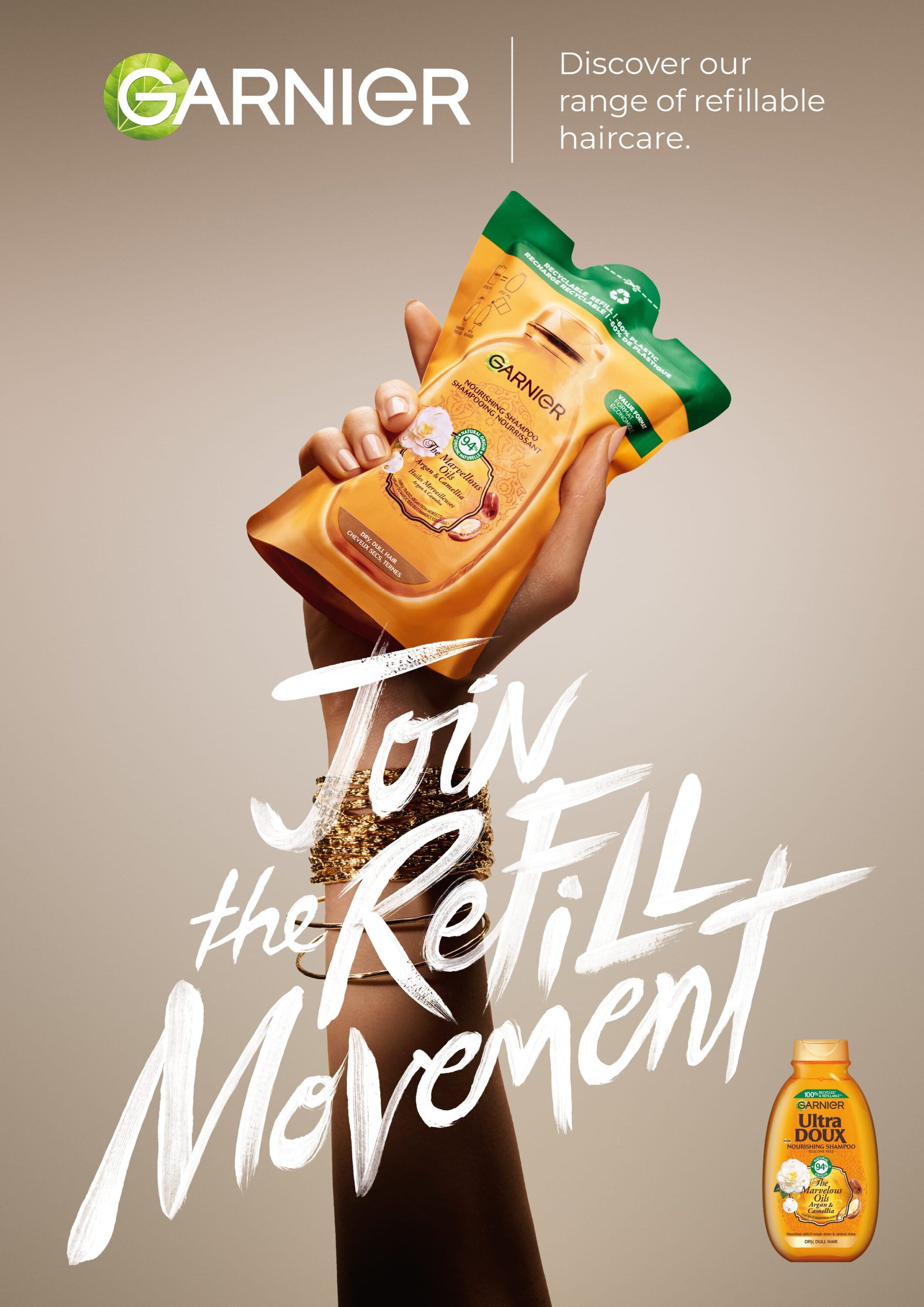
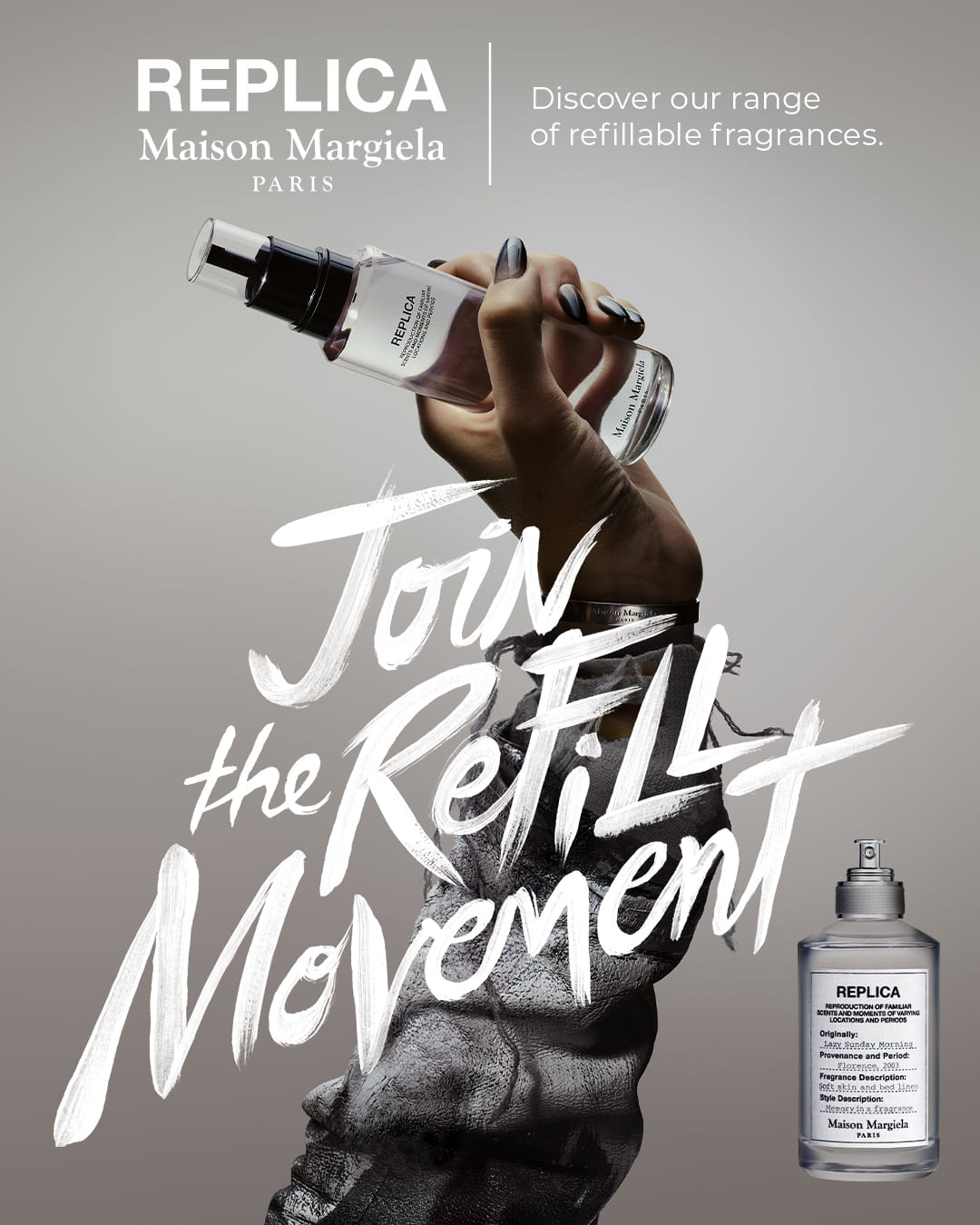
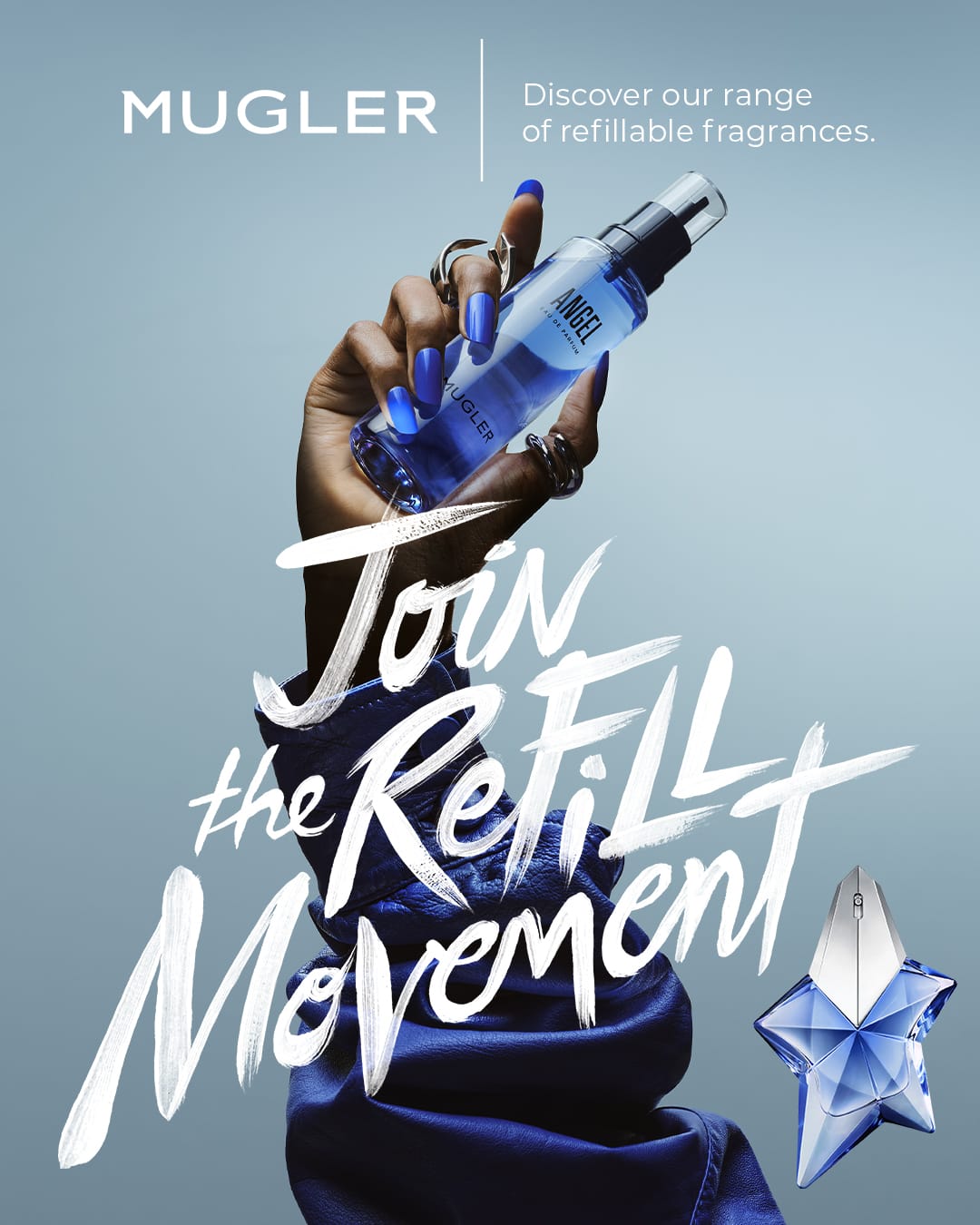
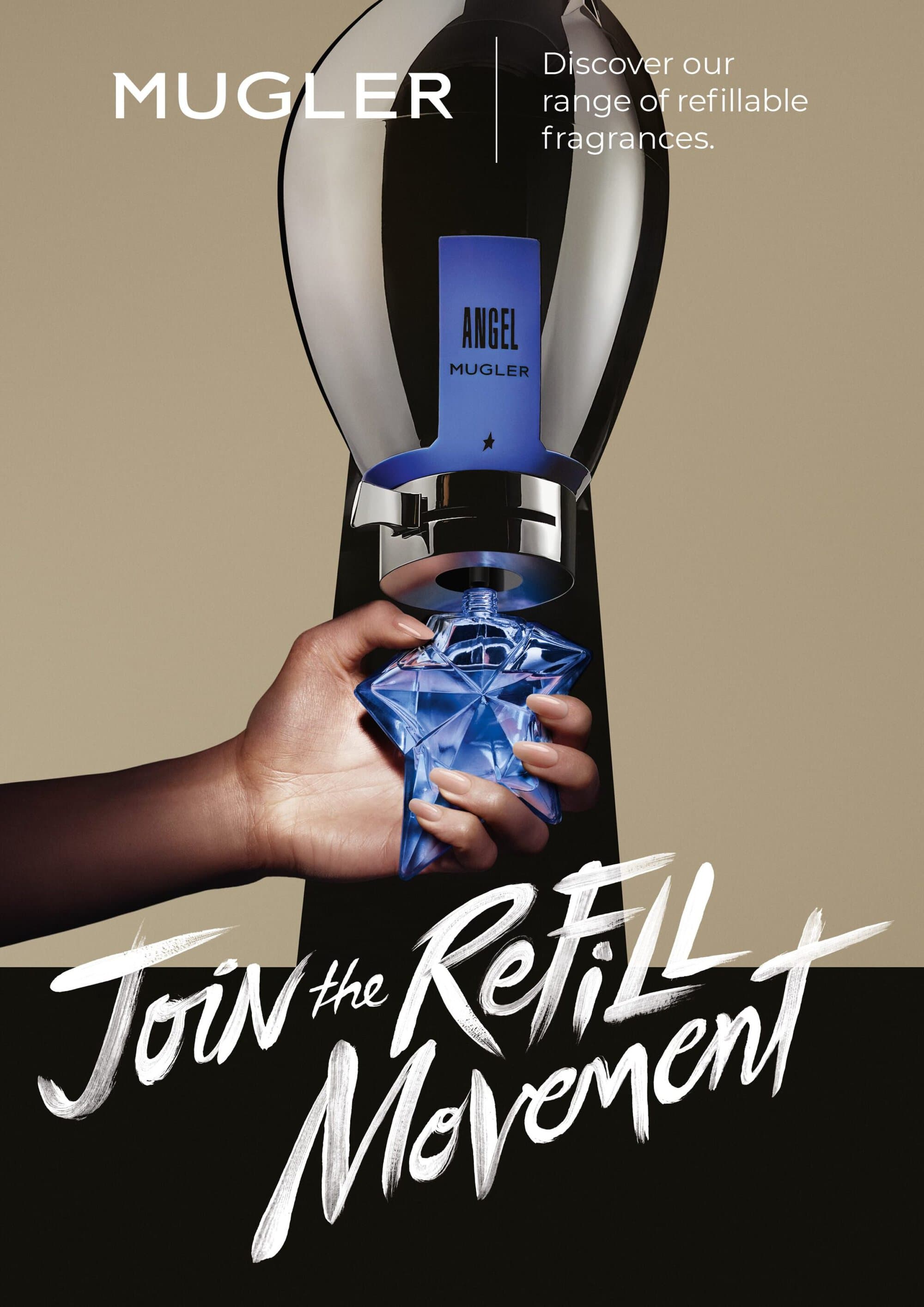
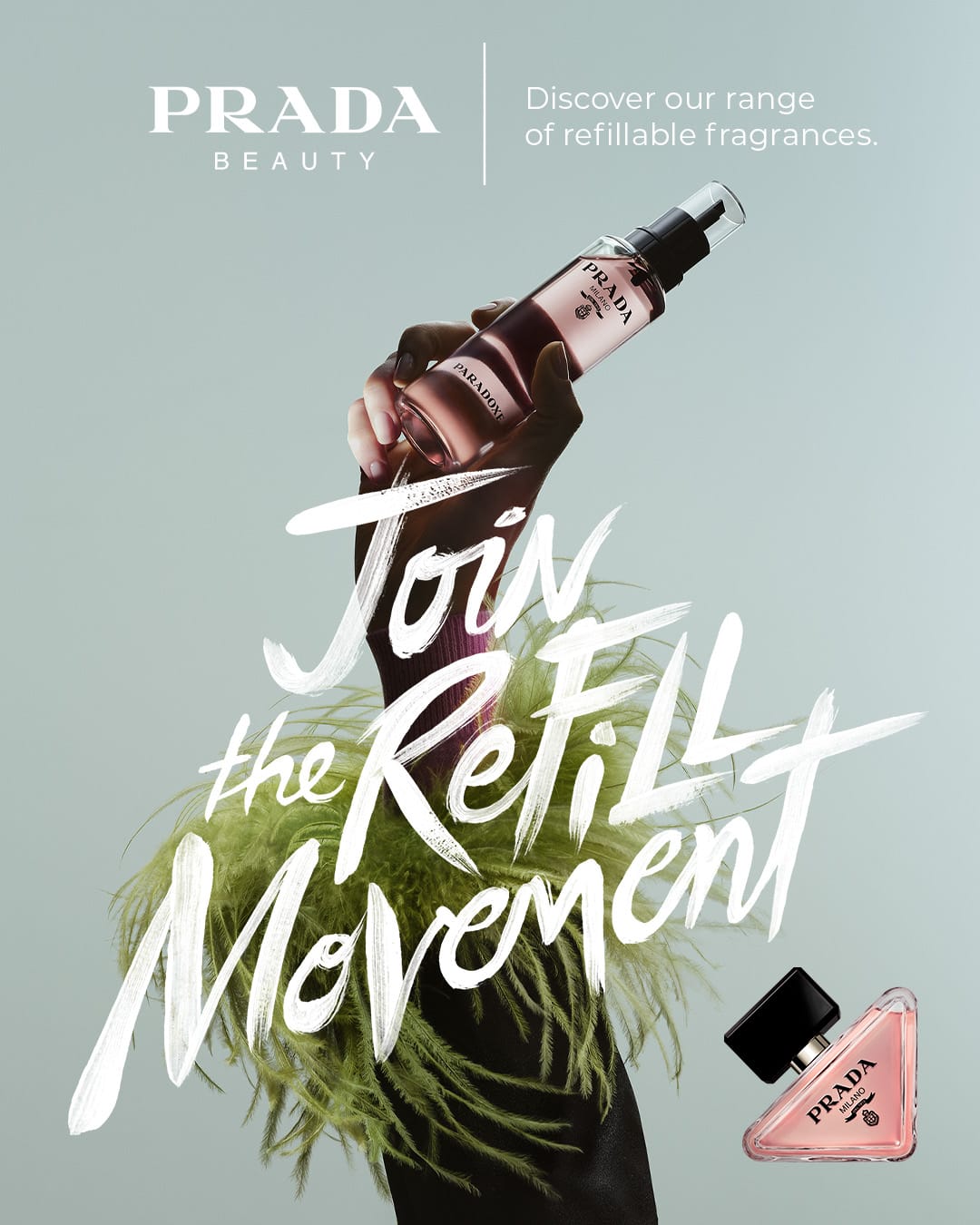
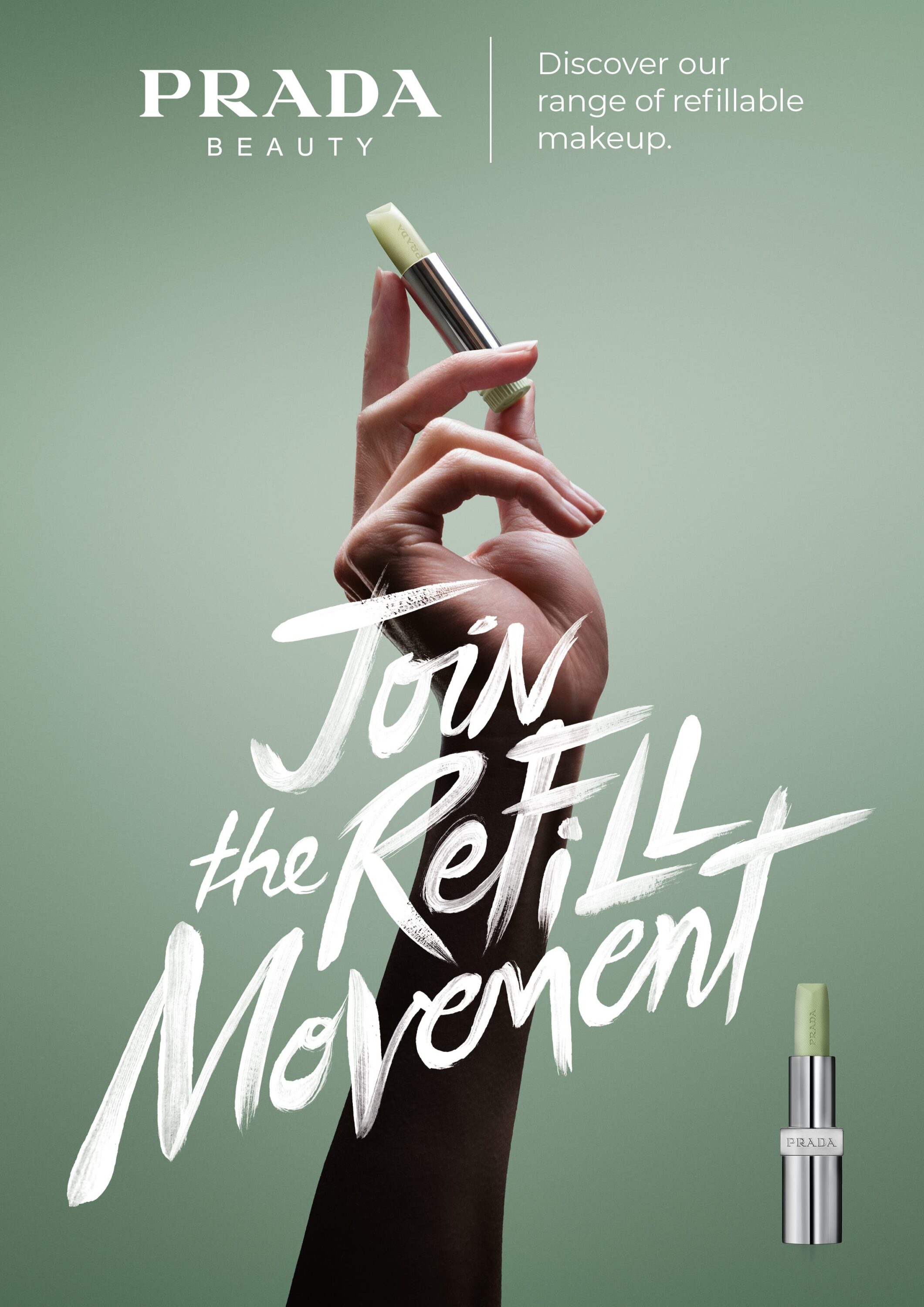
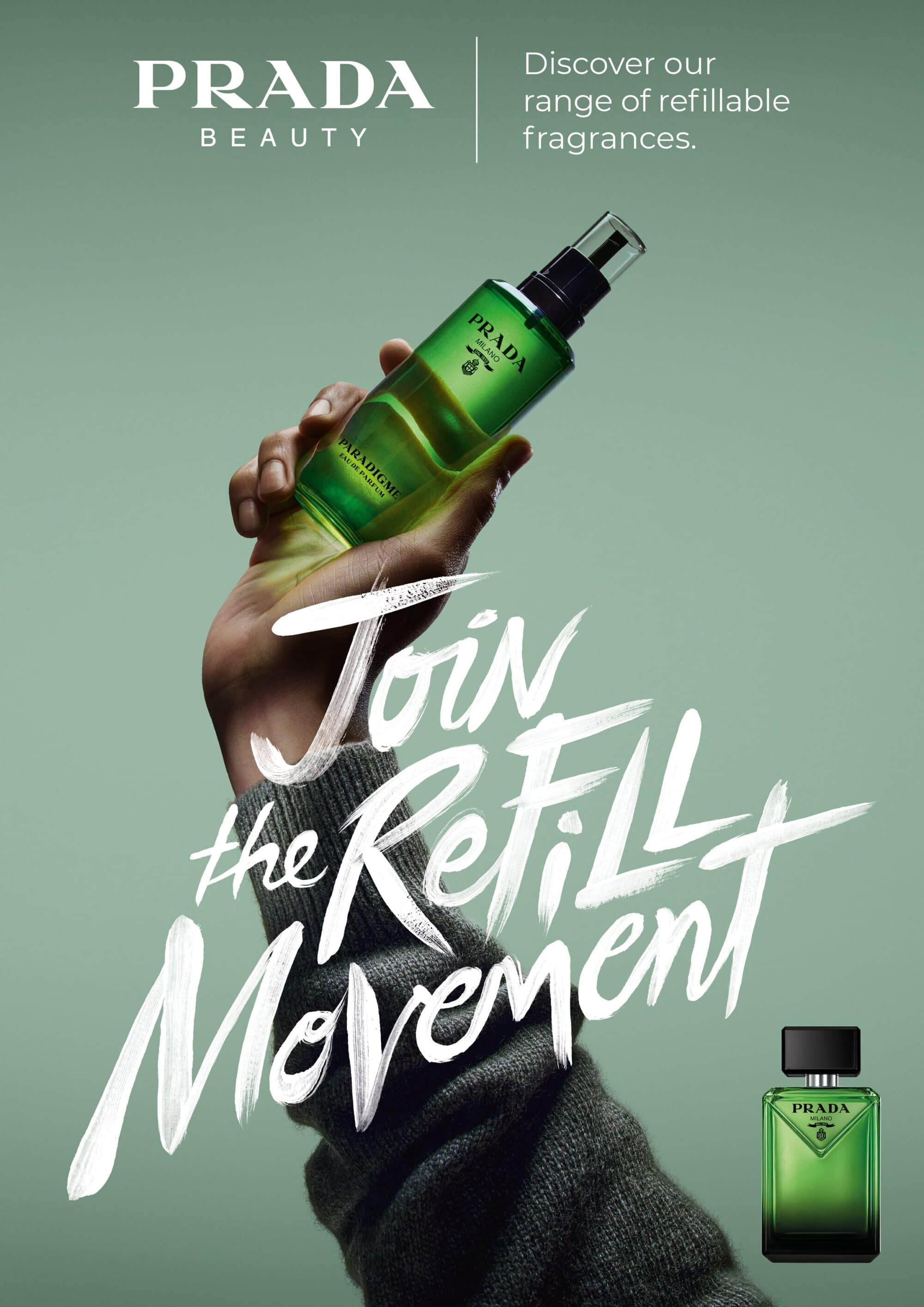
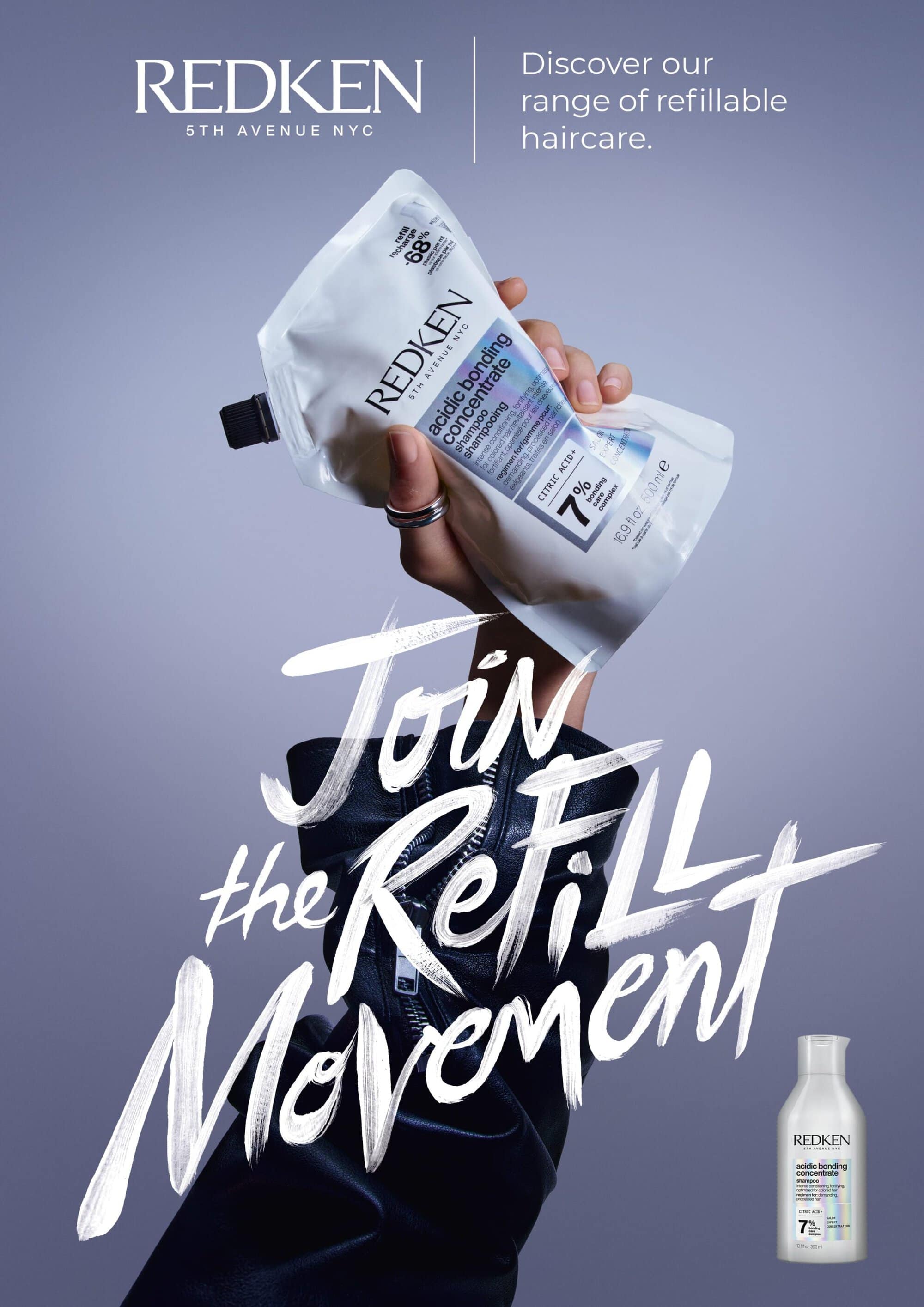
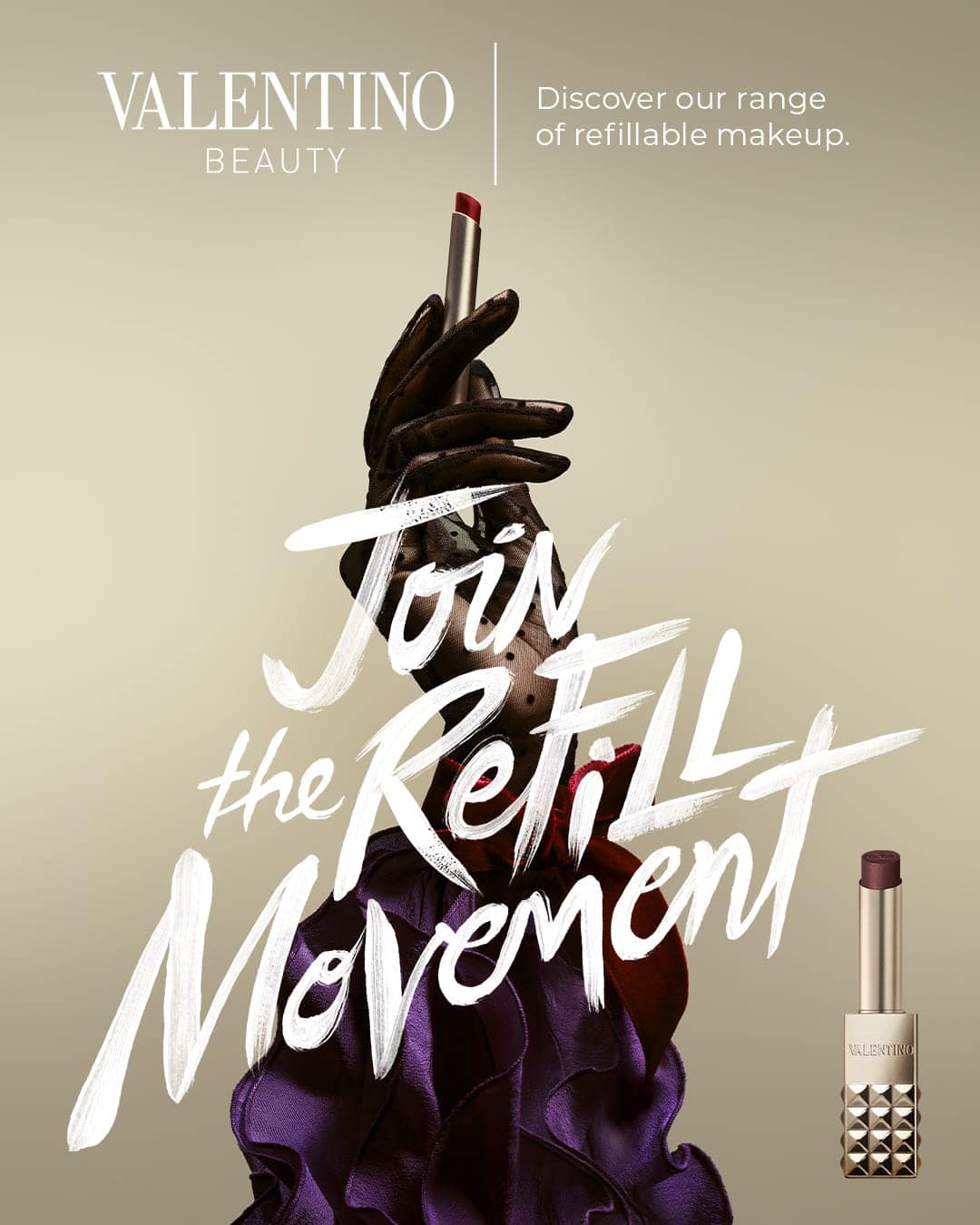
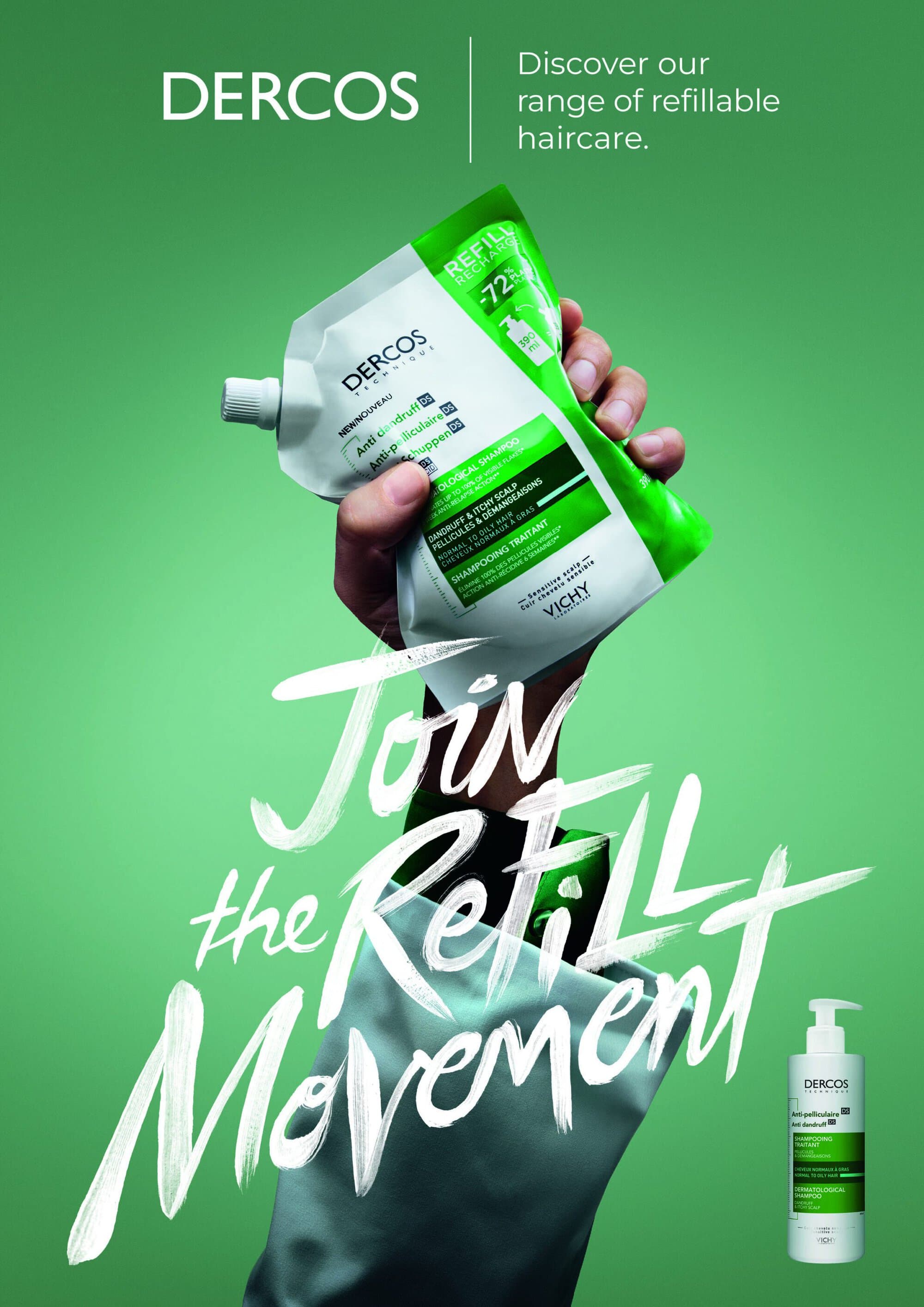
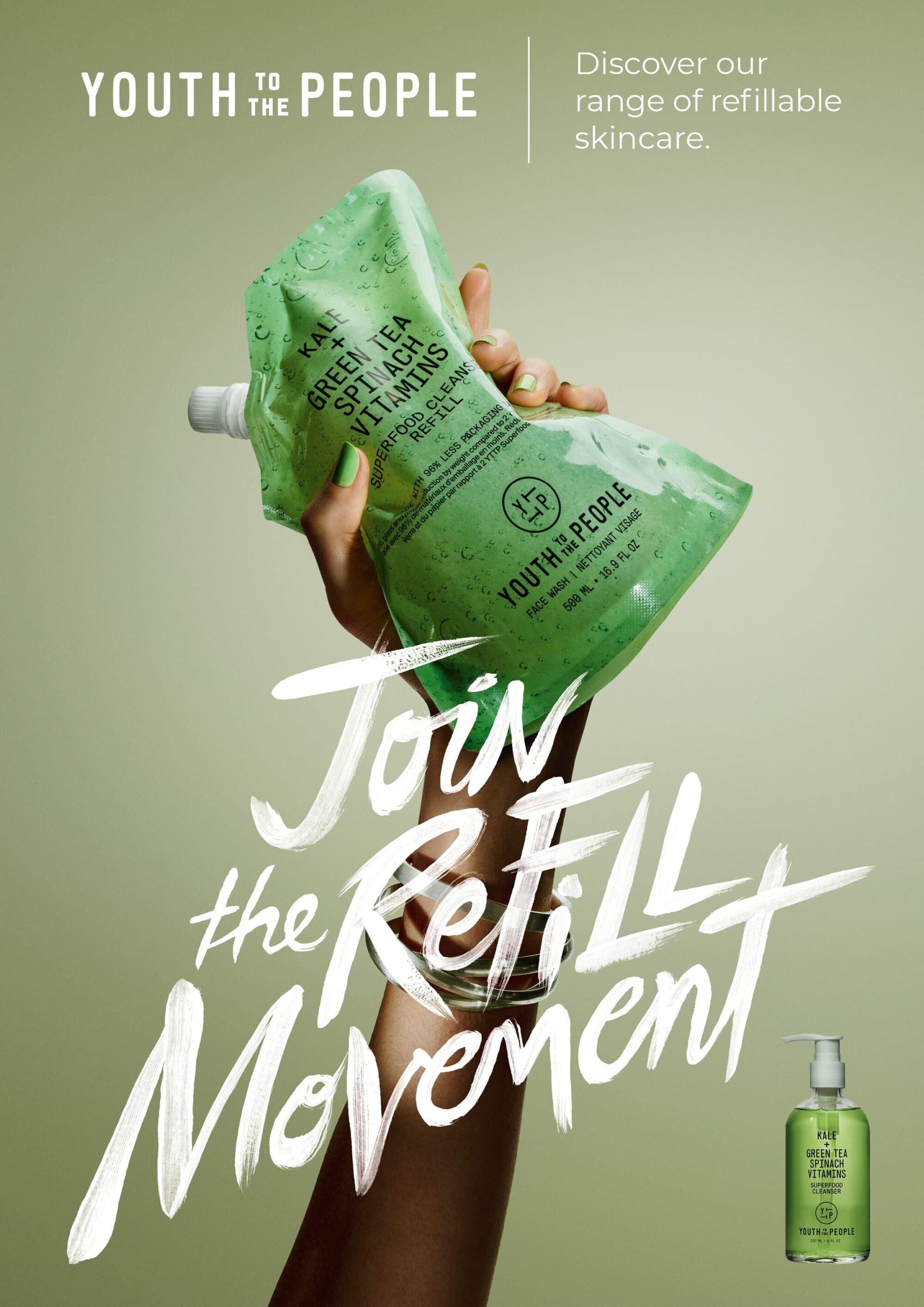
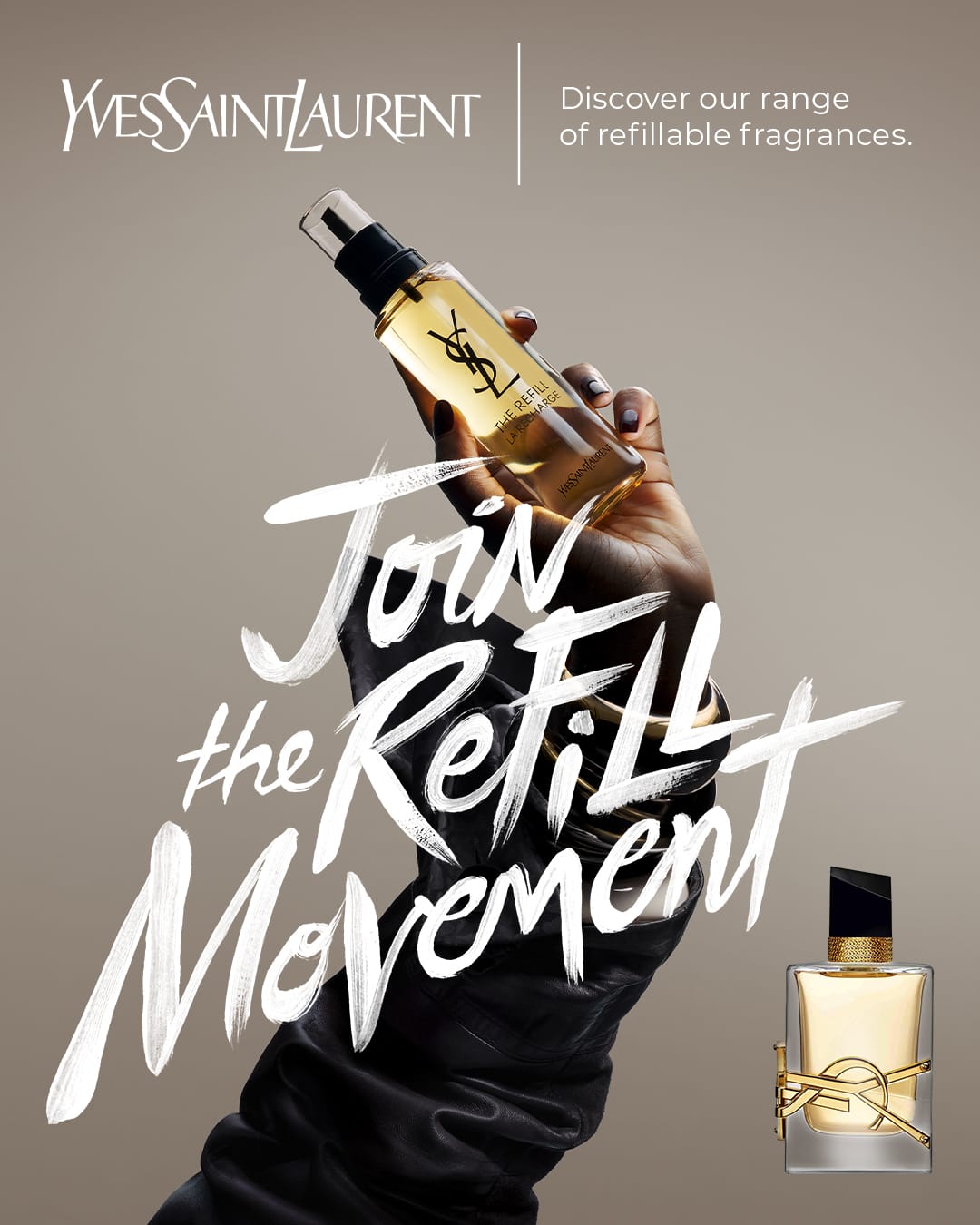
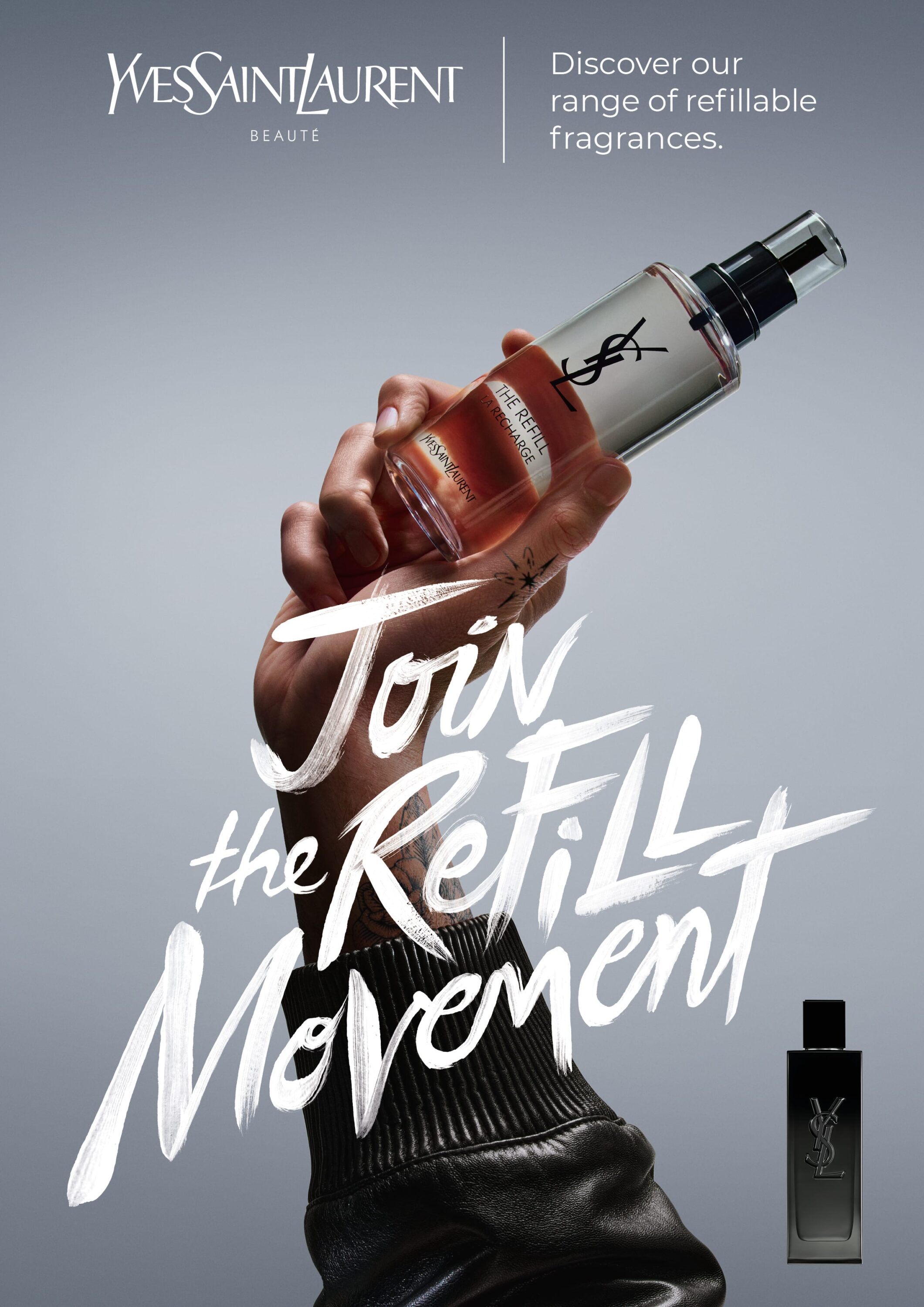
L’Oréal Groupe launched the third and most ambitious edition of its #JoinTheRefillMovement campaign on June 16, 2026, timed to coincide with World Refill Day, uniting 4 Divisions, 18 Brands, and 28 Products under a single corporate sustainability initiative. What began as a niche refill pilot has become the most comprehensive campaign in the Group’s history, and in its 2026 iteration, it reads less like a sustainability pledge and more like a masterclass in brand evolution.
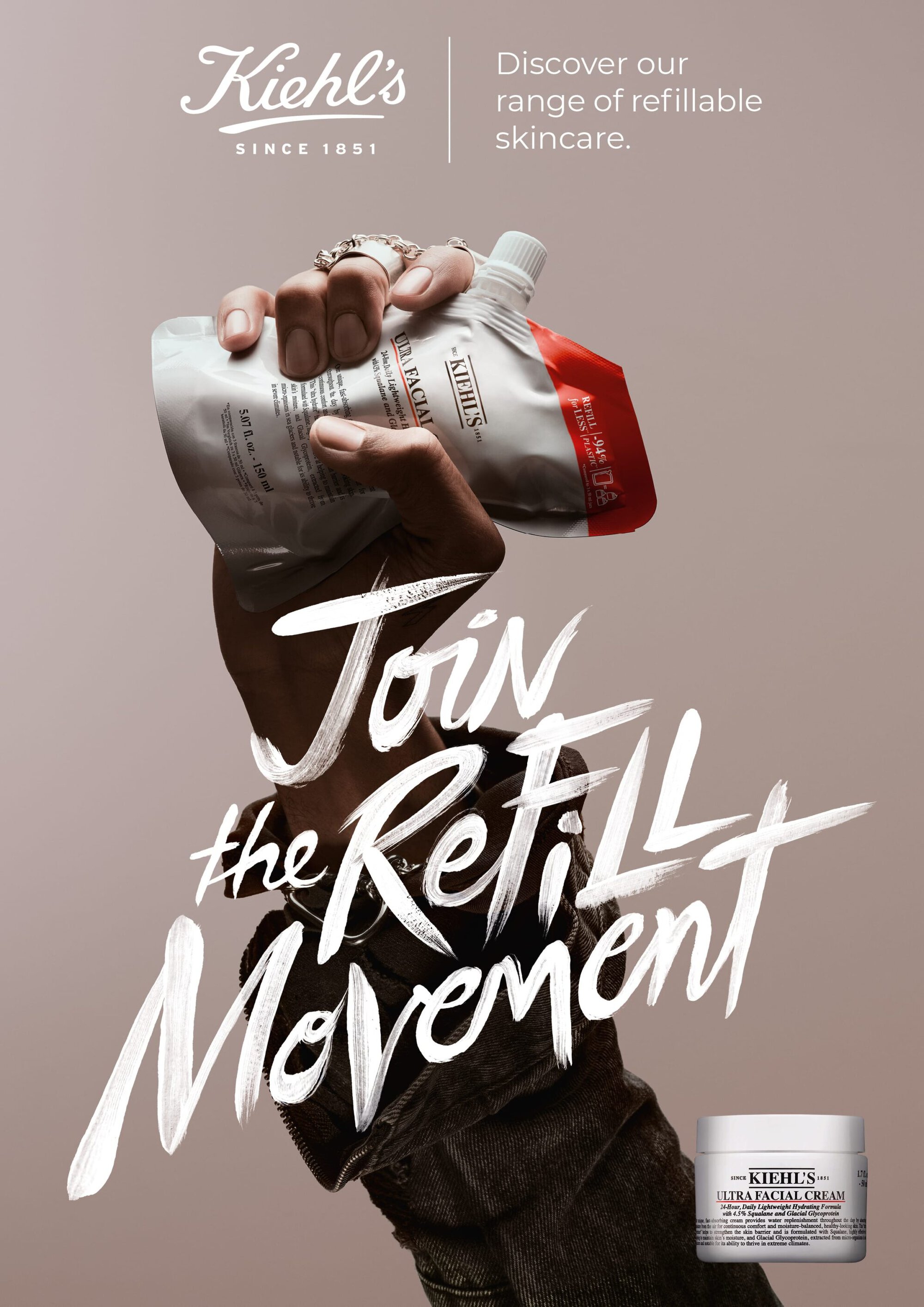
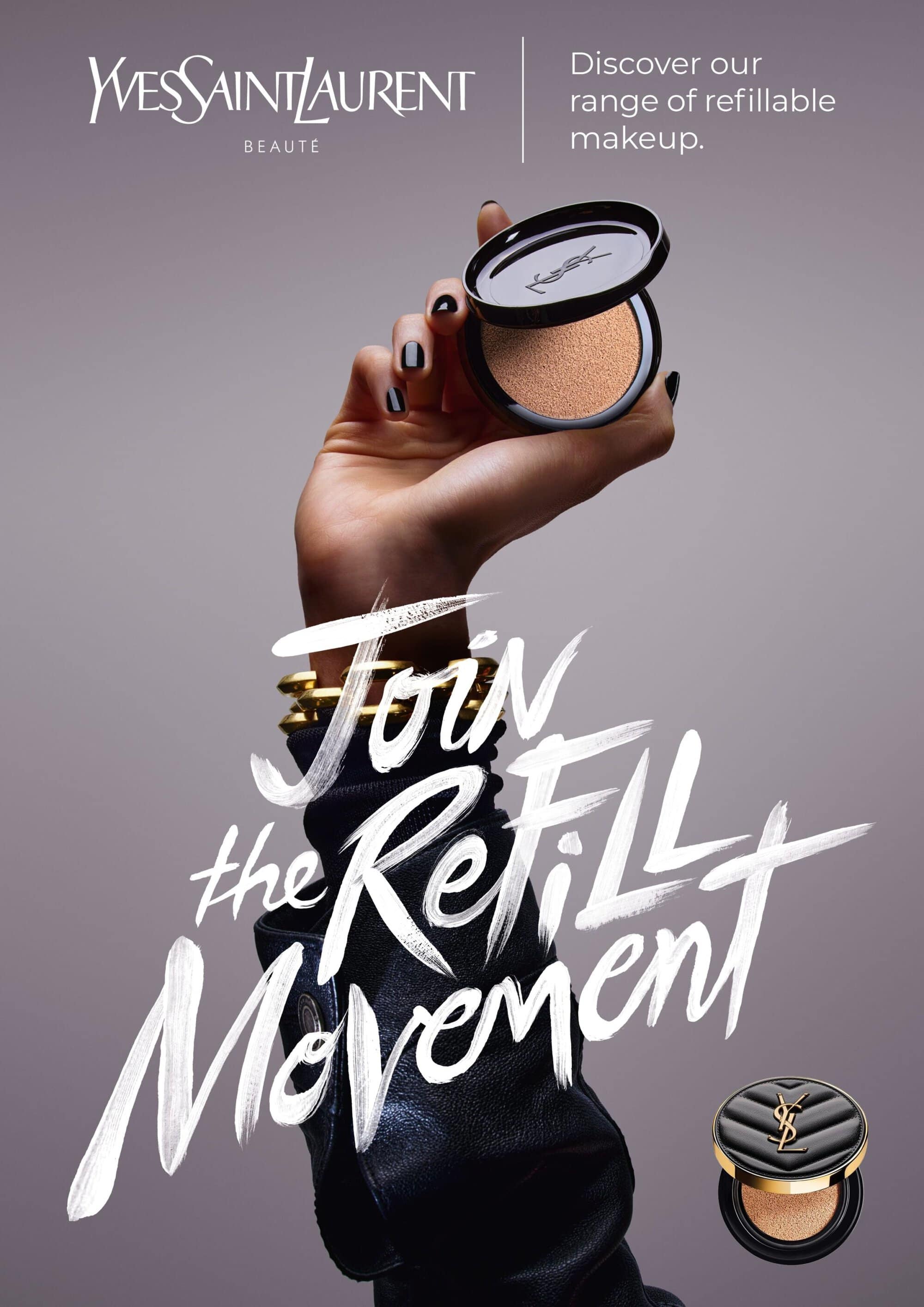
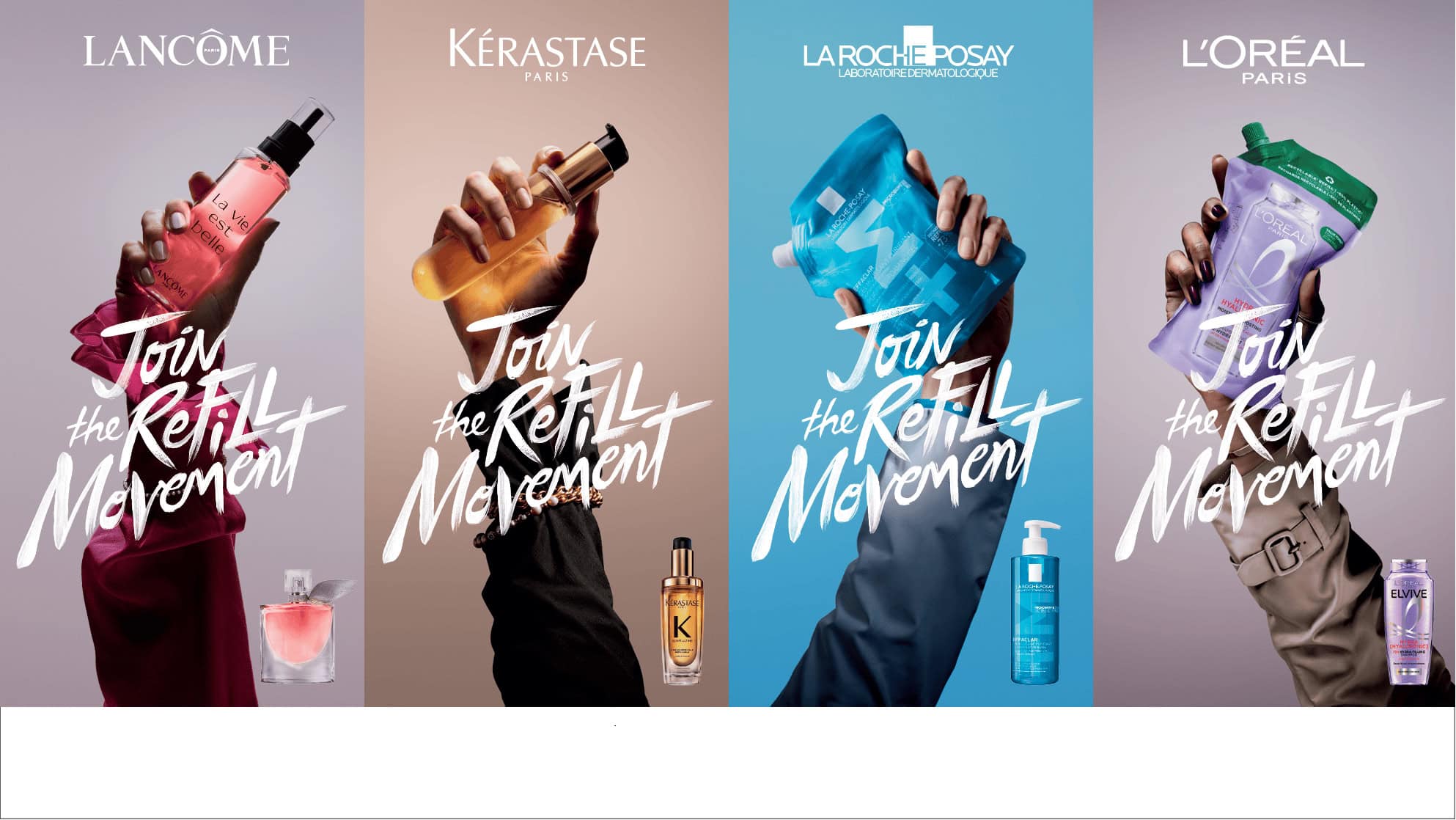
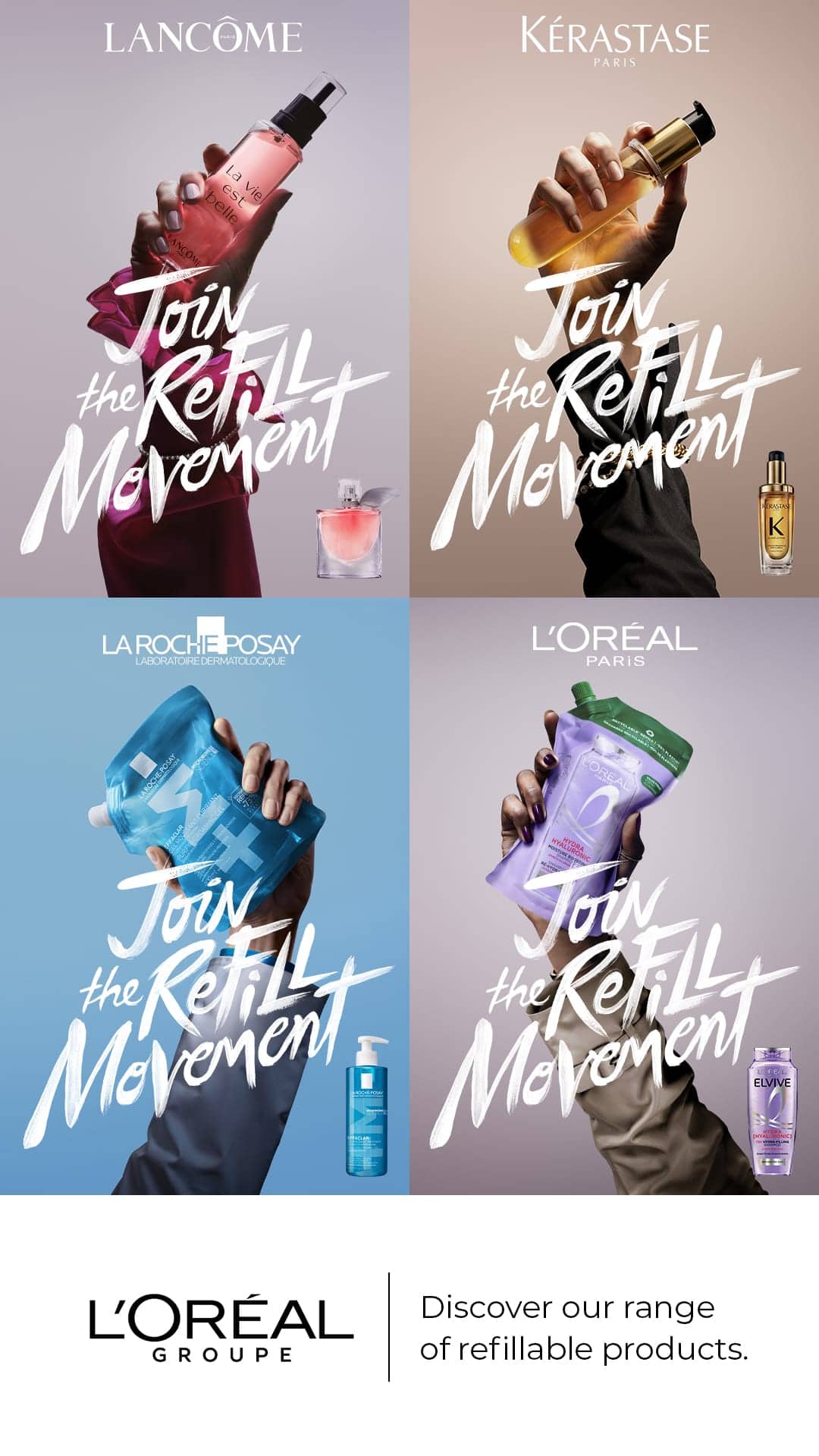
The campaign’s visual and narrative language is built around specificity rather than aspiration. Where most corporate sustainability campaigns lean on sweeping environmental rhetoric, L’Oréal leads with granular packaging reduction data attached to individual products. Choosing the Lancôme La Vie Est Belle 100ml refill instead of repurchasing two 50ml bottles saves 74% glass, 100% metal, 63% plastic, and 61% cardboard. The Valentino Spike lipstick refill reduces metal by 91% and plastic by 53%. Each product in the campaign carries its own precise claim, giving consumers a measurable impact figure from the first refill rather than a projection tied to some distant corporate target. The storytelling, such as it is, lives in those numbers, and the decision to foreground them rather than bury them in a sustainability report is itself a creative choice worth noting.
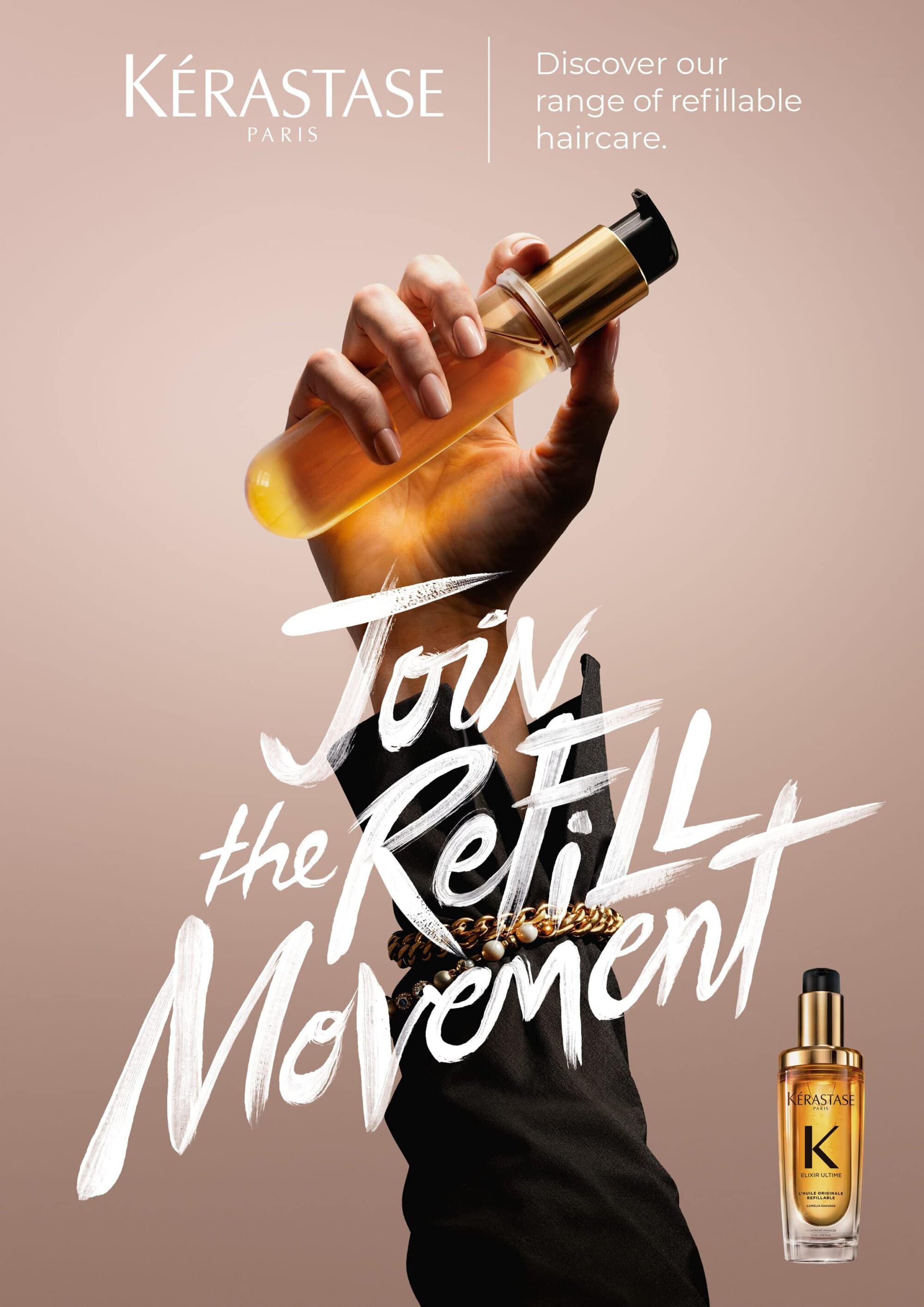
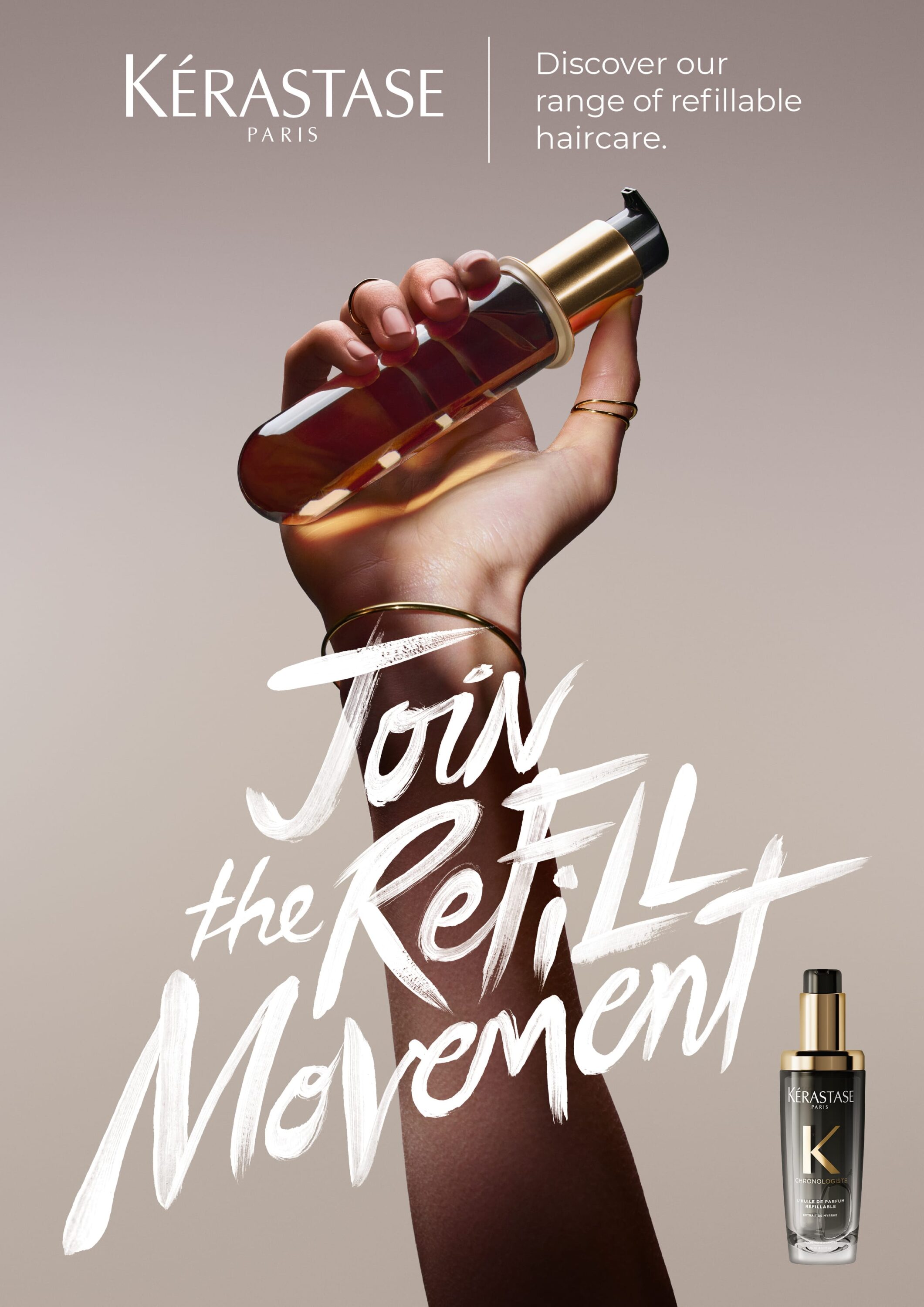
What makes this campaign strategically significant extends well beyond packaging. Refillable formats reduce production costs in ways that compound at L’Oréal’s scale, cutting expenditure on glass, metal, and cardboard across a portfolio of 28 products spanning fragrance, skincare, haircare, and makeup. The Group has invested in dedicated refill manufacturing infrastructure at facilities in Gauchy and Aulnay for fragrances, Burgos for haircare, and Vichy for skincare, meaning the cost efficiencies are structural rather than incidental. The number of refillable options across the portfolio has grown 3.7-fold since 2019, a trajectory that signals genuine supply chain reorganization, not marketing window dressing. For a company that generated 44.05 billion euros in sales in 2025, the margin implications of that shift are considerable.
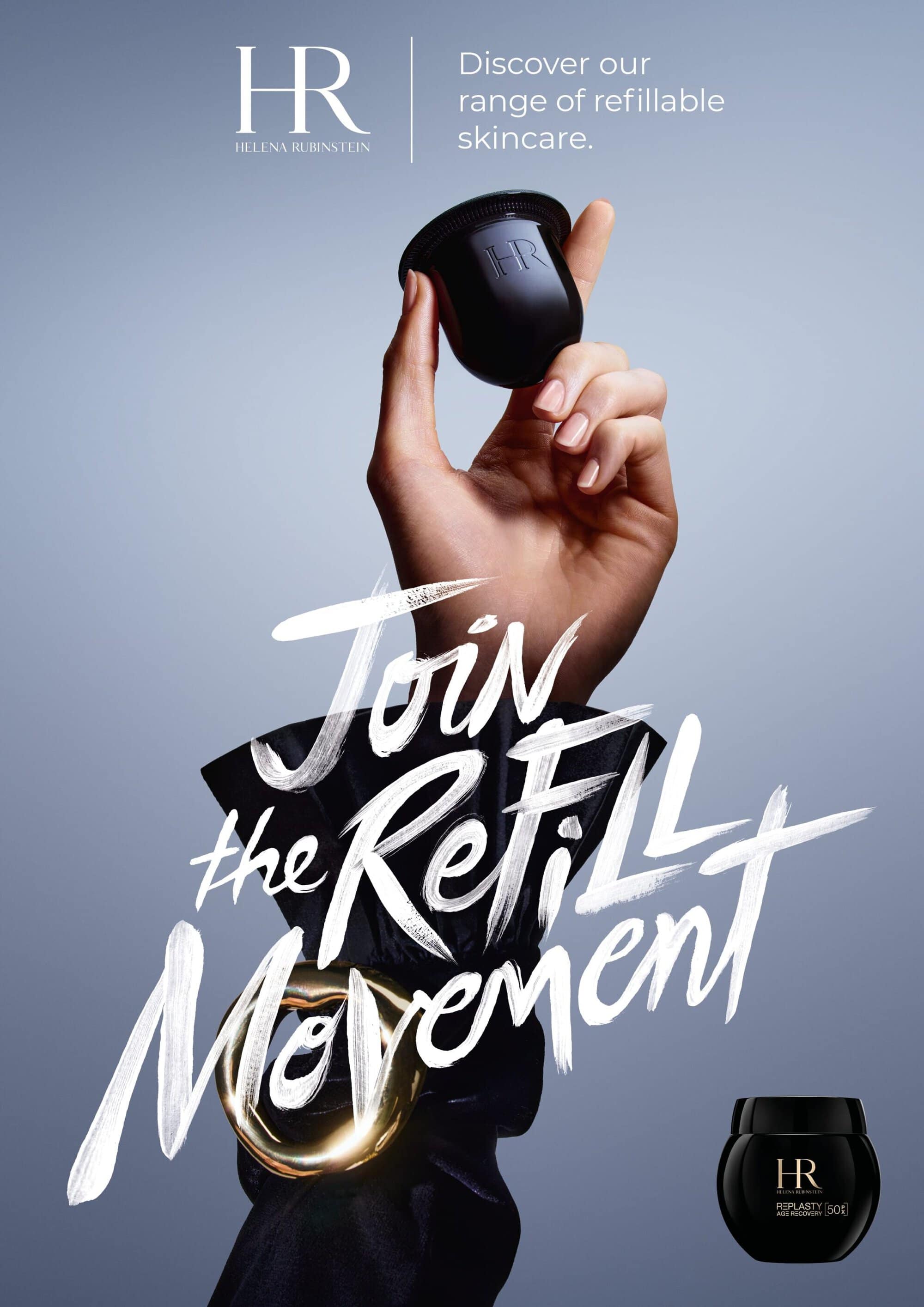
The campaign also works on a consumer acquisition level that the brand has been careful not to overstate. According to a KANTAR survey cited by L’Oréal, 84% of consumers say they want to make more sustainable choices, and yet awareness and accessibility of refill options remain barriers to action. The 2026 campaign addresses this directly by expanding refill visibility across retail channels and social media simultaneously, bringing in first-time participants like Garnier at the mass market level and Helena Rubinstein and Youth to the People at the luxe end. The price advantage of refills over repurchasing full packaging is surfaced clearly in campaign communications, making the sustainability argument and the economic argument the same argument, which is precisely the kind of alignment that converts intention into behavior. That L’Oréal is reaching consumers across every price point and every division reflects a genuine universalization of the refill gesture, and it positions the Group favorably against competitors still treating sustainability as a premium-tier offering.
The 2026 #JoinTheRefillMovement campaign is not a departure from what L’Oréal has built, but rather a refinement of it: a brand already operating at global scale finding a way to make that scale work in favor of reduced environmental impact, lower production costs, and broader consumer relevance. The infrastructure is in place, the data is compelling, and the ambition, for once, is proportionate to the execution.