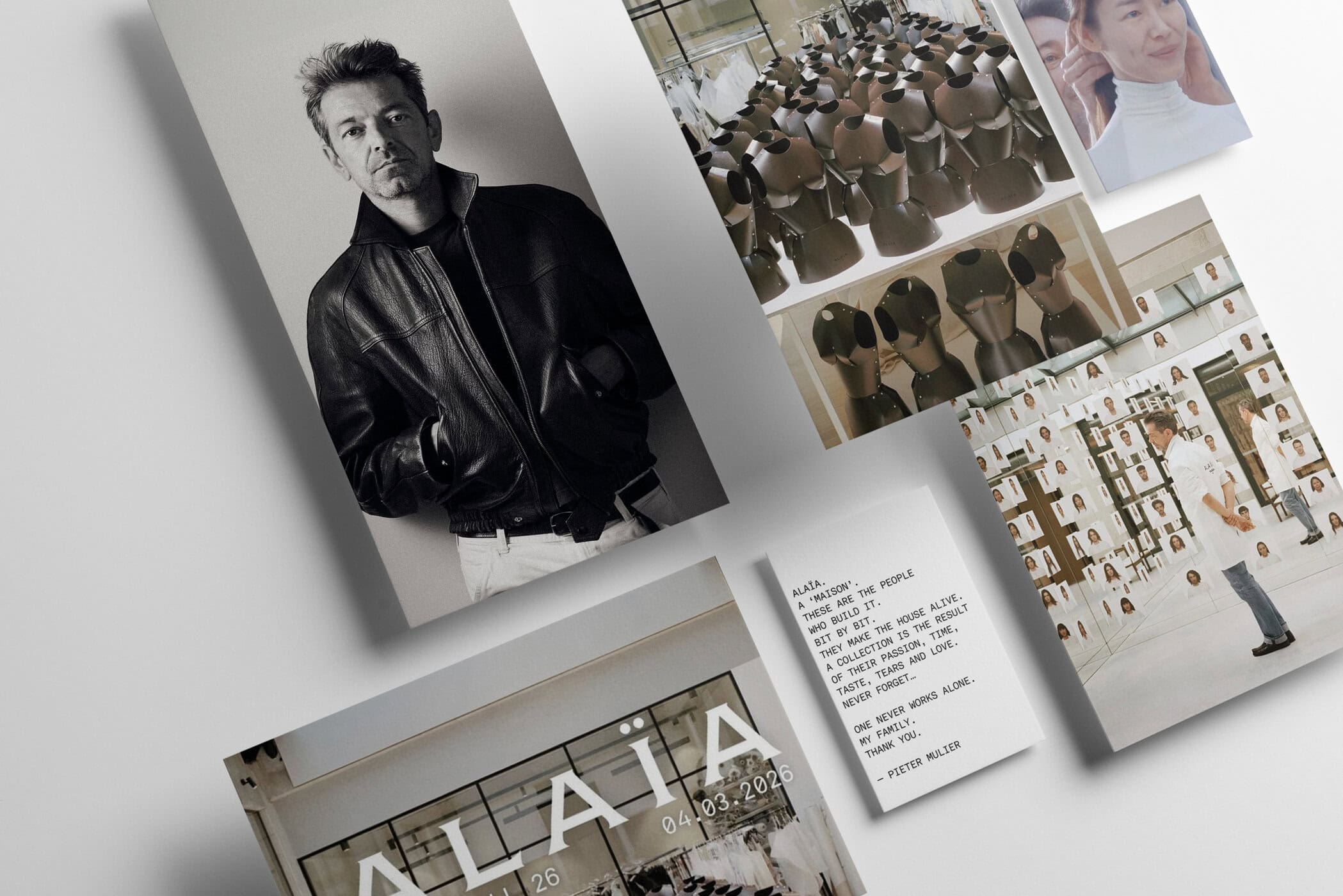
A standing ovation and a final collection built not as a farewell spectacle, but as a quiet vocabulary of what he learnedses to fade
By Kenneth Richard
In fashion, departures are often theatrical. The lights go brighter, the silhouettes larger, the symbolism louder—as if a designer must leave an echo strong enough to travel into the next chapter. Pieter Mulier chose another path.
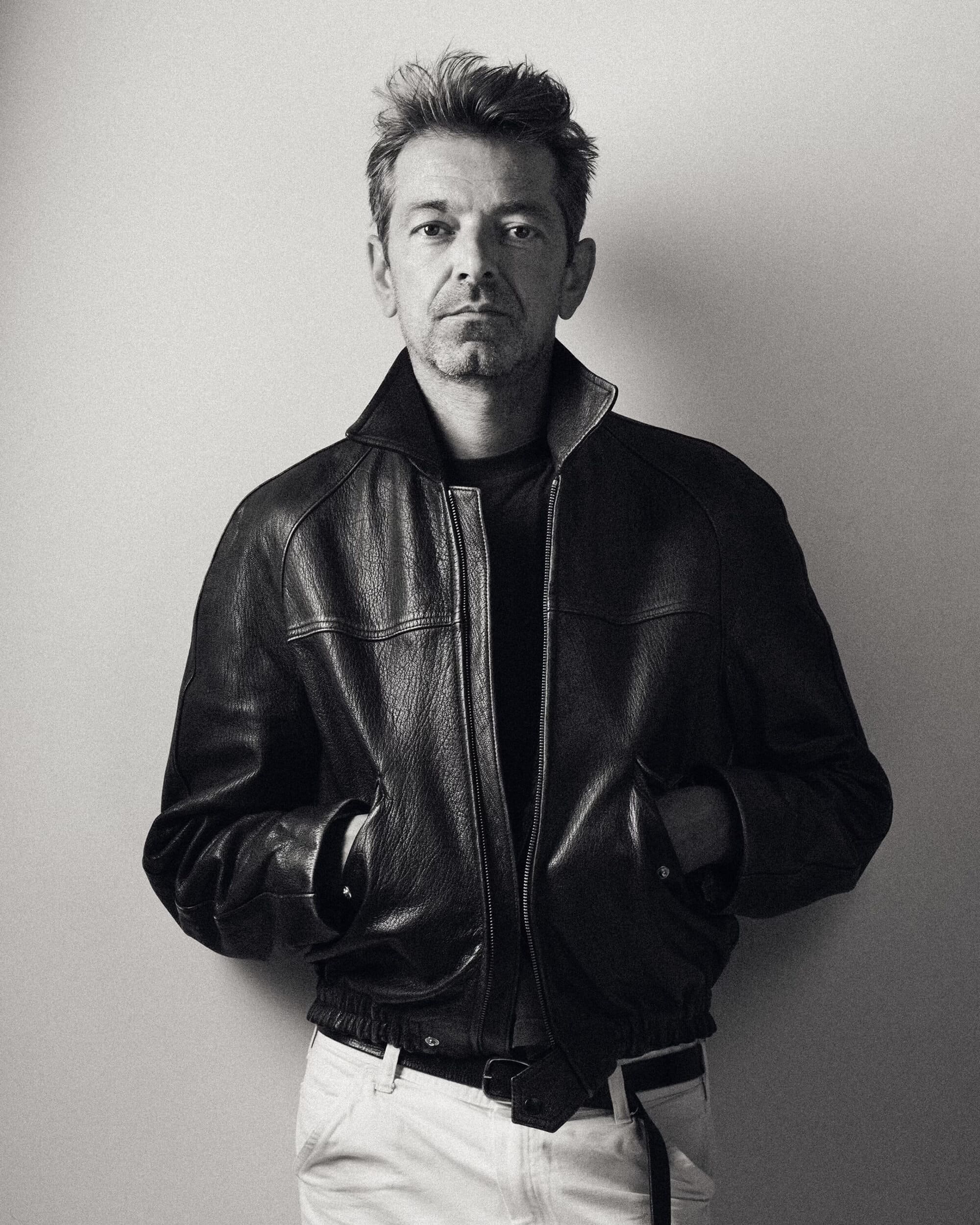
Following his final show for Alaïa, delivered before a full house that rose in a standing ovation, Mulier appeared calm, reflective, and visibly moved. The moment carried weight: five years of rebuilding one of fashion’s most exacting houses, and the knowledge that the next chapter will take him to Versace. Yet the collection he presented was not a grand statement. It was something quieter.
“Quite empty,” he said with a small smile when asked how he felt. “Like it hollowed out. Goodbyes are a very good thing.”
Rather than projecting forward, Mulier turned inward. The collection was conceived as a distillation of the vocabulary he developed during his tenure—an attempt to define what Alaïa meant to him after half a decade inside its ateliers.
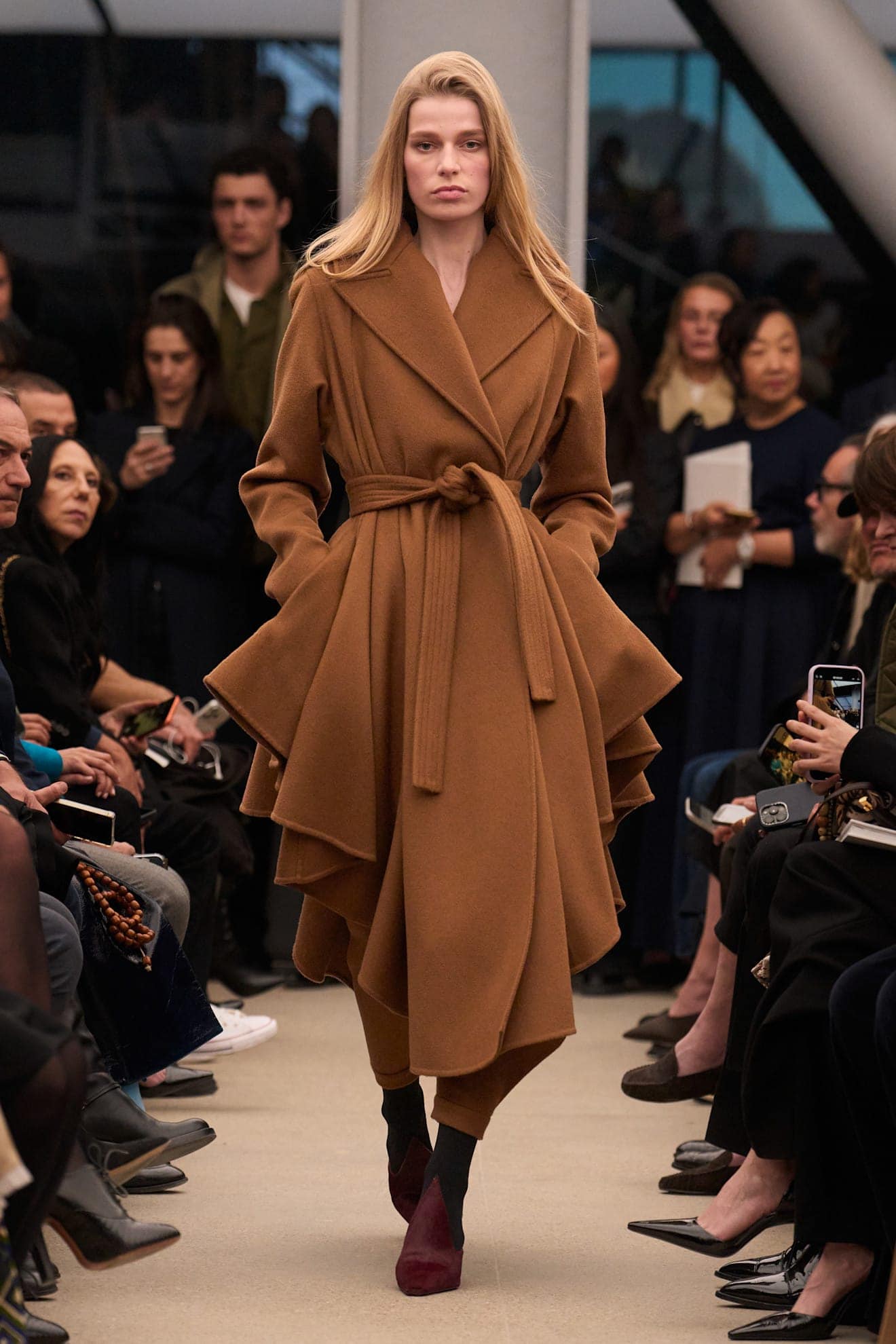
“This last collection was more about clothes to wear, not clothes for an image,” he explained. “We started with real clothes. What is a jacket? What is a dress? What is an Alaïa dress?”
The exercise was almost pedagogical. After five years shaping the house, Mulier treated the final show as a kind of manual for whoever comes next.
“It’s basically a vocabulary of the five years that I taught at Alaïa that I’m giving to the next one,” he said. “It’s like leaving the keys on the table.”
That restraint was intentional. Fashion thrives on spectacle, but Mulier resisted the temptation to deliver a finale designed to be remembered as an image.
“The world’s going so bad that I don’t want to be insensitive and do something huge creative,” he said plainly. “And you don’t do that when you leave a house. You keep it calm. You go back to the roots.”
Those roots are what Mulier believes define Alaïa: a discipline that strips fashion to its essentials.
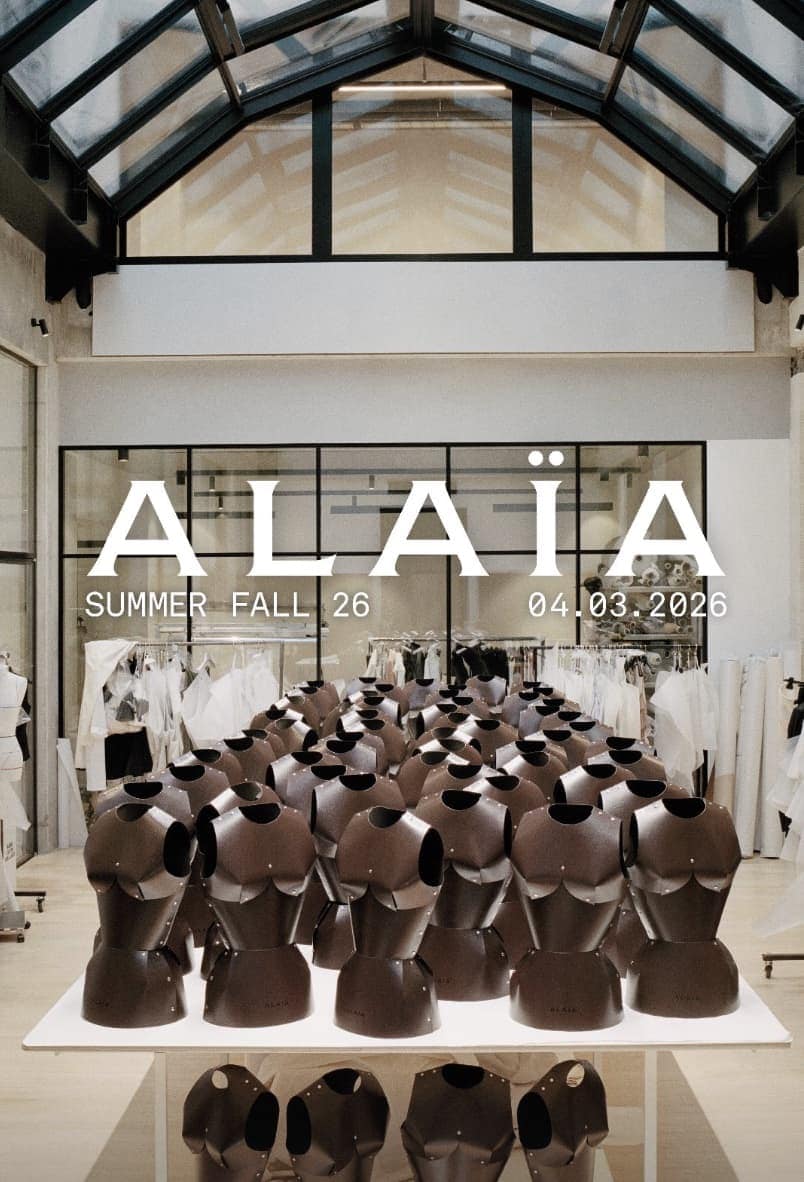
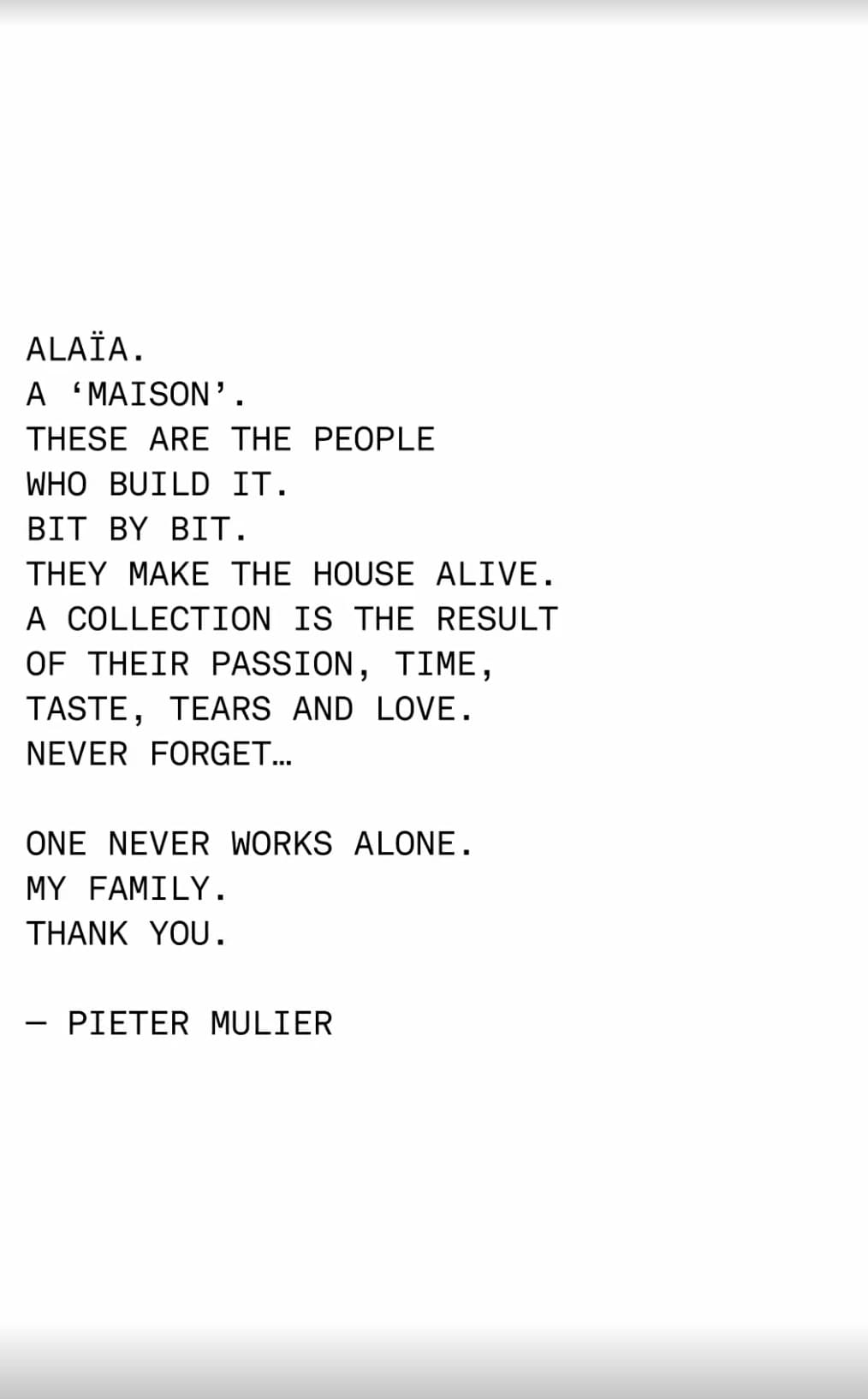
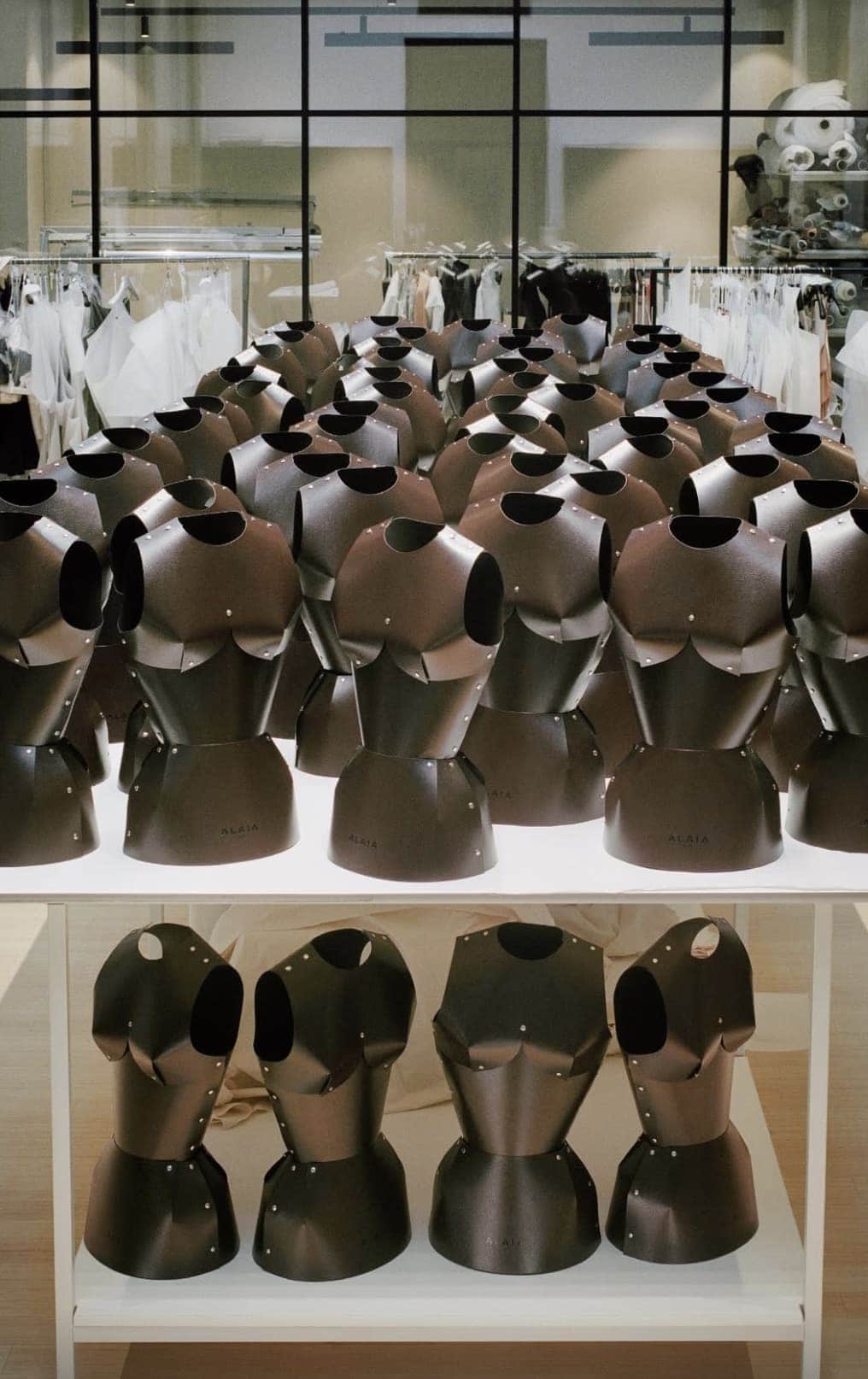
“What I learned here? Precision. Editing,” he reflected. “And that real luxury is not what we all think. Real luxury is the perfect cut jacket. It’s not even the fabric anymore. It’s just the fit of something.”
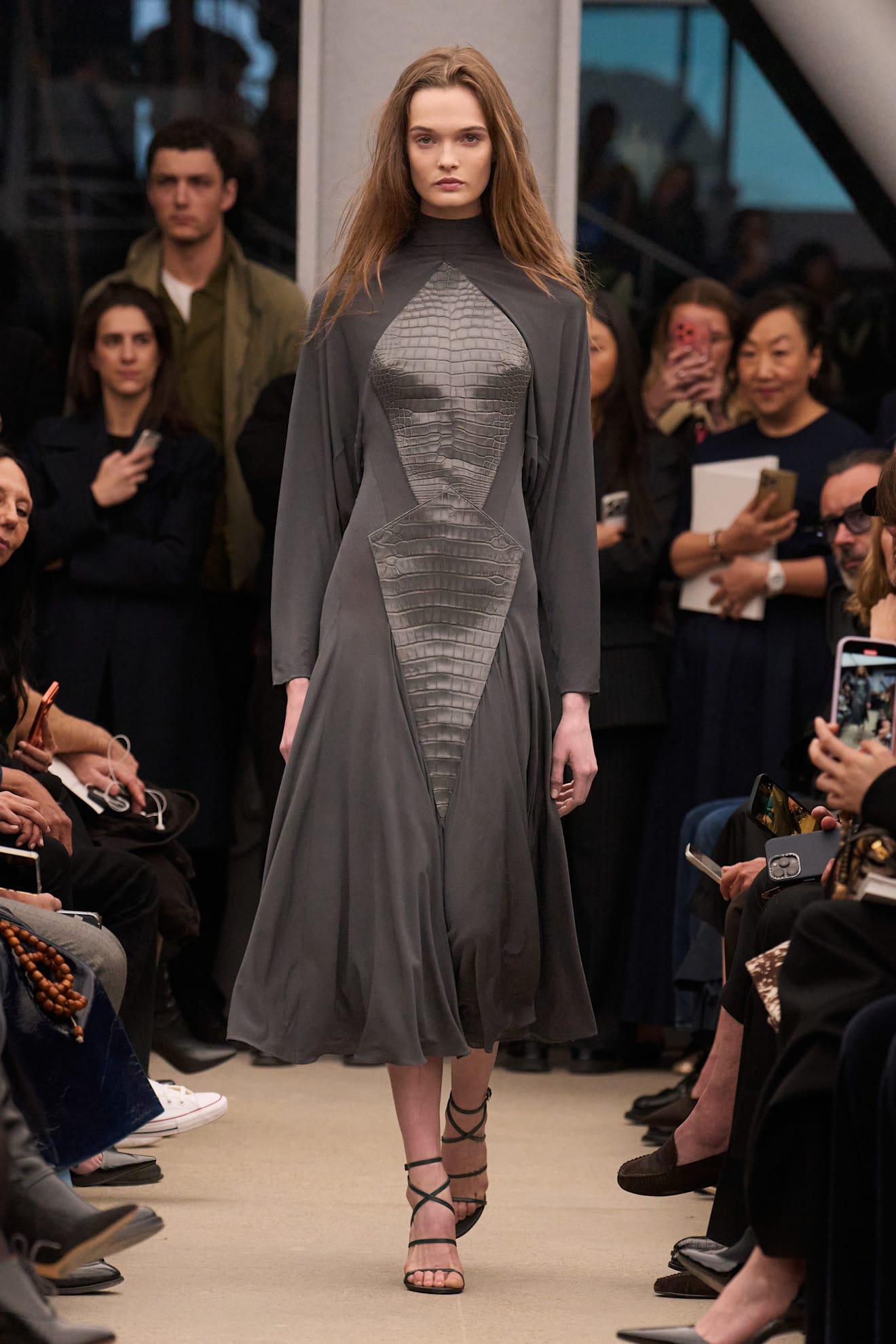
For a long time, he admitted, he questioned whether such reduction would satisfy the appetite of the fashion world.
“I doubted it for a long time to go as strict, as reduced to the essence,” he said. “Because I thought maybe it’s not enough for the fashion world. But I think it should be enough, because it made my heart beat.”
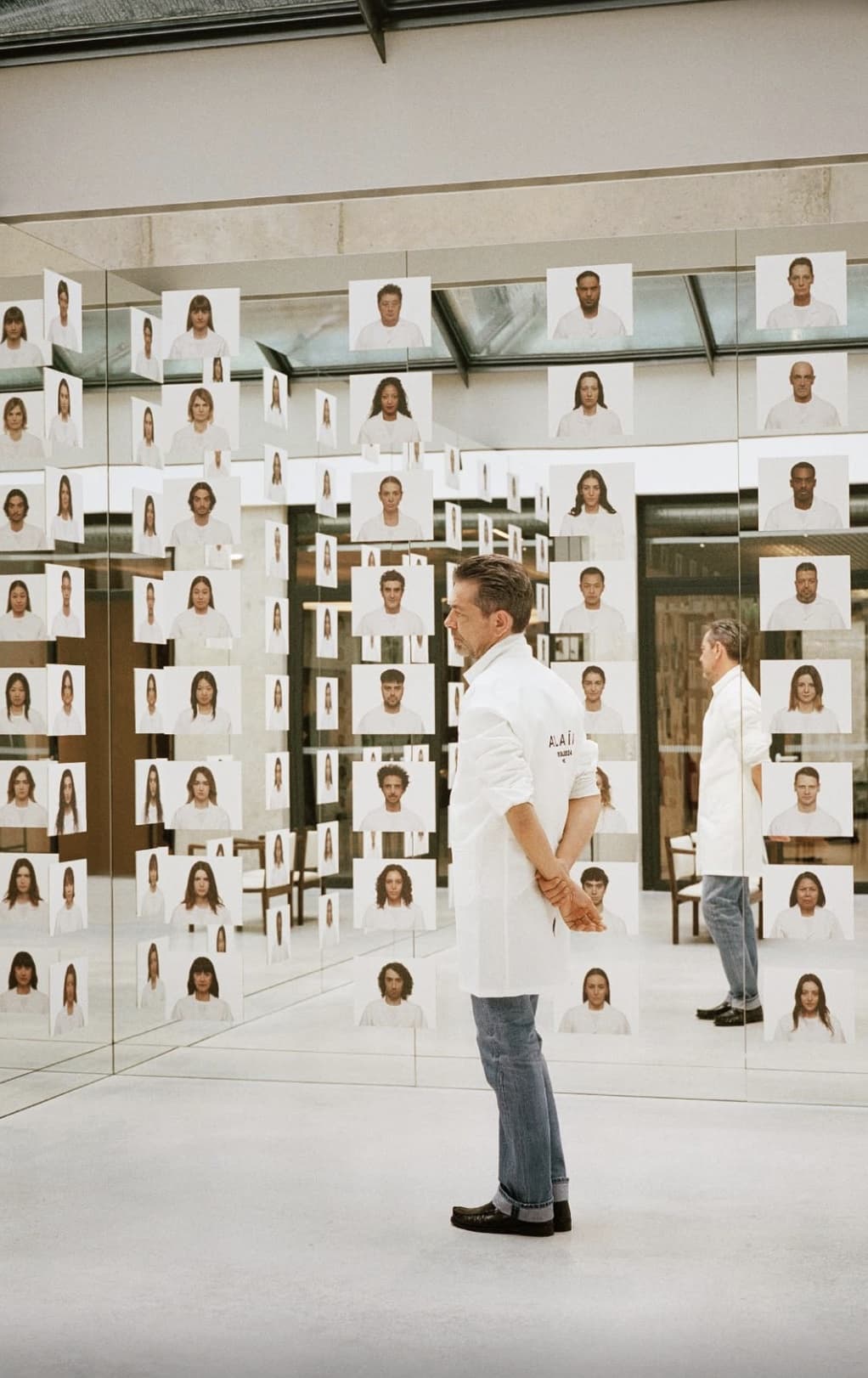
That idea—reduction as devotion—also extended to the structure of the show itself. Rather than foregrounding himself, Mulier placed his team at the center. A Japanese artist was invited to Paris earlier this year to photograph every member of the studio.
“They are also front stage,” Mulier explained. “They will be taking my job for a while now. We can never forget that they are also there.”
The gesture spoke to the collaborative nature of the Alaïa atelier, but also to the emotional tone that surrounded the show. News of Mulier’s departure had circulated early, giving the team time to process the transition together.
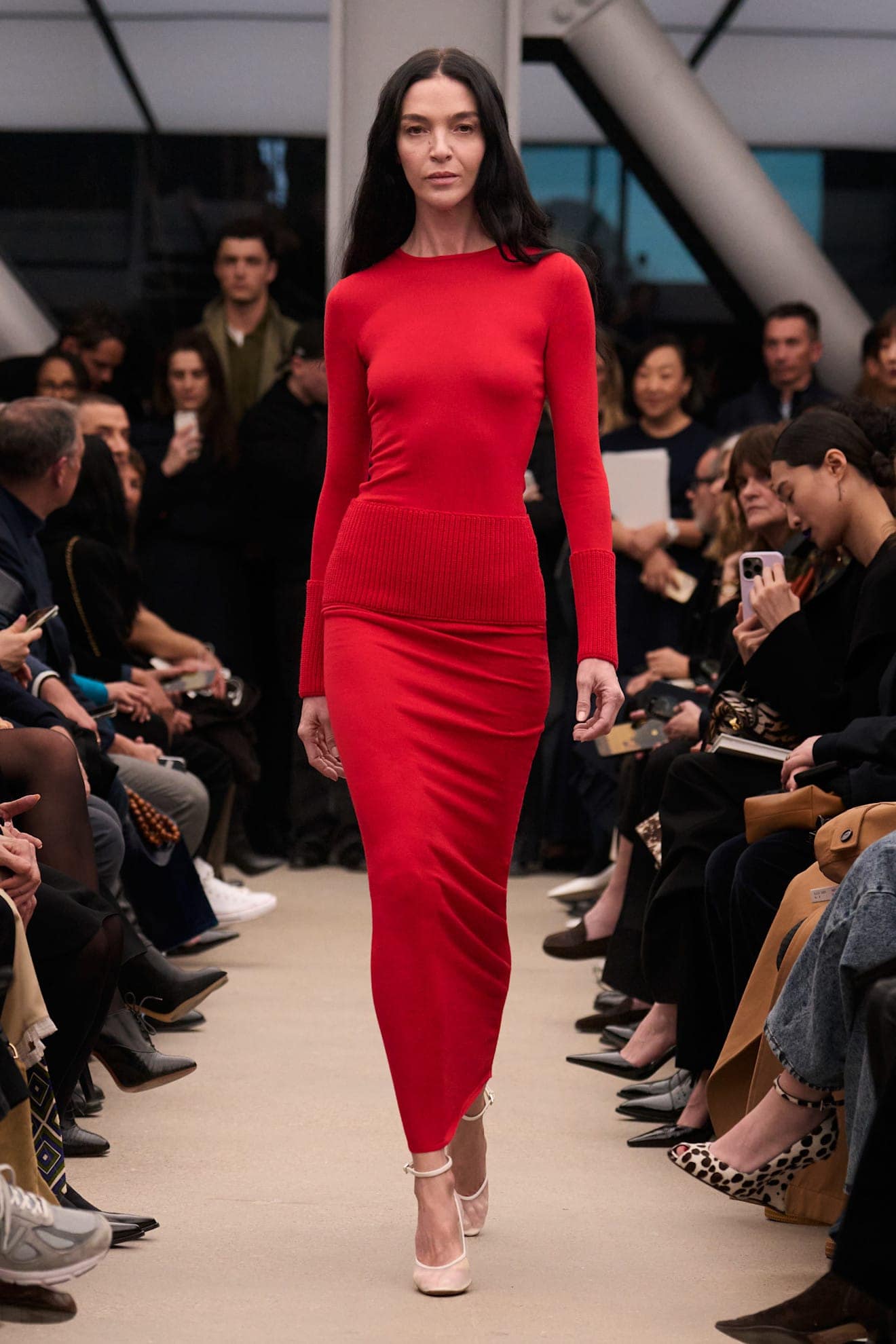
“To go back to the essence together gave us a lot of energy,” he said. “It made us think about what the essence of Alaïa is.”
Even the soundtrack followed that same philosophy of reduction. Longtime collaborator and composer Gustav Rudman Martin created a score built from the musical motifs of their past five years—distilled and repeated until only the essential remained.
“I told him I wanted the reduction of everything we did together,” Mulier said. “Reduce it, but add techno to it.”
The composer resisted.
“He said, ‘I don’t do techno. We are doing it with strings.’”
The resulting repetition mirrored the discipline of the atelier itself.
“He did one skirt fifty times,” Mulier said of the process behind the collection. “The same, the same, the same—until the last one was the best one.”
Perfection, he knows, remains elusive.
“Perfection doesn’t exist,” he said. “But it made my heart beat. So my heart says it’s close.”
The past five years have pushed him further than any previous chapter.
“I pushed myself harder than I ever pushed,” he admitted. “And I pushed my team also harder than I ever did.”
Yet despite the standing ovation and the anticipation surrounding his future at Versace, Mulier is not rushing toward the next act.
“Not yet,” he said with a quiet laugh when asked if he felt ready.
Instead, the immediate plan is simple.
“I’m going to Africa,” he said. “To see my friends and my family that I haven’t seen constantly for five years.”
There will be time later to imagine what comes next.
For now, the keys are on the table.