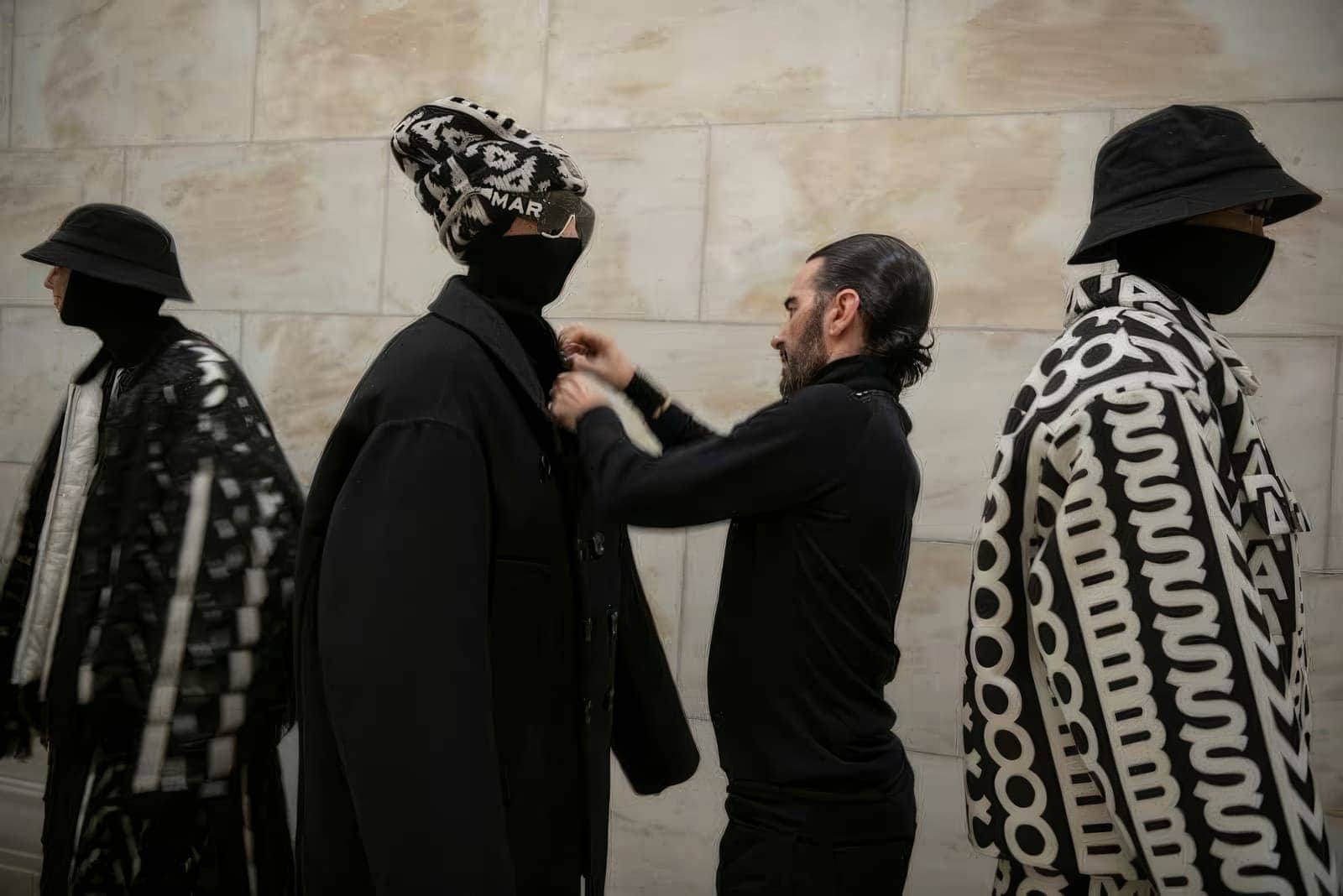
Marc Jacobs Will Remain Creative Director as the Brand Begins a New Chapter Outside the Luxury Group
LVMH Moët Hennessy Louis Vuitton has reached a definitive agreement to sell Marc Jacobs to WHP Global, ending nearly three decades of ownership of the American fashion label.
Under the terms of the deal, Marc Jacobs will remain in his role as creative director, continuing to oversee the brand’s collections, runway shows, and creative direction. Financial details were not disclosed, though reports have previously suggested the business was being marketed at around a $1 billion valuation.
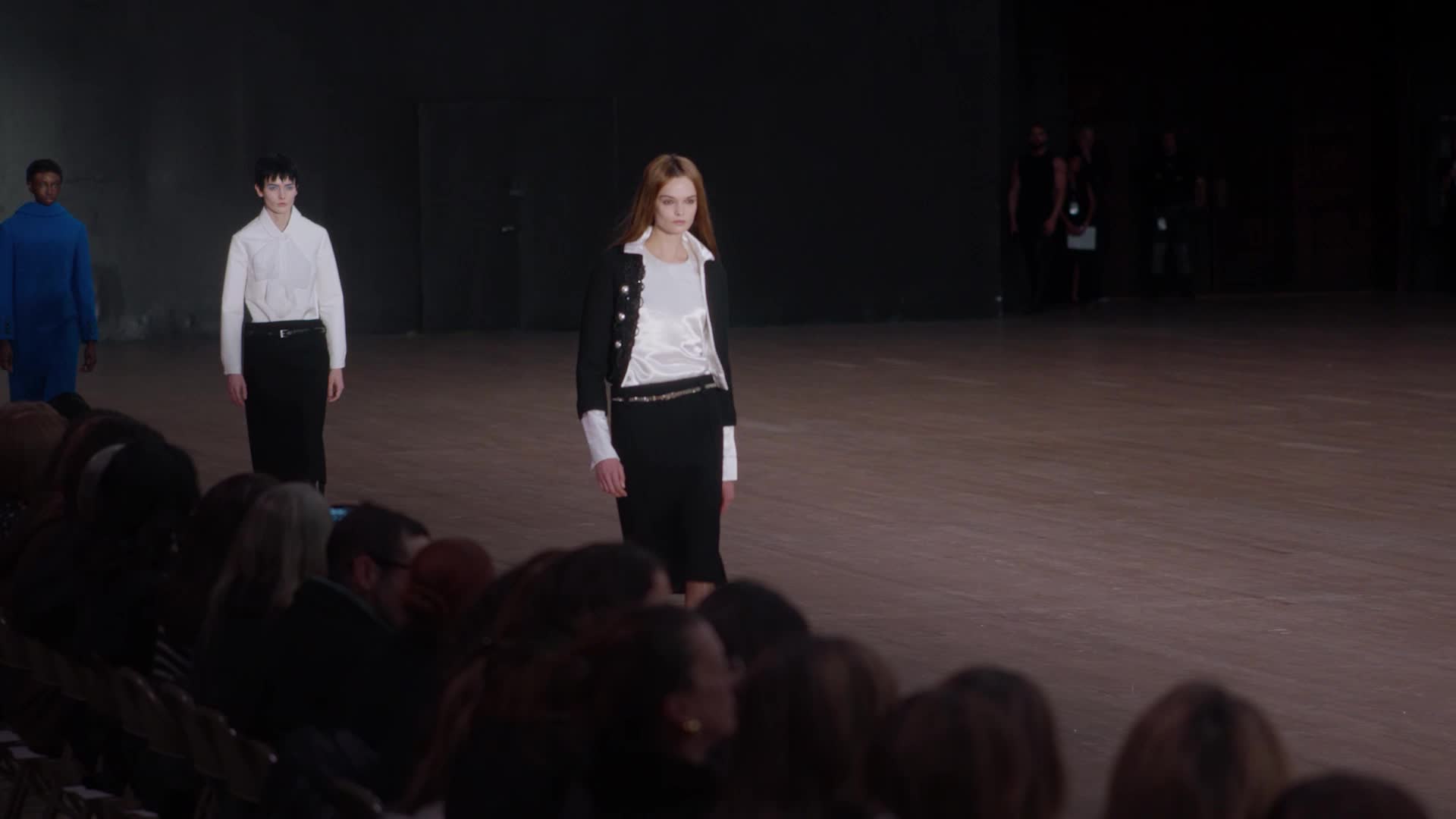
The sale marks a rare divestiture for LVMH chairman and chief executive officer Bernard Arnault, who acquired the Marc Jacobs brand in 1997 as the designer simultaneously began his influential tenure at Louis Vuitton. During his 16 years at Vuitton, Jacobs helped redefine the French house through high-profile collaborations, theatrical runway shows, and a broader repositioning that transformed it into a global fashion powerhouse.
“I am forever grateful to Bernard Arnault for his support, belief and trust in me over the last 30 years,” Jacobs said in a statement. “It has been an honor and privilege to work alongside the Arnault family and LVMH. I remain committed in my role as creative director of Marc Jacobs International and look forward to this bright new chapter.”
For WHP Global, the acquisition significantly strengthens its growing fashion portfolio. Marc Jacobs will become the centerpiece of the company’s premium fashion division alongside brands including Vera Wang, Rag & Bone, and G-Star. WHP said the addition of Marc Jacobs will bring the group’s combined global retail sales beyond $9.5 billion.
“Marc Jacobs is a designer of rare creativity and unique vision,” Arnault said. “His impact on the world of fashion is undeniable, and I want to warmly thank him for his contribution to the success of the maison and the LVMH Group over the last 30 years.”

The transaction arrives amid broader shifts within the luxury industry, as slowing global demand prompts major groups to reassess portfolios and prioritize scale-driving brands. LVMH has recently reduced exposure to smaller or less strategic labels, including the sale of Off-White to Bluestar Alliance and the return of Stella McCartney’s business stake to the designer earlier this year.
Marc Jacobs, once one of fashion’s defining names of the 2000s, evolved considerably under LVMH ownership. The business expanded globally with hundreds of stores, fragrance and beauty licenses, and the successful Marc by Marc Jacobs diffusion line. However, as the fashion market polarized between ultra-luxury and mass sportswear, the brand’s original “designer contemporary” positioning became increasingly difficult to sustain.
In recent years, the company streamlined operations, reduced its retail footprint, and focused on accessories, handbags, and its Gen Z-oriented Heaven line, while maintaining runway collections as a key element of brand identity and cultural relevance.
The deal positions Marc Jacobs for a new phase under WHP Global, one that will likely emphasize licensing, category expansion, and broader lifestyle development while preserving Jacobs’ creative oversight.