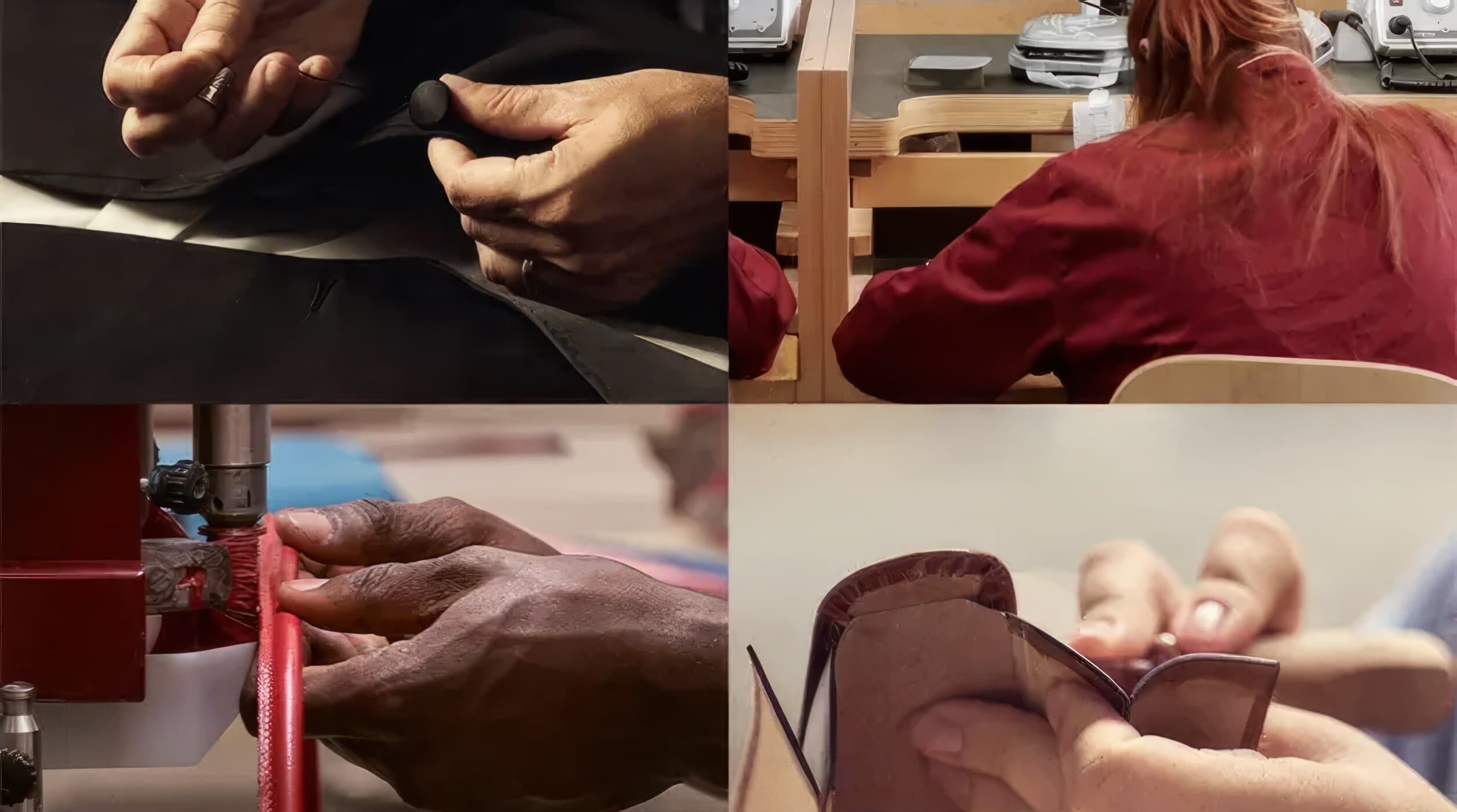
The Initiative Aims To Address Industry-Wide Skills Shortages While Advancing Italy’s Craftsmanship Heritage
Kering has unveiled the Accademia per le Eccellenze, a new training platform designed to support the next generation of artisans and professionals across Italy’s luxury sector.
Announced by Chief Executive Officer Luca de Meo alongside Pomellato CEO Sabina Belli, the initiative reflects the group’s long-term investment in craftsmanship and its effort to address growing talent shortages across the industry. The academy was introduced in Florence at the Gucci Archive, in conjunction with Italy’s Made in Italy Day.
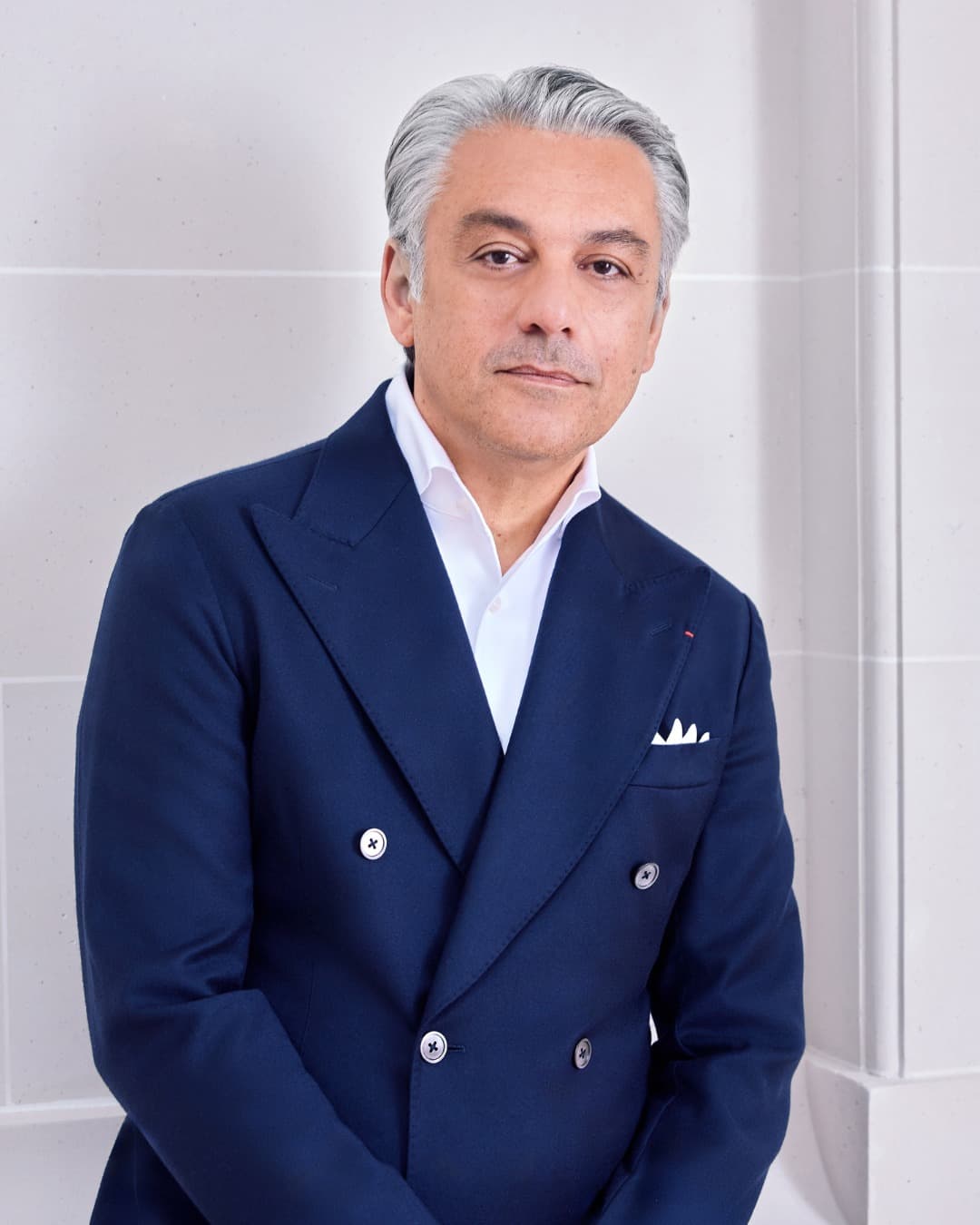
“Creativity and excellence are at the very heart of luxury. Preparing for its future demands long-term commitment, shared standards and sustained investment in craftsmanship,” said de Meo.
Based at the Valore Italia Campus within Milan’s MIND innovation district, the academy will offer training programs spanning traditional métiers — including tailoring, leather goods, and jewelry — alongside emerging areas such as technology, artificial intelligence, and new materials. Courses will range from short-term modules to multi-year programs, with some leading to officially recognized diplomas.
The initiative is expected to train up to 1,000 students annually, with capacity set to expand to 2,000 over time. It will be open to both internal talent and external candidates, signaling Kering’s intent to contribute beyond its own workforce to the broader luxury ecosystem.

The launch comes as the sector faces a widening skills gap. Kering estimates that up to 75,000 qualified professionals will be needed by 2035 across fashion, leather goods, jewelry, and other craft-based industries central to Italy’s manufacturing base.
The Accademia will build on existing training programs developed by Kering’s houses, including Gucci, Bottega Veneta, Brioni, and Pomellato, while partnering with institutions such as Politecnico di Milano, Galdus, and HModa.
Sabina Belli, who will lead the initiative, emphasized the importance of preserving artisanal expertise while adapting to contemporary demands. “This is a craft you can’t improvise, and we risk losing these skills,” she said, pointing to the need for structured education pathways that combine tradition with innovation.
Beyond workforce development, the academy underscores a broader shift within luxury groups toward safeguarding supply chains and maintaining control over production capabilities. By investing in training at scale, Kering is seeking to ensure continuity in craftsmanship while aligning it with evolving technologies and global demand.
The initiative positions the group at the forefront of industry efforts to balance heritage with modernization, framing craftsmanship not as a static tradition, but as a dynamic system requiring ongoing investment and renewal.