The historic site is reimagined as a cultural destination, introducing a new exhibition across its upper floors
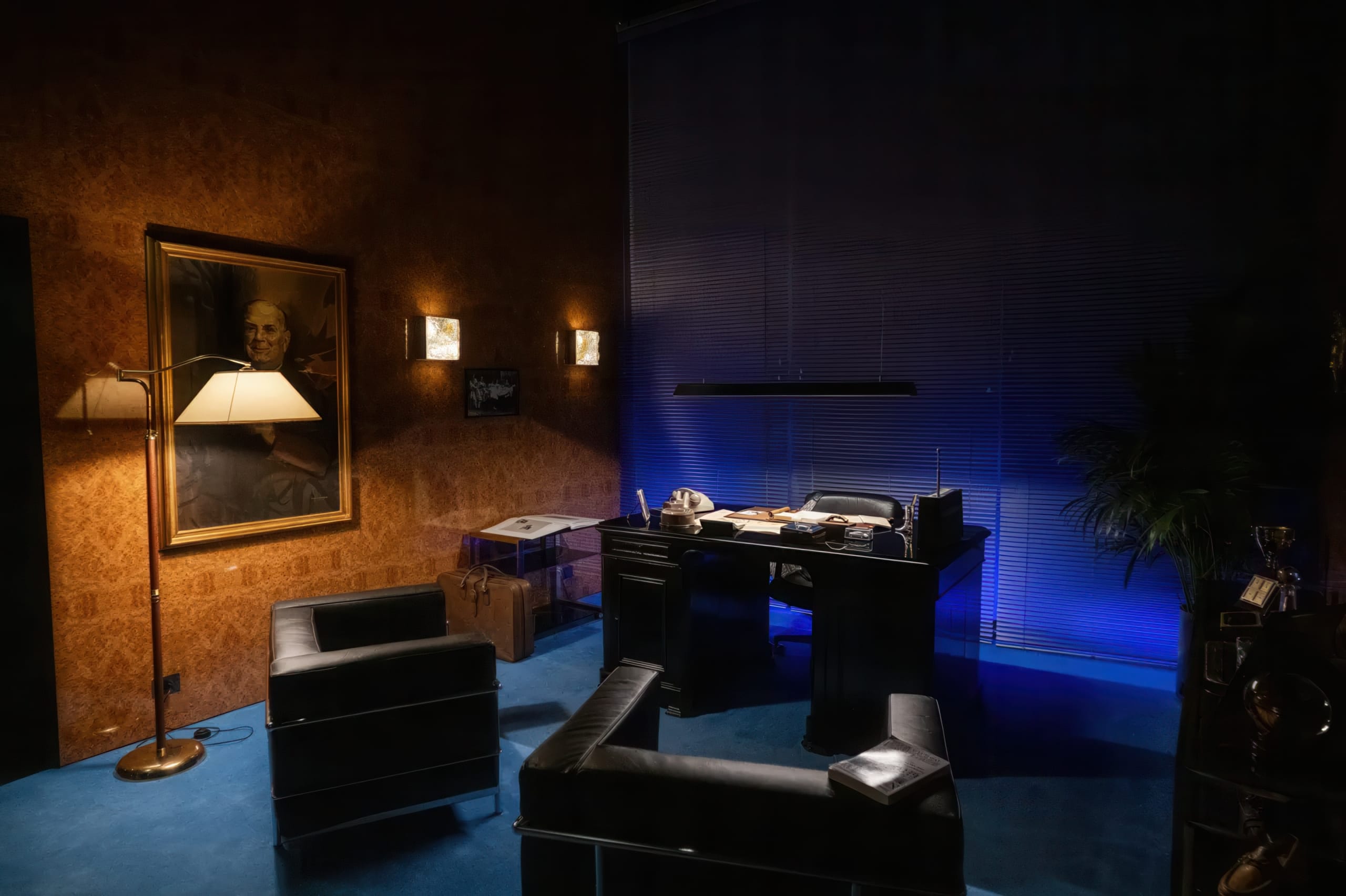
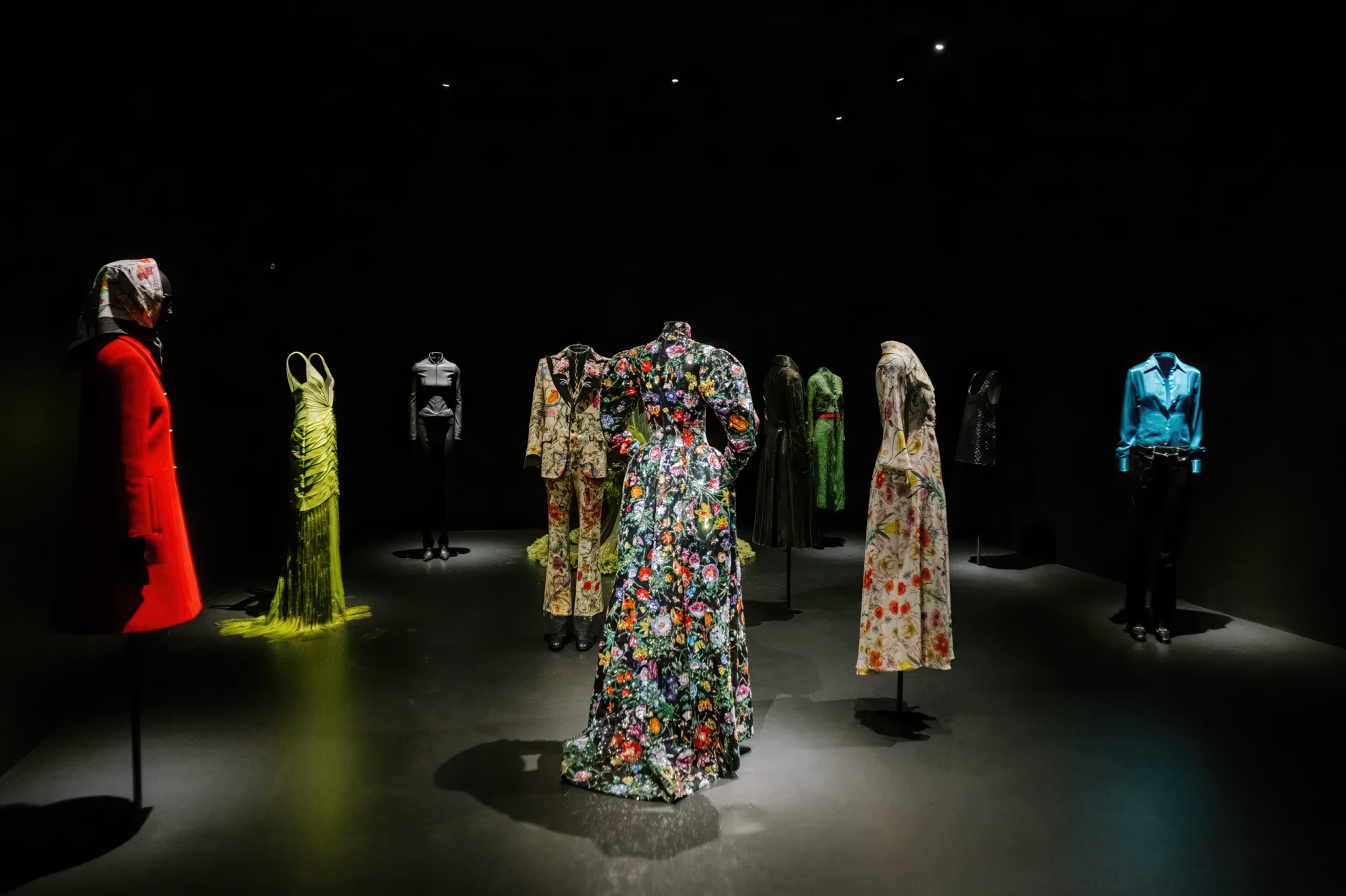
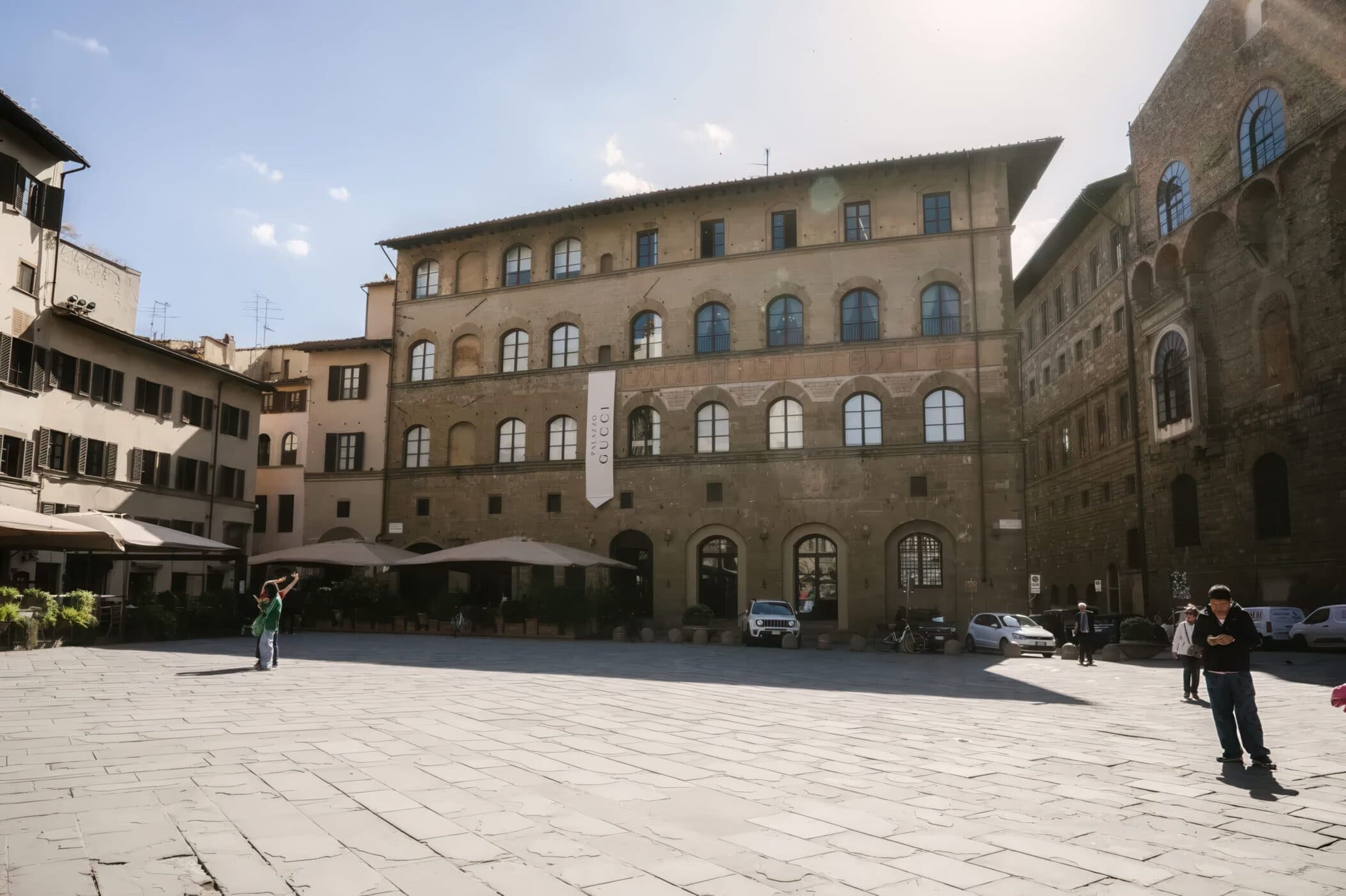
Gucci reopened Palazzo Gucci in Florence on April 2026, unveiling a renewed vision of the historic site under artistic director Demna. Located in the 14th-century Palazzo della Mercanzia in Piazza della Signoria, the building now houses “Gucci Storia,” a new exhibition spanning its first and second floors, alongside a ground-floor boutique and the existing Gucci Osteria da Massimo Bottura.
The project marks a new chapter for the space, which previously operated as Gucci Garden following its 2018 redesign. Under Demna’s direction, the updated concept positions Palazzo Gucci as a cultural hub, integrating exhibitions, archival elements, and immersive installations that reflect the brand’s history and evolving identity.
“It’s where I first understood this when I went to visit the Uffizi Museum. It was the first thing I saw after leaving, as I stepped onto Piazza della Signoria,” said Demna, describing the significance of the location. He added that the space “represents the role of Gucci as a cultural icon, and the new rooms we’ve created express all of this as you go from one room to another.”
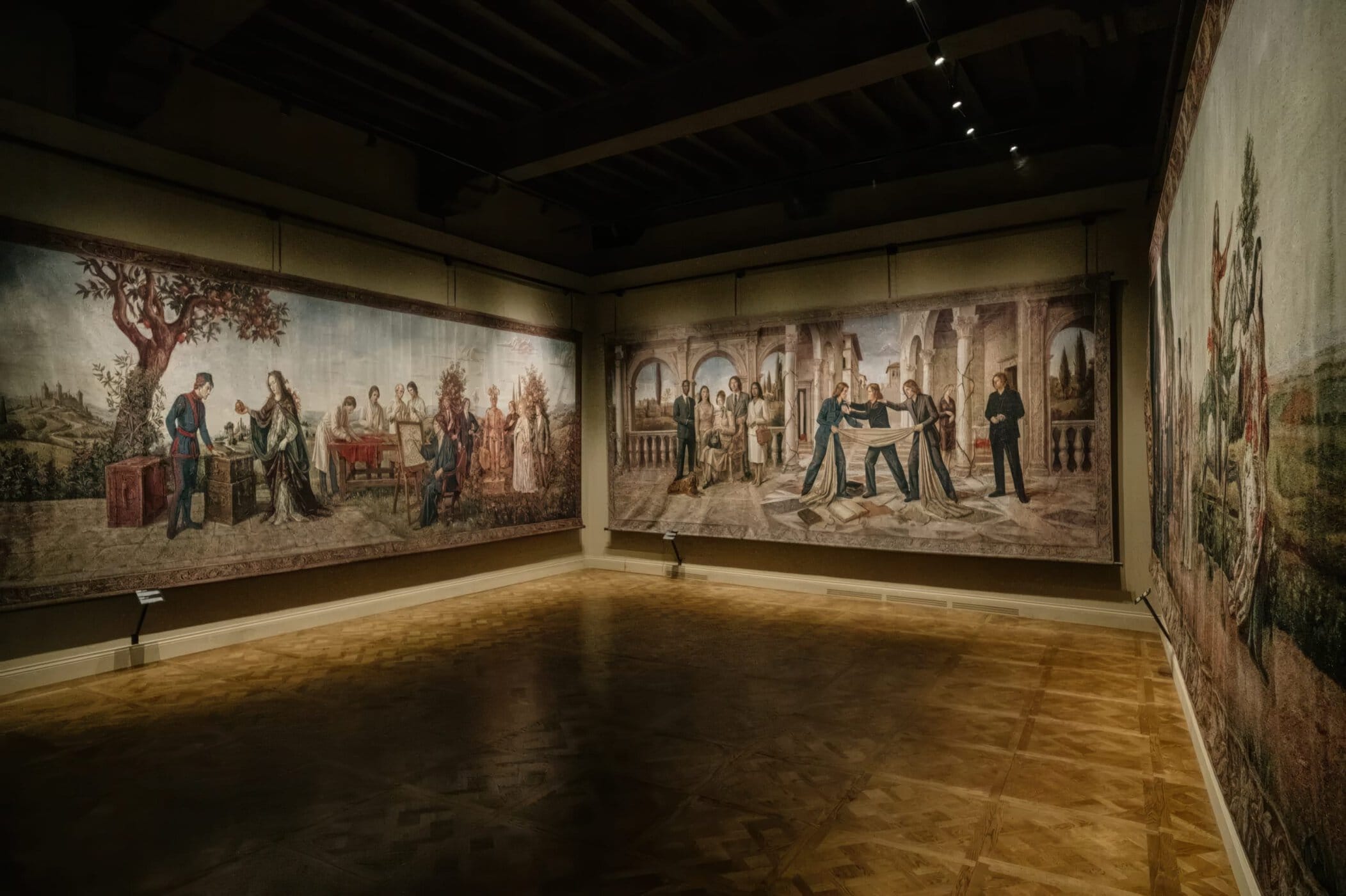
The exhibition opens with “The Thread of Time,” a room lined with tapestries that chronicle key moments in Gucci’s history, from Guccio Gucci’s early years in London to successive creative eras under designers including Tom Ford, Frida Giannini, Alessandro Michele, Sabato De Sarno, and Demna. The installation builds on a similar presentation introduced during Milan Design Week in the “Gucci Memoria” exhibition.
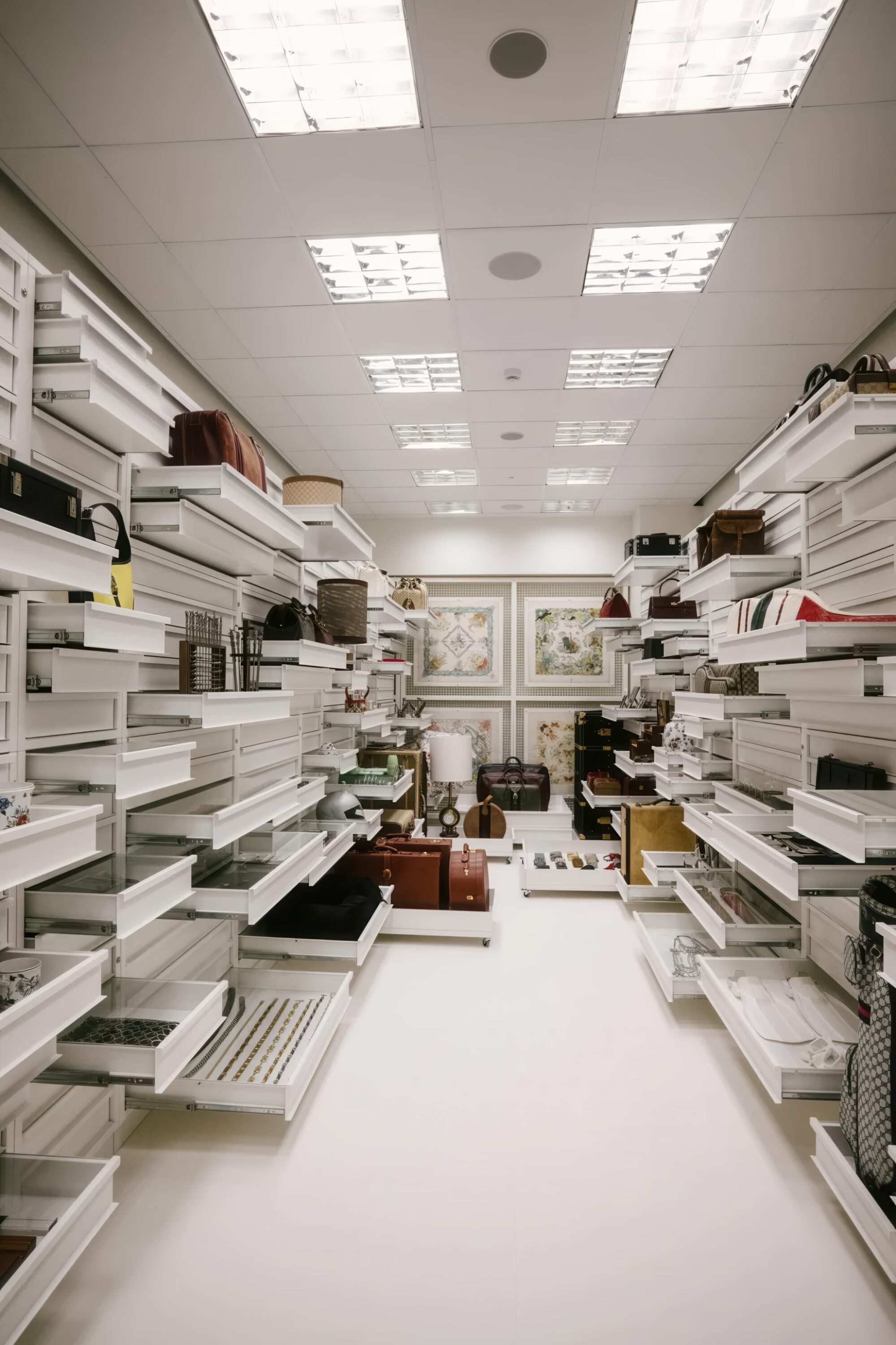
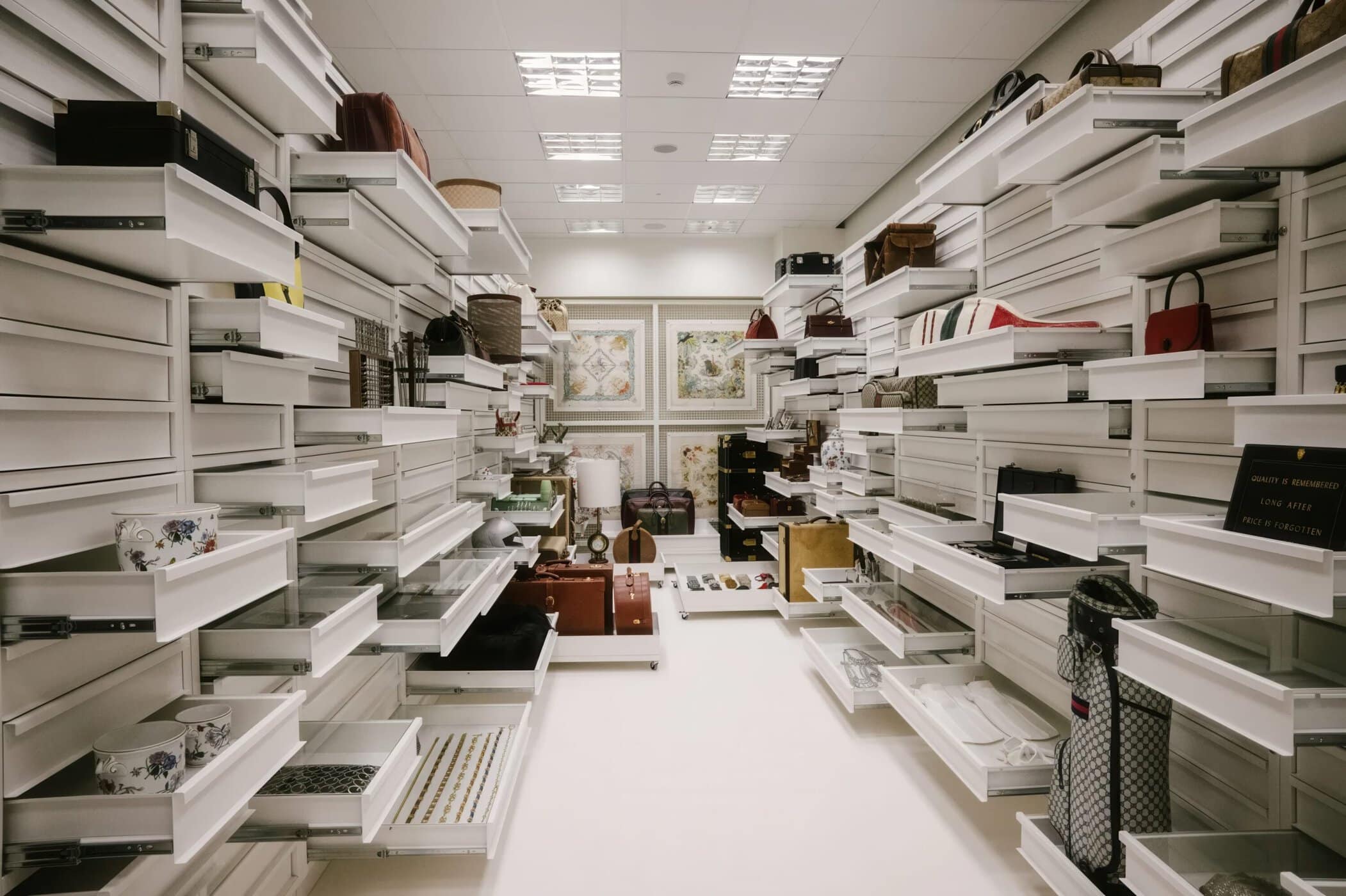
Subsequent rooms explore different aspects of the brand. “La Galleria” presents campaign imagery from Demna’s debut collection, while an archive-inspired space displays a selection of objects ranging from heritage leather goods to more unconventional designs. The “Cinema” room features a rotating program of films, and “Generation Gucci” presents large-scale campaign visuals.
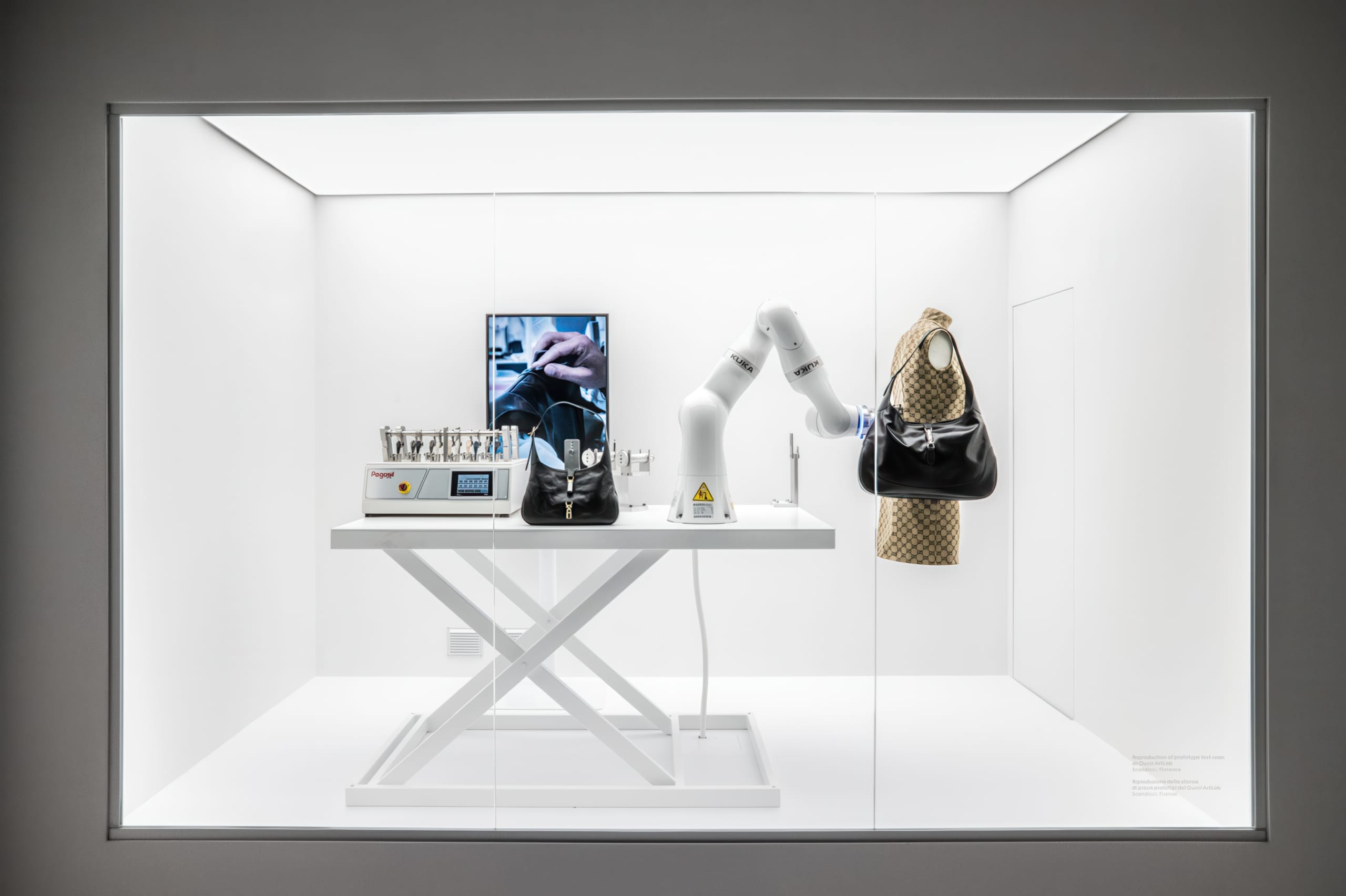
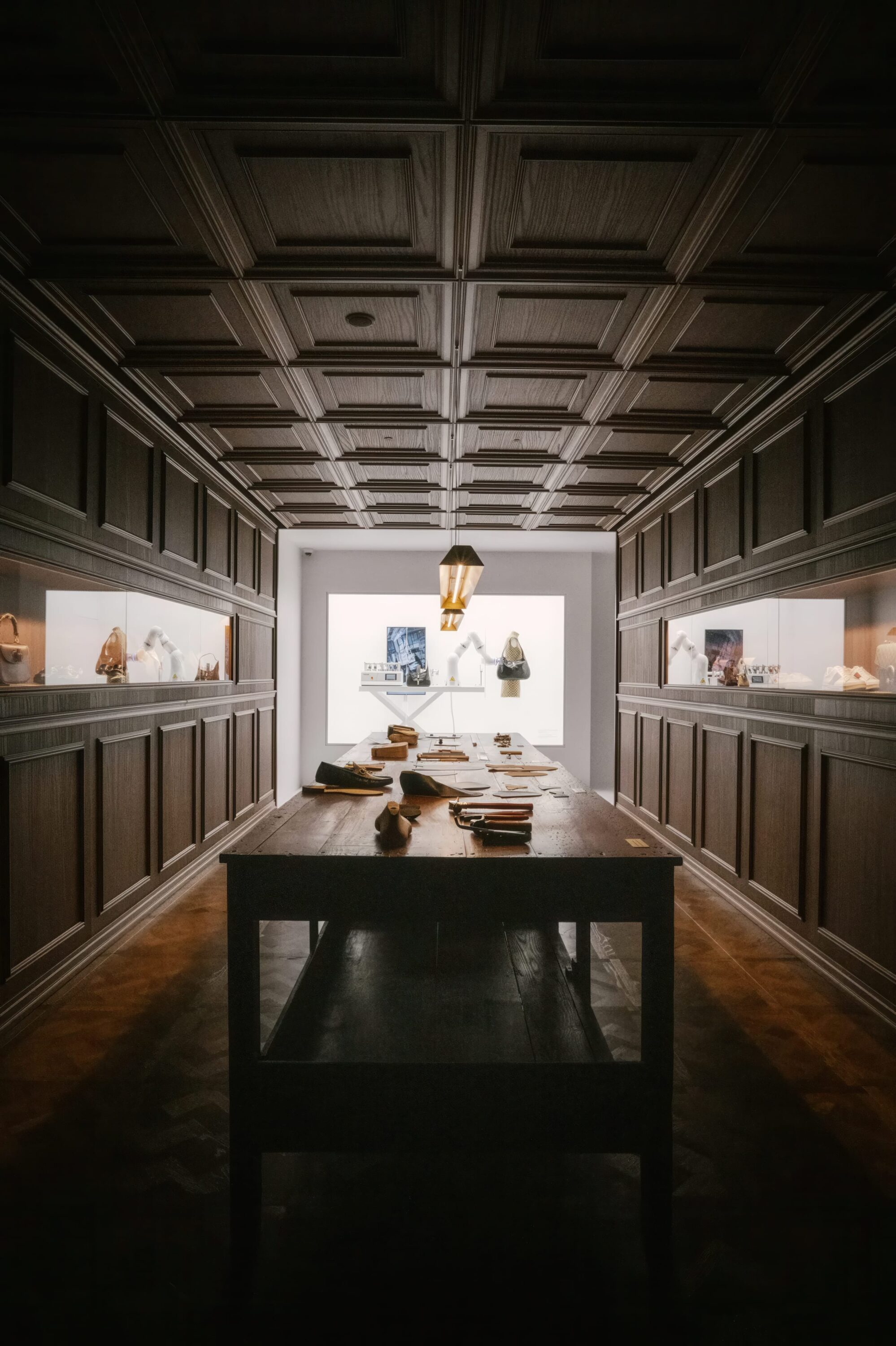
“La Manifattura” focuses on craftsmanship and production, juxtaposing archival tools and prototypes with contemporary technology drawn from Gucci’s ArtLab in Florence. The final installation, “L’Oracolo,” introduces an interactive element, allowing visitors to engage with curated content through a digital interface.
The reopening reinforces Gucci’s strategy of integrating retail, hospitality, and cultural programming within a single destination, positioning Palazzo Gucci as a key site for the brand’s heritage and future development.