SCAD FASHION 2026 showcased a graduating class using memory, heritage, and lived experience to shape fashion’s next creative language
By Sofia Crawford
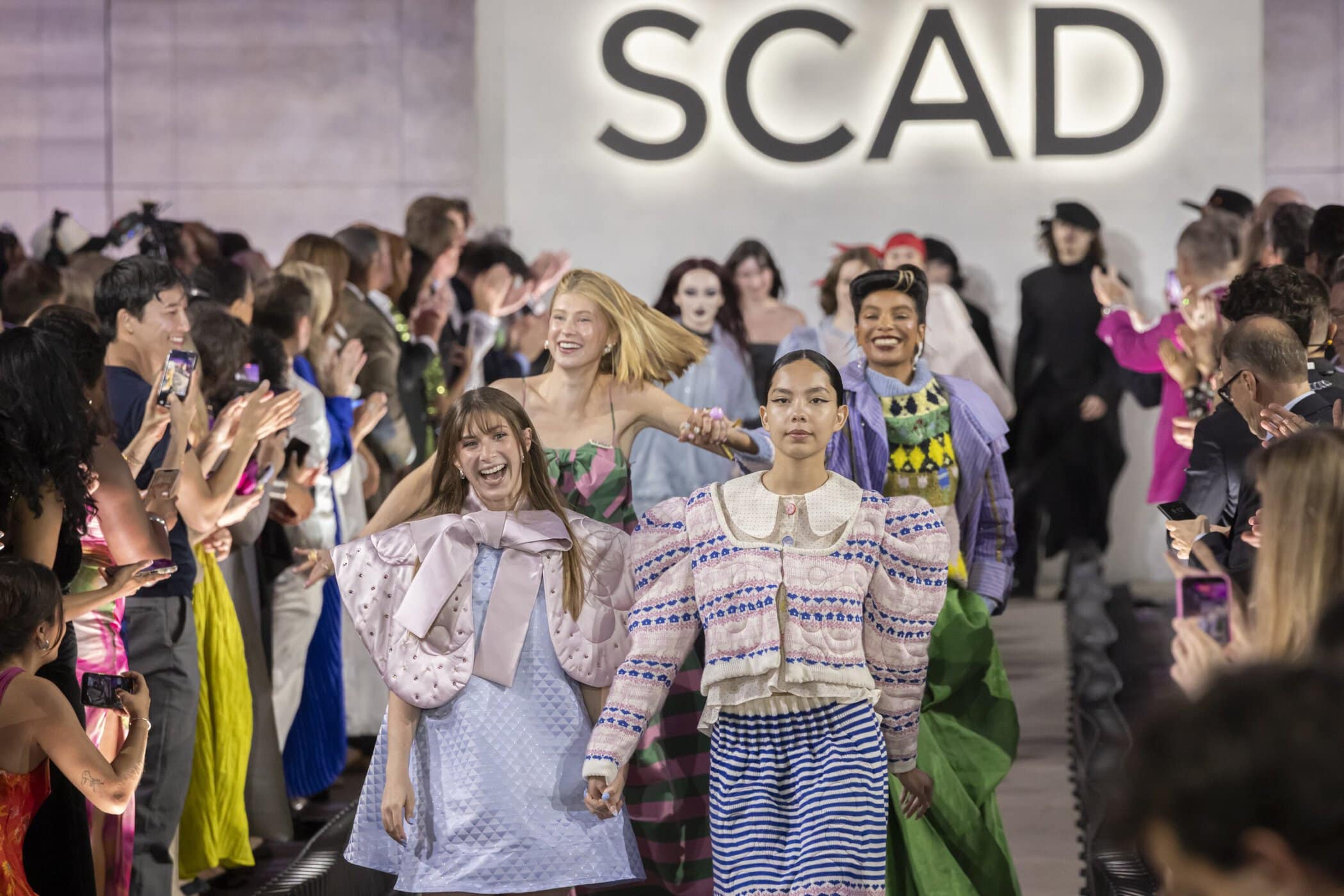
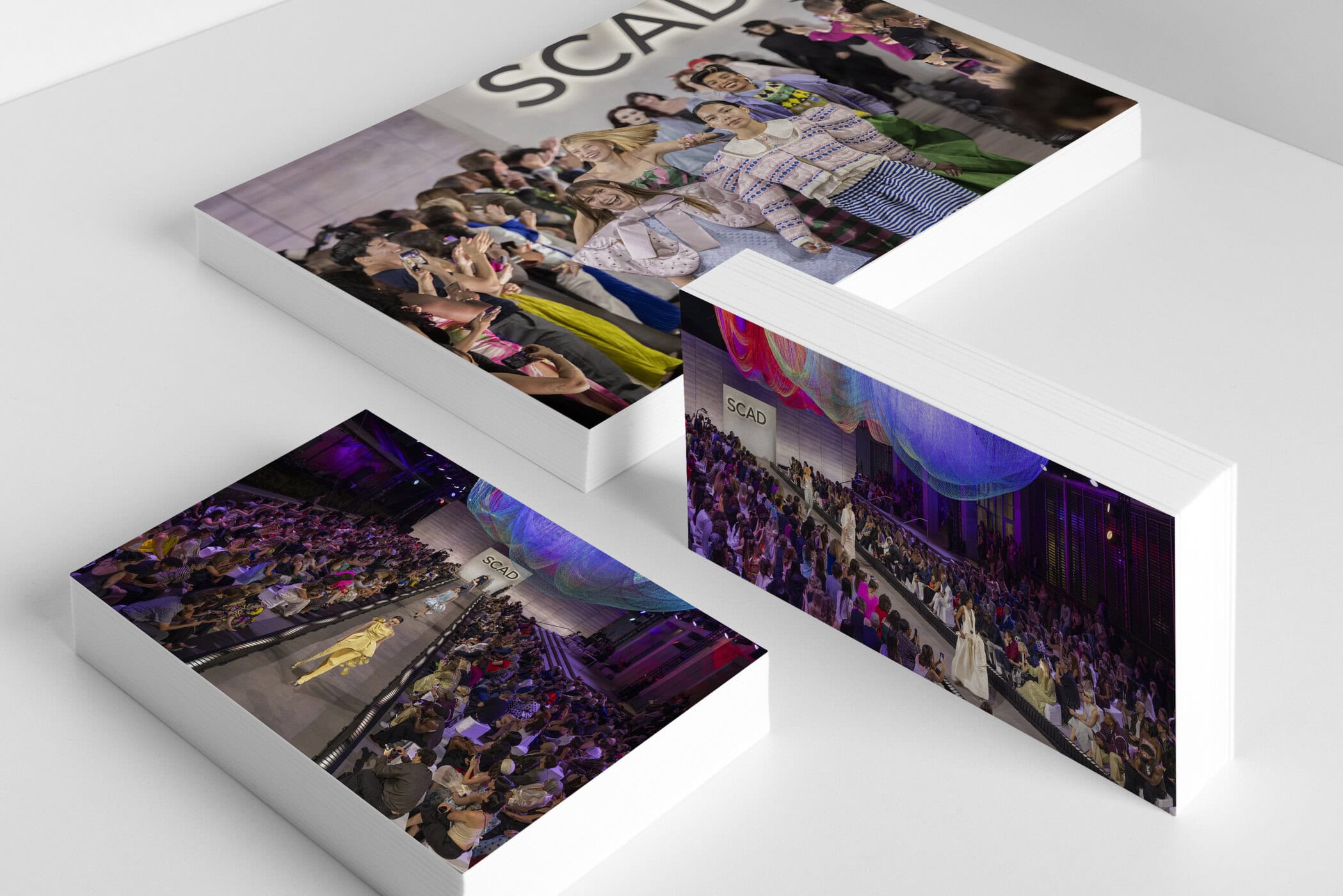
In an industry where emerging designers are increasingly expected to arrive with both technical precision and a defined point of view, SCAD FASHION 2026 presented a compelling introduction to the next wave of creative talent. Set against the backdrop of the SCAD Museum of Art in Savannah, this year’s presentation brought together more than 60 designers from the university’s largest graduating fashion class, debuting nearly 200 looks in a production shaped by notable creative collaborators, including supermodel Coco Rocha, who returned to coach SCAD’s student models, and Lanvin Artistic Director Peter Copping, who mentored a select cohort of fashion students on their eveningwear designs.
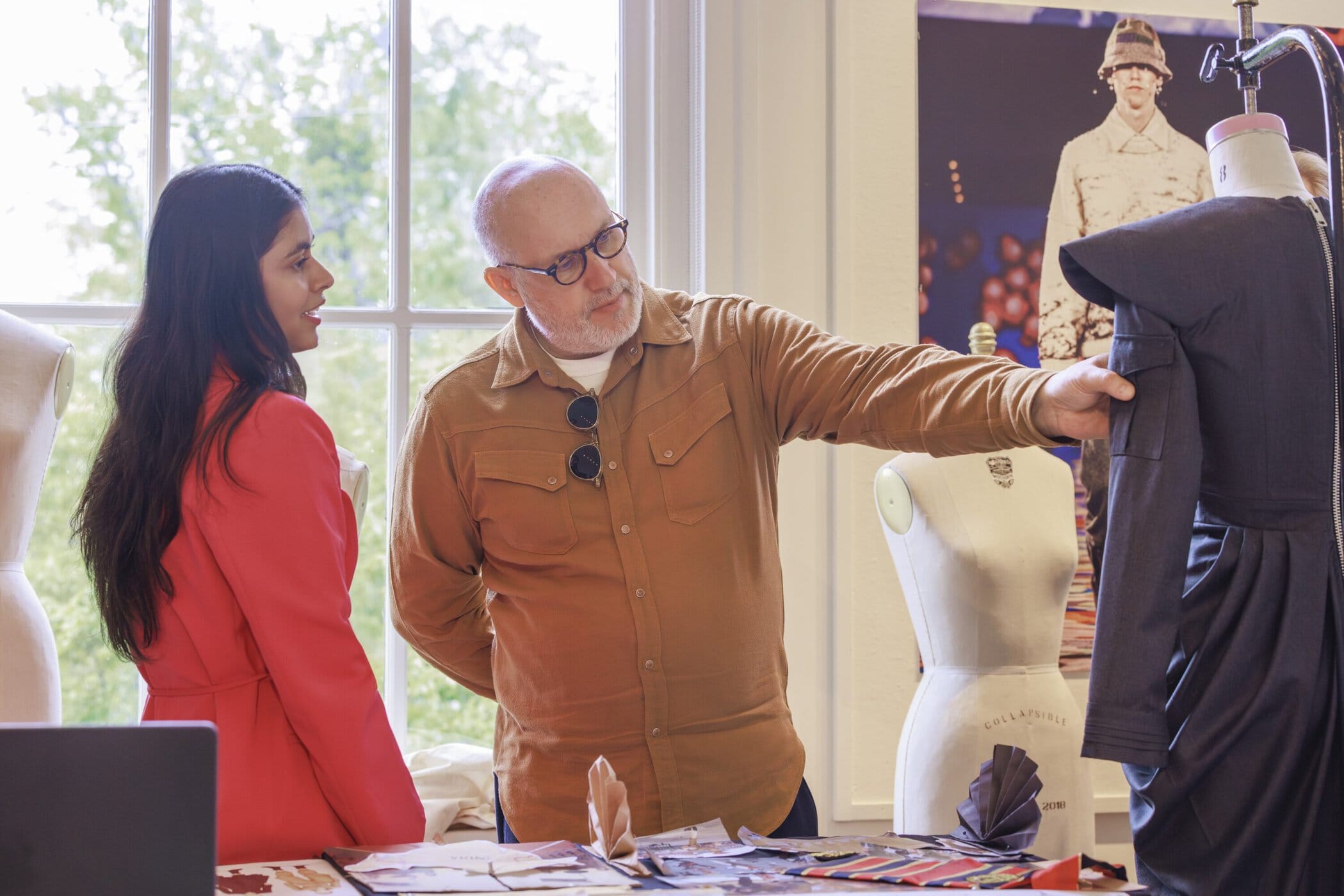
That spirit of mentorship was deeply embedded in the evening’s narrative. “Mentoring the fashion students at SCAD has been a truly rewarding experience for me,” shared Copping. “Their curiosity and fresh perspectives continually inspire, reminding me how vital it is to keep creativity open and evolving. It’s been a privilege to support them as they bring their eveningwear visions to life.”
Rather than functioning solely as a graduation showcase, the runway reflected something more meaningful: a moment of transition, where emerging designers presented not only finished collections, but the early articulation of their creative identities under the guidance of industry figures actively shaping fashion today.
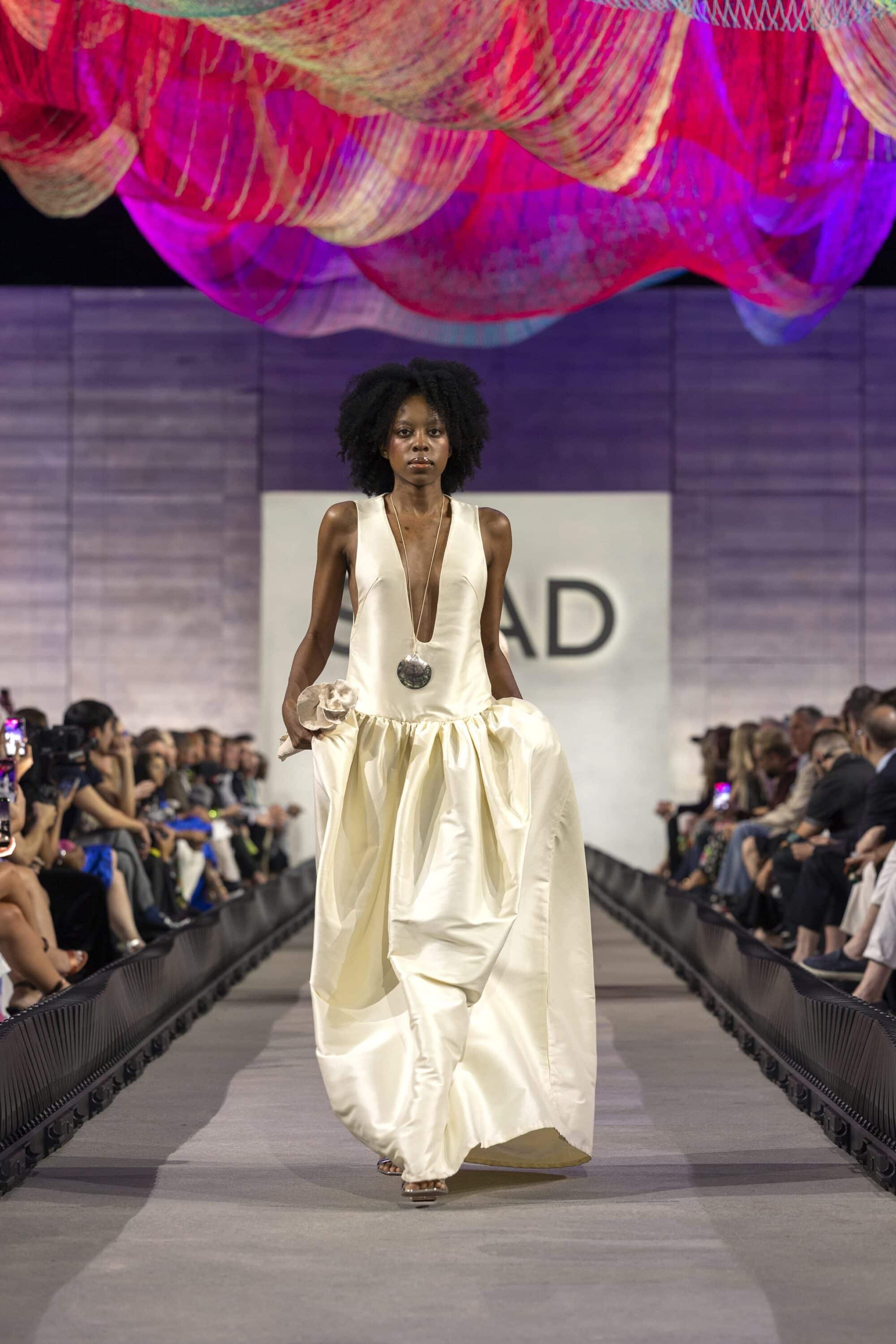
Designer Stella Beltranena embodied this in her collection, which explored the idea of outgrowing old versions of oneself through the metaphor of molting and the delicate anatomy of shells. Inspired by the tension between protection and vulnerability, her elegant eveningwear translated personal transformation into sculptural silhouettes, proving how mentorship can help young designers refine not only their technical execution, but the confidence to fully trust and articulate their own creative voice.
That emotional introspection surfaced across the runway. Drishti Khanna’s collection, The Moon’s Consort, drew from her parents’ nearly two-decade long-distance marriage, translating themes of isolation, resilience, and transformation into a deeply personal narrative of emotional growth. Tracking the journey of a central female figure through hardship toward self-actualization, her work reinforced the evening’s larger theme: fashion as a vehicle for deeply human storytelling.
While the scale of SCAD FASHION 2026 reflected the institution’s growing industry presence, the evening’s strongest moments emerged from the deeply personal narratives embedded within the collections themselves. Across the runway, designers translated literature, folklore, personal memory, movement, and heritage into garments that felt less like academic exercises and more like early declarations of creative identity. Inspirations ranged widely—from Jack Sharrod’s Beat Generation references and Juliette Hamilton’s interpretation of Swedish folklore through the lens of John Bauer, to Malena Piquemal’s literary nod to Don Quixote—reflecting a graduating class unafraid to pull from deeply personal and culturally rich sources. For designer Noah Drew, that identity was rooted in movement and functionality, inspired by the emotional freedom of cycling. “I design for a lifestyle, and the aesthetic follows the lifestyle, not the other way around,” he shared. His collection balanced technical detailing with wearability, reflecting a belief that clothing should move through life alongside its wearer. “I can’t design the experiences that give someone’s life meaning,” he explained, “but I can design something for them to wear in those moments.”
Elsewhere, nostalgia took on a more deeply personal and cultural dimension. One standout collection drew inspiration from Soviet Big Blossom, a fabric the designer’s grandmother once made by hand in China during the 1950s and ’60s. Fascinated by how simple stripes, repeated patterns, and limited textile resources were used to communicate layered emotion during a difficult historical moment, Mohan Yang transformed that contradiction—hardship alongside hope—into the emotional foundation of the collection. Through layered fabrics, unexpected textures, and quietly poetic details, including hidden yellow and blue accents inspired by wheat and straw left on garments after fieldwork, the work reflected resilience, memory, and the emotional significance of ordinary life. More than a visual exercise, the collection offered a nuanced invitation to experience Chinese memory from within, rather than through an outside lens.
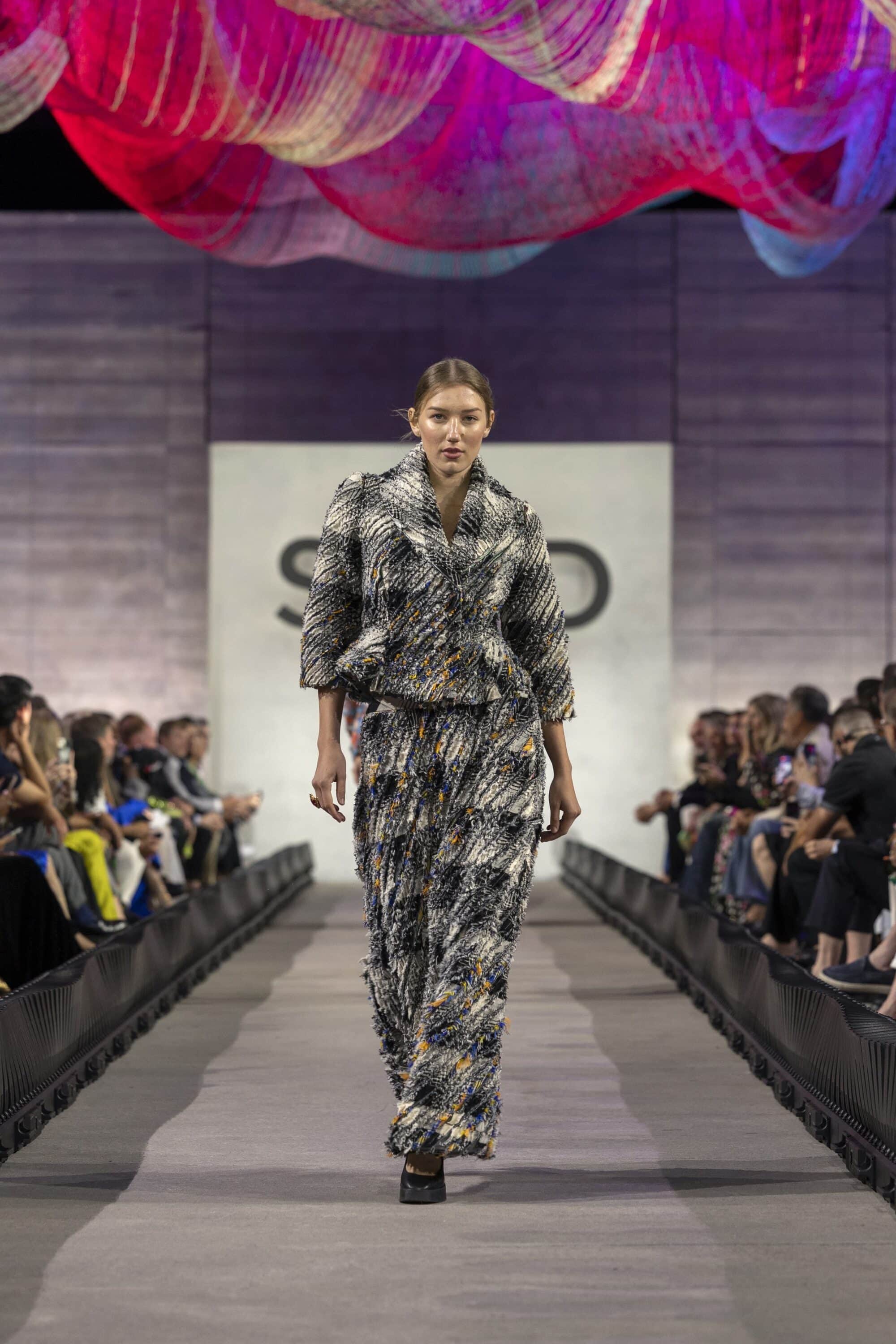
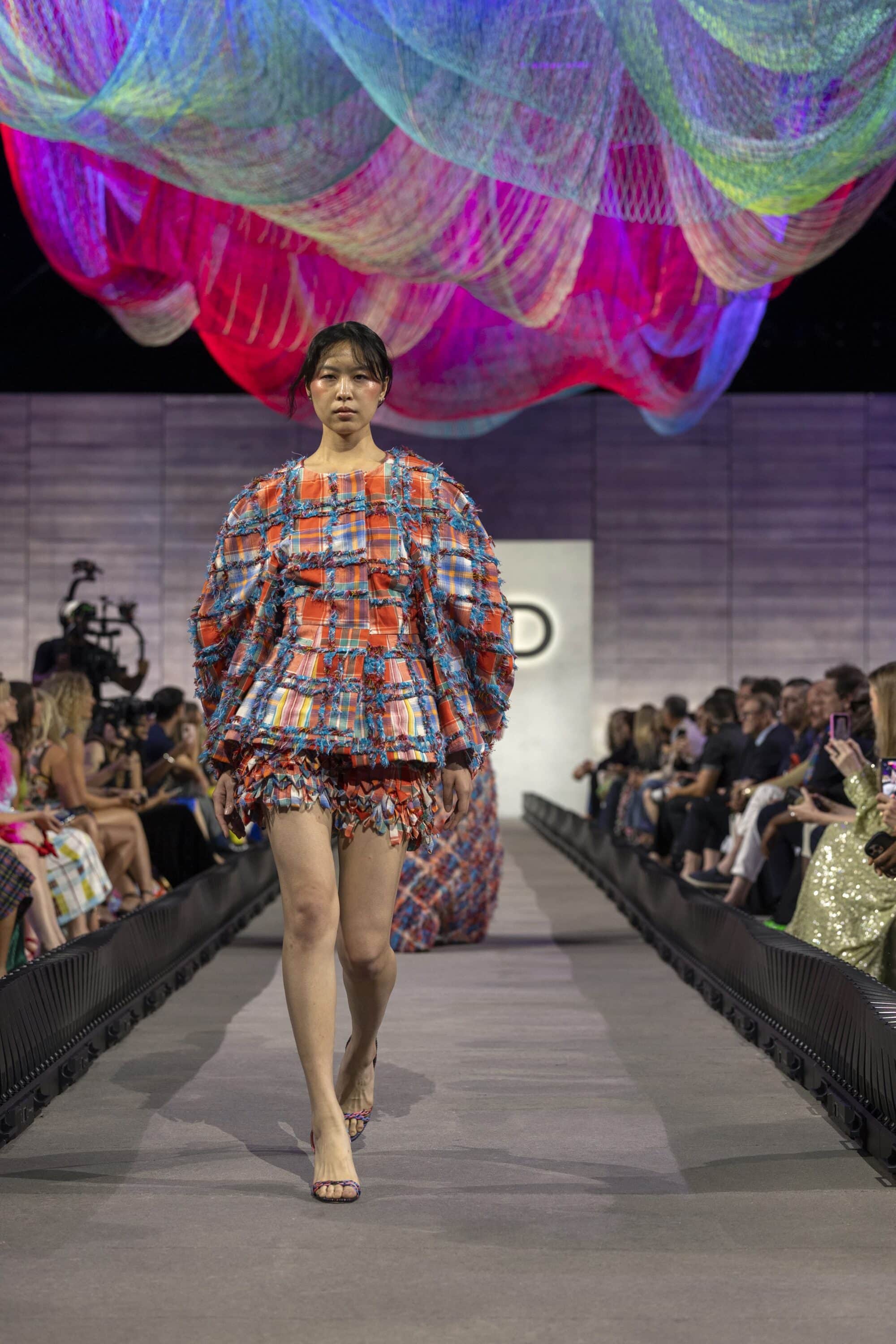
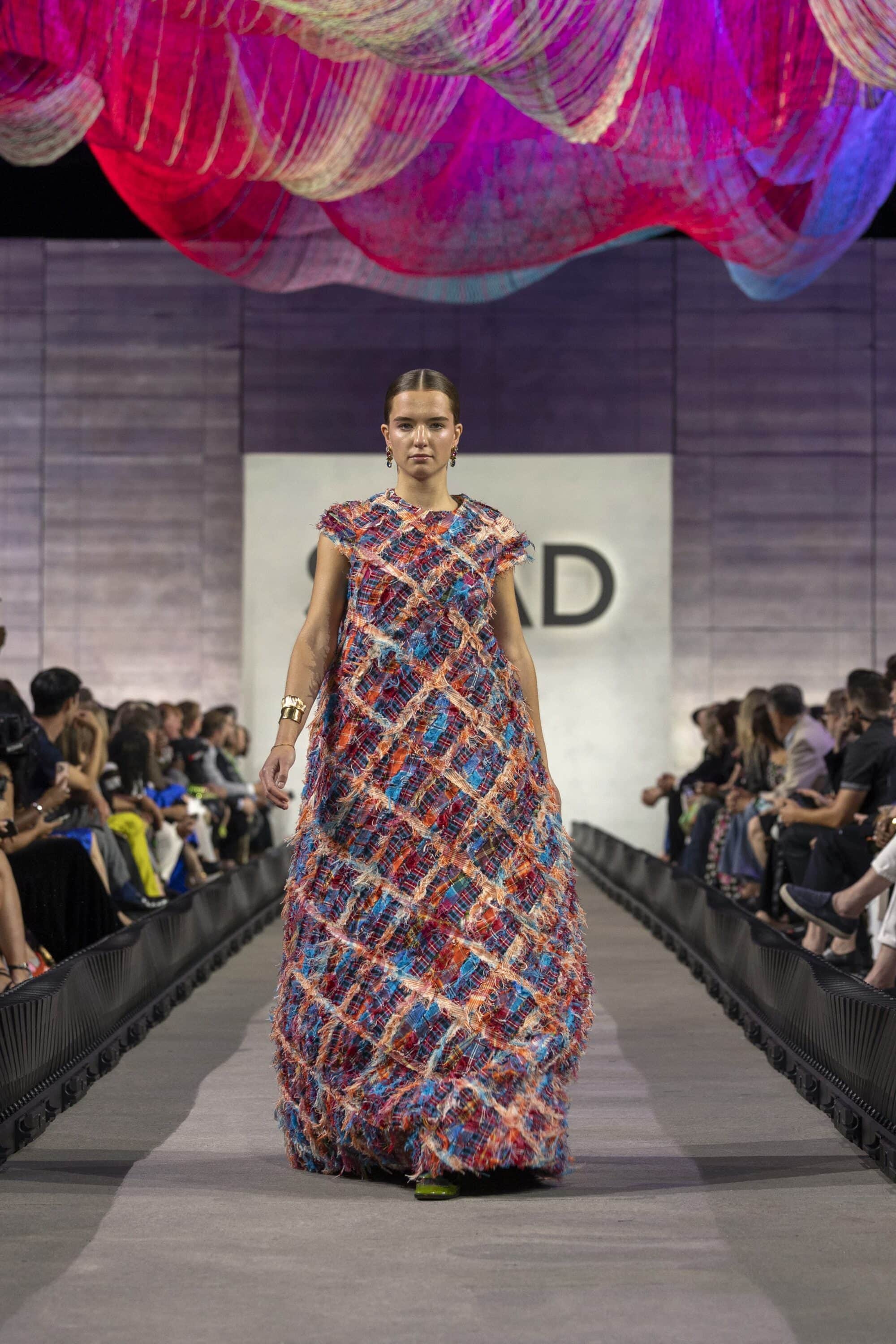
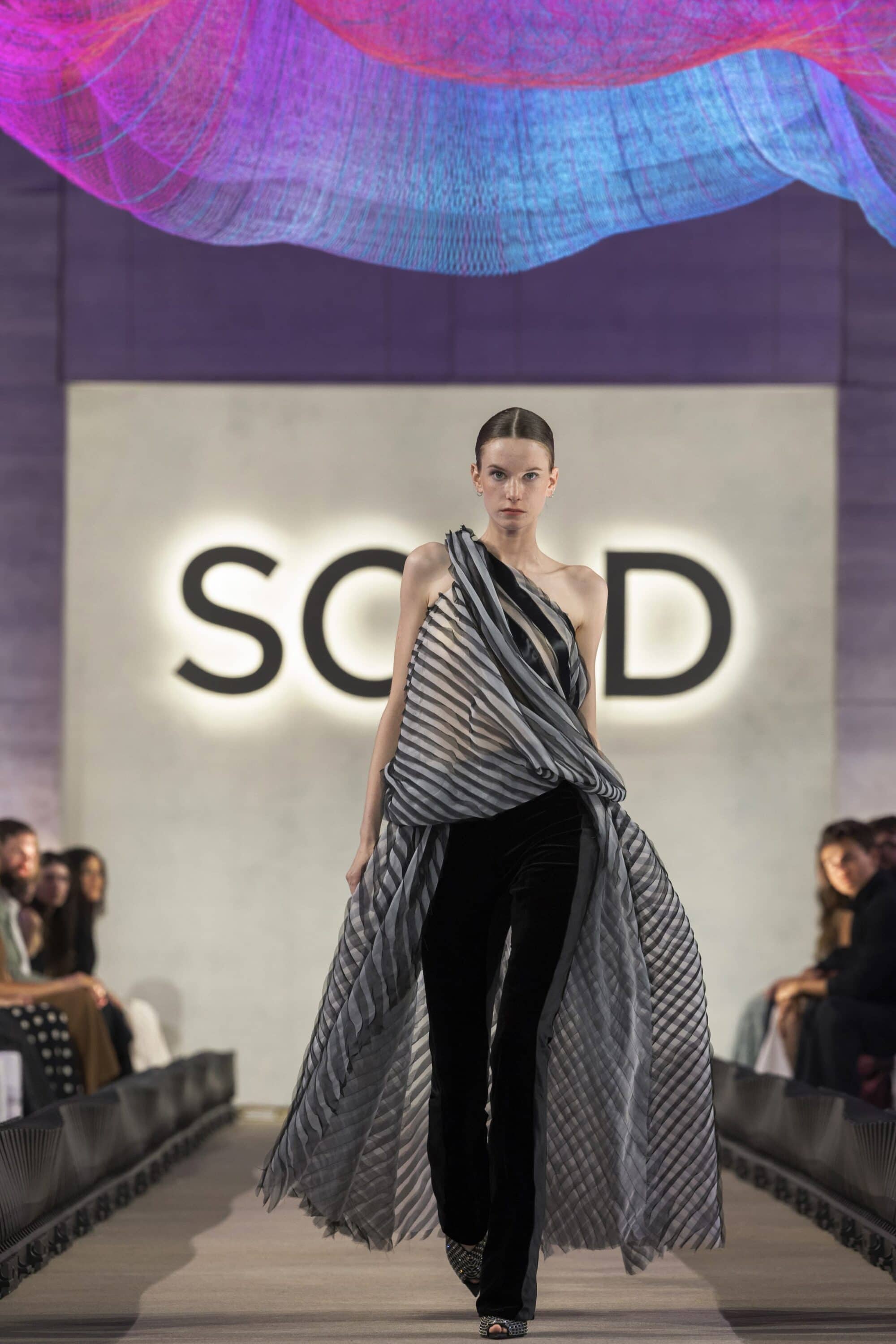
Mohan Yang, Looks 188, 189, 190, and her Selected Lanvin Look
For Natalie Glickman, heritage became the emotional foundation of her collection, which drew inspiration from Jewish tradition and the symbolism of braided challah bread—representing love, purity, and unity. Through hand-braided detailing and movement-driven silhouettes, craftsmanship became inseparable from storytelling. “Every fabric, braid, and silhouette was intentional,” she noted. That same sense of intentionality emerged in Aidan Colucci’s work, where inspiration came from an unexpected source: repetitive labor at a former disposal company job. What began as a meditation on repetition transformed into garments shaped by endurance, patience, and meticulous construction—highlighting how unconventional experiences can evolve into compelling design narratives.
That emotional range extended across the runway. For Elena Pollitzer, one of the students mentored through SCAD’s collaboration with Peter Copping, fashion became a way to rediscover childhood joy through playful reinterpretations of vintage and historical dress. “These clothes are meant to be fun,” she shared, “and inspire you to enjoy getting dressed whether it’s for a fancy event or to go and get groceries.” Elsewhere, Jack Sharrod drew from the memory of his late grandfather, whose introduction to Jack Kerouac and the Beat Generation shaped the collection’s quietly rebellious point of view. As Sharrod put it, “My only goal is to keep creating and make my family and friends proud.”
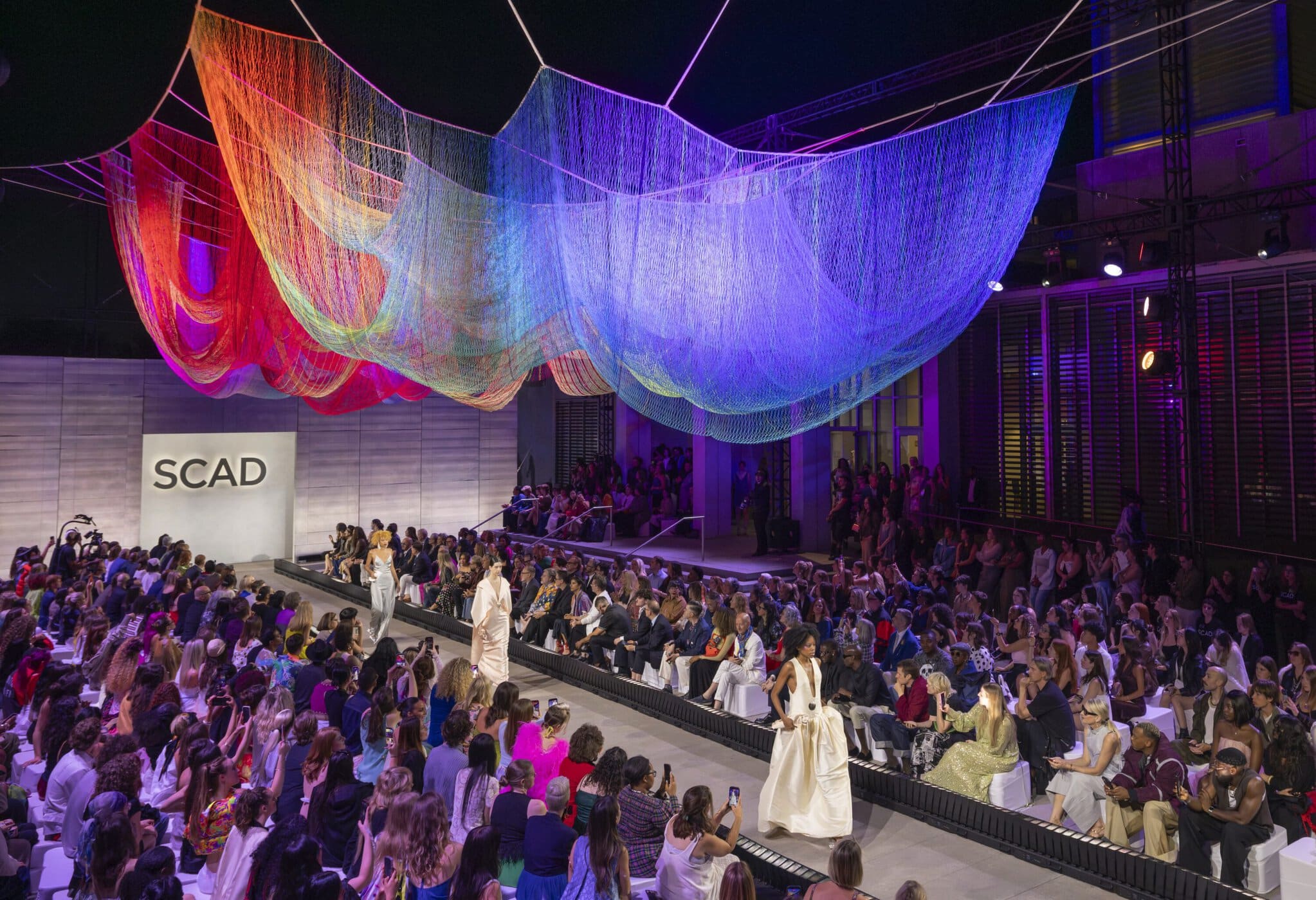
Beyond the collections themselves, the evening’s staging reinforced the sense that SCAD FASHION has evolved into something far more elevated than a traditional academic production. Janet Echelman’s suspended aerial fibers installation introduced softness, movement, and striking color above the runway, while the interplay of performance, styling, and theatrical production created an immersive atmosphere that matched the creative ambition of the collections on display.
Across the runway, a clear narrative emerged: this was a generation of designers using fashion as a deeply personal storytelling device rather than simply responding to trend cycles.
Themes of movement, heritage, nostalgia, and craftsmanship surfaced repeatedly, suggesting a cohort more interested in building emotional resonance than chasing immediacy. The strongest collections felt grounded not only in technical execution, but in lived experience—transforming personal memories, rituals, and everyday observations into garments with narrative weight. For some designers, the runway marked the culmination of ideas carried for years. “For so long, the collection only existed in sketches, fittings, and long hours in the studio,” Beltranena reflected. “Seeing the collection come to life on the runway was the first moment I truly felt connected to the work outside of the studio.”
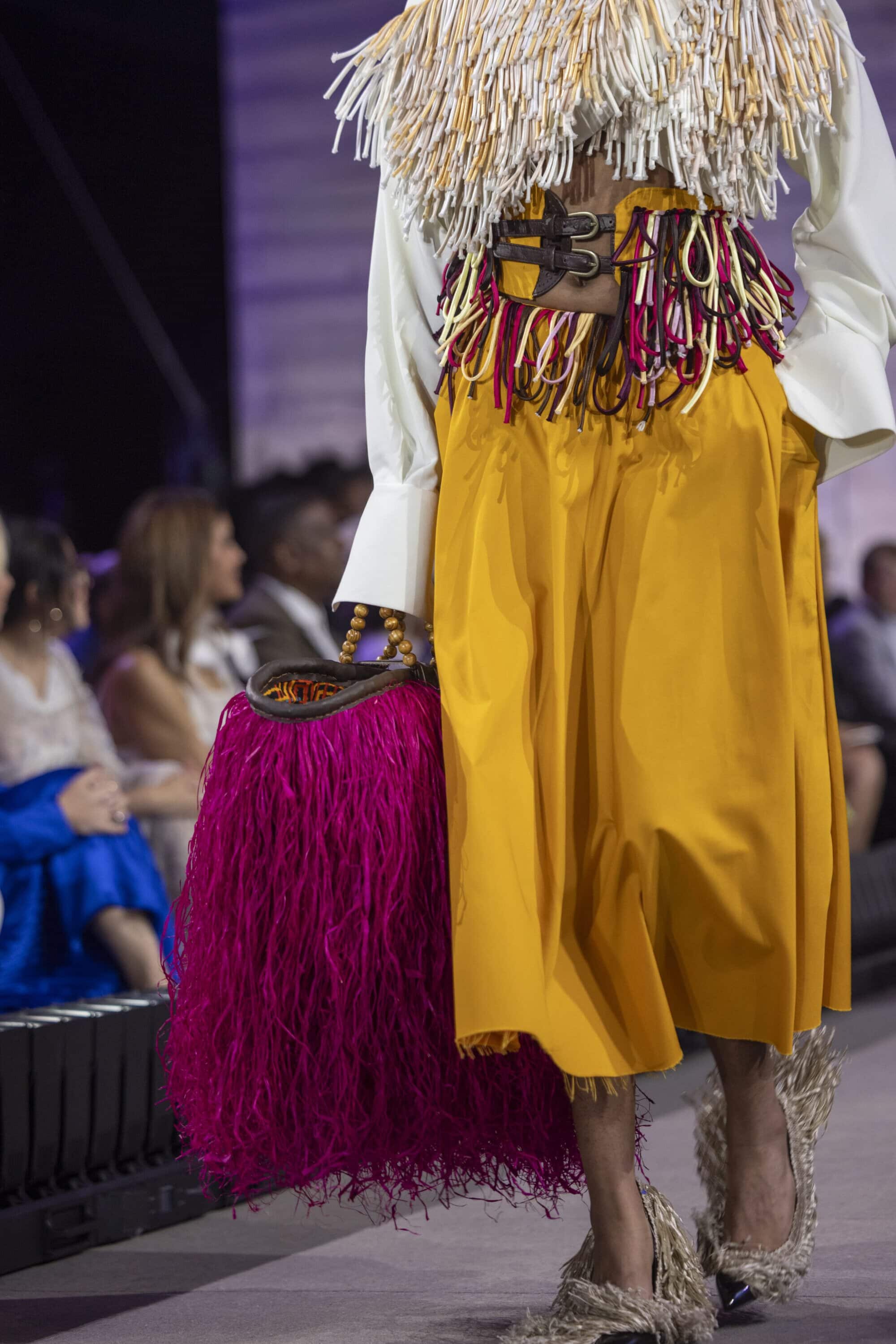
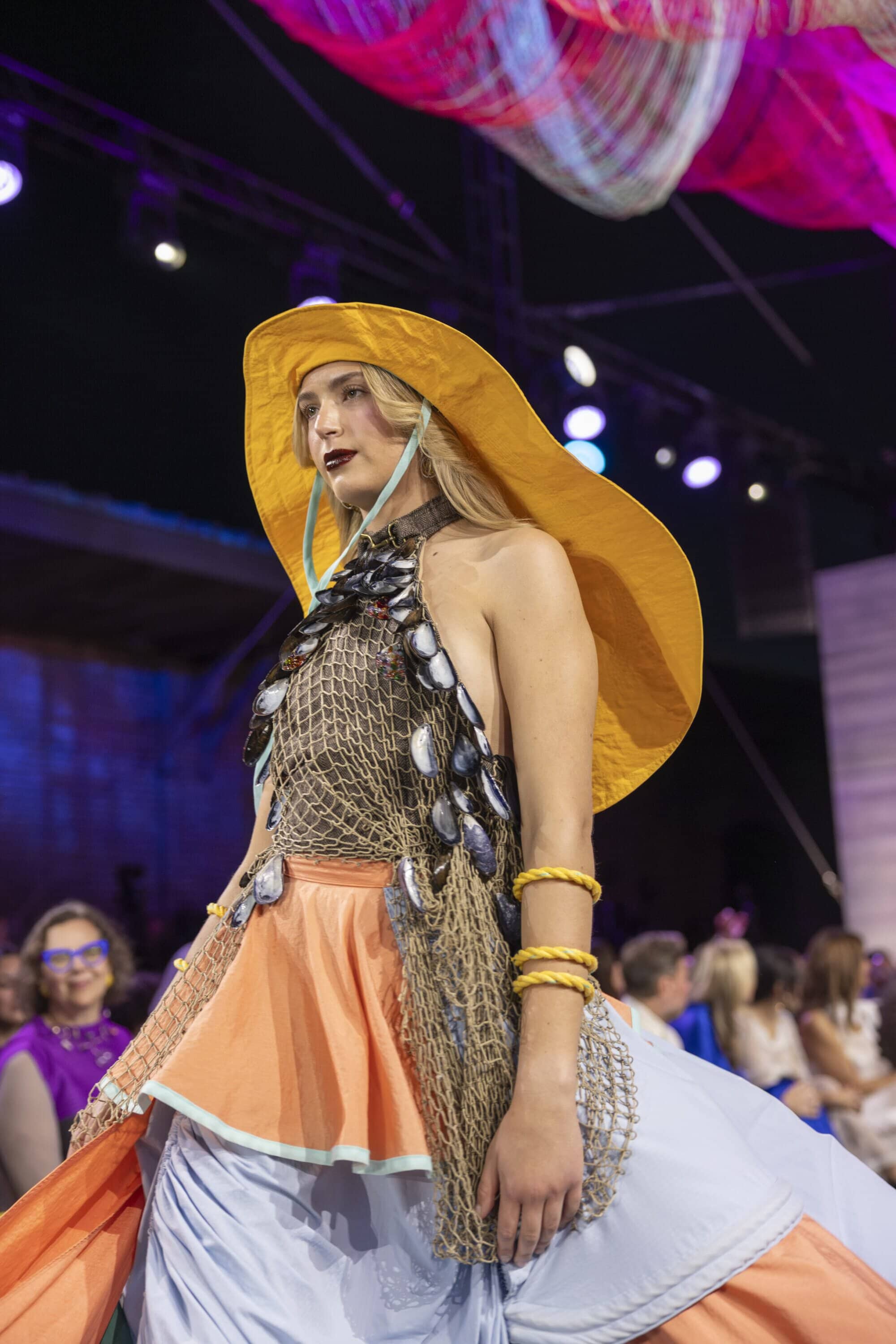
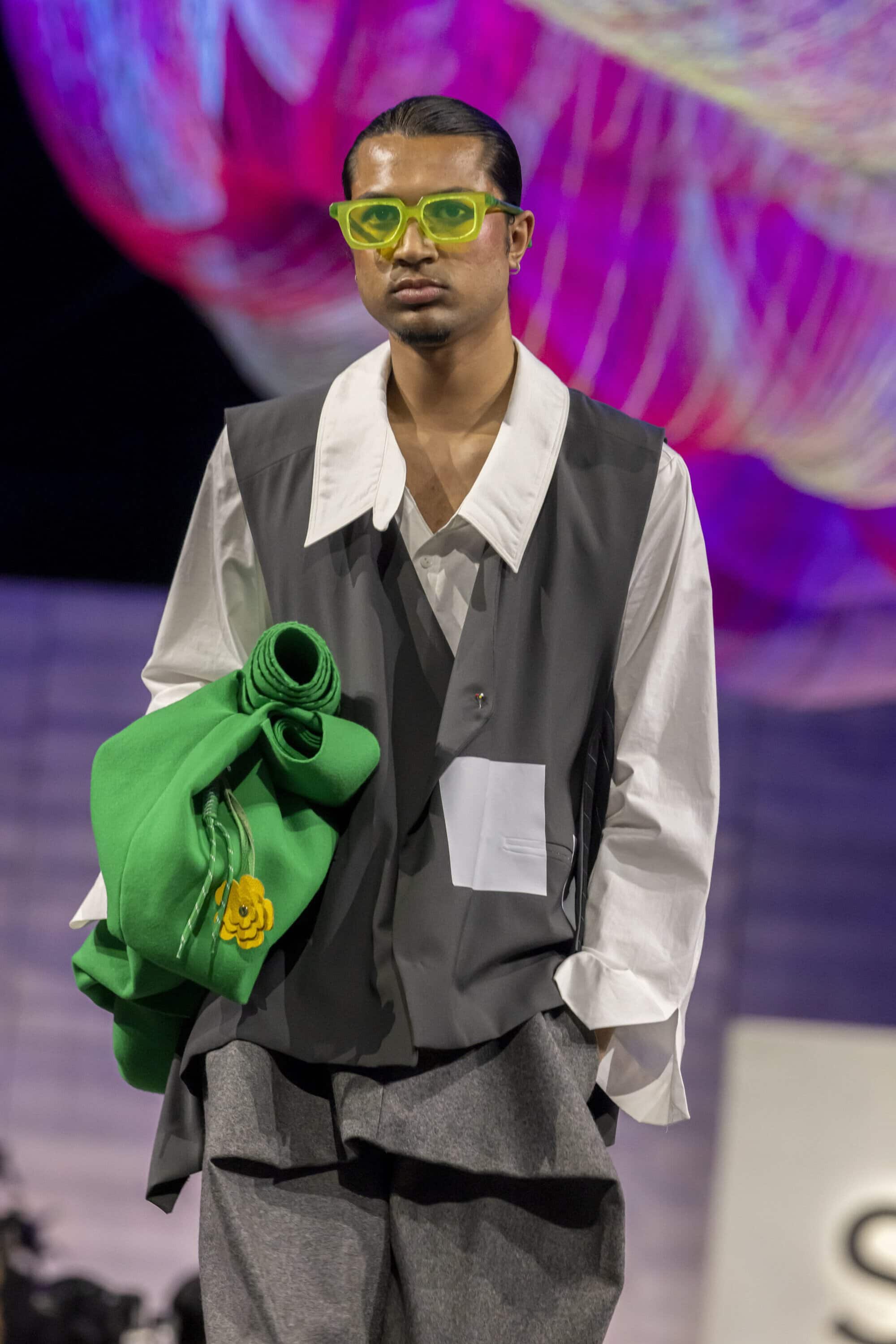
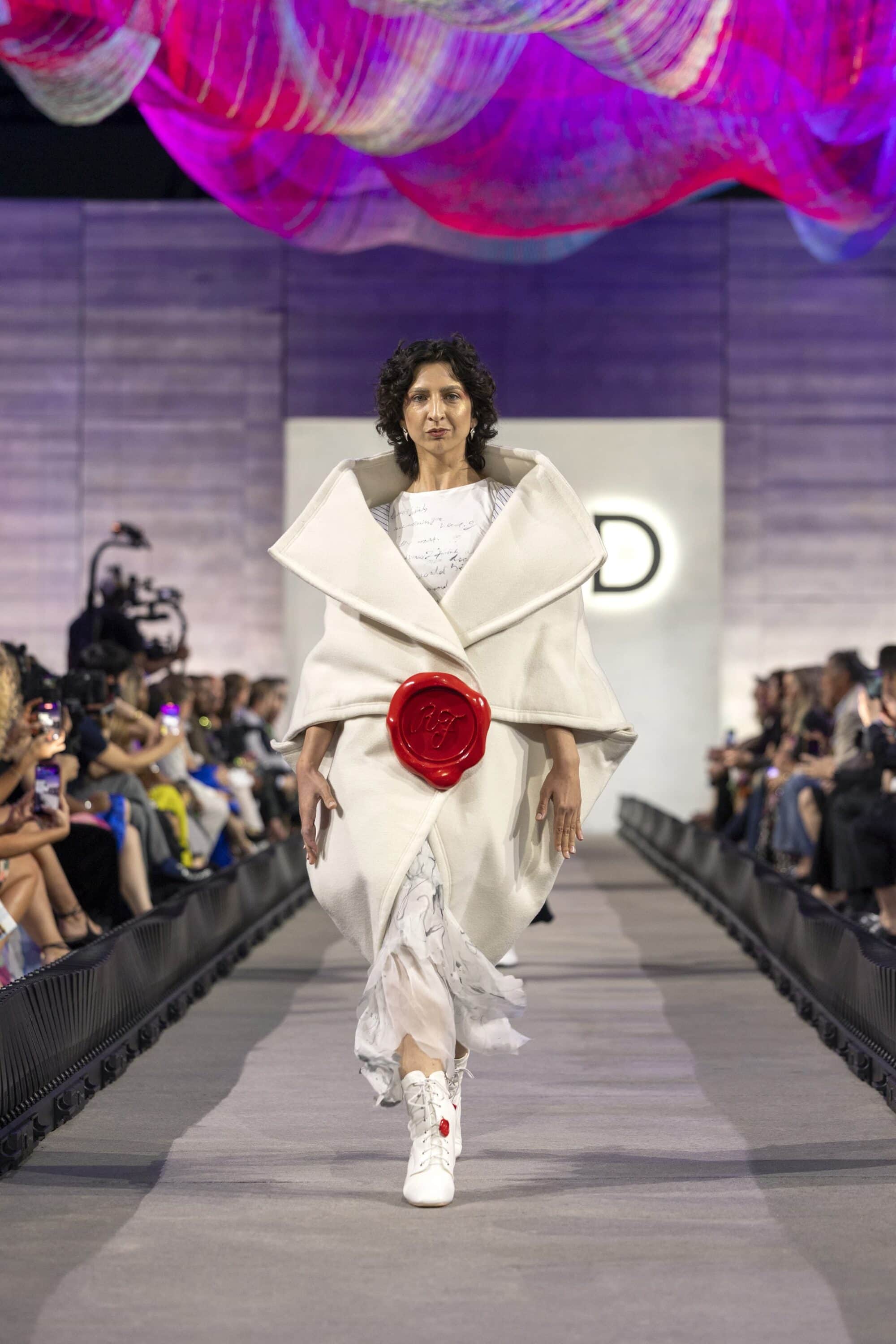
If SCAD FASHION 2026 offered any indication of what’s next, it’s that fashion’s emerging talent is arriving with more than technical fluency—they’re arriving with distinct narratives, cultural perspective, and a willingness to design from lived experience. At a time when fashion often moves at the pace of immediacy, this year’s graduating class made a compelling case for the enduring power of thoughtful storytelling. These may have been student collections, but many felt like the earliest chapters of careers already taking shape.