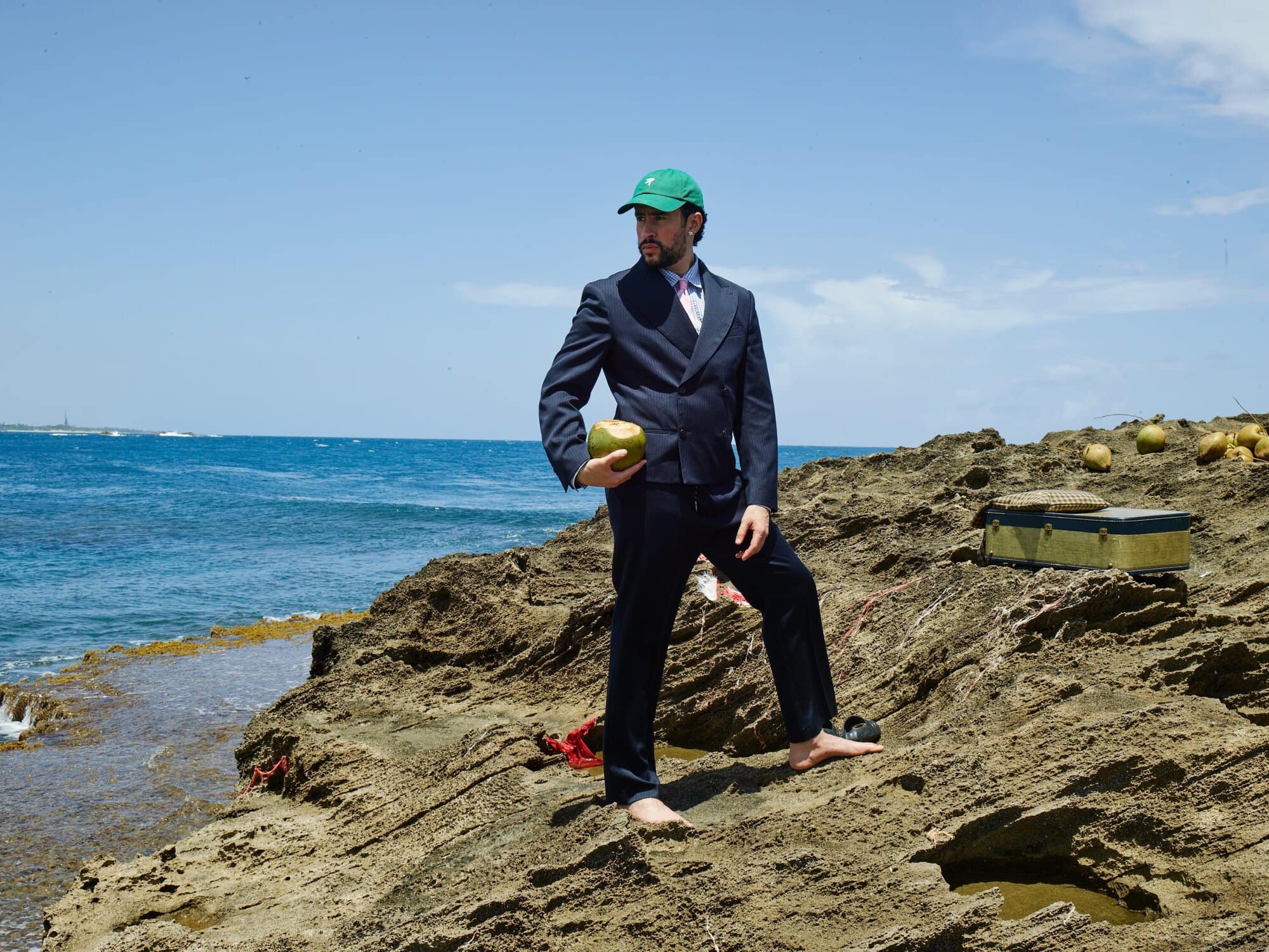
The 150-piece collaboration draws from Puerto Rican identity, street culture, and Benito’s evolving creative world
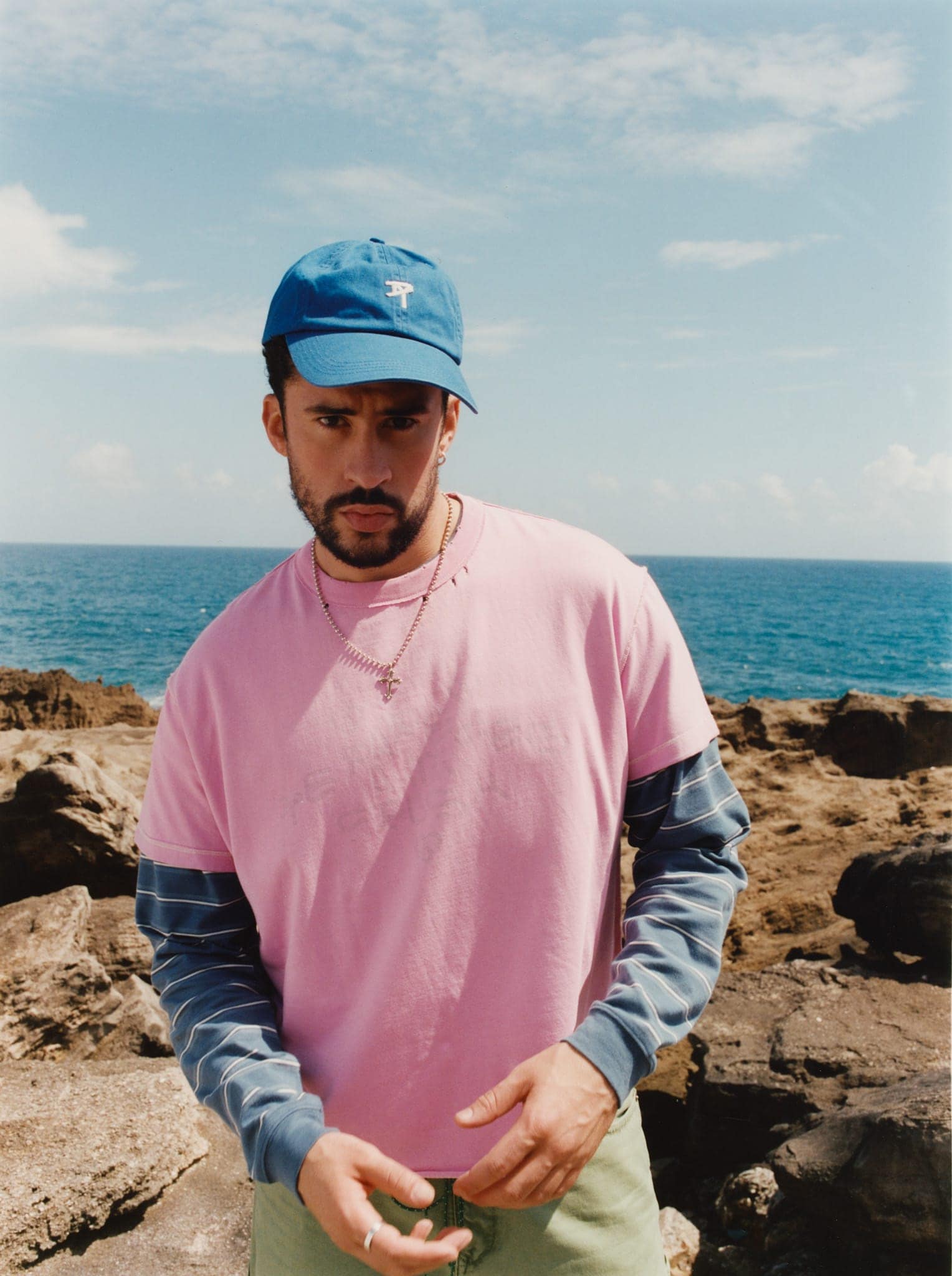
Bad Bunny and Zara have unveiled Benito Antonio, a 150-piece collection developed with Benito Antonio Martínez Ocasio and rooted in the artist’s personal style, cultural references, and creative identity. Launching globally on May 21, the collaboration extends a creative relationship that had already quietly surfaced through custom looks worn during major public appearances earlier this year.
The collection first entered public view during Bad Bunny’s Apple Music Super Bowl LX Halftime performance in February, where he became the first Latin male artist to headline the event wearing custom Zara-developed looks. It reappeared at the Met Gala in May, where he arrived in a black tuxedo of his own design created alongside the retailer. Days later, Zara transformed its Plaza Las Américas store in San Juan into a dedicated pop-up space ahead of the official launch, with Bad Bunny making a surprise appearance.
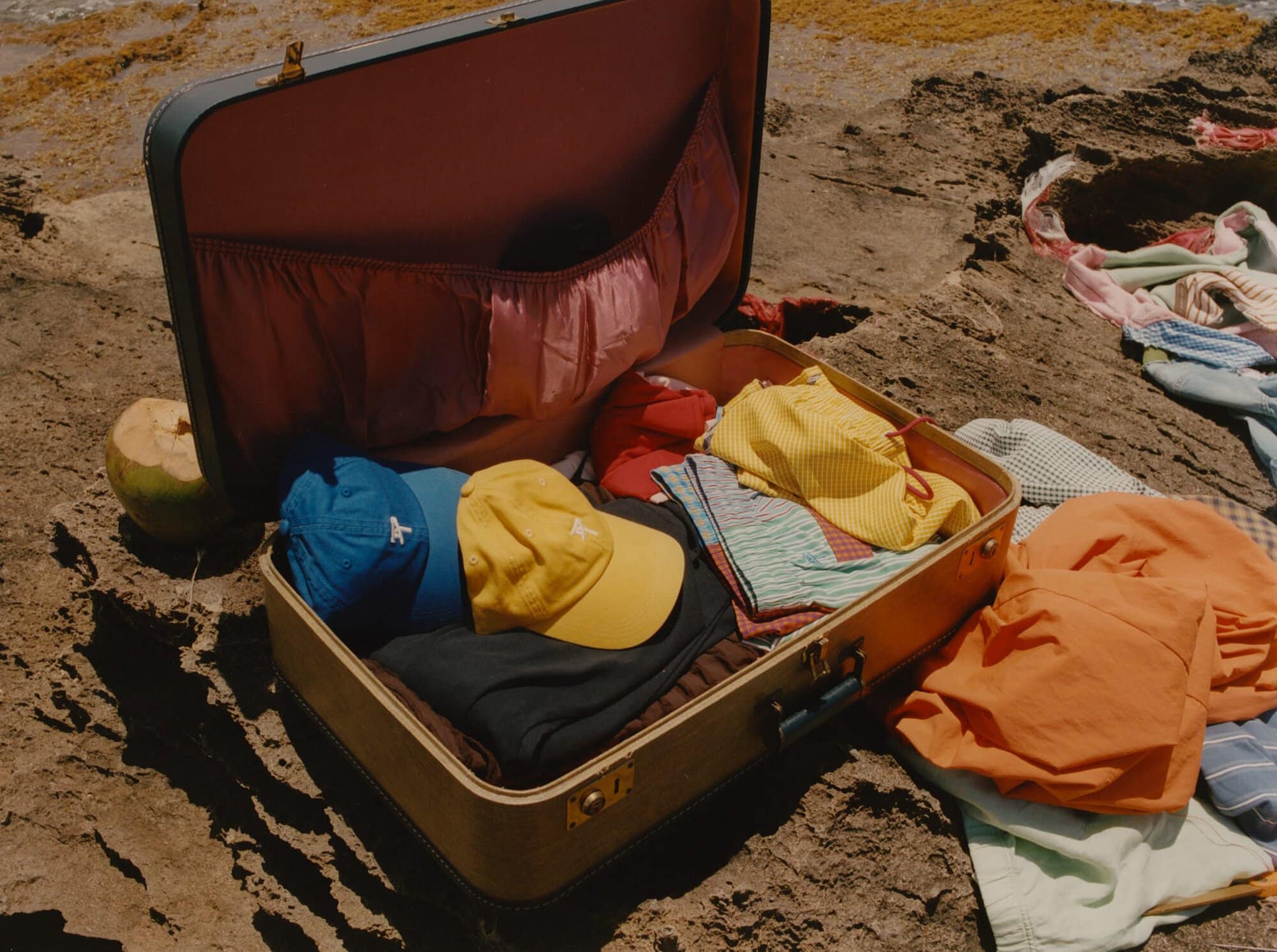
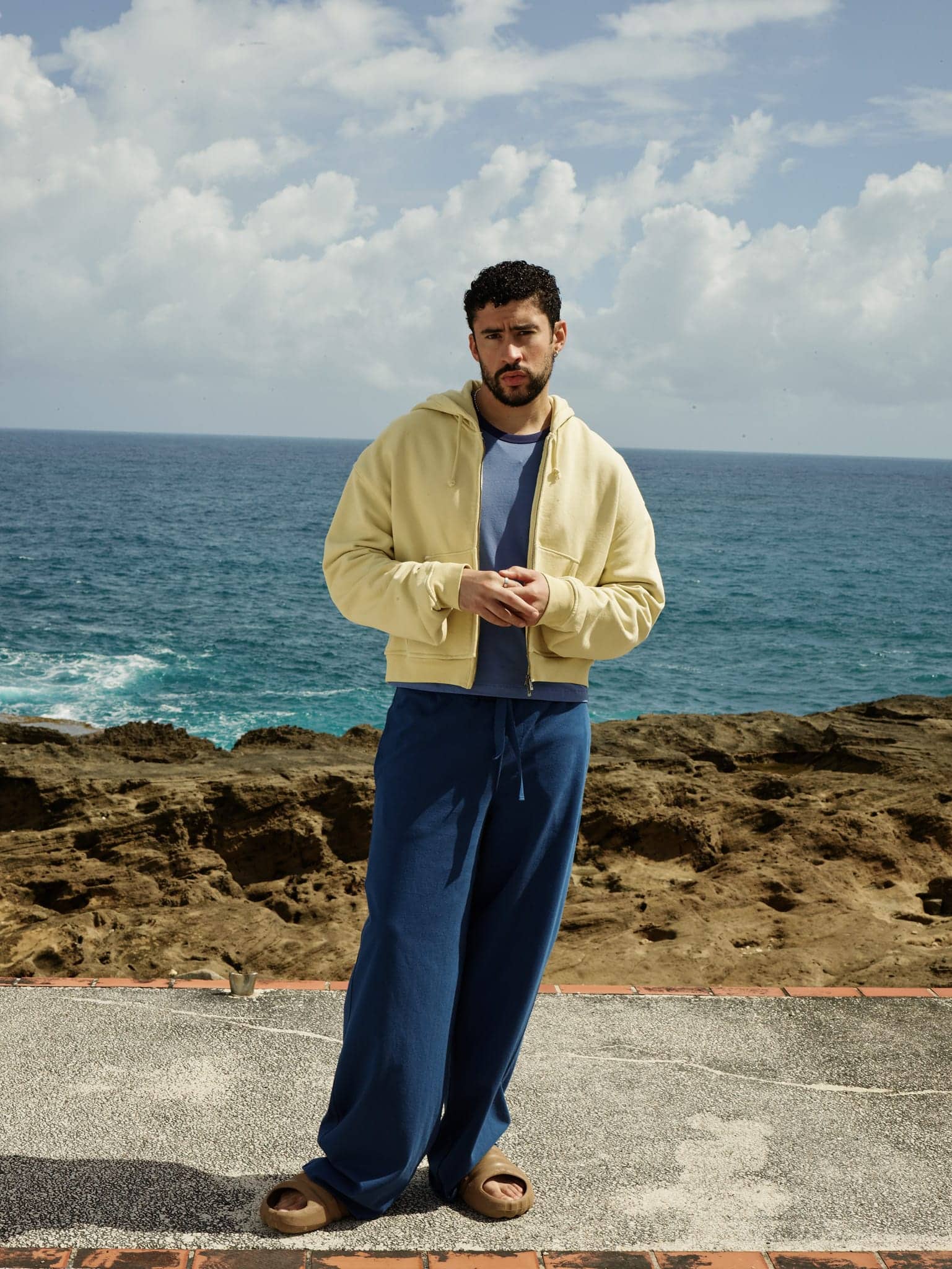
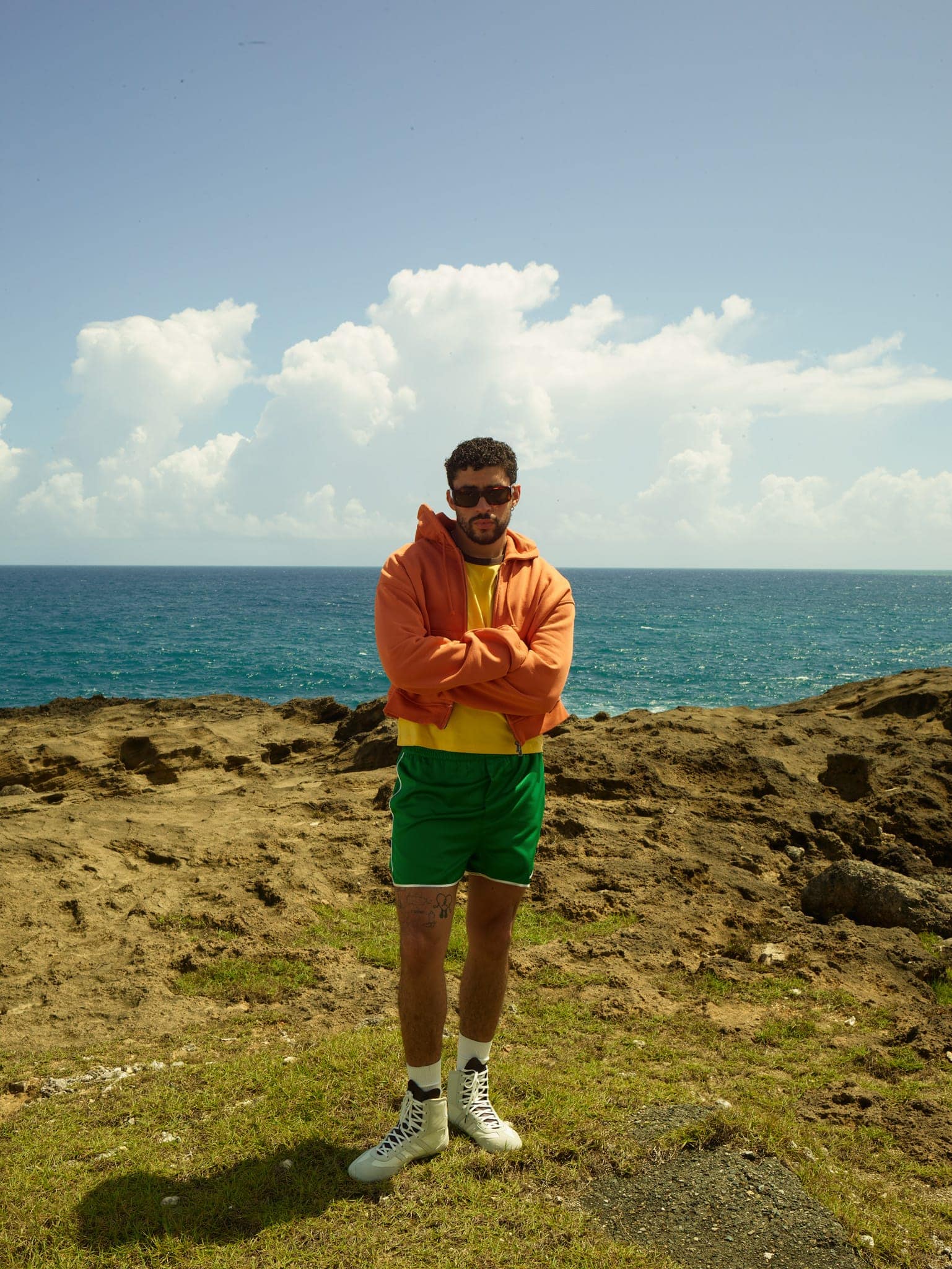
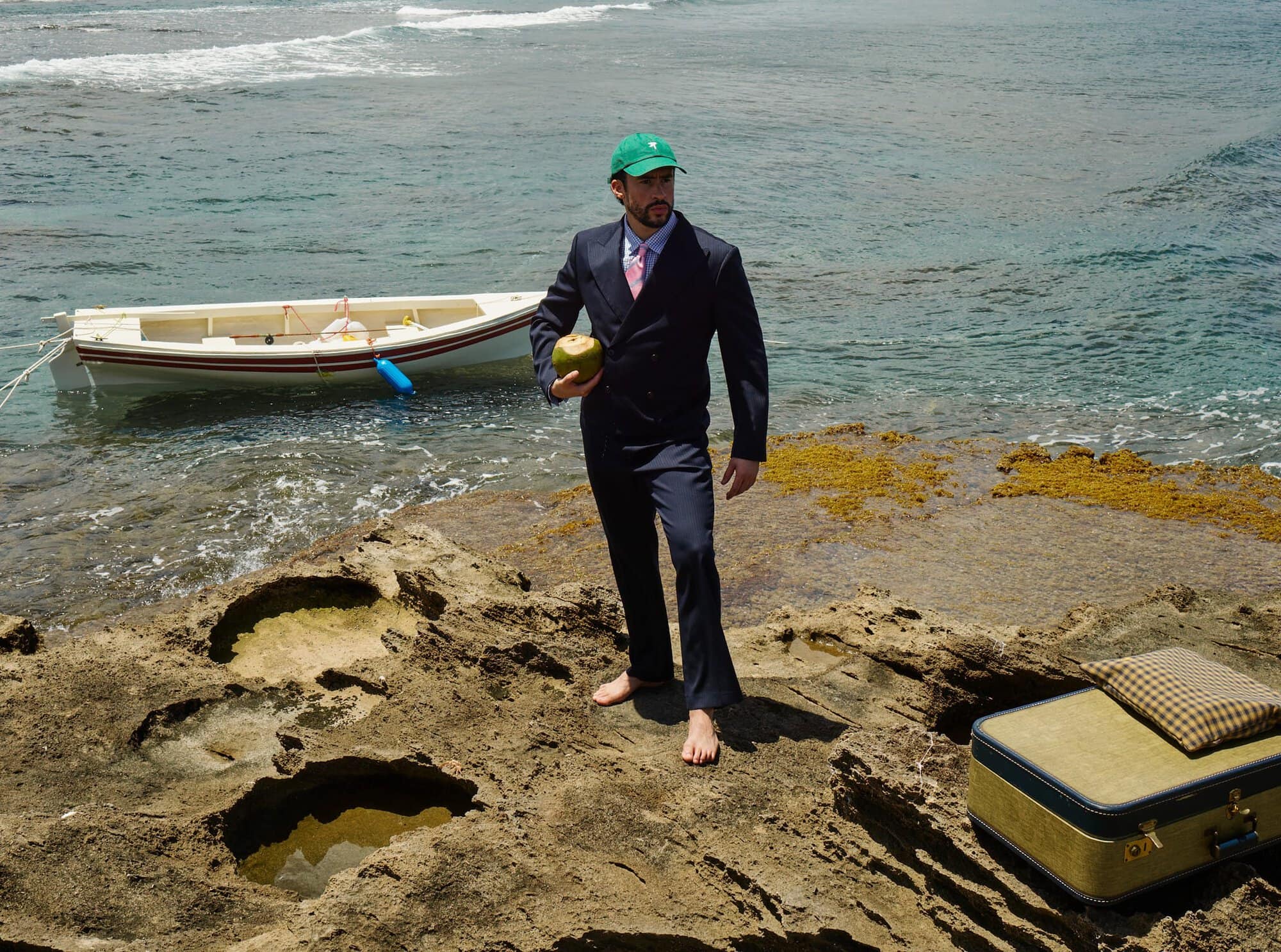
Created in collaboration with longtime creative director Janthony Oliveras, Benito Antonio was developed around what the team describes as Benito’s instinctive approach to dressing. Across tailoring, oversized essentials, graphic pieces, textured separates, and summer-focused silhouettes, the collection reflects the artist’s long-established visual language — relaxed, expressive, and deliberately personal.
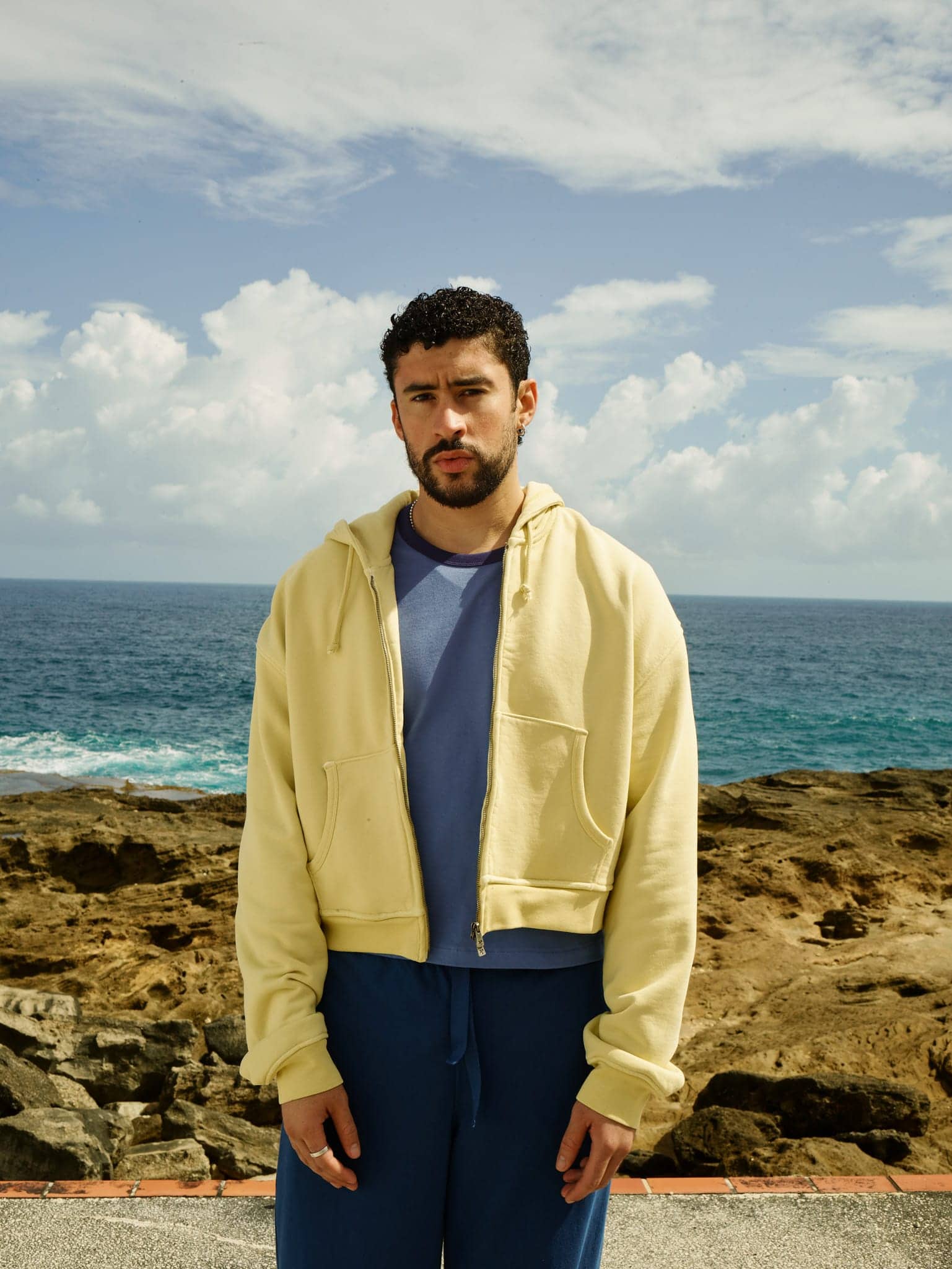
The visual identity was created with M/M Paris and draws heavily from everyday Puerto Rican environments, incorporating references to street infrastructure, handmade textures, and ordinary urban details often overlooked in mainstream fashion imagery. The project continues Bad Bunny’s broader creative approach of centering Puerto Rican culture without reshaping it for outside consumption.
Campaign imagery photographed in Puerto Rico by STILLZ — a longtime collaborator behind some of Bad Bunny’s most recognizable visuals — positions the artist alone on a rock beside a handmade wooden boat carrying a sail assembled from pieces of the collection itself. The imagery reinforces the project’s emphasis on authorship, self-construction, and personal mythology.
Selected Zara stores worldwide have also been redesigned to reflect the atmosphere and visual codes of the collection, transforming the launch into a broader environmental experience rather than a conventional celebrity capsule. Positioned less as merchandise and more as an extension of Bad Bunny’s creative universe, Benito Antonio continues Zara’s increasing engagement with culturally driven collaborations that blur the boundary between fashion, music, and identity.