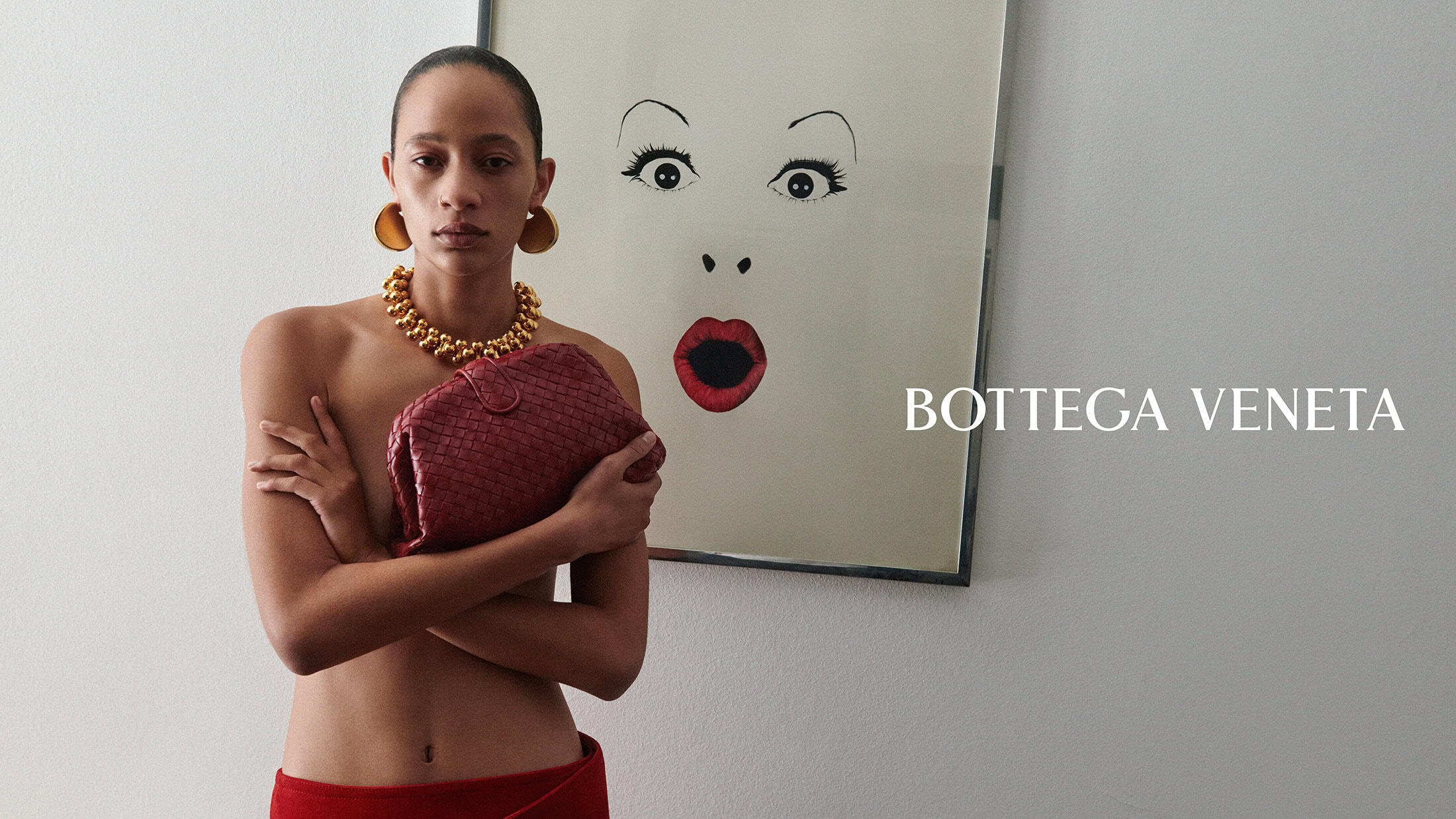
Review of Bottega Veneta ‘IL MIO, A Portrait Series 2026 Ad Campaign by Creative Director Louise Trotter with Photographer Drew Vickers with models Chu Wong, Selena Forrest, Sihana Shalaj
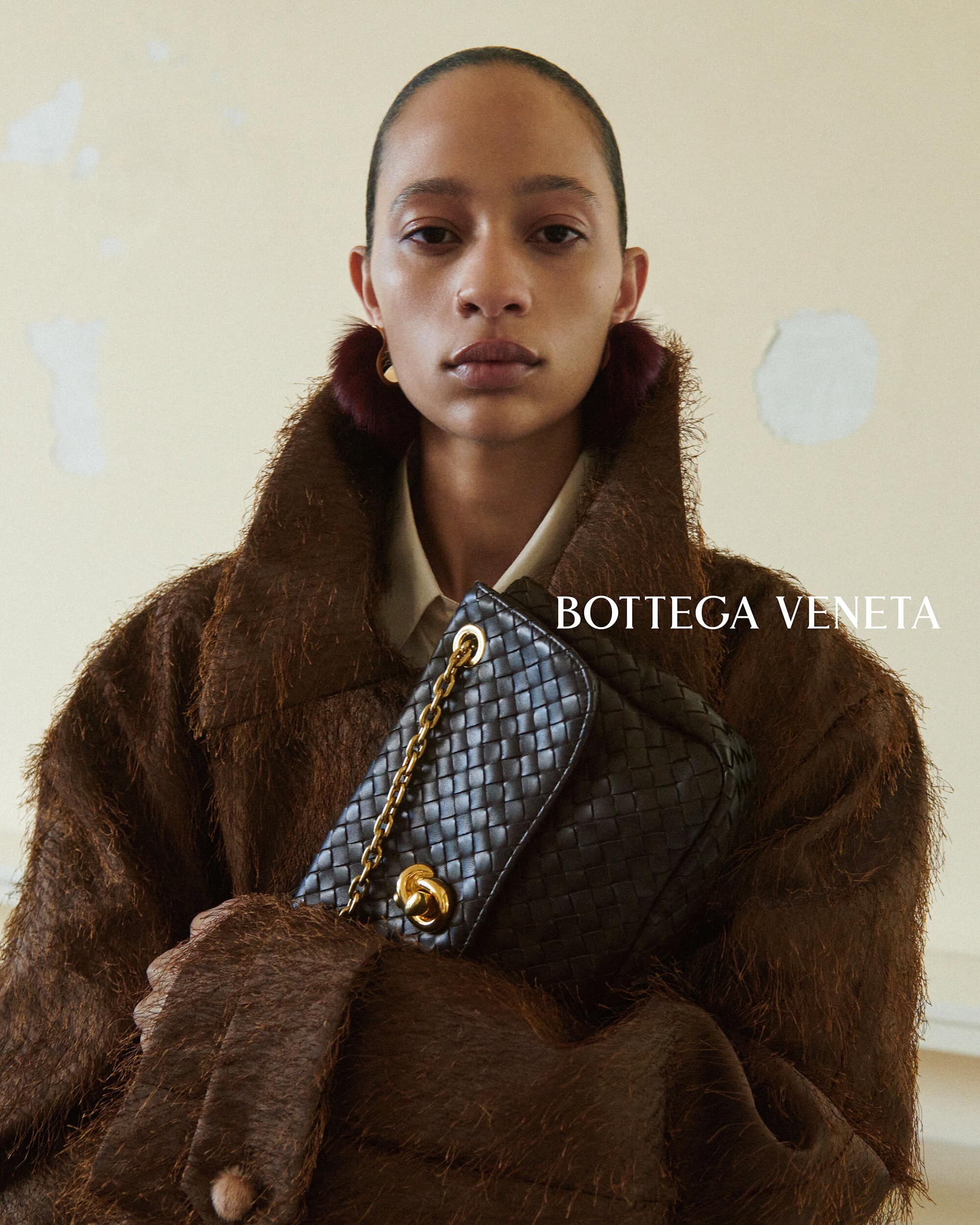
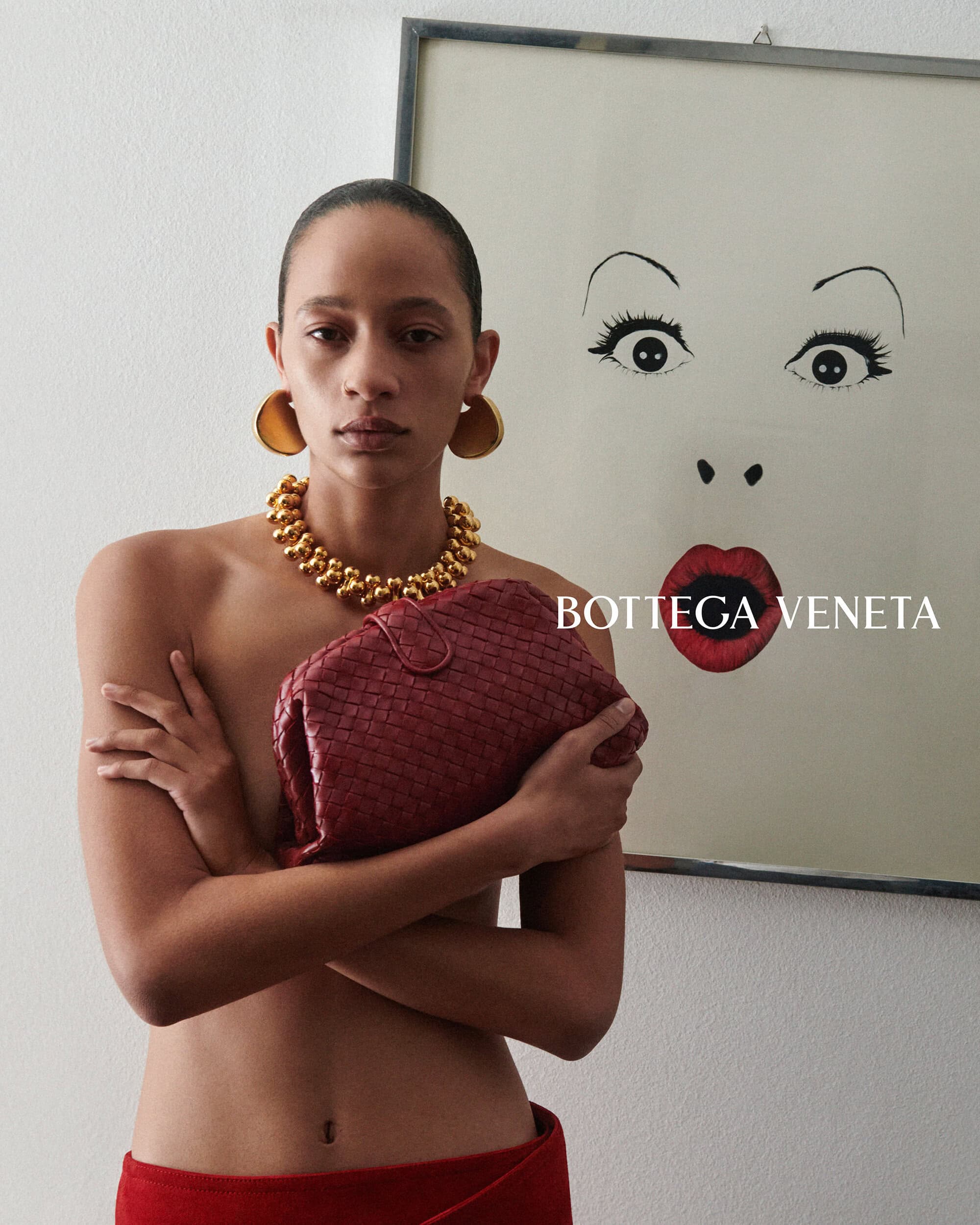
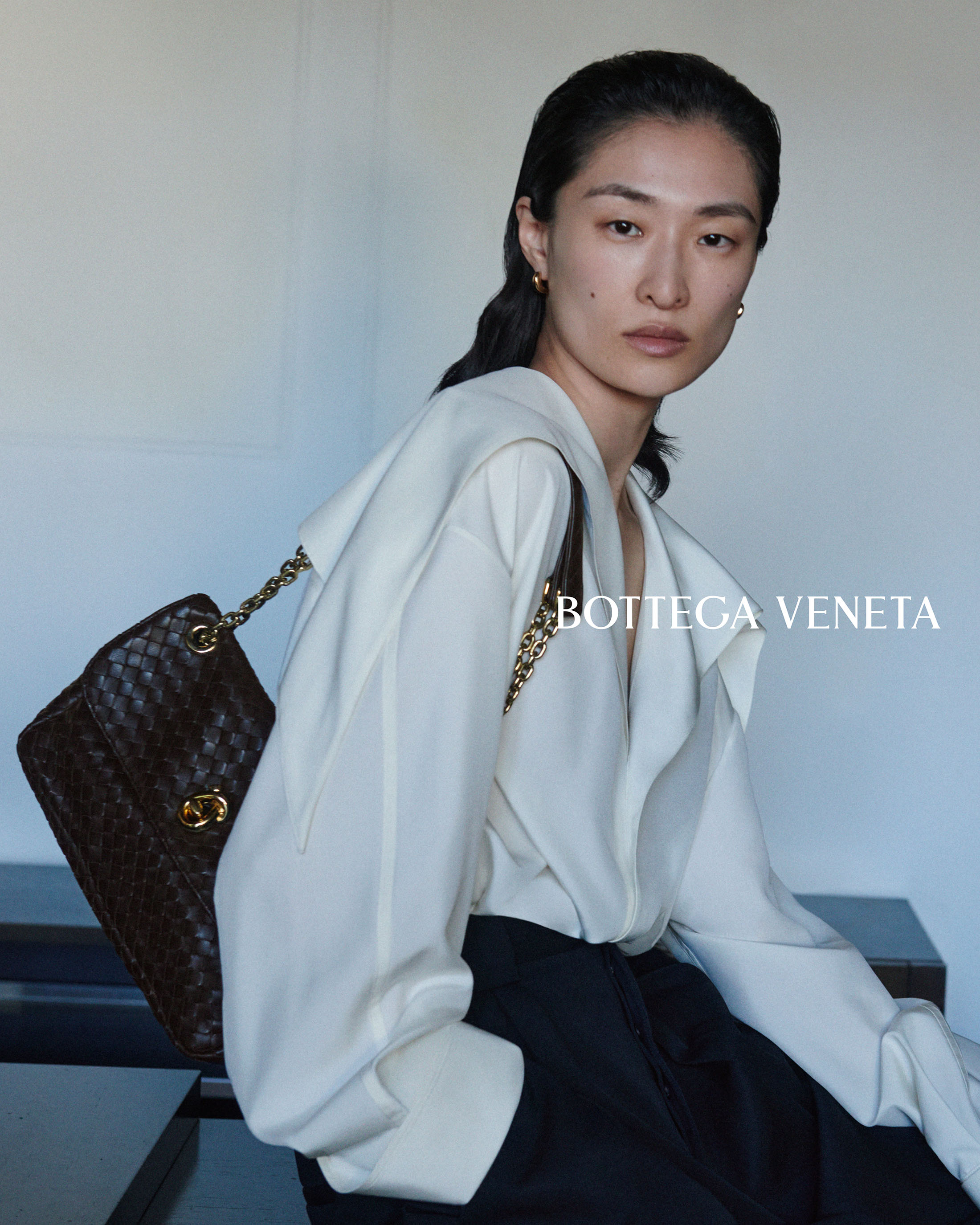
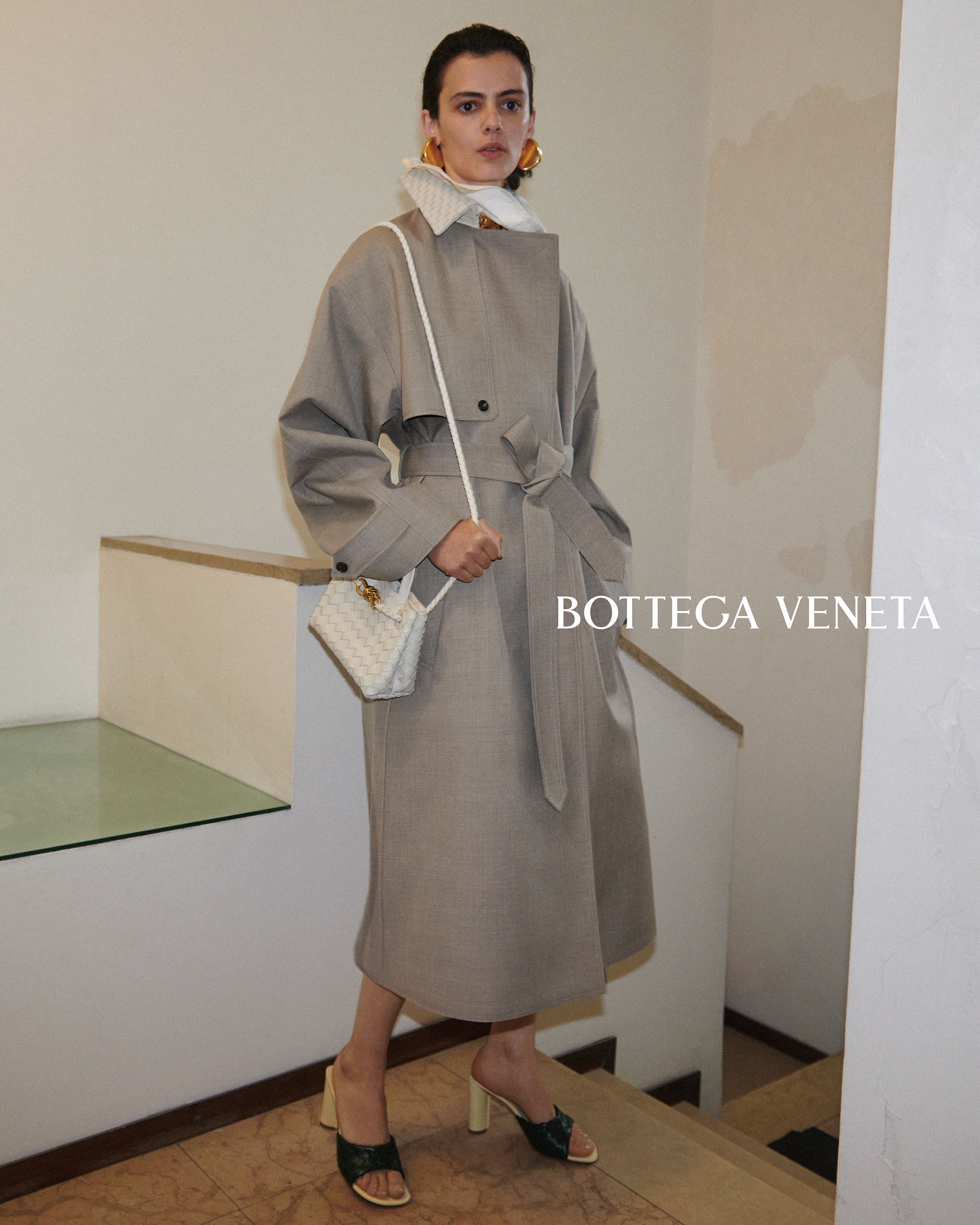
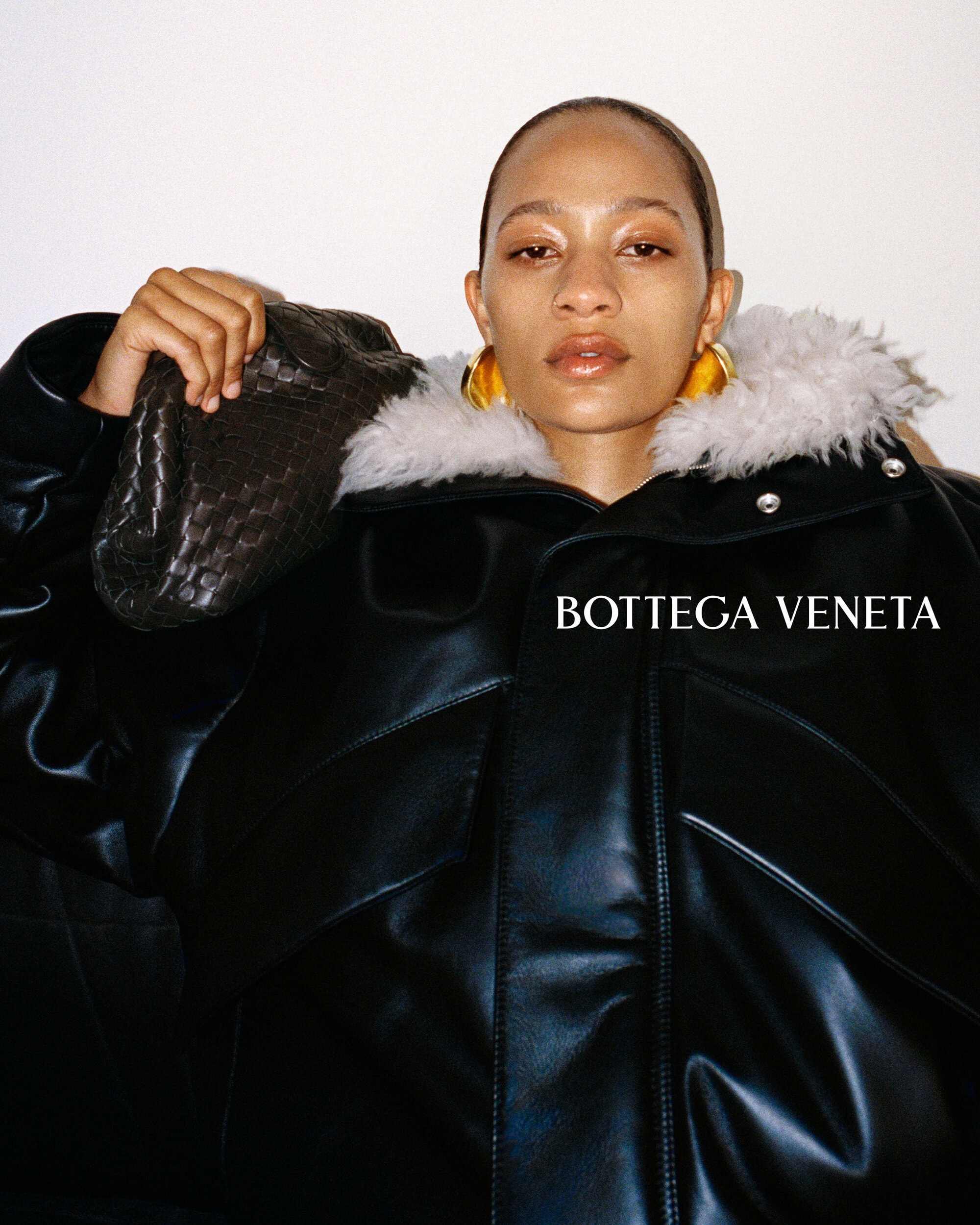
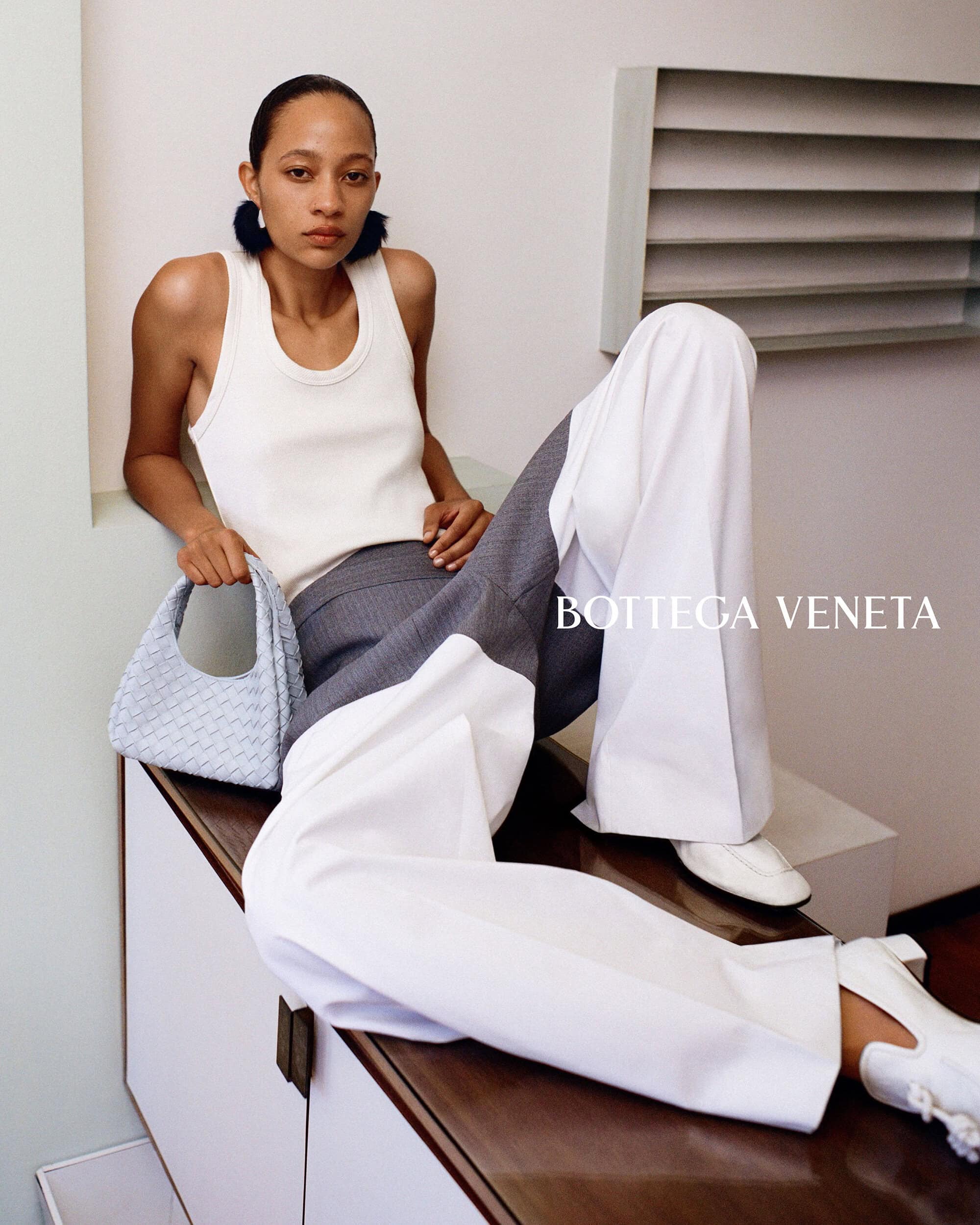
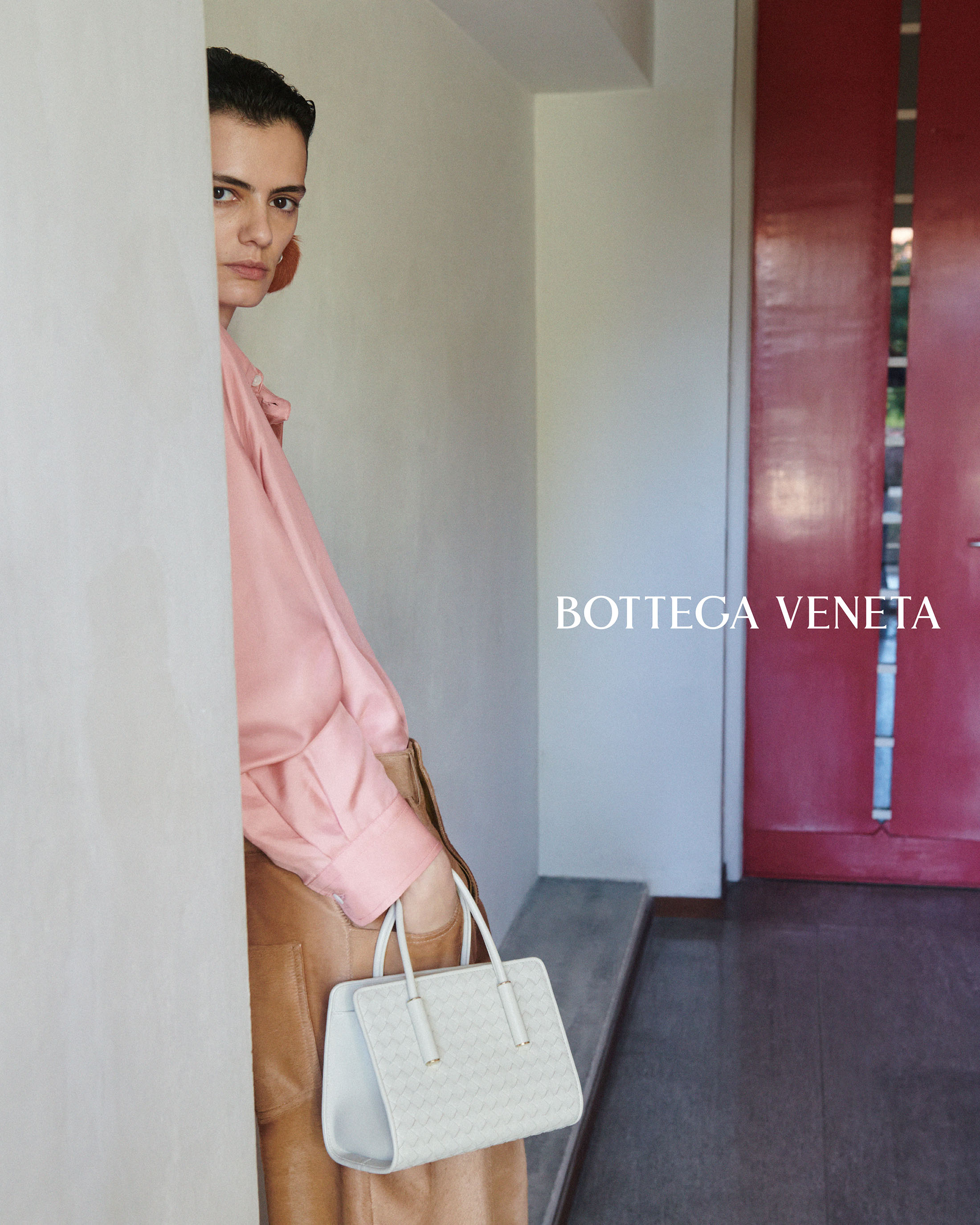
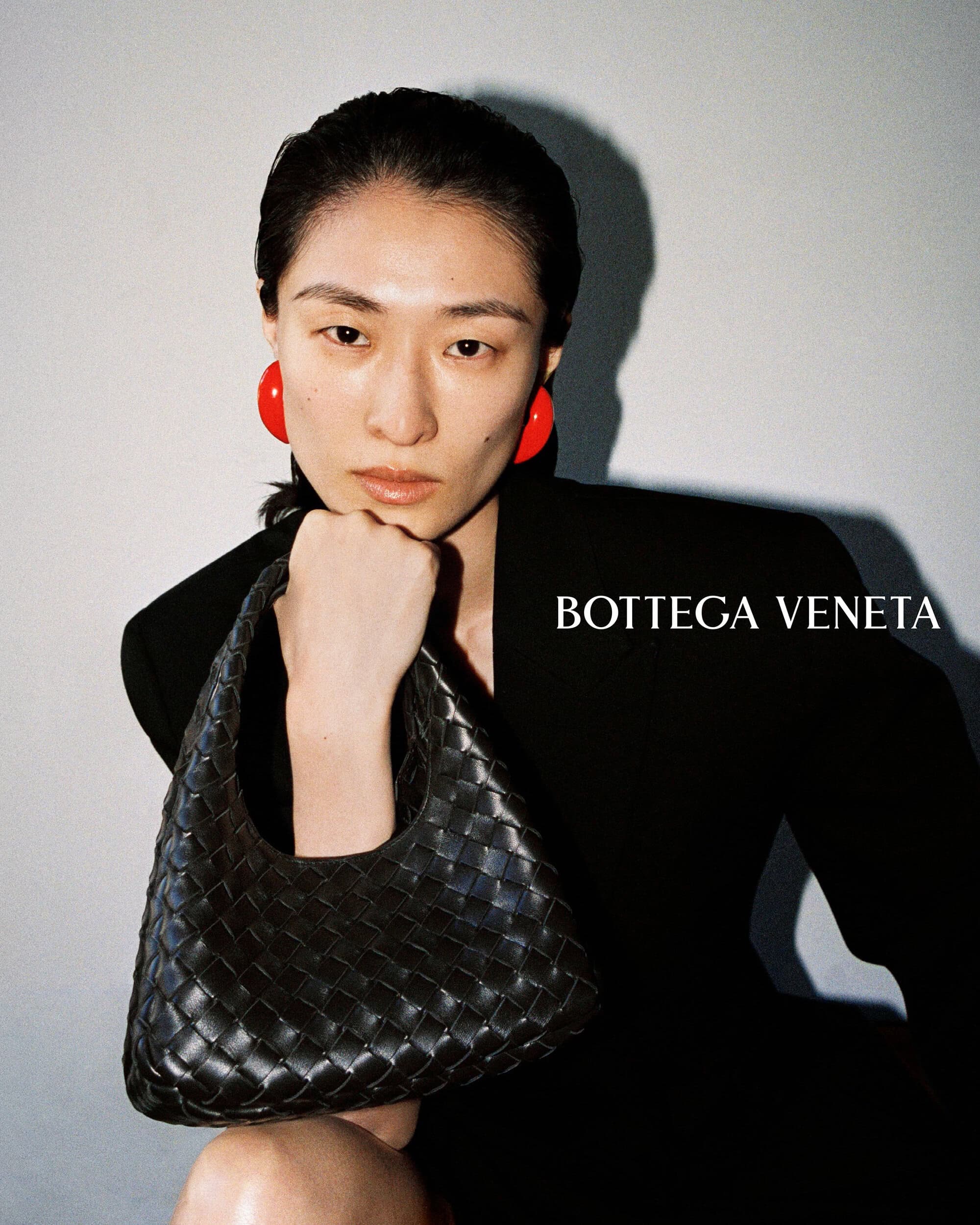
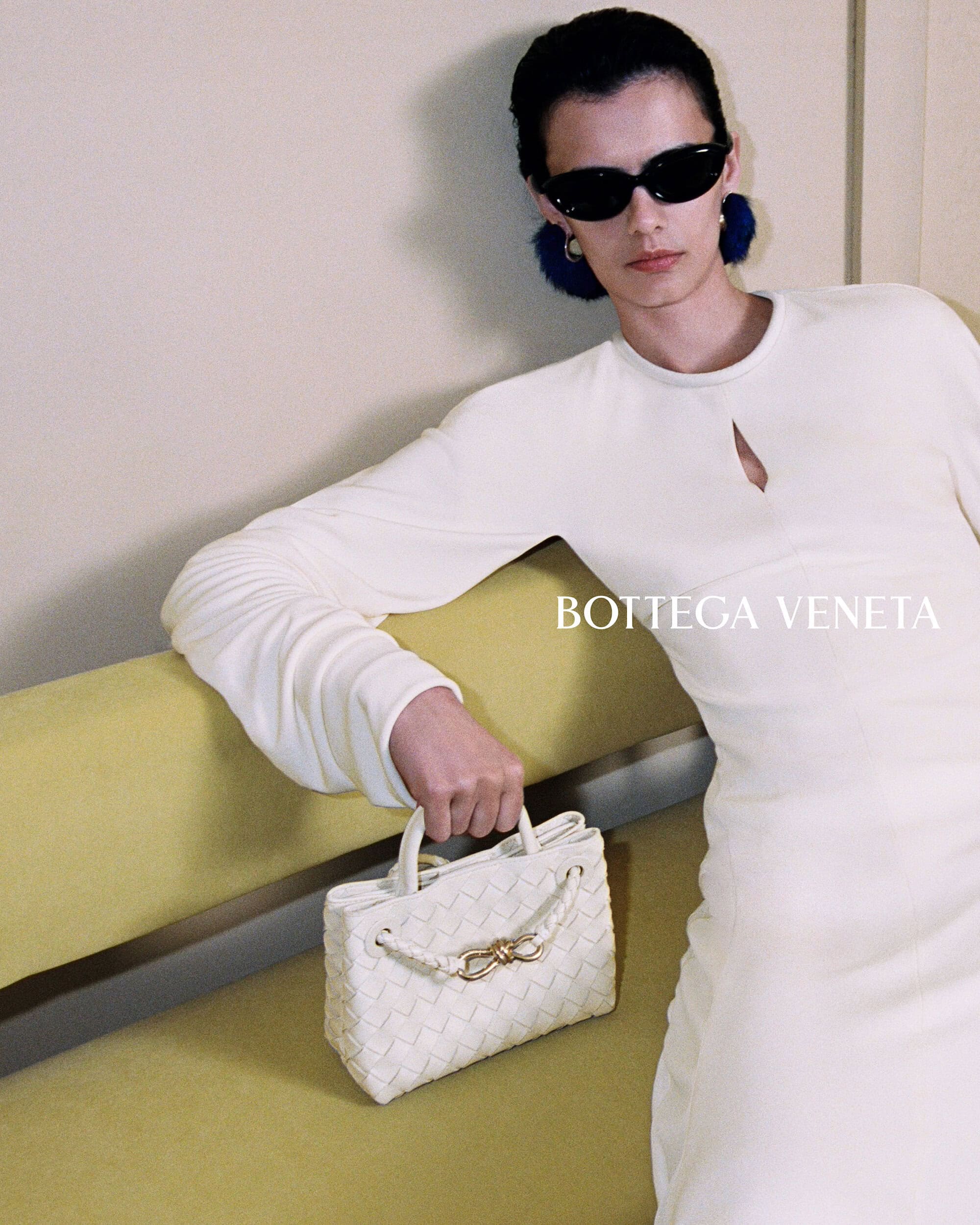
Bottega Veneta’s IL MIO is a deceptively simple campaign, and that simplicity is part of its intelligence. The title, drawn from the Italian expression for “what belongs to me,” creates a useful framework for reading the images. At first glance, its language is spare: women, bags, interiors, gestures of possession. Look closer, and the campaign begins to reveal a quiet, deeply house-specific idea – the bag as a personal object, one that is chosen, lived with, and transformed over time into a companion. Under the creative direction of Louise Trotter and photographed by Drew Vickers, that idea becomes a language of closeness, with bags held against the body, tucked into private interiors, and treated as objects that acquire meaning through touch, use, and attachment.
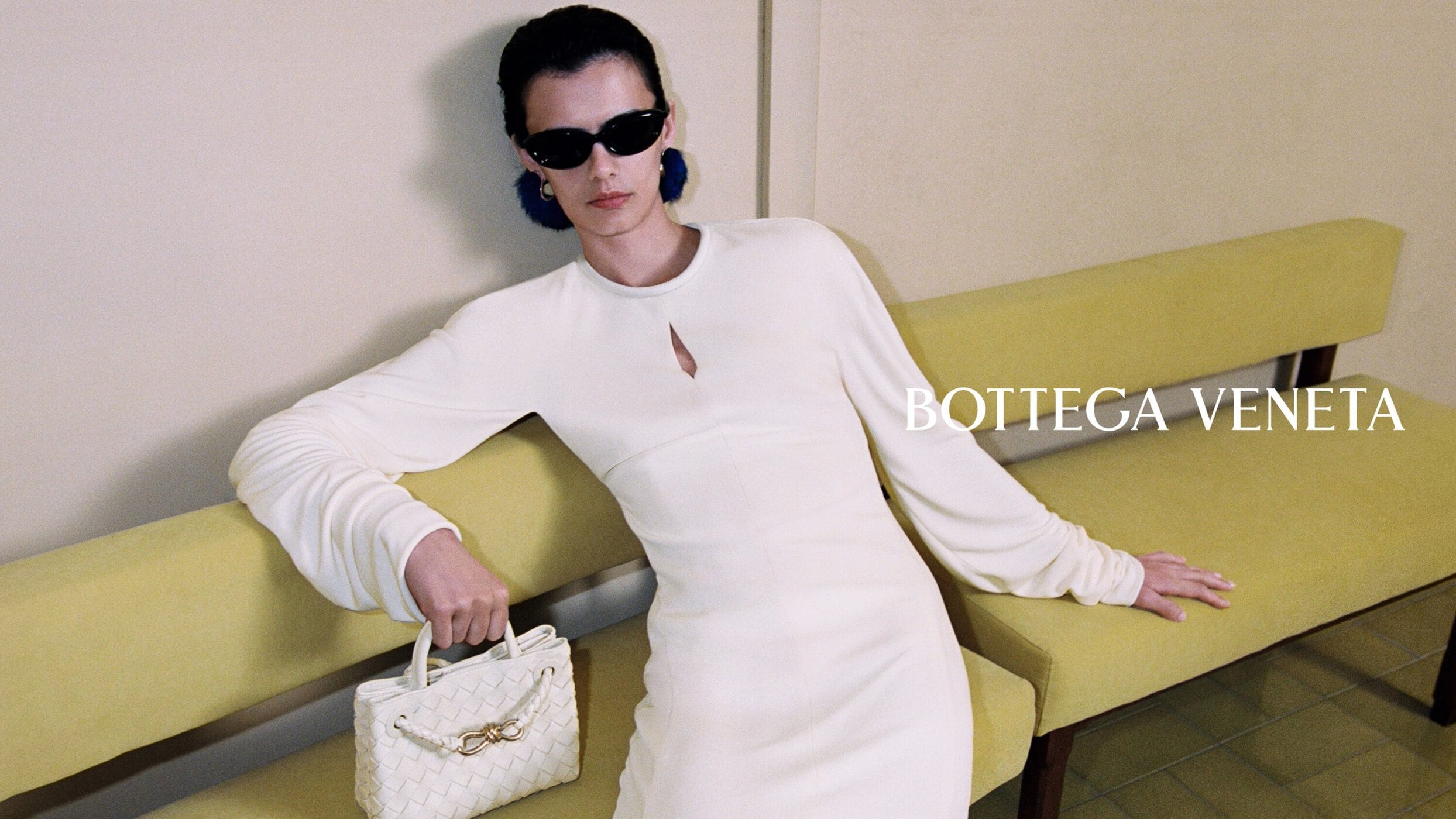
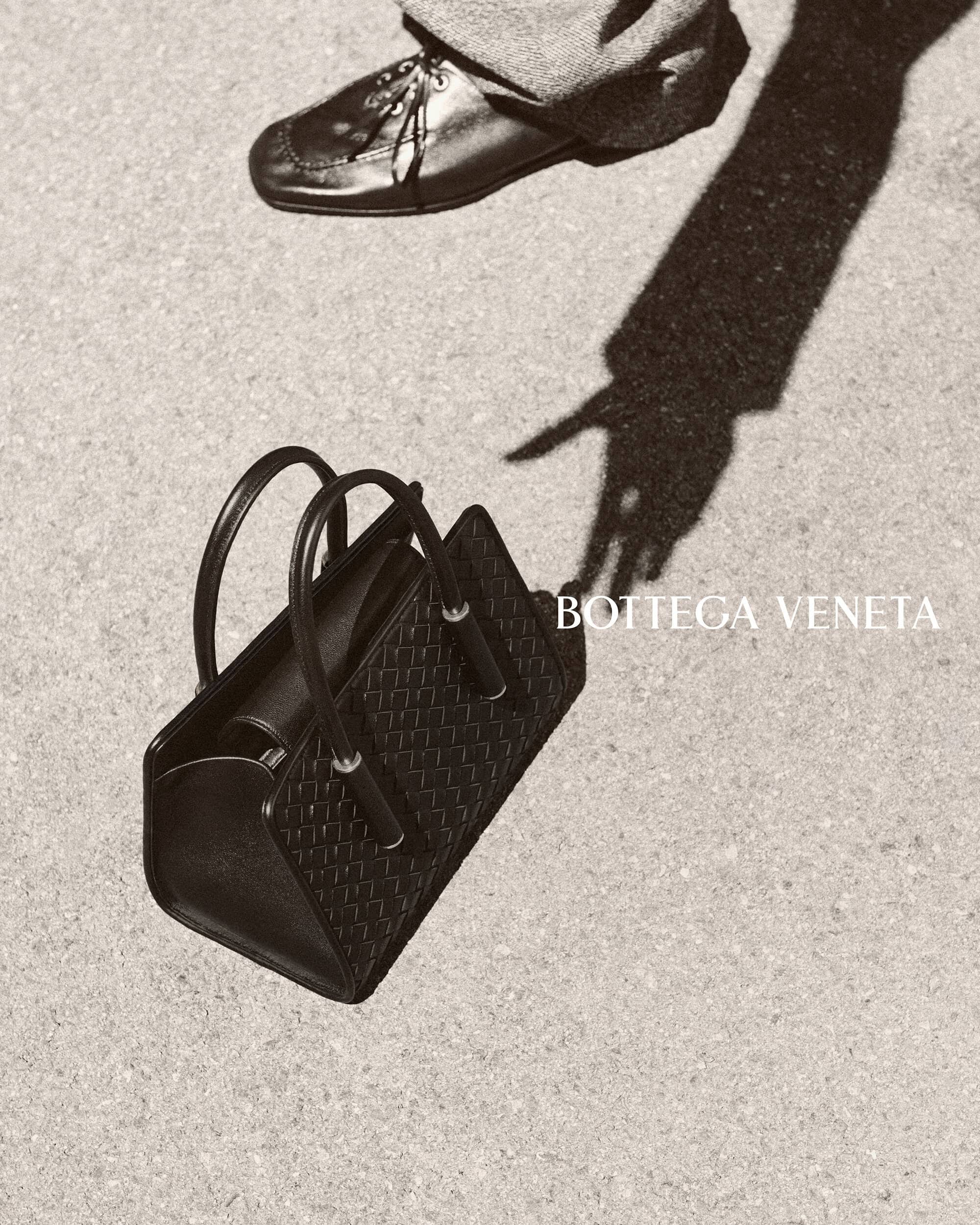
For Bottega Veneta, the premise is well judged. The house’s most recognizable code has always depended on intimacy rather than announcement. Intrecciato is visible, but it does not shout. Its power lies in touch, repetition, patience, and proximity, all qualities that align naturally with a campaign about possession as relationship. IL MIO understands that a Bottega bag does not need to be framed as a trophy. Its value is quieter than that. It comes from how naturally it enters a personal world.
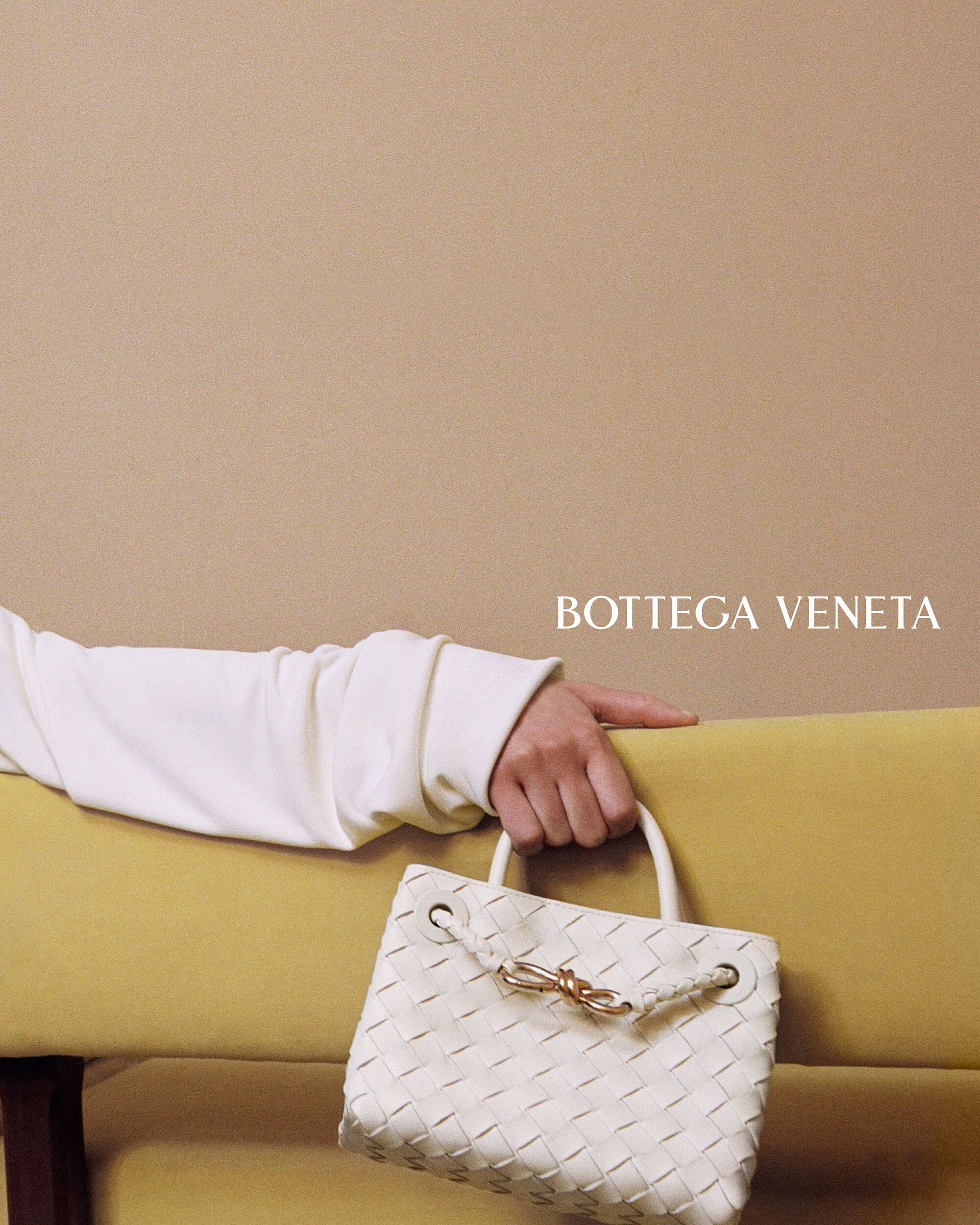
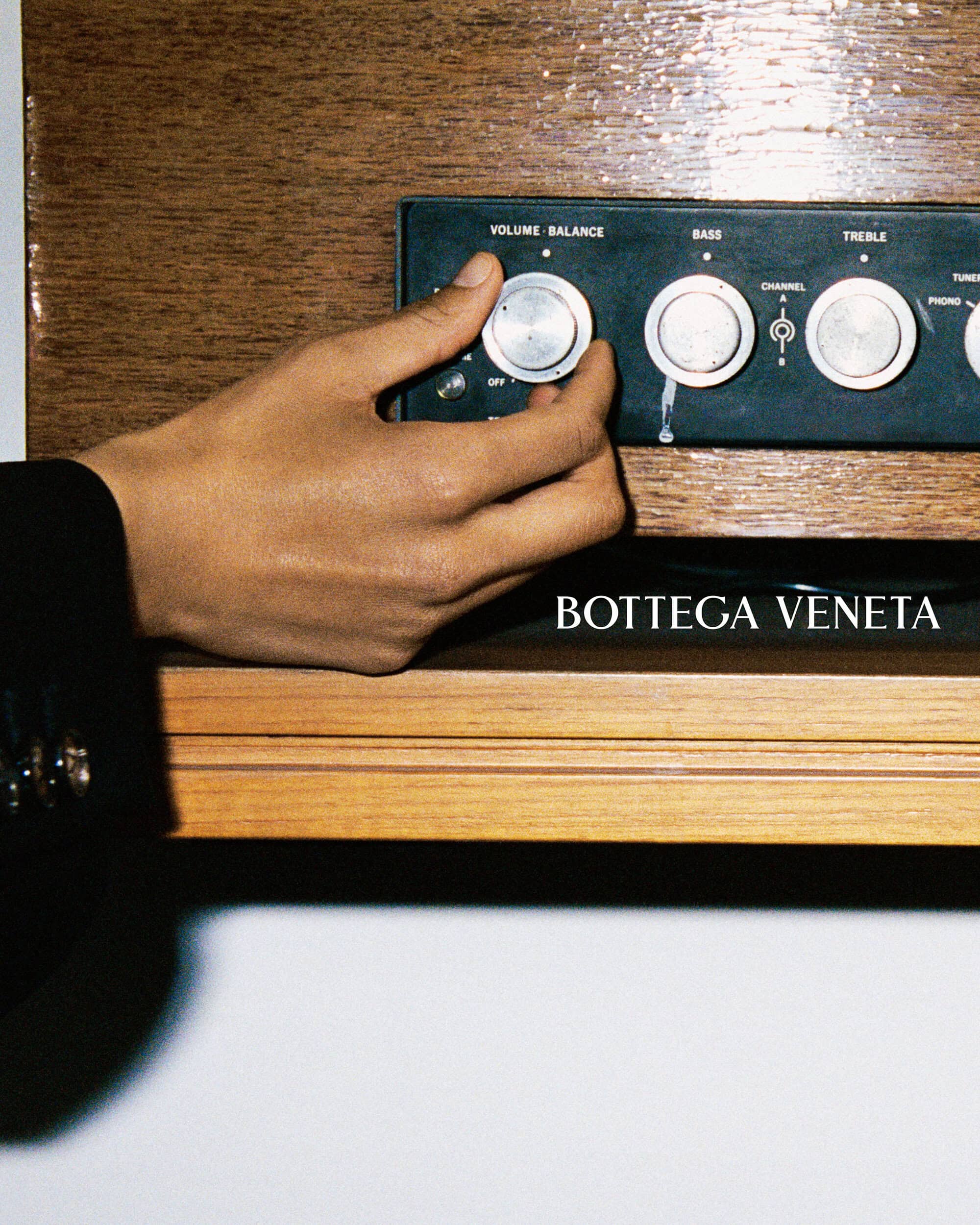
That idea is strongest in the gestures. A bag pressed against the torso, tucked beneath an arm, gripped by the handle, or placed nearby with the casual authority of something already familiar says more than a larger narrative might. Bottega is not staging possession as spectacle; it is staging possession as attachment. The campaign’s best images make the bag feel less like an accessory added to the body than an object that has already found its place beside it.
There’s something compelling in the campaign’s refusal of overt storytelling. At a time when luxury often leans on cinematic world-building, celebrity presence, or highly legible lifestyle fantasy, IL MIO turns inward. The interiors are spare, slightly domestic, and quietly strange, giving the portraits a private and transitional quality. These women are not introduced through biography or narrative. They are read through posture, attitude, and choice. The bag becomes the clue.
That restraint is also where the campaign begins to encounter its limits. IL MIO is intellectually precise, but emotionally reserved. The viewer can understand the idea of attachment, ownership, and intimacy, but the images do not always make that relationship feel fully inhabited. The campaign asks us to piece together the emotional logic through title, gesture, styling, and house code, and while that makes the work rewarding to read closely, it can also leave the feeling at a slight remove.
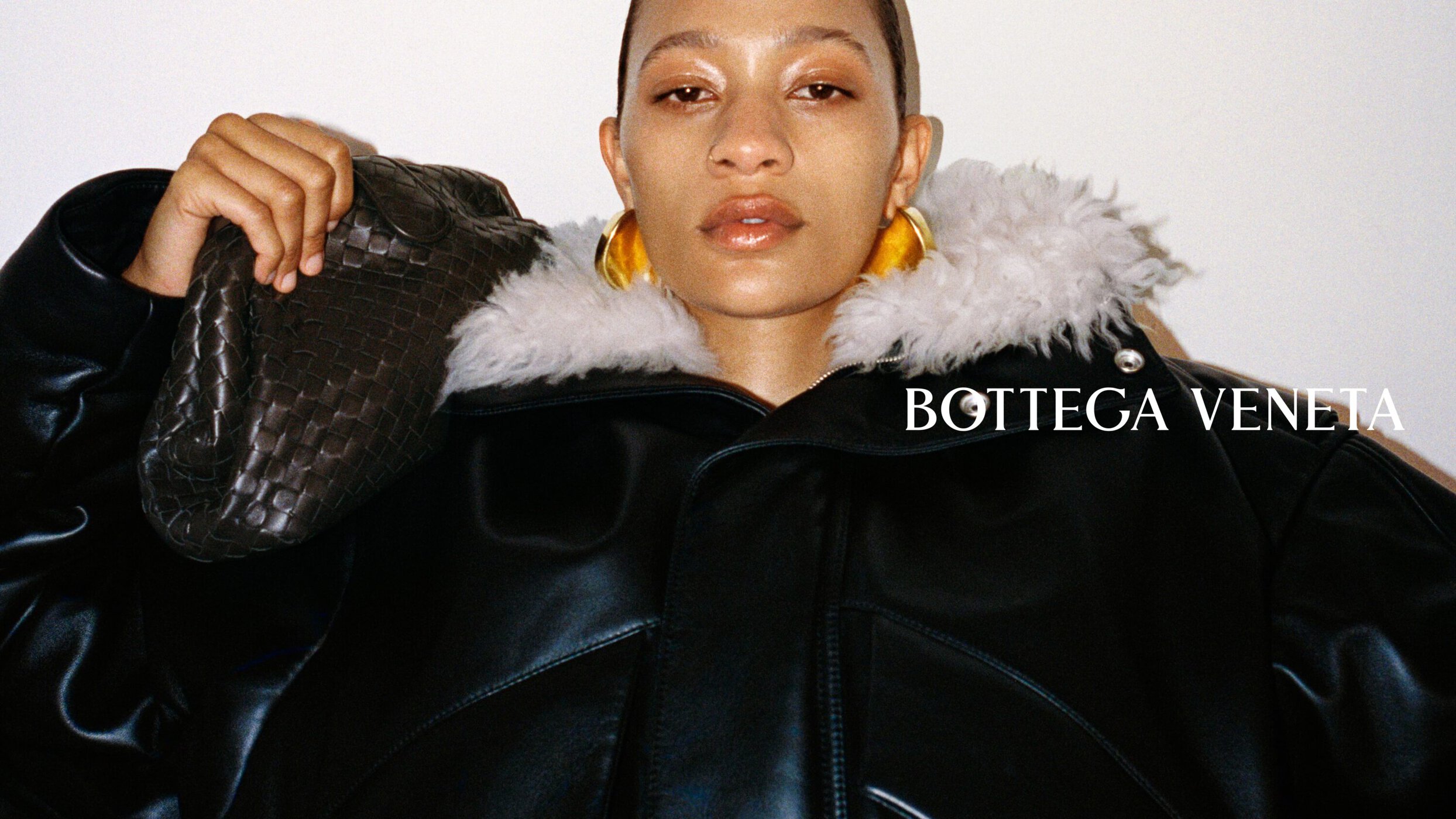
The issue is not that the campaign needs more drama. Its quietness is central to its intelligence. But because IL MIO is built around the transformation of an object into a companion, one wants to feel more of the life around that transformation. More evidence of use, memory, contradiction, or personal history might have deepened the relationship between wearer and bag. The portraits suggest attachment beautifully, but they stop short of making that attachment fully felt.
Still, the approach feels well judged for Bottega Veneta, particularly as Louise Trotter begins to articulate her vision for the house. The campaign does not announce a dramatic reinvention. It looks closely at what has always made Bottega compelling: the idea that true luxury becomes meaningful when it is lived with. Its strength lies in understanding that discretion can be expressive, and that a bag can carry meaning without being made to explain itself.
IL MIO succeeds because it trusts the house’s codes and asks the viewer to pay attention. Its simplicity is not empty; it is structured, intentional, and deeply aligned with Bottega Veneta’s belief in craft, touch, and closeness. The opportunity now is emotional. If these bags are companions, the next step is to let us feel more fully the lives they accompany. That is where the campaign’s quiet intelligence could become something even more resonant.
Bottega Veneta Creative Director | Louise Trotter
Creative Director | Stephen Kidd
Photographer | Drew Vickers
Models | Chu Wong, Selena Forrest, Sihana Shalaj
Hair | Shiori Takahashi
Makeup | Laura Dominique
Casting Director | Anita Bitton
Set Designer | Giovanna Martial