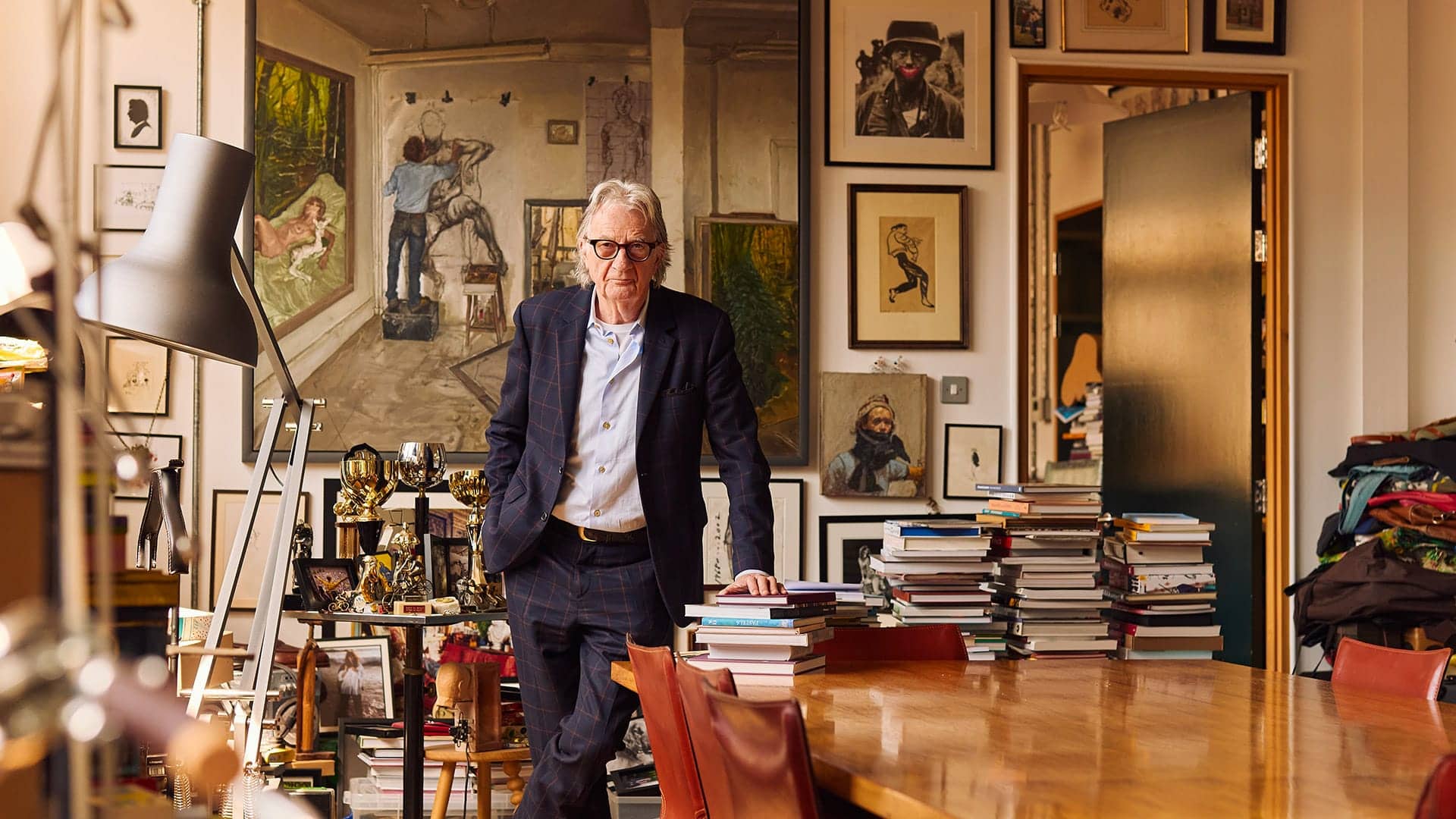
The designer’s appointment to the Sustainable Markets Initiative underscores the growing role of industry collaboration in advancing circularity across luxury
Sir Paul Smith has joined King Charles III’s Sustainable Markets Initiative (SMI) Fashion Task Force, bringing one of British fashion’s most respected voices to an industry coalition focused on accelerating sustainability across the luxury sector. While the appointment recognizes Smith’s longstanding commitment to craftsmanship and responsible production, it also reflects a broader industry shift: sustainability is increasingly being driven through collaboration rather than competition.
Launched under King Charles III’s Sustainable Markets Initiative, the Fashion Task Force brings together leaders from across the fashion ecosystem to develop practical solutions that accelerate the transition toward a more sustainable industry. Rather than focusing on individual brand commitments, the initiative encourages collective action on challenges such as circularity, supply chain transparency, and material innovation—areas where meaningful progress often depends on shared standards and industry-wide cooperation.
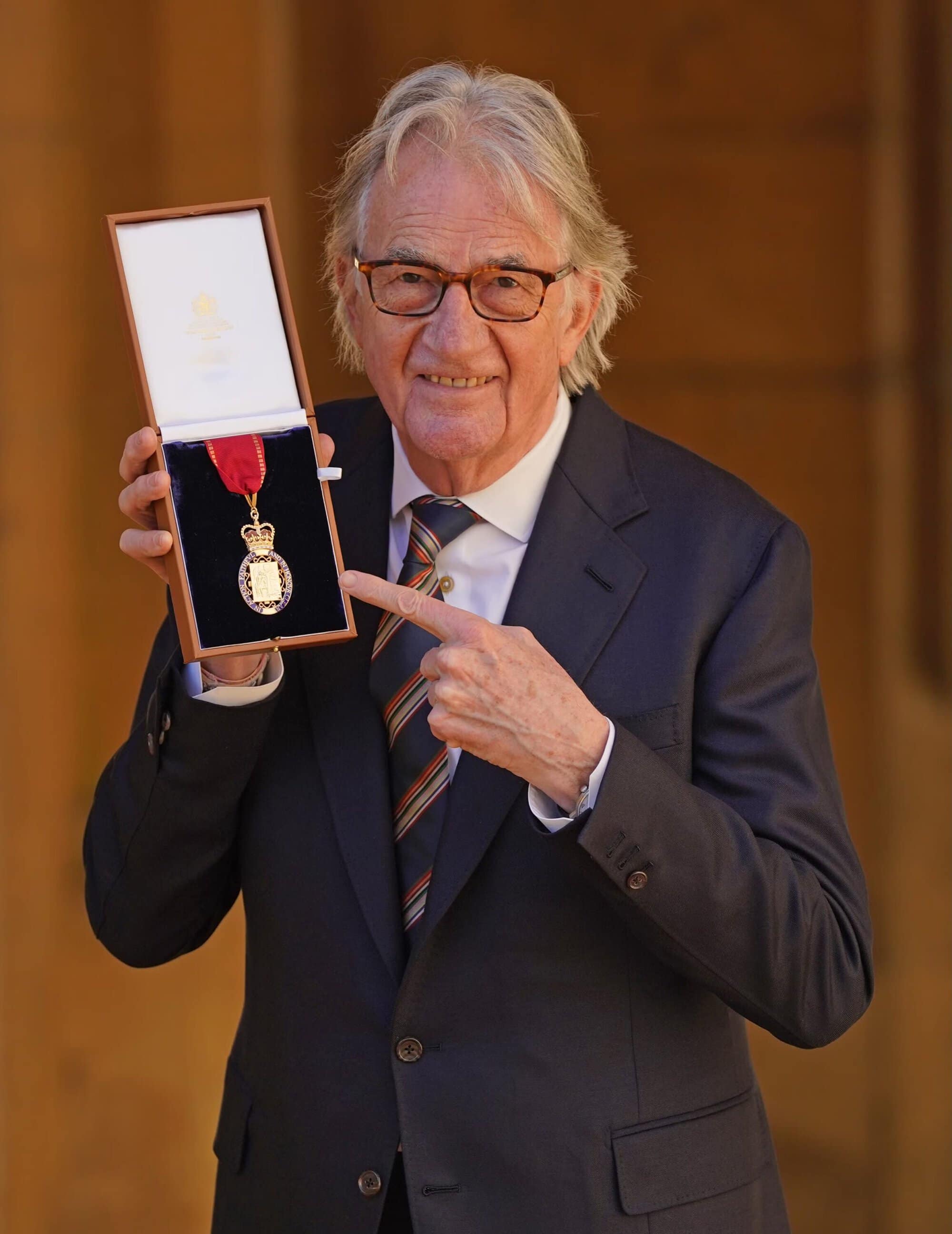
Smith’s appointment highlights how established designers are becoming increasingly involved in shaping that conversation. While fashion has traditionally relied on creative leadership to influence trends and aesthetics, today’s industry leaders are also expected to contribute to discussions around environmental responsibility, long-term resilience, and business transformation. Their experience offers not only creative perspective but also decades of practical knowledge navigating manufacturing, sourcing, and global operations.
The announcement also reflects the growing influence of cross-sector initiatives in luxury. As sustainability regulations continue to evolve and consumer expectations become more sophisticated, organizations such as the Sustainable Markets Initiative have emerged as important platforms for aligning brands, policymakers, suppliers, and industry experts around common objectives. Increasingly, the future of sustainable fashion is being shaped not by isolated innovations, but by collaborative frameworks capable of driving change at scale.
What makes Smith’s appointment particularly notable is that it reinforces a changing understanding of leadership within fashion. Today, influence extends beyond designing collections or building successful businesses—it also includes helping shape the systems that will define the industry’s future. As luxury continues its transition toward more circular and responsible models, partnerships like the SMI Fashion Task Force suggest that lasting progress will depend as much on collective expertise as on individual ambition.