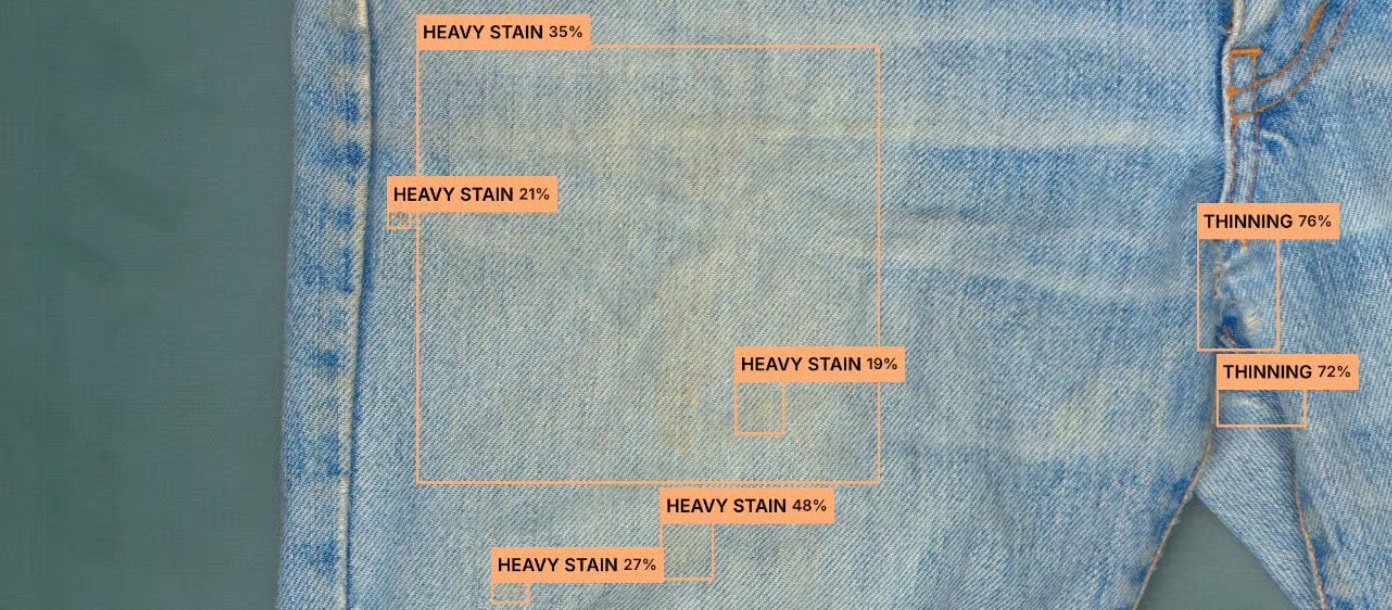
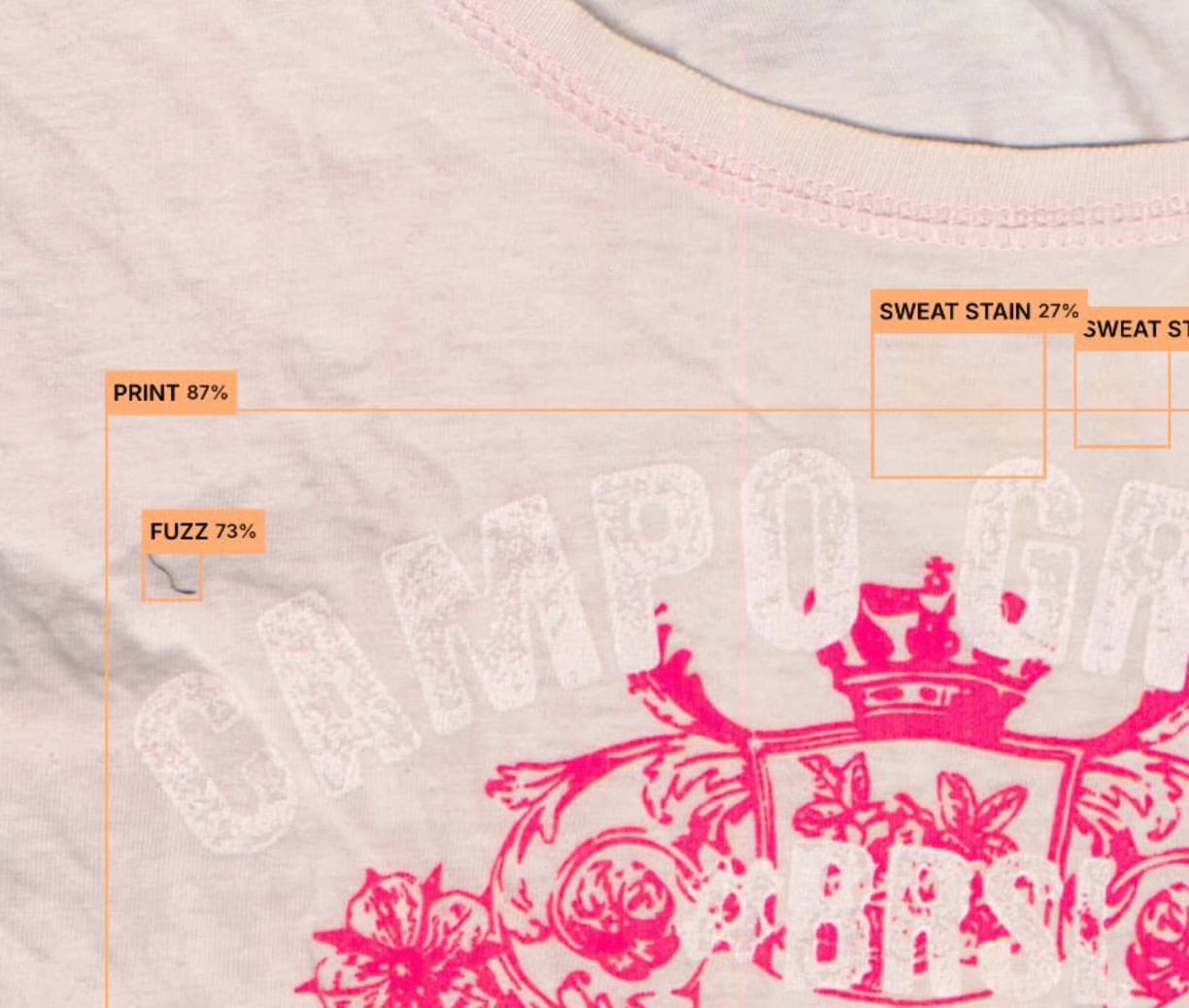
The startup’s latest investment reflects growing demand for circularity infrastructure as new regulations reshape textile recycling
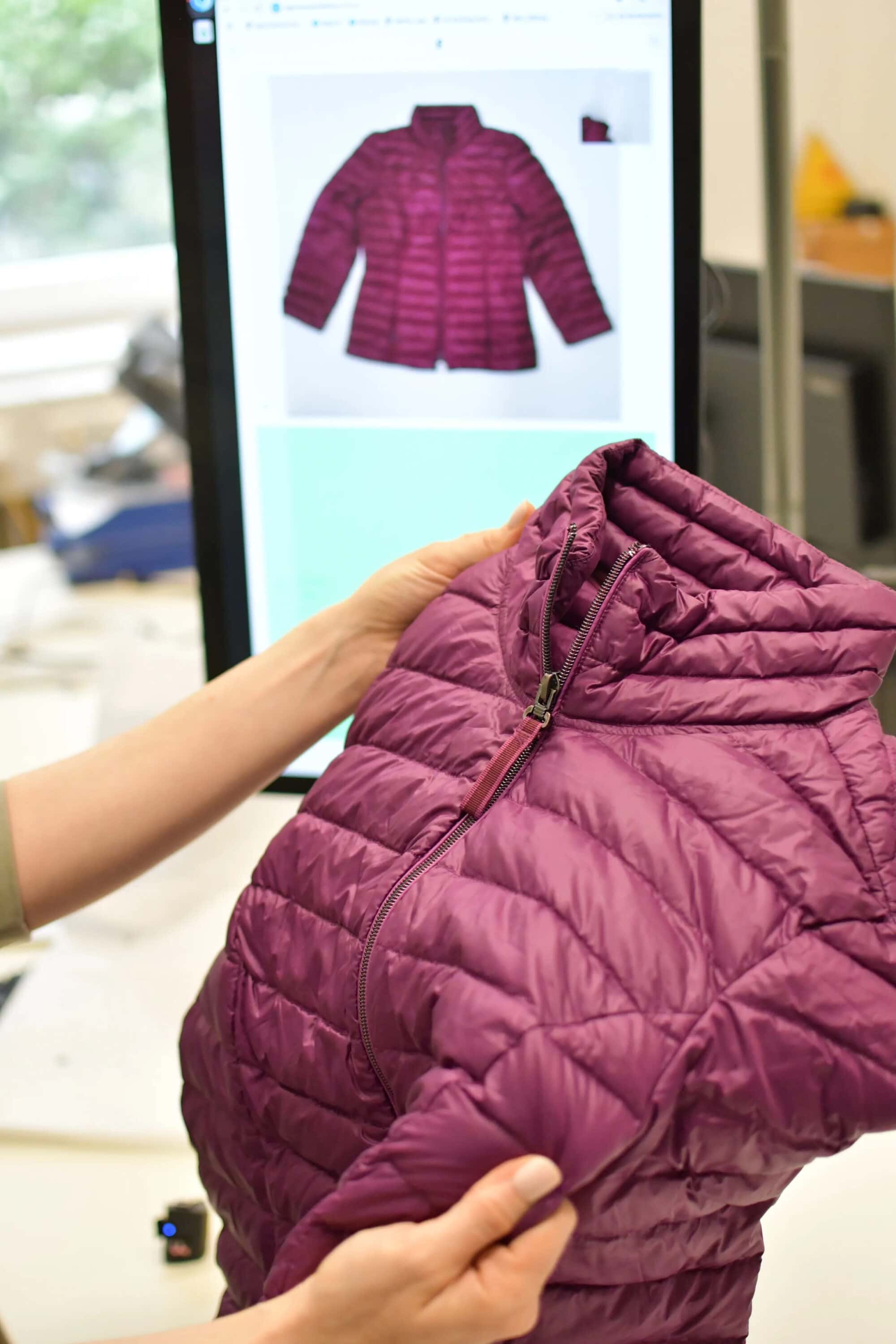
Berlin-based startup reverse.fashion has secured a seven-figure extension to its pre-seed funding round from High-Tech Gründerfonds. The capital will be used to move the company’s automated garment-sorting technology from pilot programs into commercial rollout. The system combines computer vision, machine learning, and Digital Product Passport integration to classify used textiles by condition, brand, style, size, and material, routing each item toward resale, repair, or recycling instead of manual sorting.
The company says the technology increases sorting facility productivity by roughly 40 percent while boosting customer revenue by around 20 percent, based on results from pilot programs that are now expanding alongside the commercial launch of its line.sort system. Manual sorting still dominates the sector, and reverse.fashion’s next challenge will be converting pilot partners into paying customers at industrial scale rather than proving the underlying technology.
Extended producer responsibility mandates now taking effect across the European Union require brands to manage what happens to garments after consumers discard them. That shift helps explain why sorting infrastructure is attracting investment that would have been unlikely just a few years ago, when it was viewed primarily as an operating cost. Circularity commitments are easy to announce but more difficult to fund. Capital flowing into the less visible infrastructure of textile recycling says as much about the industry’s priorities as another sustainability campaign.