The Usual Suspects
Review of AllSaints Fall 2026 Ad Campaign by Creative Director Jamie Reid with Photographer Alasdair McLellan
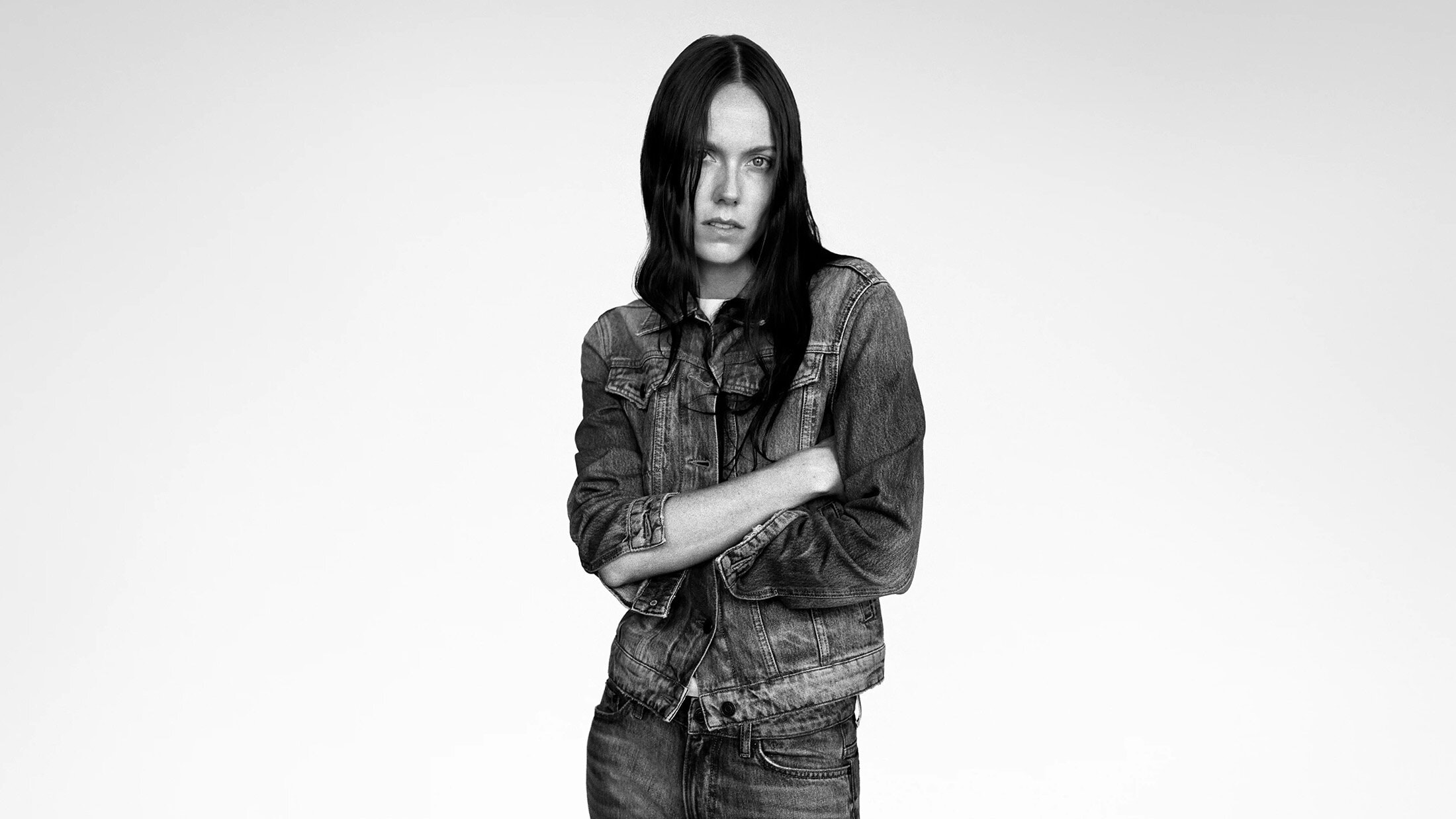
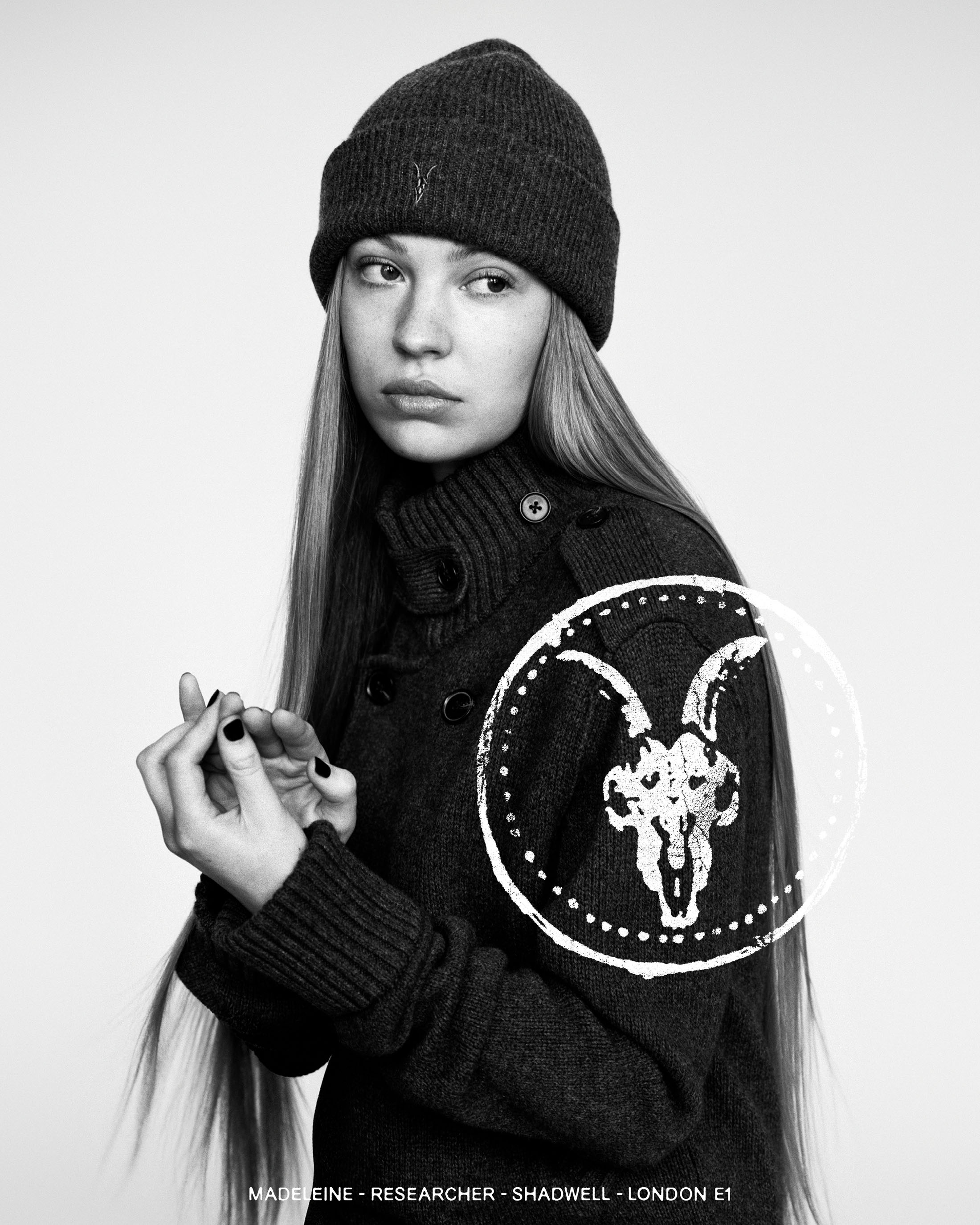
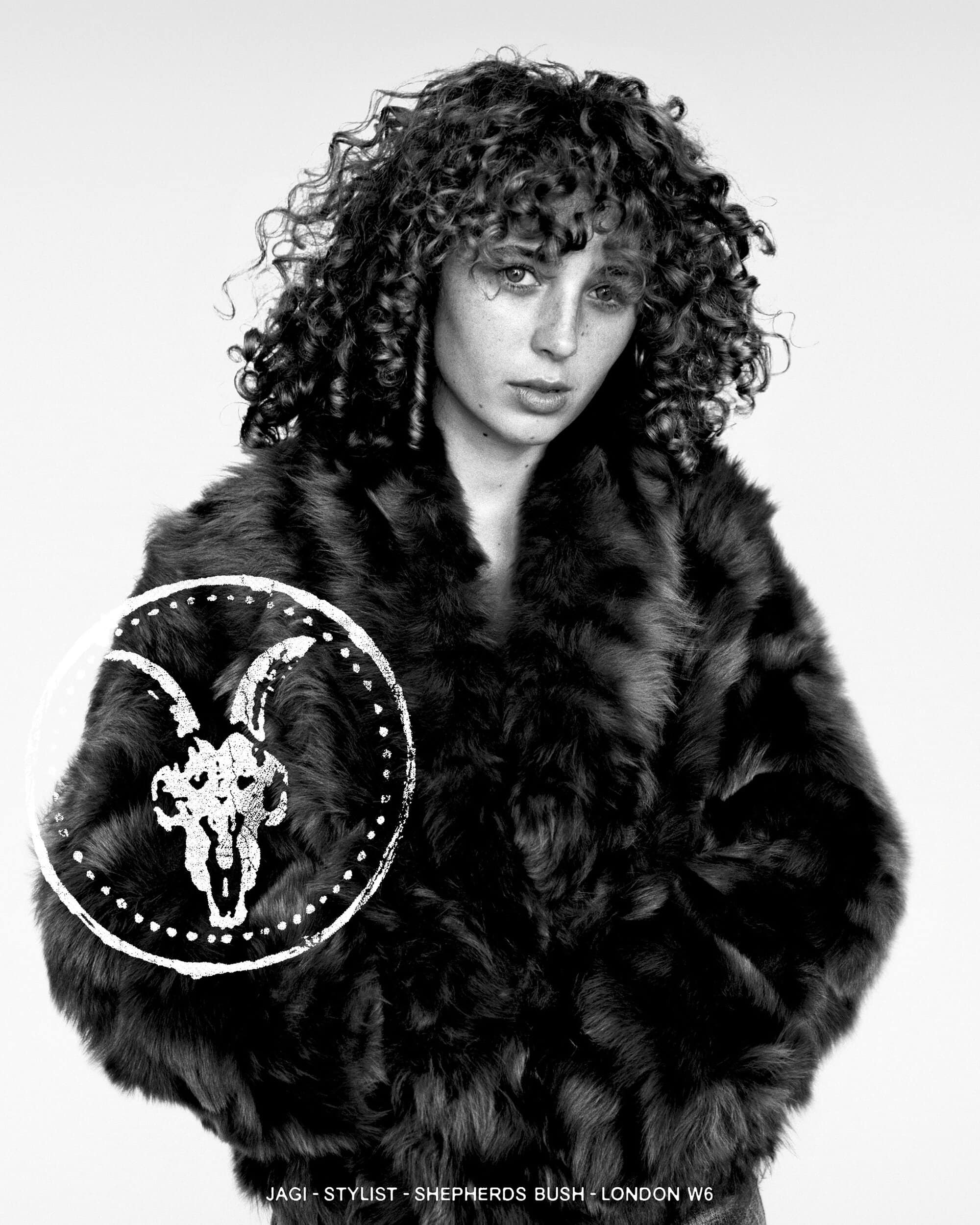
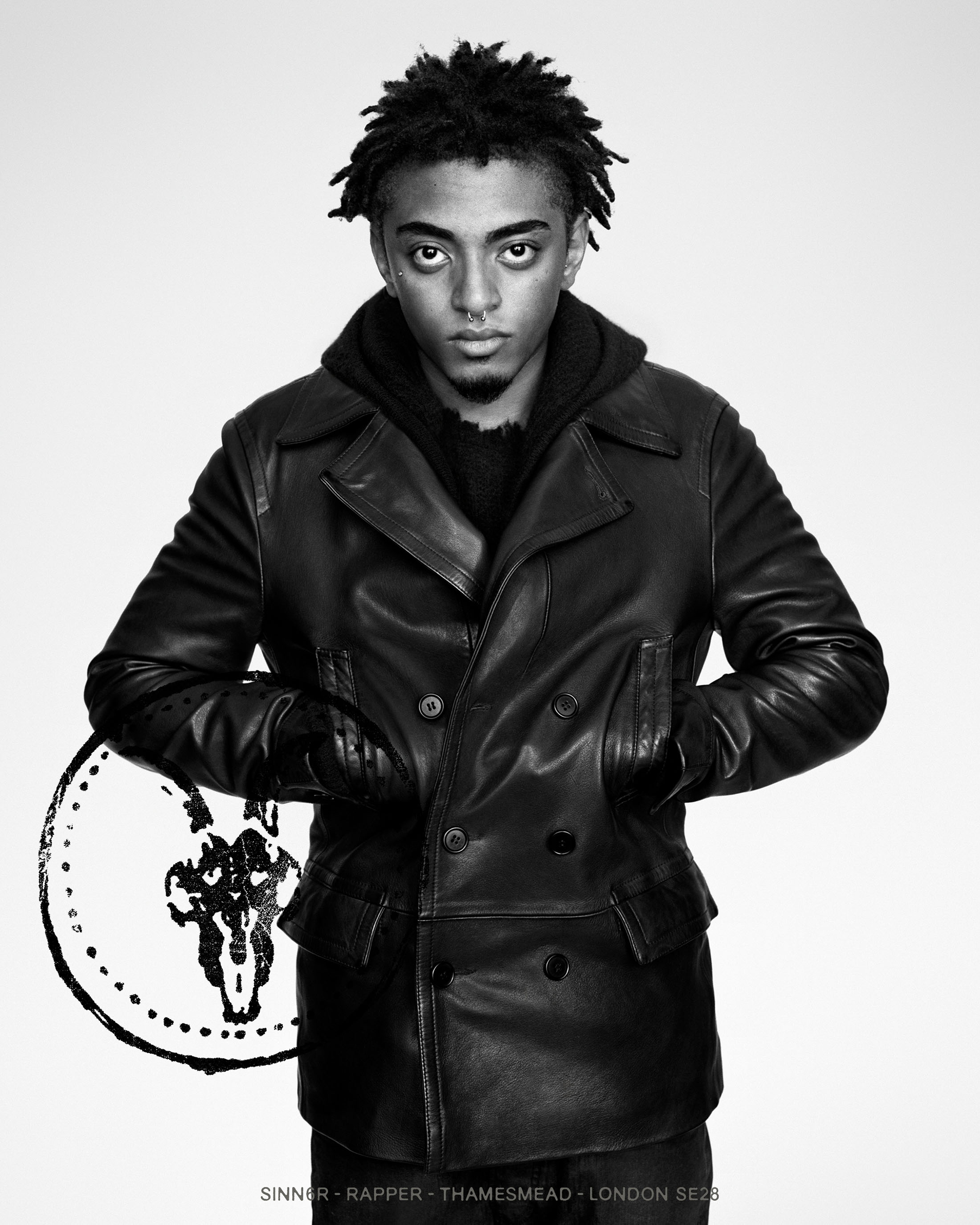
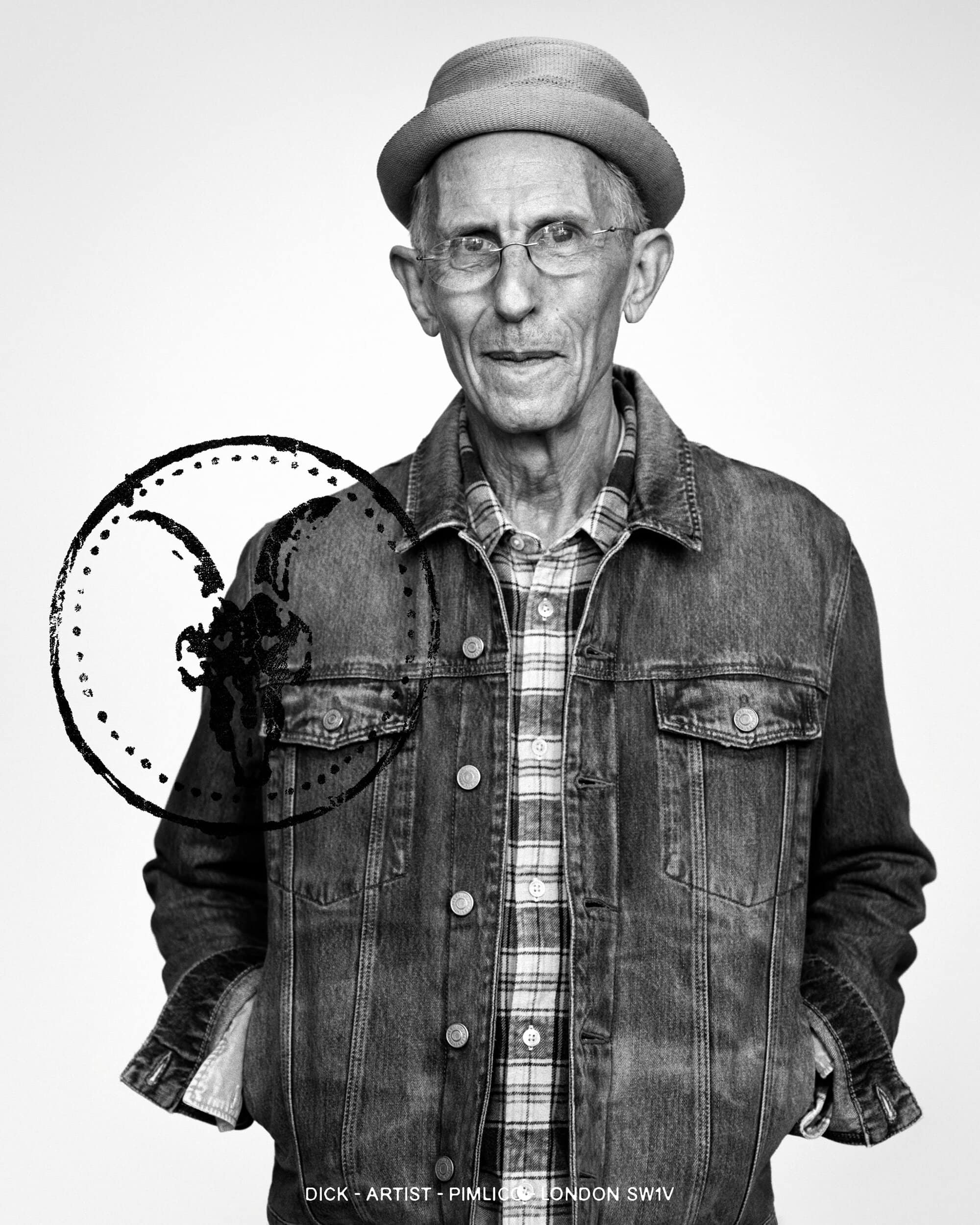
Fashion campaigns have long been rather fond of suspicious characters: the brooding model, the disaffected musician, the art student who appears to have missed several nights of sleep. For Fall 2026, AllSaints gathers its own lineup, but with an important difference. Creative Director Aaron Esh, photographer Alasdair McLellan, Creative Director Jamie Reid, and stylist Katy England aren’t particularly interested in leaving their subjects anonymous. Each portrait comes with something approaching an identification record: first name, occupation, neighborhood, postcode. If this is a lineup, everyone seems remarkably willing to give a statement.
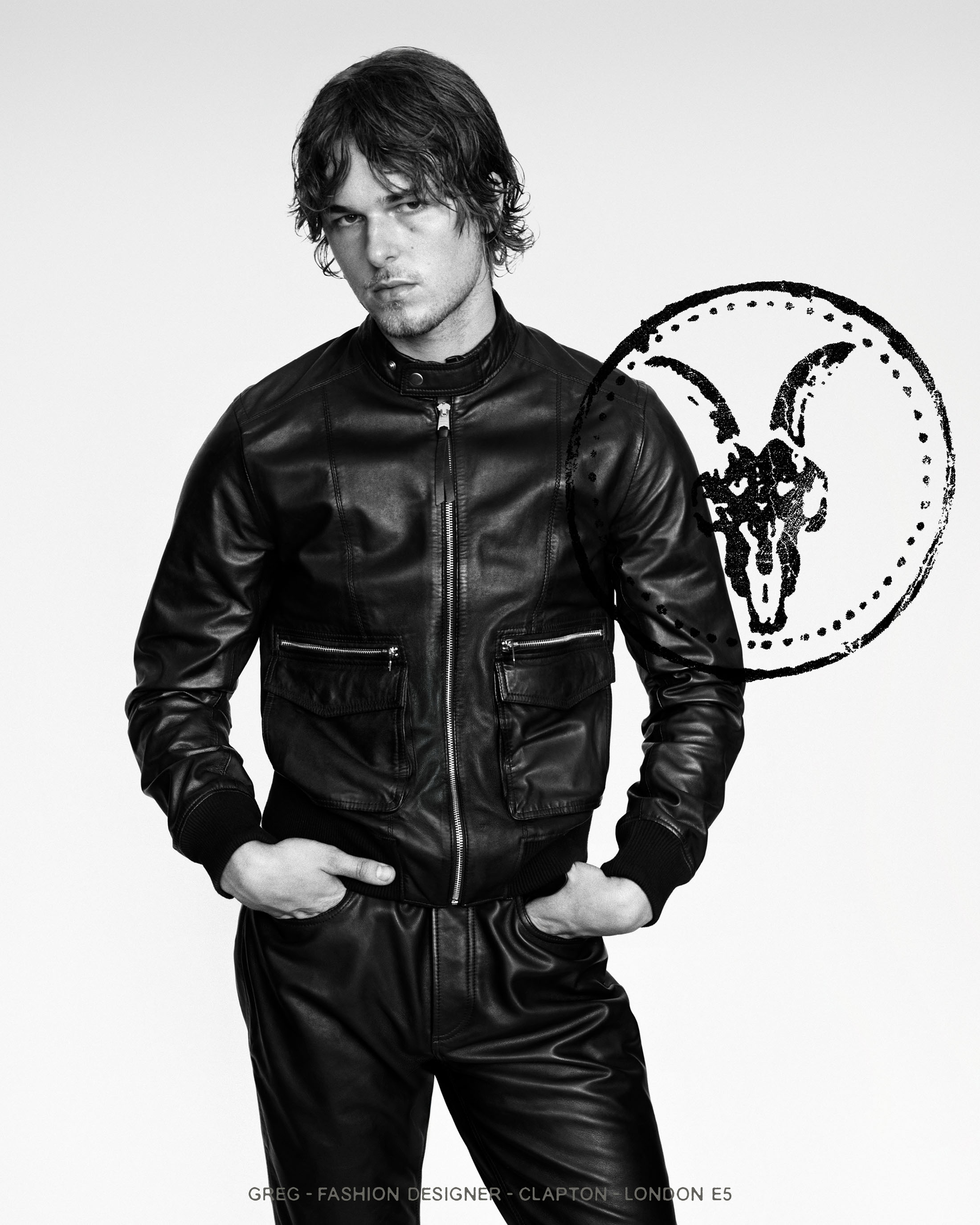
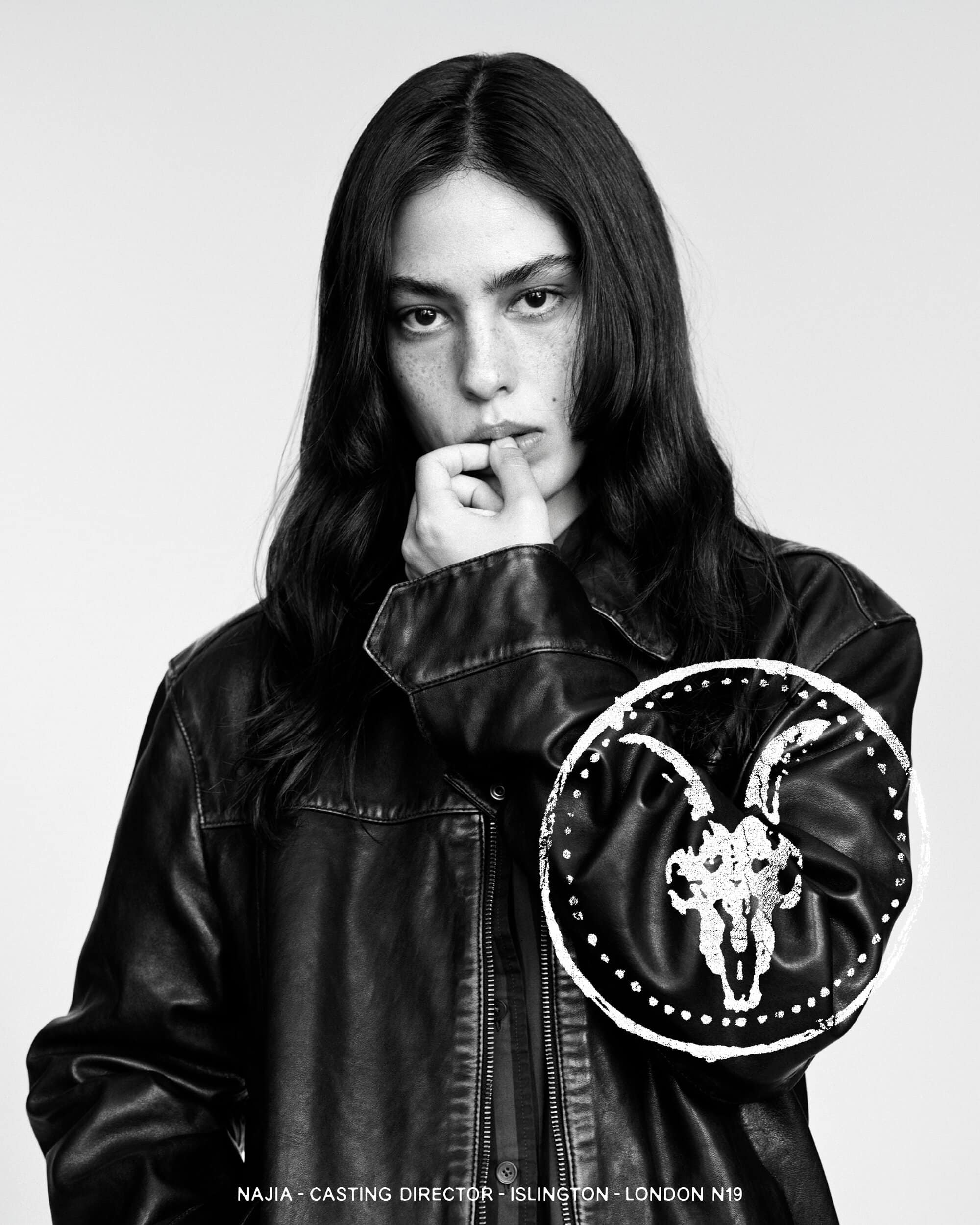
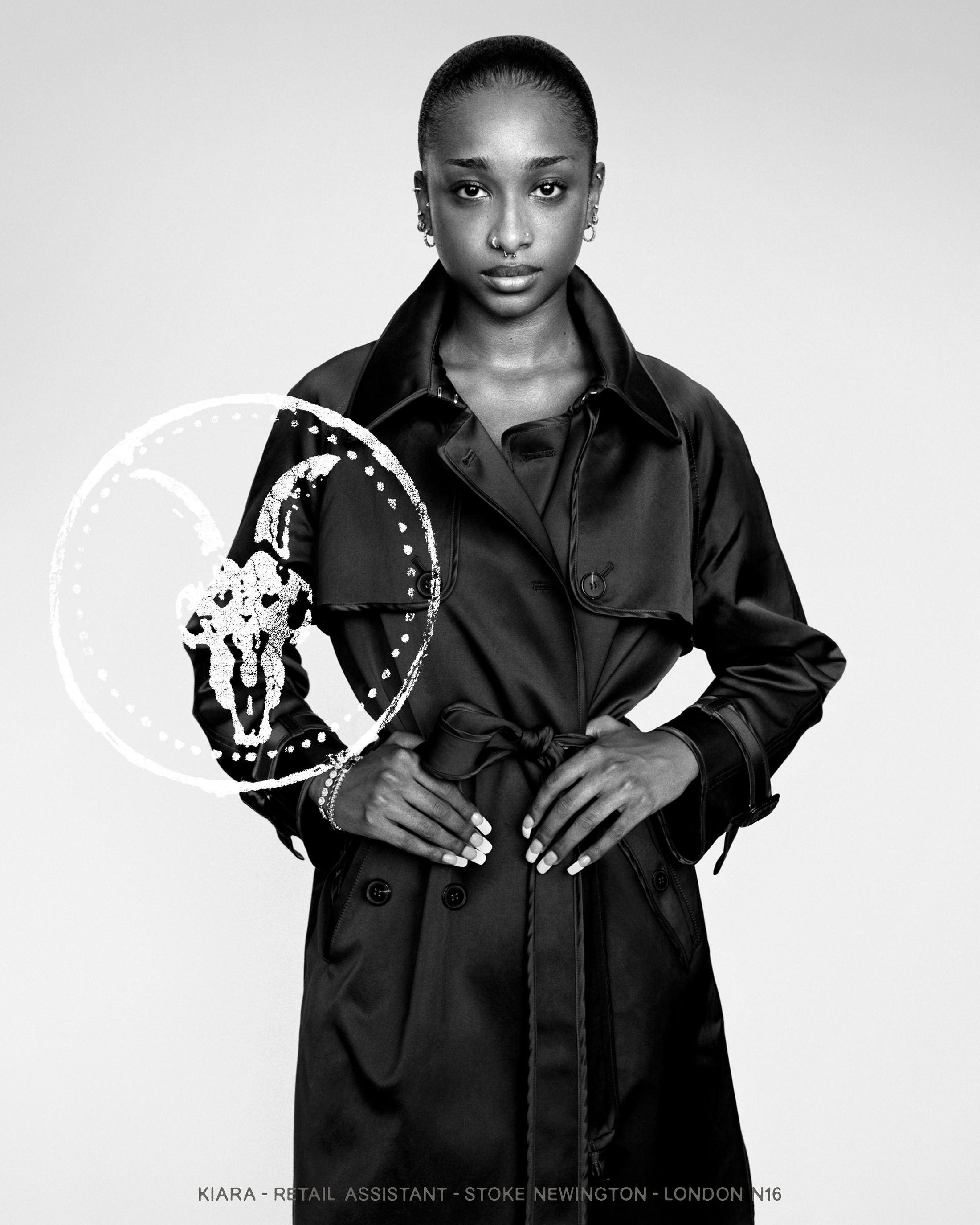
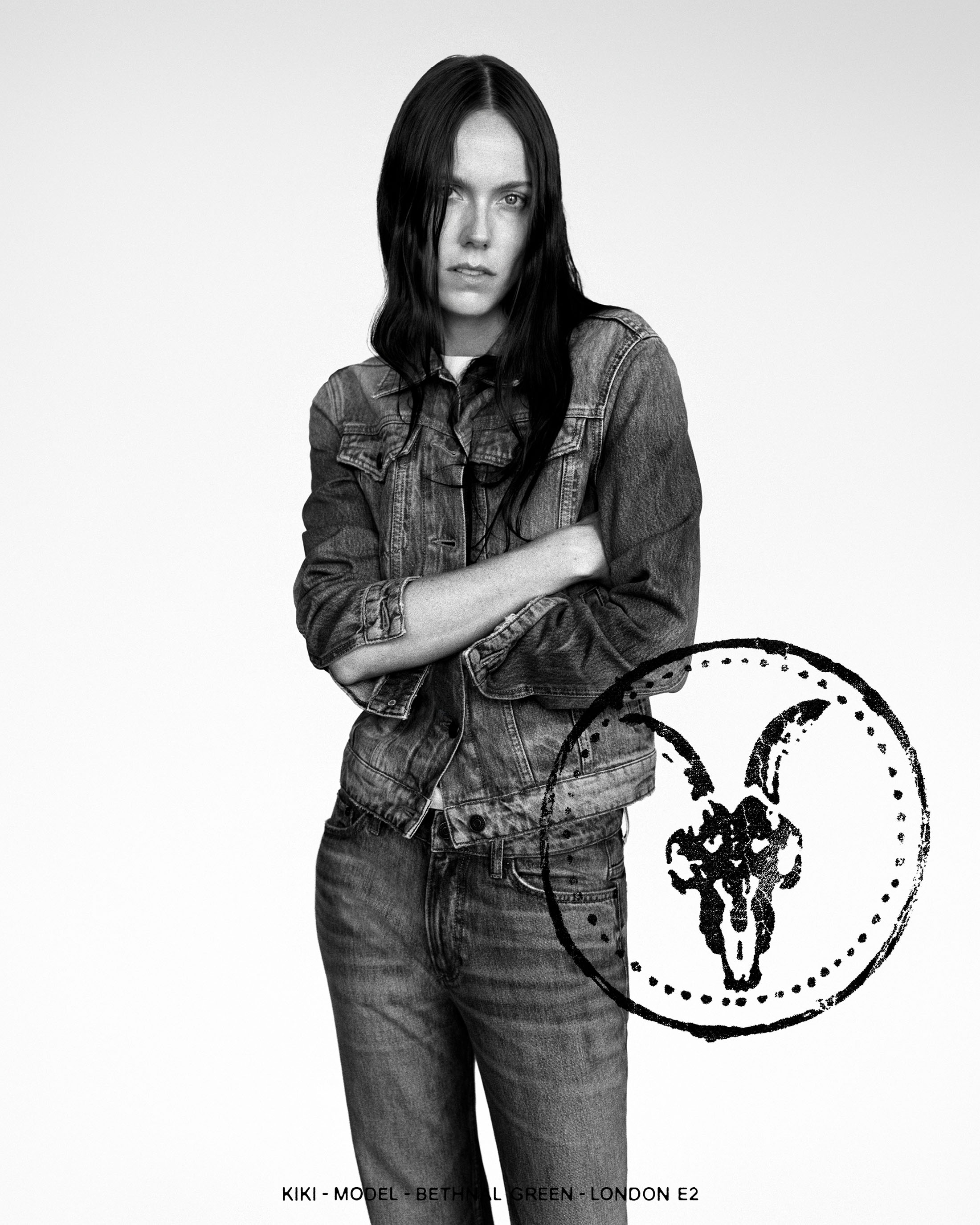
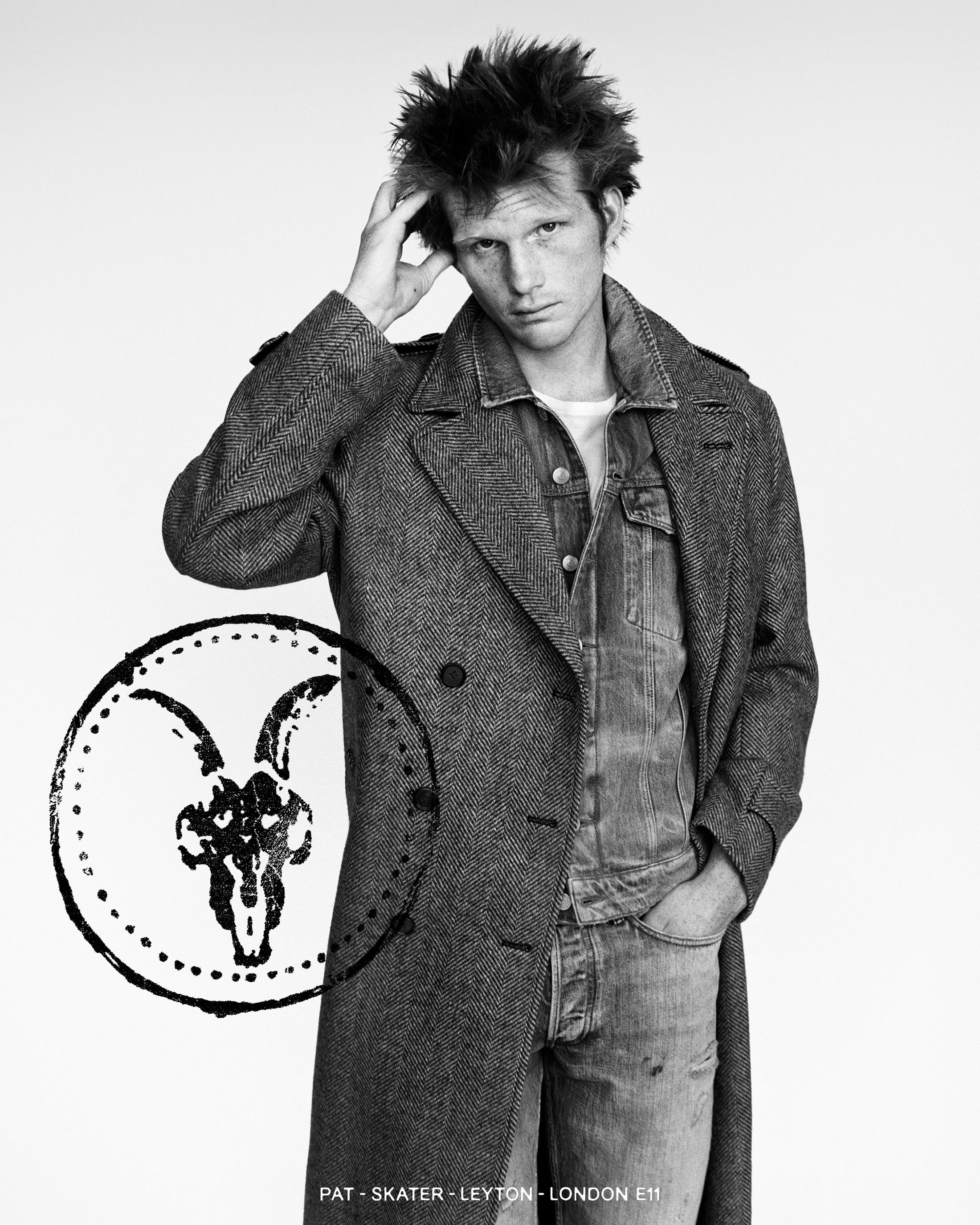
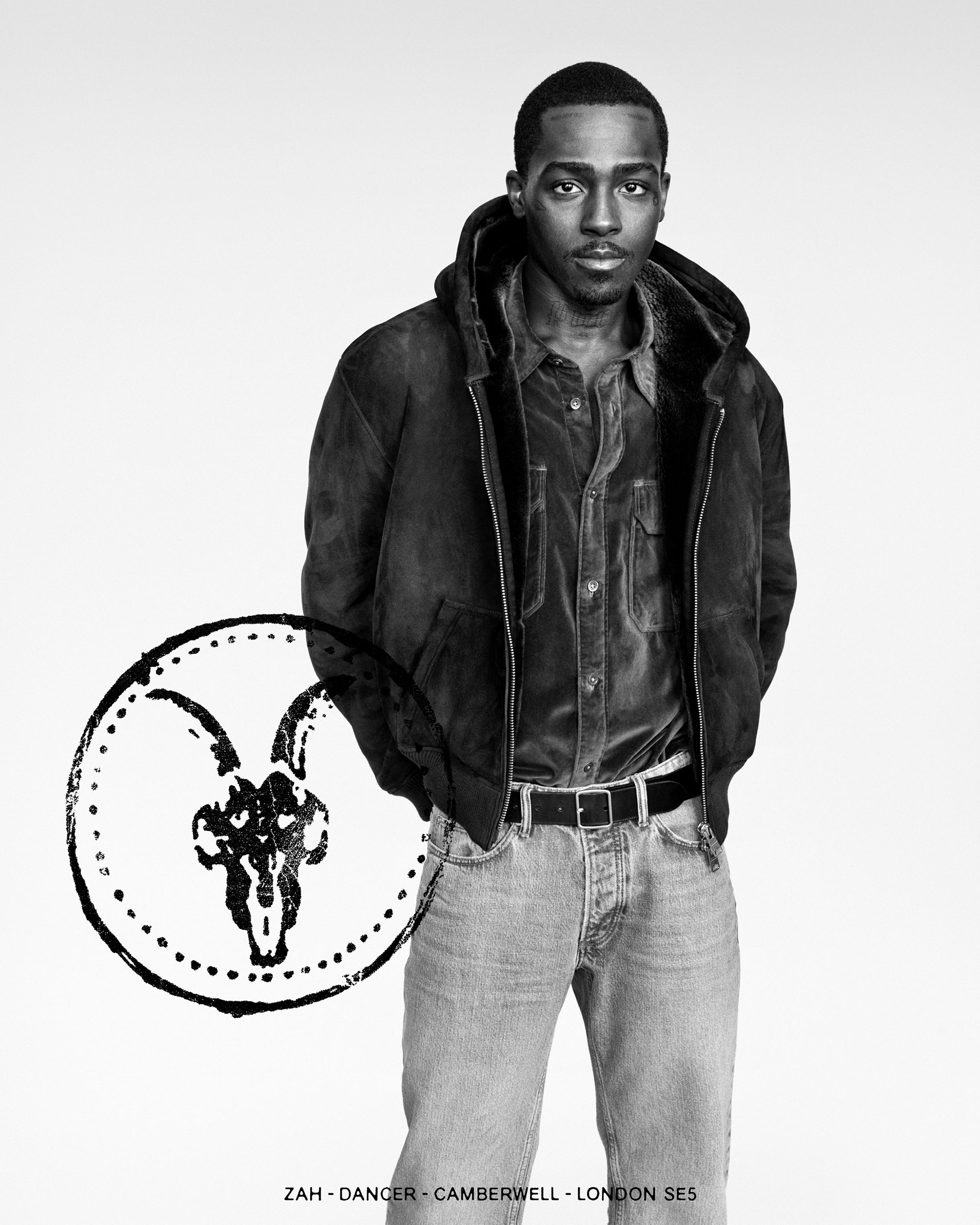
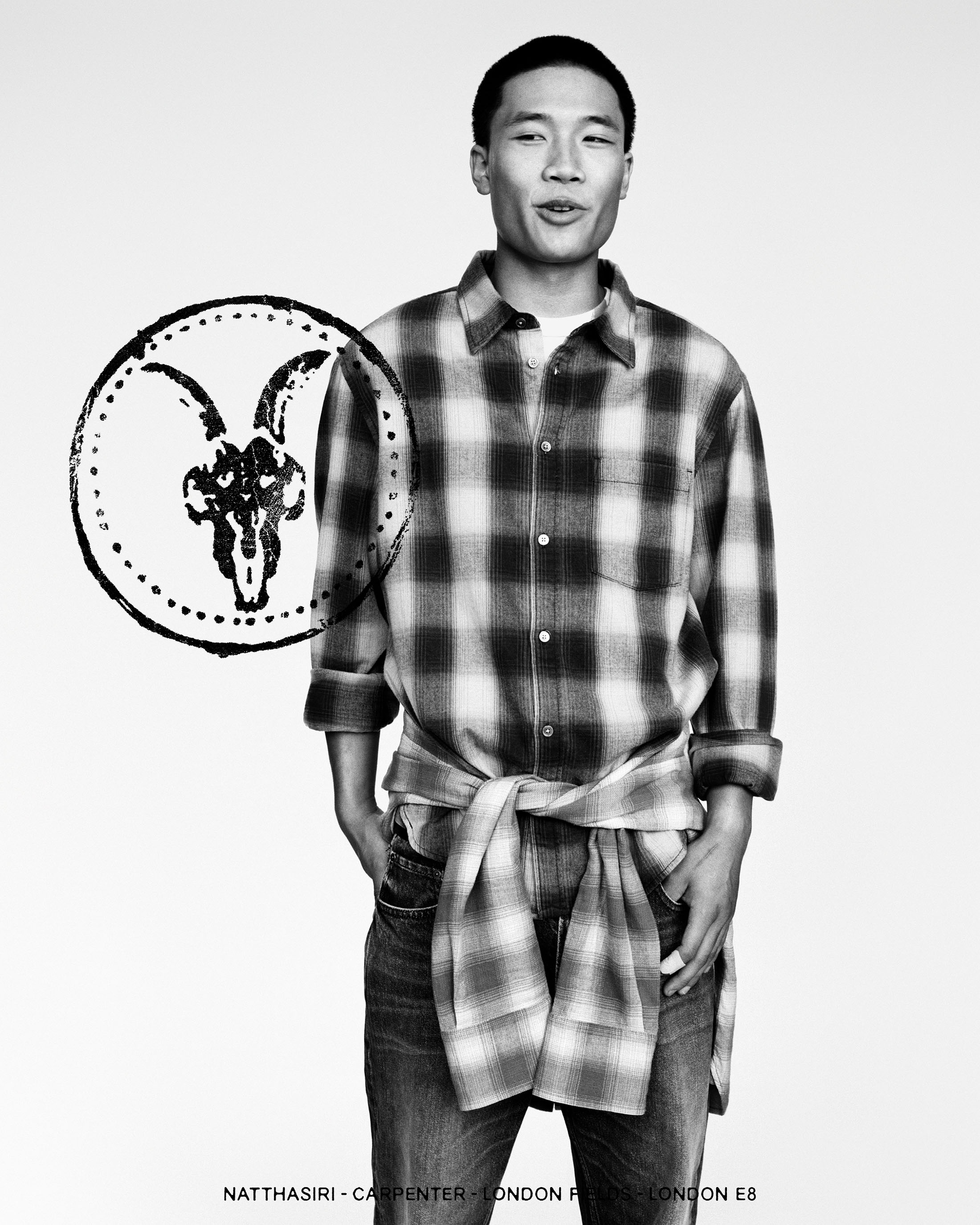
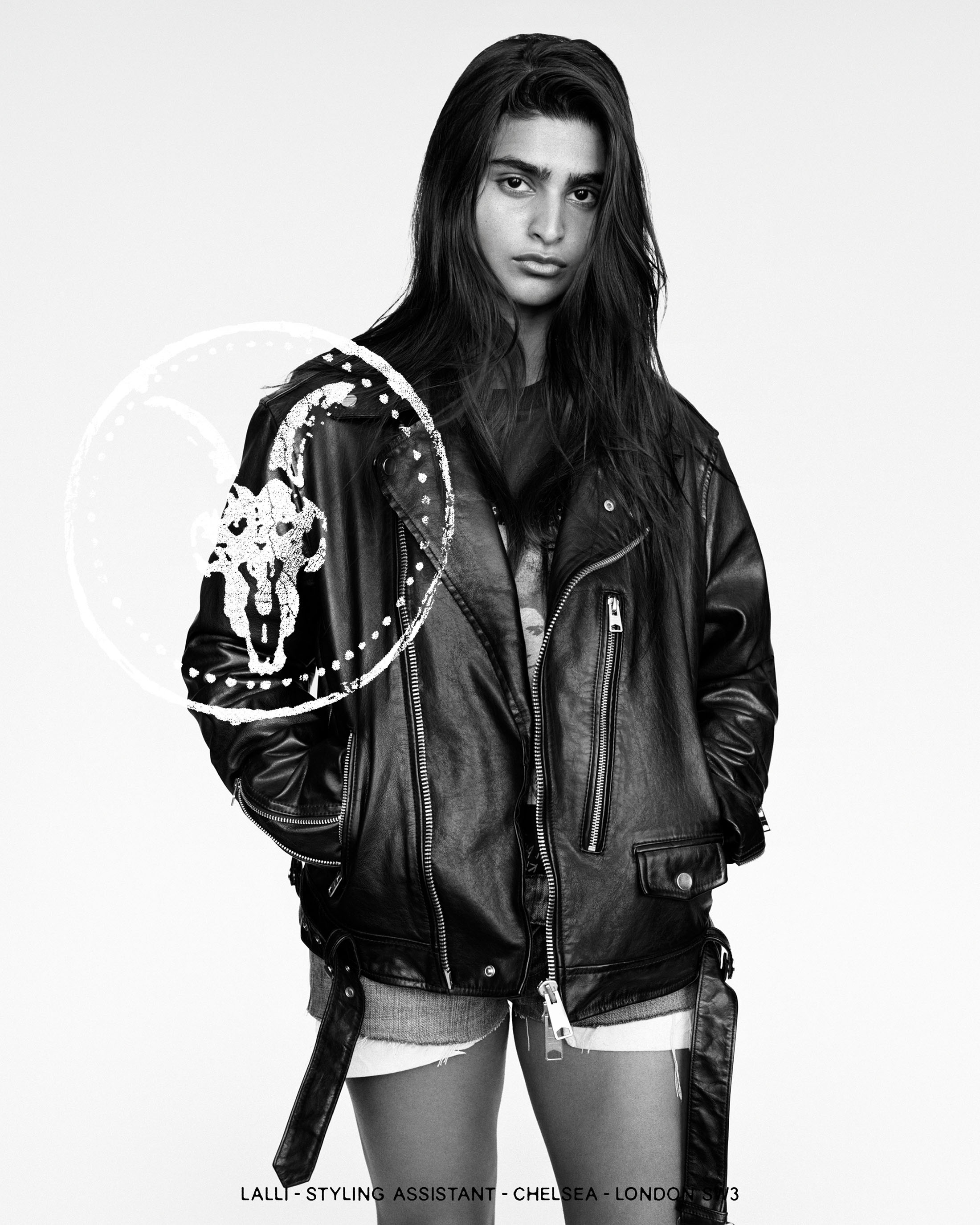
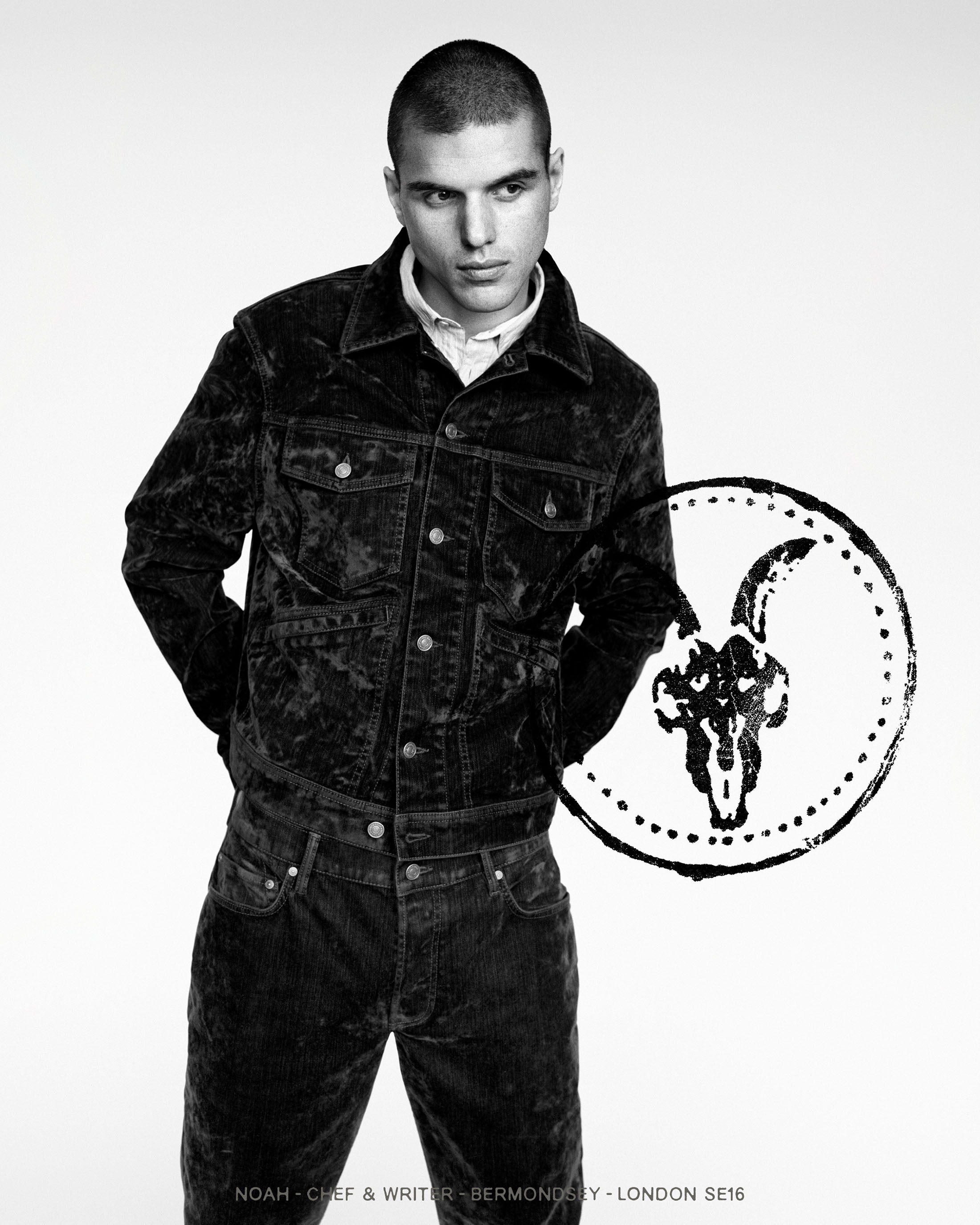
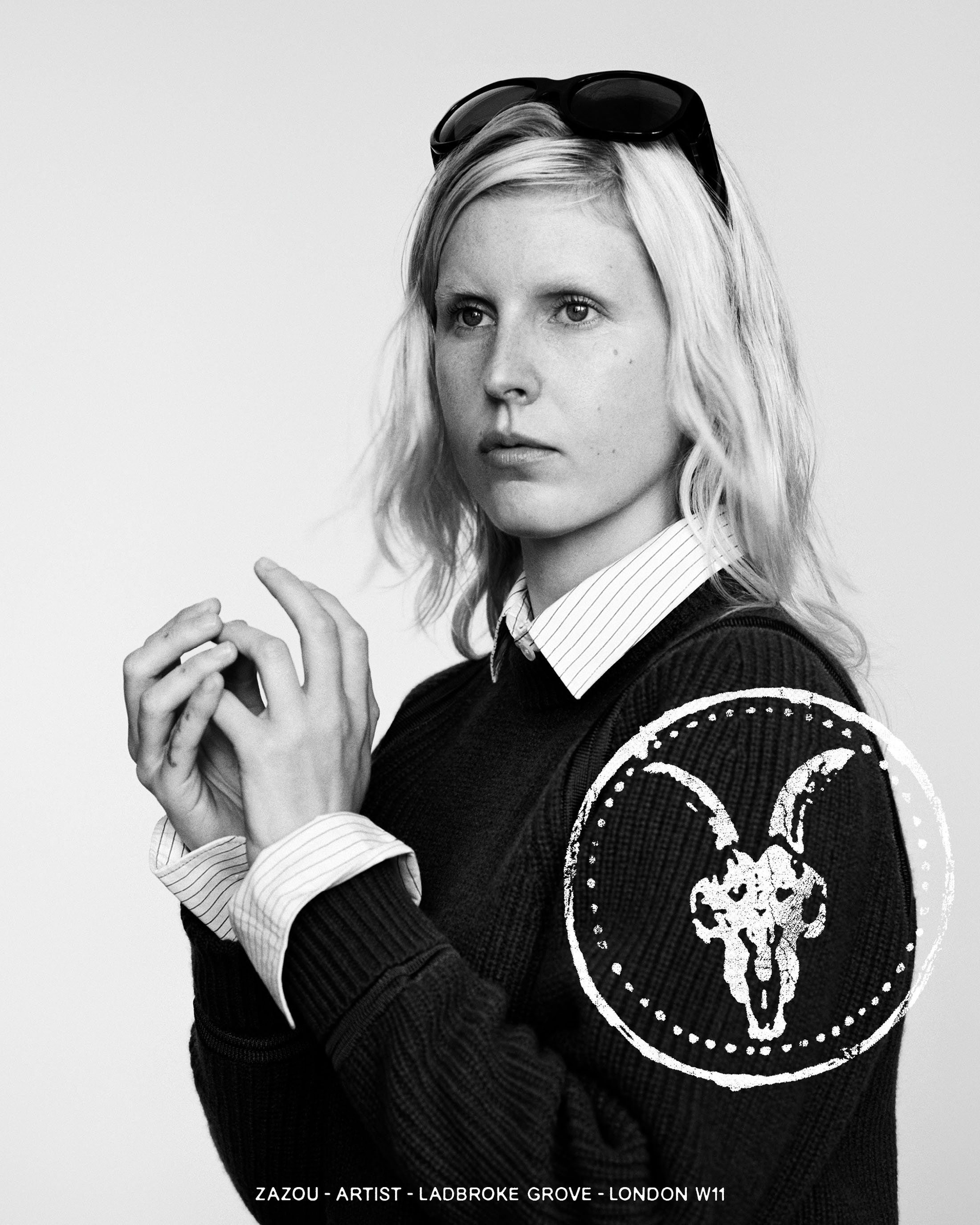
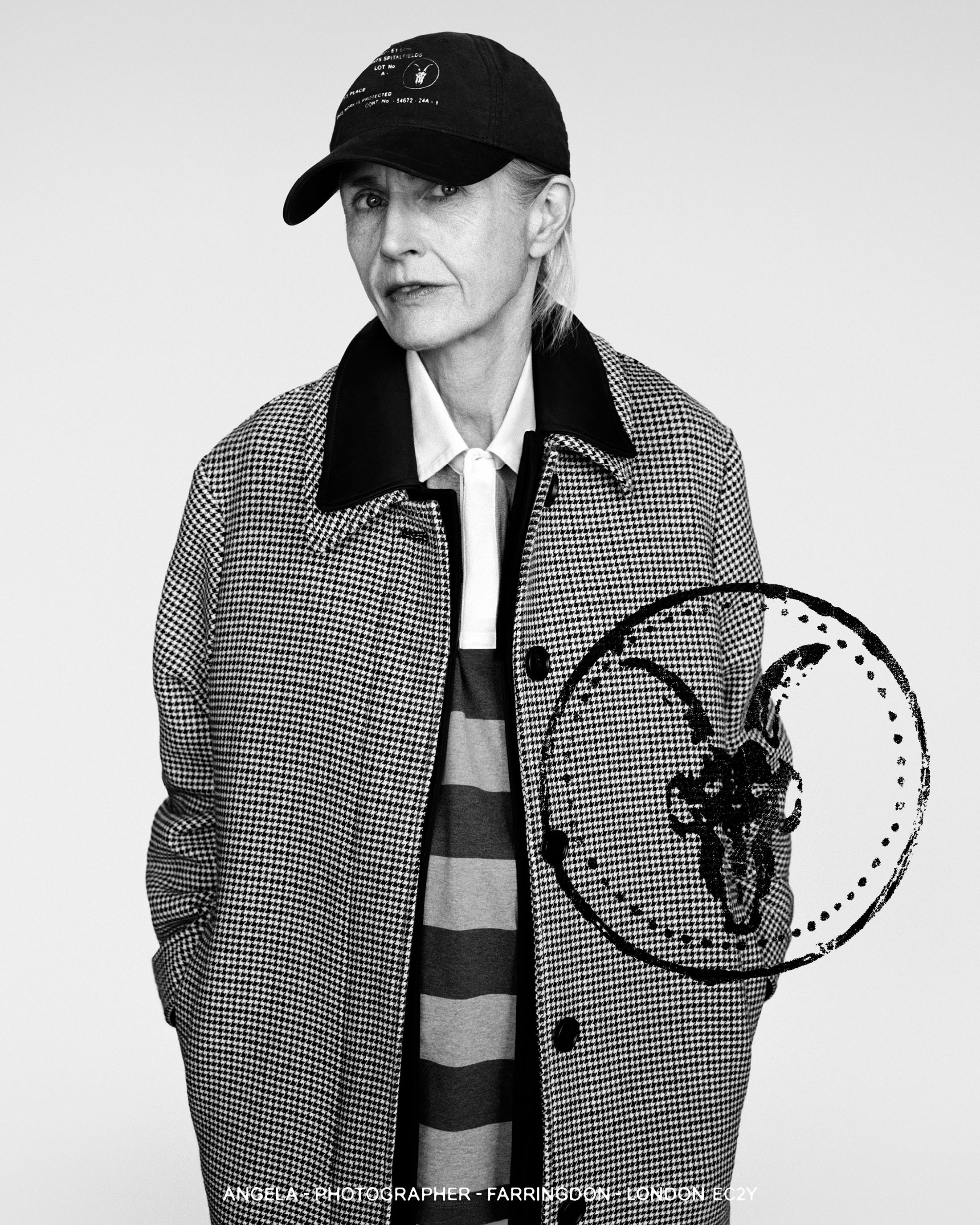
“Pat – Skater – Leyton.” “Roma – Fine Art Student – Harrow.” “Zah – Dancer – Camberwell.” “Dick – Artist – Pimlico.” “Angela – Photographer – Farringdon.” Across the campaign, models appear alongside dancers, artists, students, stylists, designers, retail workers and other members of the creative ecosystem. The information is almost bureaucratically straightforward, yet within fashion advertising it feels unexpectedly personal. Rather than inventing fictional personas around clothes, AllSaints begins with the proposition that the people wearing them already have identities worth acknowledging.
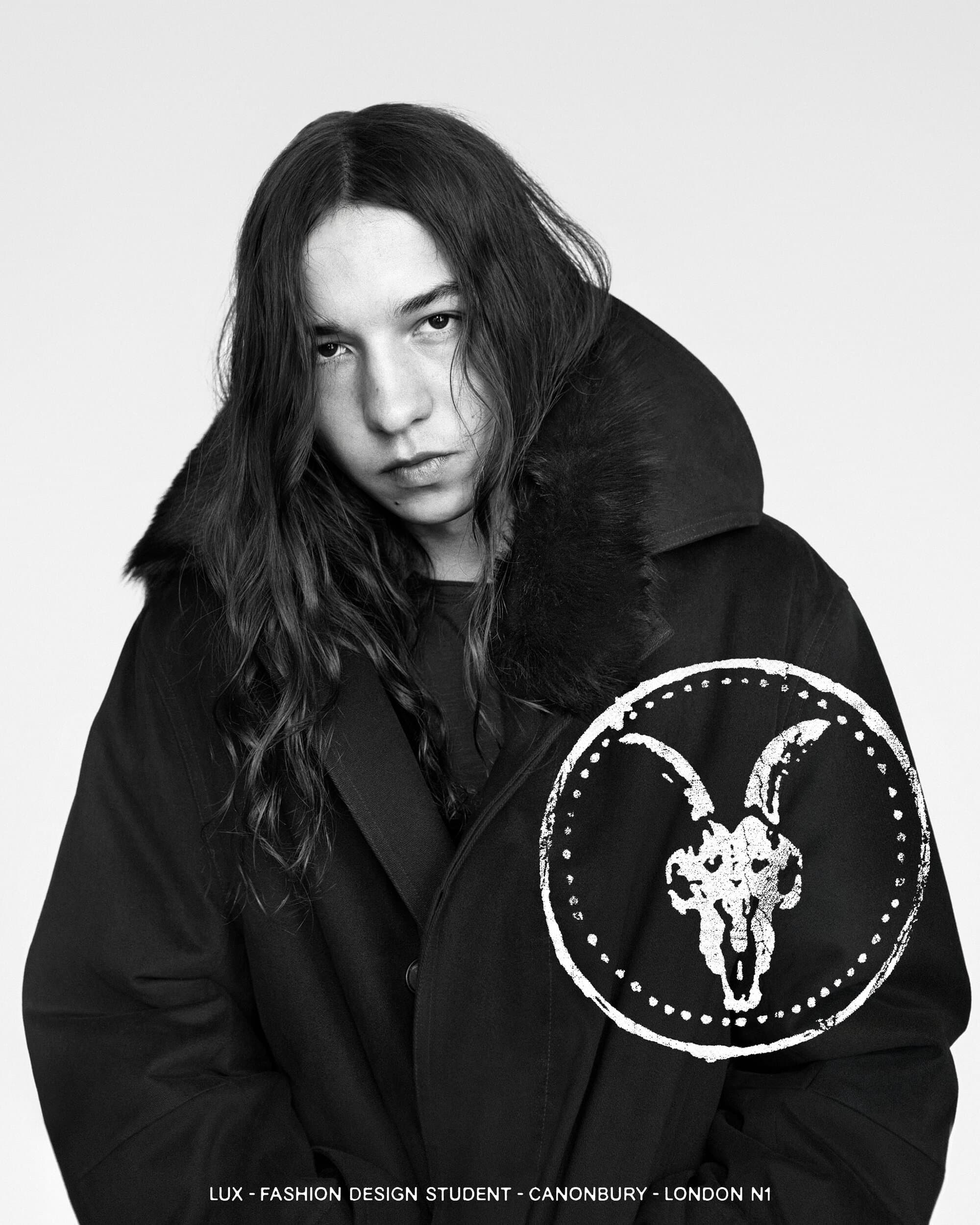
McLellan’s photography deliberately refuses to compete with that idea. Shot in black and white against a nearly featureless studio background, the portraits are frontal, direct and remarkably consistent. There are echoes of casting photographs, identification pictures and the long tradition of British social portraiture, but without pretending to be documentary photography. Katy England’s styling similarly avoids overstatement. Leather jackets, denim, oversized outerwear, plaid, shearling and lived-in layers create continuity from person to person while leaving enough irregularity for the individual to remain visible. The clothes connect the cast rather than convert them into characters.
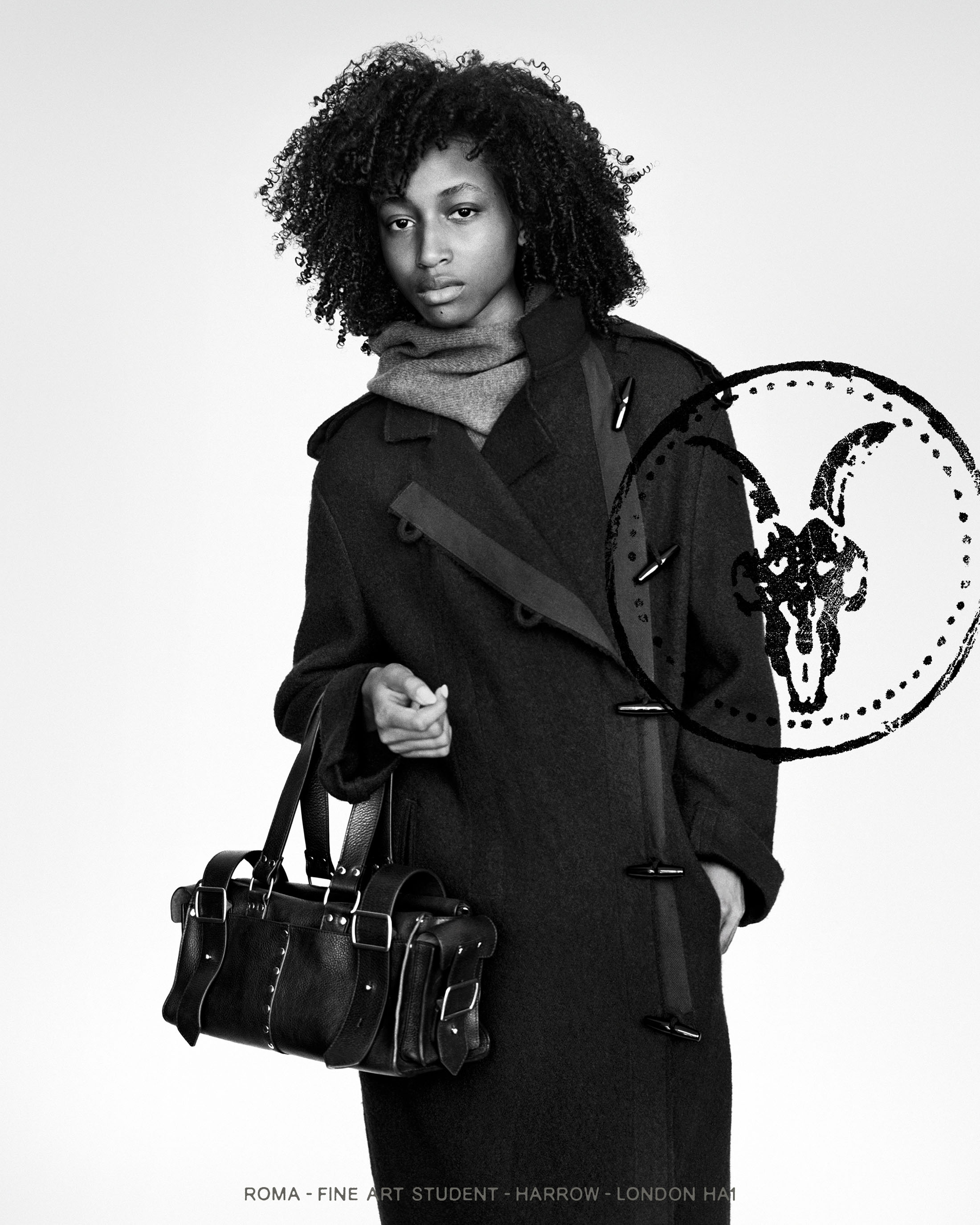
Jamie Reid’s oversized ram-skull graphic is the campaign’s essential act of disruption, stamped across bodies and garments with all the refinement of something photocopied onto a gig flyer at two in the morning. Sometimes black, sometimes white, occasionally overlapping itself, it interrupts McLellan’s photographic restraint and gives the imagery some much-needed abrasion. Without it, the campaign could easily drift toward beautifully executed casting cards. With it, there is a little noise in the system, an intentionally crude gesture against otherwise controlled fashion imagery.
That tension is important because the campaign’s real strength lies in its casting rather than its staging. Different generations, professions, appearances and attitudes receive essentially equal photographic treatment. There is no obvious hero and little hierarchy. Particularly welcome are the older faces among the younger creatives, which broaden the idea of who might inhabit an AllSaints wardrobe. “Community” has become one of fashion marketing’s more exhausted words, frequently used to describe what is ultimately a very conventional casting strategy. Here, the names, occupations and locations at least give the concept some specificity. These aren’t merely faces assembled to signify diversity; the campaign makes a point of reminding us that lives continue beyond the edge of the photograph.
Ironically, that is also where the concept leaves something on the table. Once AllSaints tells us someone is a carpenter, dancer, photographer, artist or skater, curiosity naturally follows. Yet McLellan’s democratic studio treatment deliberately suppresses those differences. The carpenter occupies essentially the same visual world as the artist; the dancer is granted no more movement than the model. There is conceptual logic to that equality, but also a missed opportunity. Even a secondary series entering these people’s actual environments might have turned an intriguing casting proposition into a richer portrait of how clothes accumulate meaning through the lives lived in them.
Perhaps, though, the flatness is partly the point. There is something appealingly anti-spectacular about a fashion campaign that doesn’t manufacture an elaborate fantasy around every jacket. Esh’s AllSaints wardrobe becomes the common denominator among people who otherwise have little reason to look alike. Clothes are presented as personal equipment rather than transformational costume. You don’t become an AllSaints character by putting them on; you bring your own character with you.
Which brings us back to the lineup. The Fall 2026 campaign doesn’t quite reveal enough about its subjects to become the cultural portrait it occasionally hints at, but it understands something increasingly valuable in fashion communication: specificity creates credibility. Names matter. Jobs matter. Ages matter. Personal histories matter. And clothes become more interesting when the people inside them appear to have somewhere to go after the photographer puts down his camera.
AllSaints may have assembled the usual suspects. The clever part is discovering there isn’t a usual one among them.
AllSaints Creative Director | Aaron Esh
Creative Director | Jamie Reid
Photographer | Alasdair McLellan
Models | Kiki Willems, Lux Gillespie
Stylist | Katy England
Hair | Anthony Turner
Makeup | Mel Arter
Manicurist | Jenny Longworth
Casting Director | Najia Saad
Campaign Cast | Kiki – Model – Bethnal Green; Pat – Skater – Leyton; Roma – Fine Art Student – Harrow; Zah – Dancer – Camberwell; Natthasiri – Carpenter; Lalli – Styling Assistant – Chelsea; Jagi – Stylist – Shepherds Bush; Lux – Fashion Design Student – Canonbury; Dick – Artist – Pimlico; Zazou – Artist – Ladbroke Grove; Angela – Photographer – Farringdon; Sinner – Rapper – Thamesmead; Greg – Fashion Designer – Clapton; Najia – Casting Director – Islington; Kiara – Retail Assistant – Stoke Newington